1. Overview of Industrial Ultrafiltration Price
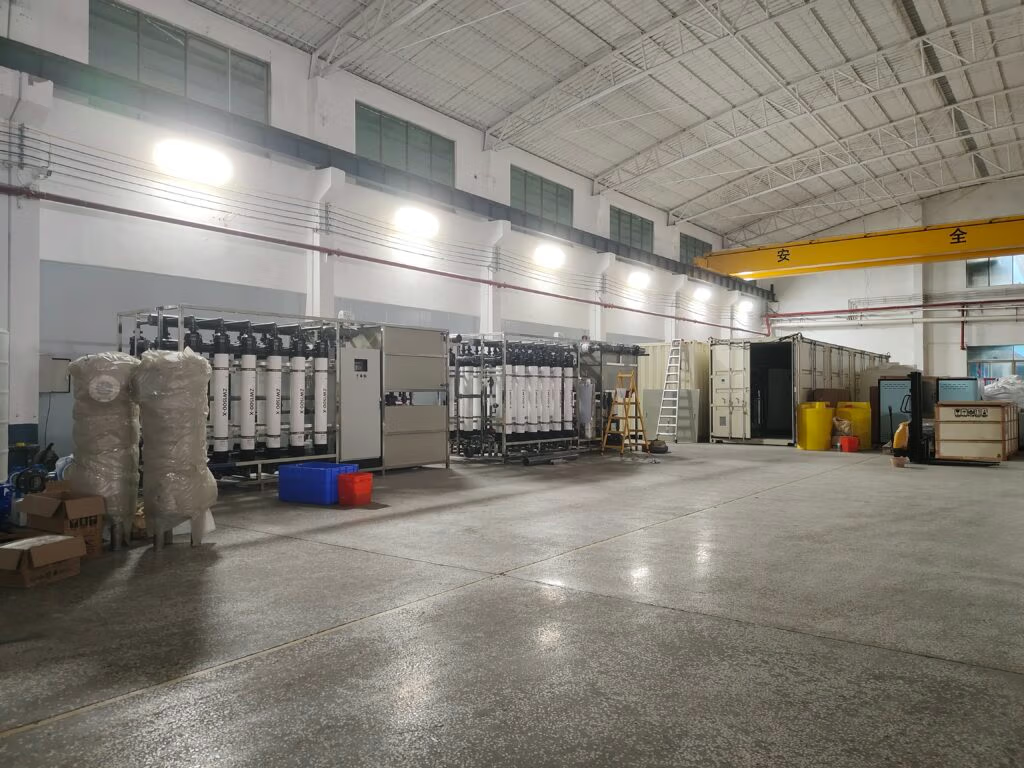
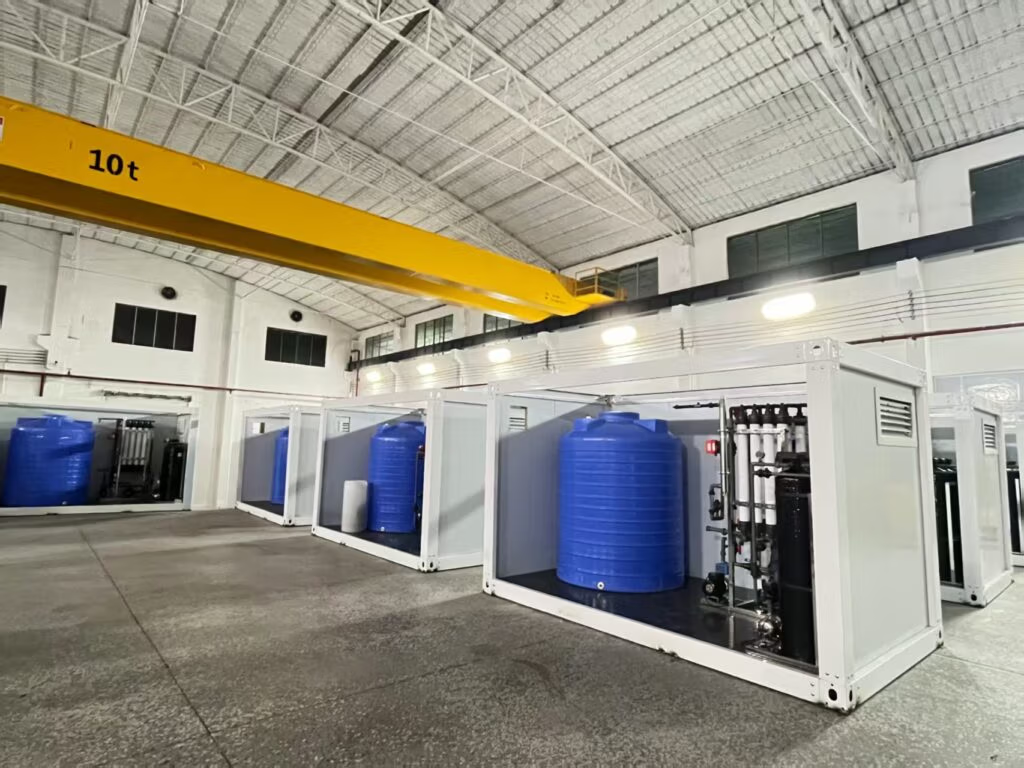
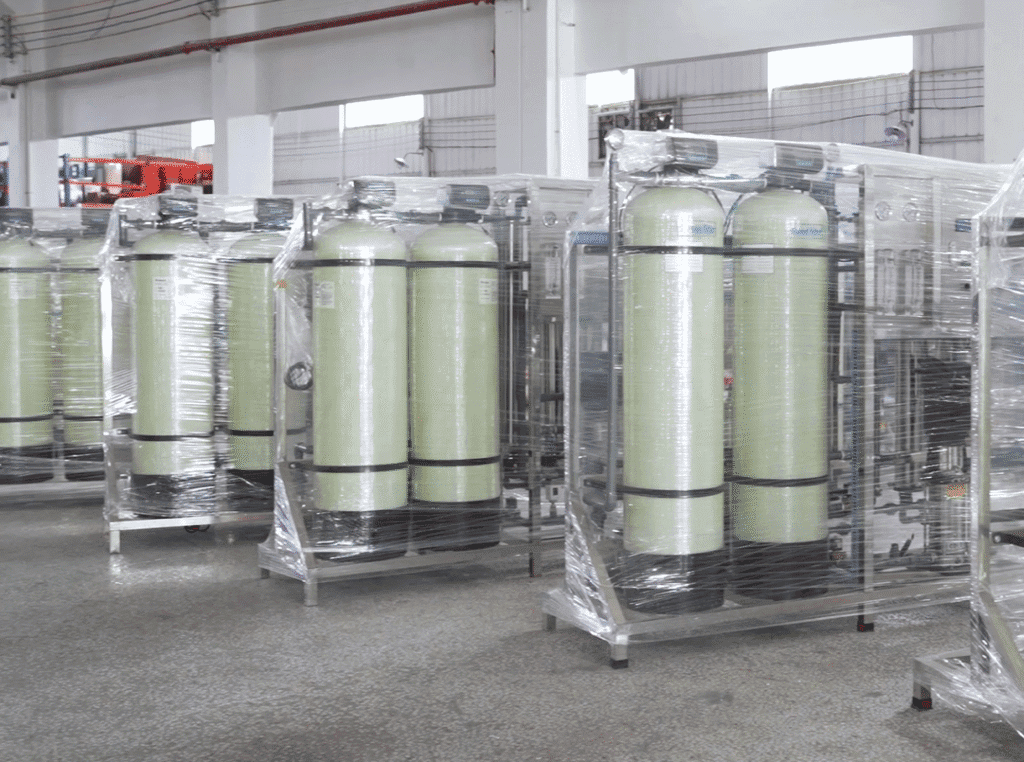
Industrial ultrafiltration equipment boasts a wide range of applications, including pure water preparation, wastewater reclamation, material separation, and reclaimed water purification. Consequently, I believe many users have a strong inclination to invest in such equipment. However, during the procurement phase, most users often find themselves perplexed regarding product pricing. There is no standardized benchmark for industrial ultrafiltration price, market quotes vary drastically. Drawing upon market trends projected for 2026, I will conduct an in-depth analysis of the factors influencing ultrafiltration equipment costs, prevailing price ranges, total lifecycle costs, and key selection criteria, thereby providing users with professional guidance for procurement and cost management.
2. Selection of Industrial Ultrafiltration Modules
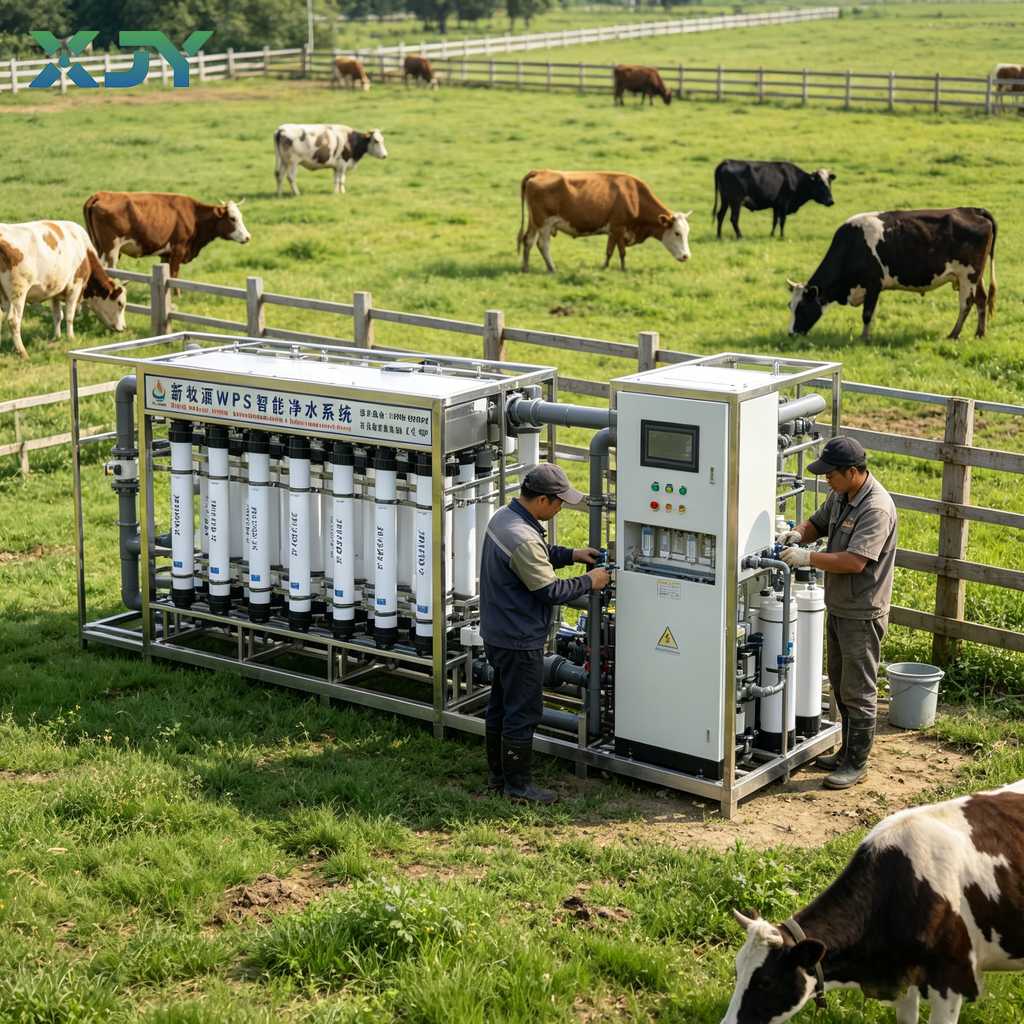
Variations industrial ultrafiltration price stem primarily from four key dimensions: component configuration, processing capacity, degree of automation, and process customization. Among these factors, the ultrafiltration membrane module serves as the pivotal element determining the system’s base cost. Specifically, the membrane material, structural design, brand reputation, and country of origin directly account for the disparities in pricing.
Currently, the predominant materials used for industrial ultrafiltration membranes include PVDF, PES, and PEEK. Of these, PEEK offers superior resistance to acids, alkalis, and high temperatures, as well as exceptional anti-fouling properties. It is ideally suited for applications involving high-concentration industrial wastewater, though its cost is significantly higher than that of standard PVDF materials.
PVDF membranes, known for their greater versatility and outstanding cost-effectiveness, remain the mainstream choice for general water purification and reclaimed water reuse projects. Furthermore, a significant price gap exists between imported and domestically produced membrane modules. For products of identical specifications, quotes from international brands typically range from 40% to 80% higher than those from domestic manufacturers. Nevertheless, high-quality domestic membranes backed by mature manufacturing processes and stable performance have emerged as the preferred choice for small-to-medium-scale industrial projects.
3. Scale of Industrial Ultrafiltration Treatment
Membrane surface area, the number of membrane modules, and the processing capacity of the equipment are the most direct factors influencing industrial ultrafiltration price. Industrial ultrafiltration equipment uses water production rate (measured in tons per hour) as its primary technical specification. Consequently, as the required processing volume increases, the specifications and quantities of the necessary membrane modules, booster pumps, tanks, and piping also increase, resulting in a corresponding rise in the overall cost.
- Small-scale industrial ultrafiltration systems (with a water output of 1–10 m³/h) are suitable for small processing plants and laboratory water purification applications. The overall price range for such equipment typically falls between US$4,200 and US$21,000.
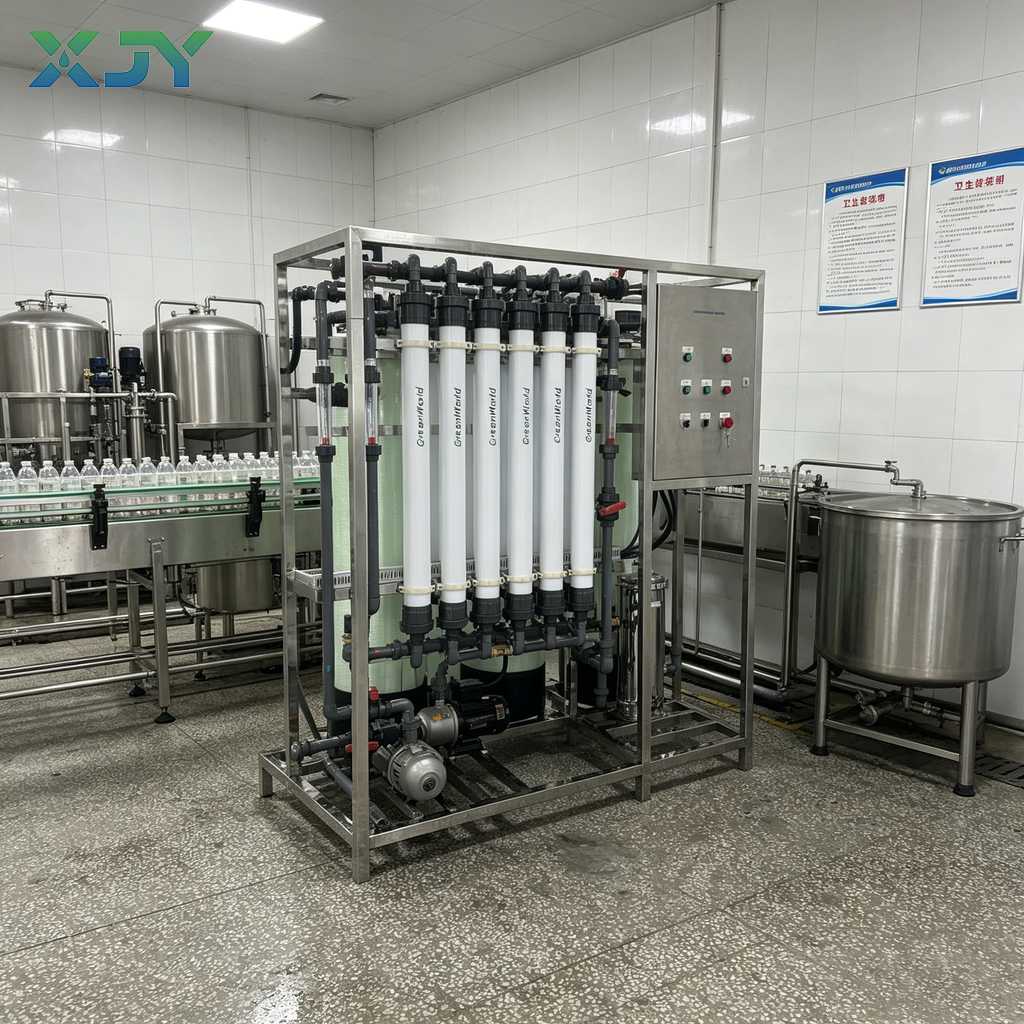
- Medium-sized equipment (producing 10–50 m³/h of water) is primarily utilized by small and medium-sized enterprises for production water supply and wastewater pretreatment, with a price range typically falling between $21,000 and $112,000 USD.
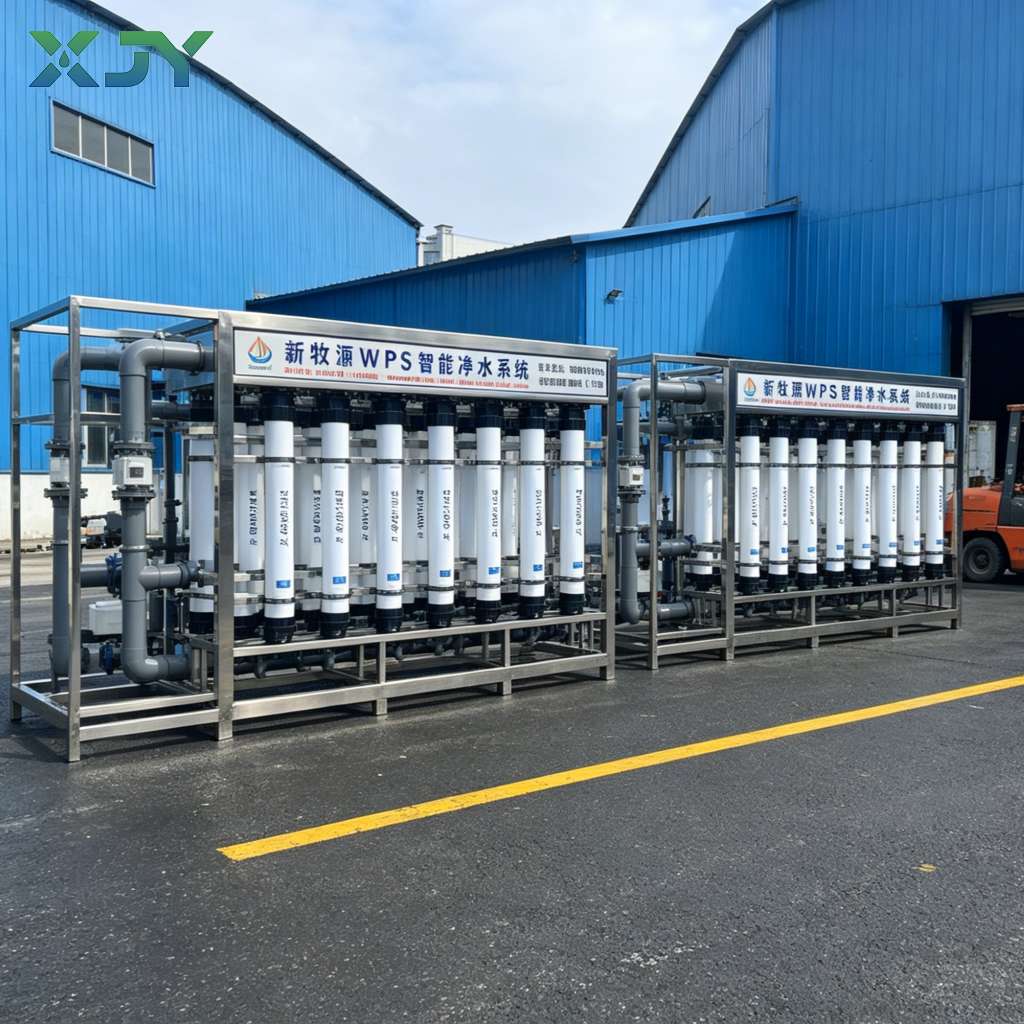
Large-scale industrial ultrafiltration systems (with a water output exceeding 100 m³/h) are designed for use in large-scale factory circulating water and extensive reclaimed water reuse projects. Featuring integrated process designs, these systems typically carry a price tag in the million-dollar range, while customized large-scale projects can reach costs well in excess of several million dollars.
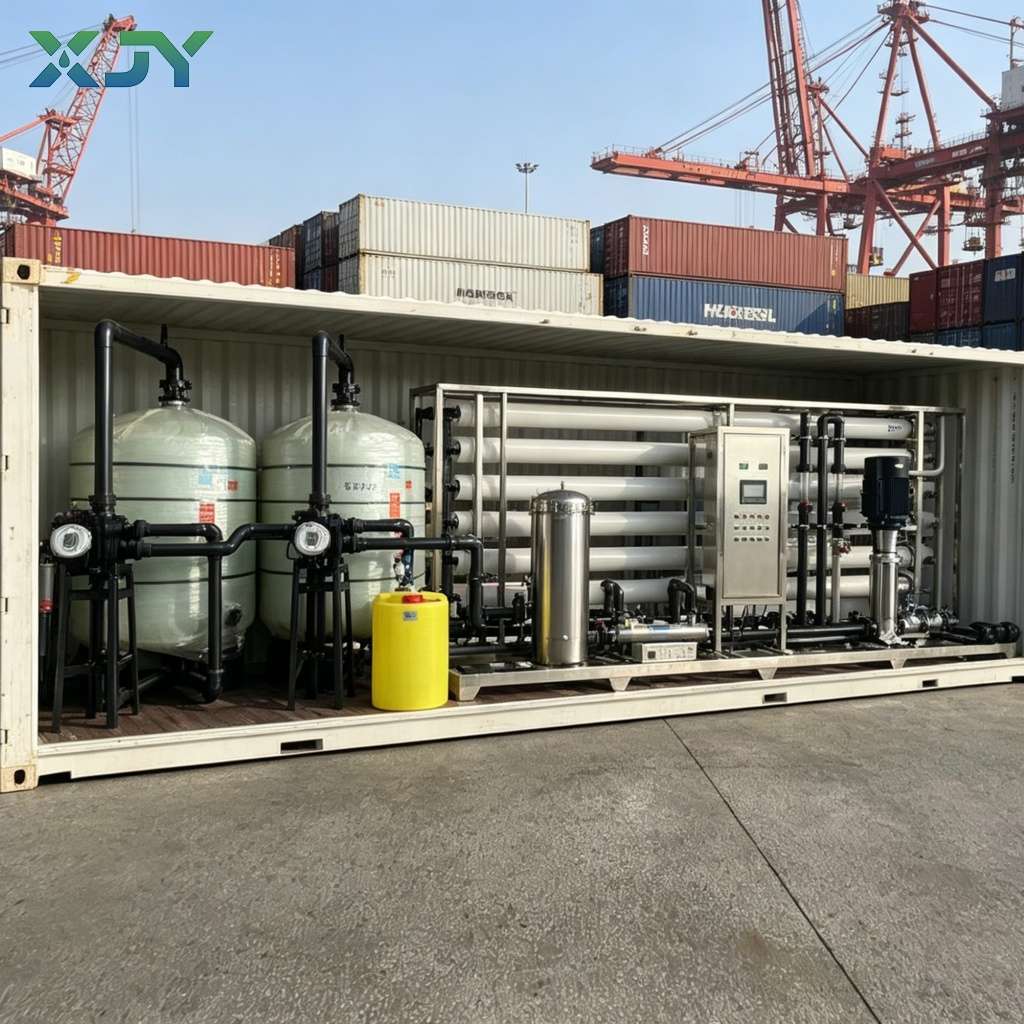
4. Industrial Ultrafiltration System Configuration and Process
The level of automation configuration and the materials and manufacturing processes employed are the key factors driving disparities among industrial ultrafiltration price of the same specifications.
Basic semi-automatic ultrafiltration units feature only manual controls and fundamental filtration capabilities. Characterized by their simple structure and low cost, they are well-suited for settings with limited budgets and ample operational and maintenance personnel.
In contrast, fully automated intelligent ultrafiltration systems incorporate advanced features such as real-time water quality monitoring, automatic backwashing, ultrafiltration membrane flux alerts, and remote control capabilities. These systems enable up to 20 hours of unattended operation, resulting in a 20% to 30% increase in the equipment’s purchase price.
Furthermore, differences in the materials used for the equipment frame and piping also influence pricing. Corrosion-resistant UPVC piping is suitable for standard water purification applications and offers a lower cost point. Conversely, 304 and 316 stainless steel materials—known for their superior corrosion resistance and anti-aging properties are designed for environments involving corrosive water sources, such as those found in the chemical and pharmaceutical industries. Consequently, the overall cost of the equipment increases significantly.
5. Industrial Ultrafiltration Price: The Core Cost Factor
In addition to the hardware cost of the equipment, the an industrial ultrafiltration price also encompasses its total lifecycle costs. Many users focus solely on the initial purchase price of the equipment while overlooking subsequent expenses related to operation and maintenance, membrane replacement, and energy consumption.
Ultrafiltration membranes are consumable components; standard domestically produced membranes typically have a service life of 3 to 5 years, whereas imported membranes can last between 5 and 8 years. Although the unit purchase price for imported membranes is higher, their longer replacement cycles result in lower overall operation and maintenance costs.
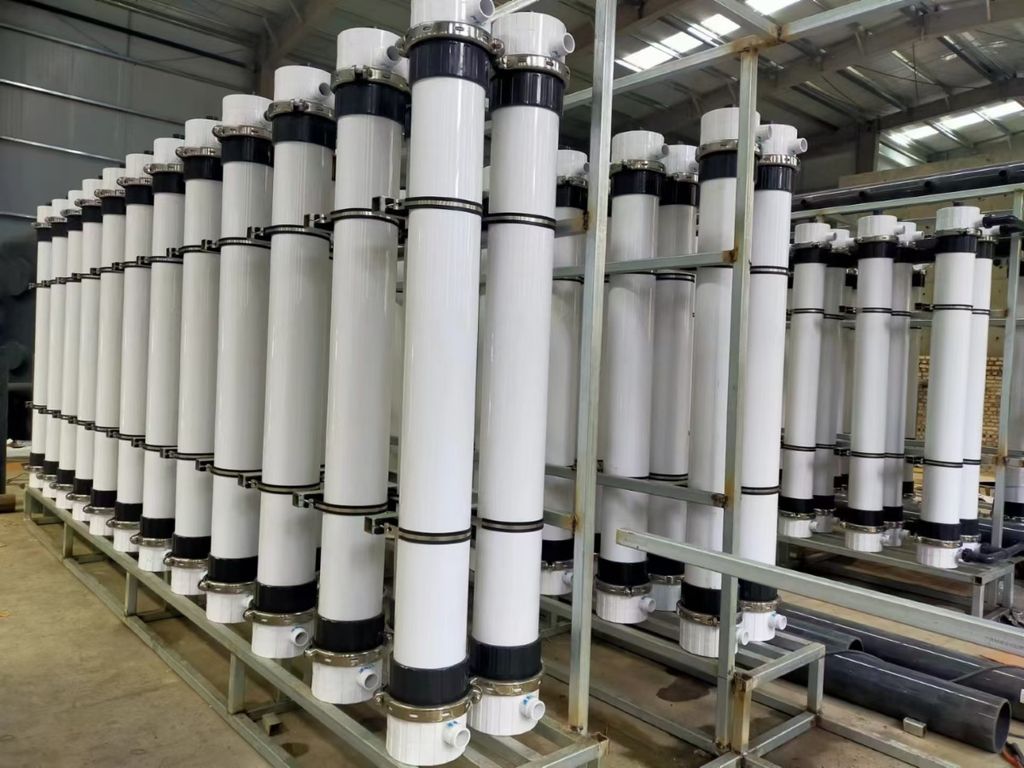
Furthermore, high-quality equipment features optimized water circuit designs and superior energy consumption control, resulting in lower electricity and maintenance costs over the long term. Conversely, while low-cost, low-spec equipment entails a lower initial investment, it suffers from issues such as susceptibility to membrane fouling, high energy consumption, and frequent malfunctions; consequently, its long-term operation and maintenance costs far exceed those of high-spec equipment, resulting in extremely poor overall cost-effectiveness.
6. Selection and Procurement of Industrial Ultrafiltration Equipment
When selecting ultrafiltration equipment, users should not simply compare prices. Instead, they should adhere to the principle of prioritizing suitability for specific operating conditions and overall cost-effectiveness.
- For low-pollution, standard water purification scenarios, prioritize domestic PVDF membranes paired with semi-automated configurations to keep initial investment costs in check.
- For industrial environments characterized by high pollution, corrosiveness, and continuous operation, it is recommended to select stainless steel materials and high-quality, fouling-resistant membrane components to minimize long-term operation and maintenance costs.
- At the same time, we must tailor our solutions to the project’s treatment capacity, water quality parameters, and site conditions. This approach prevents cost wastage resulting from functional redundancy, while also ensuring that equipment specifications are sufficient to meet both production and environmental compliance requirements.
7. Development Trends in Industrial Ultrafiltration Price
Overall, industrial ultrafiltration price in 2026 is trending toward greater transparency and rationality. The cost of ultrafiltration equipment is not a fixed figure. Rather, it represents a comprehensive pricing structure derived from specific operational requirements, configuration standards, and the accompanying service framework. When making a purchase, users should avoid the common pitfall of focusing solely on the initial quote. Instead, by holistically evaluating four core metrics—procurement costs, operation and maintenance expenses, service life, and operational stability. Users can select an ultrafiltration solution best suited to their specific industrial environment. This approach enables them to truly achieve cost reductions and efficiency gains, thereby maximizing the industrial value of their ultrafiltration equipment. If you require a product quotation for industrial ultrafiltration equipment, please feel free to contact us at any time for a consultation.