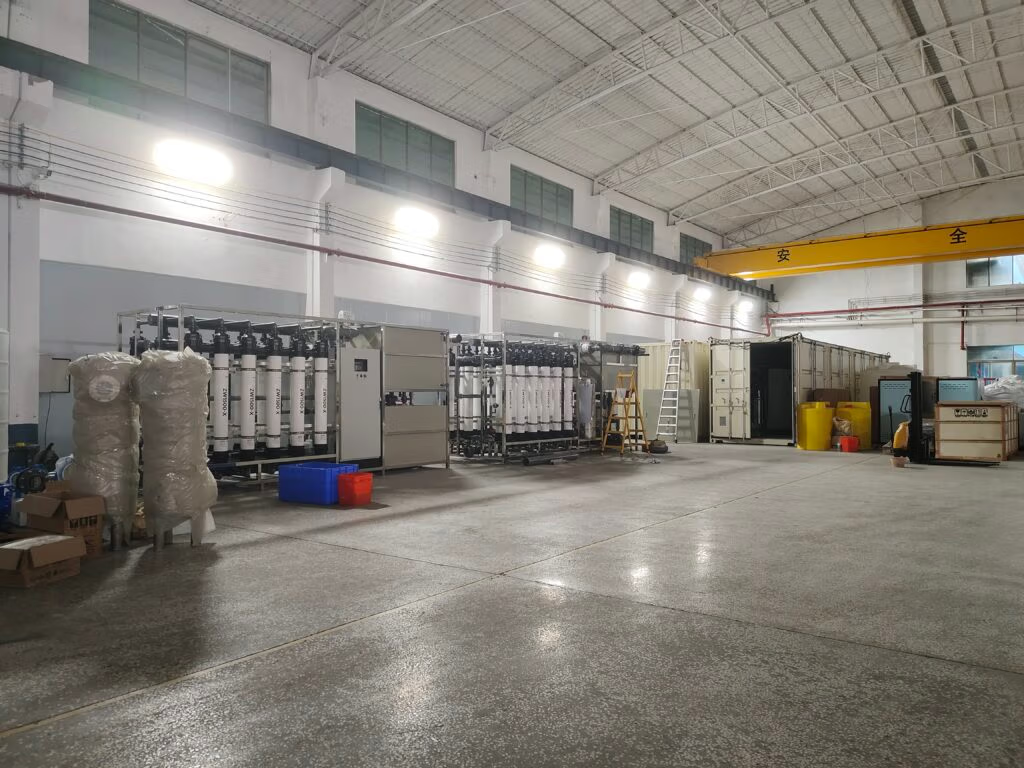
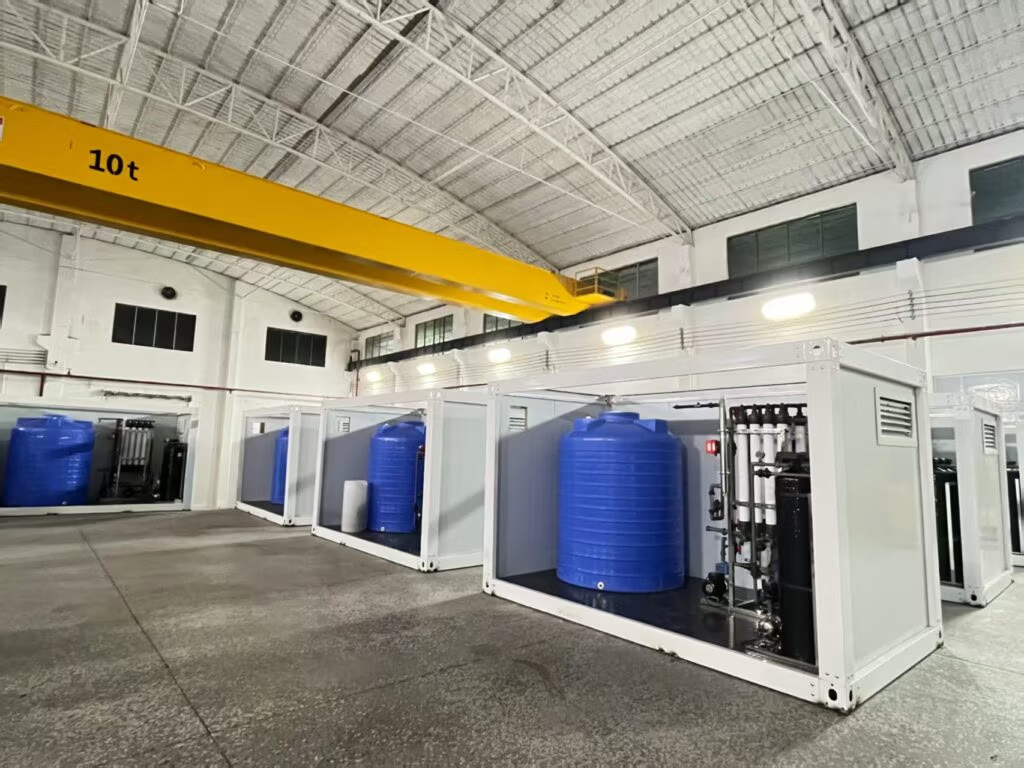
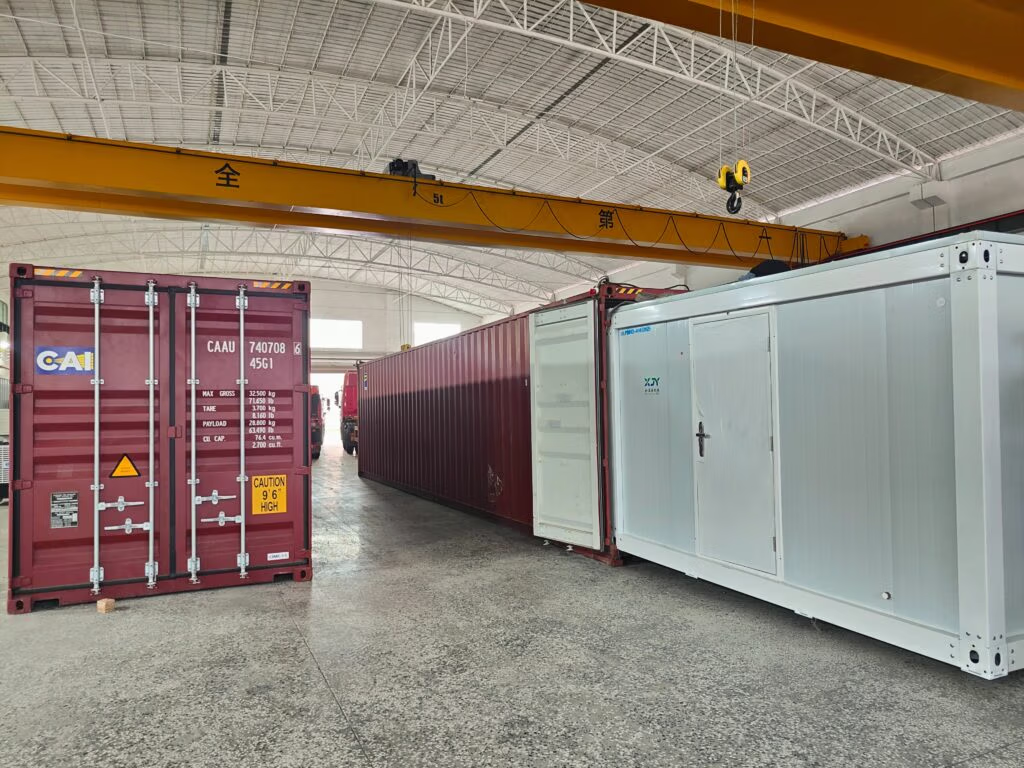
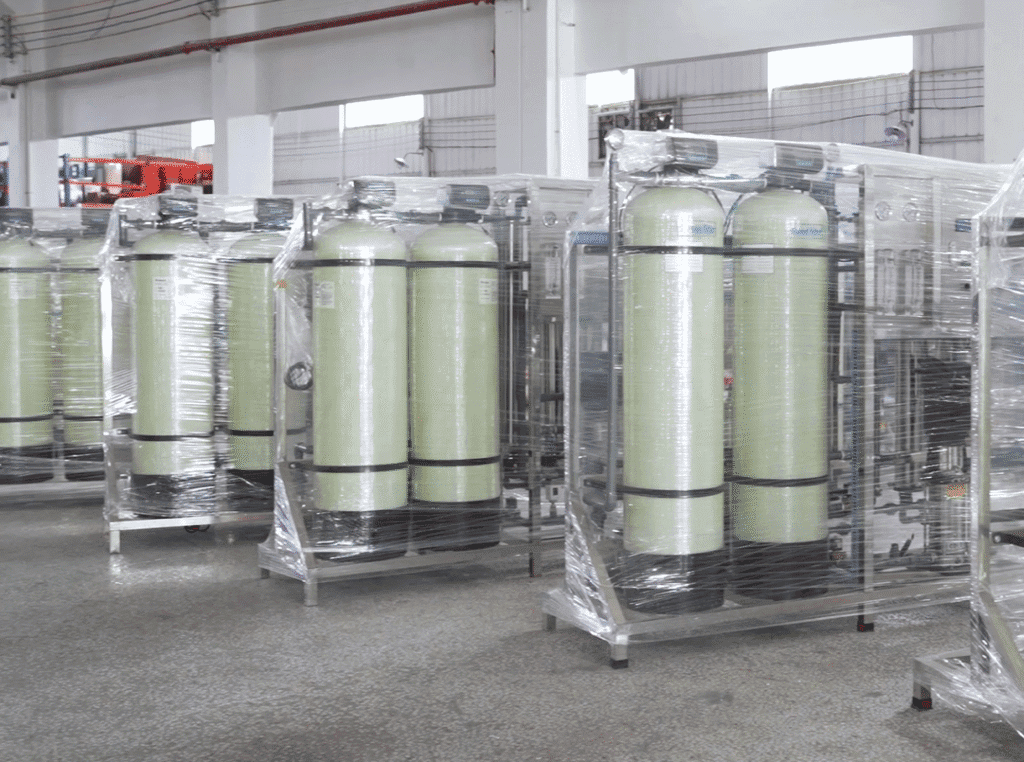
Water scarcity and strict environmental discharge regulations have pushed industrial and municipal sectors to adopt advanced water purification technologies. Among all available solutions, reverse osmosis in waste water treatment stands out as a versatile, high-efficiency membrane technology for wastewater purification, reuse, and resource recovery. Unlike traditional filtration methods that only remove large particles, reverse osmosis technology uses semi-permeable membranes under pressure to filter out dissolved solids, heavy metals, organic pollutants, salts, and micro-contaminants. This article breaks down the main types of wastewater that reverse osmosis can effectively treat, explaining their characteristics, treatment principles, and practical application values.
1. Industrial Manufacturing Wastewater
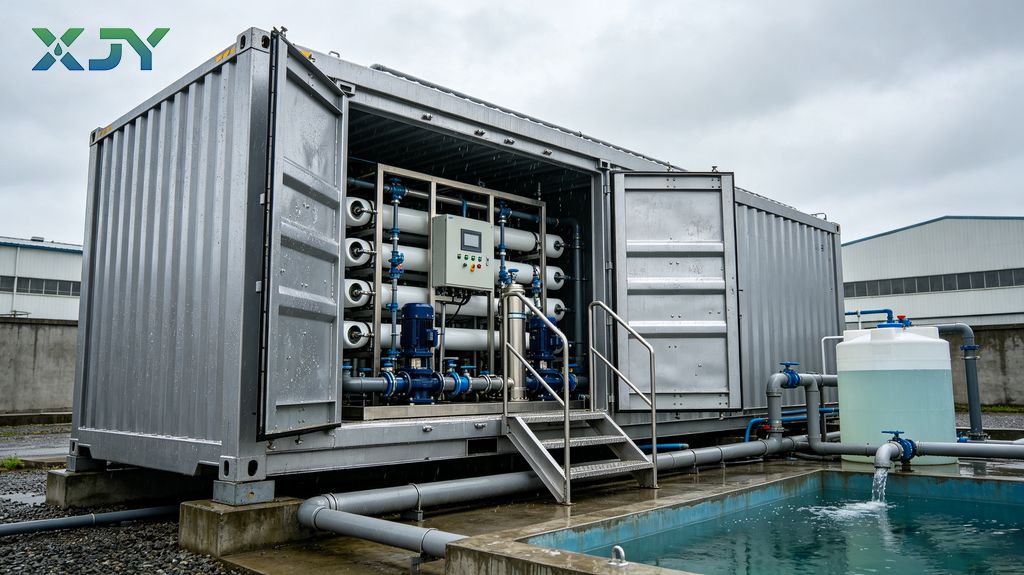
Industrial wastewater is the most common application scenario for reverse osmosis in waste water treatment. Different manufacturing industries produce wastewater with unique pollutant compositions, and RO systems can be adapted with simple pre-treatment processes to achieve standard purification and water reuse.
Textile and Printing & Dyeing Wastewater: This type of wastewater features large water volume, high chroma, complex components, and contains residual dyes, sizing agents, oil additives, acids, alkalis, and inorganic salts. Traditional biochemical treatment struggles to remove dissolved salts and trace organic pollutants thoroughly. Combined with ultrafiltration pre-treatment, reverse osmosis can efficiently reduce total dissolved solids (TDS) and residual organics, removing over 98% of soluble impurities. The treated clean water can be directly reused for textile production processes, while concentrated brine can be further processed for zero-discharge treatment.
Electroplating and Heavy Metal Wastewater: Electroplating, circuit board manufacturing, and metallurgical industries generate wastewater containing copper, nickel, chromium, and other heavy metal ions. These toxic heavy metals are difficult to degrade and pose severe environmental hazards. Reverse osmosis membranes achieve a heavy metal removal rate of up to 99.9%, effectively separating toxic metal ions from water. The purified water meets industrial reuse standards, and the concentrated heavy metal solution can be recycled and reused, realizing waste resource utilization.
Food and Beverage Industrial Wastewater: Wastewater from food processing, beverage production, and brewing industries is rich in organic matter, carbohydrates, proteins, and grease, with moderate COD values. Reverse osmosis technology is applied for advanced treatment after conventional anaerobic and aerobic biochemical treatment. It removes residual macromolecular organics and trace impurities, turning secondary treated wastewater into high-quality reusable water for equipment cleaning, workshop flushing, and cooling water supplementation.
2. Municipal Domestic Sewage (Secondary Effluent Reuse)
Urban municipal sewage after secondary biochemical treatment still contains residual soluble salts, trace organic pollutants, and suspended fine particles, which cannot directly meet the standards for recycled water use. Reverse osmosis in waste water treatment provides a reliable advanced purification solution for municipal sewage upgrading and reuse.
RO systems can deeply filter secondary sewage effluent, significantly reducing TDS, chemical oxygen demand, and total nitrogen indicators. The treated reclaimed water can be widely used in urban landscape water supplementation, road cleaning, greening irrigation, and industrial circulating cooling water. This application effectively alleviates urban water resource shortages, reduces municipal sewage discharge pressure, and builds a circular urban water system. With reasonable pre-treatment to intercept suspended solids and biological sludge, RO equipment can maintain long-term stable operation in municipal sewage treatment projects.
3. High-Salinity Industrial Wastewater
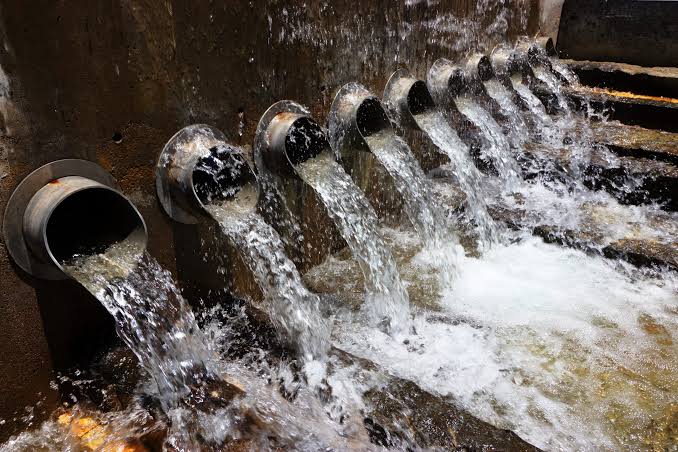
High-salinity wastewater produced by chemical, pharmaceutical, papermaking, and oilfield industries has extremely high TDS content, high salt concentration, and contains a variety of complex inorganic and organic pollutants. It is difficult to treat with conventional biochemical and physical filtration methods, and direct discharge will cause serious soil and water salinization.
Reverse osmosis technology is the core process for high-salinity wastewater treatment and concentration. Industrial-grade anti-pollution RO membranes can withstand high osmotic pressure, efficiently separate water from salt substances, and concentrate most salts in the concentrated liquid. The fresh water produced meets reuse or discharge standards, while the concentrated brine can be further treated through evaporation and crystallization to achieve industrial zero discharge. This technology has become the mainstream solution for high-salinity wastewater governance in modern chemical enterprises.
4. Landfill Leachate Wastewater
Landfill leachate is recognized as one of the most difficult industrial wastewaters to treat, with characteristics of high COD, high ammonia nitrogen, high salinity, and rich humic acid, heavy metals, and refractory organic compounds. Its water quality fluctuates greatly, and traditional treatment processes are difficult to reach stable discharge standards.
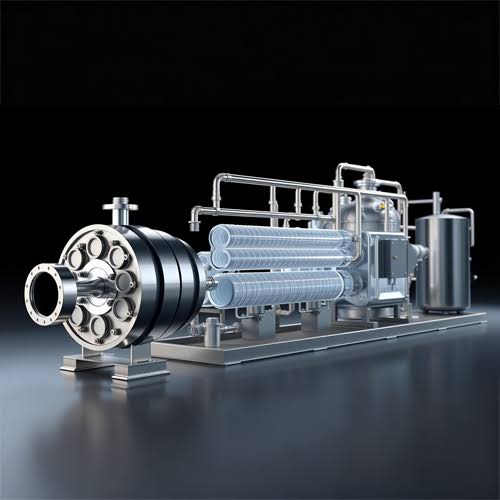
Specialized disc tube reverse osmosis systems are specially optimized for landfill leachate treatment. After simple pre-treatment such as pH adjustment and suspended solid removal, RO equipment can directly purify leachate, efficiently intercepting almost all organic pollutants, heavy metals, and salt ions. The produced water is clear and meets national discharge standards, greatly reducing the environmental pollution risk of landfill leachate. It is widely used in domestic and municipal solid waste landfill and incineration plant wastewater treatment projects.
5. Oilfield and Mining Wastewater
Oilfield produced water and mining wastewater contain crude oil residues, suspended sediment, high-concentration inorganic salts, and mineral impurities. Direct discharge will pollute surface water and groundwater, while simple treatment cannot meet the requirements of reinjection and reuse.
Reverse osmosis in waste water treatment can effectively remove oil pollutants, dissolved minerals, and fine suspended particles in oilfield and mining wastewater. The purified water can be used for oilfield reinjection, mining equipment cooling, and mine dust reduction water, realizing on-site recycling of wastewater. It not only reduces enterprise water intake costs but also avoids environmental damage caused by random wastewater discharge.
Key Advantages of Reverse Osmosis for Diversified Wastewater Treatment
The wide applicability of reverse osmosis in waste water treatment stems from its unique technical advantages.
- First, it has a high pollutant removal rate, capable of filtering almost all soluble harmful substances that cannot be removed by traditional processes.
- Second, the system has strong adaptability, and can be matched with different pre-treatment processes (ultrafiltration, sedimentation, pH adjustment) according to different wastewater water quality to achieve targeted treatment.
- Third, the modular design of RO equipment facilitates flexible capacity expansion and automatic operation, reducing manual maintenance costs.
- Finally, it realizes wastewater resourceization, turning waste water into reusable clean water and creating economic benefits for enterprises while protecting the environment.
Conclusion
From conventional municipal sewage and general industrial wastewater to difficult-to-treat high-salinity wastewater, landfill leachate, and heavy metal wastewater, reverse osmosis technology covers almost all mainstream wastewater treatment scenarios. As a mature and efficient water treatment technology, reverse osmosis in waste water treatment not only helps enterprises and municipalities meet environmental discharge standards but also promotes water resource recycling, which is of great significance for energy conservation, emission reduction, and sustainable water resource utilization. With the continuous upgrading of membrane materials and anti-pollution technologies, reverse osmosis will play a more critical role in the field of wastewater treatment and reuse in the future.