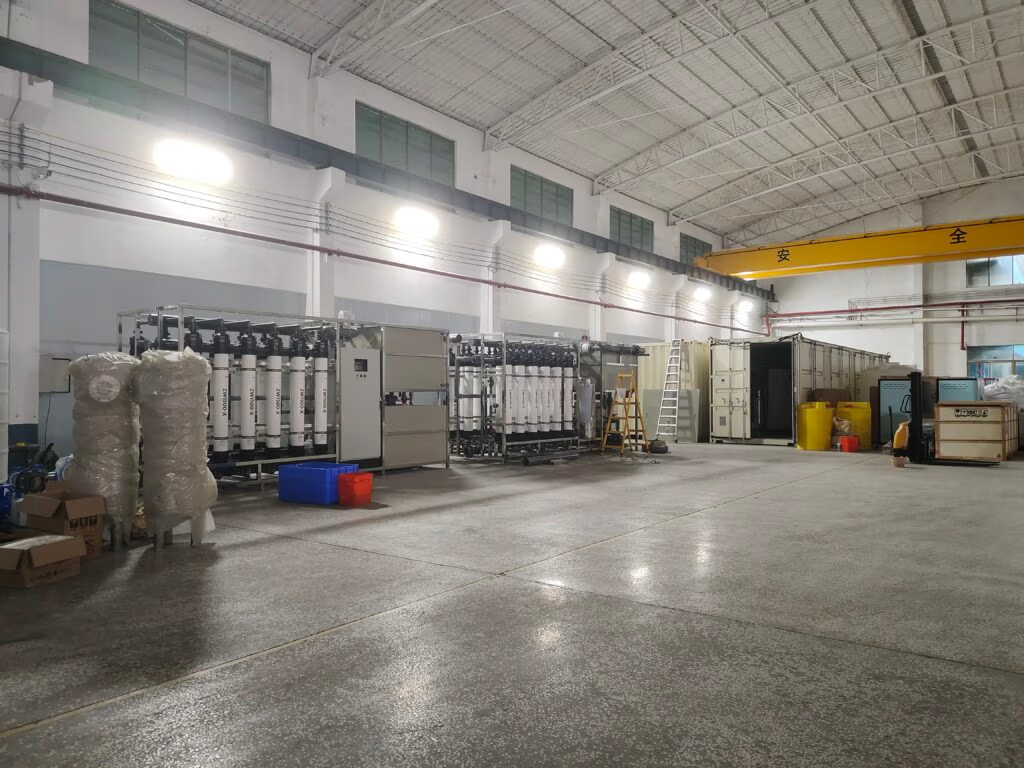
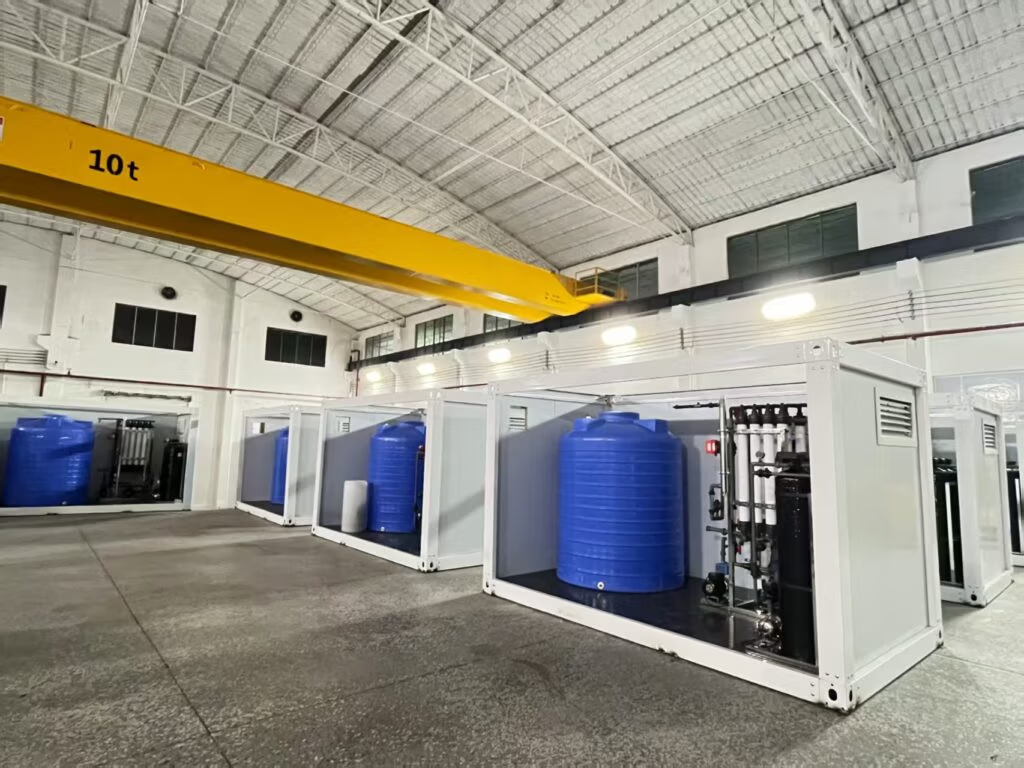
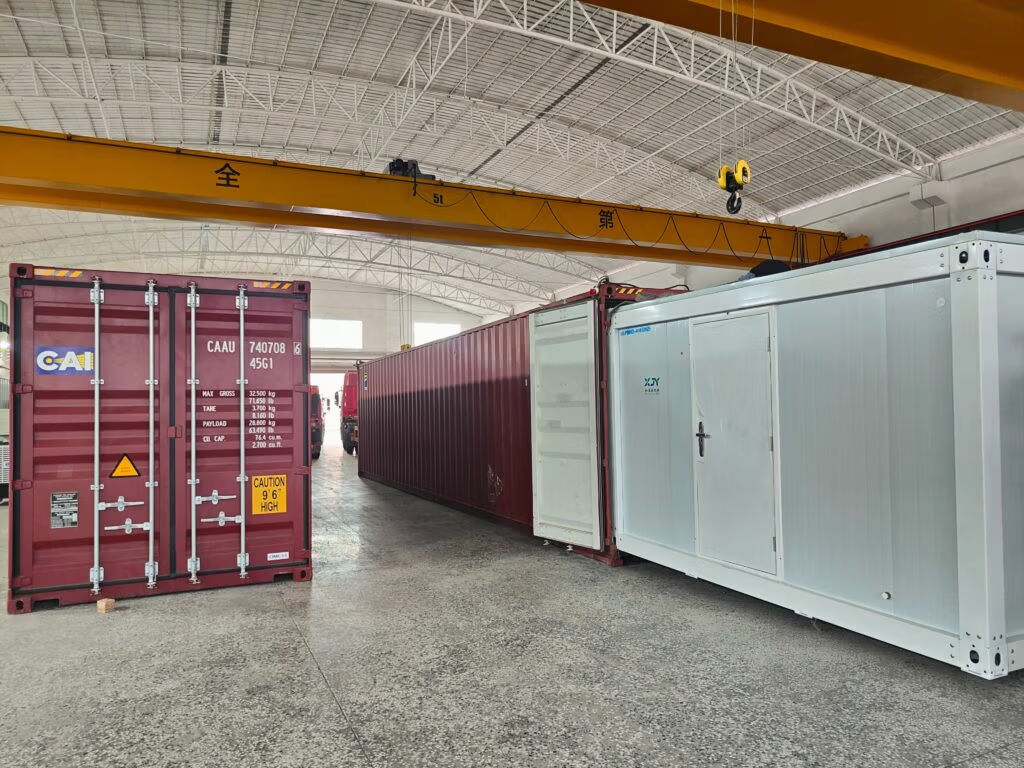
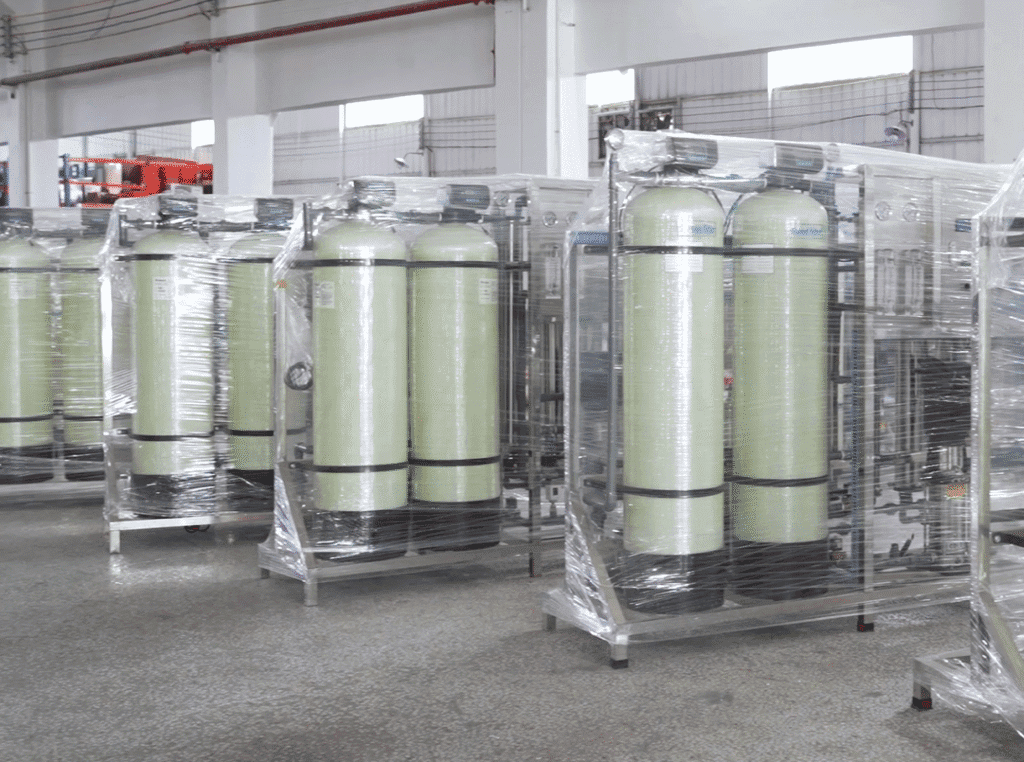
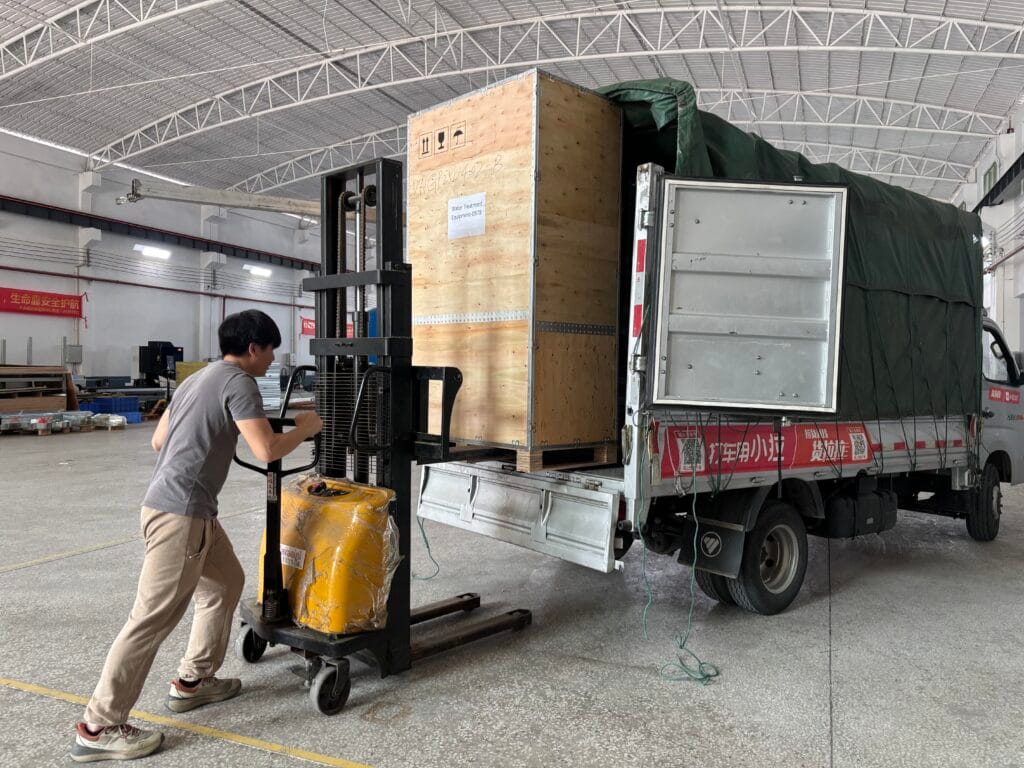
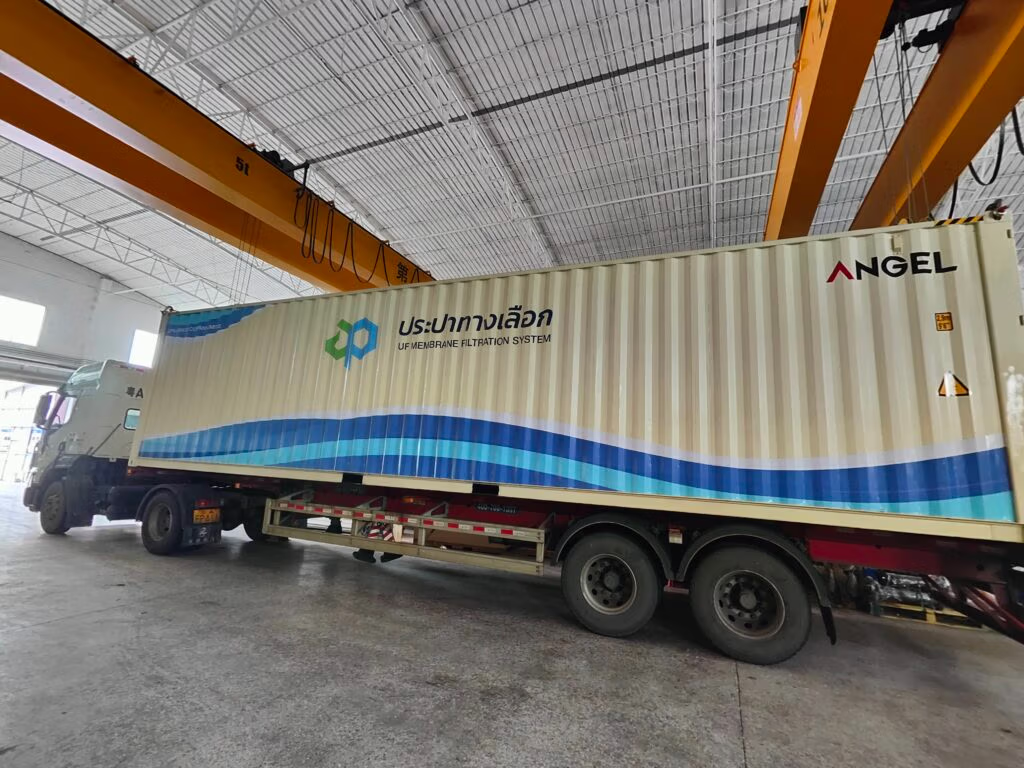
The replacement cycle for reverse osmosis membranes is not fixed. For small-scale household and medium-sized industrial applications, it’s 2-3 years, while for large-scale projects, it’s 3-5 years. Membrane performance standards are outlined by NSF International’s water treatment product certification, which independently verifies rejection rates and flow performance that help determine when replacement is needed. Furthermore, the replacement cycle needs to be determined based on the raw water quality, operating conditions, and maintenance methods, using data such as water production, desalination rate, and pressure differential. Scientifically determining the replacement timing is crucial to balancing water purification effectiveness with cost control.
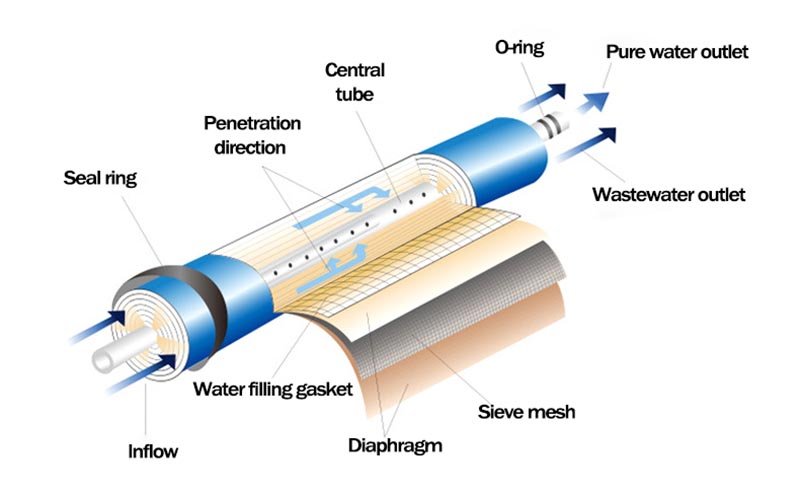
Factors affecting the lifespan of reverse osmosis membrane
The replacement cycle of reverse osmosis membranes is essentially the result of a trade-off between membrane fouling and its resistance to fouling, and is mainly affected by the following factors:
- Raw water quality: Is the raw water groundwater, river water, or tap water? The higher the content of suspended solids, hardness, heavy metals, and microorganisms in the water, the easier it is for the membrane surface to scale and become clogged, resulting in a shorter lifespan. For example, groundwater commonly used in the aquaculture industry has a high content of calcium and magnesium ions and bacteria, causing membrane fouling to occur about 30% faster than municipal tap water.
- Pretreatment effect: The pretreatment unit generally includes pre-sand filter, carbon filter, softener, etc. If the pretreatment fails, large particulate impurities, residual chlorine and colloids will directly enter the membrane module, which will accelerate membrane fouling and oxidation and significantly shorten its service life.
- Operating parameters: Are the system pressure, recovery rate, temperature, and other operating parameters reasonable? An excessively high recovery rate can exacerbate concentration polarization at the membrane surface, leading to fouling. Conversely, excessively high temperatures can accelerate membrane material aging, both of which shorten the membrane replacement cycle.
- Maintenance: Is regular chemical cleaning and online rinsing performed? Proper maintenance can effectively delay membrane fouling and extend its service life. Conversely, membranes that are not maintained for a long time may need to be replaced every 1-2 years.
Conventional Ro Membrane Replacement Cycles in Different Scenariosmosis
Under ideal operating conditions and proper maintenance, the replacement cycle of reverse osmosis membranes for different application scenarios can be referenced from the following range:
- Small-scale commercial applications (such as household drinking water and small restaurants): Typically use small membrane elements such as 1812 and 2012, with a replacement cycle of approximately 2-3 years. If the raw water quality is poor or maintenance is inadequate, replacement may be necessary every 1-2 years.
- Medium-sized industrial applications (such as factory pure water, aquaculture water purification, and bottled water production): Commonly used industrial membrane elements include 4040 and 8040. Under proper maintenance, the replacement cycle is approximately 3-5 years. If the raw water quality fluctuates significantly or pretreatment is insufficient, this may be shortened to 2-3 years.
- Large-scale projects (such as municipal water supply and seawater desalination): use professional-grade reverse osmosis membranes, combined with comprehensive pretreatment and automated maintenance, with a replacement cycle of 5-8 years.
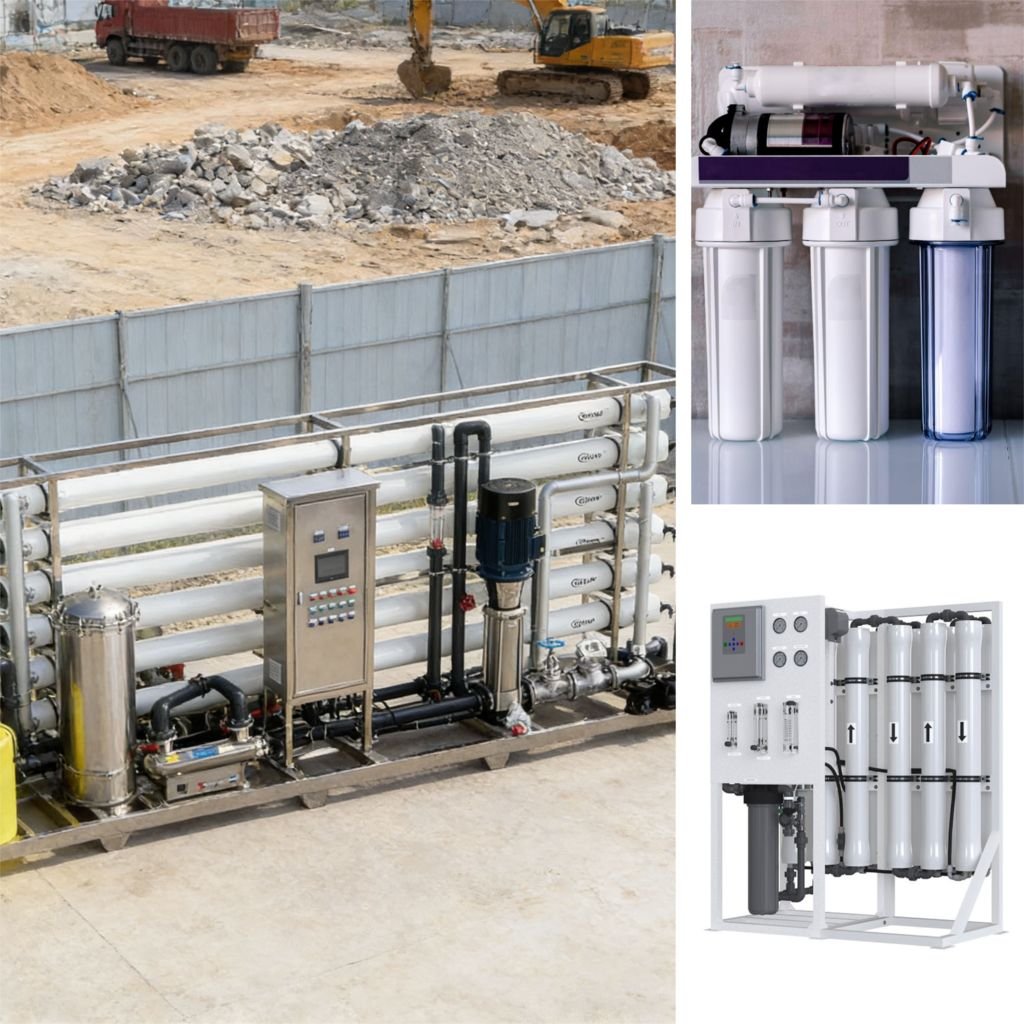
It should be noted that this is only a reference range, and the actual timing of replacement should be determined based on the equipment’s operating data.
How do I determine if a reverse osmosis membrane needs to be replaced?
Compared to blindly replacing water based on time, judging by operational data and water quality performance is more scientific. The following are the judgment indicators:
- Decreased water production: If the water production decreases by 20%-30% compared to the initial value under the same inlet pressure and temperature, and cannot be restored after chemical cleaning, it indicates that the membrane has undergone irreversible fouling or degradation.
- Decreased desalination rate: The desalination rate (the proportion of salt removed from the water) drops from over 98% initially to below 95%, and there is no significant rebound after cleaning, which means that the membrane’s separation performance has failed and the quality of the purified water cannot be guaranteed.
- Increased pressure difference: The pressure difference between the inlet and outlet of the membrane module increases significantly, exceeding 50% of the initial value, indicating that the membrane surface has been severely fouled or blocked. Continued operation will increase energy consumption and may even damage the membrane element.
- Water quality does not meet standards: If the conductivity, total bacterial count and other indicators of the produced water exceed the standards, and after ruling out factors such as pretreatment and equipment failure, it can be basically determined that the membrane has failed and needs to be replaced in time.
How to extend the lifespan of reverse osmosis membrane?
To slow down membrane aging and reduce replacement frequency, proper maintenance and operation are crucial. The following methods can appropriately extend the lifespan of reverse osmosis membranes:
1. Enhance pretreatment
Regularly replace sand and carbon filter cartridges, add scale inhibitors according to the hardness of the raw water, and install a water softener if necessary to reduce the amount of pollutants entering the membrane module from the source.
2. Standardize operation procedures
Strictly control the system recovery rate (generally not exceeding 75%), avoid overpressure operation, and ensure proper water temperature control in winter to reduce the impact of temperature fluctuations on the membrane.
3. Regular cleaning and maintenance
Perform online flushing every 1-3 months, and chemical cleaning every 3-6 months depending on the level of fouling (acid washing to remove scale, and alkaline washing to remove organic matter and microorganisms) to effectively restore membrane performance.
4. Implement shutdown protection measures:
When the system is shut down for an extended period, the membrane components must be flushed with a protective solution to prevent microbial growth or membrane drying and to prevent irreversible damage.
Summarize
There is no standard answer to the replacement cycle of reverse osmosis membranes. 3-5 years is the typical range for industrial applications, but the specific timeframe needs to be determined based on the raw water quality, operating conditions, and maintenance. Instead of worrying about “how often to replace it,” it’s better to focus on proper pretreatment and routine maintenance. Scientific monitoring can help detect membrane performance degradation in a timely manner, ensuring both effective water purification and maximizing the membrane’s lifespan. For peer-reviewed research on RO membrane fouling, degradation mechanisms and replacement strategies, ScienceDirect’s reverse osmosis research library is an authoritative technical reference.
If you still have questions about the replacement cycle, feel free to contact me.