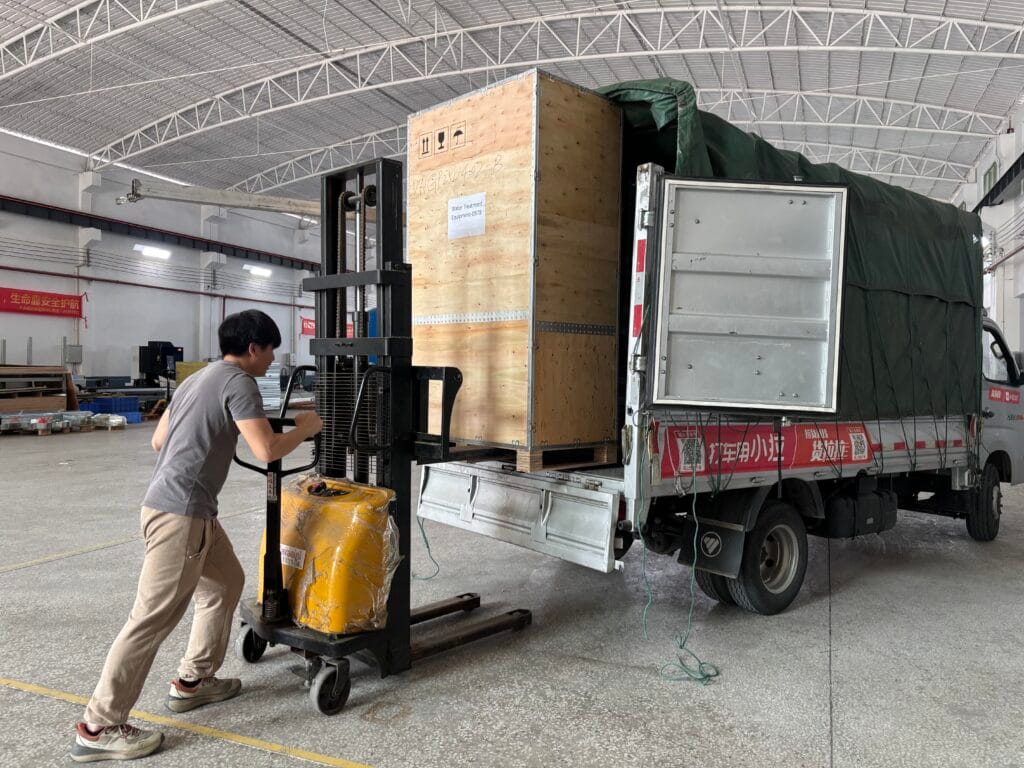
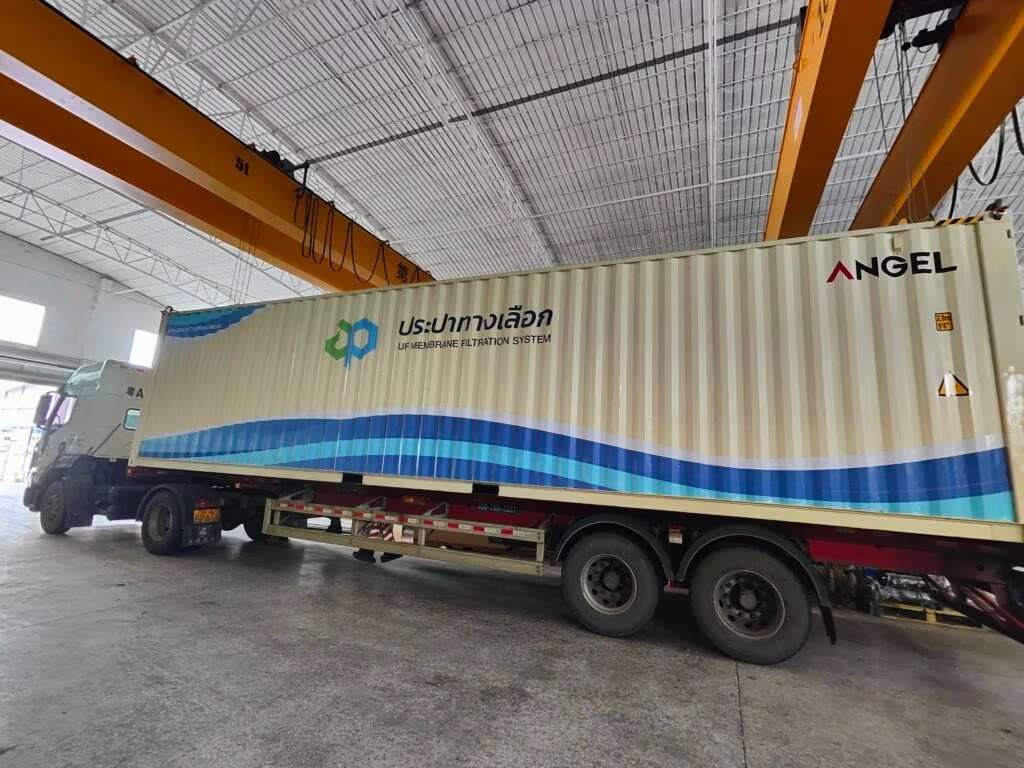
The price range for high flow reverse osmosis system varies significantly, typically spanning from a few hundred dollars to tens—or even over a hundred—thousand dollars. The International Desalination Association (IDA) notes that advances in membrane technology and energy recovery devices have progressively reduced the per-unit cost of high-capacity RO systems over the past decade. However, when making a purchase, many consumers and businesses often find themselves in a quandary due to a lack of understanding regarding the factors that constitute the price.
This article provides a comprehensive breakdown of the factors influencing HFRO system pricing and the typical price ranges for various application scenarios. By incorporating actual market quotes, we offer practical purchasing advice designed to help you accurately manage your budget, avoid pricing pitfalls, and achieve a cost-effective procurement outcome.
Water output and configuration of high flow reverse osmosis system
The price of a high flow reverse osmosis system is not fixed. Generally, the water production capacity and core components are the key factors determining the cost.
HFRO Water Production Capacity
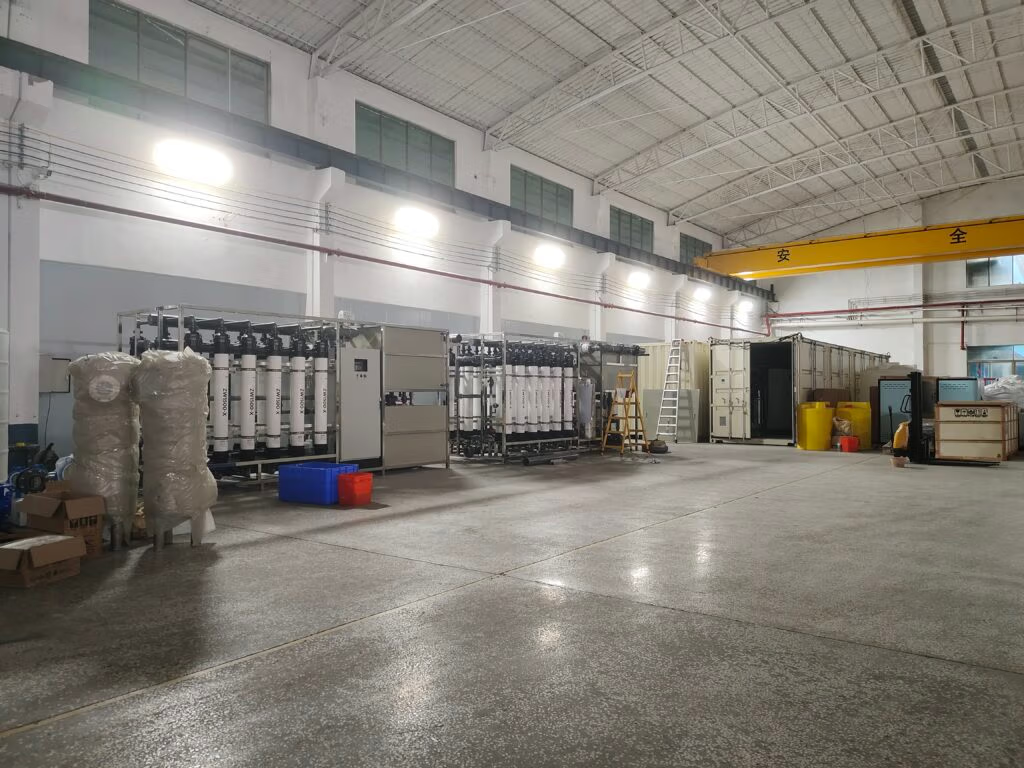
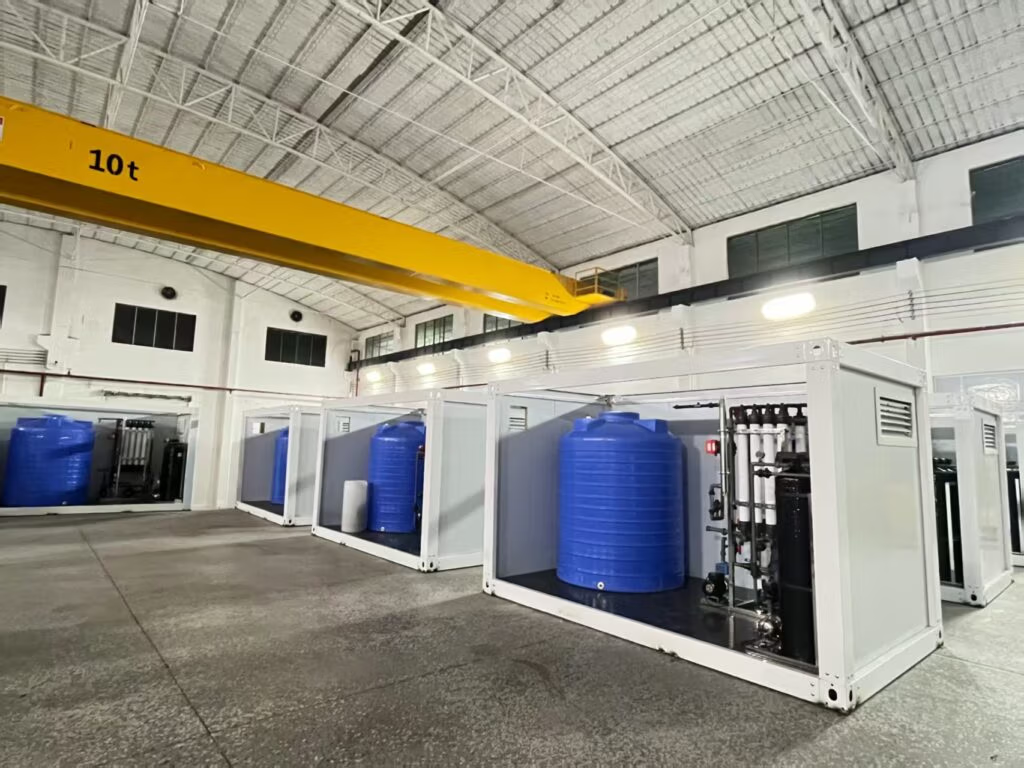
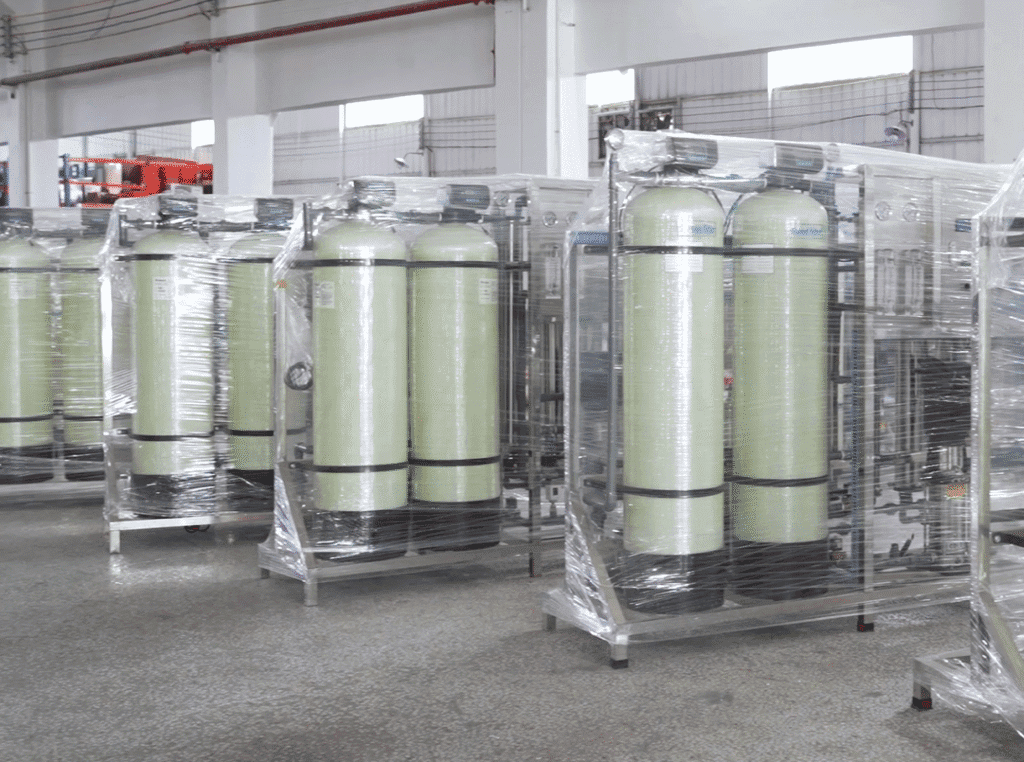
The water production capacity directly determines the scale of the equipment. Residential and small-scale commercial models (with a capacity of less than 0.5 tons per hour) feature a simple structure and minimal consumable requirements, making them relatively affordable. Industrial-grade models (with a capacity exceeding 2 tons per hour), however, require integration with large-scale pre-treatment systems, high-pressure pump assemblies, and intelligent control systems, resulting in a significantly higher price point.
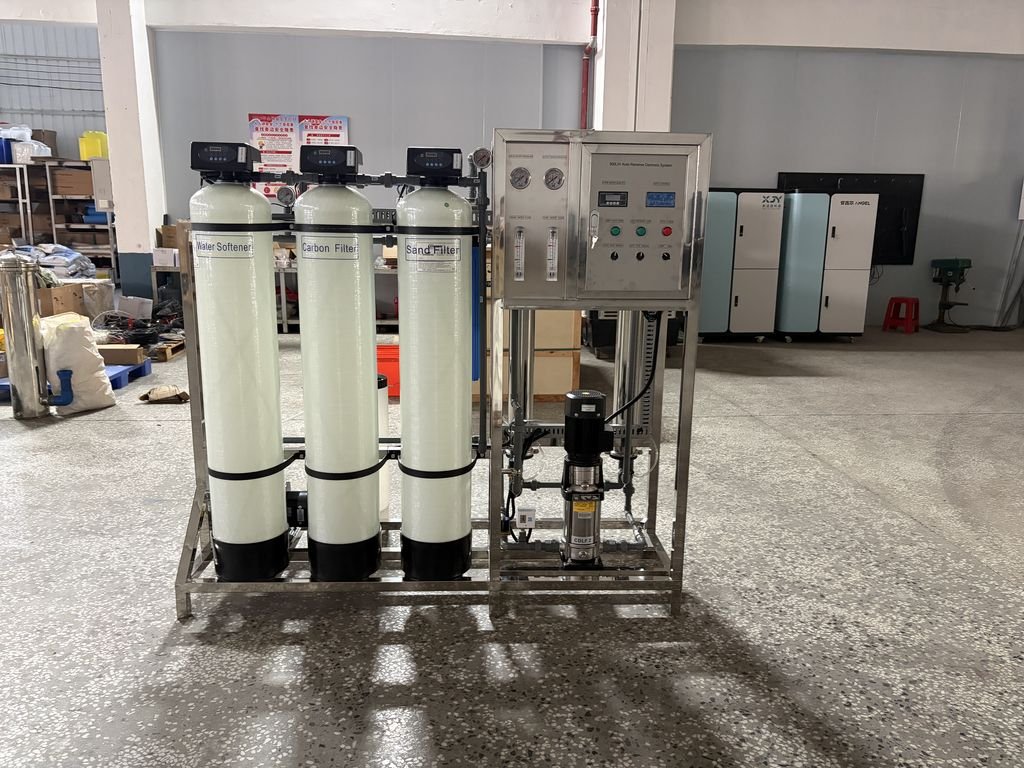
According to market research, the price of an economical 0.5 T/H home-use HFRO system typically ranges from $580 to $870. For small to medium-sized commercial models with a capacity of 2 T/H, the price range falls between $5,070 and $10,426. Industrial-grade models with a capacity exceeding 10 T/H can reach prices ranging from $17,377 to $72,404—or even higher.
HFRO Configuration Differences
The core configuration of a high flow reverse osmosis system is the primary determinant of price differentials, with the quality of the RO membranes and high-pressure pumps exerting the most significant influence.
Although equipment utilizing imported RO membranes—such as those from Dow or Hydranautics—carries a price tag 20% to 30% higher than models equipped with domestically produced membranes. These imported membranes offer superior desalination rates (exceeding 99%) and longer service lives (3 to 5 years), making them a more cost-effective choice in the long run.
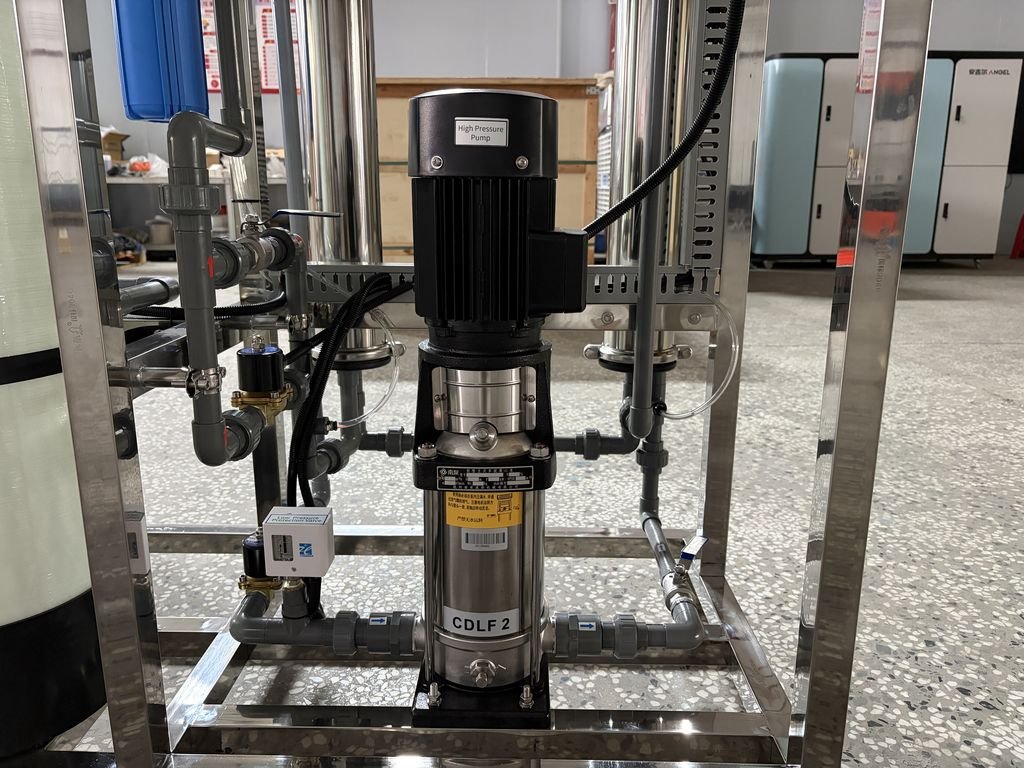
Regarding high-pressure pumps, imported brands such as Grundfos are approximately 15% more expensive than their domestic counterparts. However, they offer superior operational stability and energy efficiency, with the unit price of a single imported high-pressure pump typically ranging from $130 to $380 higher than that of a domestic brand.
Furthermore, the sophistication of the pretreatment system also influences the price. A three-stage pretreatment and softening system—designed specifically for raw water characterized by high hardness and high turbidity—costs 10% to 15% more than a basic single-stage filtration system. However, it effectively prevents membrane fouling and reduces long-term maintenance costs.
Therefore, when obtaining price quotes, it is essential to carefully scrutinize the itemized list provided by the vendor. While some systems may carry a low price tag, they may utilize components (such as raw water pumps, high-pressure pumps, or reverse osmosis membranes) from obscure or unknown brands, which could compromise the equipment’s long-term operational stability.
High flow reverse osmosis system for various application scenarios
High-traffic systems for different application scenarios exhibit significant price variations; therefore, we must make our selection based on actual requirements.
- For home use, 400-gallon tankless, high-flow models—typically priced between $580 and $724—are well-suited for larger households, as they can meet high-volume water demands without any waiting time.
- The 1 T/h model—commonly used in small laboratories and clinics—has a standard configuration priced at approximately $4,055 to $6,516. However, if the system must meet medical-grade requirements for microbial control, the addition of a UV disinfection module will raise the price to over $5,792.
- In industrial settings, the 5T/H model—commonly used in food processing plants—is priced at approximately $11,585 to $18,825.
- Industries with exceptionally stringent water quality requirements—such as pharmaceuticals and electronics—necessitate a deep-treatment process combining dual-stage RO and EDI. The cost for such systems typically exceeds $28,962, with some large-scale projects potentially reaching as high as $72,404—a pricing range that aligns closely with that of high-end whole-house pure water systems.
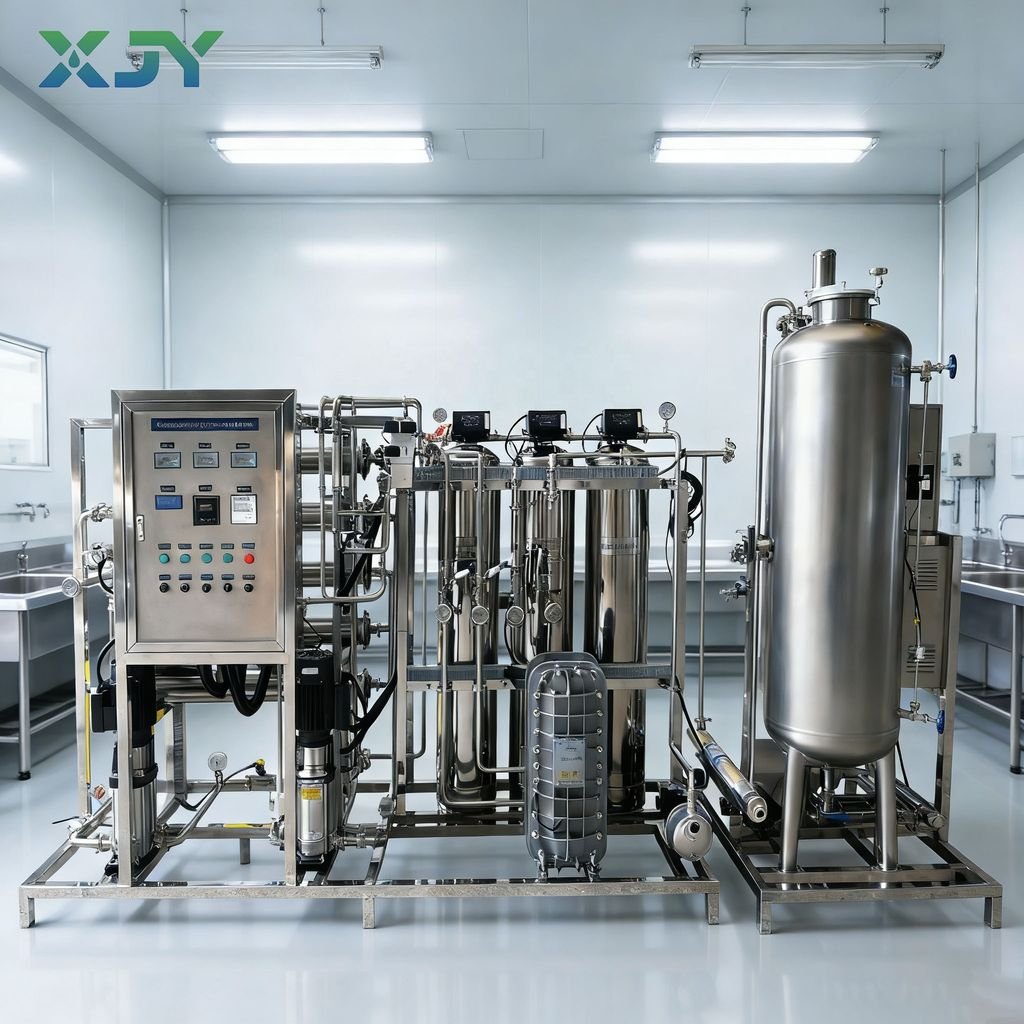
High flow reverse osmosis system: Branding and Customization
In addition to core technical factors, brand reputation and customization requirements also influence the final price.
Renowned brands—backed by mature technology and comprehensive after-sales support—typically command a price premium of 10% to 20% compared to smaller, niche brands. However, this premium ensures equipment operational stability and guarantees faster after-sales response times, thereby preventing issues where equipment malfunctions occur later with no one available to perform repairs.
Furthermore, customization services typically add 10% to 15% to the cost. Examples include optimizing pre-treatment processes for specific water quality conditions or installing PLC intelligent control systems to enable remote monitoring. While this increases the initial investment, it ensures a better fit for specific operational requirements; the cost for such customization typically ranges from $500 to $2,000.
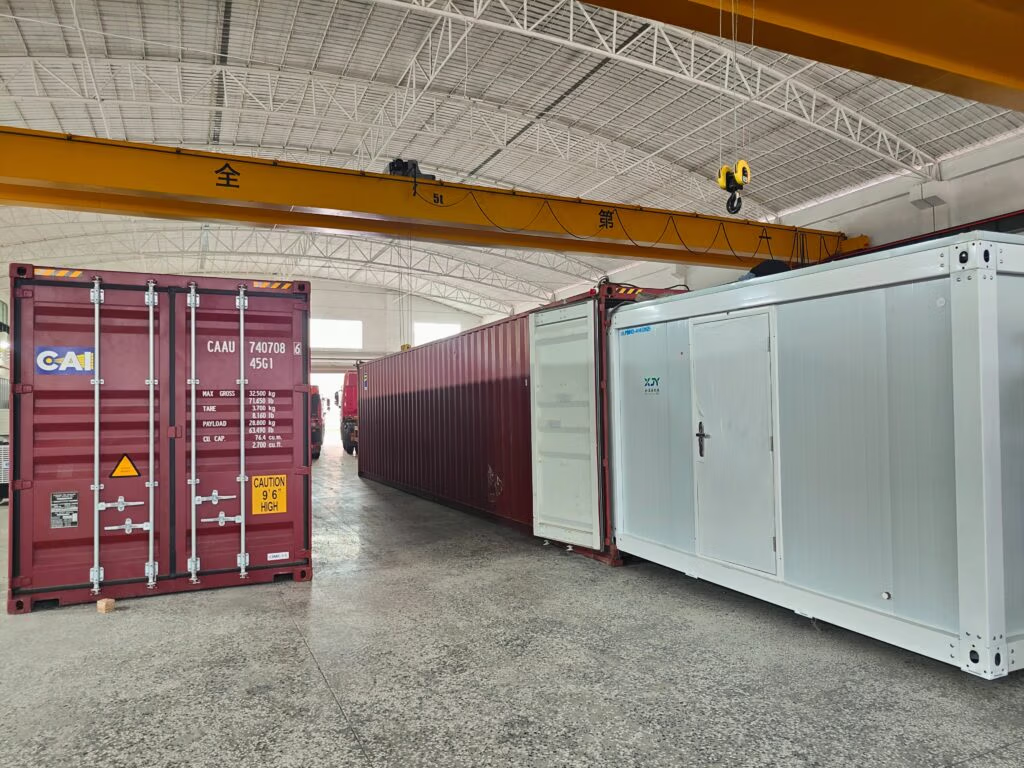
XinJieYuan is a specialized water treatment manufacturer capable of customizing equipment based on specific client water quality conditions, and we provide one year of online after-sales support. We utilize components from leading brands, such as CNP Pumps, Lingxiao Pumps, and Dow membranes. If you have any requirements, please feel free to contact us at any time to receive a free quotation.
Balancing the requirements of high flow reverse osmosis system with cost-effectiveness
When purchasing a high flow reverse osmosis system, avoid blindly chasing either the lowest or highest price. Instead, strike a balance between your specific needs and overall cost-effectiveness.
For residential and small-scale commercial applications—provided the raw water quality is relatively good—a model featuring domestically produced membranes and a basic configuration is sufficient. This approach allows you to keep within a reasonable budget (typically $500–$1,000) while effectively meeting your fundamental water requirements.
For industrial applications, it is essential to first analyze the raw water quality. You should then select a configuration tailored to your specific water production volume and quality standards. This prevents frequent equipment malfunctions caused by an inadequate setup, which would ultimately lead to increased long-term maintenance costs.
Furthermore, pay close attention to long-term operational and maintenance costs. While systems equipped with features such as automatic backflushing and intelligent monitoring may carry a higher initial price tag, they serve to extend the lifespan of filter cartridges and RO membranes, thereby reducing monthly consumable expenses and labor costs over time.
Summarize
The price of a high flow reverse osmosis system is influenced by a multitude of factors, including water production capacity, core component configuration, application environment, and brand-specific services. Consequently, equipment at different price points is suited to distinct scenarios. When making a purchase, it is essential to clearly define your specific water requirements, water quality conditions, and budgetary constraints. By cross-referencing market quotations with real-world case studies, you can select a model that offers both strong suitability and high cost-effectiveness—thereby achieving the dual objectives of efficient water purification and effective cost control.