Ultrafiltration price is not a fixed value, but a dynamic range influenced by a variety of factors. The International Water Association (IWA) recommends evaluating total cost of ownership — including energy, membrane lifespan, and maintenance — rather than focusing solely on upfront equipment price. The price varies considerably, ranging from small industrial ultrafiltration modules to large-scale ultrafiltration systems. Below, we will draw upon years of experience in production, R&D, and the market to comprehensively analyze the composition, influencing factors, and current market situation of ultrafiltration prices, providing practical reference for customers purchasing ultrafiltration equipment.
1. Range for industrial ultrafiltration price
Based on current market conditions, industrial-grade ultrafiltration prices can be roughly divided into three tiers: low-end entry-level equipment (processing capacity ≤ 5 m³/h), priced between $10,000 and $20,000. Mid-range practical equipment (processing capacity 5-50 m³/h), priced between $20,000 and $80,000. And high-end customized equipment (processing capacity ≥ 50 m³/h), priced between $80,000 and $500,000.
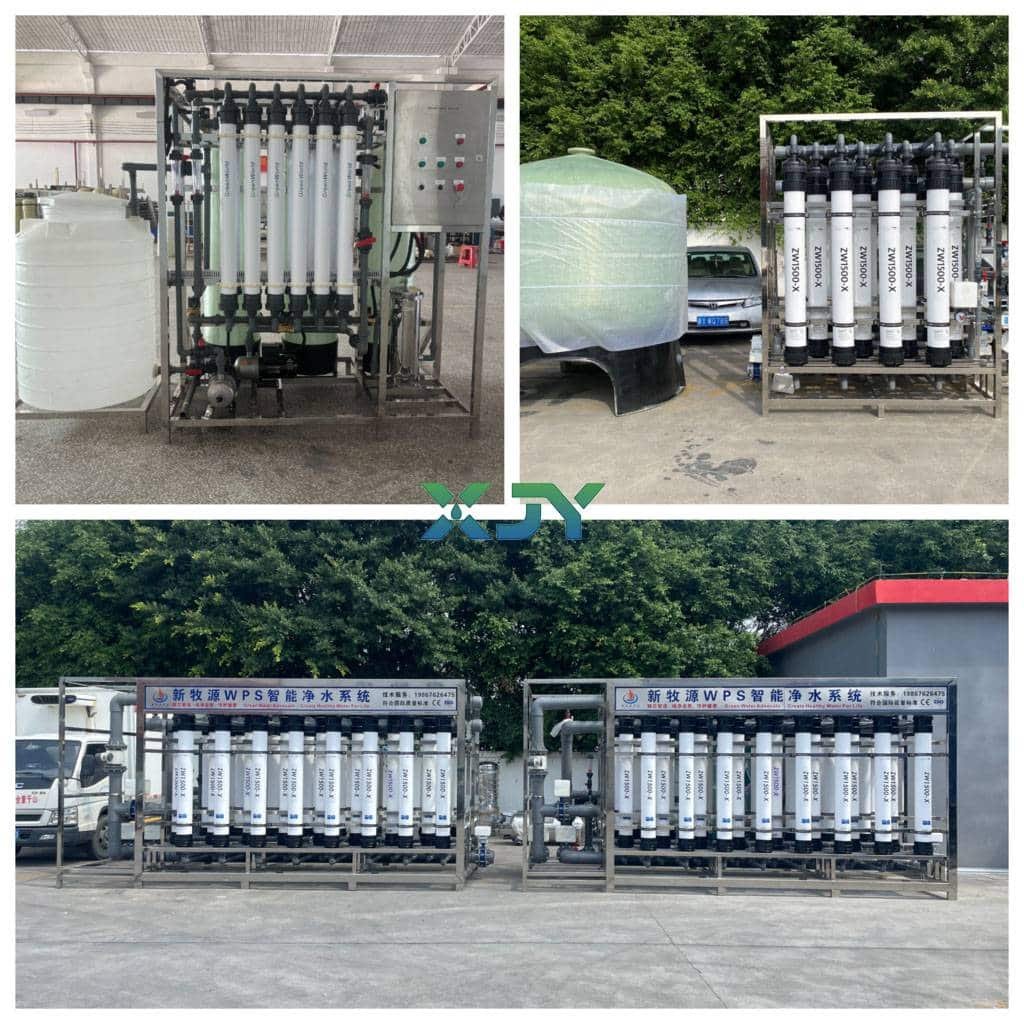
This price difference is essentially a reflection of differences in equipment configuration, core materials, technical level, and service system, rather than simply brand premium.
2. Fundamental factors determining ultrafiltration price
The core materials of the equipment are the fundamental factor determining the ultrafiltration price, with the material and specifications of the ultrafiltration membrane having the most significant impact on price. Currently, the ultrafiltration membranes commonly used in the industrial field are mainly divided into two categories: organic membranes and inorganic membranes. Organic membranes are mainly made of polyvinylidene fluoride (PVDF) and polyethersulfone (PES), while inorganic membranes are represented by ceramic membranes.
- PVDF membranes are the mainstream choice for industrial water treatment due to their excellent chemical resistance and antifouling properties. However, their price is usually 10%-20% higher than that of ordinary PES membranes. For example, the price of PES membrane is about US$10-13 per square meter, while the price of PVDF membrane is about US$11-15 per square meter.
- Ceramic membranes, due to their high temperature resistance and high mechanical strength, are suitable for treating special industrial wastewater scenarios involving high temperatures and high turbidity. Therefore, their price is more than 30% higher than that of organic membranes. The price of a single ceramic membrane module can range from $1,000 to $5,000. Furthermore, membrane area and pore size also affect the price. Larger membrane areas and higher pore size precision result in higher manufacturing costs and consequently, higher equipment prices.
3. Configuration and processing capacity of ultrafiltration equipment
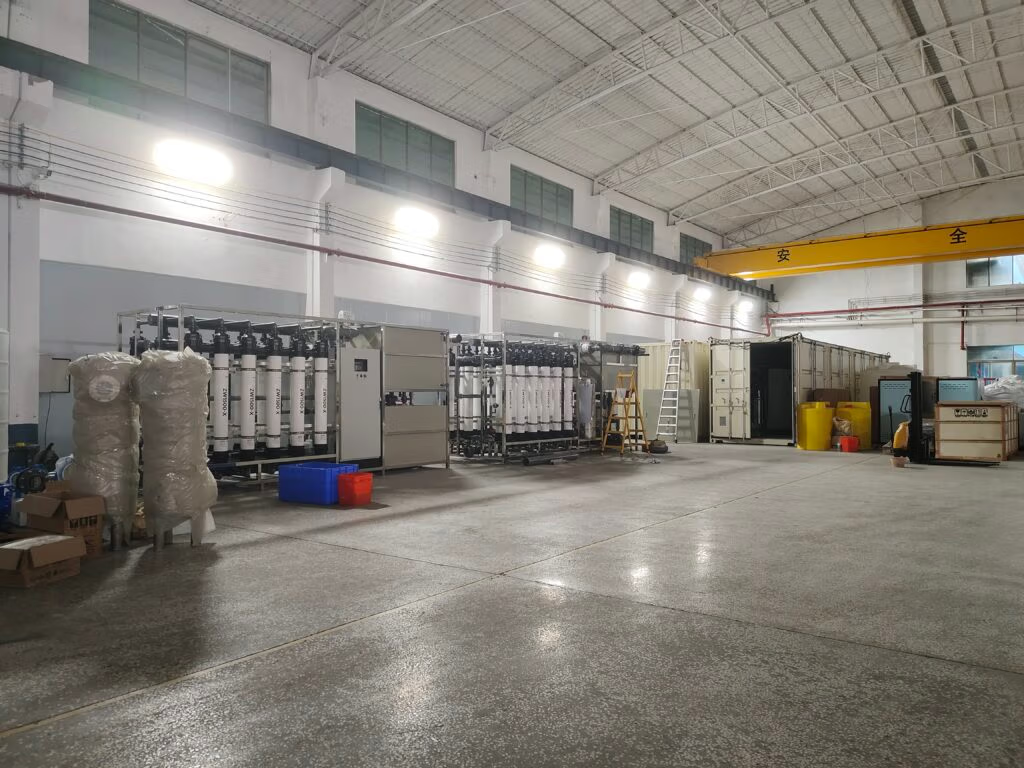
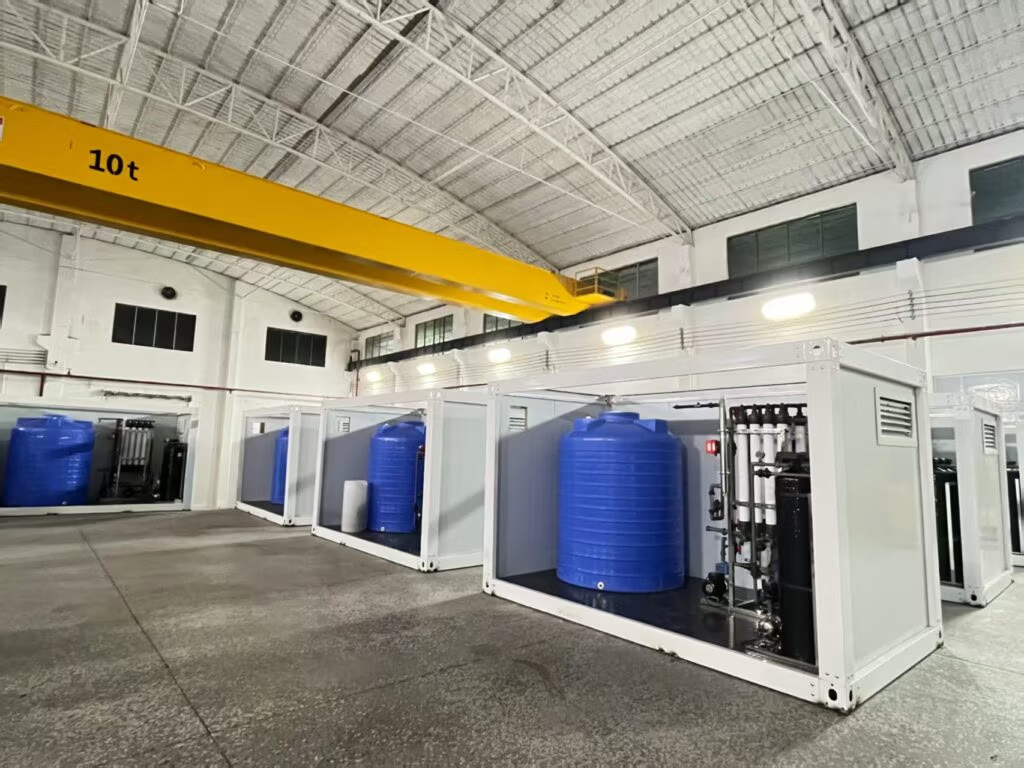
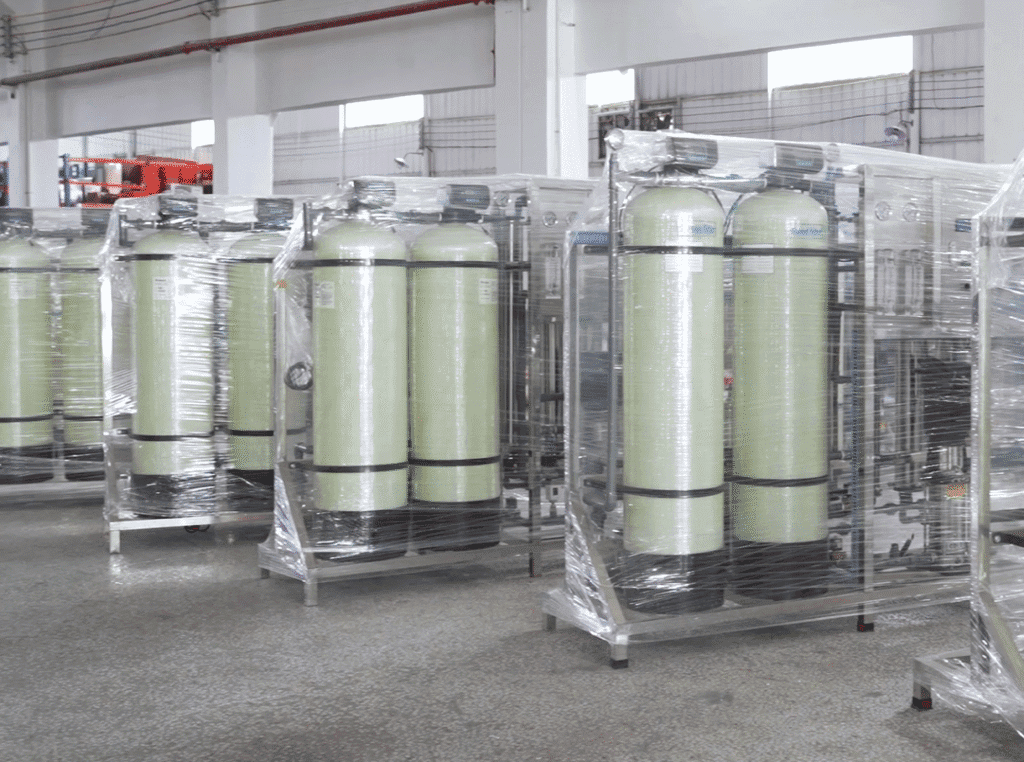
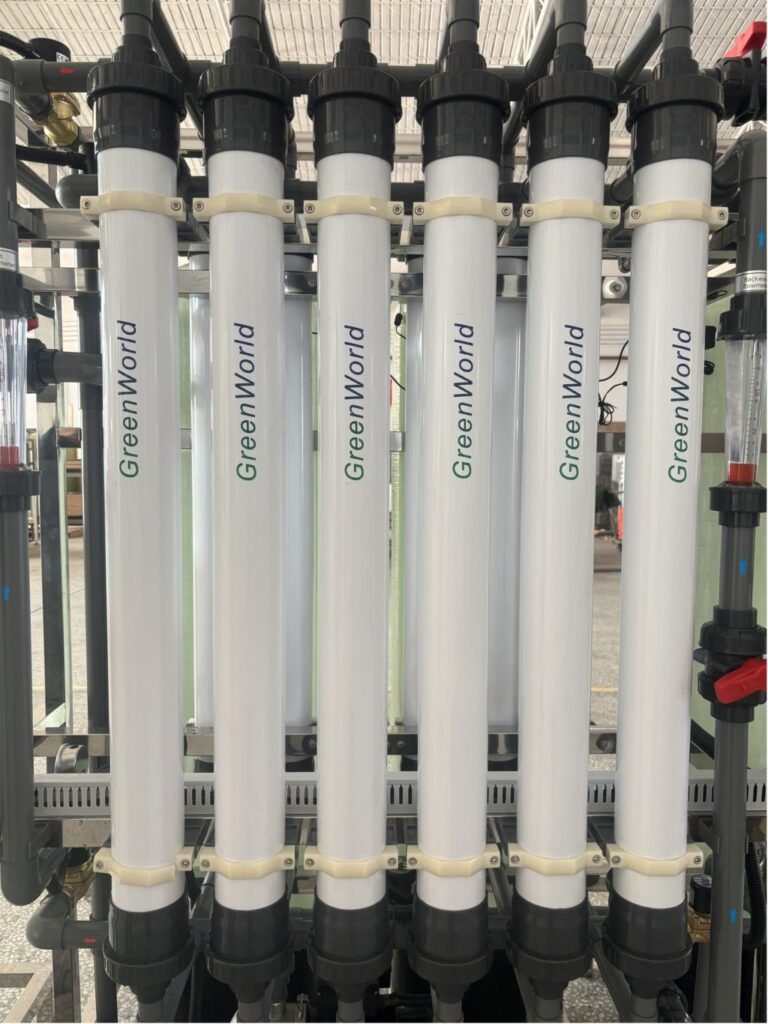
The core components of industrial ultrafiltration equipment include ultrafiltration membrane modules, pressurized pumps, pretreatment systems, and control systems.
Differences in configuration directly determine price. For example, highly automated ultrafiltration systems, equipped with online membrane fouling monitoring and automated chemical cleaning systems, reduce manual maintenance costs. Therefore, their price will be 20%-30% higher than manually controlled equipment. A basic manually controlled ultrafiltration system costs approximately $20,000, while an automated system costs $24,000-$26,000. The sophistication of the pretreatment system also affects the price. For high-turbidity, high-oil-content industrial wastewater, multi-stage pretreatment devices are required, further increasing equipment costs by $2,000-$8,000.
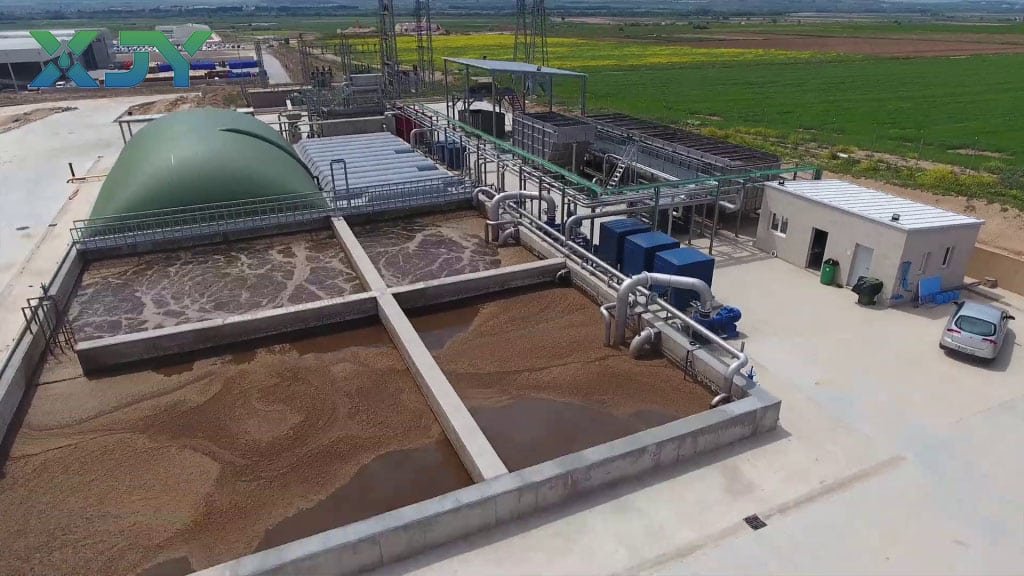
Furthermore, the larger the processing capacity, the more membrane modules, equipment size, and supporting facilities are required, and the greater the price increase. The cost of customized design for large systems will also be included in the overall quote.
4. Market impact on ultrafiltration price
In recent years, with increasing global environmental awareness, countries have established stricter standards for industrial wastewater discharge. This has driven a surge in demand for ultrafiltration technology in the industrial water treatment sector, particularly in the Asia-Pacific region. The continued rise in demand for ultrafiltration equipment has, to some extent, influenced ultrafiltration prices.
Meanwhile, advancements in membrane material technology have led to cost reductions and optimizations. For example, the development of novel hydrophilic modified PVDF membranes has reduced the risk of membrane fouling, extended equipment lifespan, and indirectly lowered long-term operating costs. A single modified PVDF membrane module can save $100-$500 in annual replacement costs.
On the other hand, the prices of key raw materials for ultrafiltration membranes (such as polysulfone and polypropylene) are significantly affected by fluctuations in the crude oil market. Rising raw material prices directly increase equipment manufacturing costs, thus impacting end-user pricing. For every 10% increase in raw material prices, the end-user price of ultrafiltration equipment rises by approximately 3%-5%.
5. Recommendations for purchasing ultrafiltration equipment
We recommend that when selecting ultrafiltration equipment, you should take into account your industry characteristics, wastewater quality, treatment scale and environmental protection requirements, and comprehensively consider the balance between price and performance.
- For general industrial wastewater treatment, a mid-range practical ultrafiltration equipment priced between $20,000 and $80,000 can be selected.
- For high-requirement, special operating conditions (such as high-temperature, highly polluted wastewater), high-end customized equipment costing over $80,000 should be prioritized to ensure that the treatment effect meets the standards.
At the same time, it is important to choose manufacturers with comprehensive after-sales service to avoid equipment failure due to untimely maintenance, which could increase repair costs by an additional $1,000 to $3,000.
6. Summary
In summary, ultrafiltration price is influenced by multiple factors, including materials, configuration, scale, and market conditions, and there is no uniform standard price. When purchasing, customers should abandon the “lowest price first” mentality and focus on the overall cost-effectiveness of the equipment, choosing based on their actual needs.
If you need to inquire about the price of ultrafiltration equipment, please feel free to contact us for a quote.