Ultrapure water purification system utilizes the synergistic action of ion exchange resins and ion exchange membranes to achieve continuous, deep desalination without chemical regenerationUltrapure water purification system utilizes the synergistic action of ion exchange resins and ion exchange membranes to achieve continuous, deep desalination without chemical regeneration. The ISO 3696 standard for ultrapure water defines the internationally accepted resistivity, TOC, and microbial thresholds these systems must consistently achieve., directly producing high-purity water – a green purification technology. So, how should we choose an ultrapure water system when we need one? The selection of an ultrapure water system directly affects product quality and the long-term stable operation of the equipment. Choosing the wrong equipment can not only lead to substandard water quality and production interruptions but may also create a burden on the equipment’s later operation.
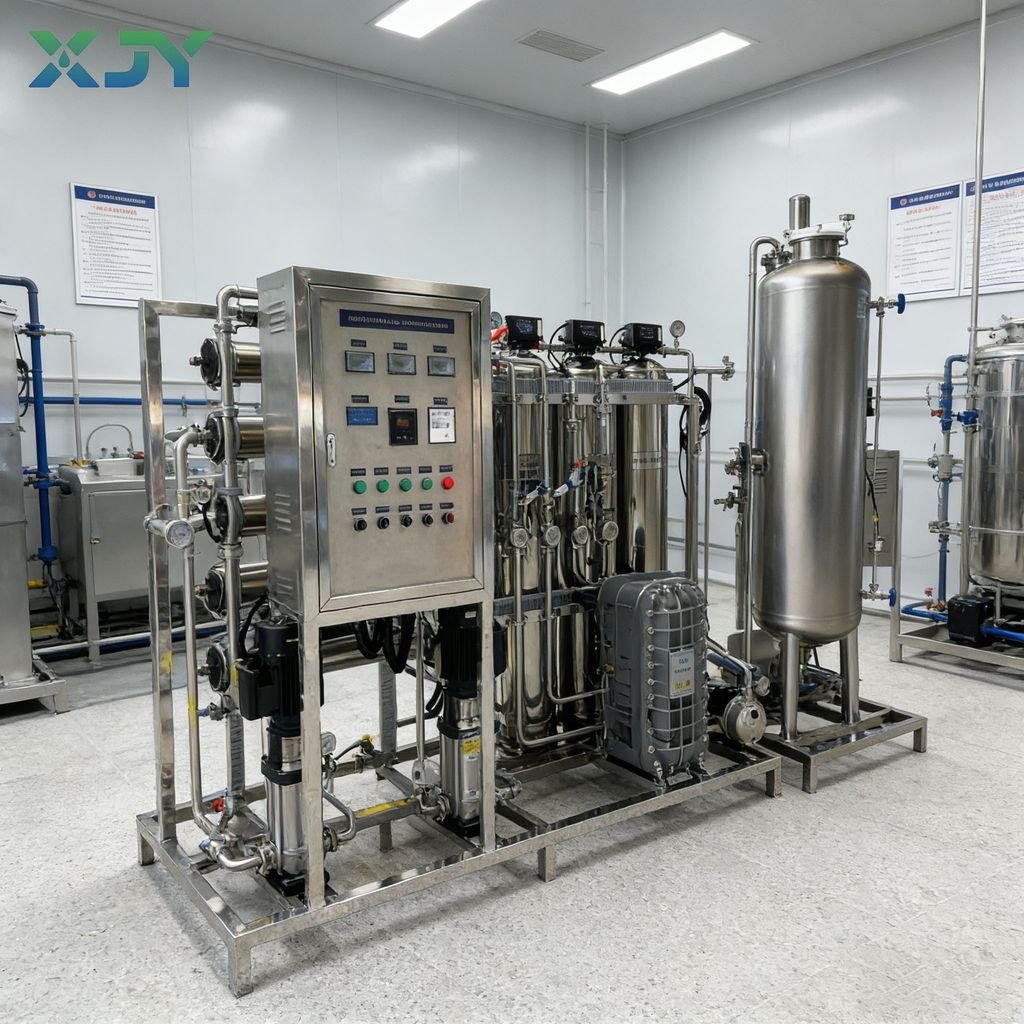
This article will break down the selection method of this system based on the water demand of different industries, and select the EDI system that best suits your needs and has the best cost performance.
1. Provide raw water quality and water usage standards for the ultrapure water purification system
Clearly defining the water usage standards and actual consumption within one’s own industry can help avoid problems of “over-configuration” or “under-configuration.” Different industrial sectors have vastly different requirements for the purity and impurity limits of ultrapure water, and the consumption directly determines the equipment size. Therefore, accurate calculations are necessary before proceeding with the selection process.
- From a water quality standards perspective, the electronics and semiconductor industries have the highest purity requirements. Ultrapure water must meet the following standards: resistivity ≥18.2 MΩ·cm (25℃), TOC <5 ppb, and particulate matter <5 particles/mL (>0.1 μm). It also needs to meet the SEMI series standards (Basic Water Standards for Photovoltaics and Semiconductors).
- The pharmaceutical industry must comply with the United States Pharmacopeia (USP) and European Pharmacopoeia (EP) requirements. USP <645> explicitly stipulates that ultrapure water must have online conductivity monitoring, TOC below 500 ppb, and endotoxin ≤0.001 EU/mL. When used for injection or in biopharmaceutical applications, complete water quality audit traceability is also required.
- Lithium-ion battery water requires resistivity ≥18.2 MΩ·cm and TOC <10 ppb. The photovoltaic industry refers to the SEMI F57 standard to ensure the absence of heavy metal impurities, preventing interference with electrolyte purity and silicon wafer cleaning effectiveness.
- In the power industry (boiler feedwater, nuclear power plant cooling water), the water used must meet the US ASME PTC 19.3 standard, requiring hardness ≈0 and SiO₂ ≤20 μg/L to reduce the risk of scaling and corrosion in equipment.
Usage calculations need to be combined with production scale, and the “peak factor method” is more in line with actual needs. The design flow rate = average flow rate × 1.2-1.5, which can meet both daily production water needs and temporary demand during peak production periods. Simultaneously, future capacity expansion needs to be considered, reserving space for modular expansion to avoid increased costs from replacing the entire equipment later.
Furthermore, the quality of raw water (groundwater, surface water, industrial wastewater reuse, etc.) must be tested in advance to determine key indicators such as raw water hardness, TDS, and residual chlorine, providing a basis for subsequent process selection. For example, high-hardness raw water requires the addition of a softening module, and high-turbidity raw water requires enhanced pretreatment processes.
2. Select the ultrapure water purification system treatment process
The core competitiveness of the ultrapure water purification system lies in its purification process. Therefore, different processes vary significantly in purification effect, energy consumption, and operation and maintenance costs. Currently, the mainstream process in the industrial sector is a combination of “pretreatment + two-stage reverse osmosis (RO) + electrodeionization (EDI)”. Compared to traditional ion exchange methods, this process better meets the demands of efficient, environmentally friendly, and stable industrial processes. When selecting EDI system, we need to focus on the quality of core components; different components have different prices, and more expensive components generally offer better performance.
A. preprocessing system
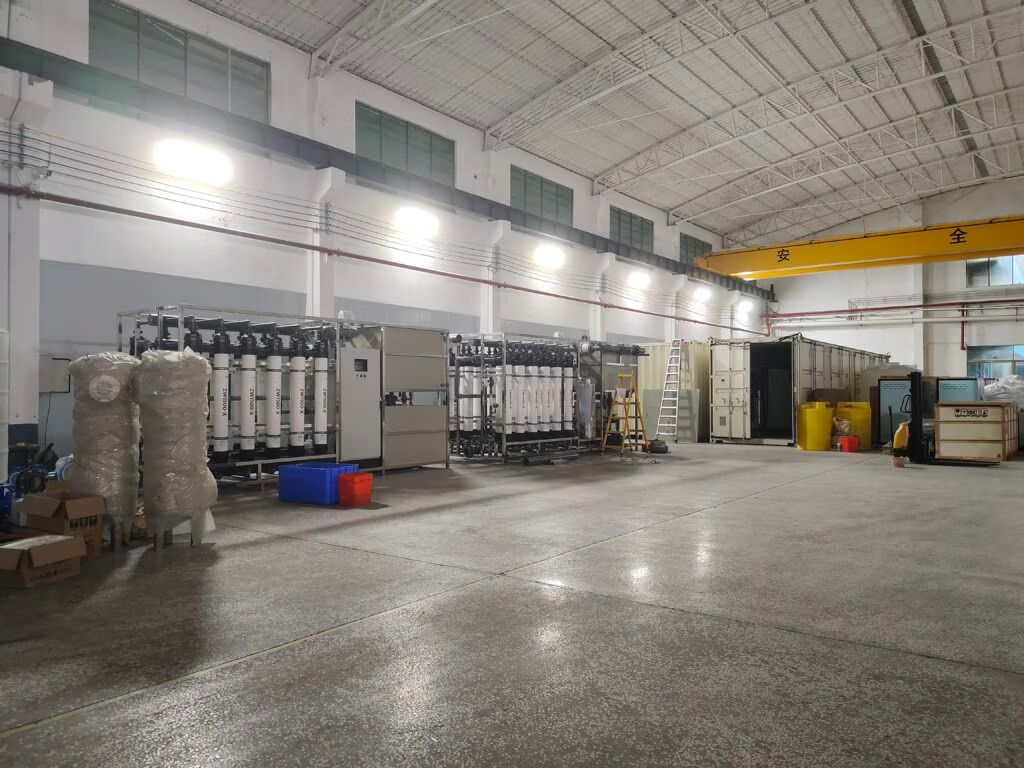
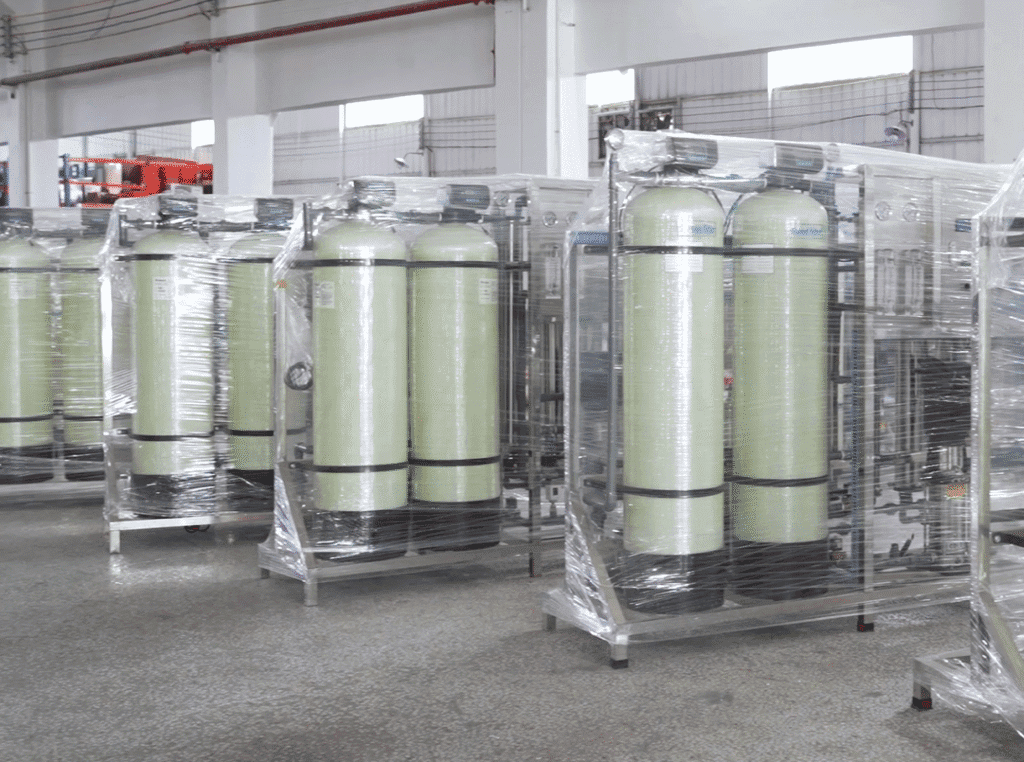
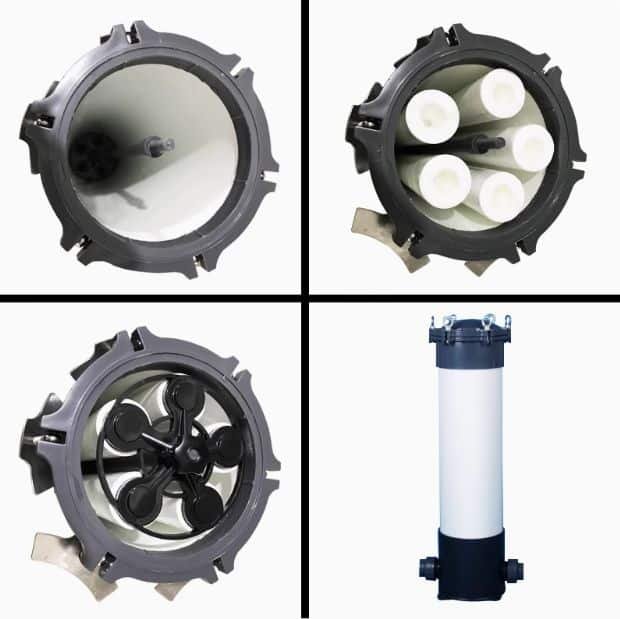
The pretreatment system’s multi-media filters utilize high-quality filter media such as quartz sand and anthracite to ensure the interception of large suspended particles. The activated carbon filter must possess high-efficiency adsorption capacity to effectively remove residual chlorine, organic matter, and odors, preventing residual chlorine from oxidizing and damaging the reverse osmosis membrane. The security filter must use a 5μm high-precision filter element to further trap tiny particles, ensuring that the turbidity, SDI, and other indicators of the raw water entering the RO module meet the standards. For raw water with high hardness and high turbidity, an additional softening device or ultrafiltration module can be added to reduce the operating load of subsequent systems and extend the service life of core components.
B. reverse osmosis and EDI Module
These two modules determine the purity of the produced water, directly affecting the purification effect and the lifespan of the equipment.
For RO membranes, anti-fouling membrane modules should be prioritized. The appropriate model should be selected based on the type of raw water: membrane modules with an operating pressure of 1.0-1.5 MPa should be used for brackish water, and seawater membranes with an operating pressure of 5.5-6.5 MPa should be used for seawater. Anti-fouling membranes can achieve a recovery rate of 60-70% and a lifespan of 4-6 years.
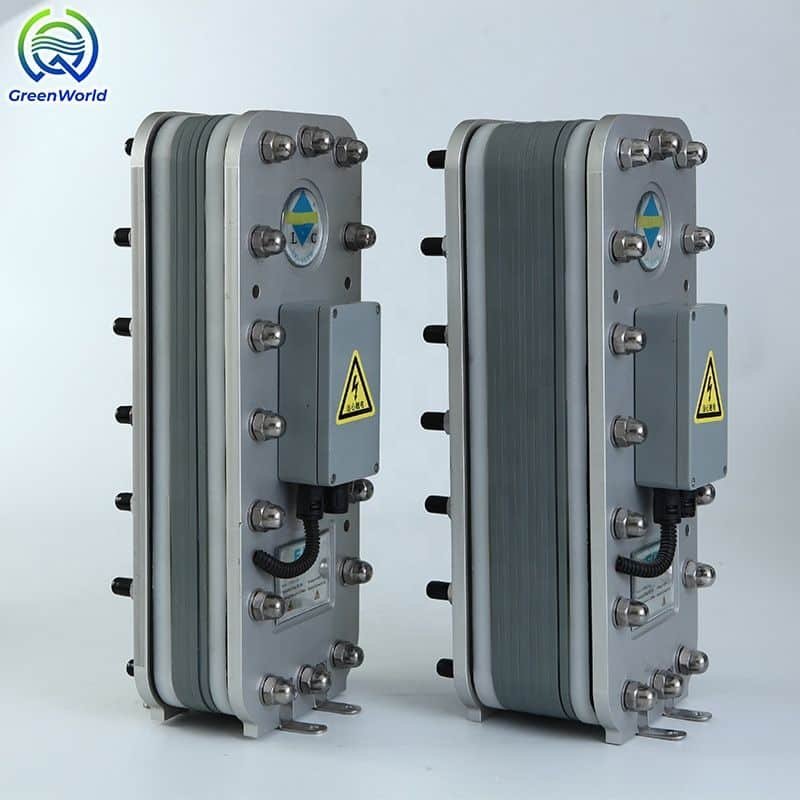
For EDI modules, models that do not require chemical acid/alkali regeneration should be selected to ensure that the resistivity of the produced water remains stable at 15-18.2 MΩ·cm, while reducing waste acid and alkali emissions. Compared to traditional mixed-bed processes, EDI modules can reduce operating costs by 60%, making them more suitable for long-term continuous production scenarios.
The deep refining module needs to be configured according to specific industry standards. For example, the electronics and pharmaceutical industries require the addition of a polishing mixed bed, an ultraviolet sterilizer (dose 40-100mJ/cm², bacterial inactivation rate >99.9%), and a terminal 0.22μm filter.
- The pharmaceutical industry needs to meet the requirements of USP and EP for sterility and the absence of trace impurities.
- The electronics industry needs to meet SEMI standards for extreme control of particles and ions.
- The food and chemical industries can configure ozone disinfection modules as needed to improve the TOC degradation rate.
3. How to select components for an ultrapure water purification system?
The lifespan and operational stability of an ultrapure water purification system depend on the quality of its core components and equipment materials. Therefore, when selecting components, we must avoid the trap of “low-priced, inferior components” and focus on the brand, material compatibility, and design rationality of the components.
Regarding core components, RO membranes, EDI modules, pumps, and instruments should be selected from well-known brands in the industry. For example, RO membranes should prioritize brands like Dow and Hydranautics, while EDI modules should be from brands like Siemens and GE.
Simultaneously, the intelligent control system must have online monitoring capabilities, capable of real-time monitoring of key parameters such as resistivity, conductivity, and flow rate, and supporting automatic backwashing and fault alarms.
The materials used in the EDI system must be adapted to industry requirements: 316L stainless steel contact parts are required for the pharmaceutical and electronics industries. PTFE/PFA materials can be used for high-purity applications to avoid material contamination of the ultrapure water. For general industrial applications, UPVC/CPVC materials can be used, balancing cost-effectiveness and corrosion resistance. The piping system must adopt a zero-dead-angle design, with a slope ≥1% and a circulation velocity ≥0.9 m/s to prevent microbial growth and impurity residue, ensuring stable water quality. In addition, the equipment structure needs to adopt a modular design to facilitate later maintenance, parts replacement and capacity expansion, and reduce downtime for maintenance.
4. Calculate the overall cost of the ultrapure water purification system
When selecting a EDI system, customers often fall into the trap of focusing solely on upfront procurement costs, neglecting long-term costs such as energy consumption and consumable replacement. In reality, long-term maintenance costs for ultrapure water purification system account for over 60% of the total cost. Only by rationally calculating the overall cost can maximum cost-effectiveness be achieved.
Upfront procurement costs should be tailored to specific needs, avoiding blindly pursuing high-end configurations. For example, in ordinary industrial settings, top-tier RO membranes and EDI modules are unnecessary. Components suitable for the specific water quality and usage are sufficient. However, high-end industries (electronics, pharmaceuticals) cannot afford to choose inferior components to save costs, as this will lead to substandard water quality, frequent component replacements, and ultimately increased overall costs. Simultaneously, attention should be paid to the equipment’s water recovery rate and energy consumption. A water recovery rate of ≥75% for RO systems and ≥90% for EDI systems can effectively reduce water waste.
Long-term maintenance costs should focus on the frequency of consumable replacements and after-sales costs: Prioritize equipment with long replacement cycles and readily available consumables, such as RO membranes with a lifespan of ≥5 years and filter replacement cycles of ≥3 months, to reduce consumable expenses. Additionally, the cost of chemical reagents needs to be calculated. Traditional ion exchange methods consume large amounts of acid and alkali reagents, while EDI processes do not require chemical regeneration, significantly reducing reagent costs and making them more economical in the long run.
5. Summary
When selecting an ultrapure water purification system, it is necessary to consider the characteristics of your own industry, the quality of the raw water and production needs, and to screen and evaluate the options step by step.
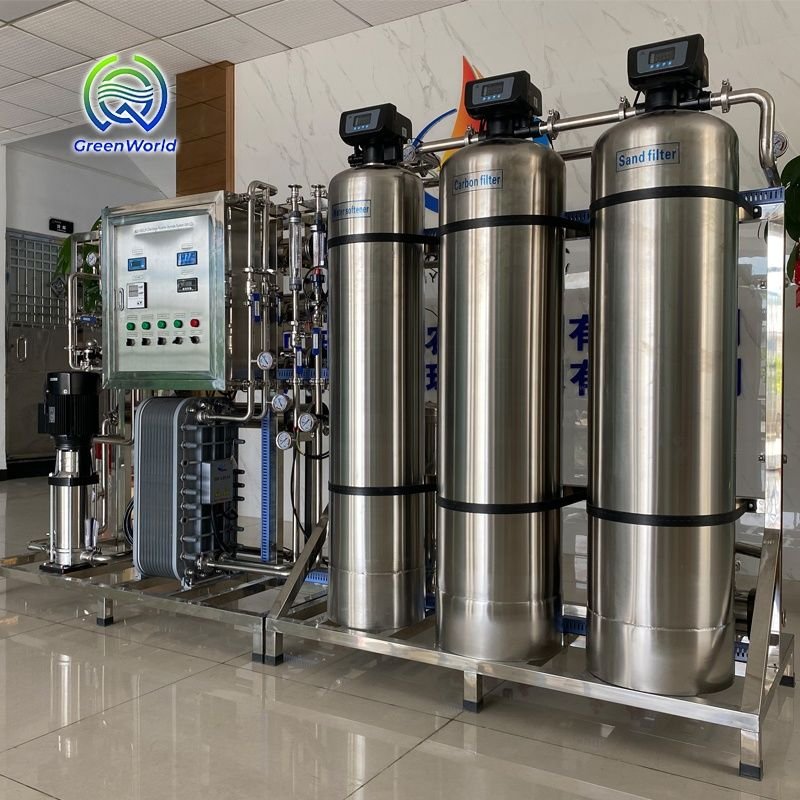
As an industrial water treatment manufacturer, we recommend that companies prioritize cooperation with manufacturers that have customization capabilities, complete qualifications, and comprehensive services when selecting a system. Communicate your needs and calculate costs in advance to avoid selection pitfalls and ensure that the ultrapure water system truly becomes a core guarantee for high-end industrial production.