Many companies using reverse osmosis systems often encounter problems such as membrane element clogging, substandard product water, and soaring operating costs due to improper filter selection, incorrect installation, or lack of maintenance. This article will guide you step-by-step through the three core aspects of selecting, installing, and maintaining reverse osmosis system filters, enabling you to achieve efficient and low-cost water treatment.
The core function of reverse osmosis system filters is to pretreat raw water, removing large particulate impurities, suspended solids, colloids, residual chlorine, and other harmful substances to prevent them from entering the reverse osmosis membrane and causing scratches, blockages, or oxidation damage to the membrane surface. In typical industrial scenarios, the raw water quality is complex (e.g., groundwater containing silt and rust, industrial wastewater containing pollutants). The scientific selection of filters is a prerequisite for stable system operation, and this is the aspect we, as manufacturers, pay the most attention to when customizing solutions for our clients.
1. How to choose a reverse osmosis system filter?
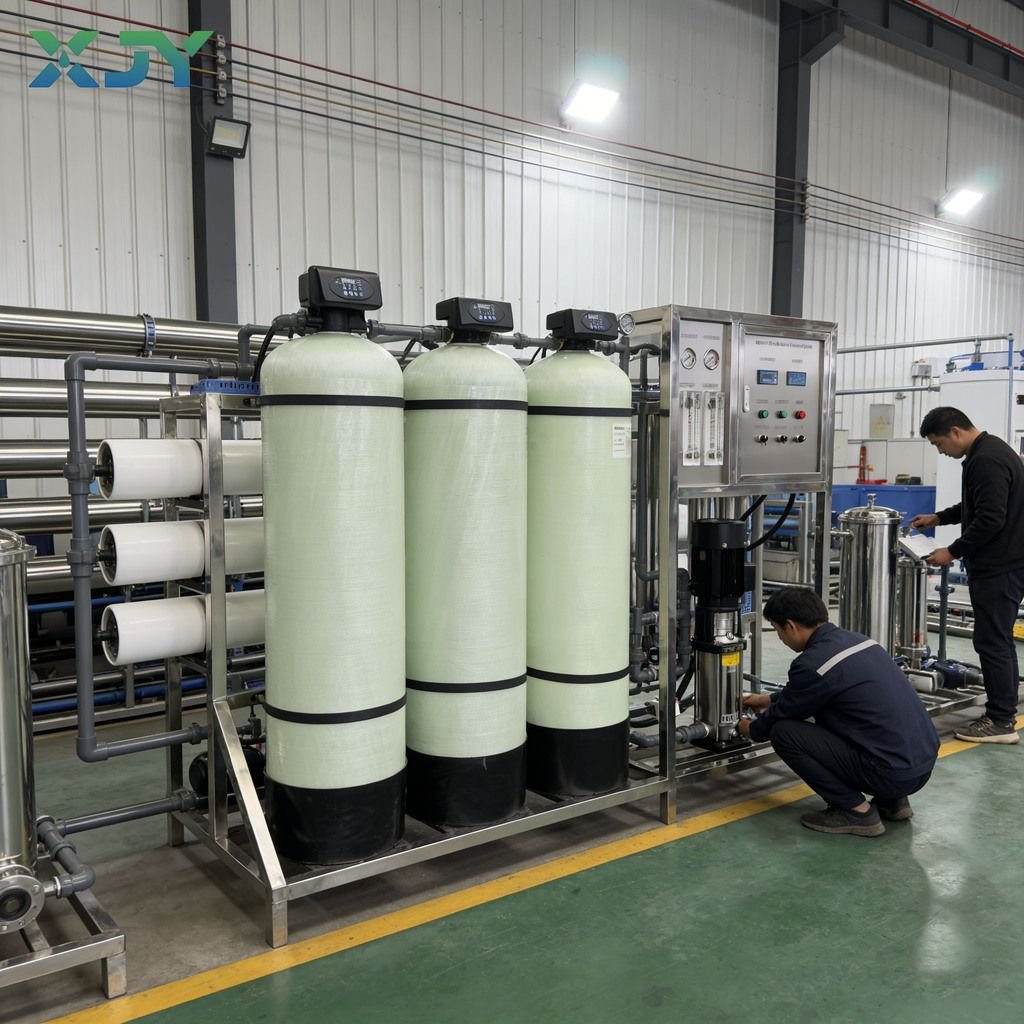
The core principle for selecting reverse osmosis system filters is to “adapt to the raw water quality, match the system capacity, and consider operating costs.” There’s no need to blindly pursue high-end configurations; precise matching is key. We have summarized a three-step selection method suitable for various industrial scenarios (such as electronics, chemicals, livestock farming, and food processing).
Step 1: Determine the raw water quality and filtration requirements
Before selecting a filter, a comprehensive test of the raw water must be conducted. This is fundamental to avoiding selection errors. Three key indicators should be tested:
- First, the content of large particulate impurities (such as silt, rust, with a particle size range of 0.1-50 micrometers).
- Secondly, dissolved impurities (such as residual chlorine, organic matter, and heavy metals).
- Thirdly, the SDI15 (Smudge Index) is required. Reverse osmosis systems require an SDI15 of ≤5, with an ideal value of <3. Otherwise, pretreatment needs to be strengthened.
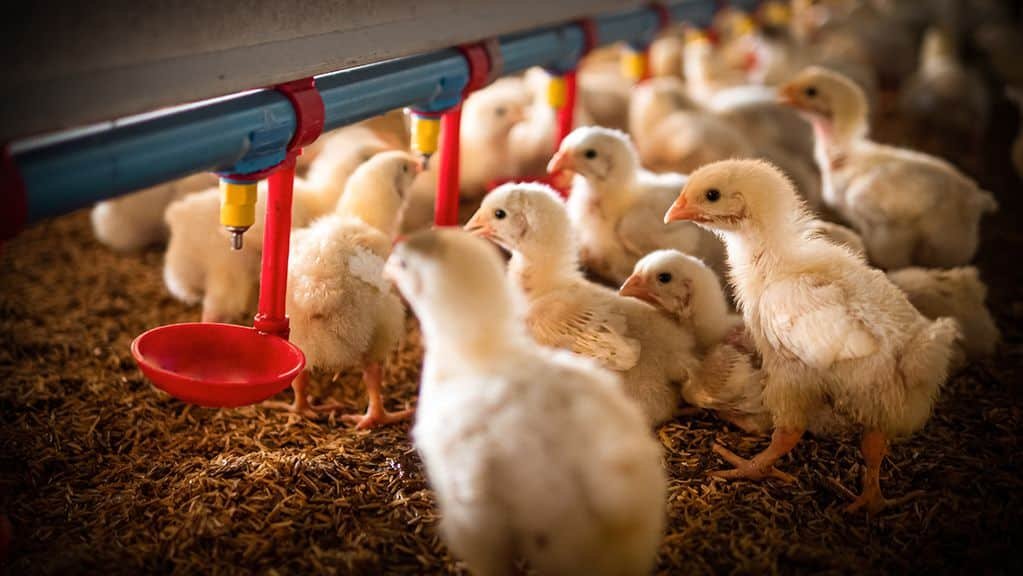
For example, raw water used in livestock and poultry farming often contains a large amount of suspended solids and fecal residue, requiring a focus on intercepting large particulate impurities. The electronics industry has extremely high requirements for the purity of its produced water, necessitating the removal of residual chlorine and colloids to avoid affecting subsequent ultrapure water preparation.
Step 2: Select a filter based on the required filtration precision
There are four main types of industrial reverse osmosis system filters. Different types are suitable for different filtration needs and should be used in combination based on the raw water quality and system requirements, rather than selecting a single type.
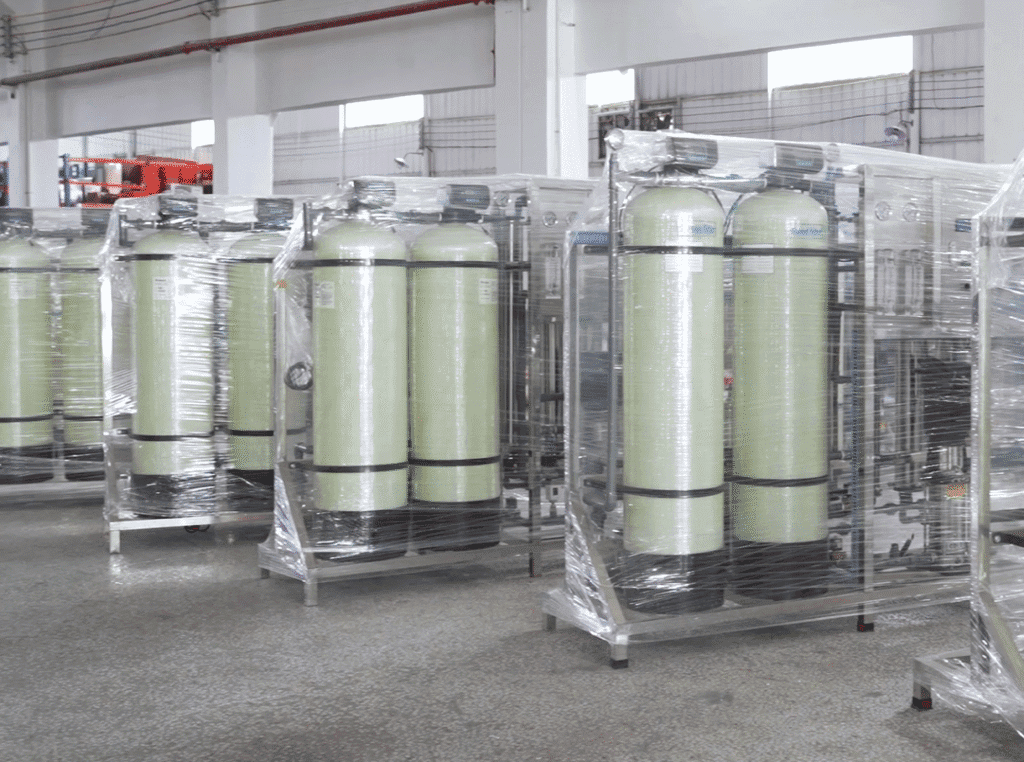
① Pre-filter (PP cotton filter): Filtration accuracy 1-5 microns, primarily removes large particles such as sediment, rust, and insect eggs from raw water, protecting subsequent precision filtration equipment. Suitable for all industrial scenarios, especially suitable for areas with turbid raw water and high sediment content (such as rural factories and old industrial areas). The PP cotton filter is made of food-grade polypropylene meltblown material, with strong pressure resistance, a replacement cycle of 3-6 months, low cost, and easy operation.
② Activated carbon filter: Installed after the PP cotton filter, it mainly adsorbs residual chlorine, odors, and organic matter (such as pesticide residues and chemical pollutants) in the water, preventing residual chlorine from oxidizing and damaging the reverse osmosis membrane. Suitable for industrial scenarios with high residual chlorine content in raw water (such as chemical plants and food factories using tap water as raw water).
③ Precision filter: Filtration accuracy 0.22-5 microns, intercepts tiny colloids and suspended solids not removed by the pre-filter, preventing them from scratching the membrane surface. The security filter features a stainless steel shell/UPVV material and a replaceable filter cartridge. The cartridge must be replaced promptly when the operating pressure differential is ≥0.05MPa. It is compatible with all industrial reverse osmosis systems.
④ Ultrafiltration filter: With a filtration accuracy of 0.01-0.1 microns, it removes bacteria, viruses, and large organic molecules from water while retaining some minerals. Suitable for scenarios where the raw water has a high bacterial content but does not require deep desalination (such as some pharmaceutical intermediate production), it can also be used as a pretreatment step in high-end reverse osmosis systems to further improve the quality of the incoming water.
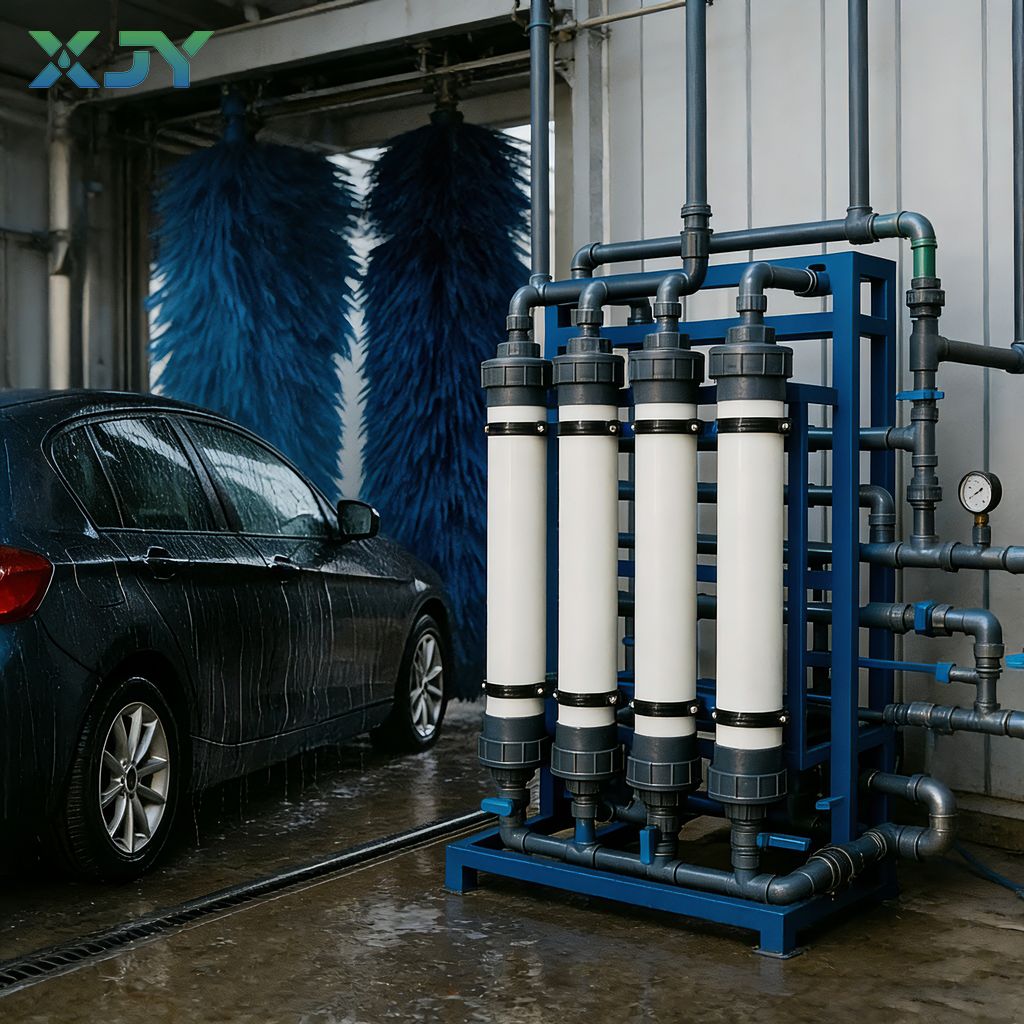
Step 3: Match production capacity and determine parameters
The filter specifications must match the reverse osmosis system’s permeate flow rate and inlet pressure. For example, a reverse osmosis system with a permeate flow rate of 10 m³/h requires a 300mm diameter filter with a flow rate of 12-15 m³/h, allowing for a 10%-20% design margin to accommodate fluctuations in raw water quality and capacity increases.
Simultaneously, attention must be paid to the filter’s pressure resistance (industrial grade typically requires 0.6-1.0 MPa), material (304 or 316L stainless steel, corrosion-resistant and easy to clean), and ease of filter cartridge replacement to reduce future maintenance costs. As a source manufacturer, we can customize filters of different specifications according to the customer’s system capacity, achieving precise parameter matching.
2. How to properly install reverse osmosis system filters?
The installation of reverse osmosis system filters directly affects filtration efficiency and system stability. Many companies experience problems such as leaks, reduced filtration efficiency, and rapid filter clogging due to improper installation. Based on our years of installation experience, we have summarized a standardized four-step installation process that can be directly implemented in practice.
Step 1: Complete the pre-installation preparations
Before installation, three points need to be confirmed: First, the installation site must be level, dry, and away from vibration sources and corrosive gases, with sufficient maintenance space (leaving passages of 1.5 times and 1 times the length of the equipment at the front and rear ends, respectively). Second, check that all filter accessories are complete (shell, filter element, sealing ring, valve, pressure gauge, etc.), ensuring no damage or leaks. Third, clean the pipeline to remove rust and impurities to avoid contaminating the filter element after installation.
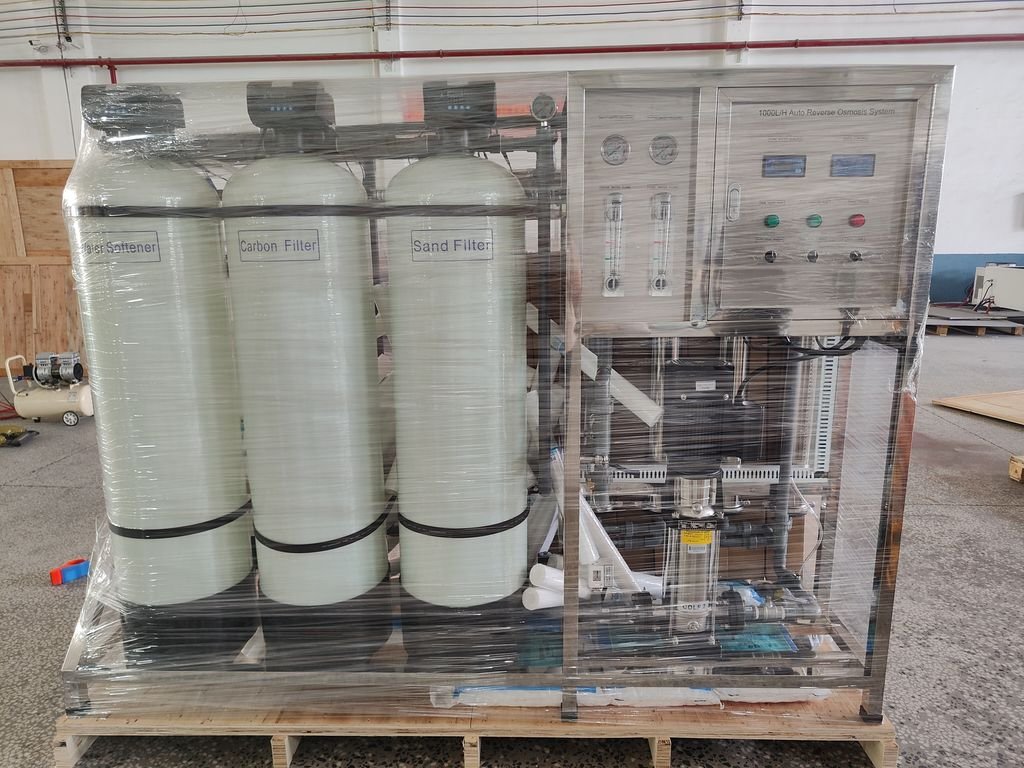
Step 2: Install the filter components in sequence
The installation of industrial reverse osmosis system filters should follow the sequence of “pre-filter PP cotton → activated carbon → security filter,” connected in series before the reverse osmosis unit. The specific steps are as follows:
1. Secure the filter housing to the bracket, ensuring a firm fit to prevent vibration during operation.
2. Install the filter cartridges. Insert the PP cotton cartridge gently, and fill the activated carbon cartridge evenly, avoiding gaps.
3. Seal the housing interfaces. Apply Vaseline when installing the sealing ring to ensure a tight seal and prevent leakage.
4. Connect the inlet and outlet water pipes. Connect the inlet to the raw water pipe, and the outlet to the next stage filter or the reverse osmosis unit. Ensure the pipe connections are secure, and install valves and pressure gauges for easy flow adjustment and pressure monitoring.
Step 3: Keep installation records
After installation, detailed records must be kept of the installation time, filter model, filter element specifications, operating parameters (flow rate, pressure), and raw water quality test data to establish an equipment file. This will allow for quick troubleshooting in case of problems and provide a basis for system optimization.
3. How to maintain reverse osmosis system filters?
The core of maintaining reverse osmosis system filters is “regular inspection, timely replacement of filter elements, and proper cleaning.” Many companies neglect maintenance, leading to filter clogging, filter failure, and ultimately damage to the reverse osmosis membrane, increasing operating costs. Based on thousands of industrial cases, we have summarized three key maintenance points that are simple to operate and can effectively extend the service life of filters and membrane elements.
Key Point 1: Regularly check the operating status
Daily checks of the filter’s operation are necessary, focusing on three key points:
1. Inlet and outlet pressure: If the pressure difference is ≥0.05MPa, the filter element is clogged and needs immediate replacement.
2. Filtered water quality: Regularly test residual chlorine and SDI values. If residual chlorine exceeds the standard, check if the activated carbon filter element is saturated.
3. Filter for leaks and unusual noises: If leaks occur, check if the sealing rings are aged and replace them promptly.
Key Point 2: Replace the filter cartridge on schedule
Filter cartridges are consumables and need to be replaced periodically. The replacement cycle varies depending on the type of filter cartridge and should be determined based on actual usage. The recommended replacement cycle is as follows (which can be adjusted according to the quality of the raw water):
1. PP cotton filter cartridge: 3-6 months; in areas with turbid raw water, this can be shortened to 2-3 months.
2. Activated carbon filter cartridge: 6-12 months; if the residual chlorine content of the raw water is high, this can be shortened to 6 months.
3. Security filter cartridge: 3-6 months, or replace immediately when the operating pressure difference is ≥0.05MPa.
4. Ultrafiltration filter cartridge: 12-24 months; regular cleaning can appropriately extend its service life.
When replacing the filter element, first close the inlet valve to drain the water inside the filter. After removing the outer casing, replace the filter element with a new one. After installation, rinse for 3-5 minutes to ensure that the filter element is free of impurities before putting it into operation.
Key Point 3: Clean the filter housing regularly
The housing of reverse osmosis system filters is prone to accumulating dust and scale, requiring regular cleaning; monthly cleaning is recommended. Rinse the housing surface with clean water. For stubborn scale, use a neutral detergent to wipe it clean, avoiding corrosive cleaners to prevent damage. Additionally, inspect seals, valves, and other components every three months; replace any worn or damaged parts promptly to ensure tight sealing and smooth operation.
Summarize
The scientific selection, standardized installation, and meticulous maintenance of reverse osmosis system filters are crucial for ensuring stable operation of the RO system, extending membrane element life, and controlling water treatment costs. If we follow the steps outlined above, I have every reason to believe that the reverse osmosis system offers excellent value for money and stable operation.
Whether you are a company in the electronics, chemical, or livestock farming industries, or simply a professional with industrial water treatment needs, please contact us if you encounter any problems in the selection, installation, or maintenance of reverse osmosis system filters.