1. Background of the reverse osmosis water system filters project
Private well water is an important water source for production and daily life in many areas. However, its water quality is easily affected by factors such as geological structure, soil compositionPrivate well water is an important water source for production and daily life in many areas. The EPA’s Ground Water and Drinking Water program documents how well water quality is commonly affected by geological structure, soil composition, and groundwater runoff, often resulting in problems such as high total dissolved solids, excessive hardness, abnormal chloride levels, and microbial contamination. This makes it unsuitable for direct use in scenarios such as drinking water, industrial production, equipment cooling, and process water replenishment. This case study, based on an official Culligan water quality test report, specifically addresses the water quality deficiencies of a private well in Virginia, USA, by custom-designing a 1000 liters/hour all stainless steel reverse osmosis water system filter.
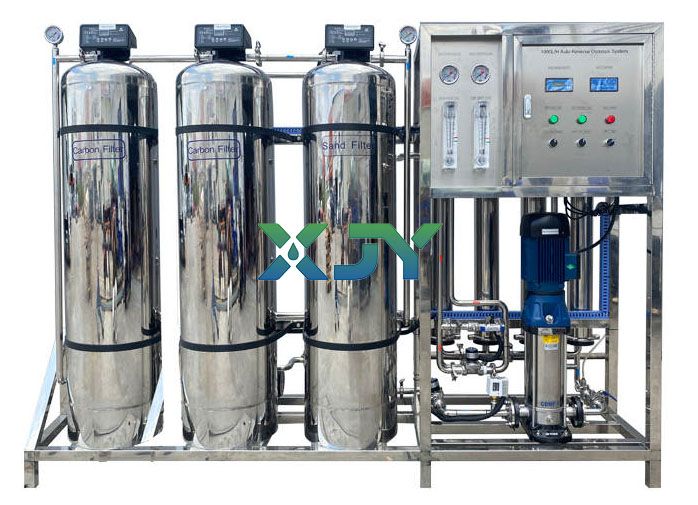
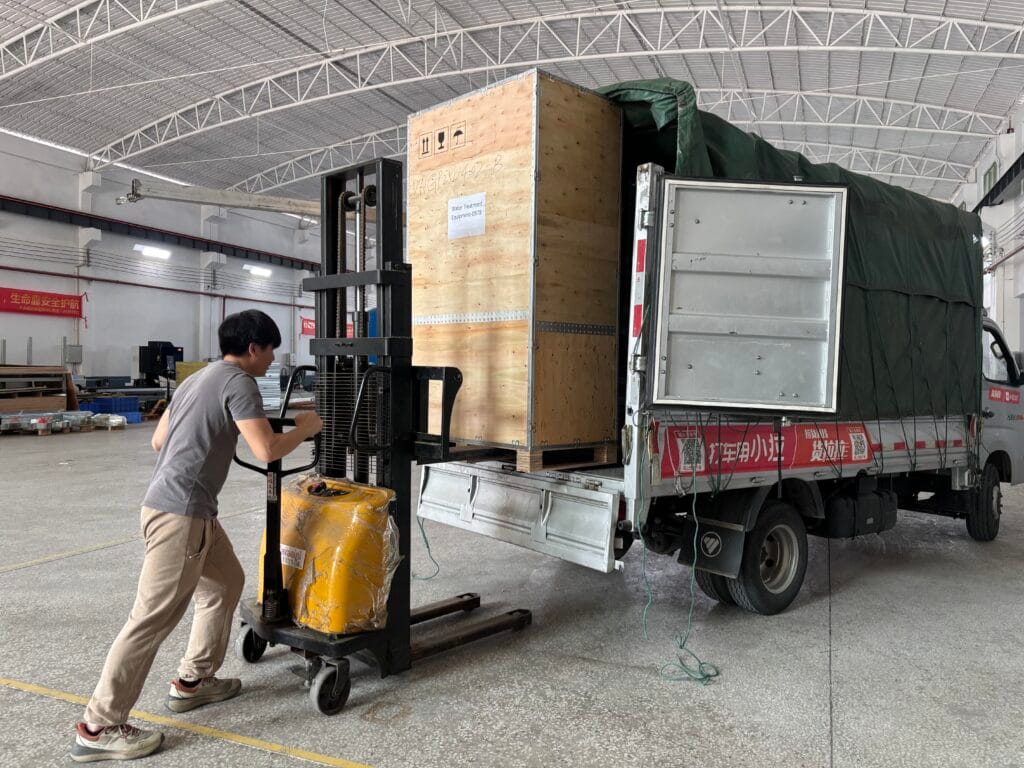
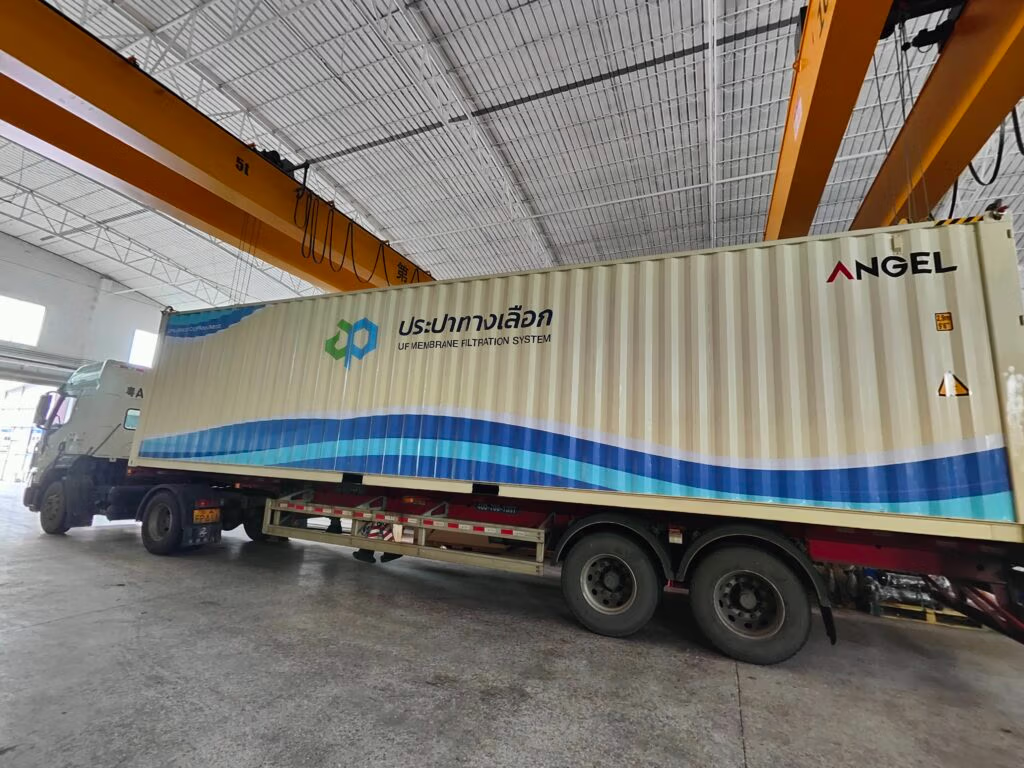
This project encompasses integrated services including water quality diagnosis, solution design, equipment manufacturing, installation and commissioning, and operation and maintenance. The reverse osmosis equipment is constructed from 304 stainless steel, offering advantages such as corrosion resistance, long lifespan, stable operation, and a high degree of automation. It can continuously and stably produce water for 20 hours, addressing both raw water quality safety concerns and meeting users’ continuous, stable, and high-standard water usage needs.
2. Raw water quality diagnosis
The water sample tested was from a private well, which is domestic water that has been treated before sampling. Comprehensive laboratory analysis revealed core water quality defects concentrated in four main areas. While indicators such as heavy metals, nitrates, and sulfates met limits, key physicochemical and microbiological indicators did not meet safe drinking water requirements. Specific issues are as follows:
① Total dissolved solids (TDS) seriously exceeded the standard
The estimated TDS value of the raw water reached 630.77 mg/L, far exceeding the US EPA’s Class II drinking water standard limit of 500 mg/L. Simultaneously, the conductivity was measured at 1007.60 μS/cm, indicating a high content of dissolved salts in the water.
High TDS water directly causes a salty and astringent taste, negatively impacting the drinking experience over time. It also accelerates corrosion and scaling in pipes, valves, heat exchange equipment, and membrane elements, significantly shortening the lifespan of water-using equipment.
② Chloride content exceeds the standard limit
The raw water chloride concentration was 257.74 mg/L, exceeding the EPA Class II standard requirement of 250 mg/L. Chloride is a typical corrosive ion, particularly effective against metals such as carbon steel and stainless steel. It can damage the passivation film on metal surfaces, leading to pitting and crevice corrosion. Long-term use can cause pipe leaks, equipment damage, and also affect the taste of the water, reducing user comfort.
③ High total hardness, prone to scaling
The raw water has a total hardness of 358.68 mg/L (20.98 GPG) as CaCO₃, classifying it as high-hardness groundwater. Calcium and magnesium ions in the water readily precipitate during heating, concentration, and pressure changes, forming calcium carbonate and magnesium carbonate scale, which adheres to the inner walls of pipes, heat exchangers, boilers, and the surface of RO membranes. This can obstruct water flow, reduce heat exchange efficiency, and cause membrane element fouling and blockage. In severe cases, it can lead to the shutdown of reverse osmosis water system filters and system failure.
④ Microbiological indicators pose potential health and safety risks
Total coliform bacteria were detected in the raw water, but Escherichia coli was not detected. Total coliform bacteria are an important indicator of biological pollution in water bodies. Even without pathogenic bacteria, it indicates a health and safety risk, and the water is not suitable for direct consumption. If used in food processing, catering, or direct drinking water applications, it could pose health hazards and necessitate sterilization and disinfection processes.
In addition, the raw water’s pH value of 6.9 is within the normal range, and the turbidity of 0.24 NTU is low. Heavy metals such as iron, manganese, lead, arsenic, cadmium, and selenium were not detected or were far below the EPA limits. Nitrate nitrogen (4.26 mg/L) and sulfate (7.46 mg/L) both meet standards, and no specific heavy metal removal is required.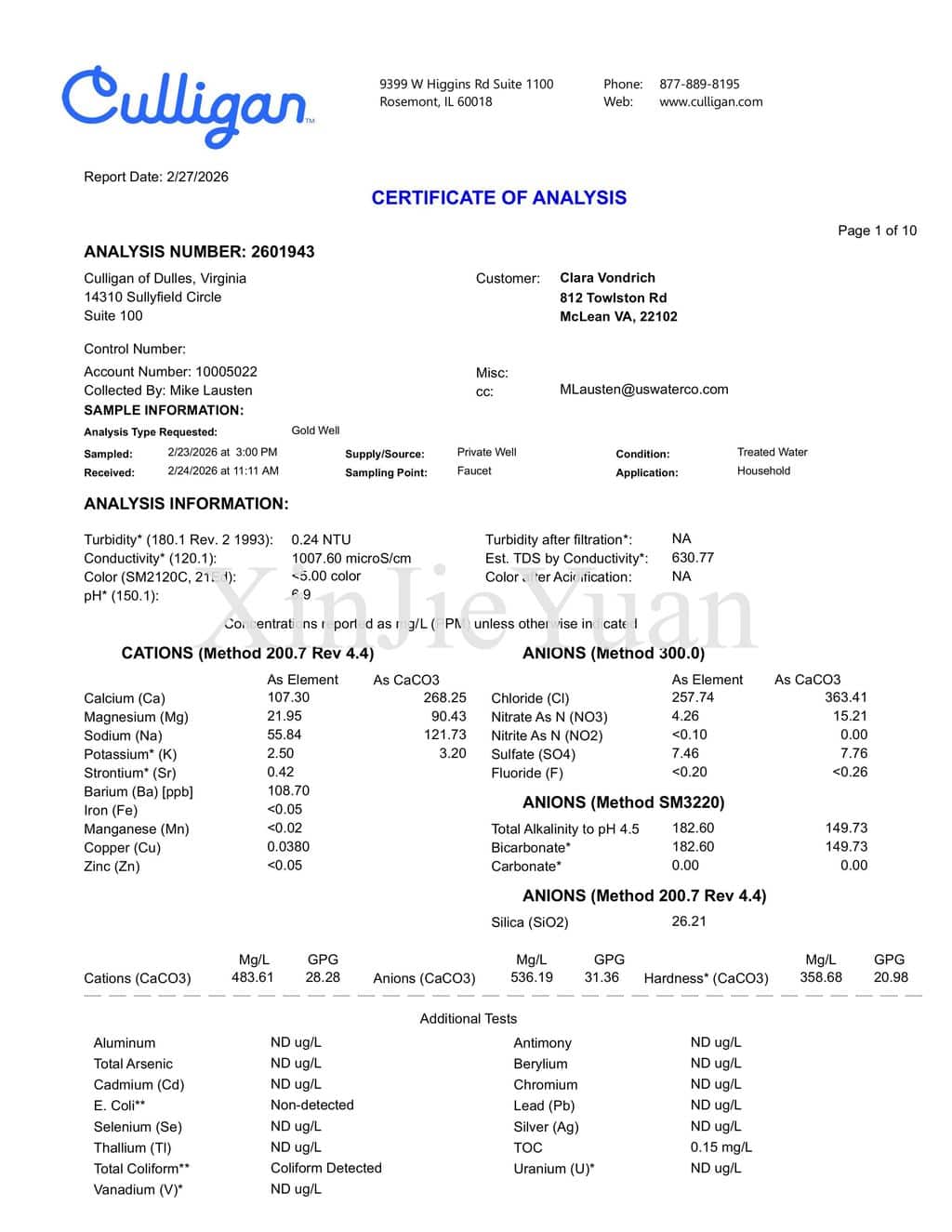
Based on comprehensive assessment, the raw water is brackish groundwater with high TDS, high hardness, slight chlorine corrosion, and microbial contamination. Conventional filtration and softening processes alone cannot completely solve the problem, and an integrated treatment process with reverse osmosis as the main component must be adopted.
3. Customized reverse osmosis water system filters
Considering the characteristics of the raw water quality, the scale of water use, the usage scenarios, and long-term operational requirements, this project abandons simple civilian water purification equipment and focuses on the design of “stability, durability, high efficiency, and low consumption.” The specific configuration is as follows:
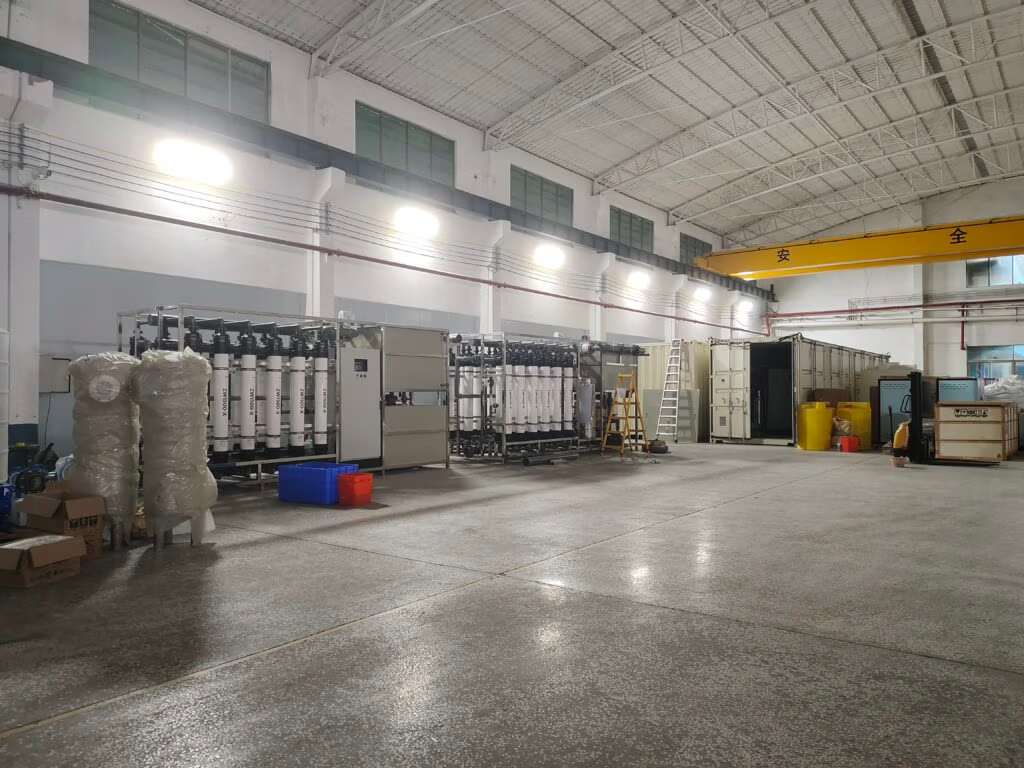
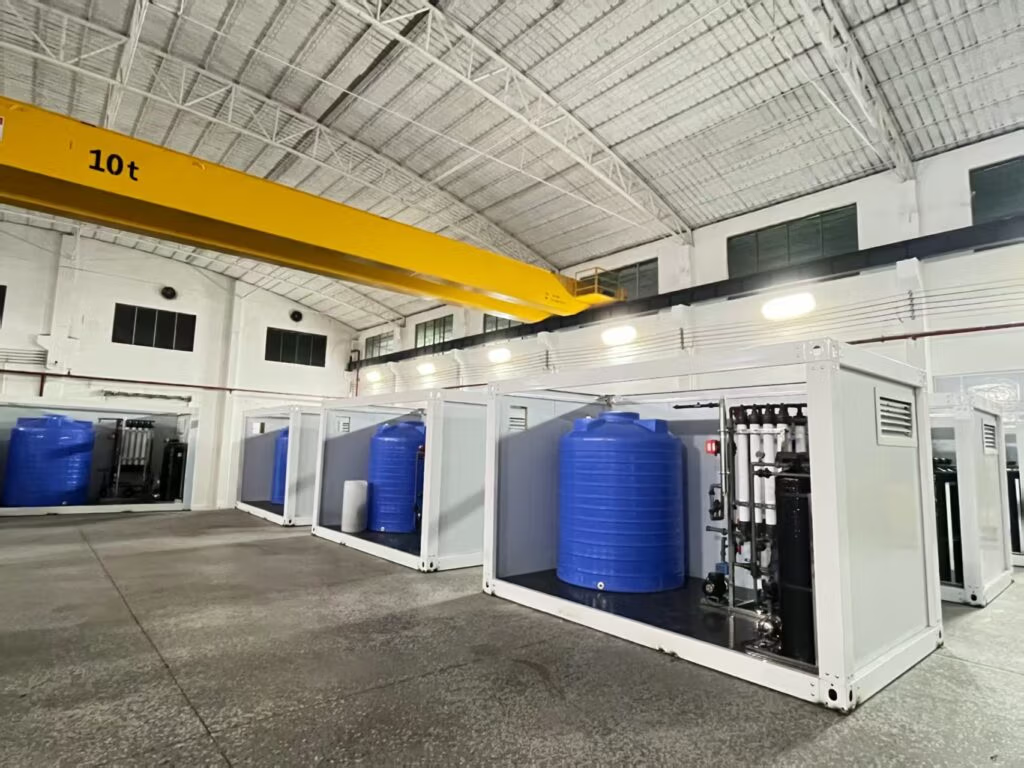
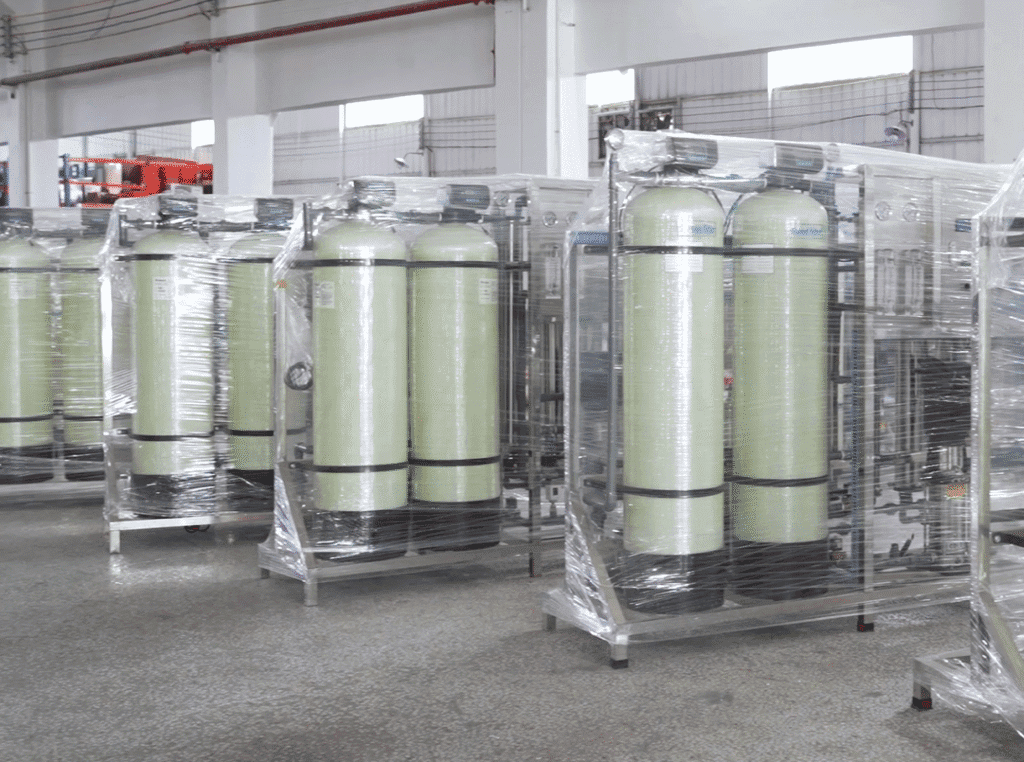
①1000l/h all ss reverse osmosis equipment
- Water production capacity: 1000 liters/hour, continuous and stable operation, meeting the dual needs of domestic water use and small-scale industrial water replenishment.
- Main body material: The entire frame, pipelines, filter housings, and valves are all made of 304 stainless steel, which is resistant to chloride corrosion, easy to clean, and free from secondary pollution.
- Core Components: Uses imported brackish water reverse osmosis membrane with a desalination rate of ≥98%, which can efficiently remove pollutants such as dissolved salts, hardness ions, chlorides, bacteria, and colloids.
- Operating parameters: Reverse osmosis water system filters recovery rate 65%–75%, suitable for high-salinity well water quality, reducing the risk of membrane scaling.
- Control mode: PLC control, with high and low pressure protection, flushing, fault alarm, and shutdown protection functions.
- Maintenance design: Equipped with a CIP online cleaning interface, it can quickly complete the cleaning of membrane elements.
② Complete process flow
To maximize the protection of reverse osmosis membrane elements and improve system stability, a mature process of multi-stage pretreatment + reverse osmosis core treatment + end-point sterilization is adopted. The specific process is as follows:
Raw water tank → Raw water pump → Multi-media filter → Activated carbon filter → Softener → 5μm precision security filter → High-pressure pump → Reverse osmosis membrane module → Ultraviolet sterilizer → Pure water tank → Point of use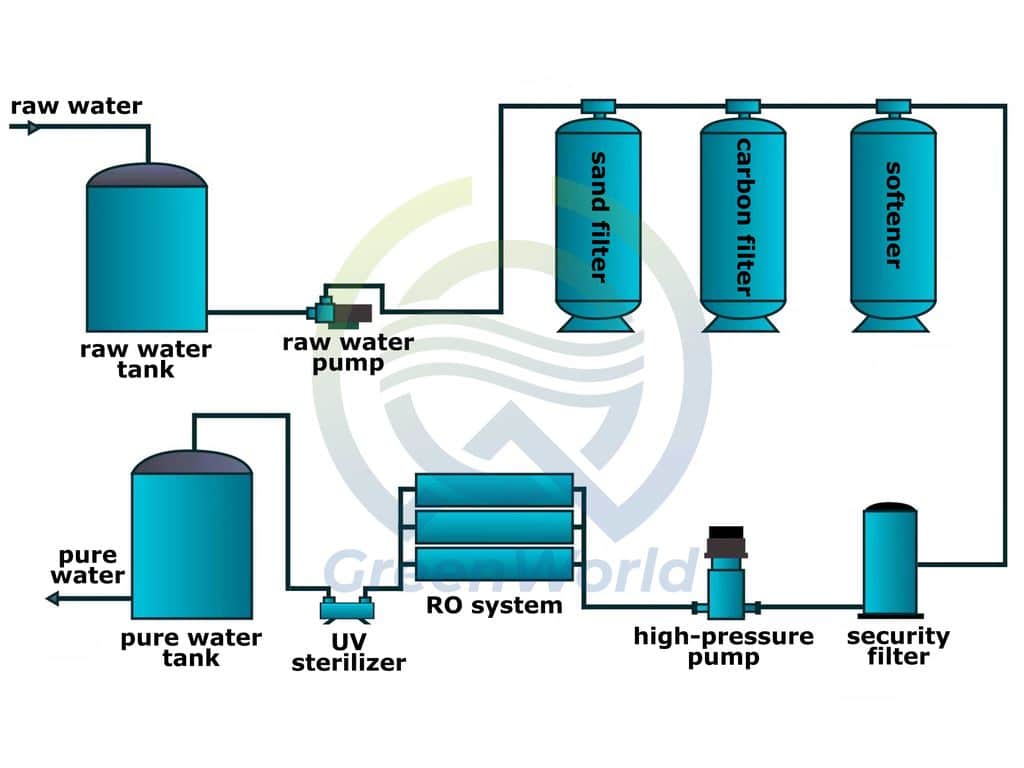
4. Reverse osmosis water system filters operation effect
After installation and commissioning, the 1000L/H stainless steel reverse osmosis equipment operated continuously and stably for 30 days. Real-time monitoring and laboratory retesting of key effluent indicators showed that all indicators were superior to the US EPA drinking water standards. Specific comparative data are as follows:
| Water quality indicators | Raw water test values | RO system effluent value | Standard Limit | Compliance status |
|---|---|---|---|---|
| Total dissolved solids (TDS) | 630.77mg/L | <30mg/L | ≤500mg/L | Meets standards |
| Electrical conductivity | 1007.60μS/cm | <50μS/cm | — | Excellent |
| Chloride | 257.74mg/L | <10mg/L | ≤250mg/L | Meets standards |
| Total Hardness | 358.68mg/L | <10mg/L | — | Excellent |
| Total coliforms | Detected | Not detected | — | Meets standards |
| Turbidity | 0.24NTU | <0.1NTU | ≤1NTU | Excellent |
Reverse osmosis water system filters performance summary:
- It has significant effects in desalination, hardness removal, and chlorine reduction, producing clear, odorless, and sweet-tasting water that fully meets the needs of daily drinking.
- Completely solves scaling and corrosion problems, protecting downstream pipelines, equipment, and heat exchange devices.
- It meets all microbiological standards, poses no health or safety risks, and is applicable to a wide range of scenarios.
- The system operates stably with no downtime due to faults, has a high degree of automation, and requires no dedicated personnel to operate it.
5. Application Value of 1000L/H Stainless Steel Reverse Osmosis System
This project utilizes customized 1000L/H stainless steel reverse osmosis equipment to solve four major well water quality problems in one go: high TDS, high hardness, high chloride, and microbial contamination, achieving the goal of “safe, stable, economical, and long-lasting” water supply.
If you are interested in this reverse osmosis water system filters, please feel free to contact us for a quote.