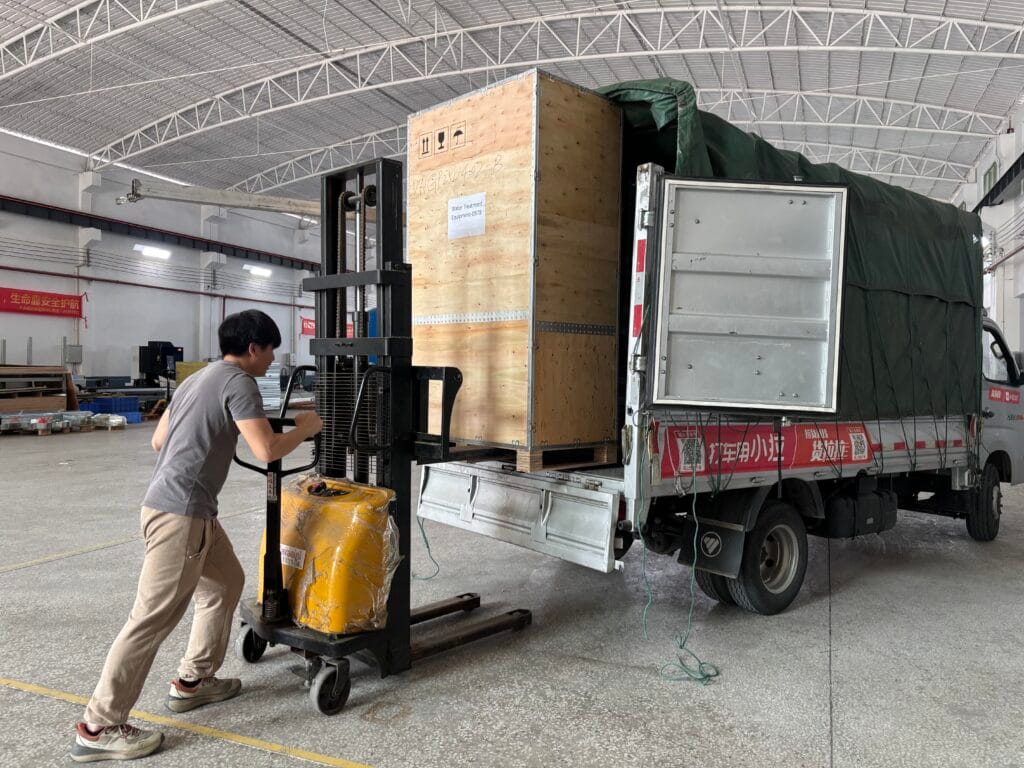
When sourcing industrial water treatment equipment, one of the most frequent questions buyers ask is about reverse osmosis filter price and for good reason. The cost gap between entry-level and industrial-grade systems can span from a few thousand to well over $200,000. Understanding what drives these numbers helps procurement teams make confident, cost-effective decisions.
Why Do Buyers Struggle to Get a Clear Reverse Osmosis Filter Price?
The answer lies in how RO systems are quoted. Unlike commodity equipment, industrial RO systems are engineered to match specific feed water chemistry, flow rate requirements, and output quality targets.
Suppliers rarely publish fixed prices because every system configuration differs. A 10,000 GPD unit for brackish water pre-treatment is priced entirely differently from a 50,000 GPD system designed for pharmaceutical-grade purified water. Without knowing these parameters, any quoted figure is essentially meaningless.
What Users Most Commonly Ask About RO Filter Pricing
The top questions around reverse osmosis filter price in the industrial context include:
- How much does an industrial reverse osmosis filter system cost?
- What affects the price of an RO membrane filter the most?
- Is a higher reverse osmosis filter price always worth it?
- What is the total cost of ownership for an industrial RO system?
- How do I compare RO filter prices across different suppliers?
These questions reveal a central pain point: buyers want to compare, but the lack of transparent pricing makes it difficult. The solution is understanding the factors that determine cost and using those as your evaluation framework.
Key Factors That Determine Industrial Reverse Osmosis Filter Price
1. System Capacity and Flow Rate
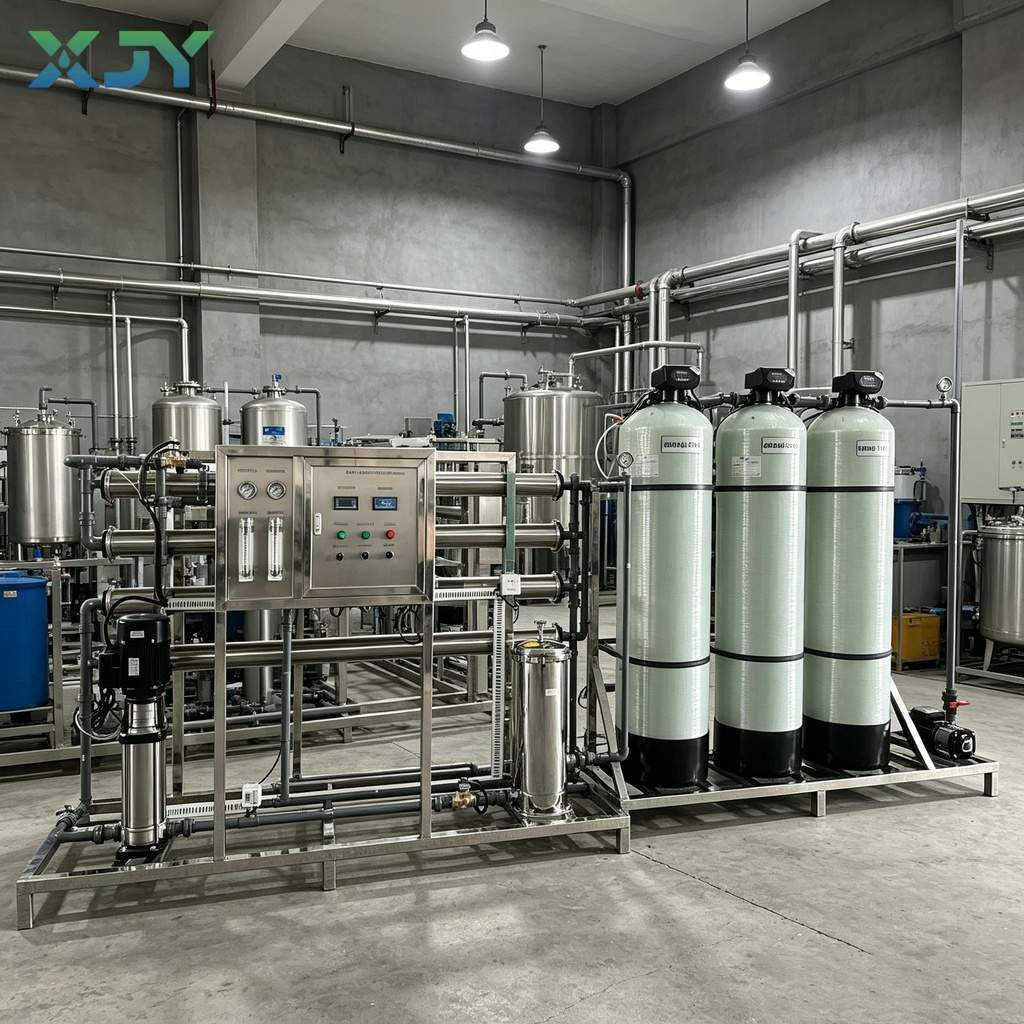
Flow rate is the single biggest cost driver. Industrial RO systems are typically measured in gallons per day (GPD) or cubic meters per hour (m³/h). Entry-level commercial systems handling up to 10,000 GPD generally range from $5,000 to $20,000. Mid-range systems at 50,000 to 100,000 GPD can cost $30,000 to $80,000. Large-scale industrial units exceeding 100,000 GPD routinely exceed $150,000 to $250,000 or more.
Higher capacity requires more membranes, larger pressure vessels, more robust pumping systems, and more sophisticated control panels, all of which compound the reverse osmosis filter price significantly.
2. Feed Water Quality and Pre-Treatment Requirements
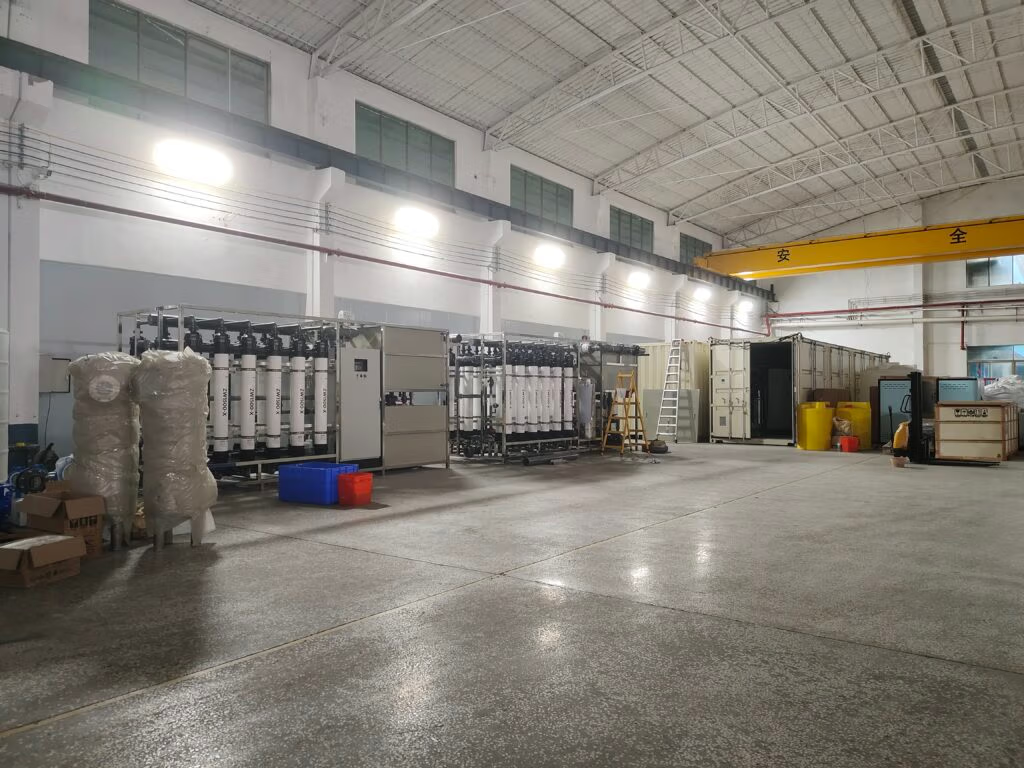
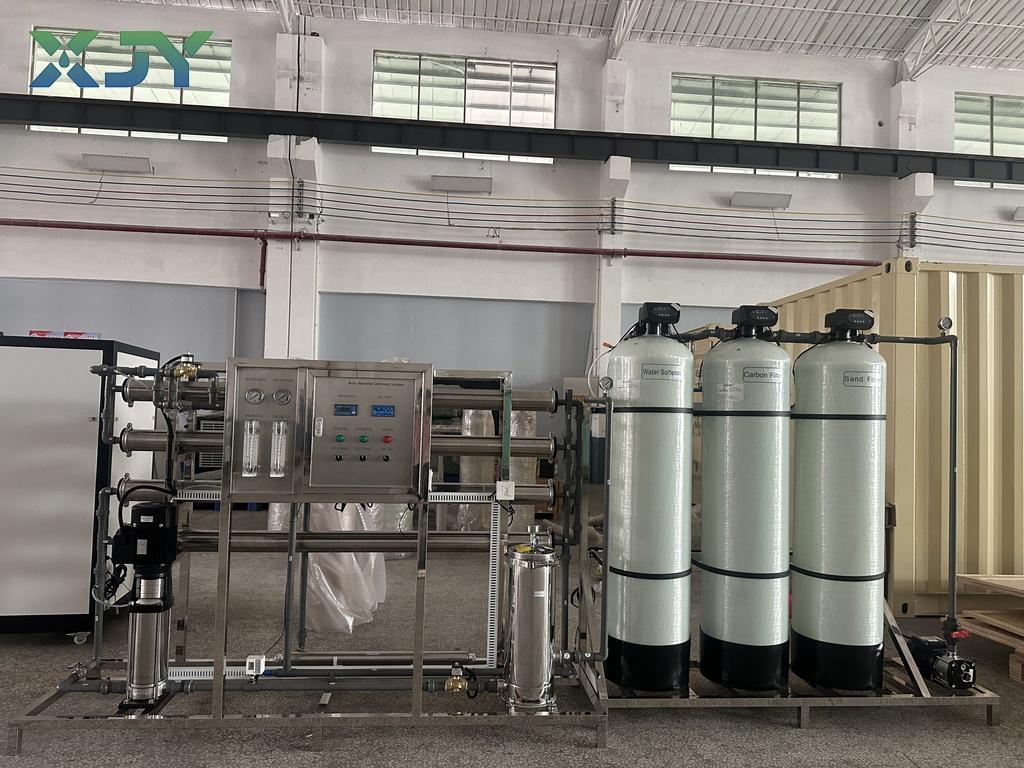
The quality of source water directly impacts what pre-treatment stages are needed before water reaches the RO membrane. Well water with high iron content, seawater with high salinity, or industrial wastewater with heavy contamination all require additional pre-treatment equipment such as multimedia filters, softeners, antiscalant dosing systems, and UV sterilizers.
Each additional pre-treatment stage adds cost, sometimes $5,000 to $30,000 to the base system price. Buyers who underestimate this factor often face unexpected capital expenditure after installation.
3. Membrane Type and Quality
The RO membrane is the core of any system and a key variable in the reverse osmosis filter price. Thin-film composite (TFC) membranes are the industry standard for industrial use. However, membrane selection varies by application: brackish water membranes, seawater membranes, and high-rejection membranes are all priced differently.
Premium membranes from manufacturers with certified performance data cost more upfront but deliver longer service life and more reliable rejection rates. Opting for low-cost membranes without verified specifications is a common false economy in industrial procurement. For more on membrane performance standards, refer to the U.S. Environmental Protection Agency’s guidance on water treatment technologies.
4. System Configuration: Skid-Mounted vs. Containerized
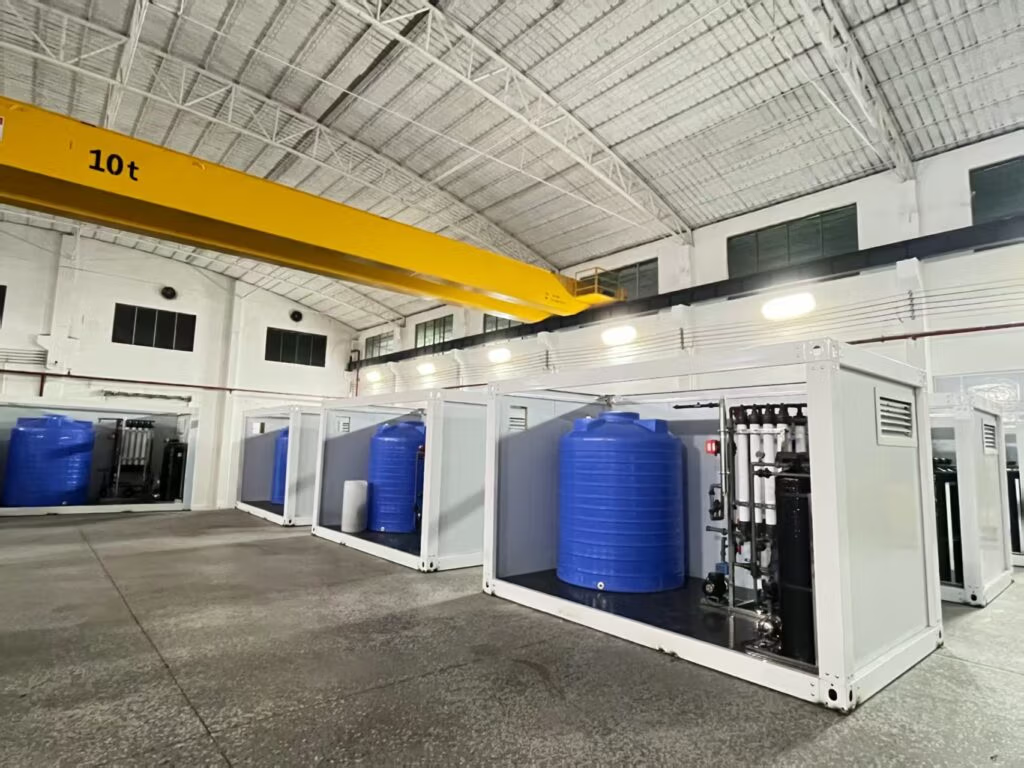
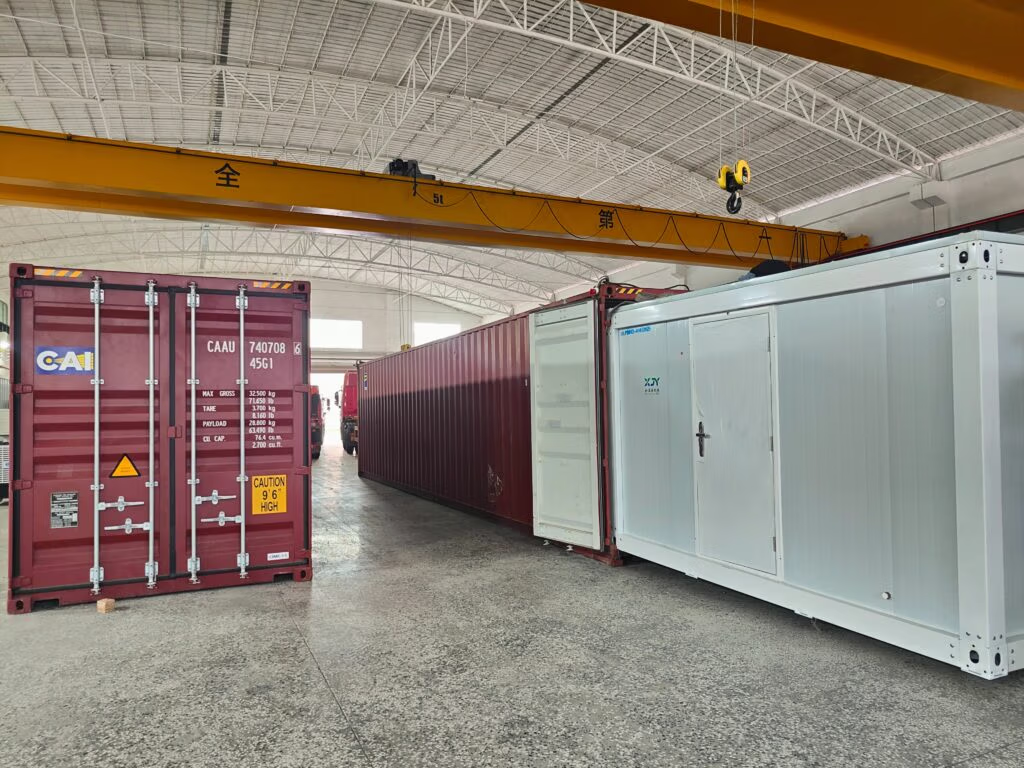
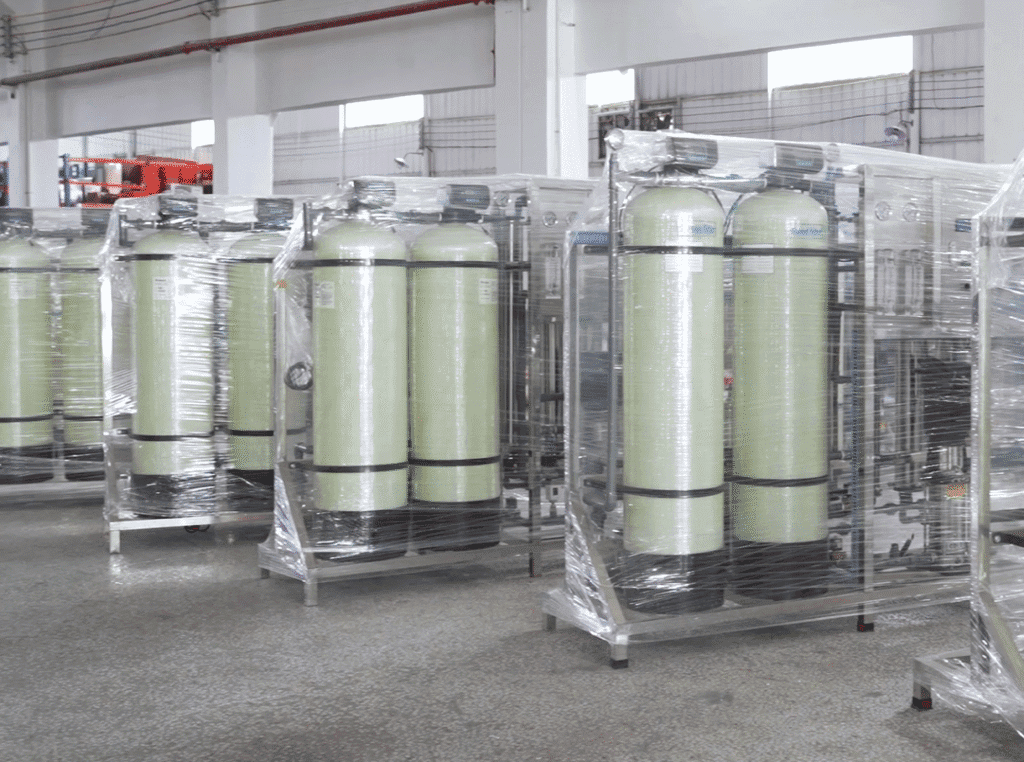
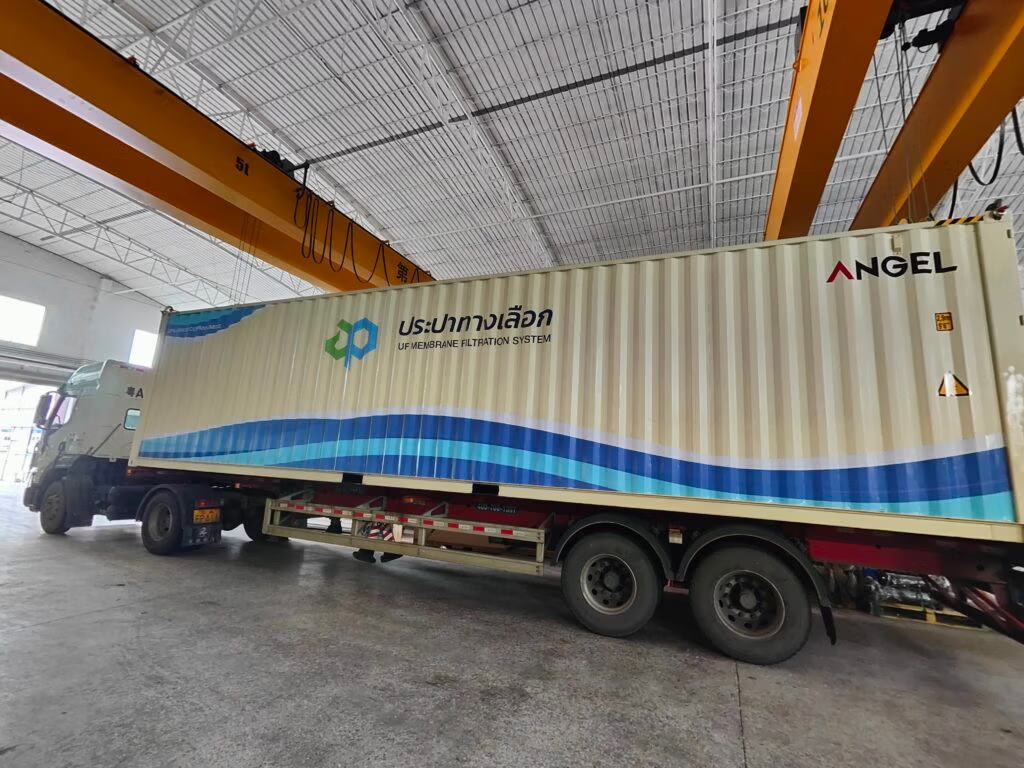
Industrial RO systems come in several physical formats. Skid-mounted systems are compact, factory-assembled units ideal for plants with existing infrastructure. Containerized systems, housed in 20ft or 40ft ISO containers — are preferred for remote sites, rental deployments, or rapid project delivery.
Containerized systems carry a higher reverse osmosis filter price due to structural fabrication, climate control, and integrated electrical systems. However, they significantly reduce on-site installation time and civil engineering costs, which can make them more economical overall for certain project types.
5. Automation Level and Control Systems
Modern industrial RO systems are increasingly equipped with PLC-based control panels, SCADA integration, remote monitoring capabilities, and automated CIP (Clean-in-Place) cycles. These features improve operational reliability and reduce labor requirements but add to the upfront system cost.
For facilities running continuous production processes, the investment in automation typically pays back within 12 to 24 months through reduced downtime and lower staffing requirements. This is a critical consideration when evaluating reverse osmosis filter price in the context of total ROI.
Understanding the True Cost of Ownership — Beyond the Initial RO Filter Price
Procurement teams that focus exclusively on the initial reverse osmosis filter price often underestimate the full operational cost picture. Industry data consistently shows that operating costs over a 5-year period can equal or exceed the capital cost of the system itself.
Ongoing Cost Components to Budget For
Membrane replacement: RO membranes typically require replacement every 2 to 5 years. With poor pre-treatment, this cycle can shorten to 12 months. Replacement membrane sets for large industrial systems can cost $10,000 to $50,000 per service cycle.
Energy consumption: High-pressure pumps are the most energy-intensive component. Energy costs represent 30% to 40% of total operating expenses for industrial RO systems. Variable frequency drives (VFDs) help reduce this, but add to the initial reverse osmosis filter price.
Chemical costs: Antiscalant, acid cleaning agents, and biocides are consumed continuously. For large systems, annual chemical costs can reach $15,000 or more.
Maintenance and service: Scheduled preventive maintenance, emergency callouts, and spare parts inventory are real cost centers. Partnering with a supplier who provides local technical support reduces exposure to extended downtime costs.
For a detailed overview of RO system design principles and operating parameters, the Water Quality Association’s technical resources on reverse osmosis provide a useful industry reference.
How to Evaluate Reverse Osmosis Filter Price Across Suppliers
Comparing quotes from multiple suppliers requires a structured approach. A lower reverse osmosis filter price on paper may reflect thinner membranes, lower-rated pumps, or the absence of key safety features. A standardized RFQ (Request for Quotation) document that specifies feed water analysis, required permeate flow, rejection rate targets, and operational hours per day ensures that all suppliers are quoting to the same specification.
Key points to verify in any supplier quotation include: membrane brand and model, pump brand and motor rating, control system specification, pressure vessel material (FRP vs. stainless steel), warranty terms, and availability of local after-sales service.
Our industrial reverse osmosis system range is engineered for consistent performance across a wide range of water sources, with transparent technical documentation provided at the quotation stage.
Red Flags When Comparing RO Filter Prices
Watch for these warning signs when evaluating reverse osmosis filter price quotations:
- No feed water analysis requested before quoting — a reliable supplier needs your water data
- Unusually low pricing with no specification of membrane brand or model
- No mention of pre-treatment requirements despite challenging source water
- Short warranty periods or no after-sales support commitment
- Inability to provide certified test data or third-party performance references
Industrial RO Filter Price Ranges: A Practical Reference
While exact pricing depends on specifications, the following ranges reflect current market realities for industrial-grade systems:
| System Scale | Typical Capacity | Indicative Price Range |
|---|---|---|
| Small commercial | 500–5,000 GPD | $3,000 – $15,000 |
| Medium industrial | 10,000–50,000 GPD | $15,000 – $60,000 |
| Large industrial | 50,000–200,000 GPD | $60,000 – $200,000+ |
| Containerized plant | Any scale | Add 20–35% for containerization |
These figures are for the RO system itself. Pre-treatment equipment, installation, civil works, electrical connections, and commissioning add to the total project budget.
Getting the Right Reverse Osmosis Filter Price for Your Application
The most effective way to get an accurate reverse osmosis filter price is to work with a supplier who conducts a proper needs assessment before quoting. This means analyzing your feed water, understanding your process requirements, evaluating your site conditions, and designing a system that is sized correctly — not simply what is available off the shelf.
Oversized systems waste capital. Undersized systems create production bottlenecks. Both are avoidable with proper upfront engineering. Our team works with industrial buyers across manufacturing, food and beverage, pharmaceutical, power generation, and municipal sectors to design systems that deliver the required water quality at the lowest total cost of ownership.
Explore our reverse osmosis water filter solutions or contact our technical team to receive a detailed quotation based on your specific process requirements.
Conclusion
Reverse osmosis filter price is not a simple number. It is the outcome of dozens of engineering and operational variables. Buyers who understand these variables are better positioned to evaluate proposals, negotiate with suppliers, and plan realistic budgets for their water treatment projects.
Focus on total cost of ownership rather than upfront price alone. Insist on full technical specifications in every quotation. And work with suppliers who are transparent about what is and what is not, included in their pricing. That approach consistently delivers the best value in industrial water treatment procurement.