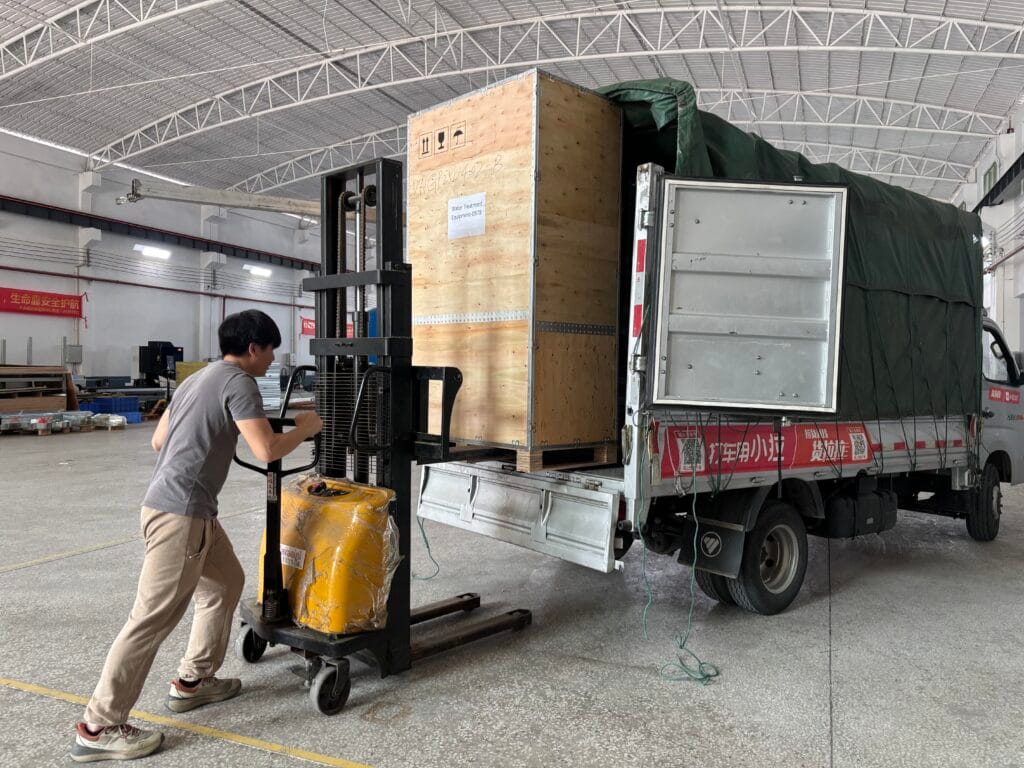
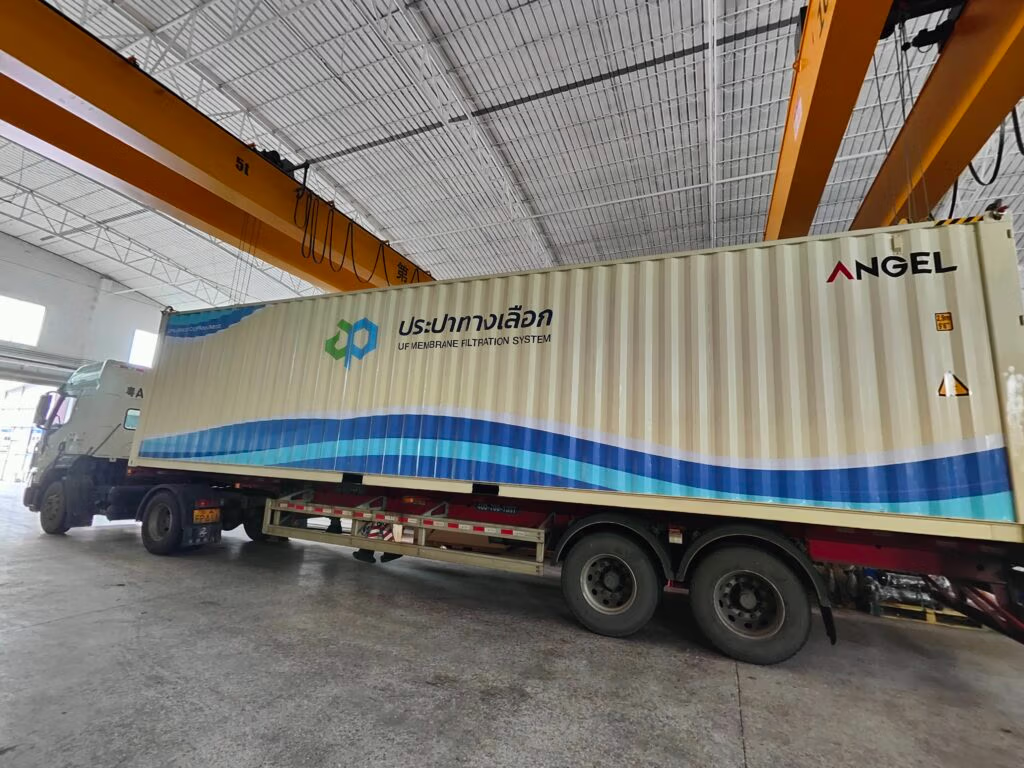
Reverse osmosis water purification systems ensure consistent product quality by effectively purifying water. Consequently, they are widely used across various industrial sectors, including food processing, pharmaceuticals, electronics manufacturing, chemicals, and wastewater treatment. However, procurement professionals are often puzzled by standards for reverse osmosis water filter price, as market prices range from a few thousand to several million dollars—a vast disparity. Drawing on 2026 market trends for industrial water treatment equipment, this article provides a comprehensive breakdown of the characteristics, price ranges, and key cost-influencing factors of industrial reverse osmosis systems, offering a precise reference for corporate procurement, project bidding, and cost analysis.
1. Features of reverse osmosis water filter price
Unlike the standardized pricing of residential water purification systems, industrial reverse osmosis systems are primarily customized to meet specific operational requirements and lacks a fixed, uniform price. Key pricing factors include production capacity, process configuration, material specifications, the level of automation, and water quality treatment standards. Based on prevailing market rates, we can categorize pricing into distinct tiers according to the equipment’s processing scale.
2. Range for reverse osmosis water filter price
Small-scale equipment (0.5–5 tons/hour)
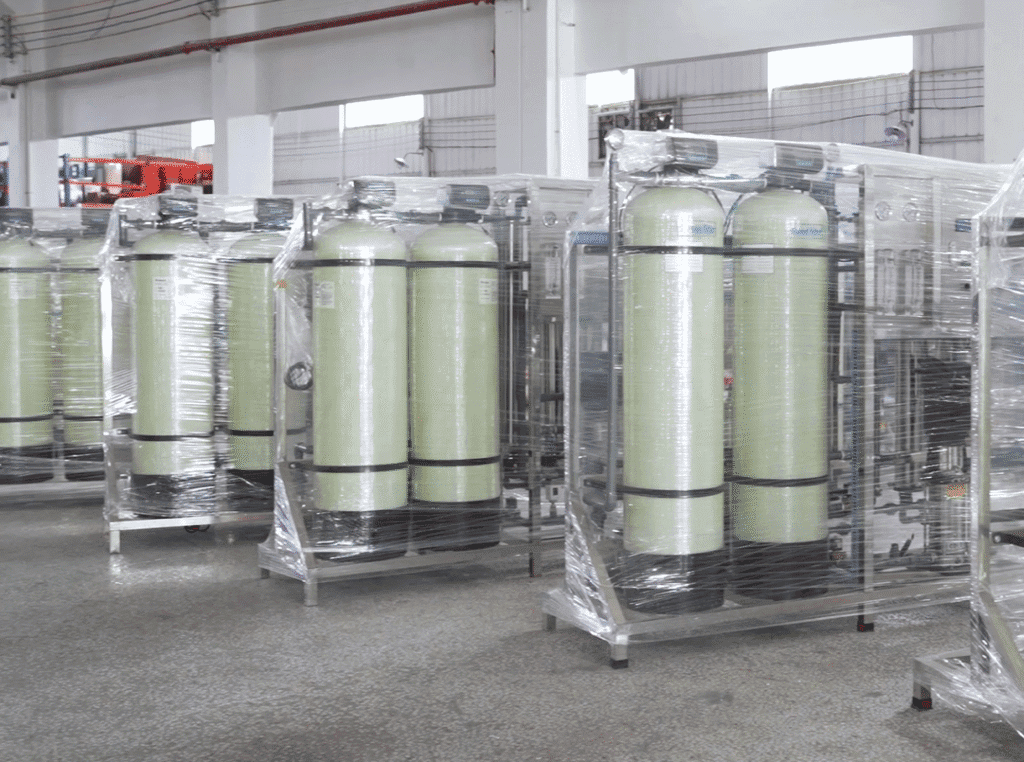
Small-scale reverse osmosis water purification systems typically feature production capacities ranging from 0.5 to 5 tons per hour and are commonly used in processing plants, laboratories, and facilities for producing drinking water or bottled water, prices generally fall between $2,200 and $14,700. Basic single-stage RO units with capacities of 0.5–1 ton per hour—equipped with standard membrane elements, carbon steel frames, and conventional pre-treatment systems—are priced at approximately $2,200–$5,900, making them a cost-effective choice for basic water purification. However, standard membrane elements cannot ensure long-term, stable operation, implying potential quality issues, so purchasers often opt for configurations featuring renowned brand-name membranes, stainless steel piping, and semi-automatic control systems. These upgrades significantly enhance water quality stability and equipment durability, raising the price range to $7,300–$14,700. Therefore, when purchasing RO equipment, careful attention must be paid to the choice of membrane elements. Consulting offerings from top-tier RO membrane manufacturers helps ensure the selected system meets specific operational needs.
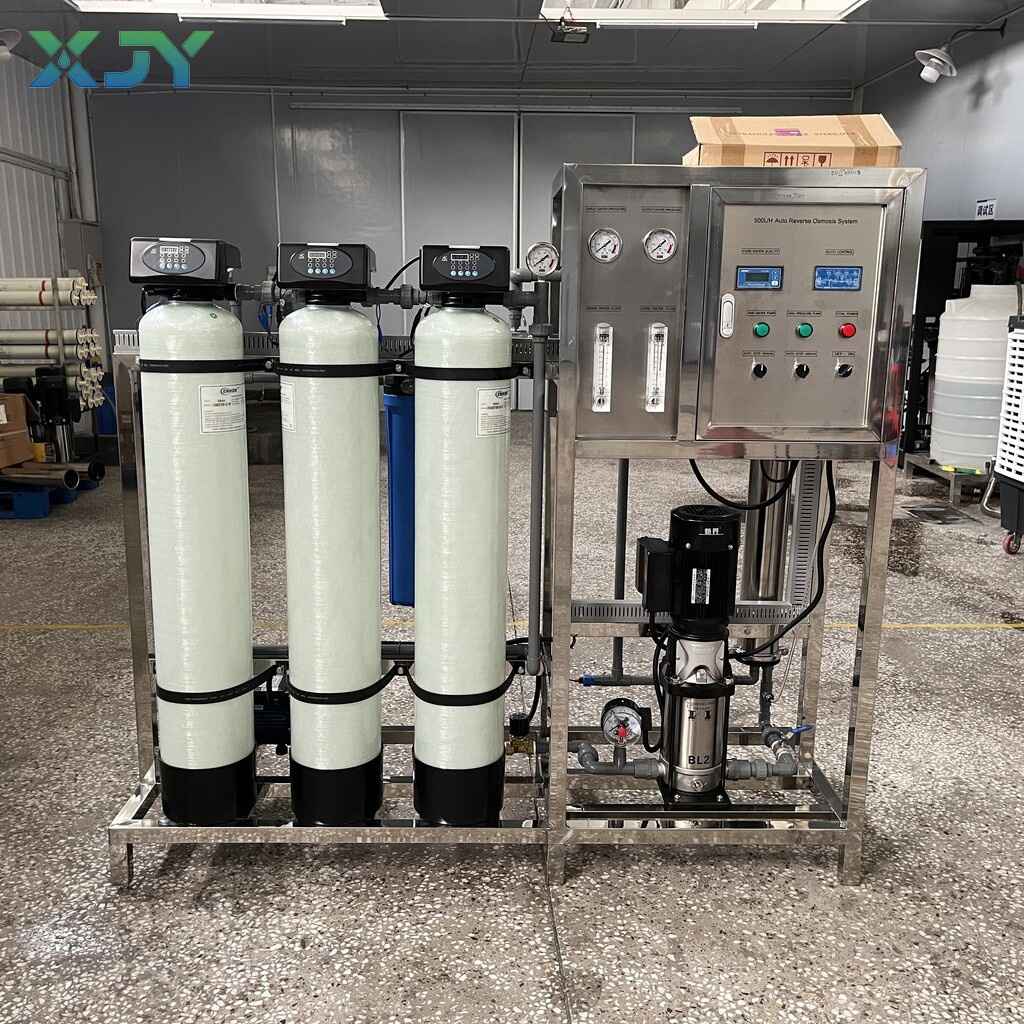
Medium-sized equipment (10–50 tons/hour)
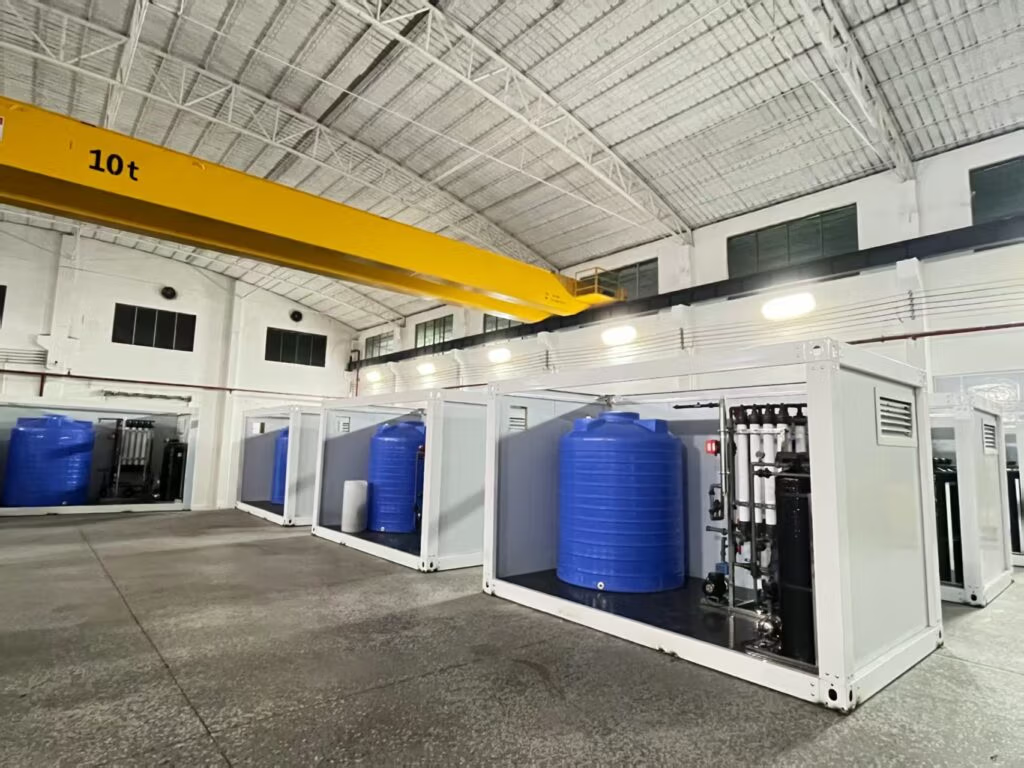
Medium-scale systems, with water production capacities ranging from 10 to 50 tons per hour, are the preferred choice for manufacturing enterprises and centralized water supply projects, reverse osmosis water filter price typically ranges from $22,000 to $73,400. These systems go beyond simple standalone units, requiring integrated setups that include comprehensive pretreatment systems, precision filtration devices, high-pressure stabilization systems, and online water quality monitoring modules. Specialized equipment for the food and pharmaceutical industries requires sanitary-grade, all-stainless steel piping to meet sterility and purity standards, placing the cost at the higher end of the price range due to these upgraded specifications.
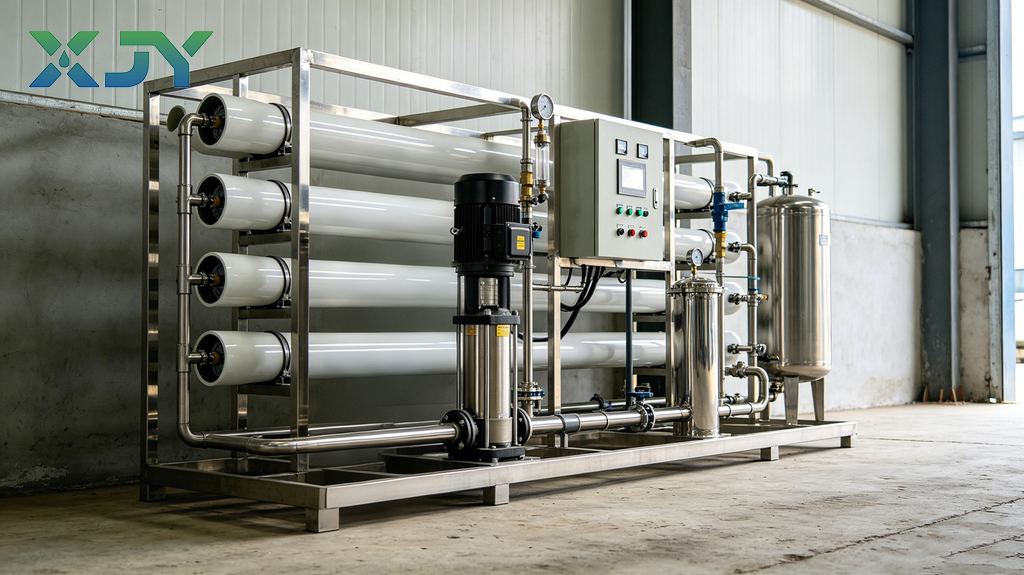
Large-scale equipment (over 100 tons/hour)
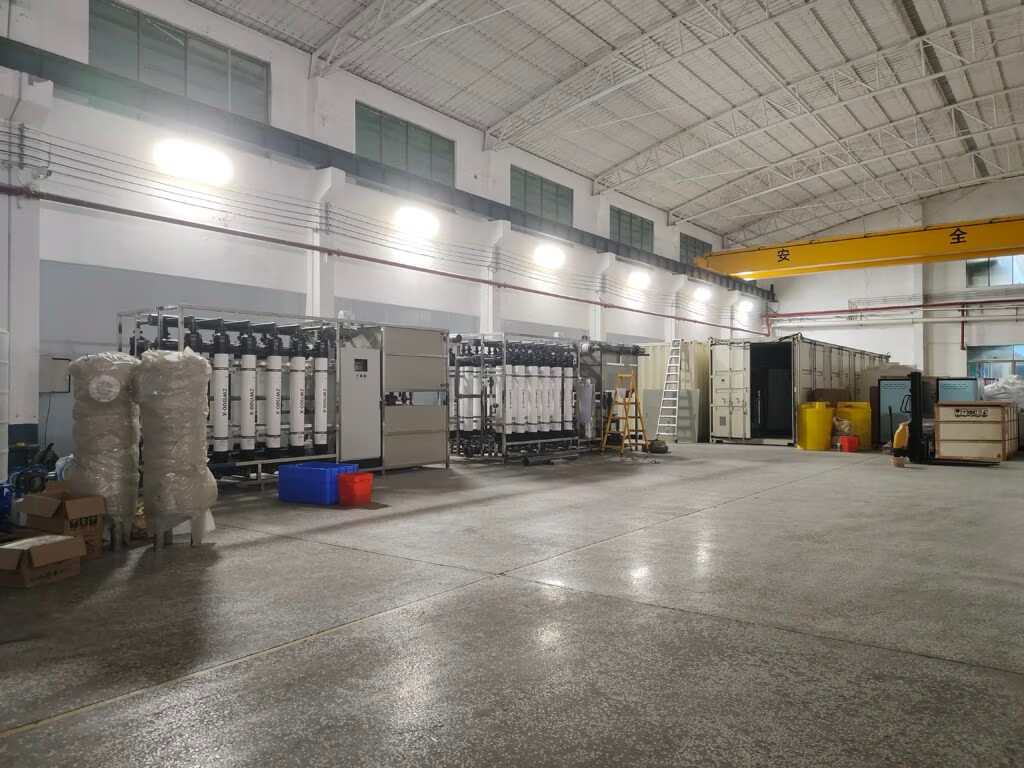
Large-scale industrial reverse osmosis systems capable of producing over 100 tons of water per hour are primarily deployed in major projects such as large-scale chemical processing, power generation, seawater desalination, and industrial wastewater reclamation. Prices vary widely, ranging from a starting point of $73,400 for basic models to upwards of $294,000 for high-end, customized units. To handle complex feed-water conditions—characterized by high salinity, high turbidity, and excessive heavy metal levels—these systems must incorporate integrated processes such as two-stage reverse osmosis, EDI ultrapure water production, TOC removal, and sterilization/algae control, this significantly increases overall system complexity and leads to a substantial rise in costs.
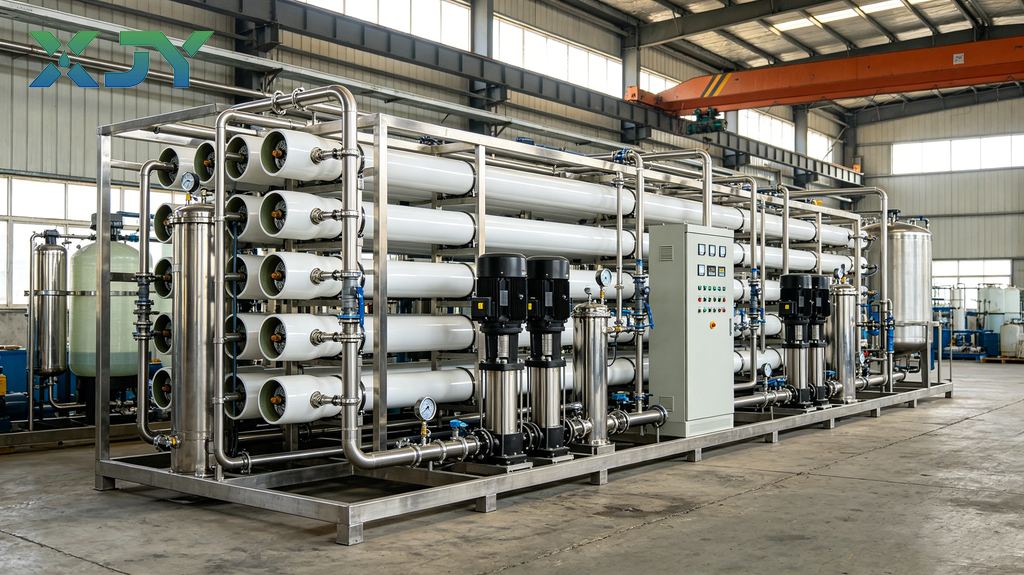
3. Factors influencing the differences of reverse osmosis water filter price
Differences in membrane element quality
The primary reason for the vast differences among reverse osmosis water filter price of the same capacity lies in the variations in key components and materials. Membrane elements directly determine purification performance and equipment lifespan. Genuine, top-tier membrane elements—such as those from Dow, Hydranautics, and Huitong, offer stable salt rejection rates, strong fouling resistance, and a service life of 2–3 years, albeit at a higher procurement cost. In contrast, low-priced units often utilize off-brand or refurbished membranes. While they may meet purification standards initially, issues such as scaling and declining salt rejection rates frequently arise after just 3–6 months, leading to exorbitant maintenance costs and a total long-term investment that far exceeds that of systems equipped with genuine membranes.
Main Equipment Materials and Accessory Configuration
The materials used for the equipment frame and piping are also key factors influencing price differences. Standard spray-coated carbon steel is inexpensive and suitable for general industrial applications involving straightforward water quality and operating conditions. In contrast, 304 and 316 stainless steels offer corrosion resistance, ease of cleaning, and superior sealing properties, meeting the hygiene standards of the food, pharmaceutical, and precision electronics industries. As the material cost is 30%–50% higher than that of carbon steel, the overall price of the equipment increases accordingly. Furthermore, cost disparities between imported brands and standard domestic brands for core components, such as high-pressure pumps, booster pumps, and precision filters—are directly reflected in the final selling price of the equipment.
Treatment Process and Water Quality Standard Requirements
A basic single-stage reverse osmosis process, characterized by its simplicity and lowest cost—meets only the water requirements for general industrial cleaning and equipment cooling. A two-stage reverse osmosis process significantly enhances water purity, making it suitable for standard pure water production needs. In contrast, the ultrapure water required by the electronics and pharmaceutical industries (refer to standards such as those on Wikipedia) necessitates a combination of reverse osmosis and EDI (Electrodeionization) for advanced treatment. This achieves an ultra-high purity level of 18 MΩ·cm, though the total reverse osmosis water filter price is two to three times higher than that of a basic single-stage setup. Furthermore, customized systems designed for challenging feedwaters, such as seawater or high-salinity wastewater, require additional specialized modules for salt and fouling resistance, resulting in costs that far exceed those of standard, off-the-shelf equipment.
Automated configuration and after-sales service
Levels of automation and associated services further widen the gap among reverse osmosis water filter price. Basic, manually controlled units have a lower initial cost but require dedicated personnel for operation, resulting in higher labor expenses. In contrast, fully automated, intelligent systems, equipped with PLC controls, real-time water quality monitoring, automatic flushing, and fault alarms, operate efficiently and reliably without human intervention; while their purchase price is higher, they offer long-term savings on labor and maintenance costs.
In contrast, major manufacturers provide comprehensive support—including free installation and commissioning, regular maintenance, warranty services, and technical training, whereas low-priced equipment is often sold as a standalone unit with minimal after-sales support, leading to potential operational and maintenance issues down the line. As an original manufacturer with over a decade of technical expertise and multiple authoritative certifications, Xinjieyuan offers customized, one-stop water treatment solutions. And we welcome your inquiries and look forward to discussing potential cooperation.
Summarize
When purchasing industrial reverse osmosis equipment, one should not focus solely on the initial purchase price but must instead consider the total lifecycle cost. Low-cost, entry-level systems require a smaller initial investment, yet they suffer from frequent consumable replacements, recurring malfunctions, and inconsistent output water quality, resulting in long-term operating and maintenance costs that far exceed those of high-end systems. In contrast, while mid-to-high-end customized equipment from reputable manufacturers entails a higher upfront cost, it offers low failure rates, extended consumable lifespans, and consistently compliant water quality. This effectively prevents production downtime and product scrapping caused by substandard water quality, delivering superior overall value and better alignment with the demands of long-term industrial operations.