As a water resource with abundant reserves but difficult to use directly, brackish water plant has become an important way to alleviate the water crisis. Therefore, reverse osmosis technology can make brackish water widely used in many fields such as industry, agriculture, and domestic water.
Brackish water refers to water with a salt content between 1000-10000 mg/L. It tastes bitter, and we cannot use it directly for drinking, irrigation and most industrial production.
What is brackish water plant?
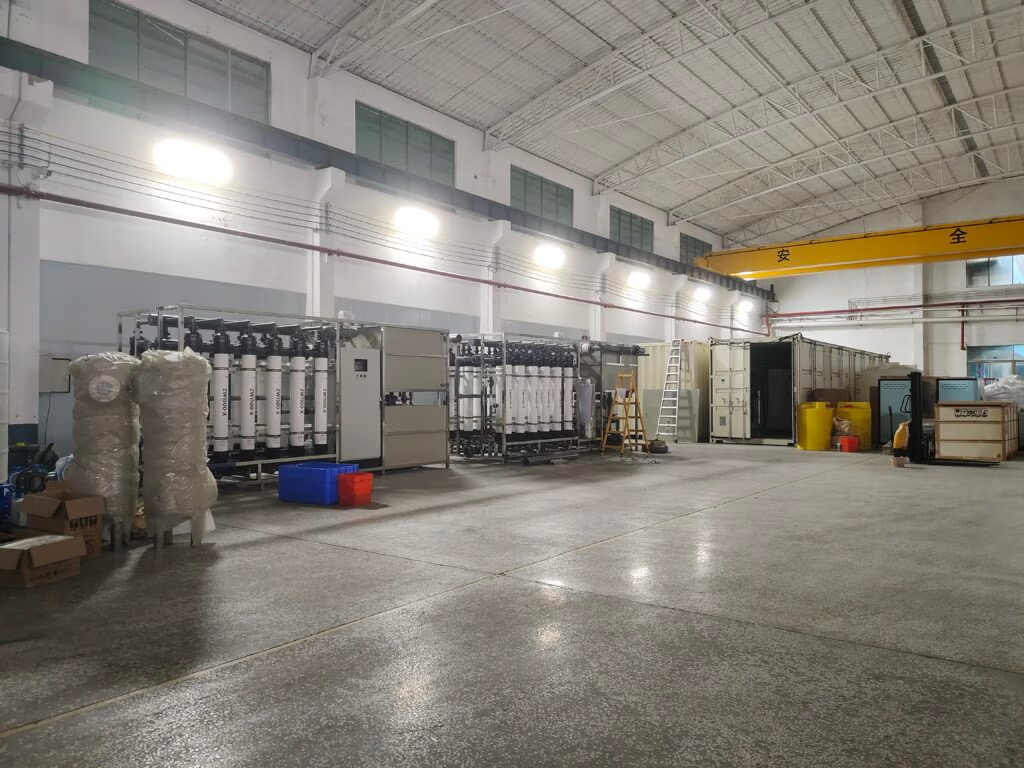
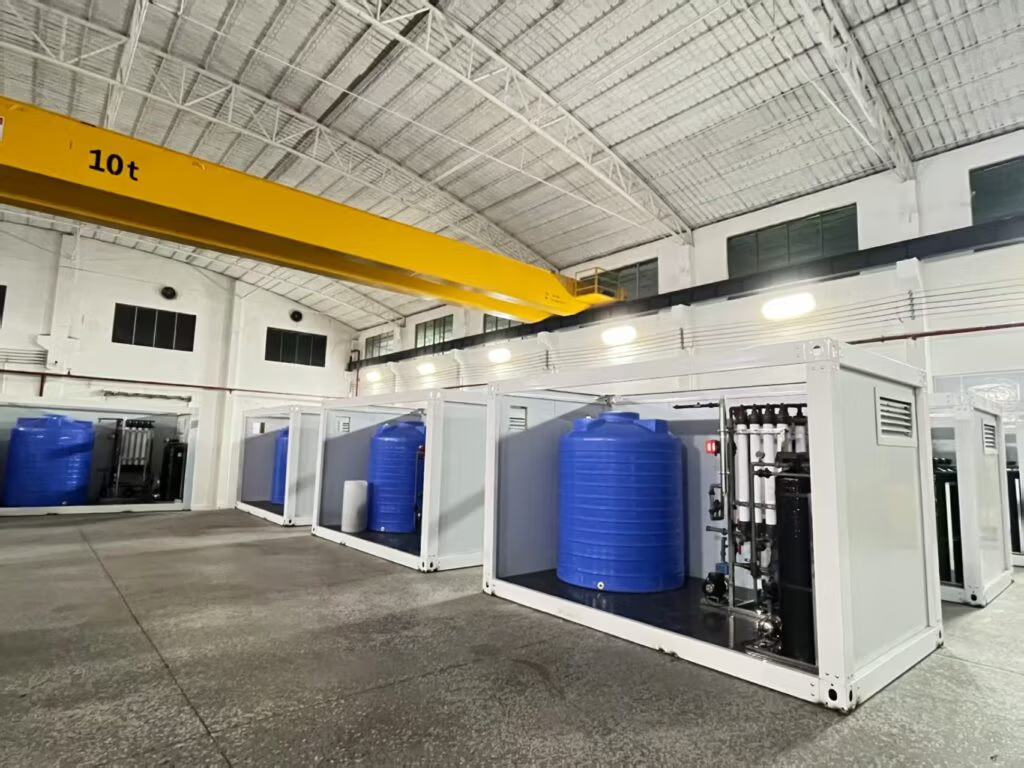
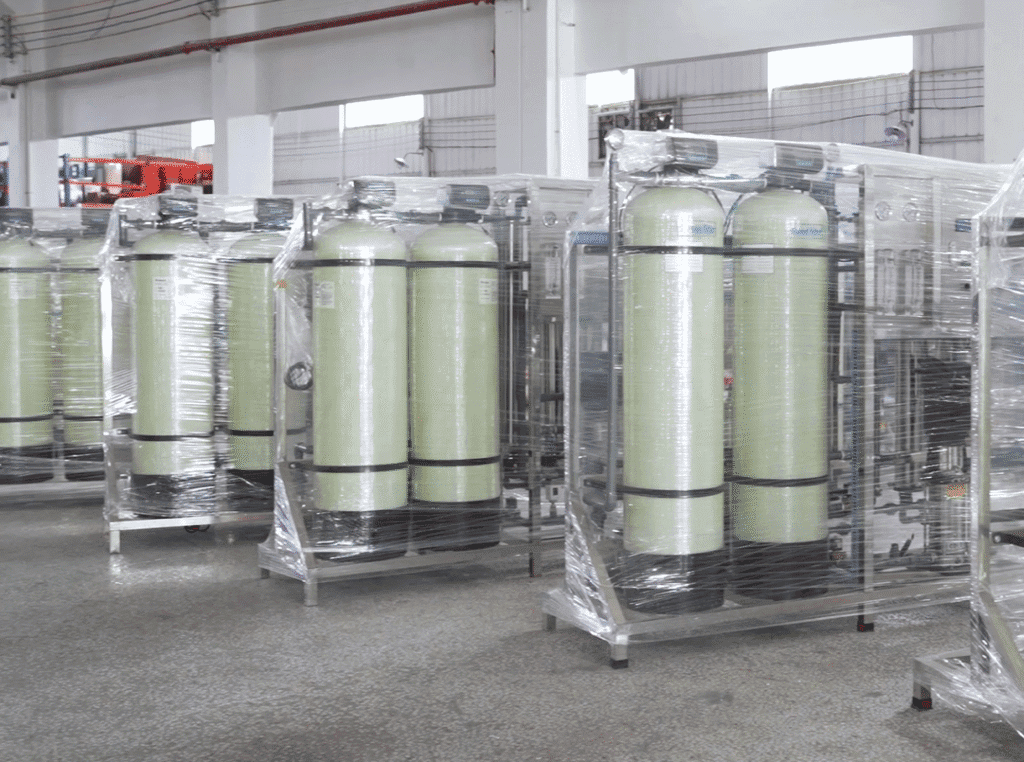
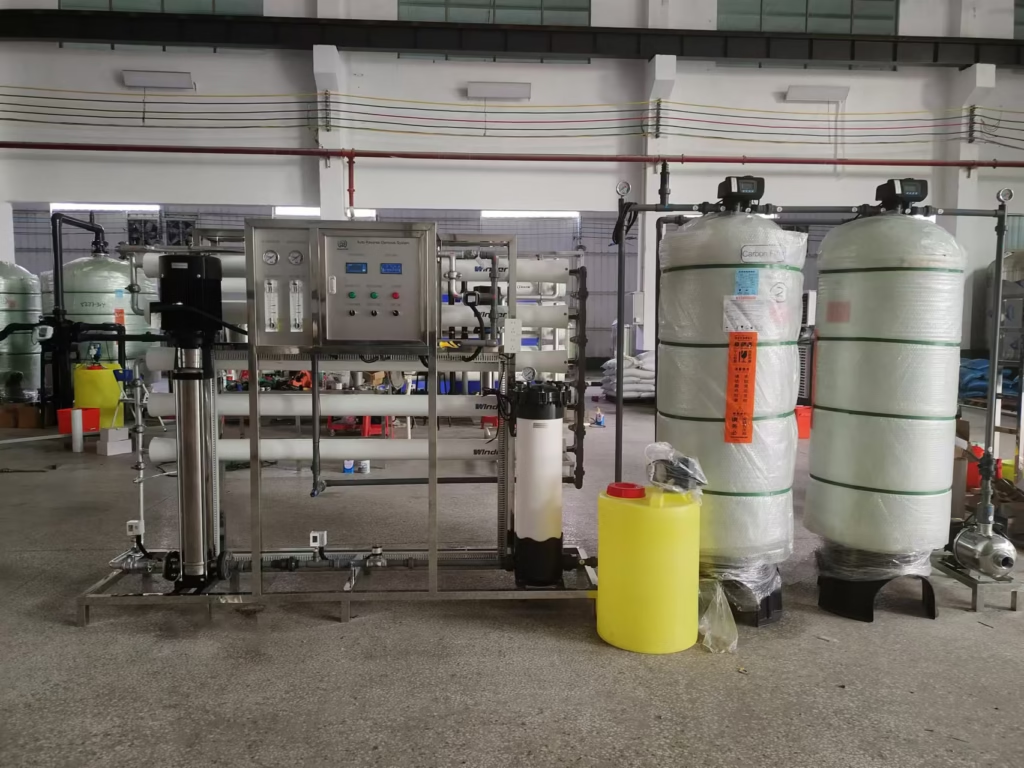
Brackish water desalination plant uses reverse osmosis technology. With the help of the selective permeability of the semi-permeable membrane, under the action of external pressure, water molecules in the brackish water pass through the membrane, while impurities such as salt, colloids, organic matter, and microorganisms in the water are retained. Thereby produce a special equipment that meets the use standards for fresh water.
How does brackish water plant work?
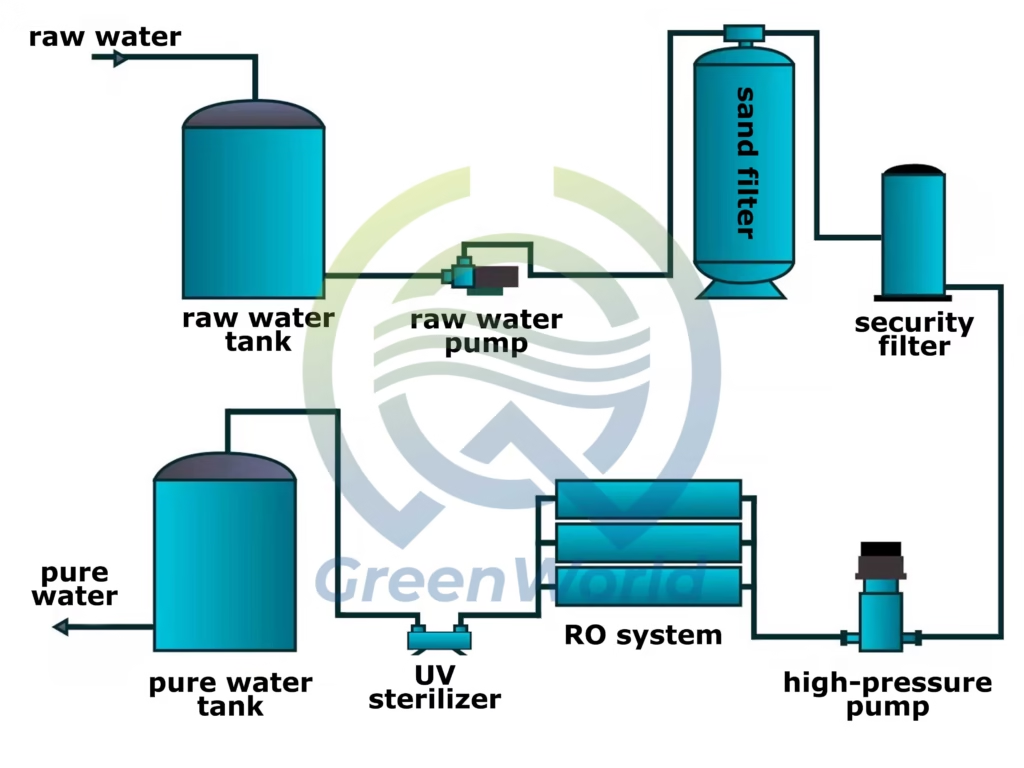
Brackish water plant is mainly based on the principle of reverse osmosis.
1. Raw water pretreatment
Raw water first enters the pretreatment system.
It passes through a multi-media filter to remove suspended solids and colloids. An activated carbon filter adsorbs organic matter and residual chlorine. Finally, a safety filter (5-10μm filter element) traps fine impurities to prevent subsequent damage to the reverse osmosis membrane. Antiscalant can also be added to prevent scale formation.
2. High pressure pump pressurization
Second, the pretreated water enters the high-pressure pump. The high-pressure pump applies a pressure higher than the osmotic pressure of brackish water, providing power for water molecules to pass through the reverse osmosis membrane, ensuring that the subsequent separation process can proceed smoothly.
3. Reverse osmosis separation
Third, pressurized water enters the reverse osmosis system.
Under pressure, water molecules overcome osmotic pressure and pass through the reverse osmosis membrane, resulting in fresh water that meets standards. The RO membrane traps impurities such as salt, heavy metals, and microorganisms, resulting in concentrated water.
4. Product water and brine treatment
Finally, we collect the fresh water that permeates the membrane and can then use it directly for drinking, industrial production, or agricultural irrigation. And we will discharge the concentrated water with trapped impurities through a dedicated pipeline to prevent impurity accumulation.
Where can brackish water plant be used?
(1) Domestic water
We can use the brackish water plant ro technology in centralized water supply projects and decentralized household water supply in rural areas, towns and remote areas. The brackish water treated by the equipment can be directly used as drinking water for residents.

(2) Industrial water
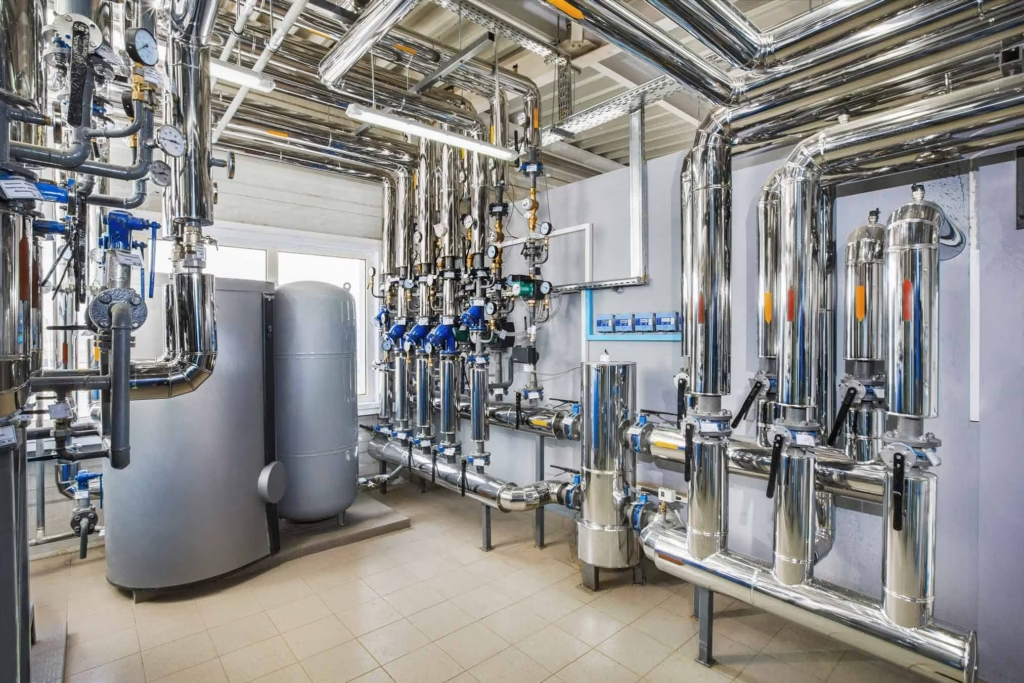
In industries such as power, chemical, metallurgy, electronics, and textiles, production processes require large quantities of fresh water. Brackish water plant ro system can desalinate local brackish water and use it as circulating cooling water, boiler feed water, process water, and more in industrial production.
(3) Agricultural irrigation
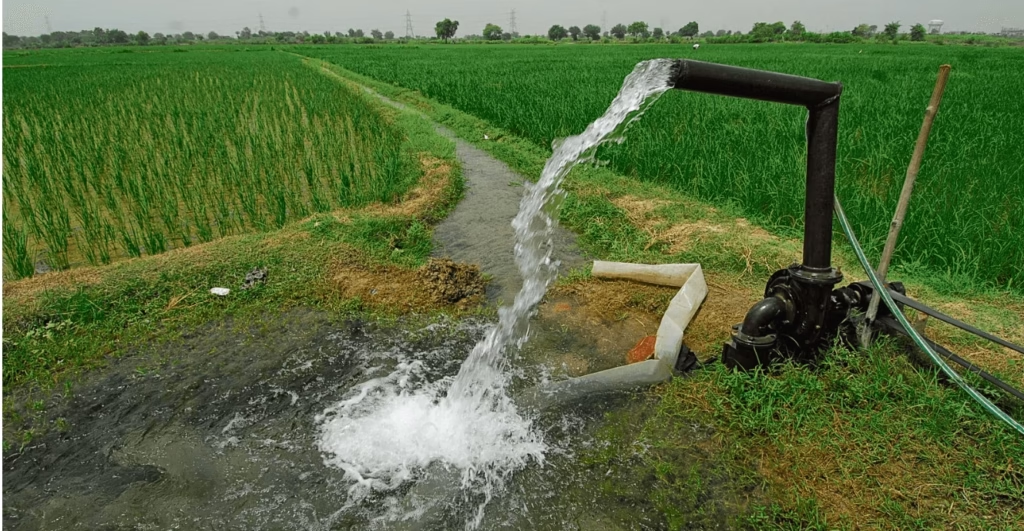
After desalination, farmers use the desalinated brackish water for agricultural irrigation, especially for crops with strong salt tolerance (such as cotton, sunflower, alfalfa, etc.). The desalinated brackish water can meet their growth needs.
(4) Emergency water supply in islands and remote areas
In remote areas such as islands, border outposts, and field exploration camps, where fresh water resources are extremely scarce and difficult to transport through pipelines, local brackish water can be desalinated on-site to provide emergency drinking water for personnel in these areas.

Why use brackish water reverse osmosis technology?
Brackish water plant can achieve a desalination rate exceeding 97%. It effectively removes not only salt but also heavy metal ions (such as lead, cadmium, mercury, and arsenic), organic matter, bacteria, viruses, and other harmful substances.
Compared with traditional distillation, RO technology only requires a certain pressure to be provided by a high-pressure pump. The energy consumption is mainly concentrated on electricity consumption, and the energy consumption per unit water production is relatively low.
In the future, we will not only widely use the brackish water reverse osmosis system in traditional fields such as life, industry, and agriculture. But it will also be combined with renewable energy such as solar energy and wind energy to achieve the coordinated utilization of energy and water resources.
If you need to know about brackish water equipment solutions, you can contact us at any time.