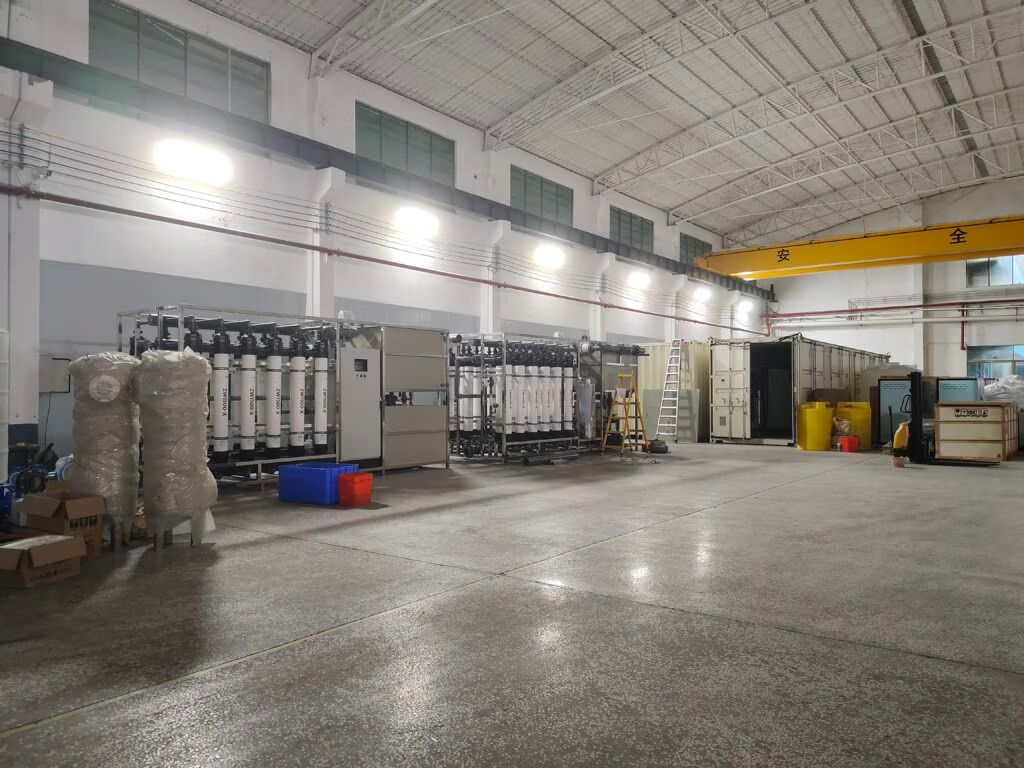
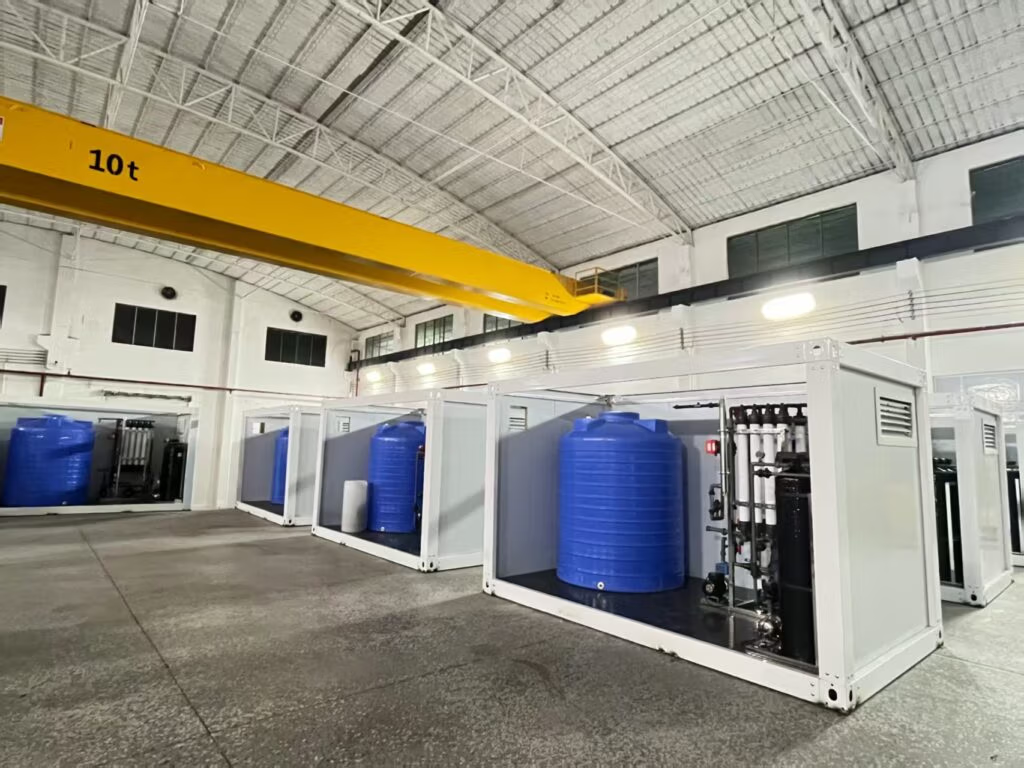
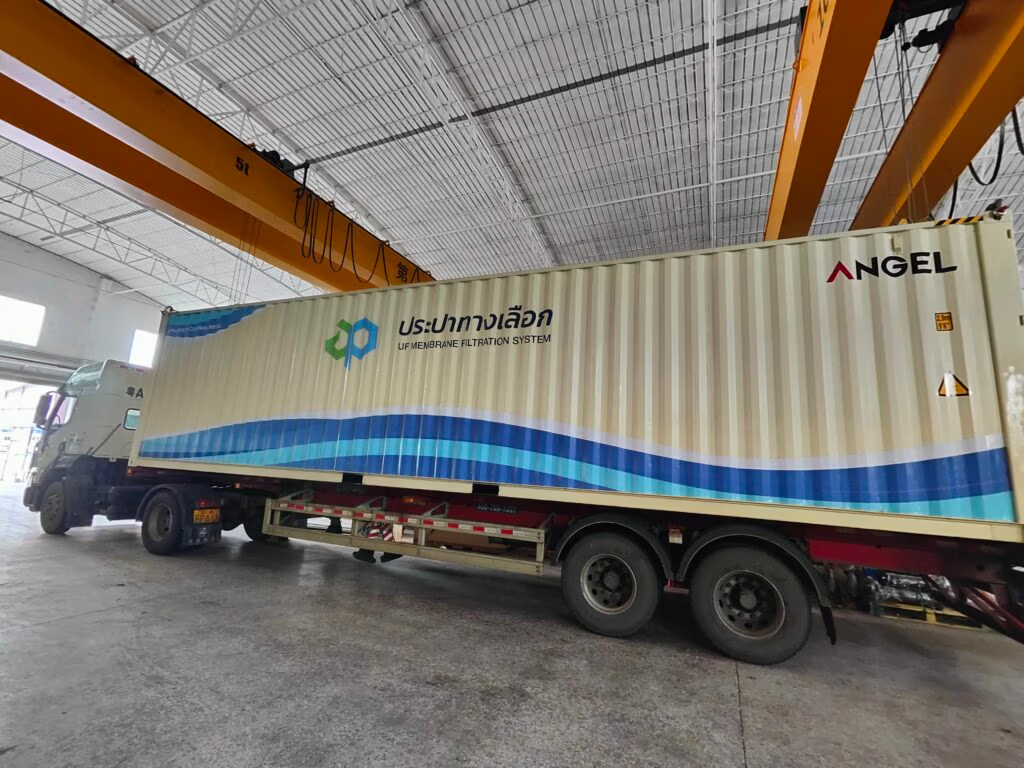
Many homeowners, business owners, and facility managers often ask: Can an RO plant be used for drinking water production? The short answer is absolutely yes. Reverse osmosis technology has become one of the most reliable, cost-effective, and widely adopted water purification methods for producing safe, clean drinking water for residential, commercial, and industrial applications worldwide. From household under-sink filters to large-scale municipal water treatment systems, RO plants consistently deliver potable water that meets global drinking water safety standards.
What Is an RO Plant and How Does It Purify Water?
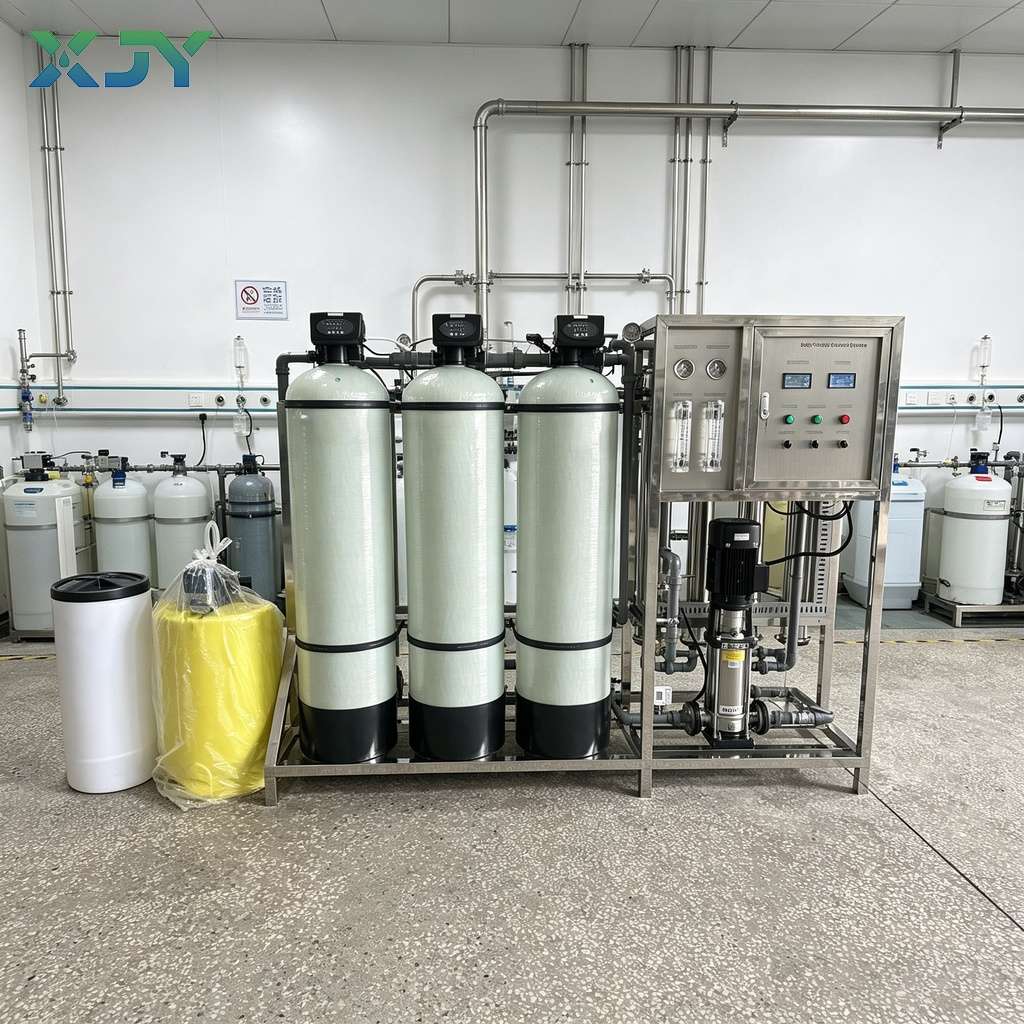
A reverse osmosis plant is a pressure-driven water filtration system that uses a semi-permeable RO membrane to purify raw water. Unlike traditional filtration methods that only remove large sediments, the RO membrane features ultra-fine pores (smaller than 1 nanometer), enabling it to trap nearly all harmful contaminants while allowing pure water molecules to pass through.
A standard drinking water RO plant consists of three core stages to ensure comprehensive purification and optimal water quality:
-
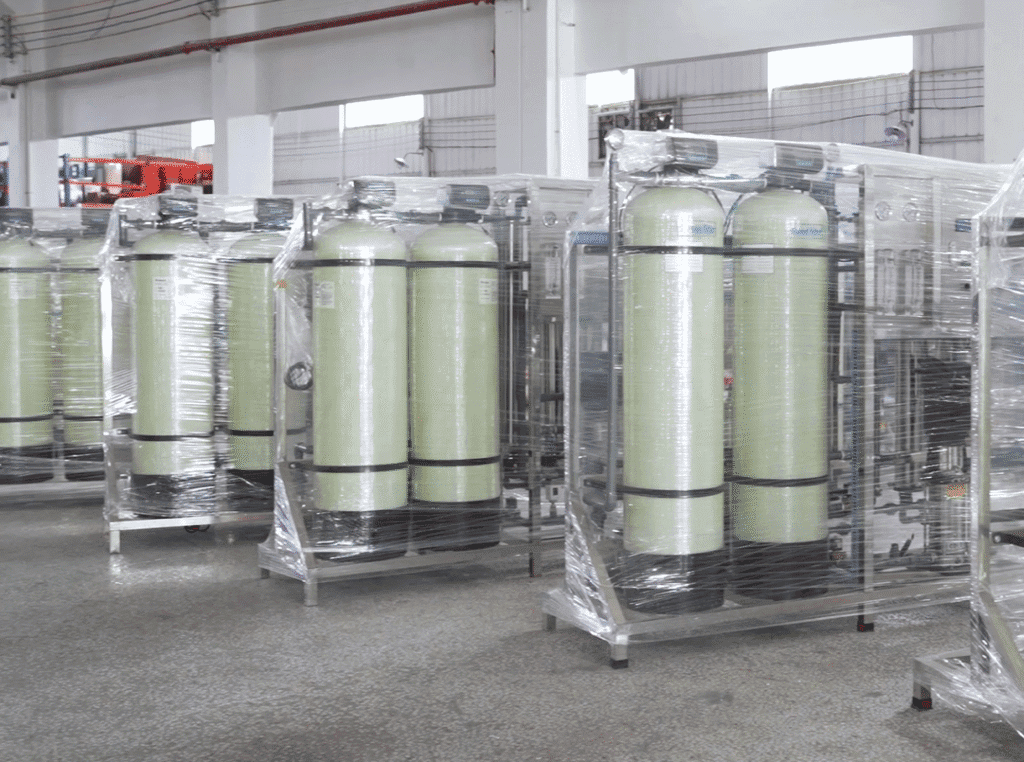
Pre-treatment System: This initial stage uses PP cotton filters, activated carbon filters, and sediment filters to remove large particles, dirt, rust, chlorine, and organic impurities. It protects the core RO membrane from clogging and damage, extending the system’s service life.
-
Core RO Membrane Filtration: With applied water pressure, raw water flows through the RO membrane. This process effectively filters out heavy metals (lead, arsenic, mercury), dissolved salts, bacteria, viruses, micro-organisms, and harmful chemical residues—contaminants that ordinary filtration cannot eliminate.
-
Post-treatment System: Equipped with post-activated carbon filters or mineral adjustment components, this stage improves water taste, balances water quality, and ensures the final product is fresh, odor-free, and suitable for long-term drinking.
Why RO Plants Are Ideal for Drinking Water Production
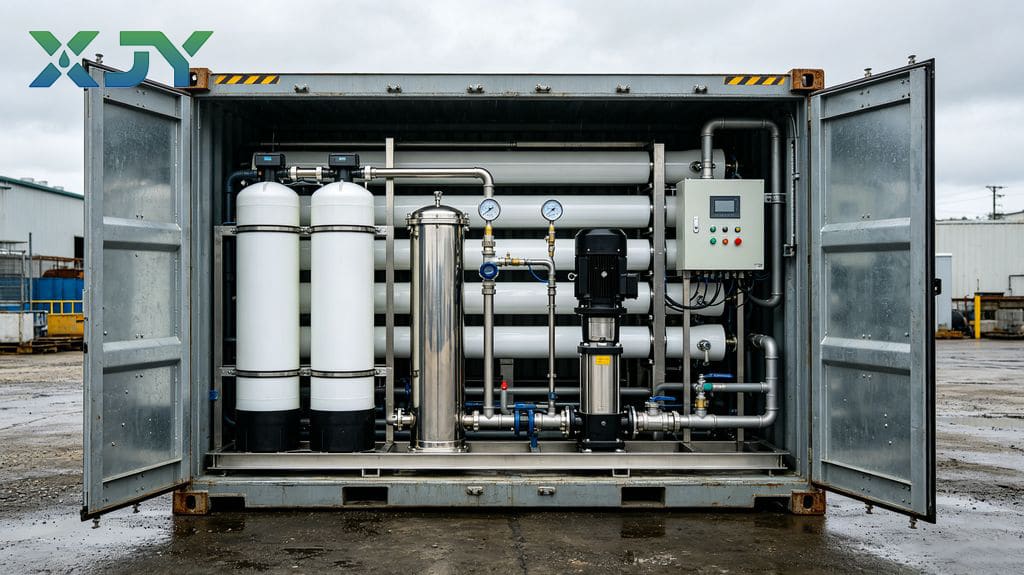
RO technology has dominated the drinking water purification industry for decades, thanks to its unmatched advantages in safety, efficiency, and adaptability. Here are the key benefits that make RO plants perfect for producing daily drinking water:
1. Removes Almost All Harmful Contaminants
Raw water, whether from tap water, well water, river water, or groundwater, often contains invisible pollutants. RO plants achieve a 95%–99% removal rate for dissolved solids, heavy metals, and harmful ions, and completely filter out bacteria and viruses. This thorough purification ensures the produced water is clean, hygienic, and compliant with international drinking water guidelines.
2. Adapts to All Types of Raw Water Quality
One of the biggest strengths of RO plants is their strong environmental adaptability. They work efficiently for soft tap water, hard well water, high-TDS brackish water, and even slightly polluted surface water. For regions with poor water quality, severe water hardness, or excess heavy metals, RO systems are the most practical solution to produce safe drinking water.
3. Stable Water Quality and High Safety
Unlike some water treatment technologies that produce unstable water quality with fluctuating purification effects, RO plants deliver consistent purification results 24/7. The finished water has a low TDS value, no scale buildup, no peculiar smell, and zero microbial risks, making it safe for direct drinking, cooking, and daily use for all age groups.
4. Cost-Effective and Low Maintenance
Modern RO drinking water plants feature automated operation, simple workflows, and low energy consumption. They require minimal manual intervention and only regular filter replacement for maintenance. Whether for small-scale household use, office water stations, or large-scale factory and community drinking water projects, RO plants offer long-term economic benefits and reliable performance.
Common Applications of RO Drinking Water Plants
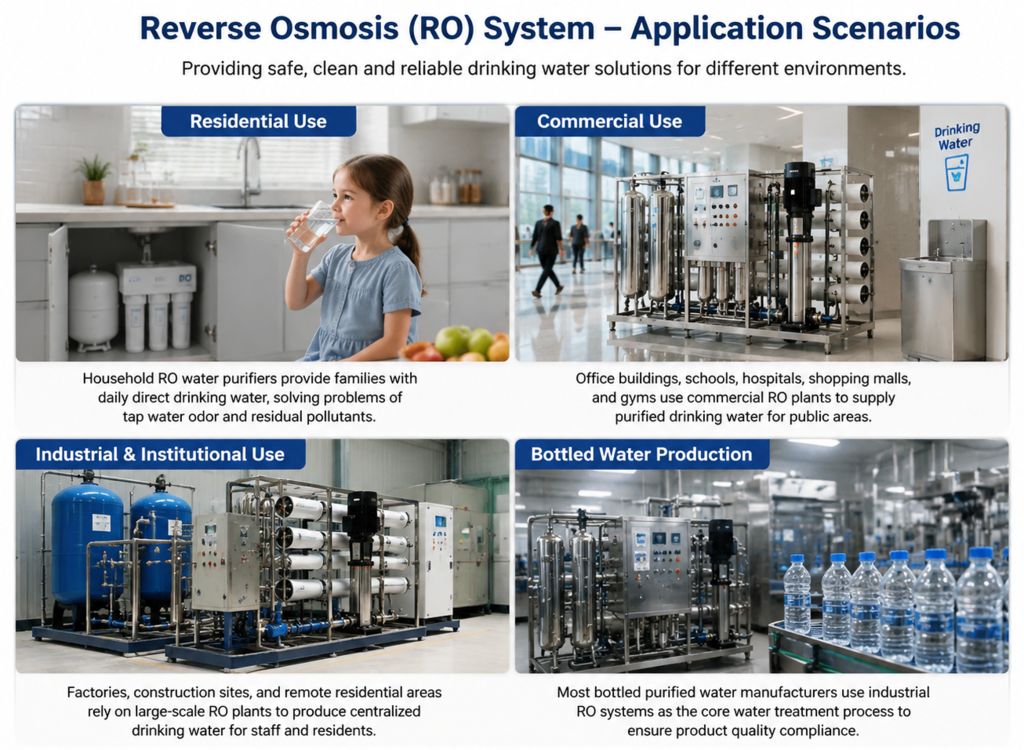
RO water production systems are versatile and cover nearly all scenarios that require safe drinking water:
-
Residential Use: Household RO water purifiers provide families with daily direct drinking water, solving problems of tap water odor and residual pollutants.
-
Commercial Use: Office buildings, schools, hospitals, shopping malls, and gyms use commercial RO plants to supply purified drinking water for public areas.
-
Industrial & Institutional Use: Factories, construction sites, and remote residential areas rely on large-scale RO plants to produce centralized drinking water for staff and residents.
-
Bottled Water Production: Most bottled purified water manufacturers use industrial RO systems as the core water treatment process to ensure product quality compliance.
Key Notes for RO Plant Drinking Water Production
While RO plants can fully meet drinking water production needs, proper operation and maintenance are essential to guarantee long-term water safety:
-
Replace pre-filter and post-filter cartridges regularly according to water quality and usage frequency to avoid secondary pollution.
-
Clean and maintain the RO membrane periodically to prevent fouling and ensure stable filtration efficiency.
-
For areas with extremely poor raw water quality, add customized pre-treatment equipment (such as softeners) to extend the service life of the RO system.
-
Equip large-scale RO drinking water plants with regular water quality testing to ensure consistent compliance with drinking water standards.
Final Verdict
RO plants are completely viable and the preferred solution for drinking water production. With precise filtration, strong adaptability, stable performance, and low operating costs, reverse osmosis technology has proven its reliability in countless water purification projects globally. It effectively eliminates various water contaminants, turns unqualified raw water into safe, drinkable purified water, and fully meets the daily drinking water needs of families, businesses, and public facilities.
If you are looking for a stable, efficient, and low-cost water treatment solution to produce standard-compliant drinking water, an RO plant is undoubtedly your best choice.