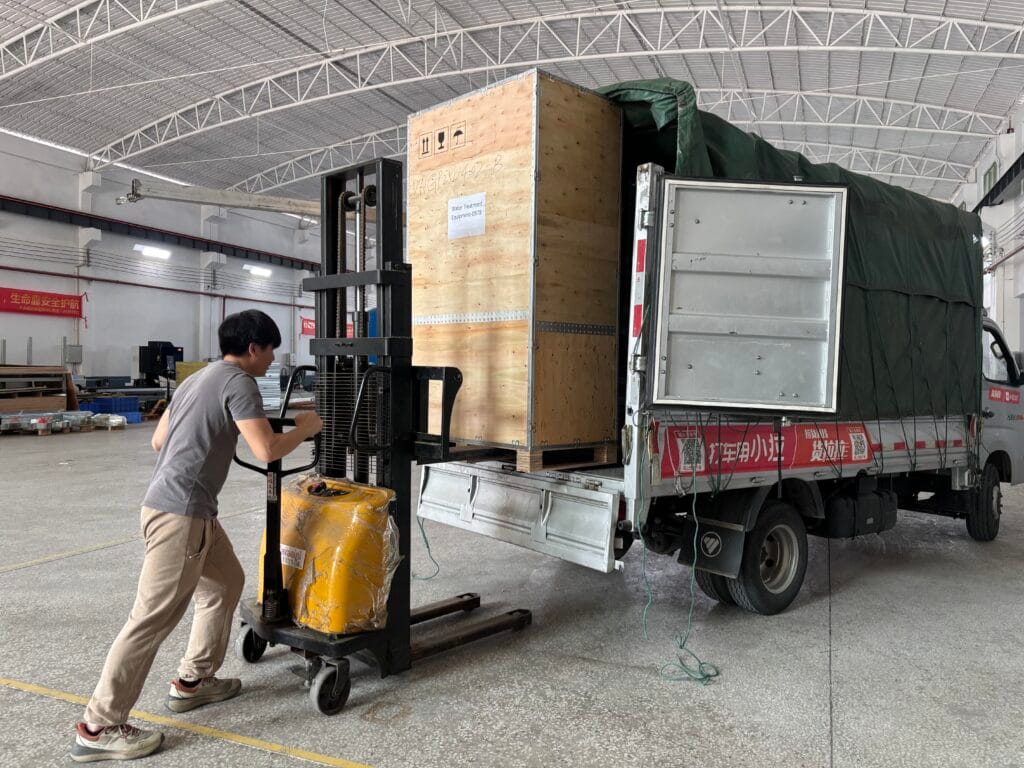
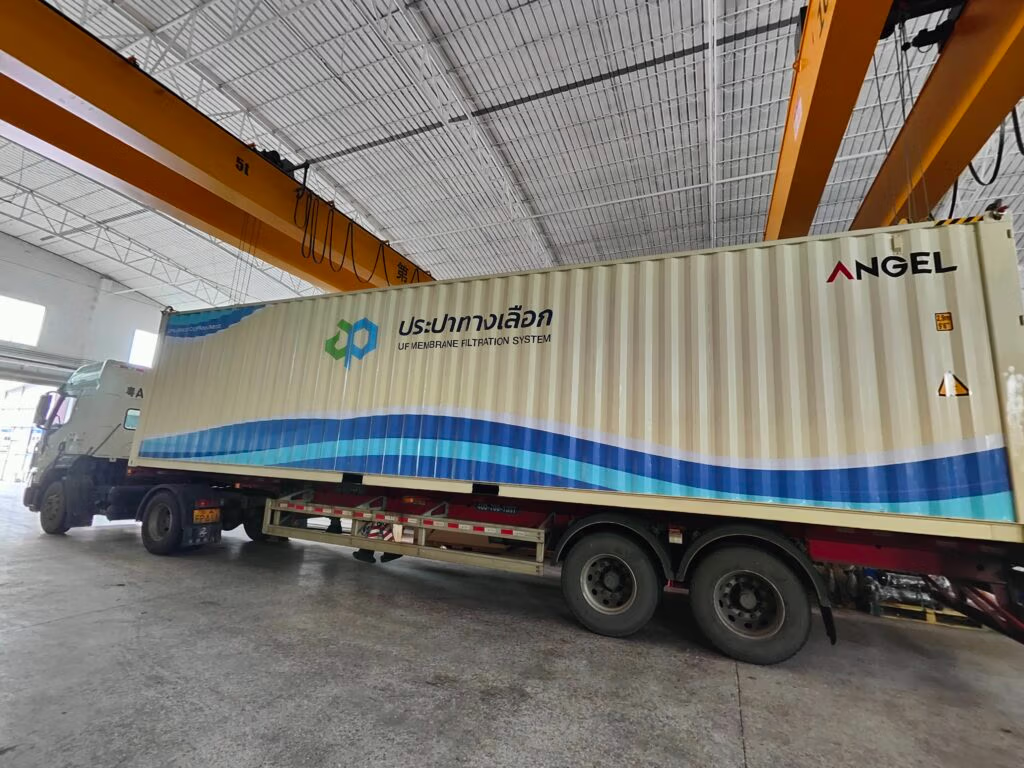
Als fortschrittliche Membrantrennungstechnologie spielen große Umkehrosmoseanlagen eine wichtige Rolle bei der Meerwasserentsalzung. Dank ihrer hohen Effizienz, Energieeinsparung und Stabilität produzieren diese Anlagen große Mengen an qualitativ hochwertigem Wasser, indem sie Schadstoffe und gelöste Feststoffe entfernen.
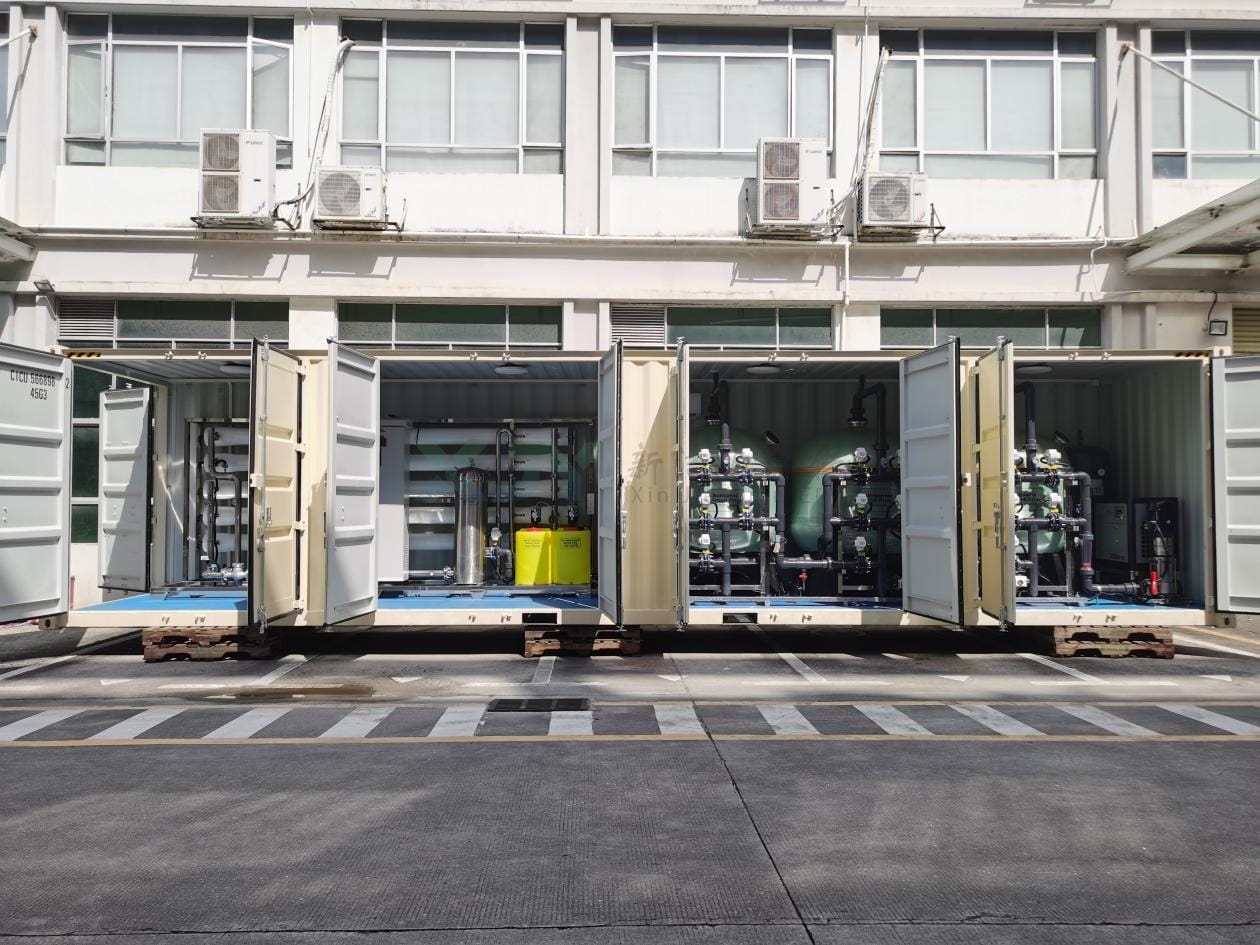
Was ist eine große Umkehrosmoseanlage?
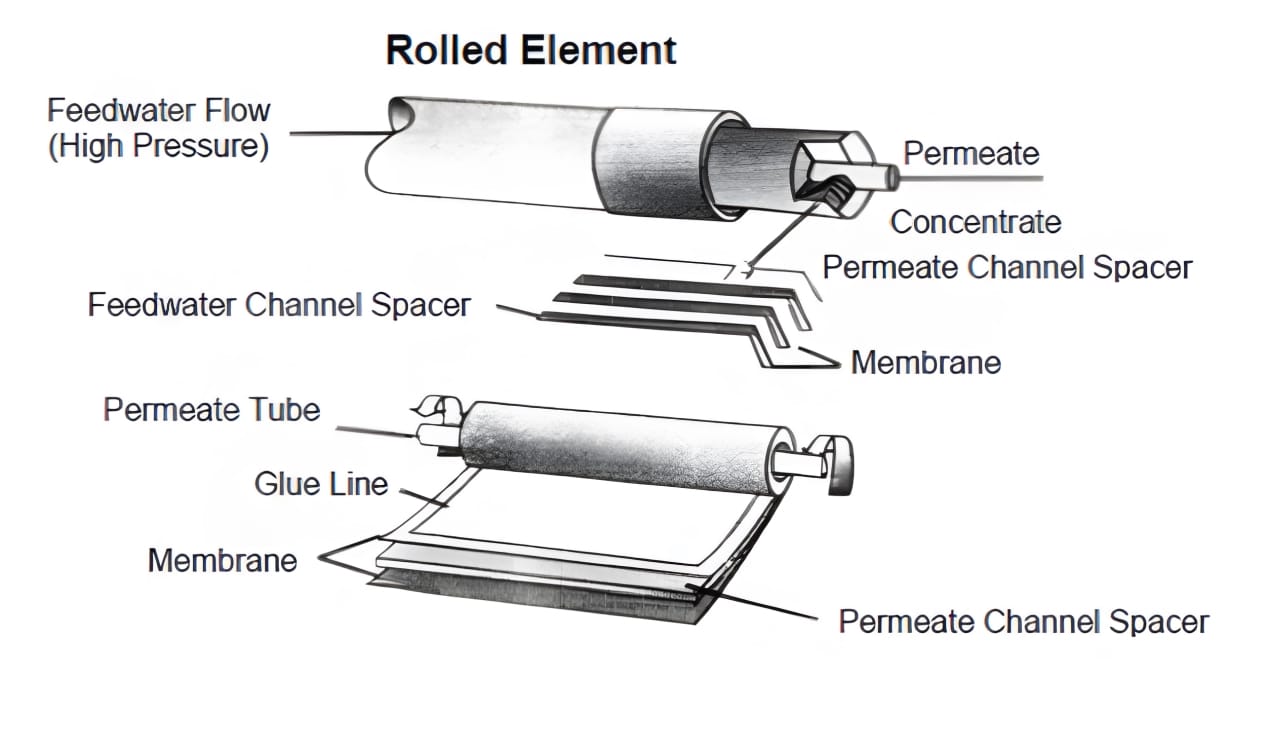
Large Umkehrosmoseanlage uses reverse osmosis technology to produce pure water. The core of RO technology lies in the magical properties of its semi-permeable membranes. The pores of these membranes are only 0.1 nanometers. Thus, it is equivalent to one millionth of the diameter of a human hair. Under high pressure, water molecules not only can pass through these micropores, but more than 99% of dissolved salts, minerals and microorganisms are effectively intercepted.
Komponenten eines großen Umkehrosmosesystems
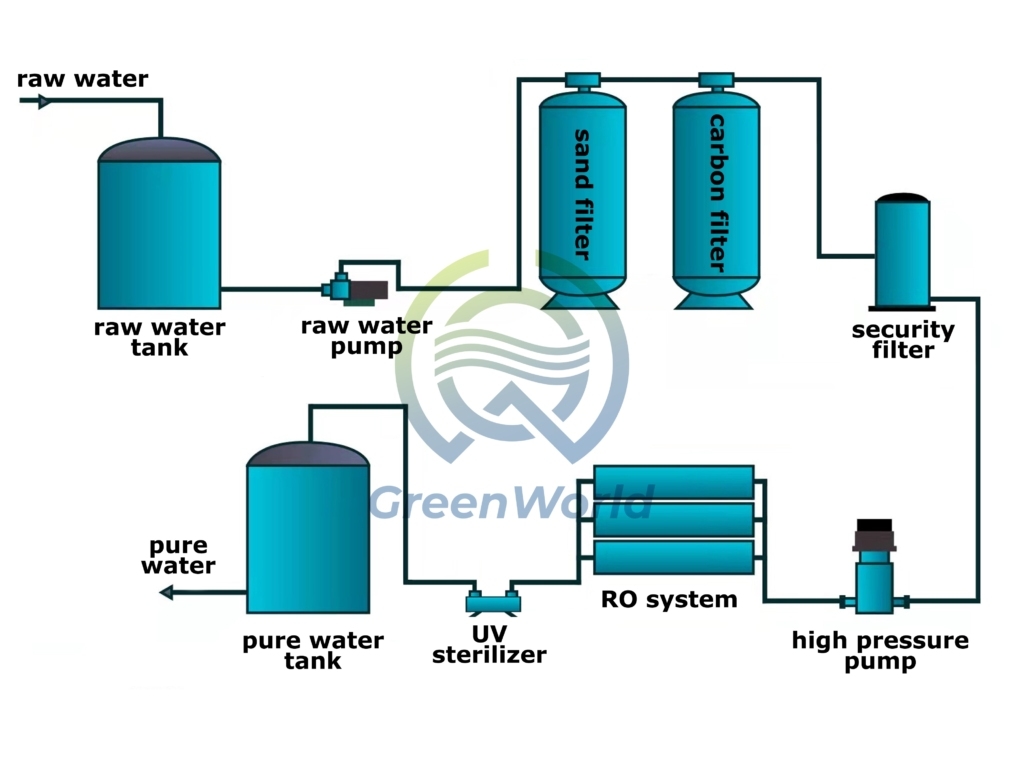
Große Umkehrosmoseanlagen bestehen aus verschiedenen Komponenten, die zusammenarbeiten, um eine effiziente Wasseraufbereitung zu gewährleisten. Zu diesen Komponenten gehören das Vorbehandlungssystem, die Umkehrosmoseanlage, die Speicher- und Verteileinheit, das Nachbehandlungssystem sowie die Instrumente zur Überwachung der Wasserqualität.
1.pretreatment system
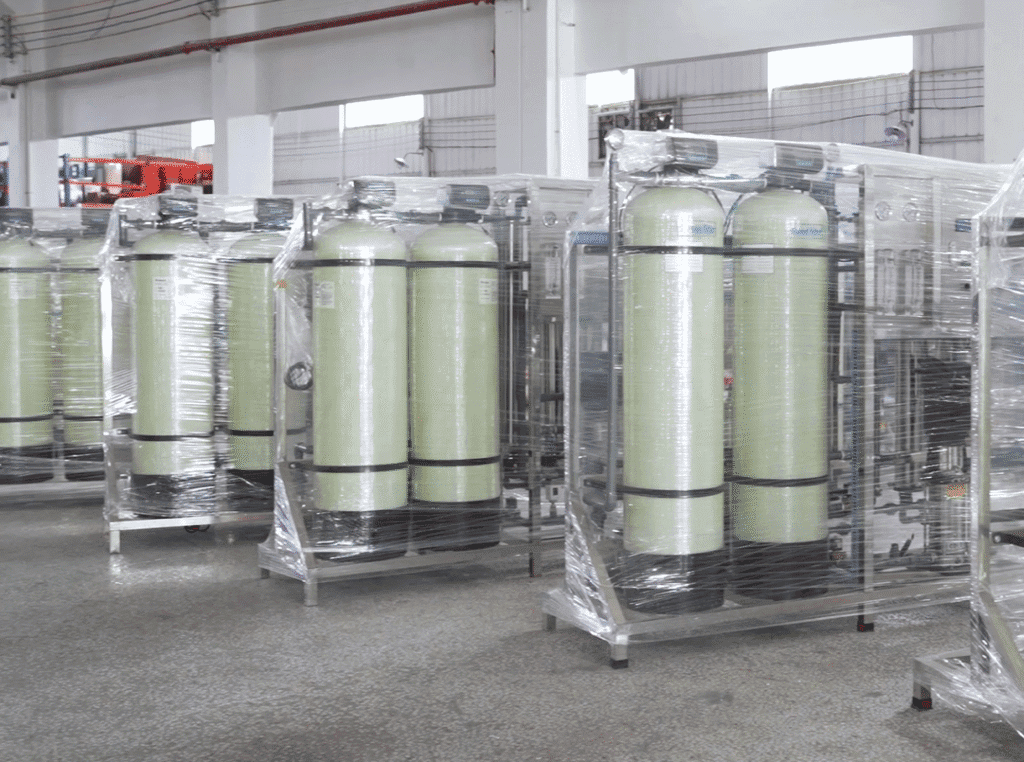
Pretreatment is a key step in the reverse osmosis process. It can prevent membrane fouling and improve the overall efficiency of the system. First, the pretreatment system usually includes
- lMultimedia filter: Removes large particles from the feed water to ensure the operation of the reverse osmosis membrane.
- lCarbon filter:Eliminates chlorine, organic compounds and other contaminants that may damage the membrane.
- lWater softener:In hard water areas, a water softener is used to remove minerals such as calcium and magnesium.
- lUltraviolet disinfector:RO systems kill bacteria, viruses and other microorganisms that may be present in the feed water to protect the reverse osmosis membrane.
2.reverse osmosis process
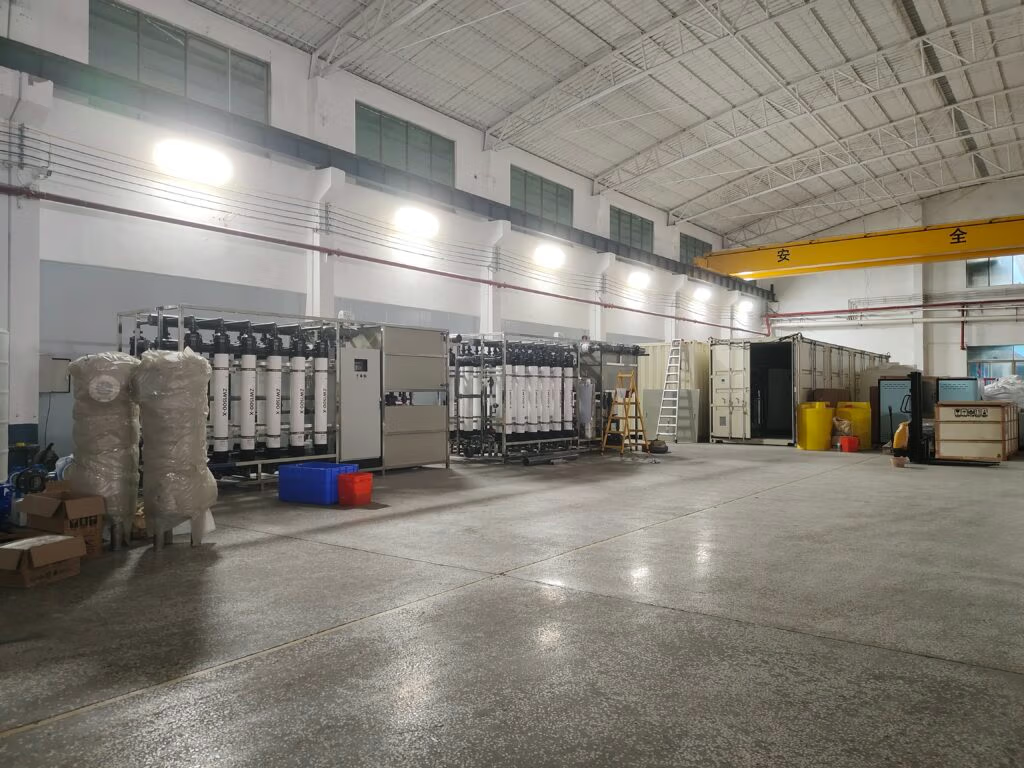
Secondly, we use Huitong reverse osmosis membranes to form the unit to remove dissolved solids and contaminants from water. This reverse osmosis unit is designed to treat large volumes of water, making it ideal for industrial applications.
3.storage and distribution
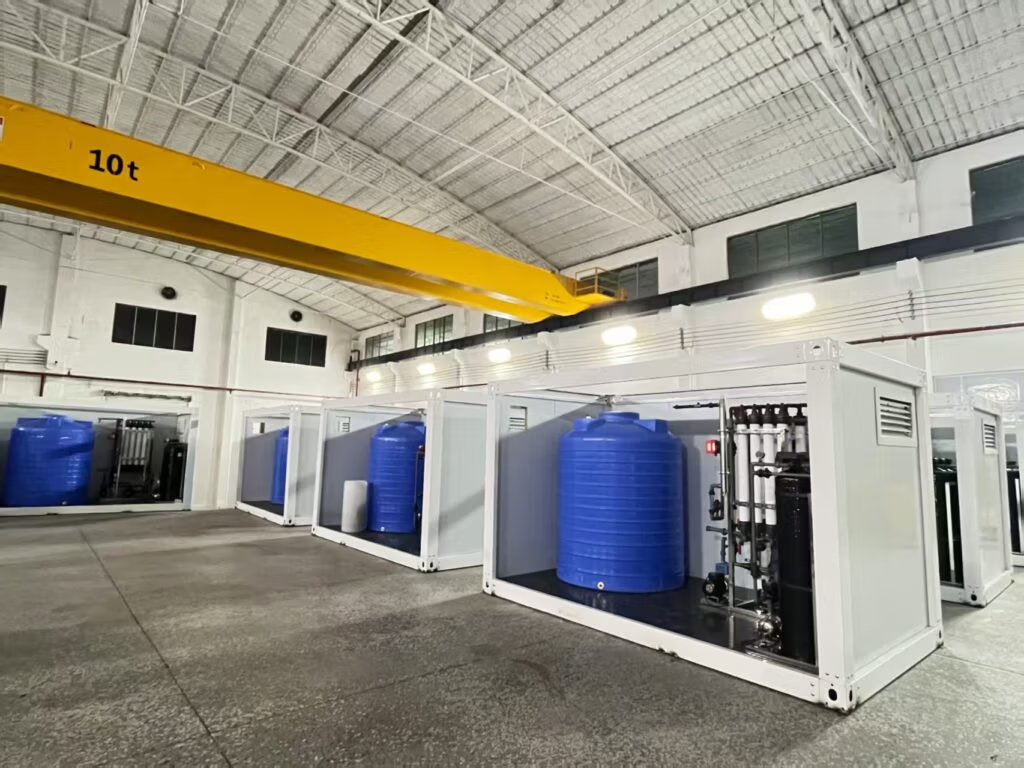
Thirdly, due to the slow water production rate in the RO process, operators or relevant systems require a water storage tank to store the purified water. Therefore, we in the related field commonly use two types of water storage tanks: atmospheric water storage tanks and bladder water storage tanks. To distribute the water, operators or systems also require a re-pressurization pump to ensure a steady flow of water.
Although the atmospheric water storage tank is larger in size, it produces higher quality water. Because there is no bladder water storage tank. The bladder water storage tank is more compact and is therefore more suitable for small systems.
4.post-treatment system
Additionally, post-treatment is an important step to improve the quality and stability of purified water. Common post-treatment methods include
- lpH adjustment:Raise or lower the pH of water to the desired level to optimize subsequent processes.
- lDeionization:Remove residual ions and minerals in water to produce ultrapure water suitable for laboratory use or special applications such as semiconductor manufacturing.
- lUltraviolet disinfection:Use ultraviolet light to eliminate residual bacteria, viruses or microorganisms in water to ensure the microbiological safety of water.
5.monitoring water quality
Schließlich kommt zur Überwachung und Sicherstellung der Qualität des gereinigten Wassers eine Vielzahl von Instrumenten und Analysegeräten zum Einsatz. Diese Instrumente können Parameter wie pH-Wert, Leitfähigkeit und Temperatur messen und liefern Echtzeitdaten für die Prozesssteuerung und -anpassung.
Typische Anwendungsfälle großer Umkehrosmoseanlagen
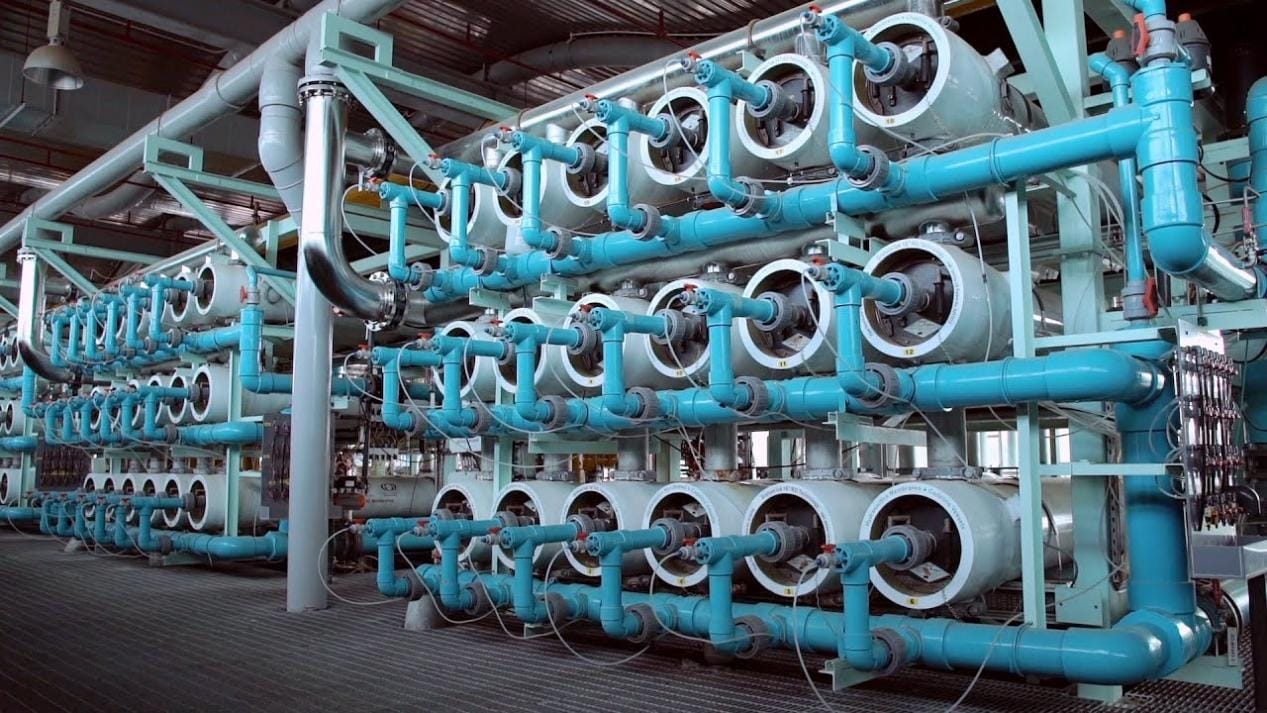
Singapore NEWater Project
- Application Background: Singapur, ein Land mit Wasserknappheit, nutzt eine große Umkehrosmoseanlage zur Tiefenreinigung städtischer Abwässer, um Brauchwasser und Trinkwasserquellen zu gewinnen. Das jährliche Aufbereitungsvolumen beträgt Hunderte von Millionen Kubikmetern.
- System scale:The number of RO membrane modules in a single treatment plant exceeds 100,000, and the daily treatment capacity exceeds 100,000 tons.
Samsung Pyeongtaek Chip Factory in South Korea
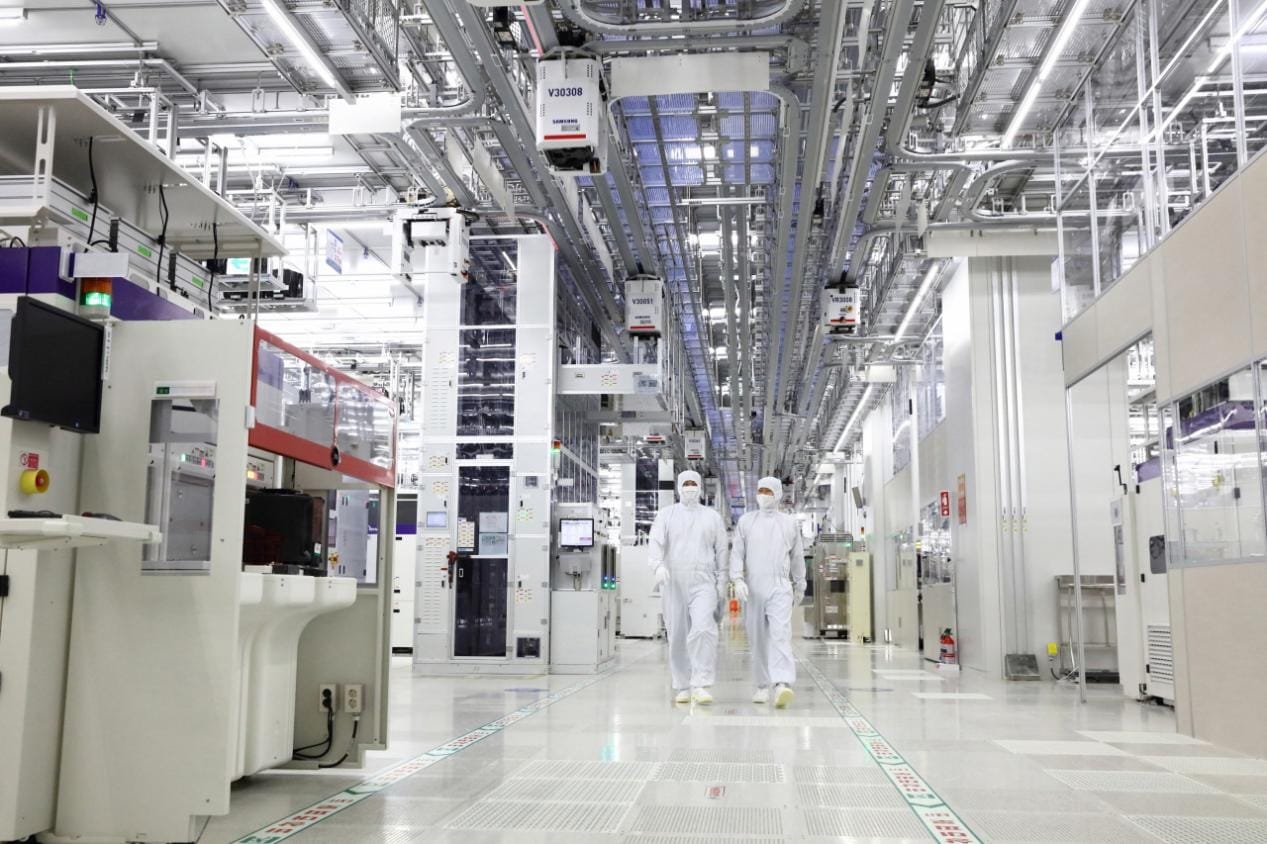
- Application scenario:Samsung Pyeongtaek Factory produces 3nm chips, and its RO system is one of the world’s largest semiconductor water treatment projects.
- System parameters:
- Daily processing capacity of 80,000 tons, using the “three-level RO+EDI” process, the outlet water resistivity is stable at 18.2MΩ・cm (close to theoretical pure water).
- Equipped with German Koch membrane elements, the anti-silicon pollution design avoids impurity deposition on the wafer surface, and the yield is increased to 98%.
Maersk container ship
- Compliance requirements:
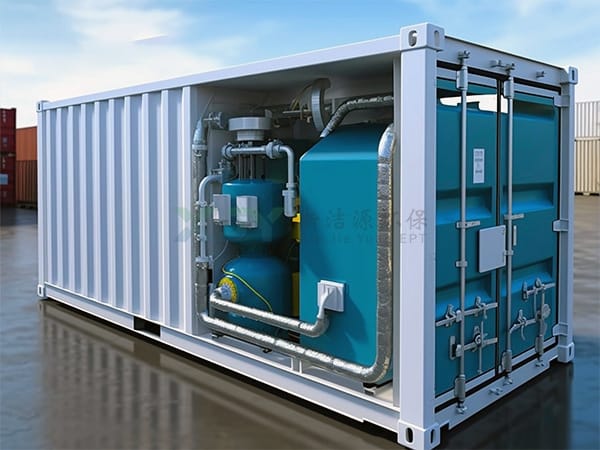
- The International Maritime Organization (IMO) has formulated new regulations in 2025 that require all ship ballast water to undergo RO treatment to kill microorganisms.
- System configuration:
- Maersk’s team has equipped its 18,000 TEU container ship with a German WesTech RO system—one that features a processing capacity of 2000m³/hour and hollow fiber membrane modules.
- After RO treatment, the microbial concentration of ballast water is less than 10/m³, which meets the D-2 standard, and the system occupies only 150㎡.
Herausforderungen und Perspektiven großer Umkehrosmoseanlagen
Obwohl die Technologie großer Umkehrosmoseanlagen mittlerweile relativ ausgereift ist, besteht weiterhin eine Reihe technischer Herausforderungen, wie beispielsweise Membranverschmutzung. Biologische Verschmutzung, Ablagerungen und kolloidale Verschmutzungen können die Effizienz der Anlage erheblich beeinträchtigen. Im Hinblick auf die Soleaufbereitung muss die Umweltbelastung durch hochsalzhaltiges Abwasser angemessen berücksichtigt werden. Der Energieverbrauch, der trotz verbesserter Effizienz weiterhin 30–50 % der Betriebskosten ausmacht, ist ebenfalls ein wichtiger Faktor.
People expect that with technological progress and economies of scale, by 2030, the global reverse osmosis desalination capacity will increase by 40%. The unit energy consumption will see a further reduction of 20-30%. The level of intelligence will improve significantly, and its combination with renewable energy will become closer.
Die riesige Umkehrosmoseanlage ist nicht nur eine ingenieurtechnische Meisterleistung, sondern auch ein wichtiges Instrument im Kampf gegen die Herausforderungen der Wasserversorgung. Bei Fragen zur Wasseraufbereitung finden Sie unter „https://xjyco.com/“ hilfreiche Informationen.
Kontaktieren Sie uns
Name: Cliff Mok
Mobiltelefon: +86 17817887719