Can reverse osmosis remove fluoride from water? To answer this question, we must first examine fluoride itself.
A common trace component in drinking water, high levels can potentially harm human health, such as damage to teeth and bones. For this reason, many families consider water purification to improve water quality. And reverse osmosis technology is a superior option. It not only effectively removes fluoride from water, but also does so at a high rate and with a reliable process. Make it an ideal solution for addressing excessive fluoride levels in drinking water.
The core principle of reverse osmosis technology
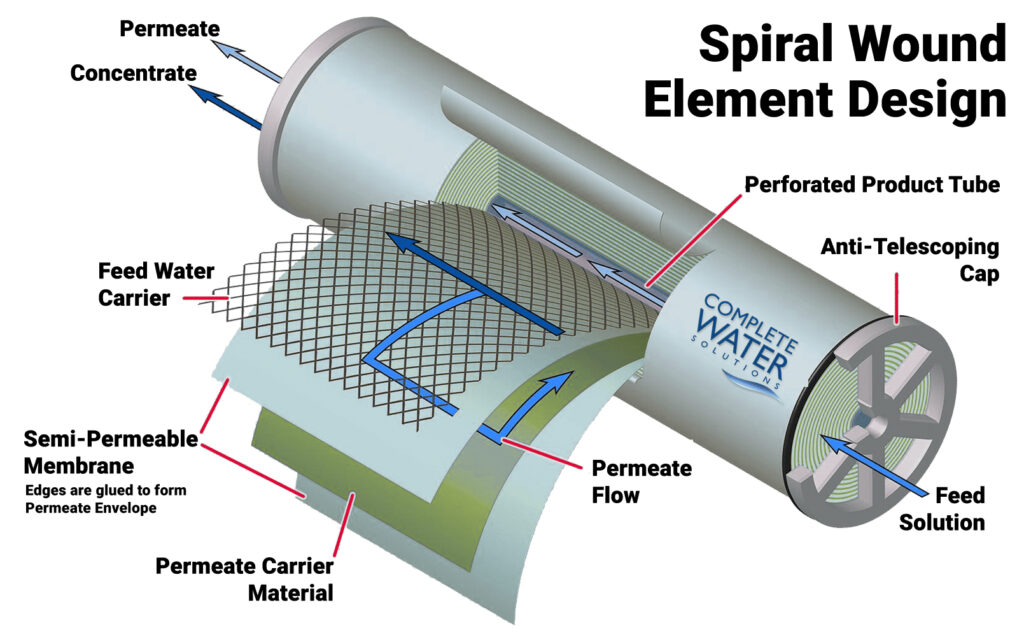
To determine whether reverse osmosis can remove fluoride, we first need to understand its core logic for water purification. RO uses a high-pressure pump to apply external force, forcing water molecules in the raw water to reverse through a selectively permeable “reverse osmosis membrane,” while trapping impurities and ions in the water on the other side of the membrane, ultimately producing pure drinking water.
What is the function of reverse osmosis membrane?
The pore size of reverse osmosis membranes is extremely small, typically less than 0.0001 microns—much smaller than fluoride ions (approximately 0.133 nanometers in diameter) and other common ions in water, such as calcium and magnesium. Therefore, this “physical interception” mechanism effectively blocks the passage of fluoride ions, thereby achieving fluoride removal.
How efficient is reverse osmosis at removing fluoride?
Reverse osmosis technology is highly effective in removing fluoride. Under normal operating conditions, a qualified reverse osmosis system typically achieves a fluoride removal rate exceeding 90%, with some high-quality systems even reaching 95%-99%.
For example, if the raw water has a fluoride content of 1.5 mg/L, reverse osmosis treatment can reduce the fluoride content in the effluent to below 0.15 mg/L, which is far below the national standard.
What situations will affect the fluoride removal effect?
- Quality and condition of reverse osmosis membrane
If the RO membrane becomes damaged, aged, or clogged with contaminants (such as calcium scale or organic matter). It can cause “membrane penetration,” allowing impurities like fluoride ions to leak out, reducing the removal rate. Therefore, it’s important to regularly replace and maintain the reverse osmosis membrane (usually every 1-2 years is recommended).
- Raw water quality conditions
The pH value of the raw water affects the membrane’s retention efficiency. When the pH value is too low, fluoride ions easily penetrate the reverse osmosis membrane. It will result in a decrease in fluoride removal efficiency. It is generally recommended to adjust the raw water pH value to between 6.5 and 8.5 to improve the retention efficiency.
- System operating parameters
The operating pressure, influent flow rate, and recovery rate of a reverse osmosis system also affect fluoride removal effectiveness. If the rated operating pressure is insufficient, impurity retention efficiency will decrease.
If the recovery rate is too high, the concentration of impurities (including fluoride ions) on the membrane surface will increase, reducing the fluoride removal efficiency. We generally recommend controlling the system recovery rate between 50% and 75% to balance water production and fluoride removal effectiveness.
What should I pay attention to ?
1. Equipped with pre-treatment device
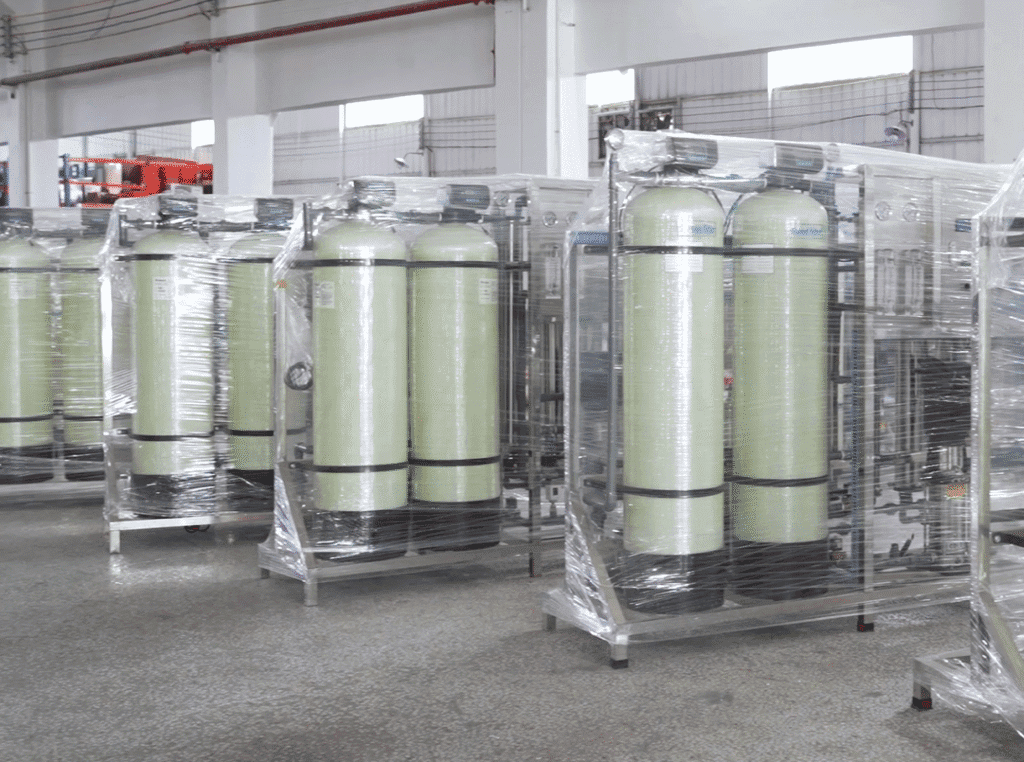
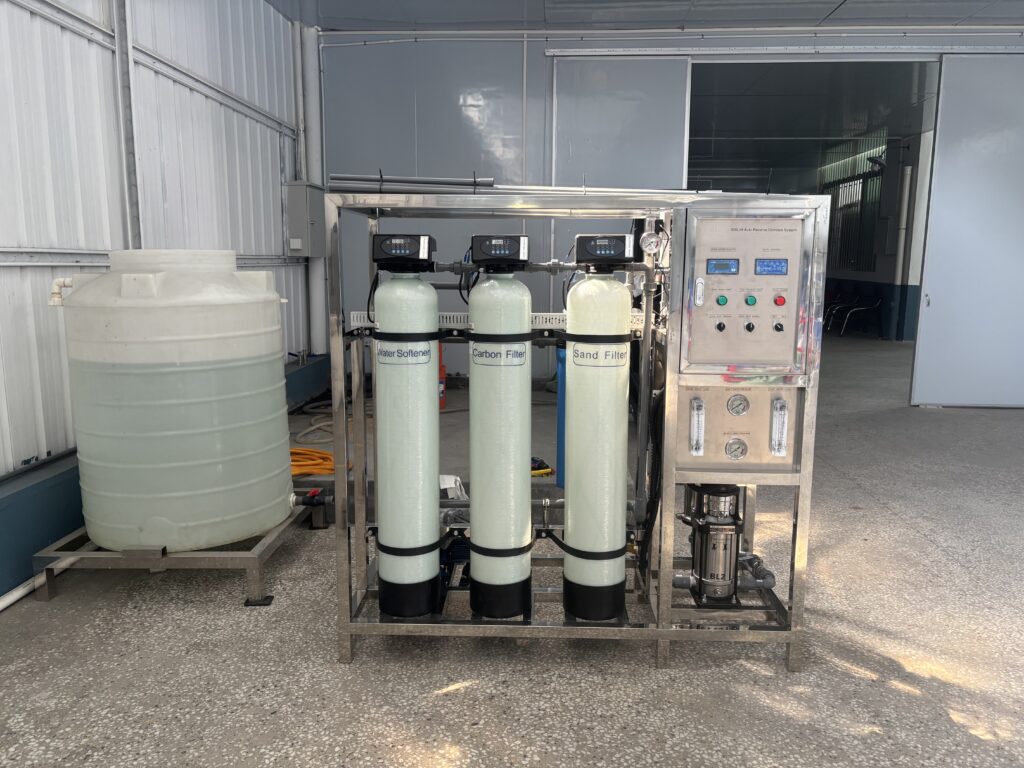
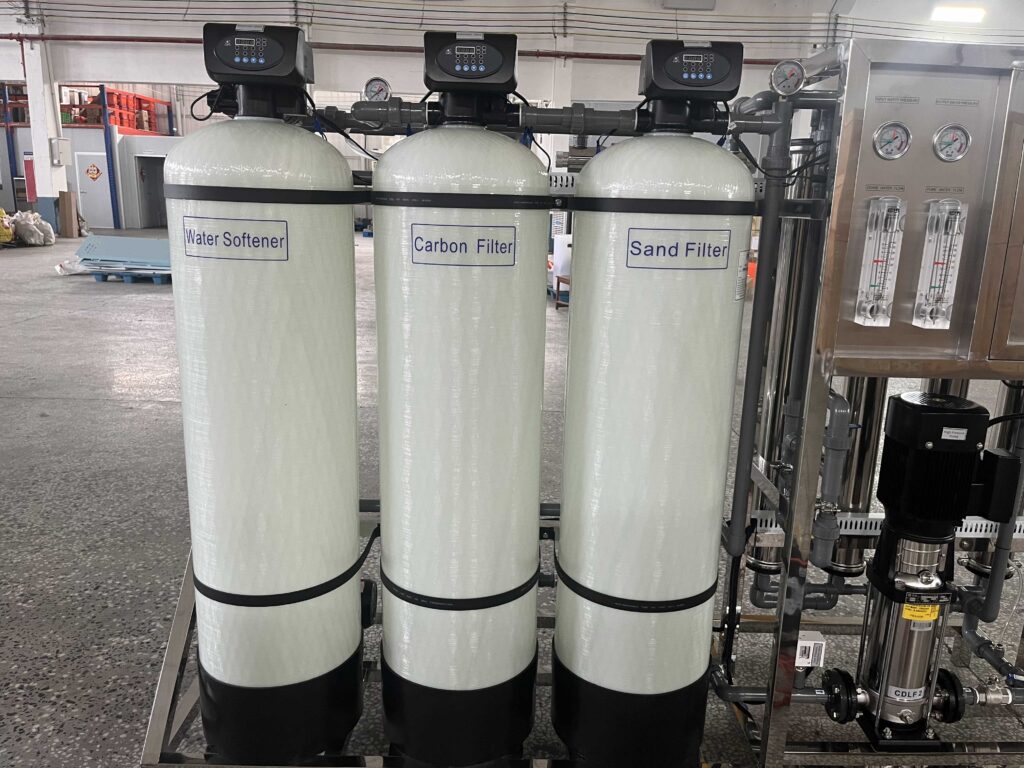
If the raw water has a high hardness (high calcium and magnesium ion content) or contains a lot of organic matter and sediment, we need to install a pre-treatment device before the reverse osmosis system. Pre-treatment devices include pre-filters, activated carbon filters, and water softeners.
2. Regularly test the water quality
Regularly (e.g., every 3-6 months) test the fluoride content in the effluent of the reverse osmosis system. In order to resolve any issues with decreased fluoride removal efficiency (e.g., replacing membranes, adjusting system parameters).
3. Pay attention to the “wastewater” problem
During operation, reverse osmosis systems generate a certain amount of “concentrated water.” This concentrated water should not be discharged directly into the soil or near drinking water sources to avoid local fluoride accumulation and contamination. Instead, it can be used for flushing toilets, mopping floors, and irrigation. But careful attention should be paid to the concentration to avoid harming plants.
Summarize
Families or businesses struggling with excessive fluoride in their drinking water should choose a standard reverse osmosis water purification system and perform routine maintenance to ensure safe, low-fluoride drinking water.
If you have further questions about this issue, please feel free to contact us for answers.