In the field of water treatment, sistemas de ósmosis inversa, with their efficient desalination and purification capabilities, have become core equipment for pure water production in industries such as electronics, chemicals, and power generation. However, the stable operation of the system directly impacts production continuity and water quality compliance.
El mantenimiento y la gestión científicos son fundamentales para prolongar la vida útil de los equipos y reducir los costos operativos. Por el contrario, un mantenimiento inadecuado de la ósmosis inversa puede provocar fácilmente problemas como la obstrucción de las membranas y la disminución de la eficiencia en la producción de agua. Este artículo resume los puntos clave del mantenimiento de los sistemas de ósmosis inversa, proporcionando una referencia para el trabajo práctico.
1. Pretreatment is the first line of defense in reverse osmosis maintenance
El pretratamiento constituye el fundamento para el funcionamiento estable de los sistemas de ósmosis inversa. Su función principal consiste en eliminar los sólidos en suspensión, los coloides, la materia orgánica, el cloro residual y otras impurezas del agua bruta, evitando así que dichas sustancias causen daños irreversibles a la membrana de ósmosis inversa. Dada la naturaleza compleja de la calidad del agua bruta, resulta necesario optimizar el proceso de pretratamiento y reforzar el mantenimiento en consecuencia.
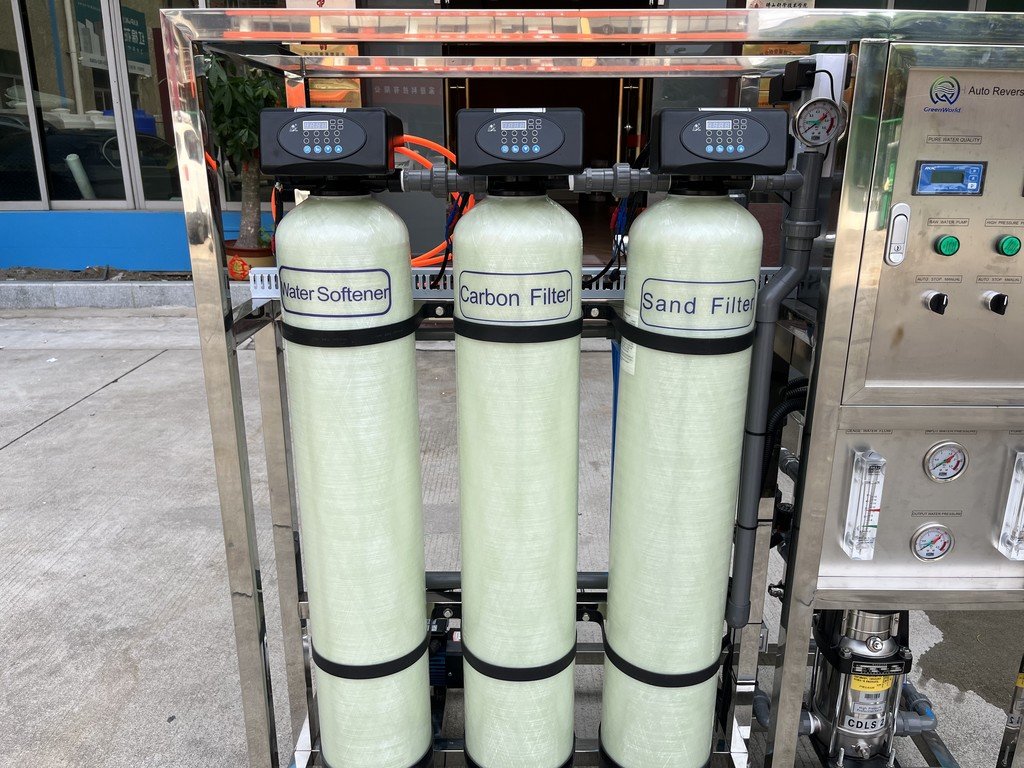
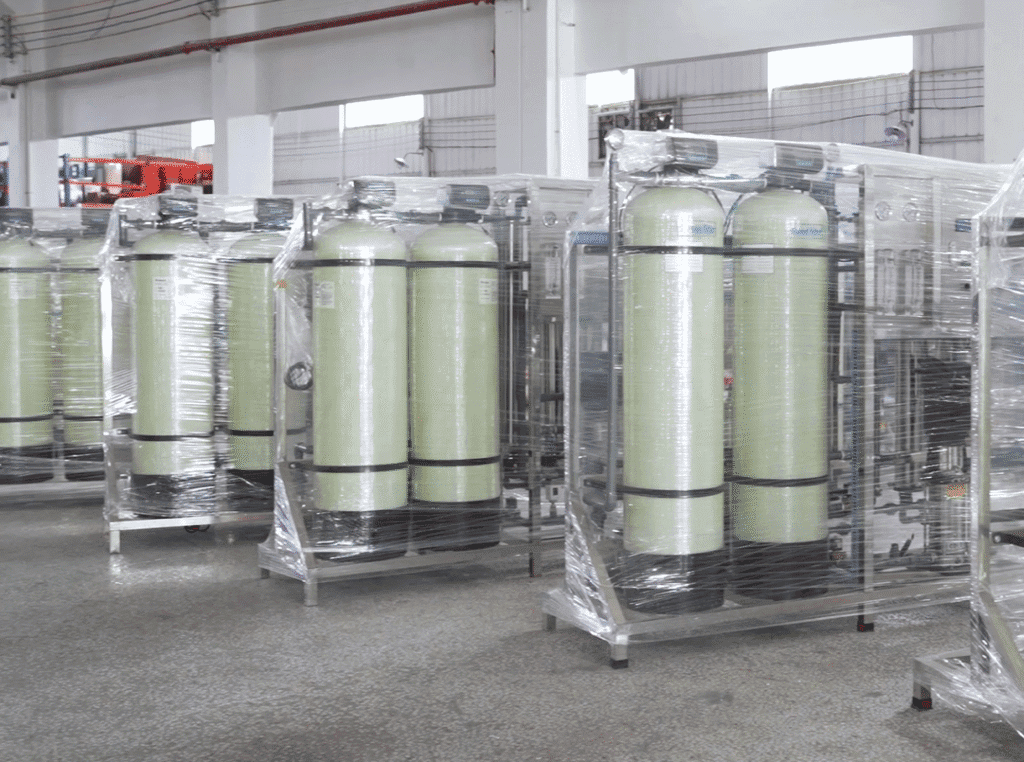
Quartz sand filters require regular backwashing and forward flushing, typically every 24-48 hours. Backwashing time should be controlled at 10-15 minutes. The filter media should be replaced promptly when the pressure difference between the inlet and outlet exceeds 0.1 MPa.
Activated carbon filters require close monitoring of residual chlorine removal effectiveness to ensure the residual chlorine content in the effluent is below 0.1 mg/L. After 6-12 months of use, the adsorption capacity of the filter media should be checked, and regeneration or replacement should be performed if necessary.
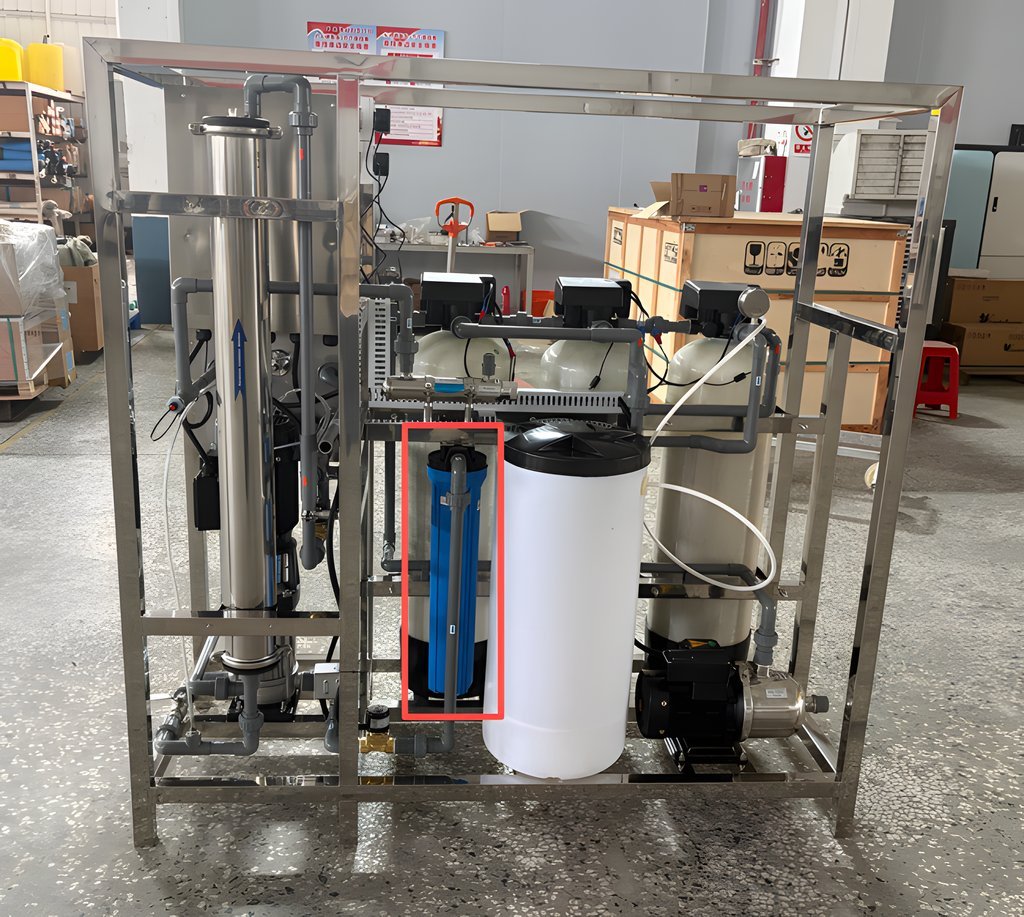
The security filter is the last barrier in the pretreatment process, and the filter element needs to be replaced regularly. Replacement is usually required immediately when the pressure difference reaches 0.2 MPa. Strict aseptic procedures must be followed during the replacement process to prevent secondary contamination.
2. Precise maintenance of ro membrane elements extends their service life
As a core consumable in water treatment systems, the performance degradation of RO membranes directly affects water quality and operational efficiency. Therefore, standardized maintenance work is necessary, focusing on operational control, shutdown protection, and contamination cleaning.
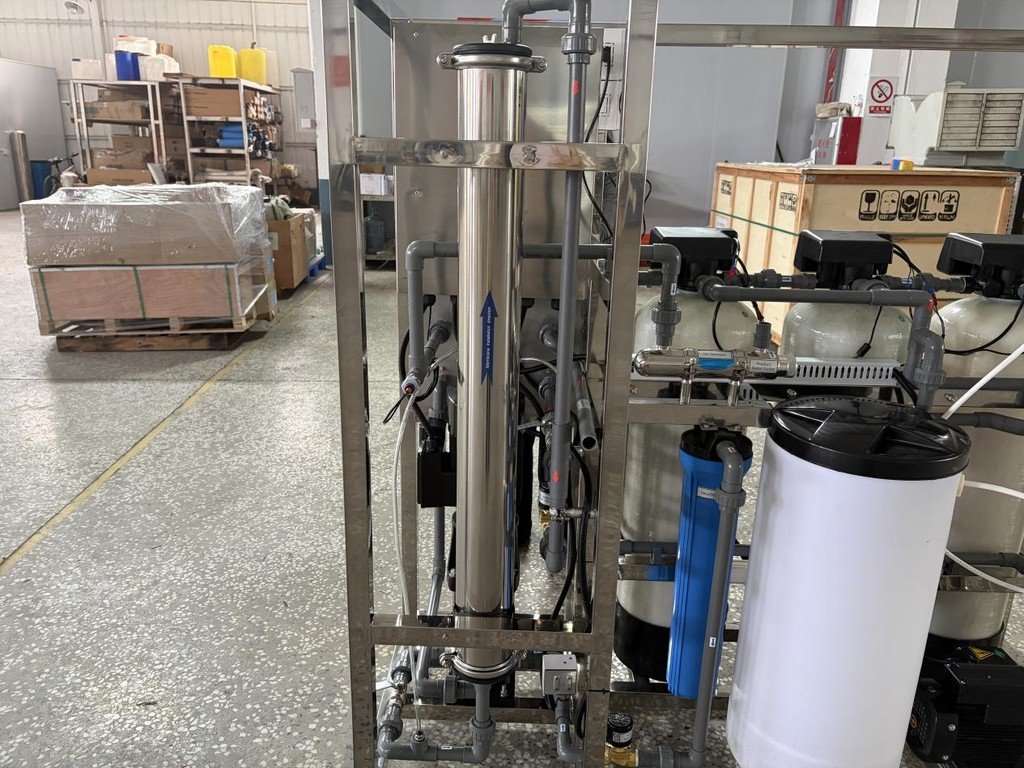
1. Process control during operation
① The inlet water temperature needs to be strictly controlled and maintained within the range of 15-35℃. For every 1℃ increase in temperature, the membrane flux increases by approximately 2.5%-3%. Therefore, overheating should be avoided to prevent accelerated aging of the membrane elements.
② The inlet water pH should be controlled between 2 and 11 (during operation) to avoid corrosion of the membrane elements by extreme acidic or alkaline environments and ensure stable membrane separation performance.
2. Protection during shutdown
Based on the duration of downtime, differentiated protective measures are implemented to prevent drying and oxidative damage to the membrane elements.
① Short-term shutdown (≤72 hours): After shutdown, rinse the membrane elements with clean water to ensure they remain fully submerged. Regular circulation should be initiated during this period to prevent microbial growth in stagnant water.
② Long-term shutdown (>72 hours): Immerse the membrane elements in a 0.5%-1.0% sodium bisulfite solution to isolate them from air and prevent oxidation. The protective solution needs to be replaced monthly to maintain its effectiveness.
Regularly inspect the membrane element seals. If any leaks or signs of aging are found, replace them promptly to prevent mixing of concentrated water and permeate, which would affect the water quality.
3. Contamination assessment and cleaning procedures
①Pre-cleaning prep: Identify contamination type via water quality testing and select matching cleaning agent. Blind cleaning (damaging to membrane elements) is strictly forbidden.
②Targeted cleaners:
- Inorganic scale (e.g., calcium carbonate/sulfate): Acidic cleaners (citric acid, dilute hydrochloric acid)
- Organic/microbial contamination: Alkaline cleaners (sodium hydroxide + surfactant)
③Cleaning parameters: Maintain temperature at 30–35℃, set flow rate to 1.5× normal operating level; duration: 30–90 minutes (adjust by contamination severity).
④Post-cleaning recovery: Rinse membrane elements thoroughly with clean water until permeate quality meets standards, then resume normal operation.
⑤Cleaning frequency: Clean every 3–6 months. Over-frequent cleaning damages the membrane’s dense layer and shortens its service life.
3. Establish a standardized reverse osmosis maintenance system
In addition to the above inspections, we also need to establish a comprehensive maintenance and management system and stock sufficient qualified spare parts (such as filter elements, seals, cleaning agents, and membrane elements) to avoid maintenance delays due to a shortage of spare parts.
Furthermore, maintain a clean and dry operating environment for the equipment, regularly check pipelines and valves for leaks and corrosion, and address potential problems promptly. Conduct regular comprehensive inspections of the system, including the pump operating status, electrical control system, and dosing equipment, and maintain a maintenance log to achieve full lifecycle management.