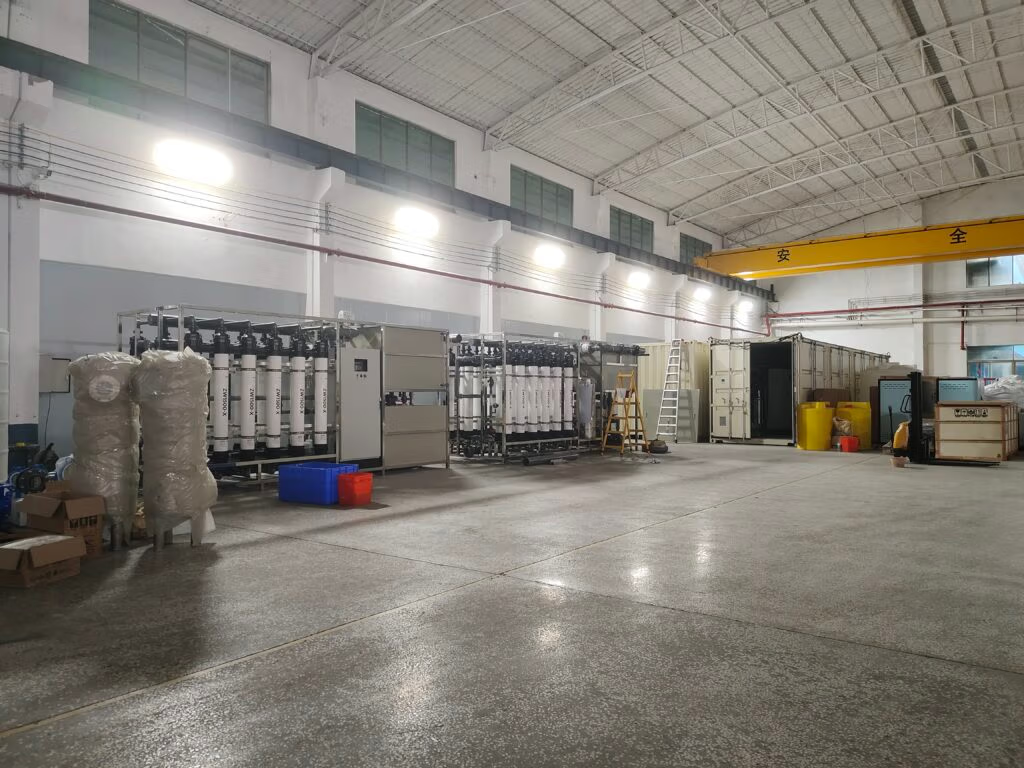
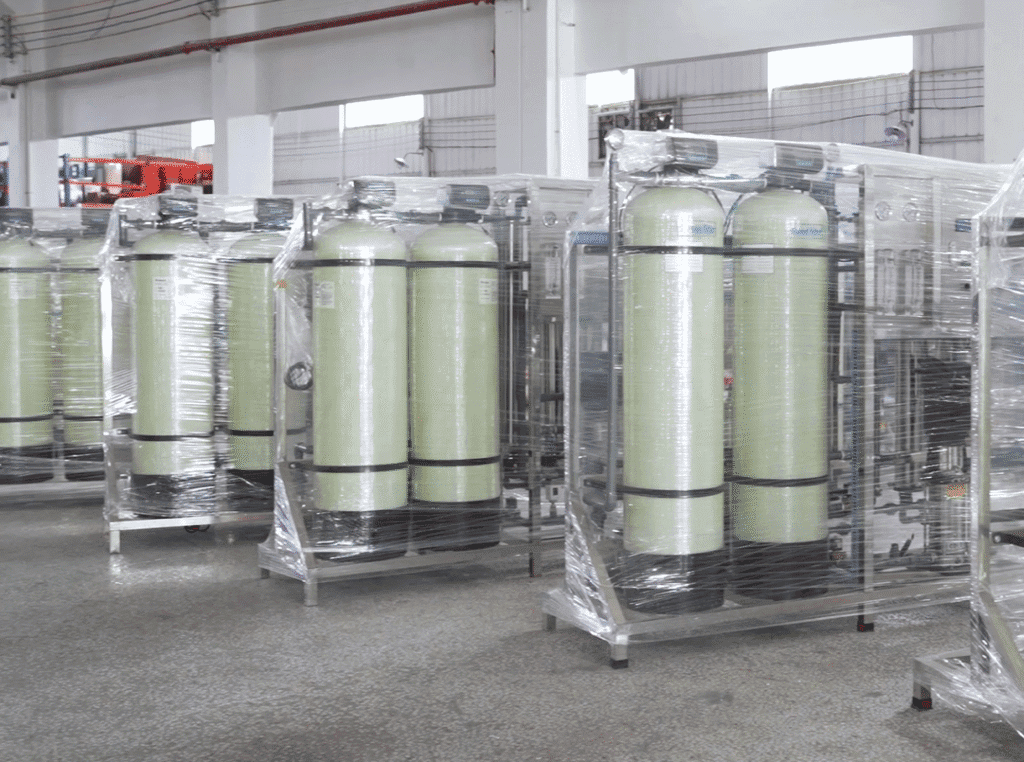
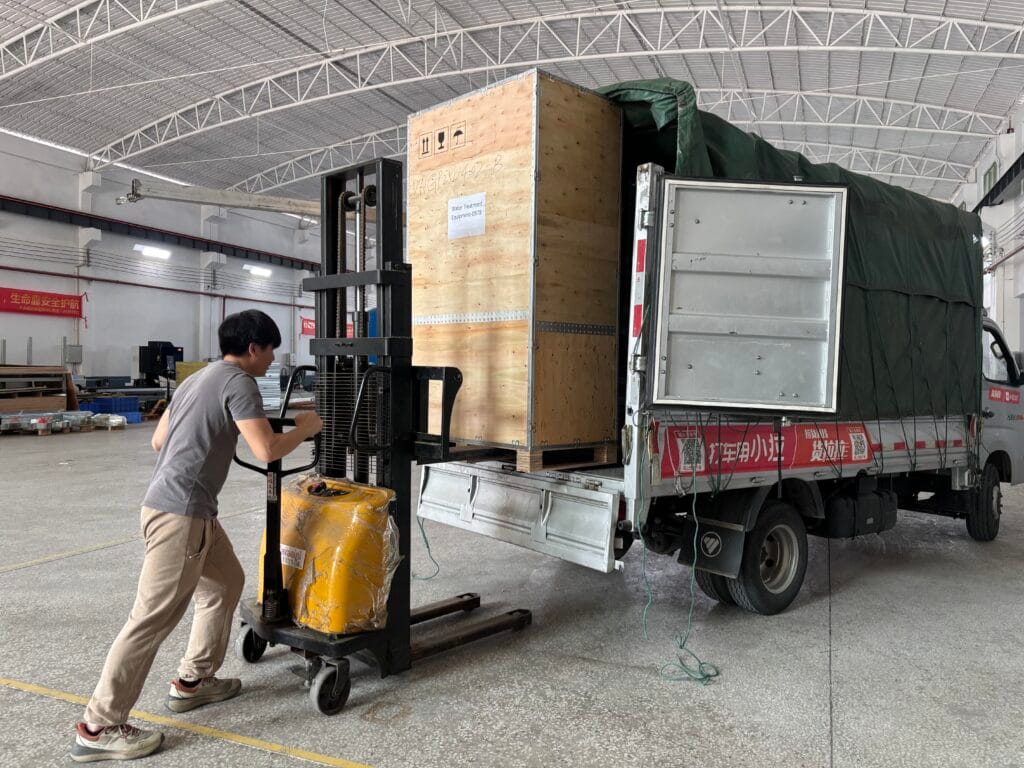
Ultrapure water filtration machine is key equipment in high-end manufacturing and precision testing. After nearly a hundred years of technological refinement, they have long formed a mature R&D, production, and application system.
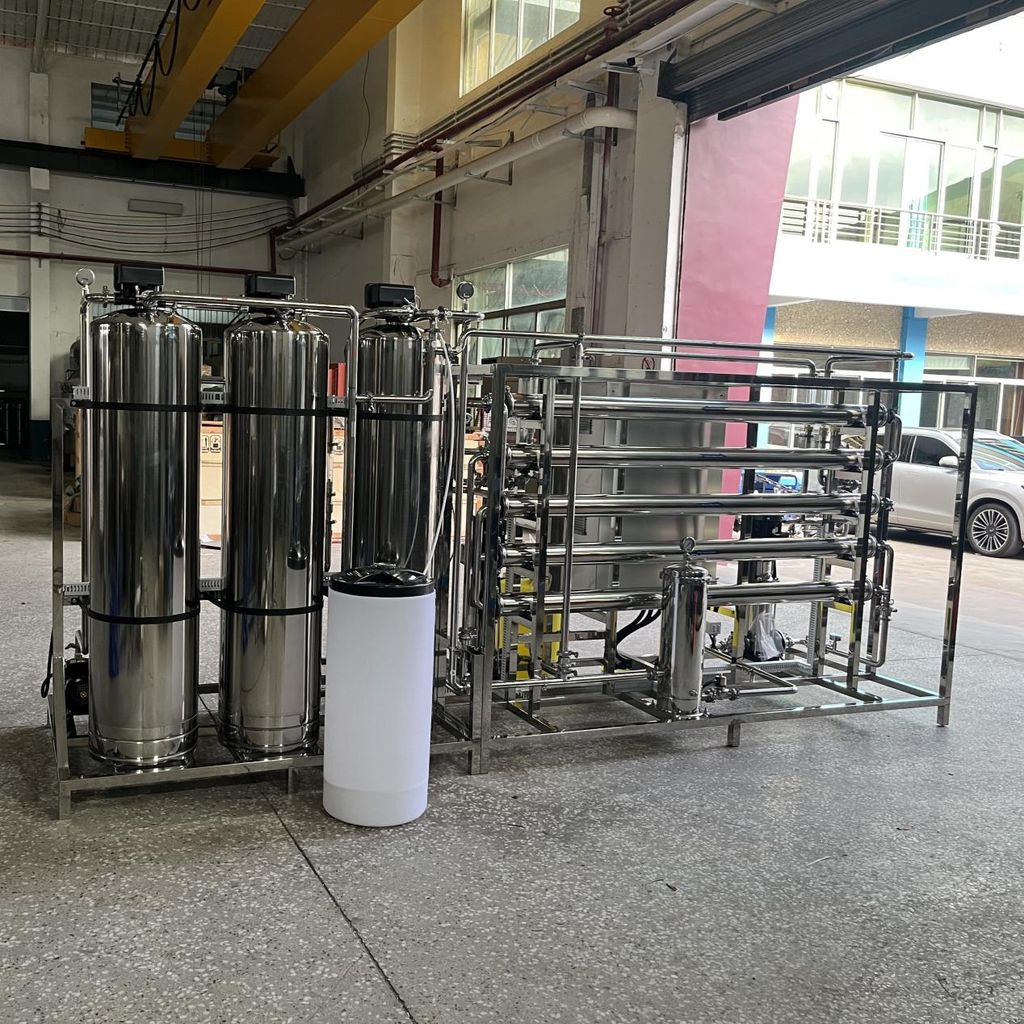
Simply put, this type of equipment uses multiple purification processes to thoroughly remove impurities such as ions, microorganisms, and organic matter from raw water, ultimately producing ultrapure water with a resistivity of 18.2 MΩ·cm at 25 degrees Celsius. It is indispensable for core fields such as semiconductors, pharmaceutical production, and energy development.
What are the advantages of this type of ultrapure water filtration machine?
Ultrapure water filtration machine is primarily characterized by technological innovation and intelligent upgrades.
For example, ELGA LabWater in the UK launched PureSure® dual-bed ion exchange technology as early as 1992. By monitoring changes in inter-stage resistivity, it can precisely trap impurities that may fall off during filter cartridge wear. Combined with real-time TOC monitoring, it can dynamically control water quality and prevent purity issues. In 2020, their PURELAB Quest system went even further, becoming the world’s first product capable of producing three types of laboratory water from a single compact device. This saves laboratory space while balancing operating costs and practicality, making it particularly popular in the research field.
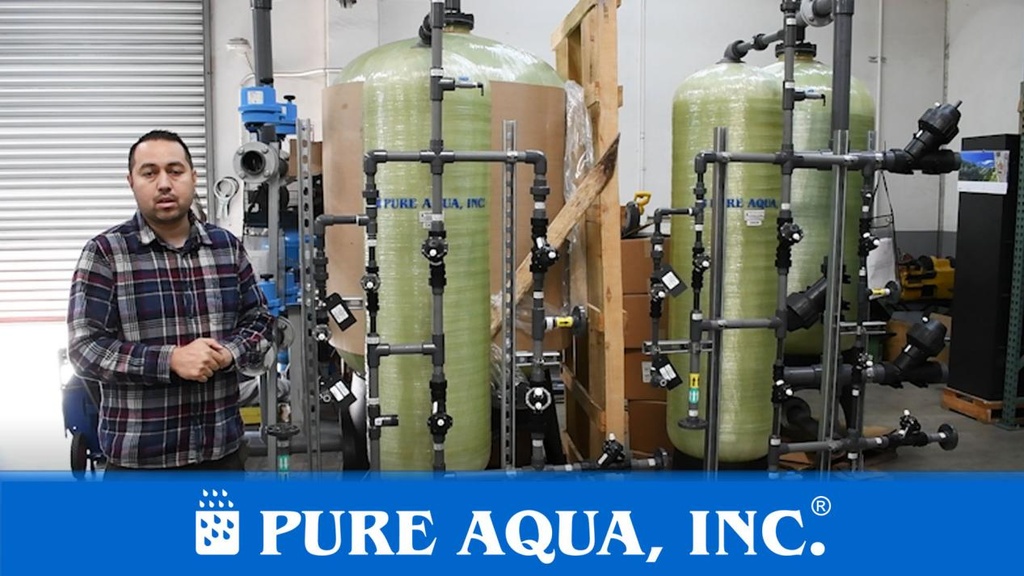
In the area of customized solutions, equipment can be tailored to the specific needs of different industries.
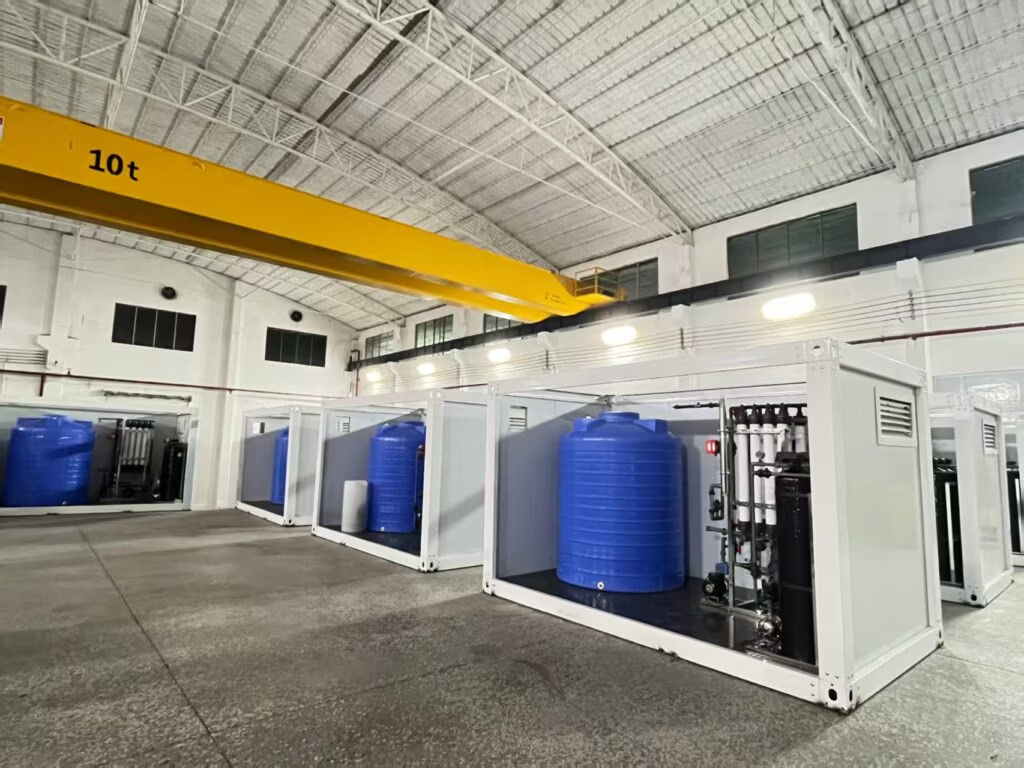
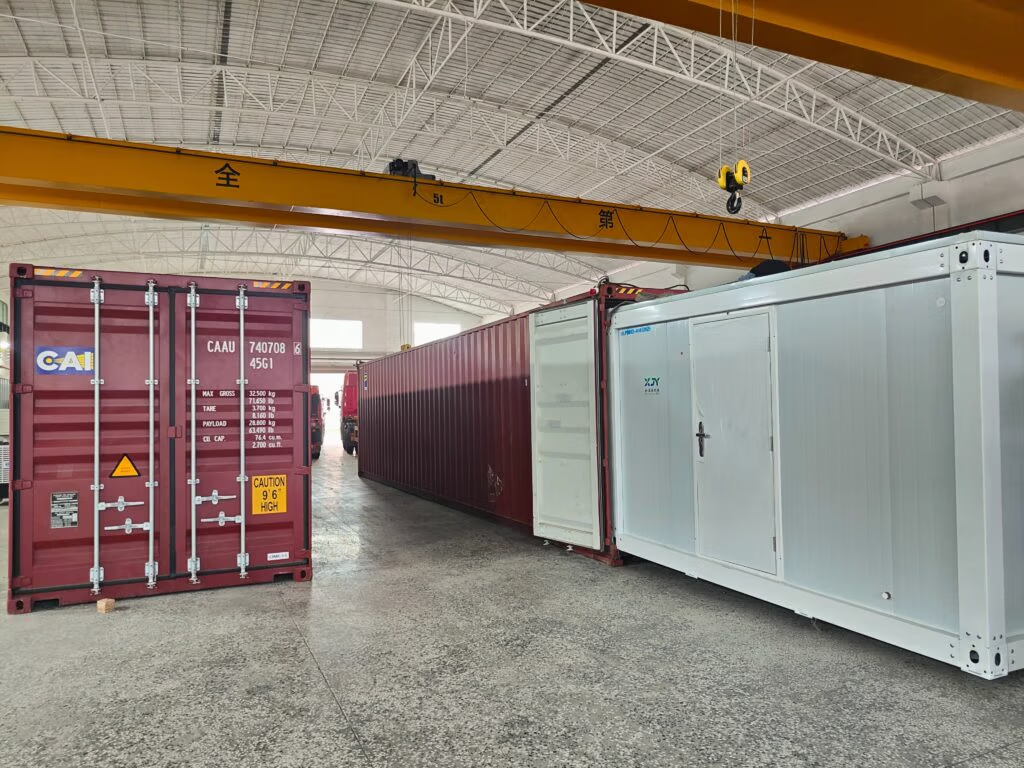
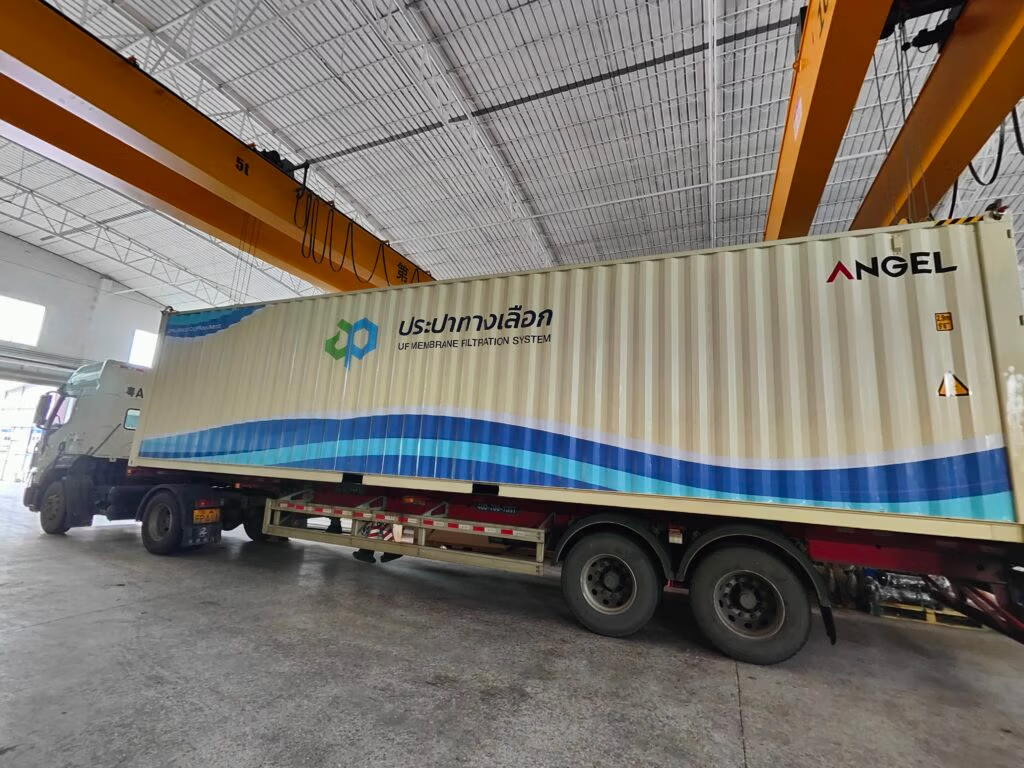
Por ejemplo, Fluence, una empresa israelí, personalizó una máquina de filtración de agua ultrapura en contenedor para su compañía eléctrica nacional. Este sistema combina las tecnologías de transferencia de membrana de gas (GTM) y desalinización electrostática continua (CEDI), compuesta por 15 unidades, cada una capaz de producir 20 metros cúbicos de agua ultrapura por hora. Esto satisface plenamente las necesidades de agua para el agua de alimentación de calderas de recuperación de calor y los procesos de desnitrificación en centrales eléctricas. Fundamentalmente, su diseño modular elimina la necesidad de permisos de construcción adicionales, lo que permite una rápida instalación y puesta en marcha incluso en espacios reducidos, acortando significativamente los plazos de ejecución del proyecto. Además, este sistema reduce el uso de reactivos químicos, ahorrando dinero y cumpliendo con los principios de protección ambiental reconocidos mundialmente.

What ensures the quality of ultrapure water filtration machine?
The reliability of current ultrapure water filtration machine is inseparable from strict standard control.
- The United States has a series of ASTM standards, such as ASTM D1193, which clearly specifies the core indicators of ultrapure water, such as conductivity and total organic carbon.
- Europe, in combination with the European Pharmacopoeia (PhEur) and the United States Pharmacopoeia (USP), has developed specific water quality standards for the pharmaceutical industry, since pharmaceutical products are directly related to human health and water quality requirements must be stringent.
These standards also drive continuous upgrades in equipment technology. For example, the DCRO bidirectional reverse osmosis technology developed by American ACO has a desalination rate of over 99.5%. Compared with ordinary equipment, it can reduce the cost of consumables by more than 30%, saving companies a lot of expenses.
What is the future development direction of this equipment?
The development of ultrapure water filtration machine is currently progressing in three main directions.
First, there’s the increasing intelligence. Many systems now come standard with AI monitoring and remote maintenance capabilities, eliminating the need for manual intervention. The equipment can monitor its operational status autonomously, automatically issue warnings for malfunctions, and adjust parameters to ensure stable operation, significantly reducing labor costs.
Second, there’s material innovation. The development of low-energy reverse osmosis membranes and long-lasting ion exchange resins is becoming increasingly mature, reducing both energy consumption and wastewater discharge, making them more energy-efficient and environmentally friendly.
Finally, there’s environmental friendliness. Major brands are beginning to calculate the carbon footprint of their products throughout their entire lifecycle. Companies like ELGA are extending the lifespan of core components through recycled EDI technology, reducing environmental impact at its source and aligning with the global trend towards carbon neutrality.
In the future, as the global semiconductor and biopharmaceutical industries continue to upgrade, the market demand for ultrapure water will continue to grow.