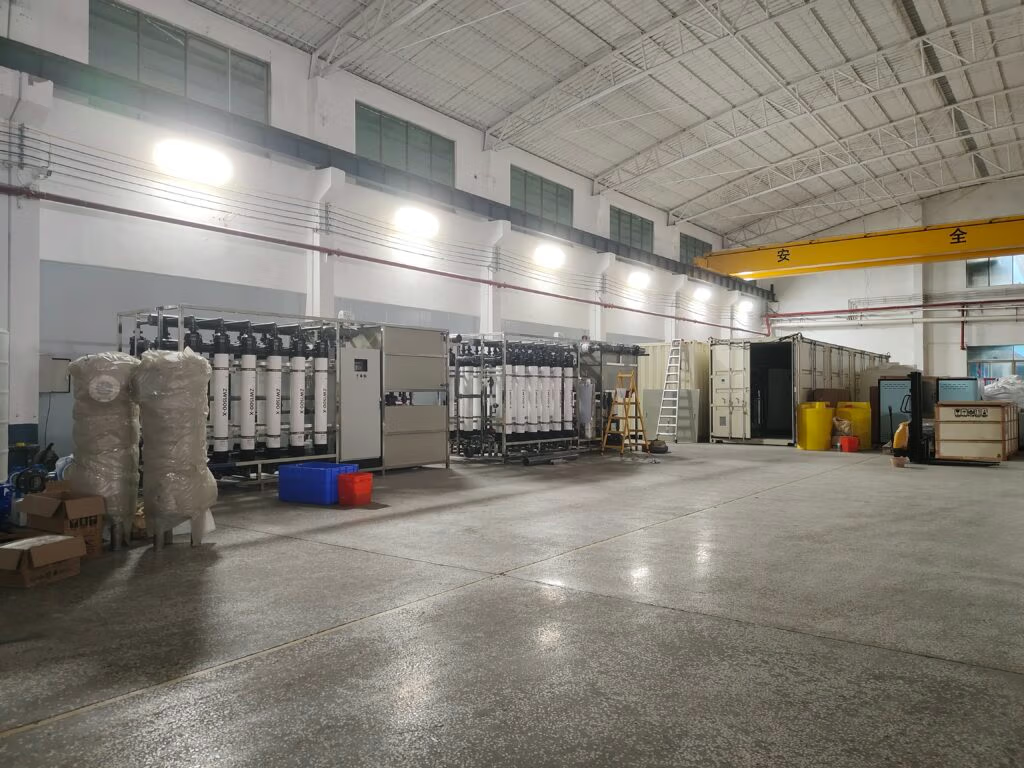
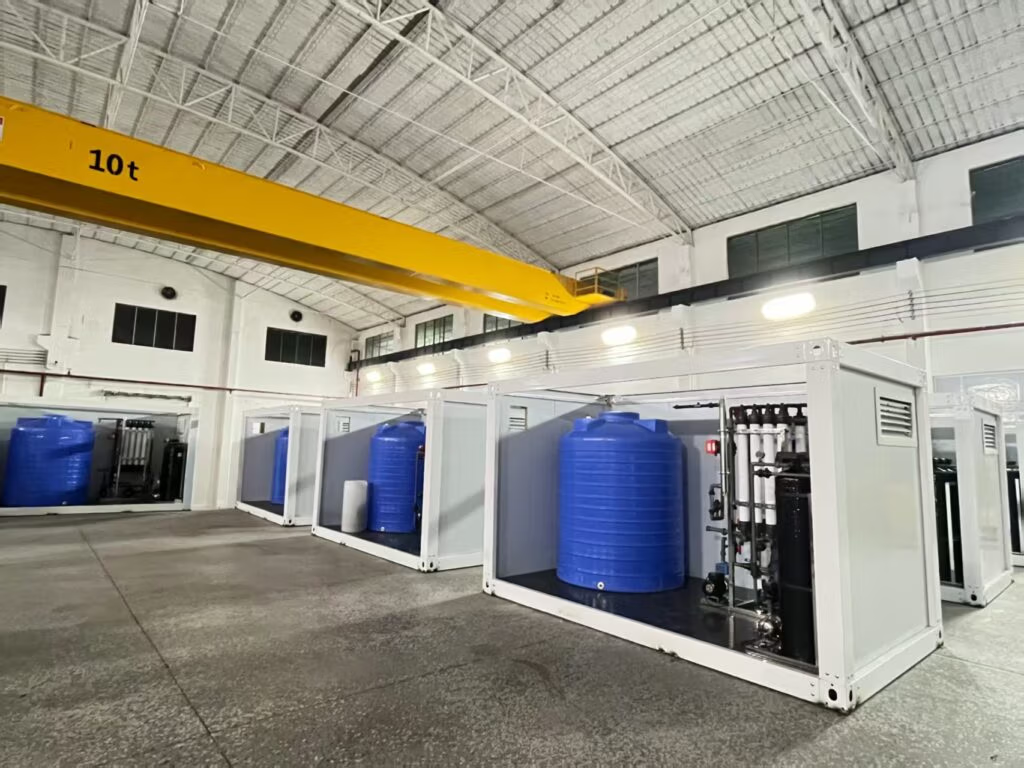
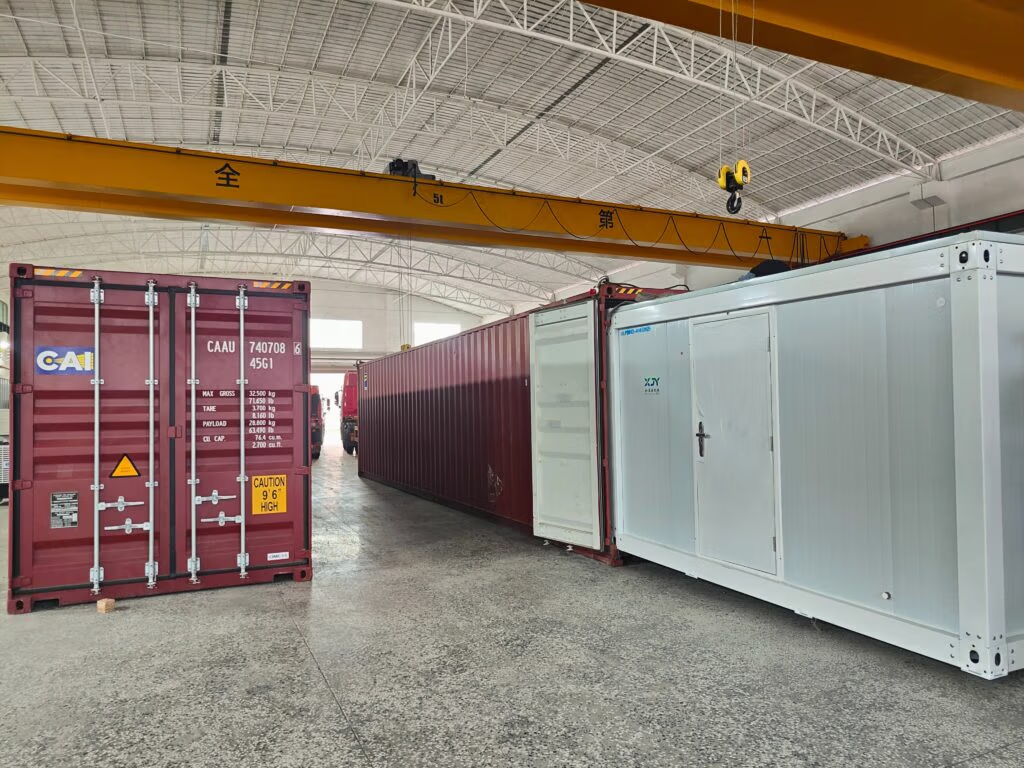
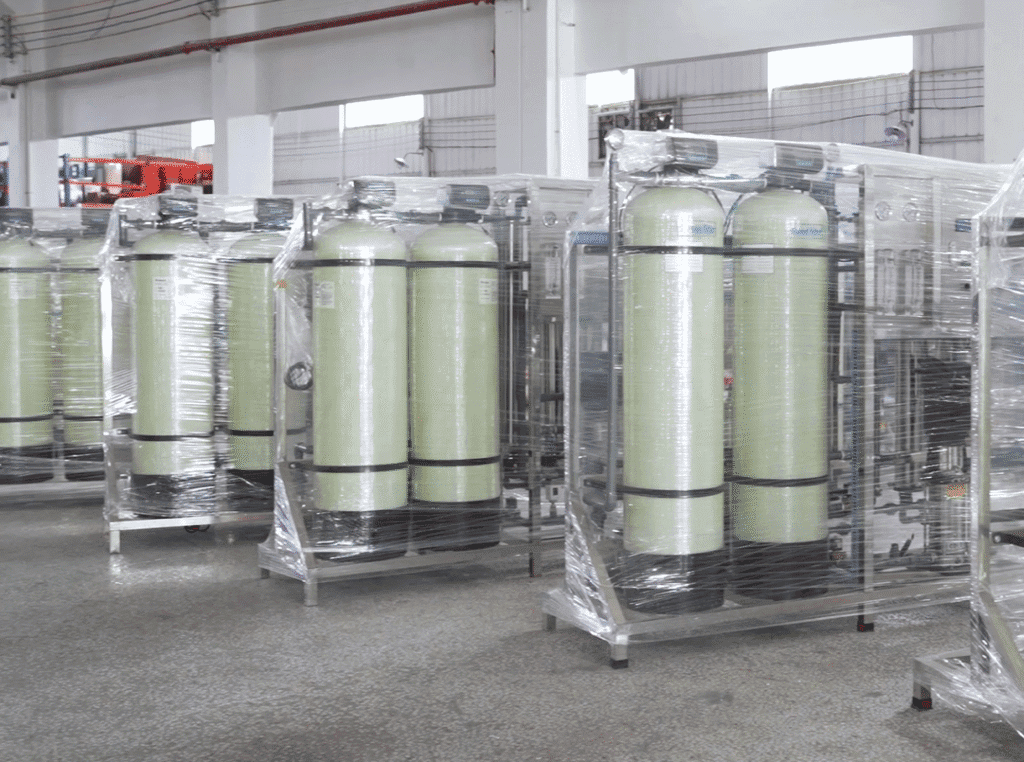
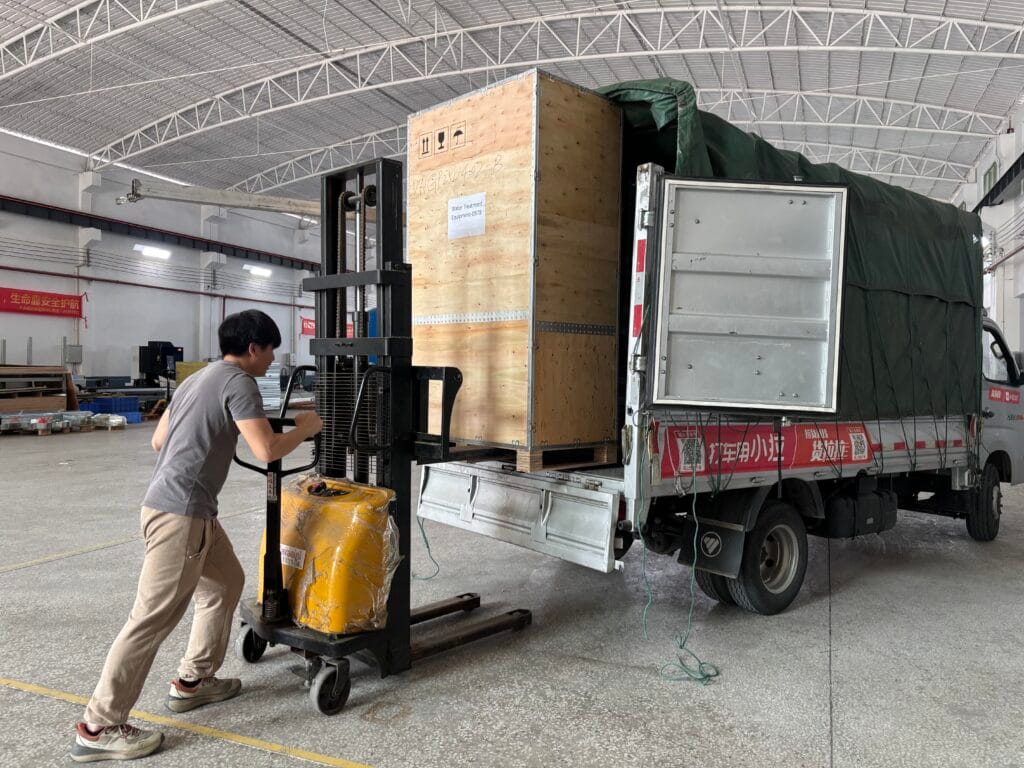
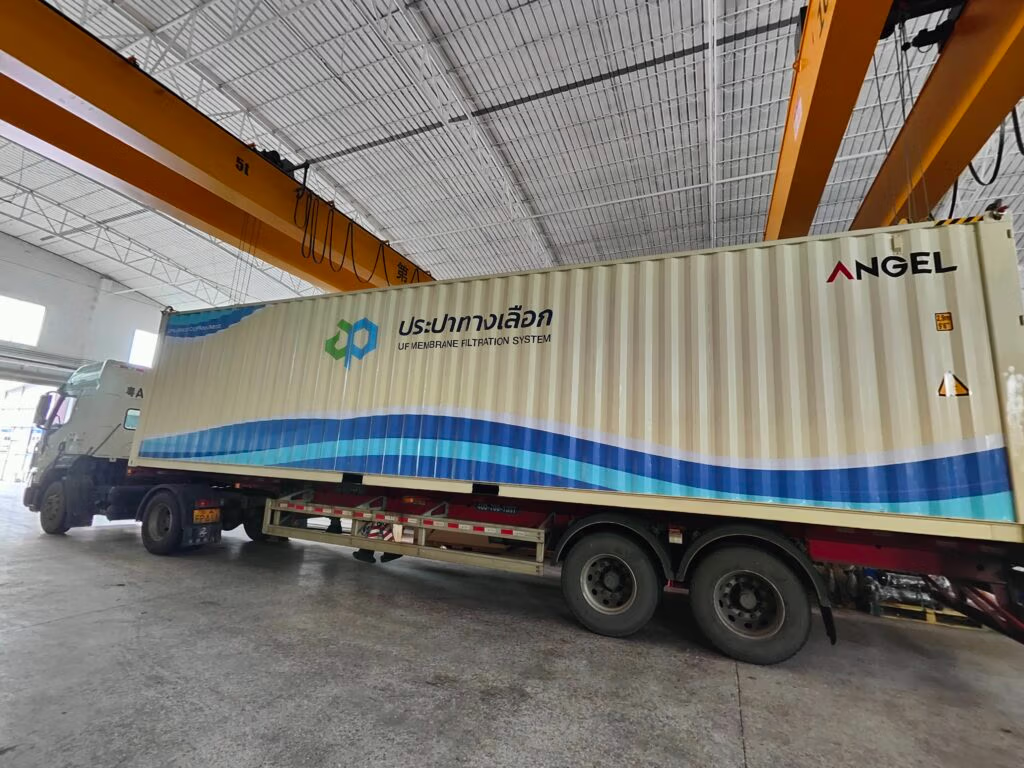
La santé de l'osmose inverse englobe un ensemble complet d'indicateurs, notamment la propreté de l'eau, la stabilité opérationnelle du système et le respect de l'environnement. En tant que fabricant de systèmes de traitement des eaux industrielles, nous comprenons que ce n'est qu'en garantissant la santé de l'ensemble du système de traitement de l'eau que nous pourrons atteindre nos objectifs. système d'osmose inverse La chaîne d'osmose inverse permet de poser des bases solides pour la qualité de l'eau dans la production de l'entreprise. Aujourd'hui, nous commencerons par un scénario industriel afin d'analyser les éléments essentiels et les mesures de protection de l'osmose inverse.
La condition préalable à l'osmose inverse est d'être en bonne santé.
Le principe de base de l'osmose inverse saine est d'obtenir une qualité d'eau saine grâce à une filtration précise. L'eau brute industrielle a une composition complexe, contenant non seulement des impuretés physiques telles que le limon et les solides en suspension, mais aussi des polluants potentiellement nocifs tels que les métaux lourds, les matières organiques et les micro-organismes. Si ces impuretés pénètrent dans le processus de production, elles affecteront non seulement la qualité du produit, mais elles corroderont également les équipements et réduiront la durée de vie des canalisations. Les systèmes d'osmose inverse, grâce à des éléments membranaires de haute précision, peuvent éliminer plus de 97% d'impuretés nocives, garantissant ainsi une qualité d'eau saine dès la source.
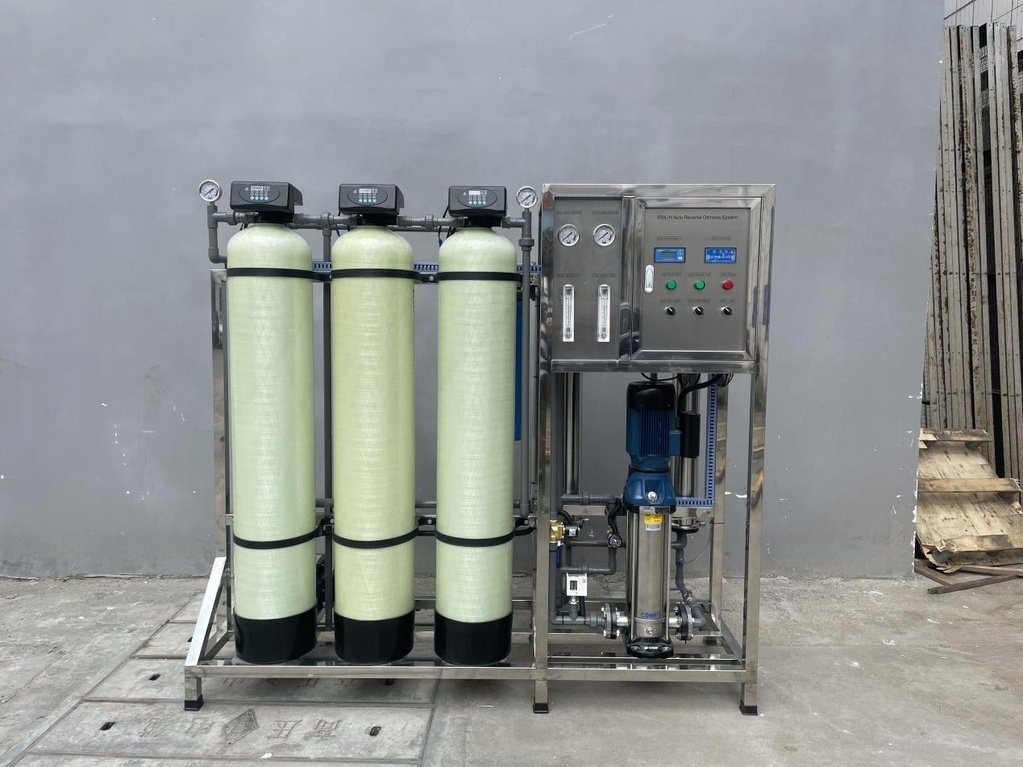
Les exigences strictes en matière d'osmose inverse dans les milieux industriels
Contrairement aux applications résidentielles, la clé d'une osmose inverse industrielle saine réside dans les exigences plus strictes en matière d'éléments membranaires et de conception du système. L'osmose inverse résidentielle ne doit répondre qu'aux normes de sécurité de l'eau potable, tandis que les applications industrielles doivent s'adapter aux besoins spécifiques de différents secteurs tels que la chimie, l'électronique, la pharmacie et l'énergie. Par exemple, l'industrie électronique a besoin d'une eau ultrapure pour garantir une production saine de puces, l'industrie pharmaceutique a besoin d'une eau stérile répondant aux normes pharmaceutiques et l'industrie énergétique a besoin d'une eau de faible dureté pour protéger les chaudières.

Cela implique que la conception des systèmes d'osmose inverse soit adaptée aux normes de qualité de l'eau et de santé de l'industrie, y compris les processus de prétraitement personnalisés et la sélection des éléments membranaires.
Le prétraitement, première ligne de défense
Si les ions de dureté, le chlore résiduel et les solides en suspension présents dans l'eau brute ne sont pas complètement éliminés, ils peuvent entraîner l'entartrage, l'encrassement et l'oxydation de la membrane d'osmose inverse. Cela ne nuit pas seulement à la santé de l'élément membranaire, mais réduit également l'efficacité de la production d'eau, augmente la consommation d'énergie et peut même entraîner une défaillance du système. En tant que fabricant, nous équipons chaque système de modules de prétraitement tels que la filtration multimédia, la filtration de sécurité et les dispositifs d'adoucissement afin d'éliminer avec précision les impuretés nocives, de prolonger la durée de vie de l'élément membranaire et de maintenir le bon fonctionnement du système à long terme.
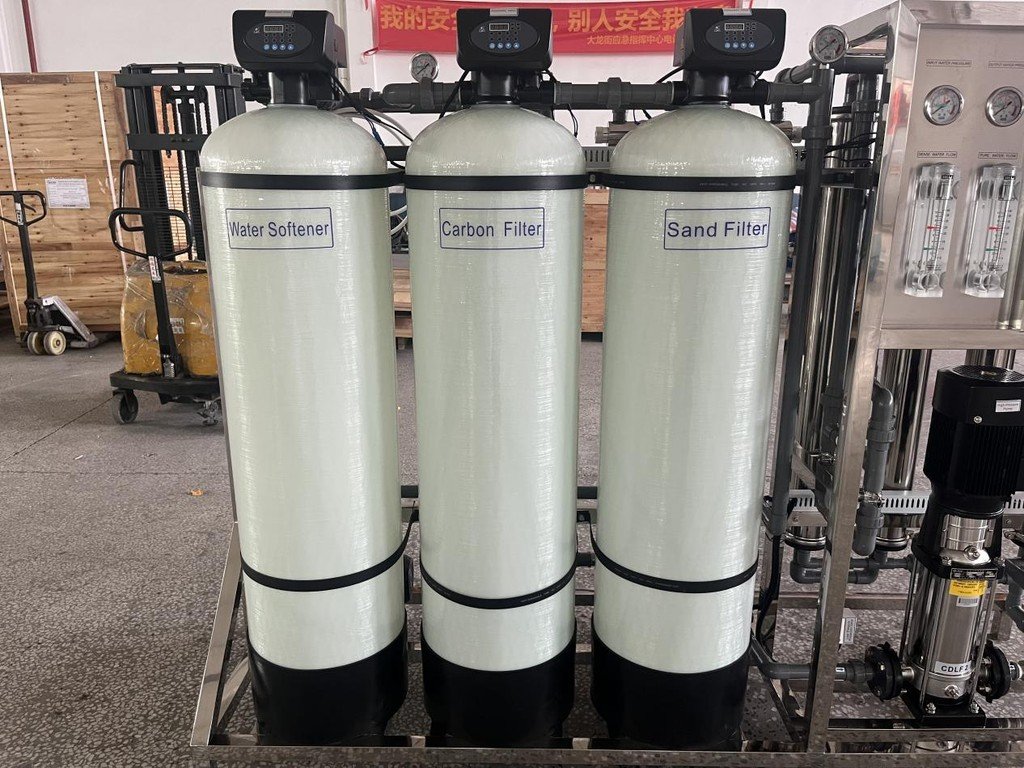
Santé des éléments membranaires
La santé des éléments membranaires détermine directement la stabilité continue d'un système d'osmose inverse. En tant qu'élément central, la membrane d'osmose inverse nécessite des éléments membranaires spécialisés qui résistent à l'encrassement, à la pression et à l'oxydation, sélectionnés en fonction de la qualité de l'eau brute et des exigences relatives à l'eau produite.
Pour les eaux brutes très dures et très polluées, nous utilisons des membranes résistantes à l'encrassement.
Pour les besoins en eau ultrapure, nous sélectionnons des membranes de haute précision et à basse pression, ce qui garantit une qualité d'eau conforme aux normes tout en réduisant la charge de fonctionnement du système.
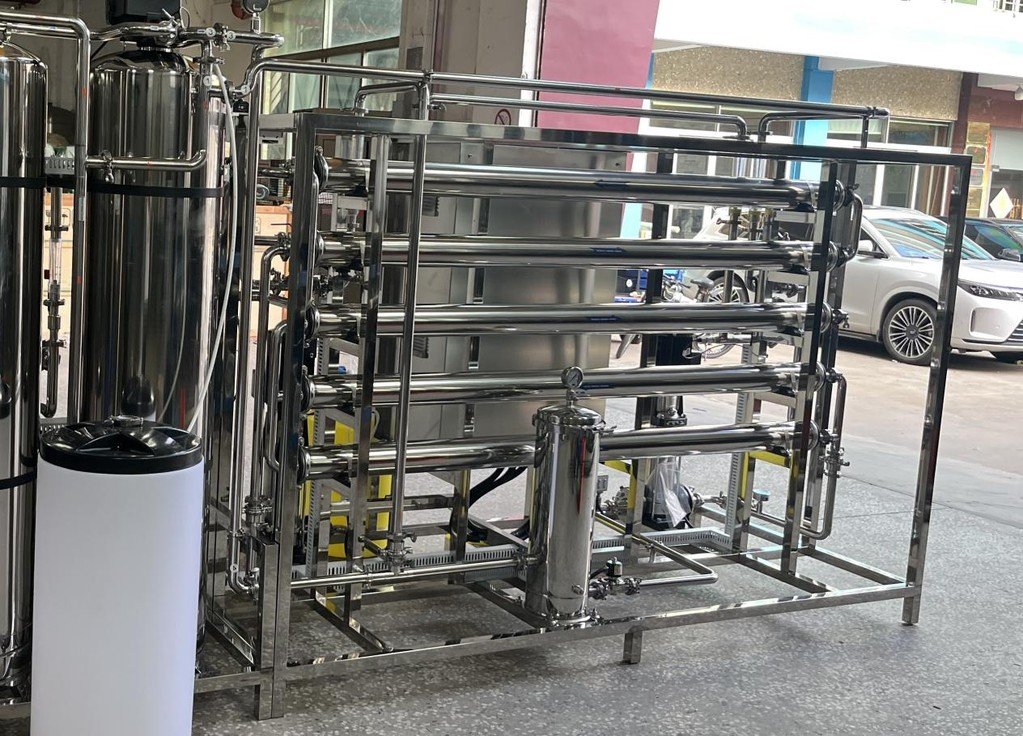
Par ailleurs, le nettoyage, la désinfection et le remplacement réguliers des éléments de la membrane sont également des étapes importantes dans le maintien de la santé de l'osmose inverse, et peuvent prévenir efficacement la baisse de la qualité de l'eau produite causée par l'encrassement de la membrane.
Protection de l'environnement et santé
La protection de l'environnement et la santé sont des exigences étendues de la santé par osmose inverse et sont également des exigences fondamentales pour une production conforme par les entreprises d'aujourd'hui. Les systèmes d'osmose inverse génèrent une certaine quantité de concentré pendant leur fonctionnement. Le rejet direct ne gaspille pas seulement les ressources en eau, mais peut également enfreindre les normes environnementales en raison de concentrations d'impuretés trop élevées. Lors de la conception de nos systèmes, nous les équipons de dispositifs de récupération des concentrés selon les besoins, en fonction de la situation du drainage. Grâce à la filtration et au traitement secondaires, nous améliorons le taux de récupération de l'eau, ce qui permet de recycler plus de 80% de ressources en eau dans certaines industries. Cela permet de réduire les coûts de l'eau pour les entreprises et d'obtenir une situation gagnant-gagnant en termes de bénéfices économiques et de santé écologique.
L'osmose inverse : des solutions saines adaptées à différents scénarios
Les exigences sanitaires en matière d'osmose inverse varient d'une industrie à l'autre, ce qui nécessite des solutions personnalisées.
- L'industrie chimique doit faire face à des impuretés corrosives, c'est pourquoi nous intégrerons une conception anticorrosion dans le système.
- L'industrie pharmaceutique doit respecter les normes GMP et les systèmes d'osmose inverse doivent être équipés de modules de désinfection aseptique.
- L'industrie électronique a des exigences extrêmement élevées en matière de pureté de l'eau et utilise des équipements EDI (électrodéionisation).
Cette capacité de personnalisation est précisément le cœur de la compétitivité des fabricants de systèmes de traitement de l'eau, qui garantissent la santé des systèmes d'osmose inverse.
Résumer
En résumé, la santé de l'osmose inverse est une combinaison organique d'une qualité d'eau saine, d'un fonctionnement sain du système et de la protection de l'environnement. Pour les entreprises, garantir la santé de l'osmose inverse permet d'améliorer efficacement la qualité des produits et de prolonger la durée de vie des équipements. Pour les fabricants, cela signifie créer des solutions complètes d'osmose inverse pour les entreprises tout au long de leur cycle de vie grâce à des éléments membranaires de haute qualité et à une conception scientifique du système.
Ce n'est qu'en respectant le principe de santé de l'osmose inverse que nous pourrons injecter une eau de qualité stable, sûre et efficace dans diverses industries.