In the field of industrial water treatment, reverse osmosis systems are core equipment for pure water production, wastewater reuse, and seawater desalination, widely used in numerous industries such as chemical, pharmaceutical, electronics, food processing, and power boiler feedwater. The International Water Association (IWA) recognizes RO as the most versatile and widely deployed membrane technology for industrial water treatment and reuse globally. However, a key concern for many buyers is “how much is a reverse osmosis system?”
Unlike household water purifiers with fixed pricing, industrial reverse osmosis systems are mostly customized equipment with no standardized price, resulting in significant market price variations, ranging from tens of thousands to tens of millions of US dollars. This article, based on the latest industry market conditions in 2026, comprehensively analyzes the price range, core influencing factors, and hidden costs of industrial reverse osmosis systems, providing buyers with equipment selection and reference.
How much is a reverse osmosis system
Firstly, based on specifications, industrial reverse osmosis systems can be divided into three categories: small, medium, and large. The pricing tiers for different specifications are clear, which can adapt to the needs of industrial production of different scales.
Small industrial reverse osmosis system
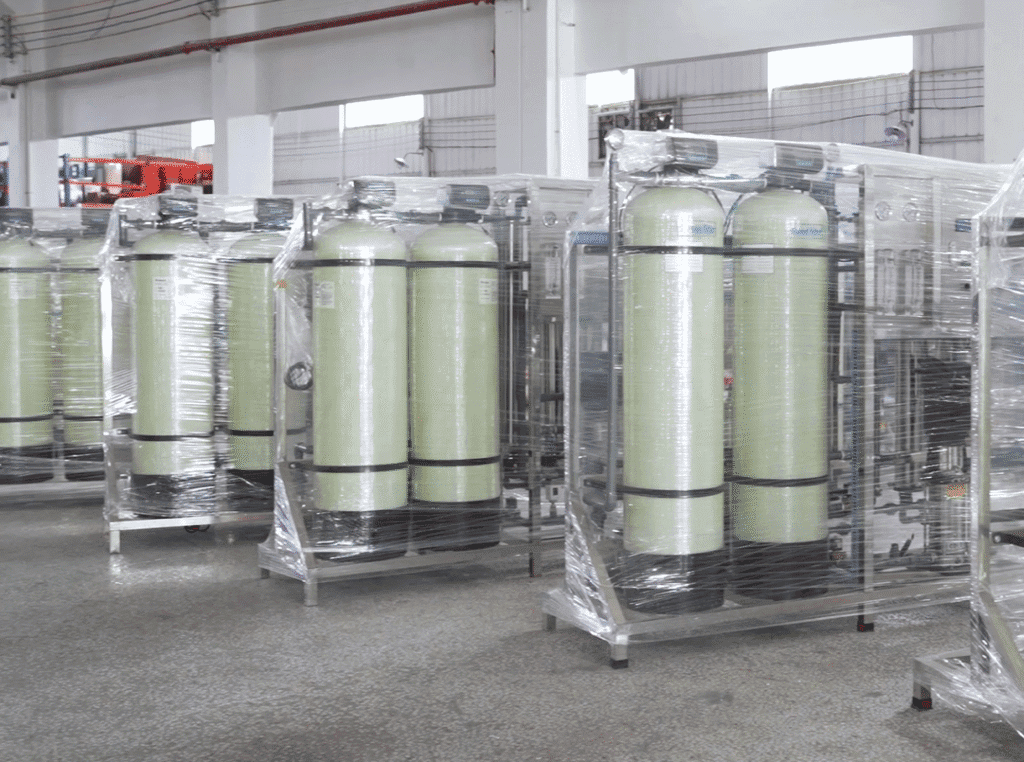
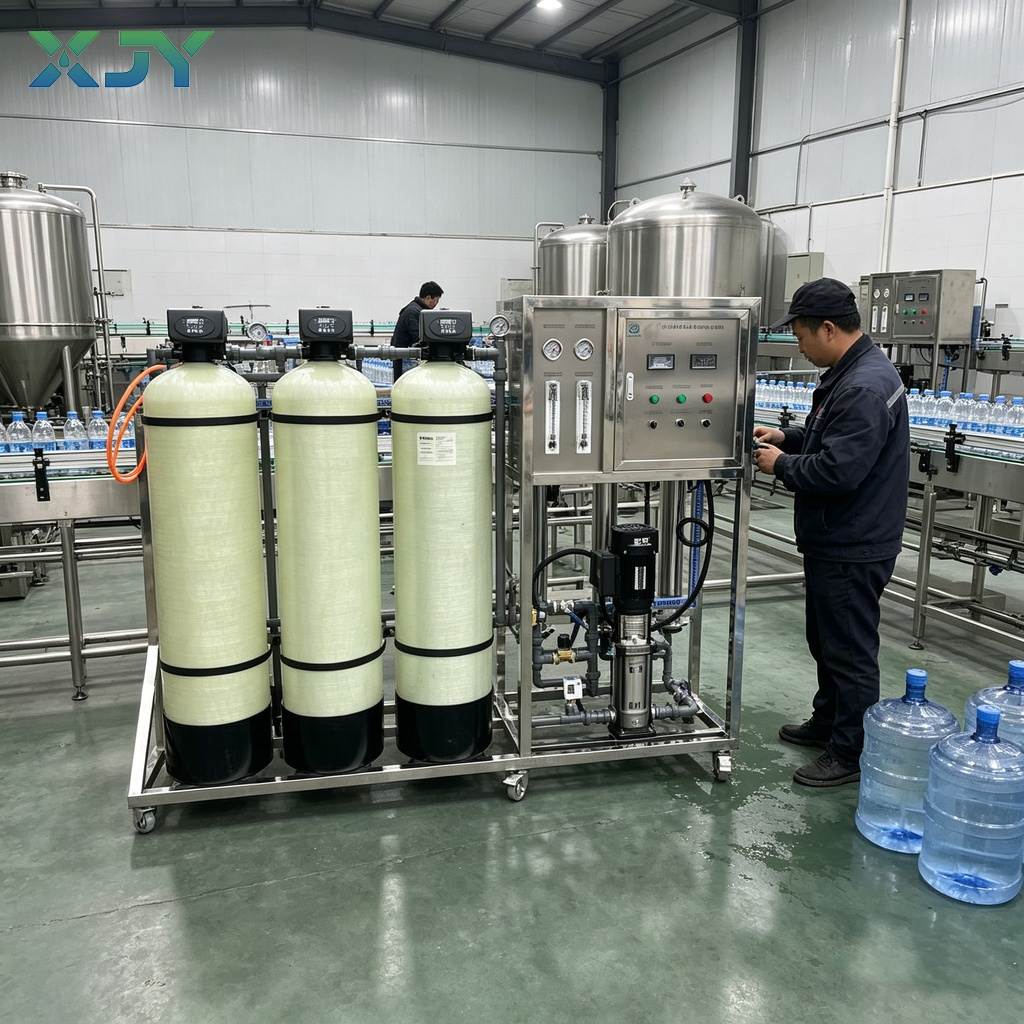
Small-scale industrial reverse osmosis systems produce 0.25-5 tons of water per hour, primarily suitable for small processing plants, laboratories, and small food factories with low water demand. The price of a complete system generally ranges from $1450 to $9600. These systems feature simple processes, often employing a single-stage reverse osmosis configuration with basic pretreatment modules and low automation. They meet general industrial water standards and are the most widely purchased basic equipment by overseas small and medium-sized enterprises.
Medium-sized industrial reverse osmosis system
Medium-sized industrial reverse osmosis systems, with a production capacity of 5-30 tons per hour, are currently the mainstream choice in the industrial market. They are suitable for medium to large-sized food processing plants, fine chemical plants, biopharmaceutical companies, electronic component manufacturers, and other enterprises with high requirements for water quality stability and output. This specification of equipment features more comprehensive configurations, often incorporating dual-stage reverse osmosis, a fully automatic control system, precision pretreatment, and post-filtration systems, resulting in higher water purification accuracy and stronger operational stability. The market price for a complete system generally ranges from US$10,000 to US$42,000, with specific prices varying depending on component brands, automation levels, and customized processes. Compared to smaller equipment, medium-sized systems offer significantly upgraded durability, anti-fouling capabilities, and intelligence, making them suitable for long-term continuous industrial production operations and offering excellent overall cost-effectiveness.
Large industrial reverse osmosis system
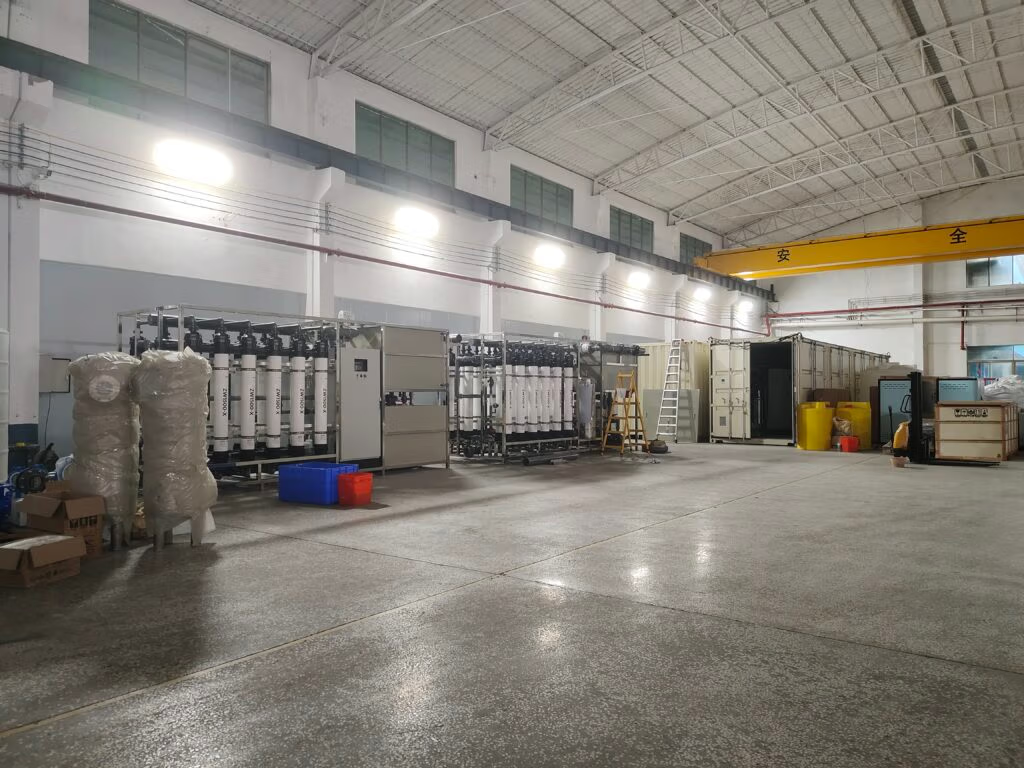
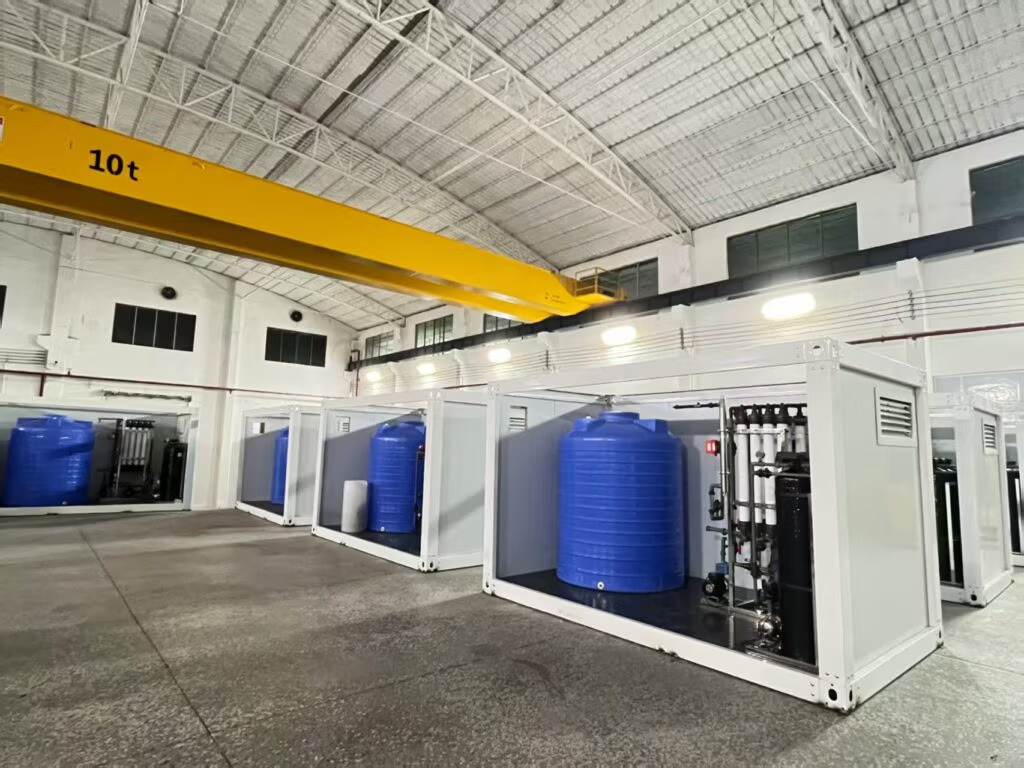
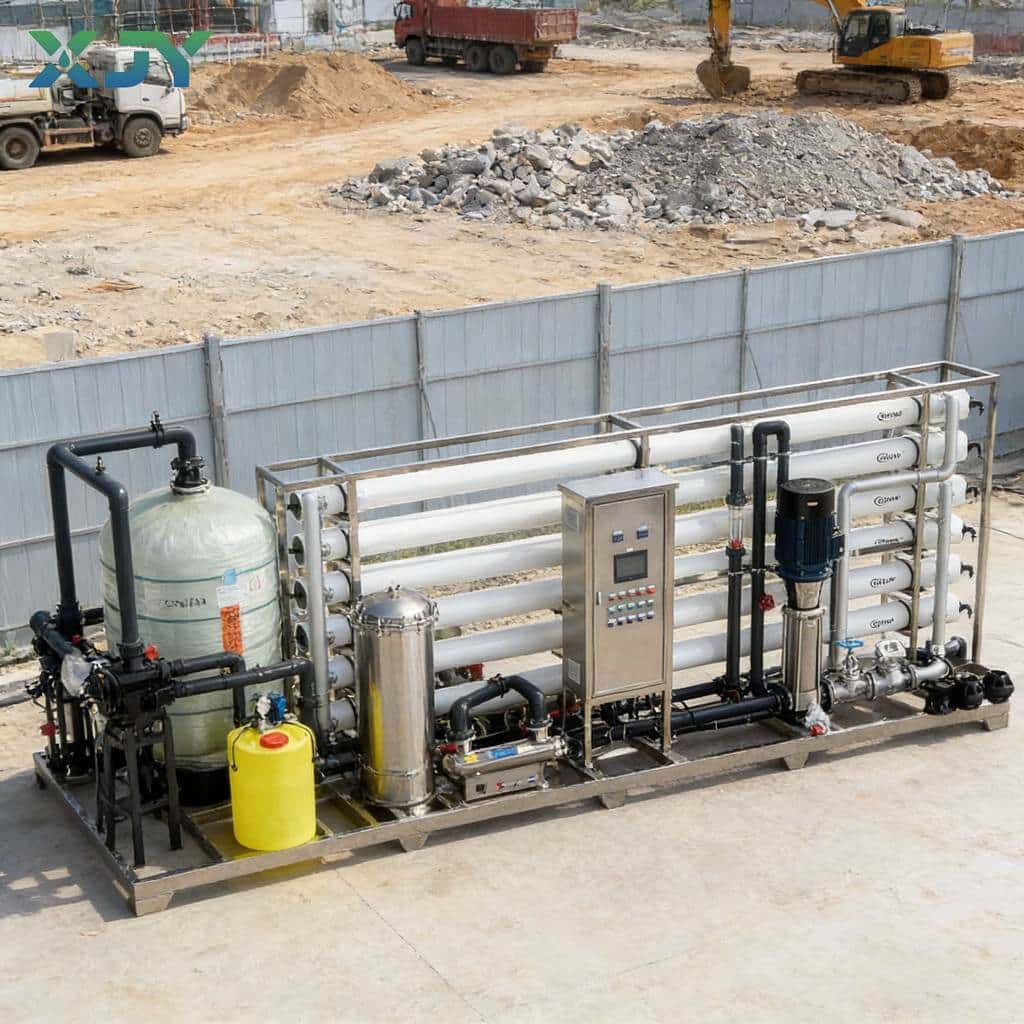
Some ultra-large-scale seawater desalination and industrial park wastewater reuse equipment can produce over 100 tons of water per hour, primarily serving large chemical bases, power plants, large-scale seawater desalination projects, and centralized industrial wastewater treatment and reuse projects. This type of equipment belongs to large-scale complete water treatment engineering systems, employing an integrated design and equipped with intelligent monitoring systems, multi-channel purification modules, high-voltage protection systems, and fully automated operation and maintenance systems. It can achieve 20 hours of uninterrupted stable operation and is suitable for complex raw water conditions such as high salinity, high turbidity, and high pollution. Its price ranges widely, with conventional 30-100 tons/hour large-scale equipment priced between US$45,000 and US$180,000, while high-end customized equipment for special operating conditions is even more expensive.
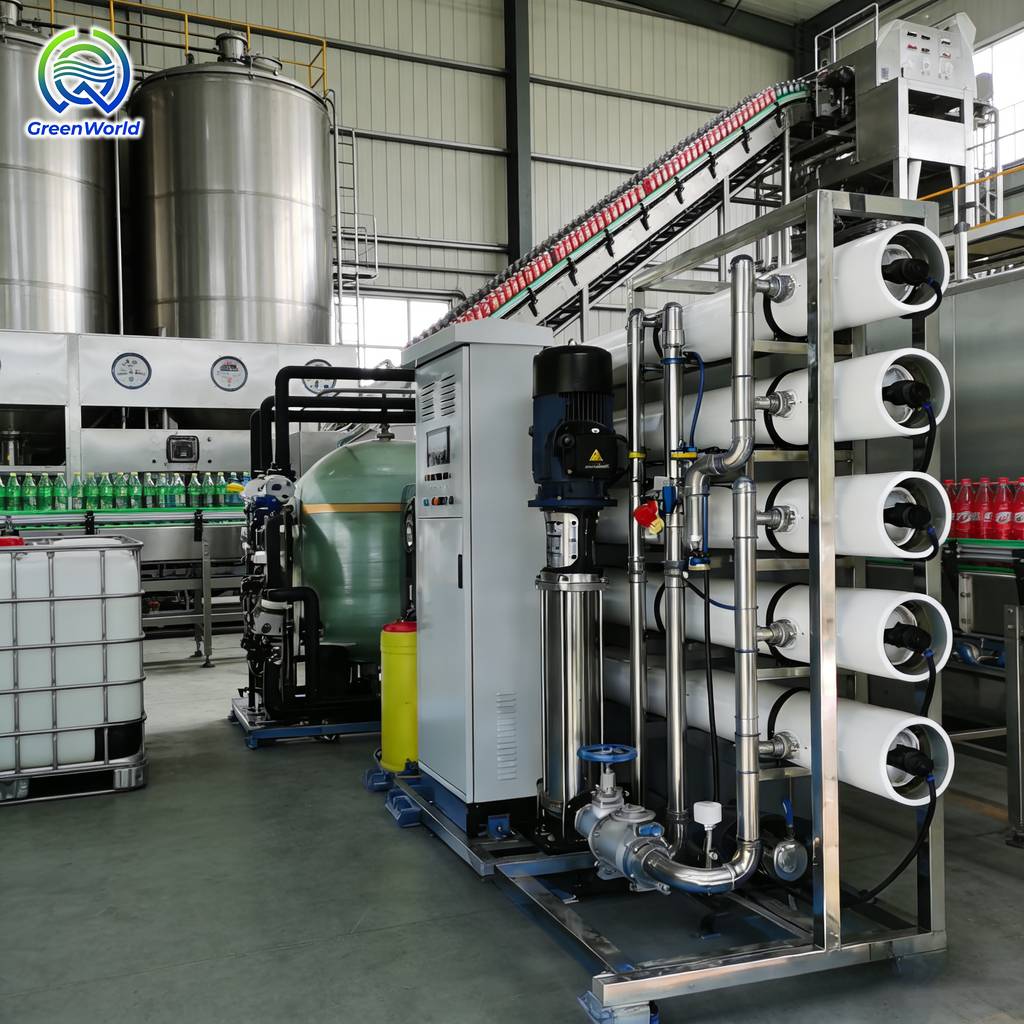
Factors affecting the price of reverse osmosis systems
Besides equipment specifications and water production capacity, differences in core configurations are the key factors that widen the gap in dollar prices, and are also the most easily overlooked cost points during procurement.
- First, there are the core membrane elements. The price of reverse osmosis membranes from major brands is much higher than that of unknown brands. The price difference for a single membrane element can be hundreds to thousands of dollars, which directly affects the filtration accuracy, service life and maintenance costs of the entire system.
- Secondly, the equipment material is important. Frames, pipes and tanks made of industrial-grade 304 stainless steel and 316L stainless steel cost 20%-40% more than ordinary carbon steel and PVC materials. They are more resistant to corrosion and aging, and are suitable for complex overseas environments with high temperature, high humidity and high corrosion.
- Automation configuration is also an important pricing factor. Basic semi-automatic equipment only supports manual start/stop and simple filtering operation, and its price is relatively low.
- The fully automatic intelligent model is equipped with a PLC intelligent control system, online water quality monitor, automatic cleaning, pressure warning, and remote operation and maintenance functions. It requires no manual operation, which greatly reduces labor costs and failure losses. The price will increase by US$2,000-4,500, making it more suitable for use in modern industrial production lines.
In addition, the availability of additional configurations such as pretreatment softening system, activated carbon filtration, precision security filtration, concentrated water recovery device, and sterilization module will directly increase or decrease the total price of the equipment.
Hidden costs of implementing reverse osmosis systems
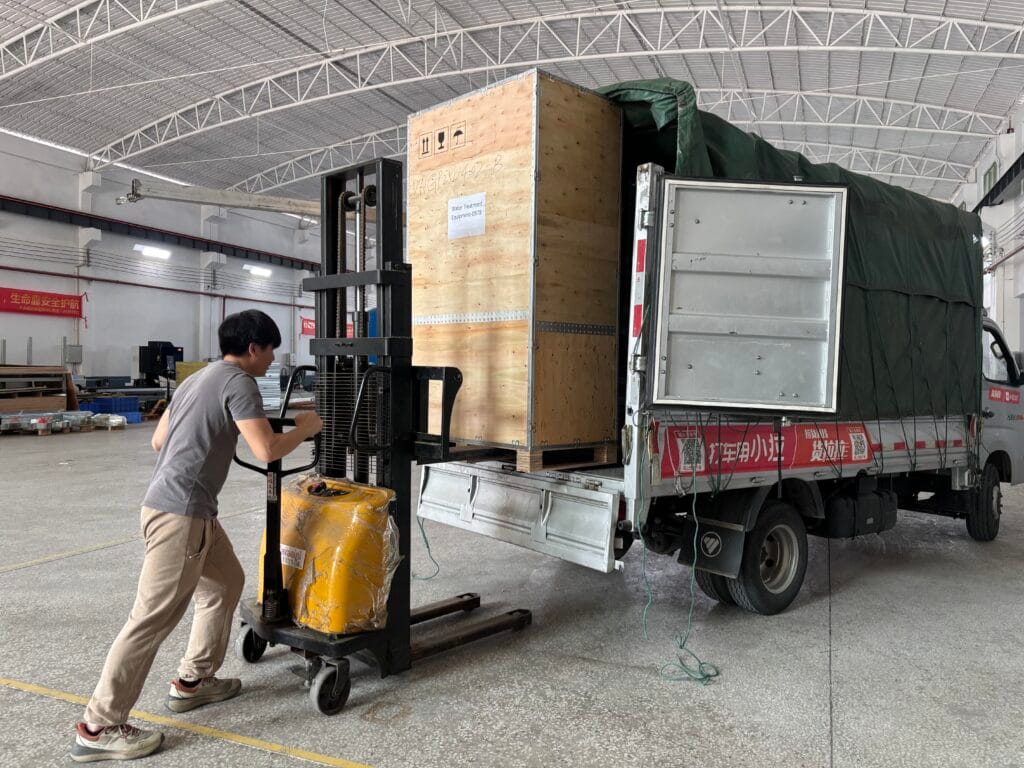
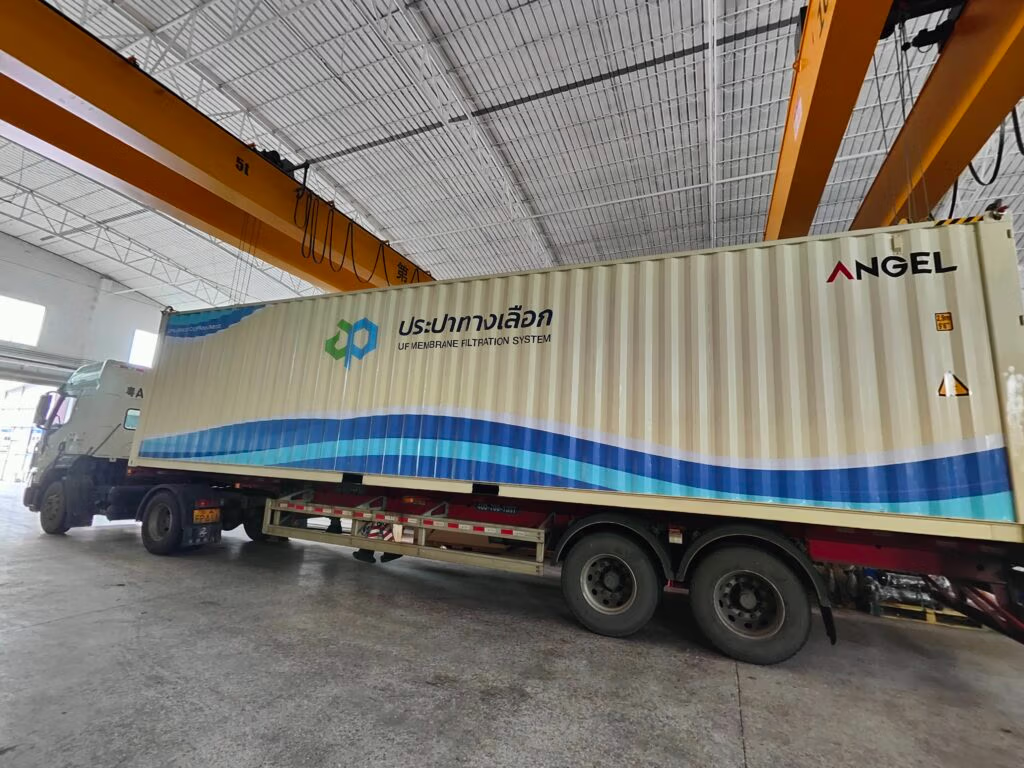
Many buyers focus solely on the bare unit price of the equipment, neglecting hidden costs and leading to budget overruns. The total cost of a complete industrial reverse osmosis system includes not only the equipment itself but also transportation and logistics fees, customs clearance costs, overseas on-site installation and commissioning fees, technical training fees, warranty and after-sales service fees, and annual maintenance and consumable costs.
The additional costs of overseas deployment for typical small to medium-sized equipment account for approximately 10%-15% of the bare unit price, while for large-scale projects, installation and maintenance costs can reach 20%. Furthermore, the annual cost of replacing membrane elements, filter cartridges, booster pumps, and other consumables ranges from approximately $1,000-$3,000 per year for small equipment and $3,000-$15,000 per year for medium to large equipment. Therefore, long-term maintenance costs must be included in the overall budget during procurement.
Recommendations for high-performance reverse osmosis systems
Based on the market situation in 2026, there is no fixed price for industrial reverse osmosis systems, and the procurement and selection should follow the principle of “matching according to needs”.
- The small, basic model focuses on high cost-effectiveness and is suitable for start-up small factories.
- The medium-sized fully automatic model is suitable for most industrial production scenarios and is a mainstream, essential product in the market.
- Large-scale customized equipment focuses on large-scale industrial engineering and special water treatment scenarios.
When purchasing equipment, we do not need to blindly pursue expensive imported high-end equipment. Instead, we can combine our own raw water quality, water production needs, water use standards, and operating conditions to match the corresponding water production volume, materials, and automation configuration. This will allow us to control the budget while ensuring the stable and efficient operation of the water treatment system and reducing subsequent maintenance costs.
If you need a reverse osmosis system, please feel free to contact us for a quote.