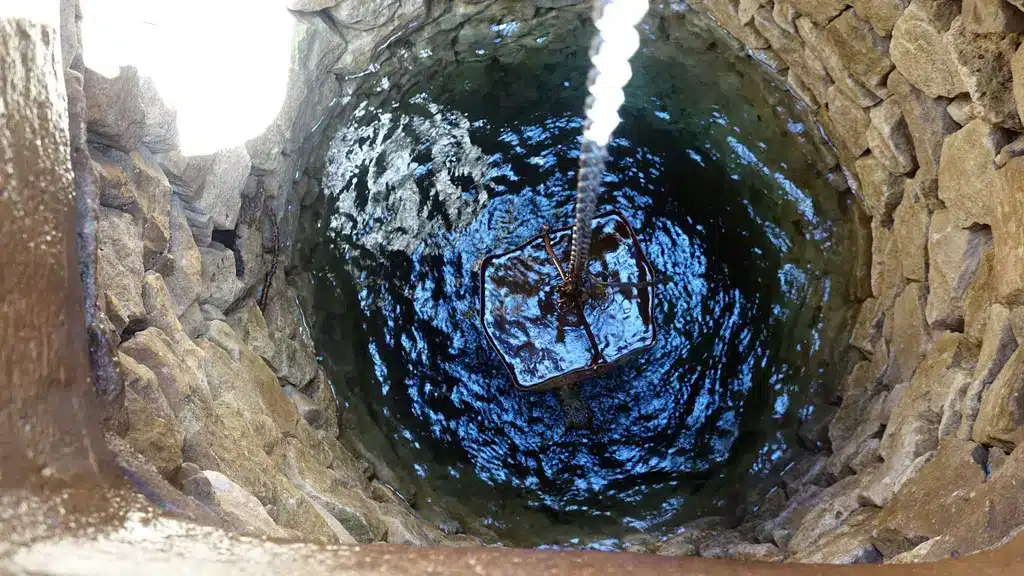
Compared to municipal tap water, well water is drawn from deep underground. Although well water is clear and free from secondary pollution, it generally suffers from high hardness, excessive iron and manganese content, high levels of silt and impurities, and a complex mixture of minerals. The EPA Ground Water program provides detailed guidance on common well water contaminants — including iron, manganese, hardness, and nitrates — and the treatment methods proven to address them. Therefore, ordinary water purification equipment struggles to filter out heavy metals, scale ions, and other contaminants from well water. A reverse osmosis system for well water can effectively purify well water, transforming it into clean water that meets drinking and domestic standards. For a well water reverse osmosis system to operate stably, it’s essential to master scientific installation, commissioning, daily operation, and maintenance methods. This article will explain the correct usage guidelines for well water reverse osmosis equipment in four key aspects.
1. The role of the reverse osmosis system for well water
Well water, being groundwater, has significantly different characteristics from surface water, which is a core reason why ordinary water purification equipment is prone to malfunction. Groundwater flowing through rock and soil layers dissolves large amounts of calcium, magnesium, iron, and manganese ions. Prolonged use of non-dedicated water purification equipment can easily lead to filter clogging, membrane scaling, and substandard effluent quality. In particular, the ferrous ions in well water oxidize and form colloidal precipitates on the membrane surface, rapidly contaminating the membrane components and drastically shortening the equipment’s lifespan.
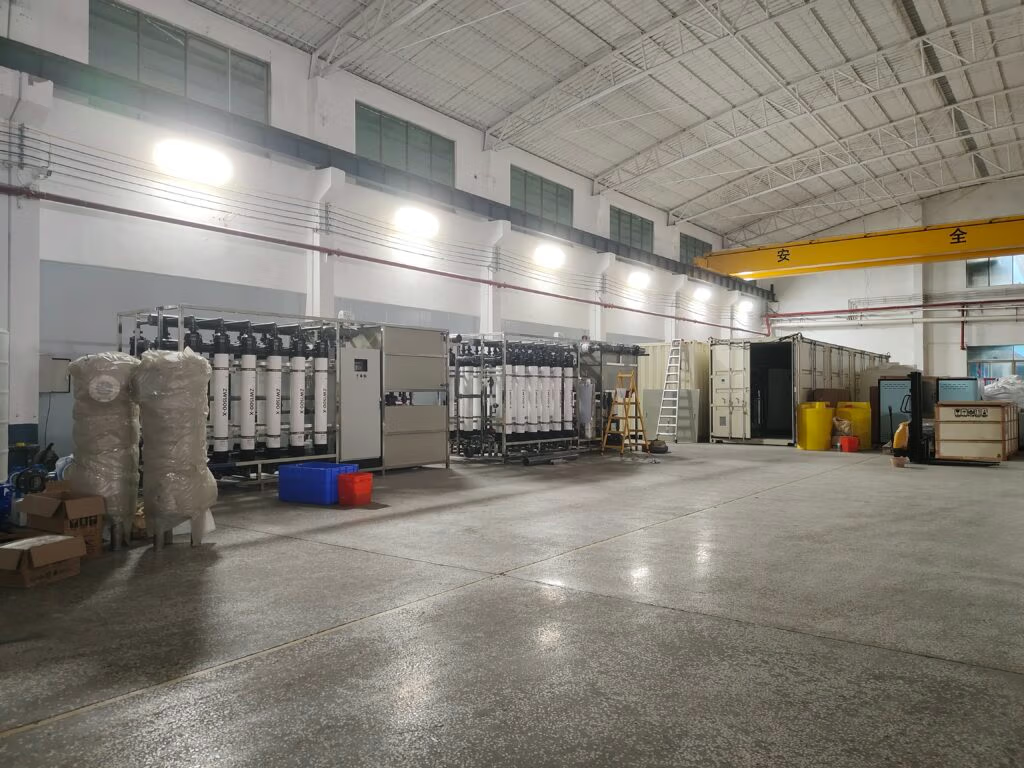
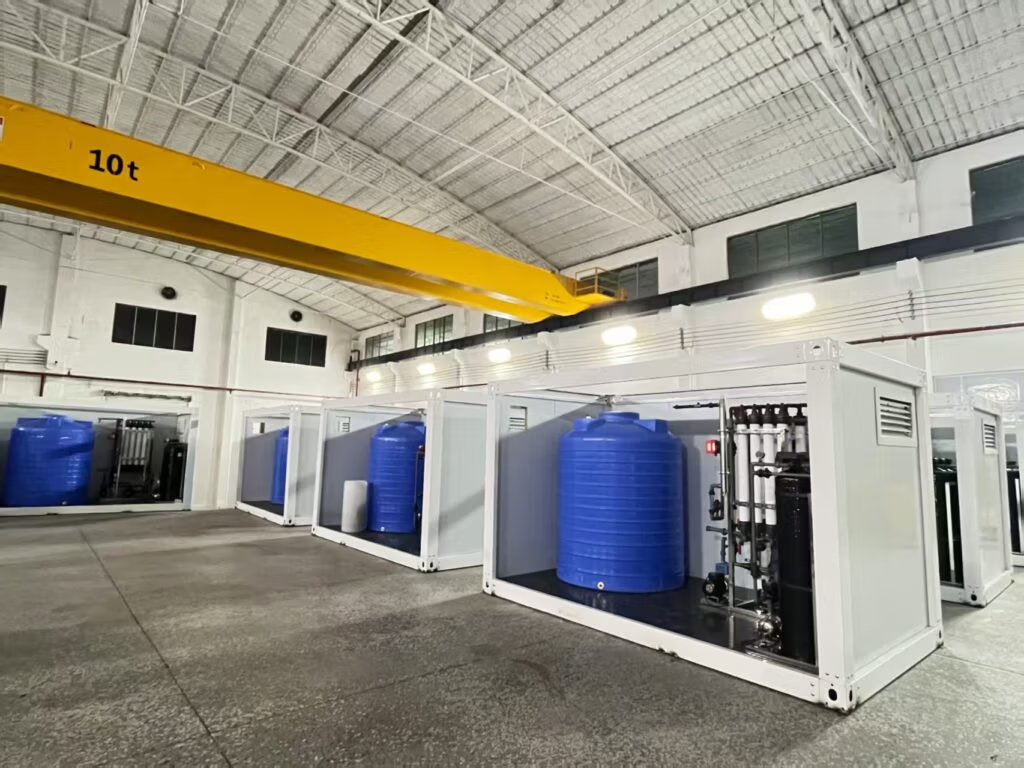
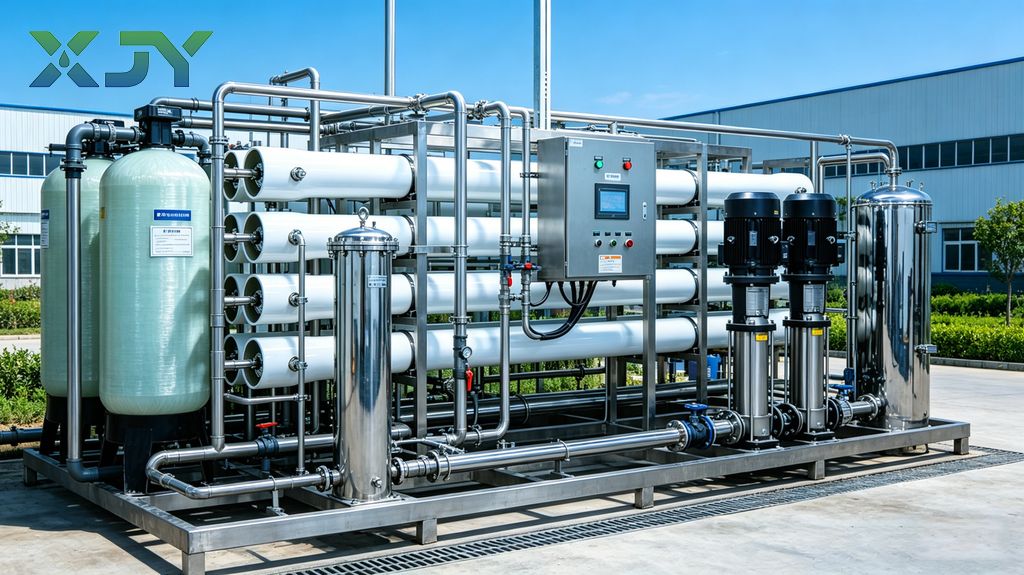
The reverse osmosis system for well water is a specialized water purification system that has been optimized for specific applications. It is equipped with a multi-stage pre-treatment device that can intercept sediment, adsorb residual chlorine, and inhibit scale formation in advance. Then, through the high-precision 0.0001-micron RO membrane filtration, it can thoroughly remove harmful substances such as heavy metals, bacteria, and scale ions from the water.
2. Installation and commissioning of reverse osmosis system for well water equipment
First, we need to conduct preliminary water quality testing and equipment selection. Before formal installation, we need to test the TDS value, hardness, iron and manganese content, and sediment concentration of the well water. If the iron ion content of the well water exceeds 0.3 mg/L, a pre-filter for removing iron and manganese must be installed. If the water hardness is high, a scale inhibitor dosing device or a water softener is required. Simultaneously, we need to select a reverse osmosis system with an appropriate flux based on water usage requirements, choosing suitable equipment for different scenarios.
Secondly, we need to install a multi-stage pretreatment system according to regulations. The core protection of a well water reverse osmosis system lies in pretreatment, and the standard procedure is as follows:
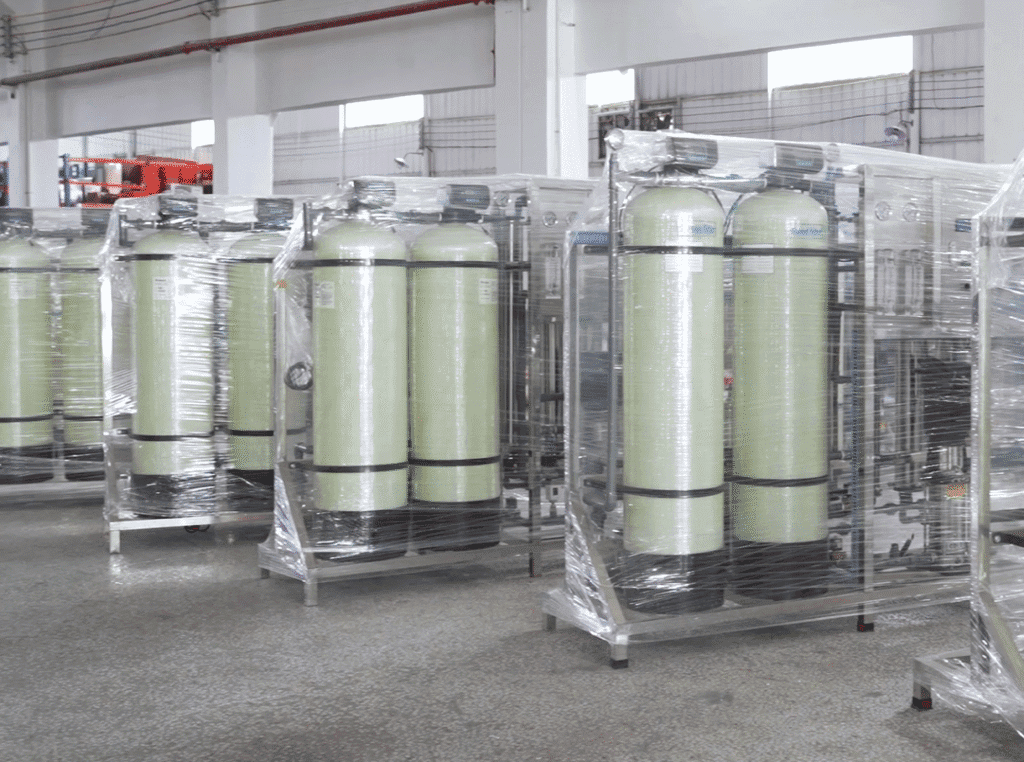
Raw water inlet → Multi-media filter → Activated carbon filter → 5μm precision filter → Reverse osmosis unit.
The multi-media filter intercepts cement, sand, and suspended solids from the well, reducing water turbidity. The activated carbon filter adsorbs odors, residual chlorine, and some organic matter in the water, preventing oxidative damage to the RO membrane. The precision filter, as the final pre-filter, intercepts fine impurities, providing comprehensive protection for the core RO membrane.
Finally, the reverse osmosis system for well water is commissioned and its parameters are calibrated. After the equipment is installed, first check the sealing of each pipe interface and the status of the valves. The inlet valve should be fully open, and the concentrate valve adjusted to a moderate opening to avoid high pressure impacting the membrane elements. Slowly start the equipment to purge air from the pipes, gradually increasing the operating pressure to the standard value, and run it continuously for 30 minutes until the system stabilizes. Then, use a TDS meter to test the effluent water quality. The standard TDS for household drinking water should be ≤50mg/L. Simultaneously observe whether the water pressure and flow are stable. If there are no leaks or abnormal noises, the commissioning is considered successful.
3. Operation of the reverse osmosis system for well water equipment
Proper operation of the reverse osmosis system for well water can reduce equipment malfunctions and maintain high-efficiency water purification. Daily startup requires no complicated procedures. Simply turn it on after confirming the power supply and water supply are normal. The well water reverse osmosis system will automatically complete the water intake, filtration, and purified water storage process. It is recommended to activate the automatic flushing function on the first startup each day to flush away trace impurities deposited in the pipes and prevent them from clogging the filter cartridges.
Shutdown requires specific procedures depending on the scenario.
For short-term shutdowns (within 48 hours), there is no need to disconnect the power. Keep the equipment in standby mode to maintain a small amount of water circulation in the pipes and prevent the membrane elements from drying out and failing.
For long-term shutdowns, close the inlet valve, drain the water from the pipes and pressure tank, start the flushing program to clean the membrane components, and then turn off the main power. If the ambient temperature is below 5°C, completely drain any remaining water to prevent the pipes from freezing and cracking.
During daily use, avoid overloading the equipment. Do not arbitrarily adjust the high-pressure pump pressure or the concentrate valve to prevent system parameter imbalances and a decrease in desalination rate.
4. Maintenance techniques for reverse osmosis systems for well water
Well water has a higher impurity content, causing well water reverse osmosis (RO) equipment to wear out faster than ordinary tap water purification equipment, making regular maintenance crucial.
Firstly, filter cartridges should be replaced regularly. Pre-filters (PP cotton and activated carbon) should be replaced every 3-6 months, but this should be shortened to 2-3 months for well water with high sediment content. Precision filter cartridges should be replaced approximately every 6 months. The core RO membrane should be replaced every 1-2 years, depending on water quality. Regular filter replacement prevents water quality deterioration and membrane element damage.
Secondly, regular cleaning and parameter monitoring are essential. Check the pretreatment filter’s condition quarterly and backwash the multi-media filter to remove accumulated impurities. Test the system’s desalination rate, water pressure, and flow parameters every six months. If the system flux or desalination rate decreases by 10%-15%, or if the inter-stage pressure difference increases significantly, the RO membrane should be chemically cleaned promptly to restore its purification performance. Simultaneously, regularly clean the equipment body and pipe surfaces, ensuring a well-ventilated and dry operating environment, ideally maintained between 5℃ and 40℃.
Quick troubleshooting and handling of common minor faults
Common problems encountered during the daily use of reverse osmosis systems for well water include deteriorating water quality, reduced water flow, and abnormal noises from the equipment. We can quickly troubleshoot and resolve these issues ourselves.
- Excessive TDS in the effluent and poor taste are mostly due to a failed pre-filter or a fouled RO membrane. Replacing the pre-filter and then flushing the equipment should improve the situation. If this is ineffective, the RO membrane needs to be cleaned or replaced.
- If the water flow is weak or the water pressure is insufficient, it is most likely due to a clogged filter or scale buildup in the pipes. Check and replace the clogged filter and unclog the pipes.
- Abnormal noises during equipment operation are mostly caused by air intake in the pipeline or unstable water pressure. Restarting the equipment to vent air and fine-tuning the valve opening can solve the problem.
Summarize
The core of using a reverse osmosis system for well water lies in adapting the pretreatment configuration to the well water quality, standardized installation and commissioning, and routine maintenance.
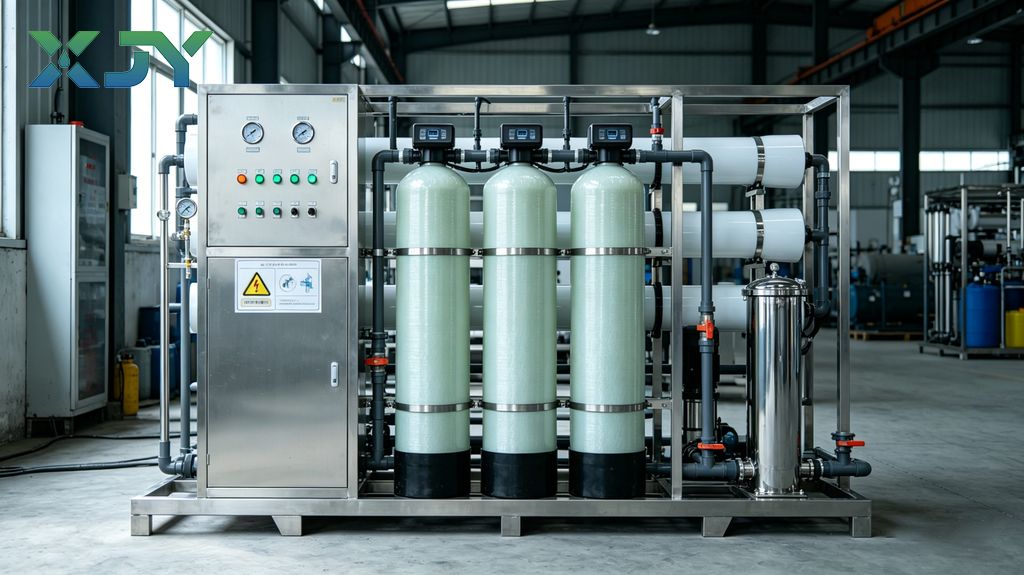
Unlike ordinary water purification equipment, it is specifically designed to protect against the high hardness, numerous impurities, and iron and manganese content of well water. Standardized daily operation, regular replacement of consumables, and timely troubleshooting ensure that the equipment continuously produces clean and safe drinking water and significantly extends its lifespan. If you have any further questions about reverse osmosis equipment for well water, please feel free to contact us for answers.