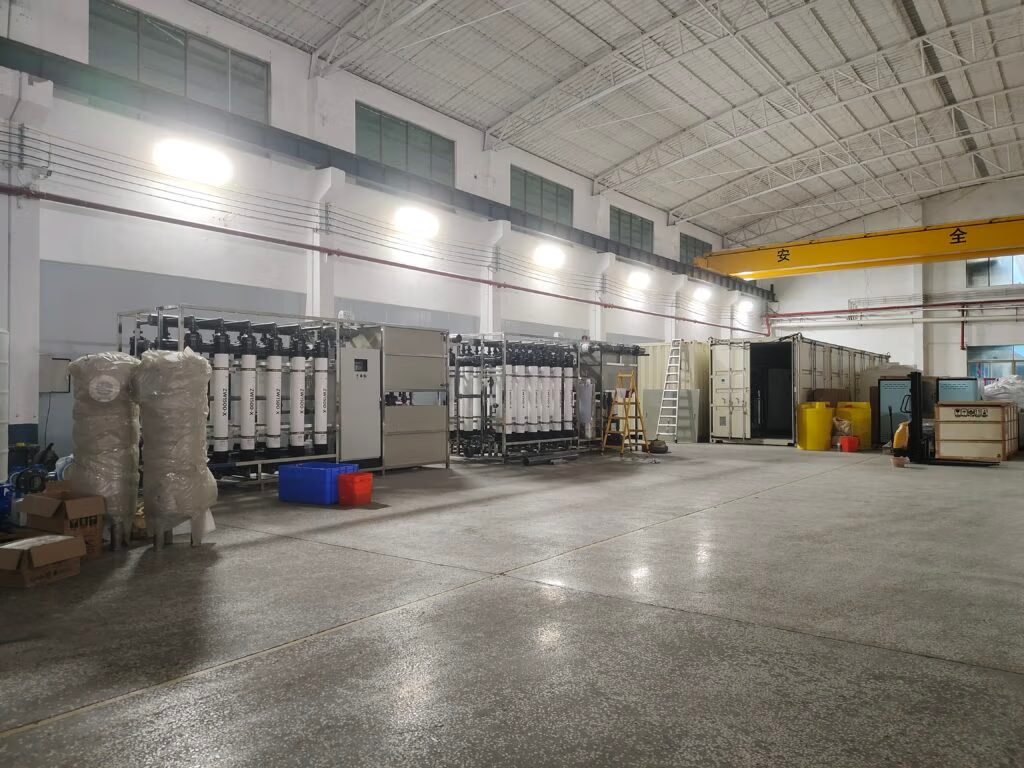
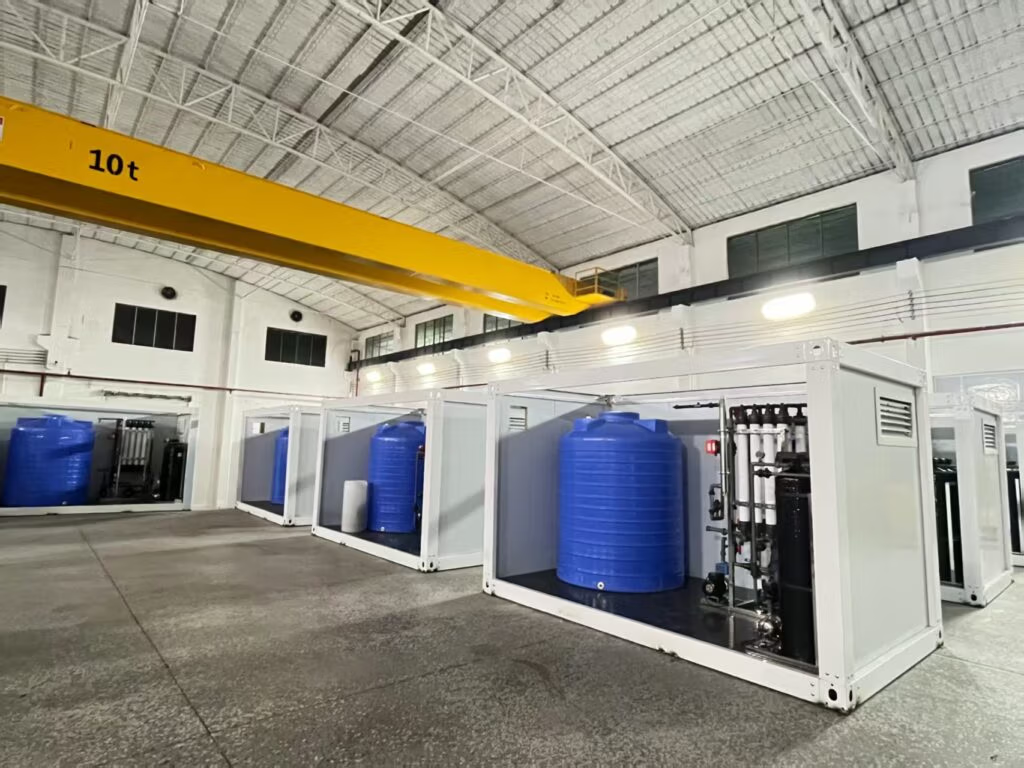
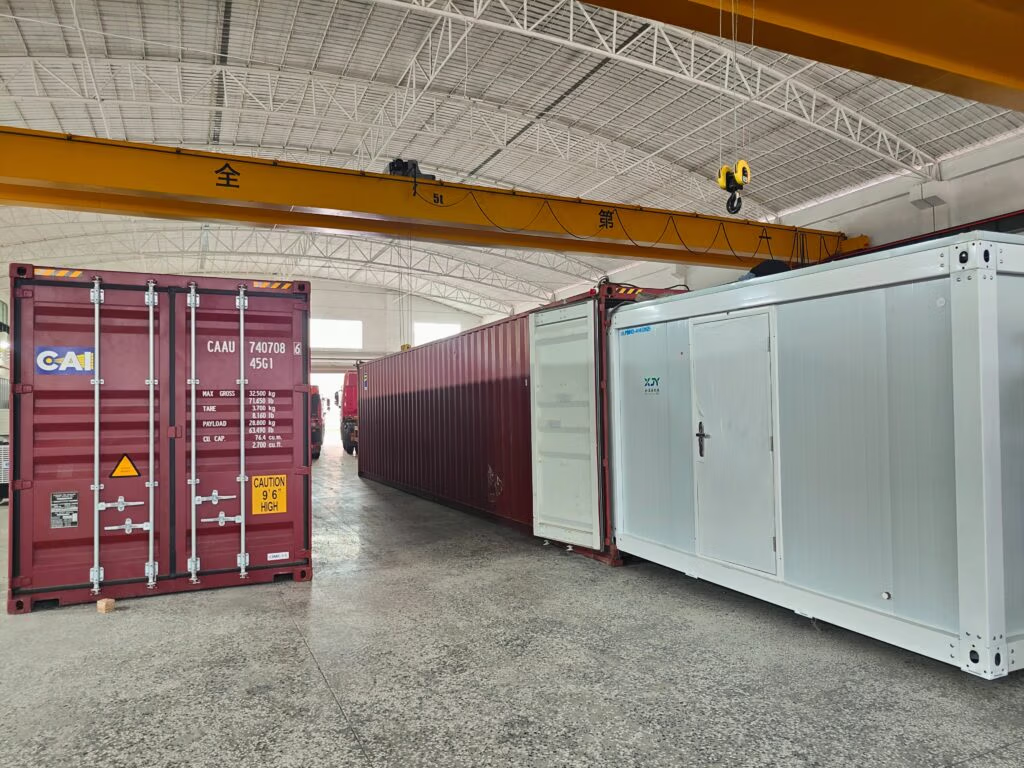
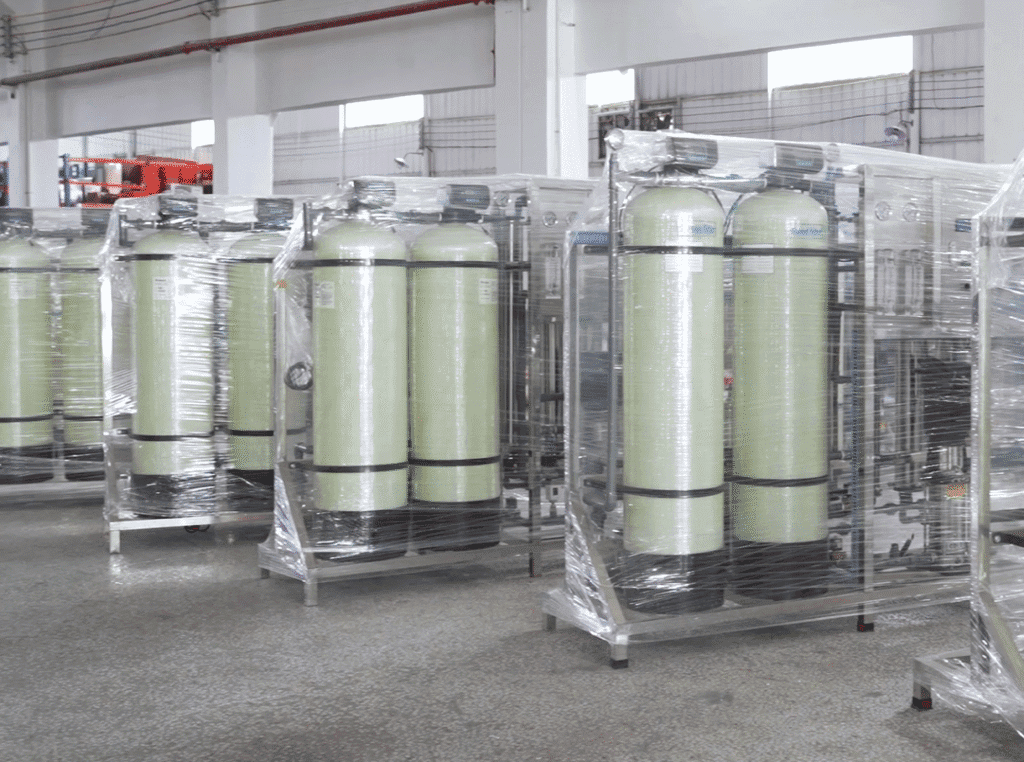
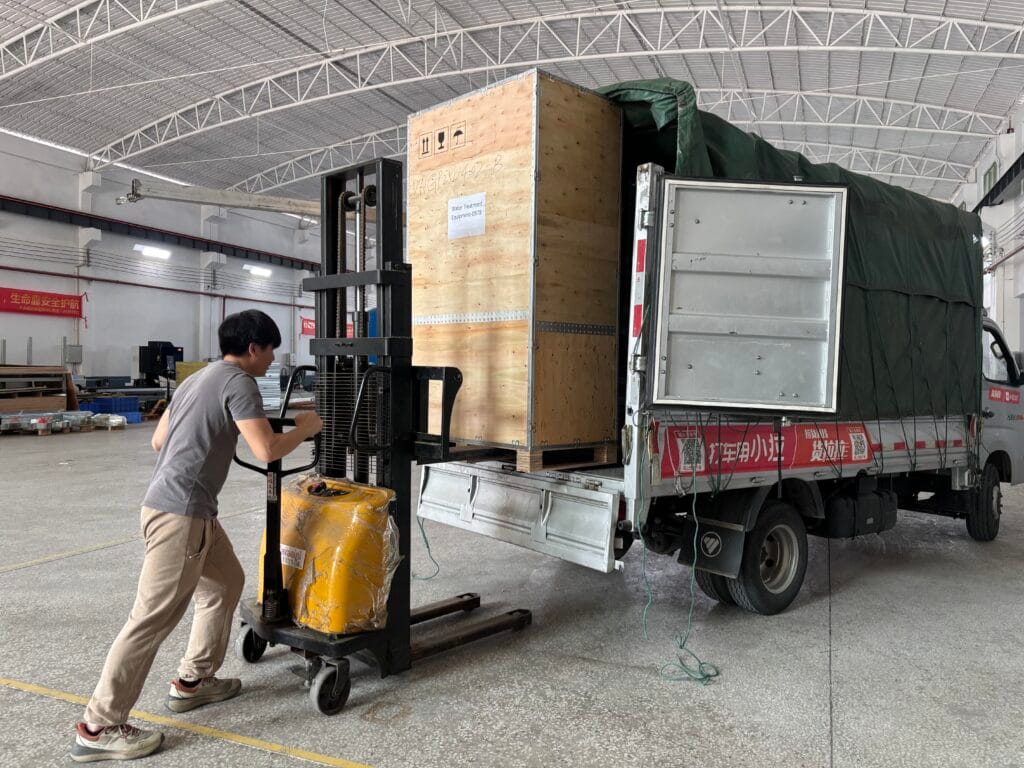
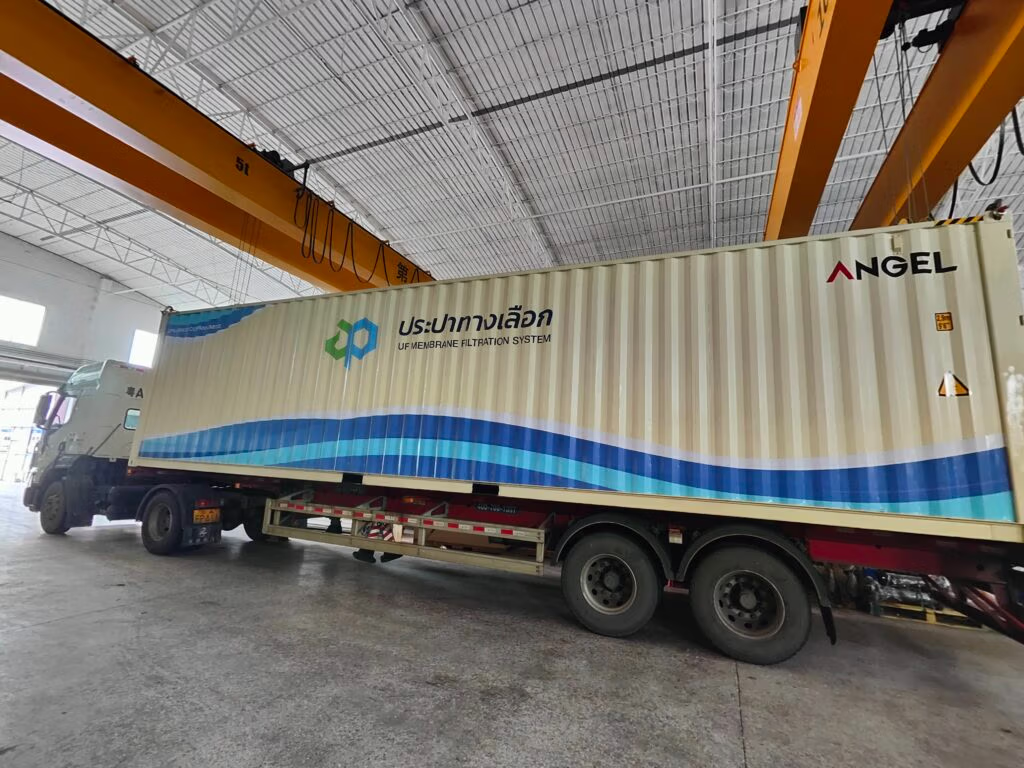
Osmosis terbalik yang sehat mencakup serangkaian indikator yang komprehensif, termasuk kebersihan air, stabilitas operasional sistem, dan kepatuhan terhadap peraturan lingkungan. Hal ini Pedoman WHO untuk Kualitas Air Minum menjadi acuan internasional mengenai kriteria air yang aman dan sehat yang dihasilkan oleh sistem pemurnian berbasis membran. Sebagai produsen sistem pengolahan air industri, kami menyadari bahwa hanya dengan memastikan kesehatan seluruh sistem osmosis terbalik rantai kita dapat meletakkan dasar yang kuat untuk kualitas air dalam produksi perusahaan. Hari ini, kita akan mulai dengan skenario industri untuk menguraikan elemen-elemen inti dan perlindungan untuk kesehatan reverse osmosis.
Prasyarat inti untuk kesehatan reverse osmosis
Premis inti dari reverse osmosis sehat adalah mencapai kualitas air yang sehat melalui penyaringan yang tepat. Air baku industri memiliki komposisi yang kompleks, tidak hanya mengandung kotoran fisik seperti lumpur dan padatan tersuspensi, tetapi juga polutan yang berpotensi berbahaya seperti logam berat, bahan organik, dan mikroorganisme. Jika kotoran ini masuk ke dalam proses produksi, mereka tidak hanya akan mempengaruhi kualitas produk tetapi juga menimbulkan korosi pada peralatan dan memperpendek masa pakai pipa. Sistem reverse osmosis, melalui elemen membran presisi tinggi, dapat menghilangkan lebih dari 97% kotoran berbahaya, memastikan kualitas air yang sehat dari sumbernya.
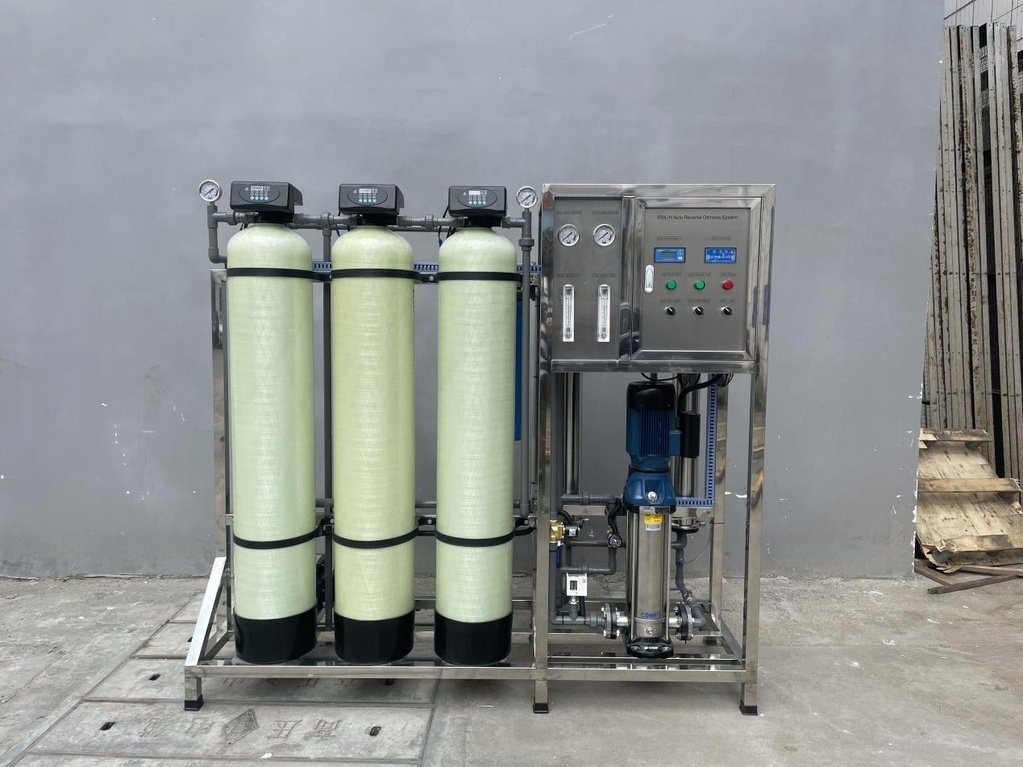
Persyaratan ketat untuk reverse osmosis yang sehat dalam pengaturan industri
Tidak seperti aplikasi perumahan, kunci kesehatan reverse osmosis industri terletak pada persyaratan yang lebih ketat untuk elemen membran dan desain sistem. Reverse osmosis perumahan hanya perlu memenuhi standar keamanan air minum, sedangkan aplikasi industri harus beradaptasi dengan kebutuhan spesifik industri yang berbeda seperti kimia, elektronik, farmasi, dan listrik. Misalnya, industri elektronik membutuhkan air ultra murni untuk memastikan produksi chip yang sehat, industri farmasi membutuhkan air steril yang memenuhi standar farmasi, dan industri listrik membutuhkan air dengan kekerasan rendah untuk melindungi boiler.

Hal ini mengharuskan desain sistem osmosis balik disesuaikan dengan standar kualitas air dan kesehatan industri, termasuk proses pra-perlakuan yang disesuaikan secara khusus serta pemilihan elemen membran.
Garis pertahanan pertama pra-perawatan
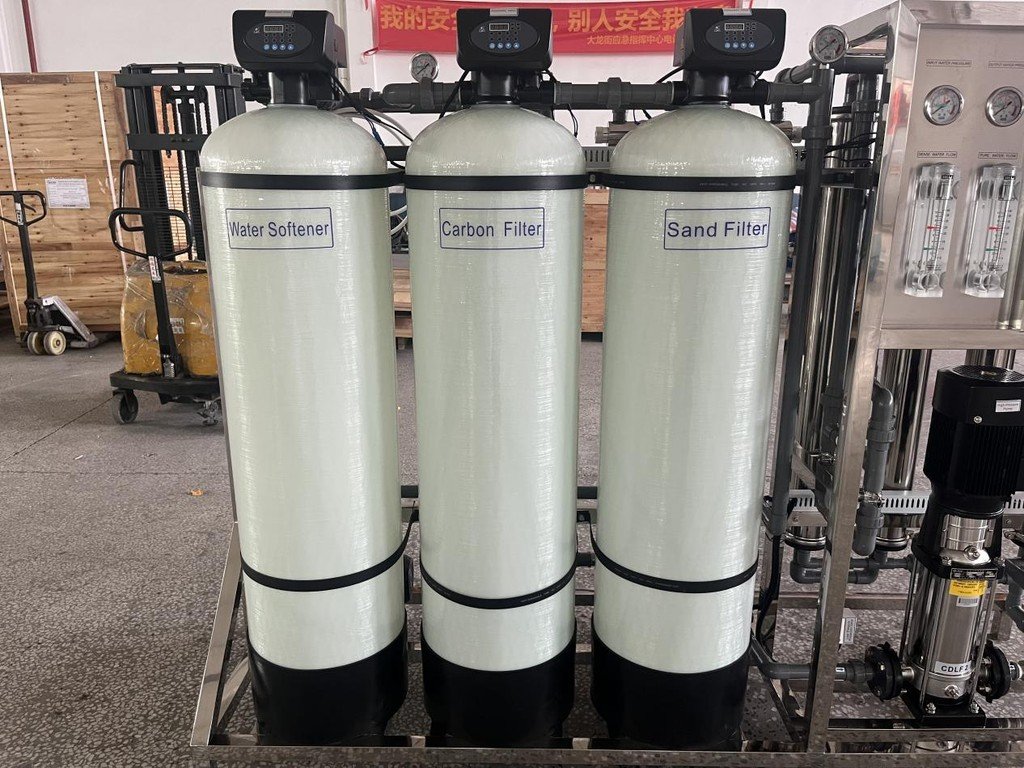
Jika ion kesadahan, sisa klorin, dan padatan tersuspensi dalam air baku tidak dihilangkan secara menyeluruh, mereka dapat menyebabkan penskalaan, pengotoran, dan oksidasi pada membran reverse osmosis. Hal ini tidak hanya merusak kesehatan elemen membran tetapi juga mengurangi efisiensi produksi air, meningkatkan konsumsi energi, dan bahkan dapat menyebabkan kegagalan sistem. Sebagai produsen, kami melengkapi setiap sistem dengan modul pretreatment seperti filtrasi multi-media, filtrasi keamanan, dan perangkat pelembut untuk secara tepat menghilangkan kotoran berbahaya, memperpanjang masa pakai elemen membran, dan mempertahankan operasi jangka panjang yang sehat bagi sistem.
Kesehatan elemen membran
Kesehatan elemen membran secara langsung menentukan stabilitas berkelanjutan dari sistem osmosis balik. Sebagai komponen inti, membran osmosis balik memerlukan elemen membran khusus yang tahan terhadap *fouling*, tekanan, dan oksidasi, yang dipilih berdasarkan kualitas air baku serta persyaratan air produk.
Untuk air baku dengan tingkat kesadahan tinggi dan sangat tercemar, kami menggunakan membran tahan pengotoran.
Untuk kebutuhan air ultra murni, kami memilih membran bertekanan rendah dengan presisi tinggi, memastikan kualitas air memenuhi standar sekaligus mengurangi beban pengoperasian sistem.
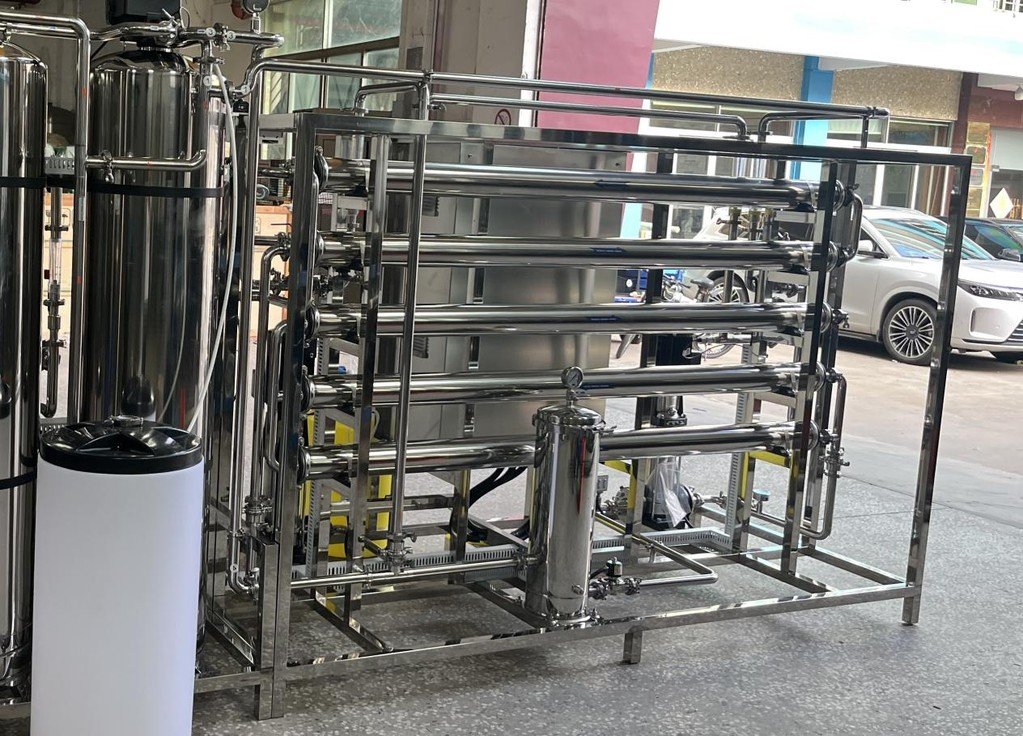
Sementara itu, pembersihan, desinfeksi, dan penggantian elemen membran secara teratur juga merupakan langkah penting dalam menjaga kesehatan reverse osmosis, dan secara efektif dapat mencegah penurunan kualitas air produk yang disebabkan oleh pengotoran membran.
Perlindungan dan kesehatan lingkungan
Perlindungan lingkungan dan kesehatan adalah persyaratan tambahan dari reverse osmosis yang sehat dan juga merupakan tuntutan inti untuk produksi yang sesuai oleh perusahaan saat ini. Sistem reverse osmosis menghasilkan sejumlah konsentrat selama operasi. Pembuangan langsung tidak hanya membuang-buang sumber daya air tetapi juga dapat melanggar standar lingkungan karena konsentrasi pengotor yang terlalu tinggi. Ketika merancang sistem kami, kami melengkapinya dengan perangkat pemulihan konsentrat sesuai kebutuhan, berdasarkan situasi drainase. Melalui penyaringan dan pengolahan sekunder, kami meningkatkan tingkat pemulihan air, mencapai lebih dari 80% daur ulang sumber daya air di beberapa industri. Hal ini mengurangi biaya air untuk perusahaan dan mencapai situasi yang saling menguntungkan untuk manfaat ekonomi dan kesehatan ekologi.
Solusi sehat reverse osmosis yang disesuaikan dengan berbagai skenario
Industri yang berbeda memiliki persyaratan kesehatan reverse osmosis yang berbeda, sehingga memerlukan solusi yang disesuaikan.
- Industri kimia perlu menangani kotoran korosif, jadi kami akan memasukkan desain anti-korosi ke dalam sistem.
- Industri farmasi wajib mematuhi standar GMP, dan sistem osmosis balik harus dilengkapi dengan modul disinfeksi aseptik.
- Industri elektronik memiliki persyaratan yang sangat tinggi untuk kemurnian air dan akan menggunakan peralatan EDI (Elektrodeionisasi).
Kemampuan kustomisasi ini justru merupakan daya saing inti bagi para produsen pengolahan air dalam menjamin kesehatan sistem reverse osmosis.
Rangkuman
Singkatnya, reverse osmosis sehat adalah kombinasi organik dari kualitas air yang sehat, operasi sistem yang sehat, dan perlindungan lingkungan. Untuk bisnis, memastikan kesehatan reverse osmosis secara efektif meningkatkan kualitas produk dan memperpanjang masa pakai peralatan. Bagi produsen, ini berarti menciptakan solusi kesehatan reverse osmosis yang komprehensif untuk bisnis di seluruh siklus hidupnya melalui elemen membran berkualitas tinggi dan desain sistem ilmiah.
Hanya dengan menjunjung tinggi kesehatan reverse osmosis, kami dapat menyuntikkan daya kualitas air yang stabil, aman, dan efisien ke berbagai industri.