Teknologi desalinasi air laut menggunakan metode fisik, kimia, atau biologis untuk menghilangkan garam dan berbagai kotoran dari air laut, mengubah air asin menjadi air tawar yang cocok untuk minum, irigasi pertanian, dan penggunaan industri. Proses desalinasi arus utama saat ini masing-masing memiliki kelebihan dan kekurangannya sendiri, dan sesuai dengan skenario aplikasi yang berbeda. Bagaimana cara desalinasi air? Teks berikut ini akan memberikan rincian rinci tentang beberapa pendekatan teknologi inti.
Bagaimana cara distilasi menghilangkan garam dari air?
Distilasi dapat menghilangkan garam dari air menjadi air tawar. Distilasi adalah teknologi desalinasi air laut pertama yang berhasil diimplementasikan dalam skala industri, dan prinsip intinya mirip dengan siklus air alami. Teknologi ini bekerja dengan memanaskan air laut untuk menginduksi penguapan, kemudian mendinginkan dan mengembunkan uap air yang dihasilkan menjadi air tawar, sehingga memisahkan garam dari air.
Keuntungan dan kerugian dari desalinasi distilasi
Keuntungan dari proses ini termasuk pengoperasiannya yang sederhana, kinerja yang stabil, dan kemampuan beradaptasi yang luas terhadap berbagai tingkat salinitas air laut, sehingga sangat cocok untuk area dengan sumber daya energi yang melimpah.
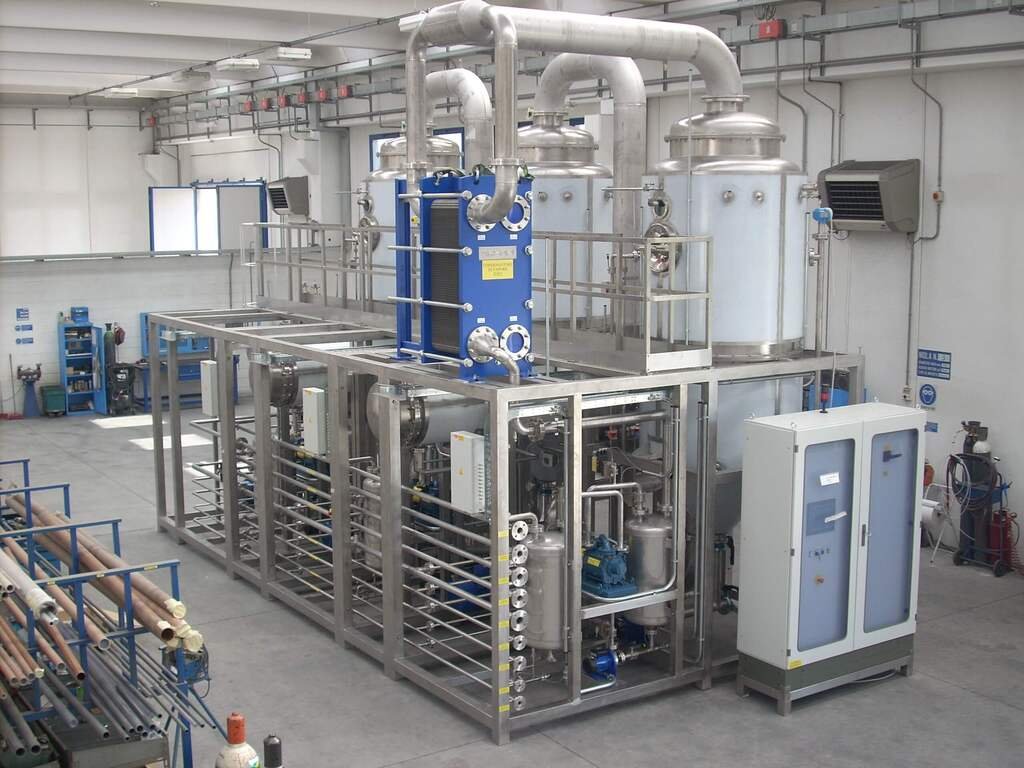
Saat ini, teknologi penyulingan yang paling banyak digunakan adalah penyulingan kilat multi-tahap. Metode ini memasukkan air laut ke dalam beberapa ruang flash dengan tekanan yang semakin menurun, menyebabkan air laut menguap dengan cepat pada suhu di bawah titik didihnya. Uap air yang dihasilkan kemudian dikondensasi dan dikumpulkan sebagai air tawar.
Dibandingkan dengan proses distilasi satu tahap tradisional, distilasi flash multi-tahap secara signifikan mengurangi konsumsi energi dan membutuhkan lebih sedikit ruang. Mereka telah membangun beberapa pabrik desalinasi skala besar yang menggunakan teknologi ini di daerah kaya energi seperti Timur Tengah. Selain itu, distilasi multi-efek suhu rendah memanfaatkan panas limbah dari uap untuk melakukan beberapa siklus penguapan dan kondensasi, yang selanjutnya meningkatkan efisiensi energi dan membuatnya cocok untuk diintegrasikan dengan fasilitas seperti pembangkit listrik.
Bagaimana cara kerja reverse osmosis menghilangkan garam pada air?
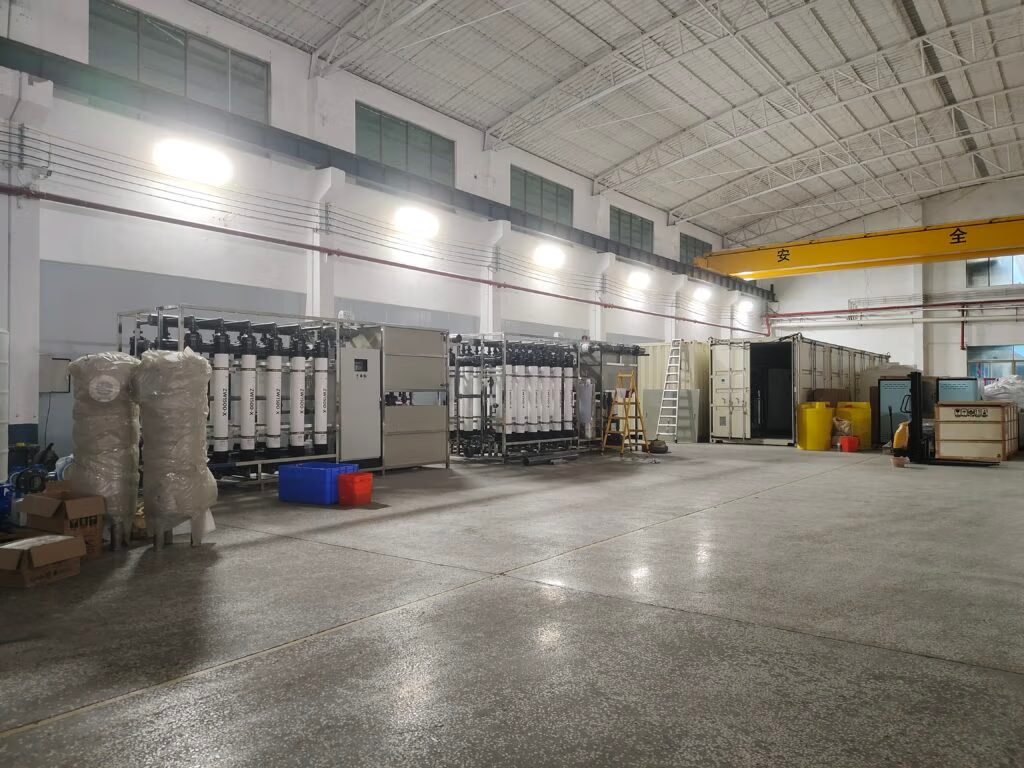
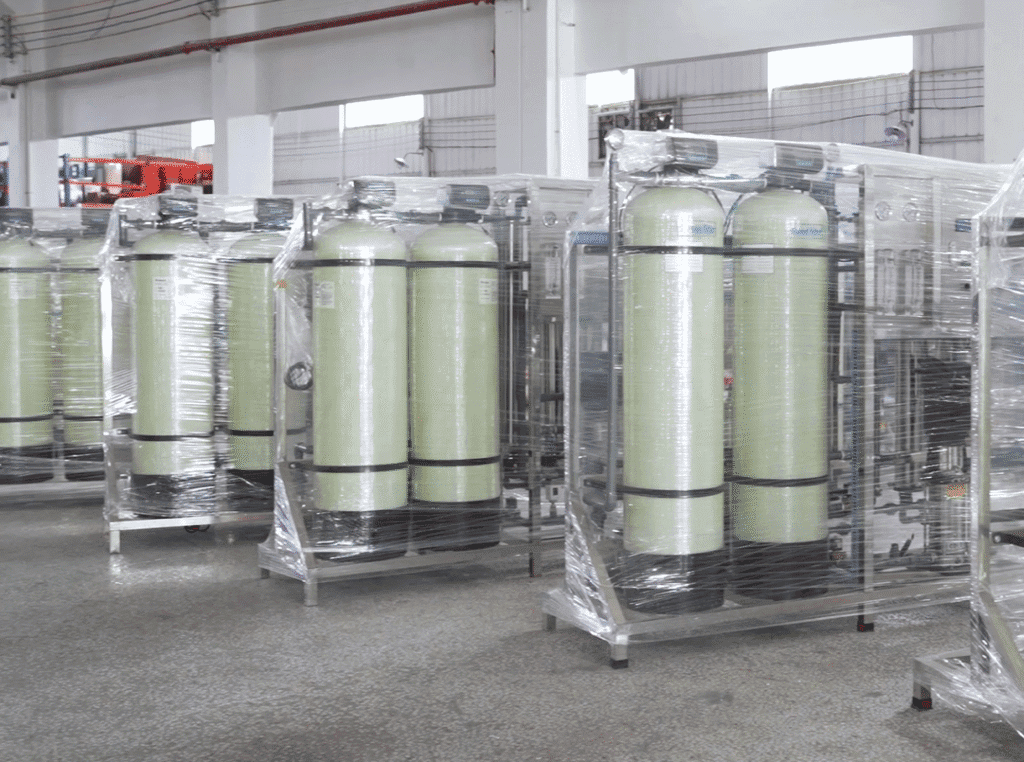
Reverse osmosis dapat mendesalinasi air menjadi air minum. Reverse osmosis adalah teknologi desalinasi air laut yang telah dengan cepat muncul dan menjadi arus utama dalam beberapa dekade terakhir. Ini bergantung pada karakteristik permeabilitas selektif membran semipermeabel reverse osmosis. Di bawah tekanan tinggi, kami memaksa air laut melalui membran reverse osmosis yang hanya memungkinkan molekul air untuk melewatinya, sementara kami memblokir garam, ion logam berat, dan kotoran lainnya di sisi lain membran, sehingga menghasilkan air tawar yang berkualitas.
Keuntungan dan kerugian dari desalinasi air laut reverse osmosis
Daya saing inti dari teknologi ini terletak pada penelitian dan penerapan membran reverse osmosis berkinerja tinggi. Permeabilitas membran dan ketahanan terhadap korosi secara langsung mempengaruhi efisiensi desalinasi dan biaya keseluruhan.
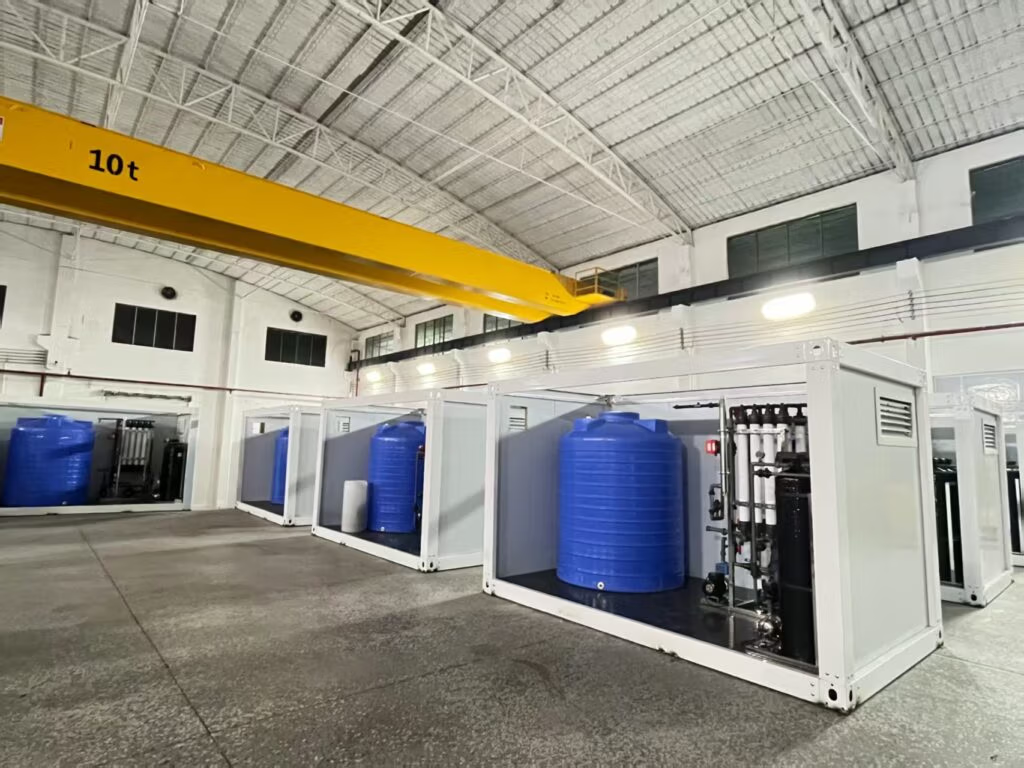
Dibandingkan dengan distilasi, reverse osmosis secara signifikan mengurangi konsumsi energi, hanya membutuhkan sepertiga hingga setengah dari energi yang dibutuhkan distilasi. Selain itu, peralatan ini ringkas dan memiliki masa konstruksi yang singkat, sehingga cocok untuk digunakan di daerah dengan keterbatasan ruang dan konsumsi energi yang ketat, seperti kota dan pulau.
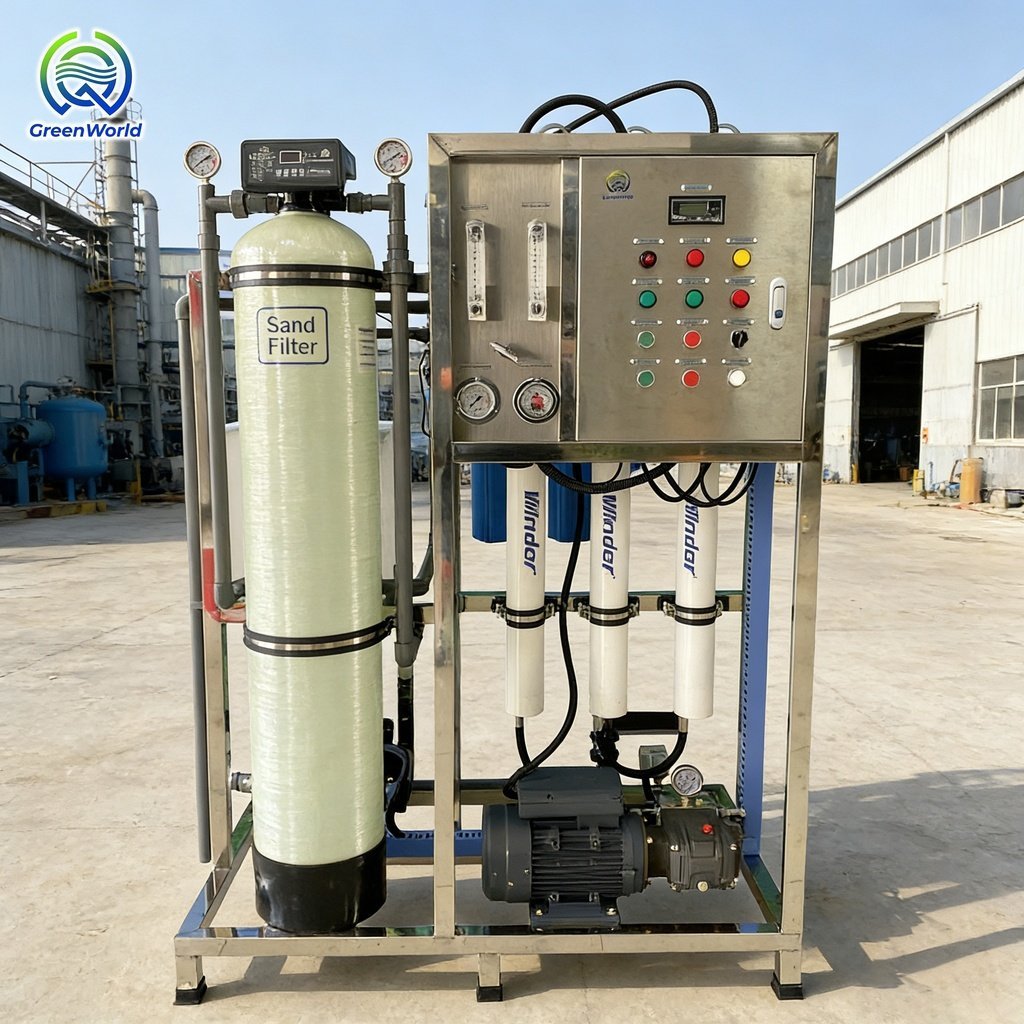
Namun, teknologi ini membutuhkan standar yang tinggi untuk pengolahan awal air laut, yang mengharuskan pembuangan padatan tersuspensi, zat koloid, dan mikroorganisme dari air laut terlebih dahulu untuk mencegah penyumbatan pori-pori membran. Selain itu, biaya penggantian membran reverse osmosis tinggi, dan pemeliharaan selanjutnya membutuhkan personel khusus, yang sampai batas tertentu membatasi penerapannya secara luas di beberapa daerah yang kurang berkembang.
Teknologi desalinasi tambahan lainnya
Metode apa lagi yang tersedia untuk desalinasi air? Selain dua proses utama yang disebutkan di atas, beberapa teknologi desalinasi air laut lainnya sedang dalam tahap penelitian dan pengembangan atau tahap aplikasi percontohan skala kecil.
Elektrodialisis menggunakan permeabilitas selektif membran penukar ion di bawah pengaruh medan listrik untuk menyebabkan ion-ion dalam air laut bermigrasi ke elektroda, sehingga mencapai pemisahan air tawar dan garam. Sangat cocok untuk mengolah air laut dengan salinitas rendah atau air payau dan sering digunakan dalam proyek pemurnian air minum skala kecil.
Teknologi desalinasi air laut bertenaga surya menggabungkan keunggulan energi terbarukan dengan menggunakan kolektor surya untuk memanaskan air laut atau menyediakan daya untuk sistem reverse osmosis. Teknologi ini ramah lingkungan dan berkelanjutan, sehingga cocok untuk daerah terpencil dengan sinar matahari yang melimpah. Namun, perubahan cuaca secara signifikan berdampak pada teknologi ini dan tidak memiliki stabilitas operasional, sehingga belum diadopsi secara luas dalam skala industri.
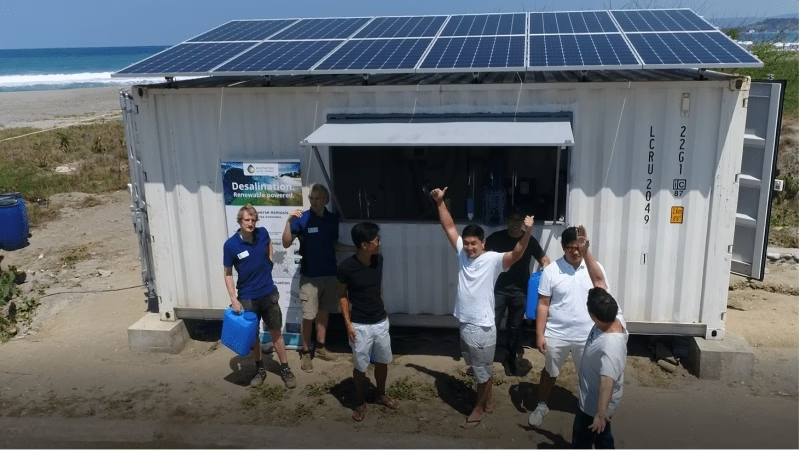
Selain itu, teknologi baru seperti distilasi membran dan desalinasi beku terus menerus mengatasi keterbatasan dan kemungkinan akan semakin mengurangi biaya desalinasi dan meningkatkan efisiensi di masa depan.
Rangkuman
Secara keseluruhan, penerapan teknologi yang berbeda secara bersamaan dapat lebih akurat sesuai dengan sumber daya yang dimiliki oleh berbagai wilayah, sehingga memberikan solusi yang beragam untuk masalah kelangkaan air global.