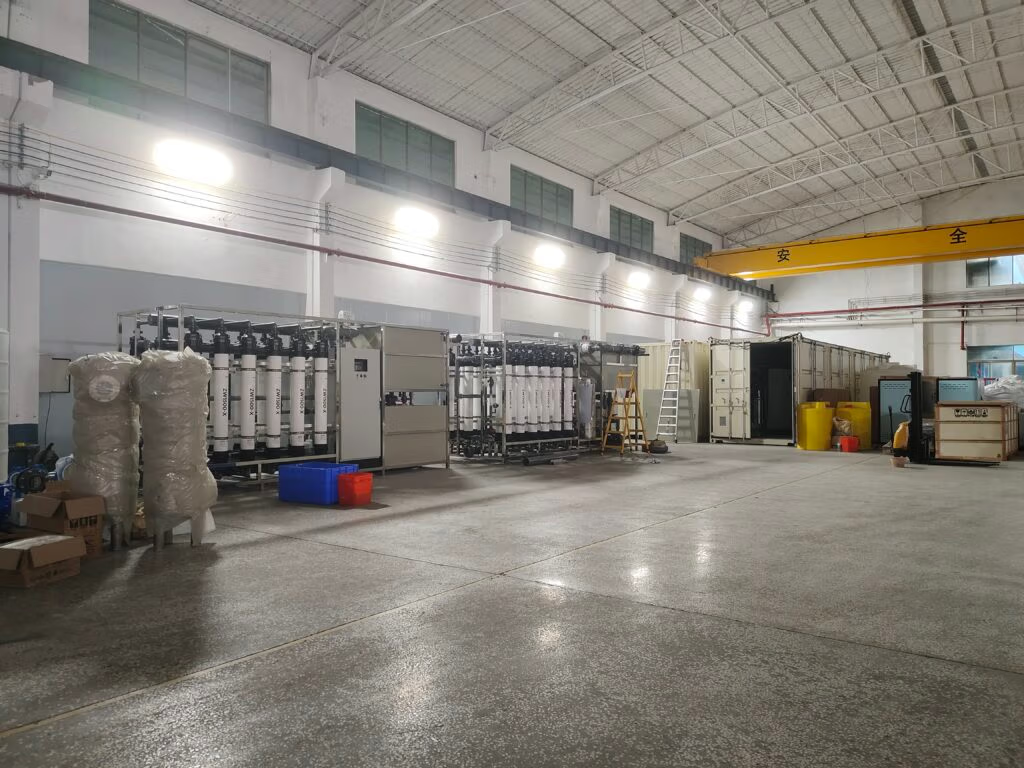
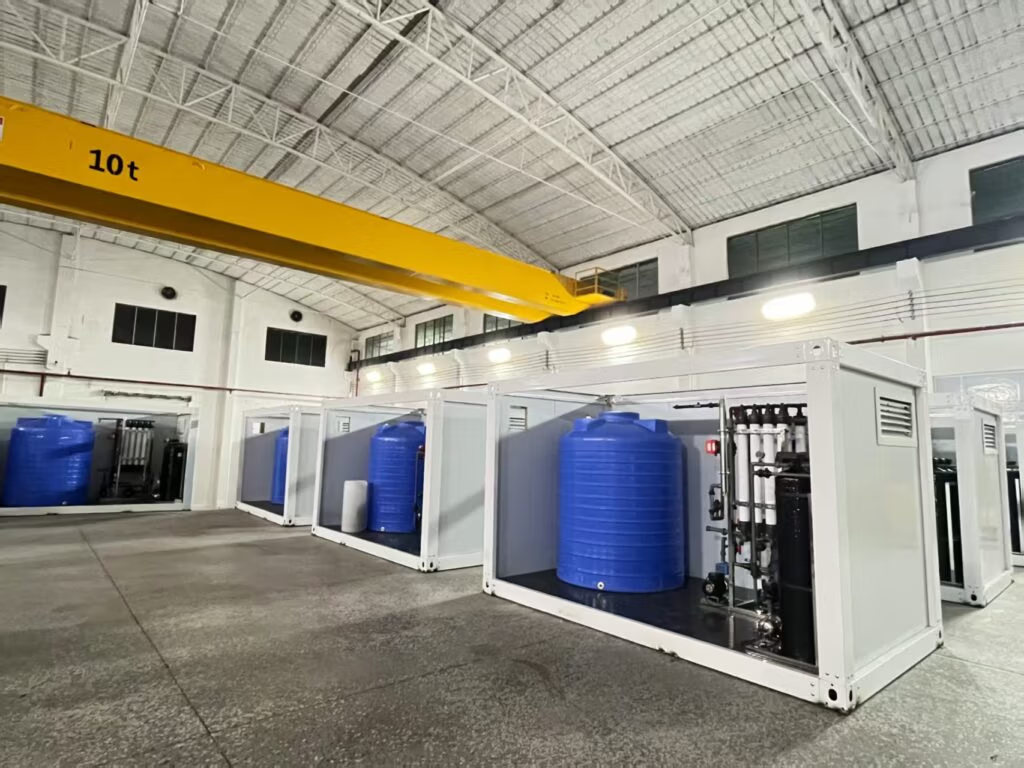
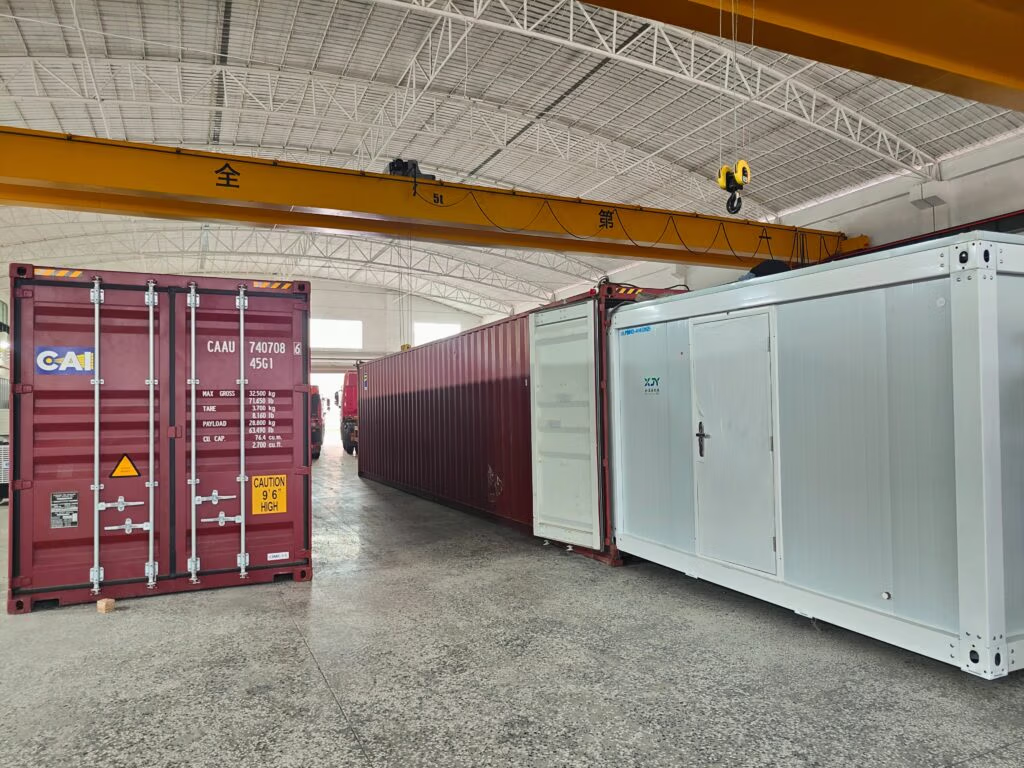
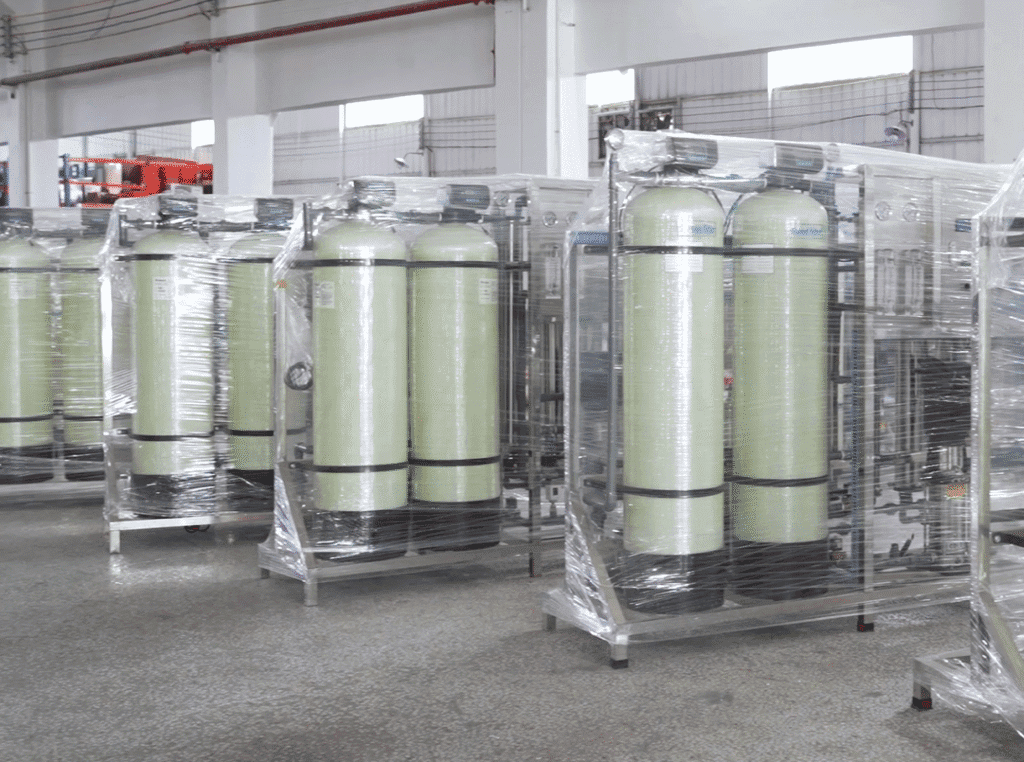
With the global water shortage and pollution problems becoming increasingly prominent, industrial reverse osmosis water system has become an indispensable key water treatment equipment for various industries due to their excellent purification effect and stable operation.
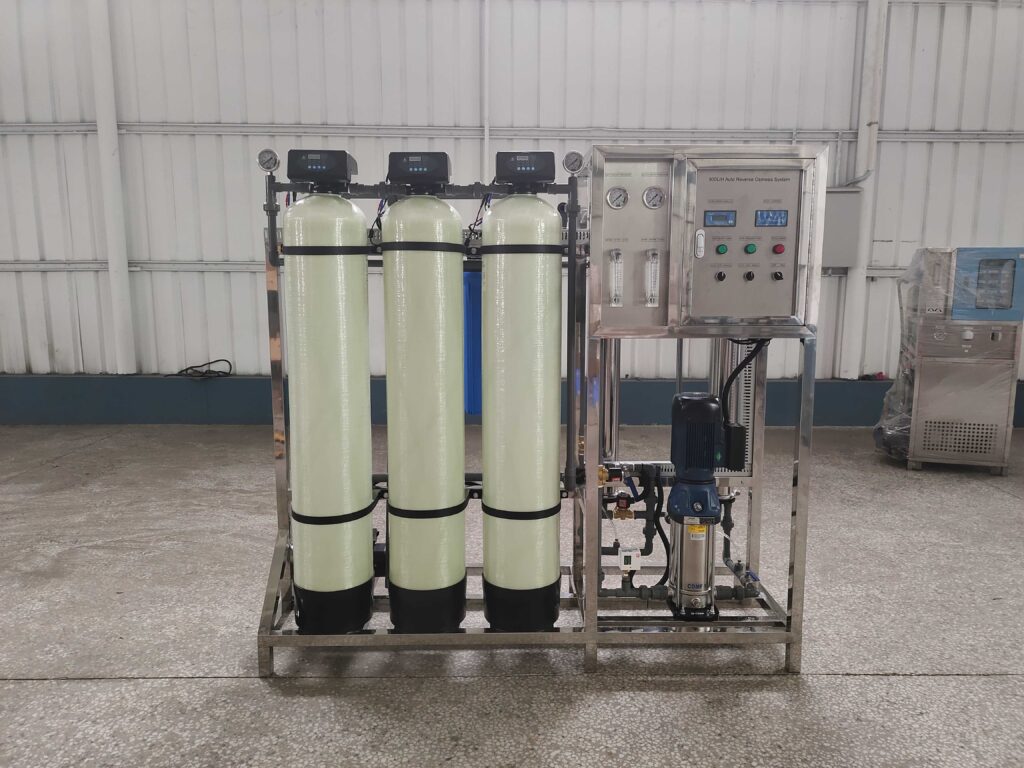
This system can efficiently block salt ions and suspended impurities in water under specific pressure, separating water molecules individually. The treated water quality fully meets the stringent standards of industrial production. Therefore, its applications have long since expanded from energy and electronics to many important fields such as food processing and pharmaceutical manufacturing.
Industrial reverse osmosis water system is used in the power industry
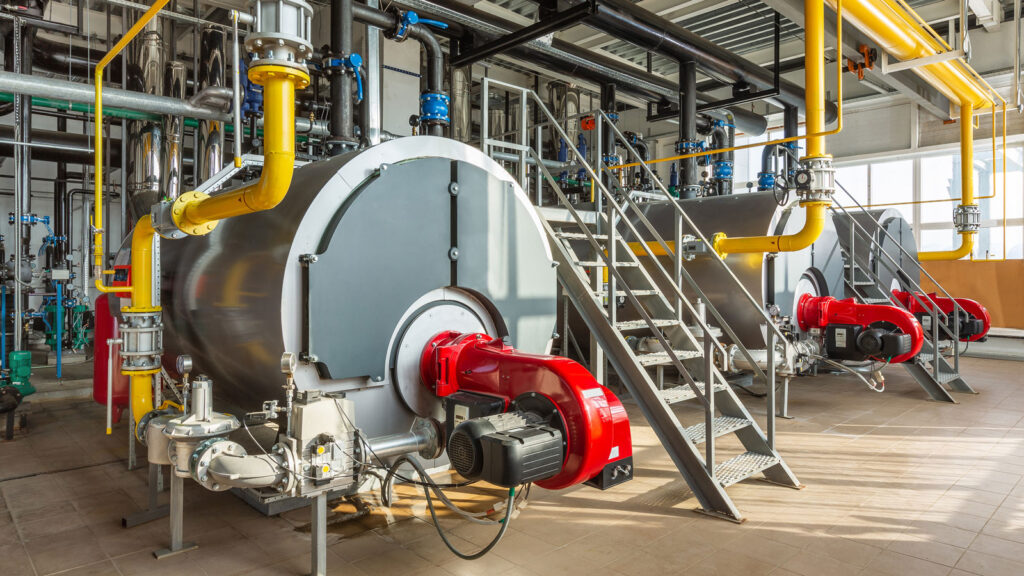
The power industry is a key application area for industrial reverse osmosis water systems, especially in the daily operation of thermal power plants and nuclear power plants, where water quality directly affects equipment lifespan and operational safety.
If boiler water in thermal power plants contains calcium and magnesium ions, it easily forms hard scale on heating surfaces. This not only significantly reduces heat exchange efficiency but can also lead to serious accidents such as pipe bursts. Industrial reverse osmosis systems, on the other hand, can remove over 99% of salts from raw water. Using this treated high-purity water as boiler feedwater prevents scale formation at its source, reduces equipment corrosion, and lowers the amount of chemical scale inhibitors needed, achieving the dual benefits of energy conservation, emission reduction, and environmental protection.
As for nuclear power plants, the water quality requirements for cooling systems and reactor makeup water are even stricter. Reverse osmosis technology, as the core link in pure water production, has built a key water quality defense line for the safe and stable operation of nuclear power units.
Utilize industrial reverse osmosis water systems in production.
The rapid development of the electronics and information industry has led to increasingly stringent standards for ultrapure water. In the production of precision electronic components such as semiconductor chips and LCD screens, even trace amounts of ions, suspended particles, or microorganisms in the water can cause components to fail and significantly reduce production yield.
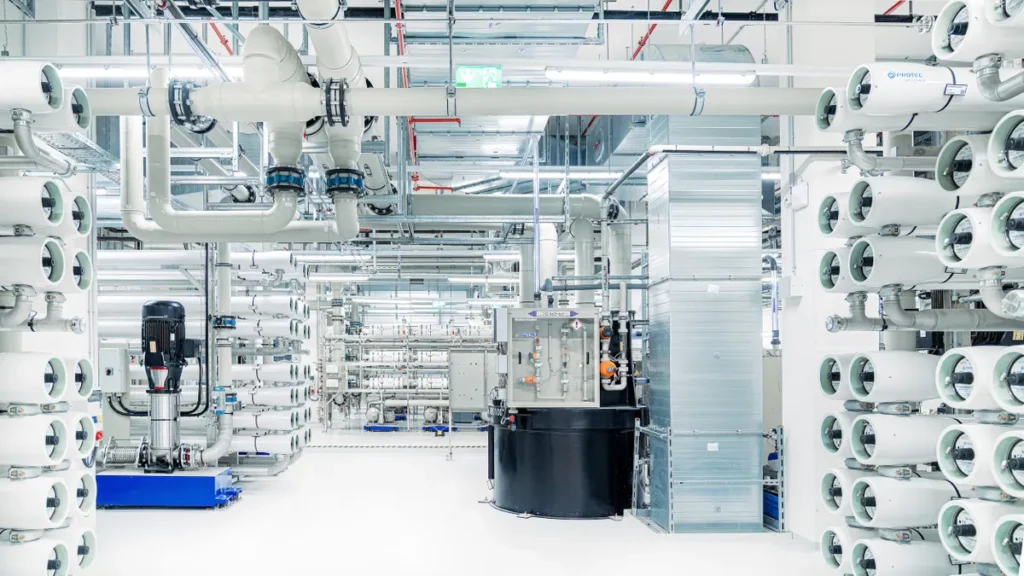
Take chip manufacturing as an example. We must clean critical processes such as photolithography and etching using ultrapure water with a resistivity of 18.2 MΩ·cm. If the water quality does not meet the standard, tiny defects will appear on the chip surface, directly affecting the normal operation of the circuit. Industrial reverse osmosis systems, combined with ion exchange, EDI and other advanced treatment technologies, can accurately remove various contaminants from raw water and continuously and stably produce ultrapure water that meets the standards of the electronics industry.
Industrial reverse osmosis system is used in the food and beverage industry
The food and beverage industry has extremely stringent requirements for the safety and stability of its production water. The application of industrial reverse osmosis water systems directly impacts product quality and consumer health.
In drinking water production, reverse osmosis technology effectively filters out harmful components such as heavy metals, pesticide residues, pathogens, and viruses from raw water, while retaining appropriate amounts of beneficial minerals, thus ensuring both safety and taste.
In beer brewing and juice processing, water quality directly affects fermentation results and product flavor. Pure water treated by reverse osmosis maintains a stable brewing environment, prevents contamination by other microorganisms, and ensures consistent product quality across every batch.
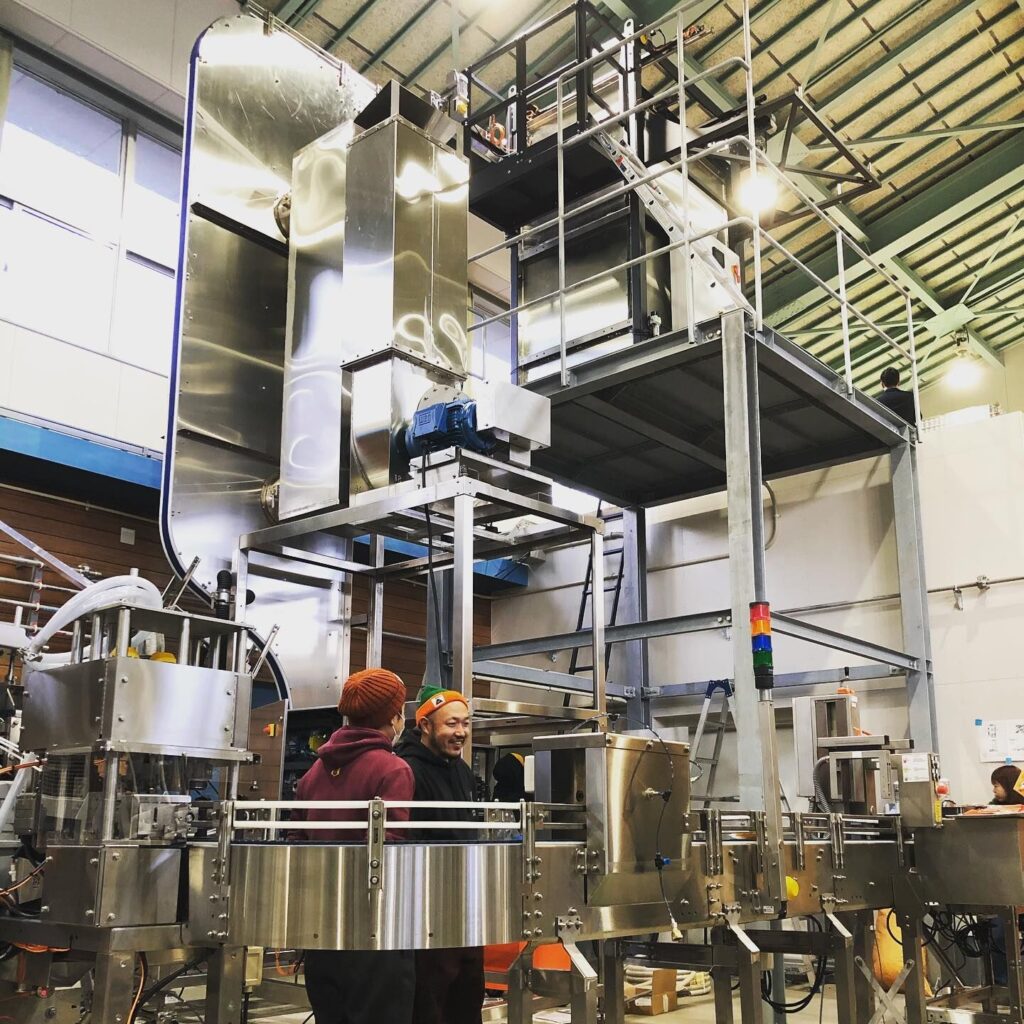
In addition, in dairy processing, pure production water can prevent proteins from denaturing due to water quality issues and extend the product’s shelf life, which fully demonstrates the practical value of reverse osmosis systems.
Industrial reverse osmosis system is used in the pharmaceutical industry
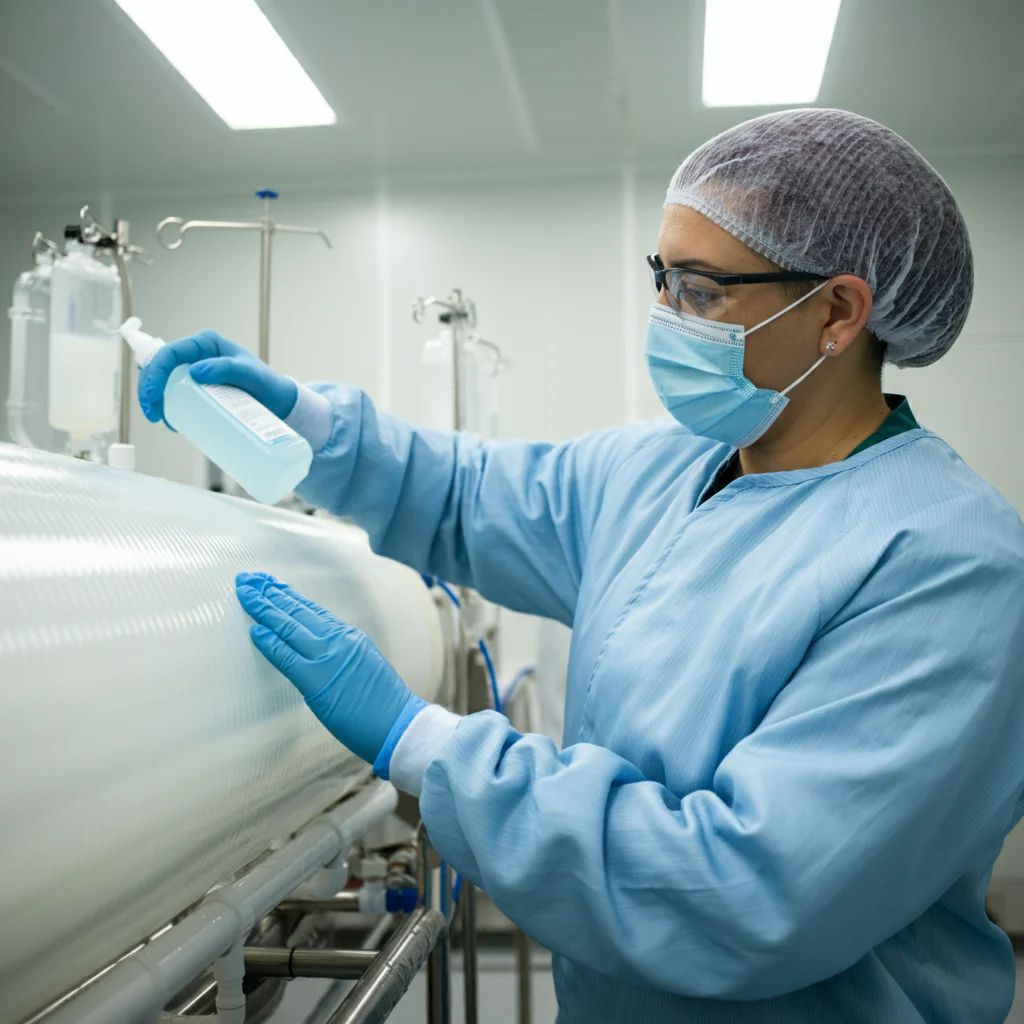
The pharmaceutical industry’s products are directly related to life and health, therefore, it has extremely stringent purity requirements for the water used in production. Reverse osmosis technology can efficiently remove contaminants such as microorganisms, pyrogens, and colloidal particles from raw water, and its stable and reliable operation ensures that the effluent quality consistently meets the stringent regulations for pharmaceutical production.
Due to bacterial contamination and also reduce the difficulty of subsequent drug purification, in critical stages such as antibiotic synthesis and vaccine development, purified water treated by reverse osmosis can prevent production interruptions
Which other industries utilize RO systems?
In addition to these fields, industrial reverse osmosis water systems also play a crucial role in industries such as chemical engineering, printing and dyeing, and seawater desalination.
- In chemical production, the use of high-purity water reduces byproducts of chemical reactions and significantly improves product purity.
- In the dyeing and printing industry, reverse osmosis water production completely solves the problem of impurities in raw water interfering with dyeing, resulting in fabrics with uniform and vibrant colors and meeting colorfastness standards.
- In coastal areas, reverse osmosis seawater desalination systems can convert abundant seawater into qualified industrial water, effectively alleviating local freshwater shortages.
Summarize
With the popularization of water conservation concepts, the industry is upgrading industrial reverse osmosis (RO) water systems for higher efficiency, energy savings, and intelligent control. These systems continue to expand their application scope, injecting stronger momentum into industrial green transformation and water resource recycling.