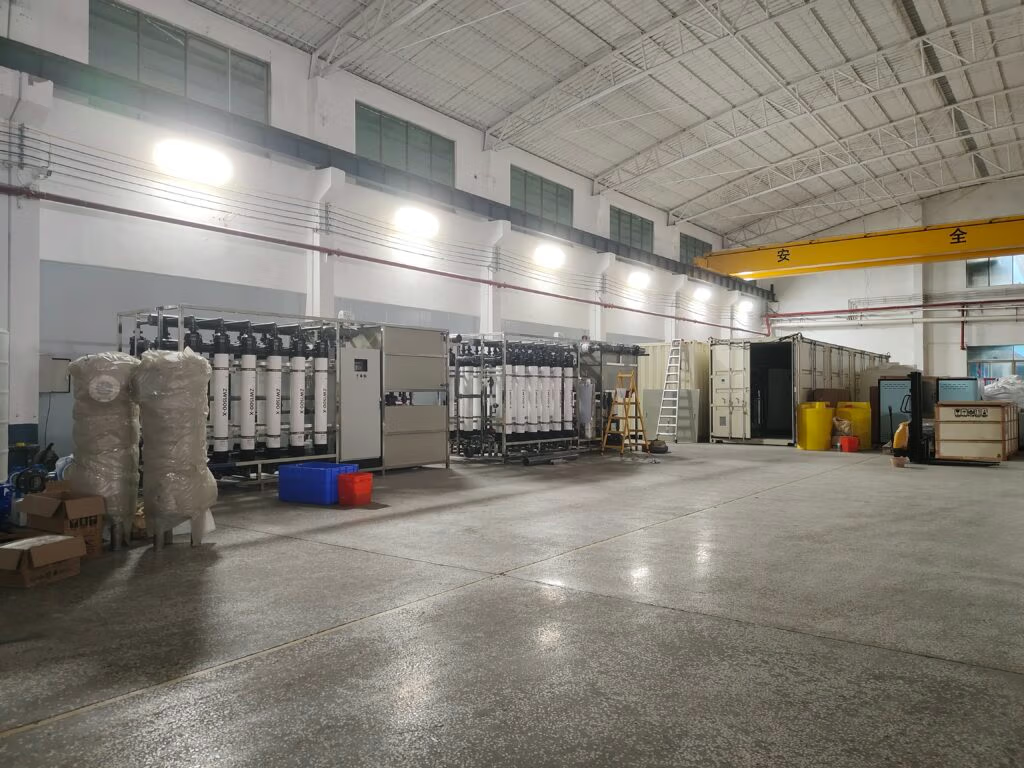
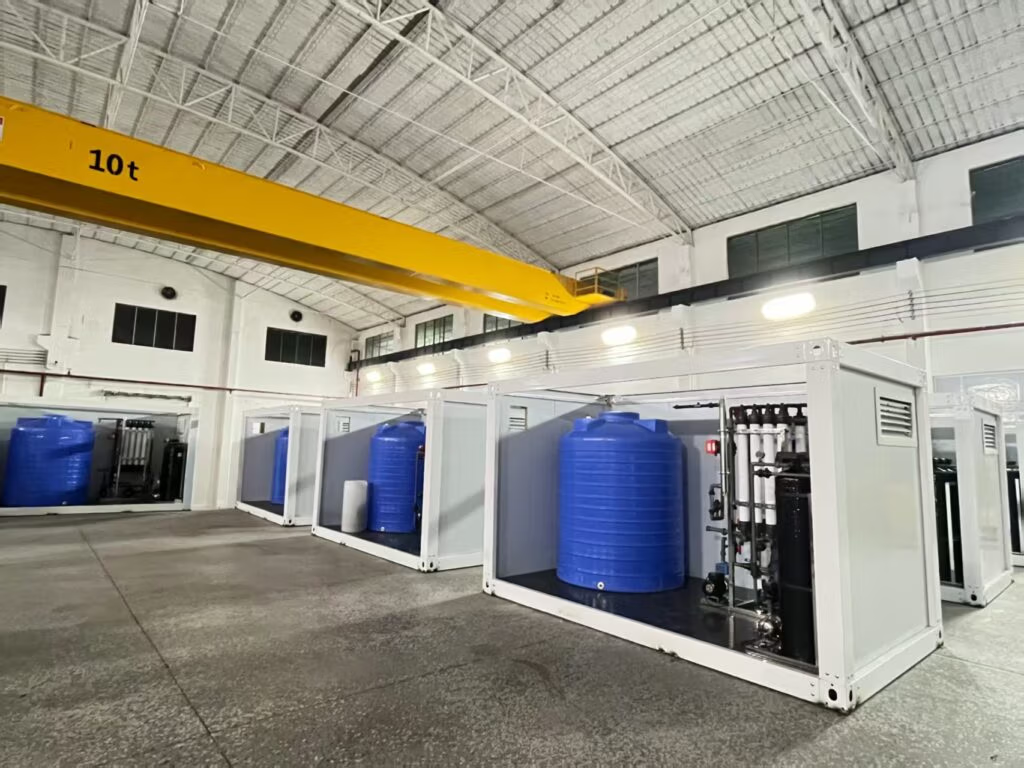
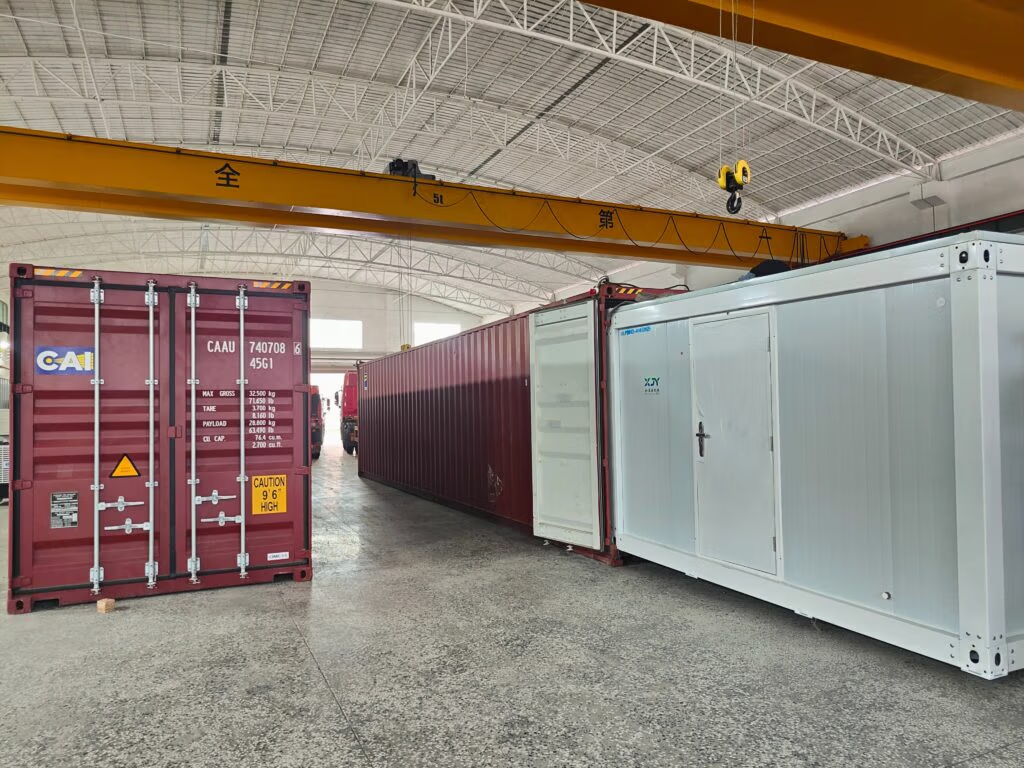
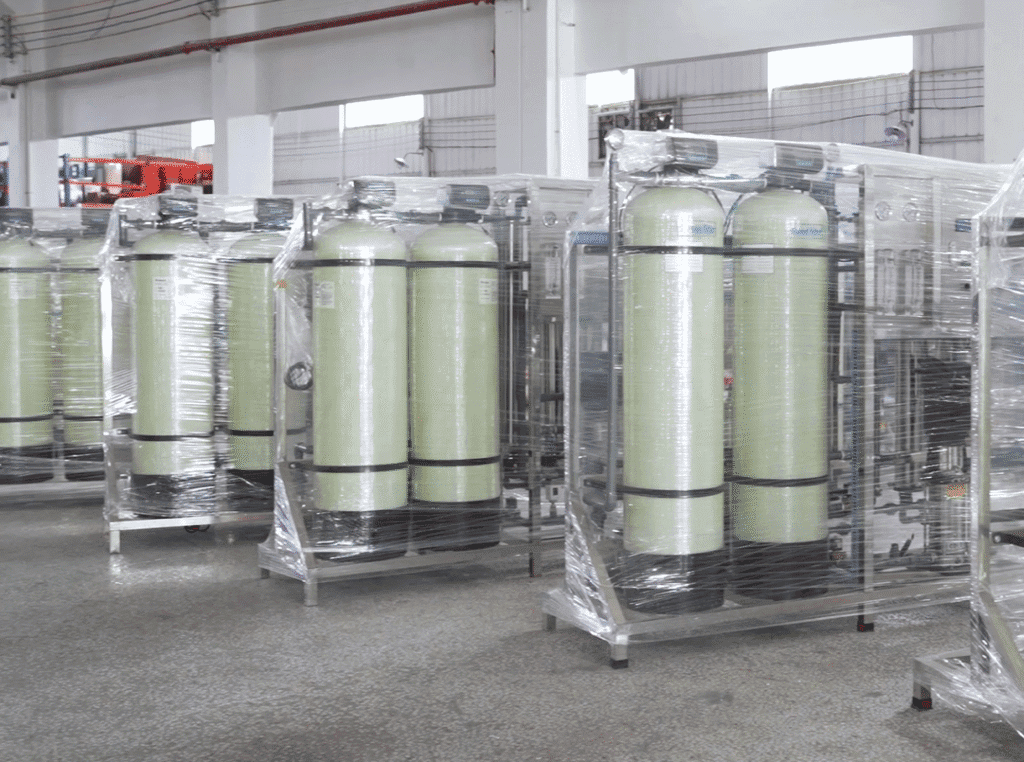
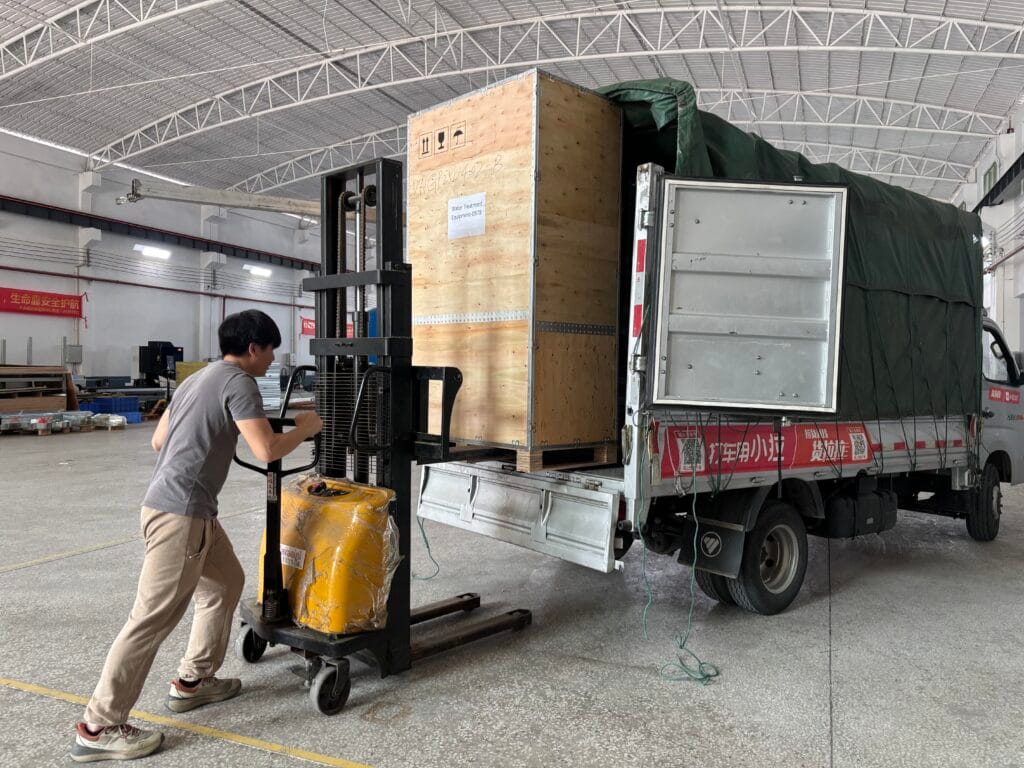
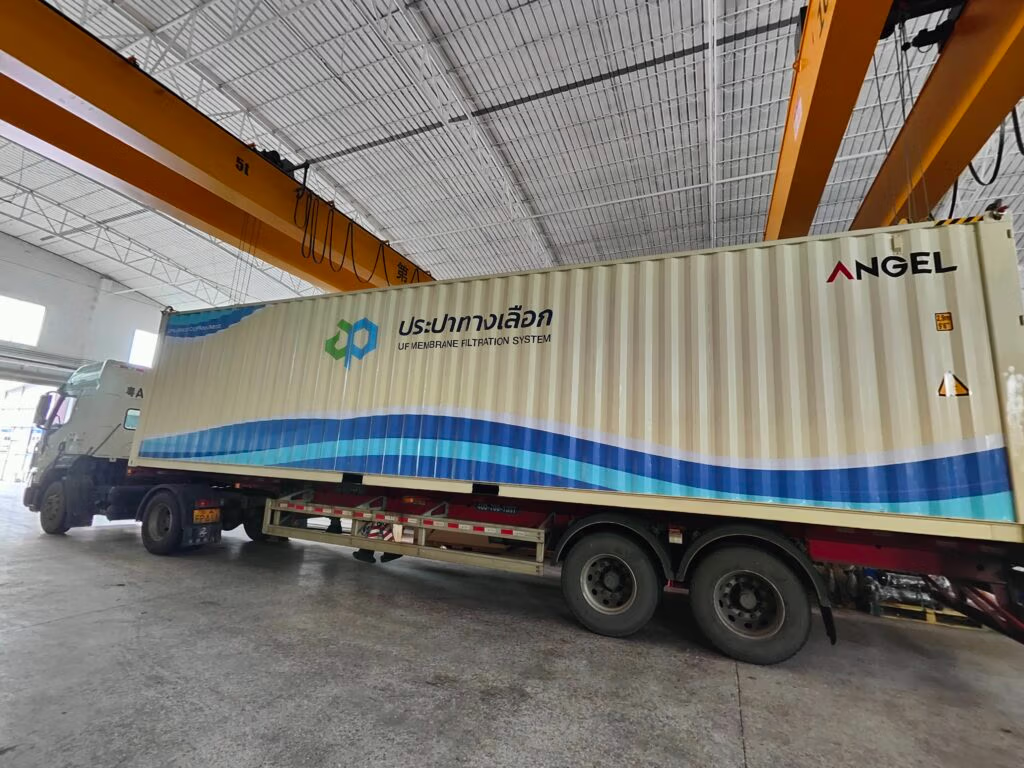
Nel settore della produzione di acqua in bottiglia, la stabilità delle apparecchiature, l'efficienza della produzione di acqua e il livello di integrazione sono fattori chiave che influenzano la redditività delle vendite di acqua. Le macchine ad osmosi inversa per l'acqua in bottiglia, con il loro design integrato di “pulizia + purificazione + riempimento”, sono diventate la scelta ideale per i produttori di acqua in bottiglia di piccole e medie dimensioni. Questo attrezzature per l'acqua in bottiglia è in grado di soddisfare con precisione le esigenze di produzione in batch di piccoli impianti idrici, combinando praticità ed economicità.
Quali sono i vantaggi dell'utilizzo di un sistema di osmosi inversa per l'acqua in bottiglia?
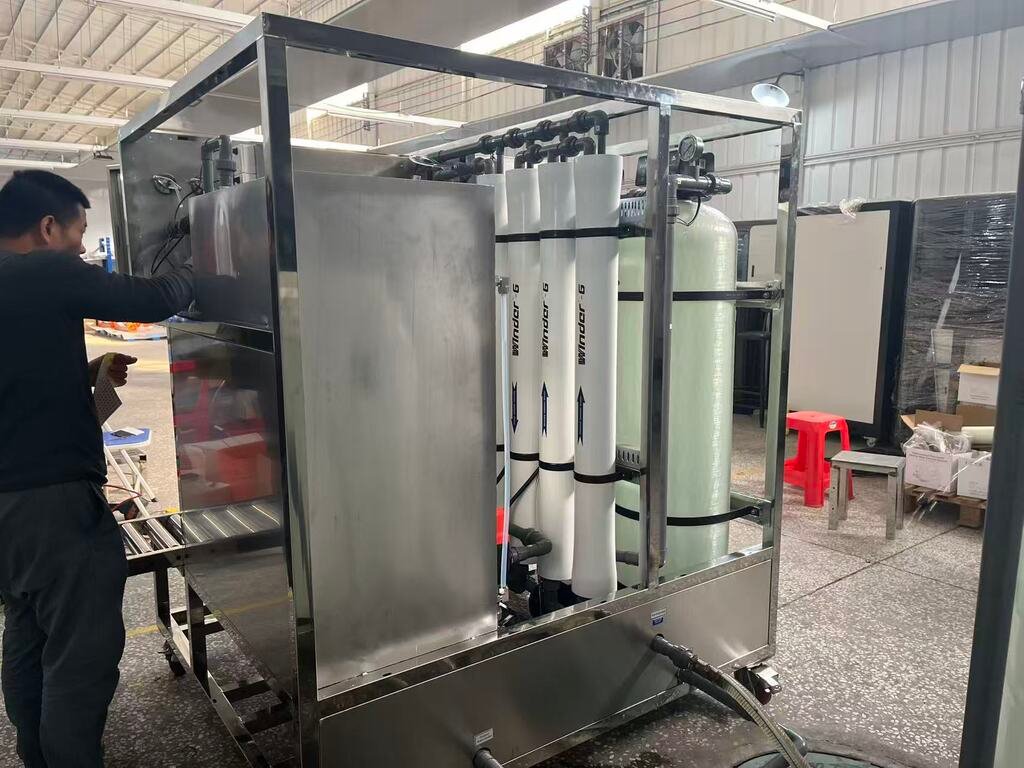
La tecnologia dell'osmosi inversa è il supporto principale per la purificazione dell'acqua in bottiglia. Questa apparecchiatura per acqua in bottiglia da 250LPH è dotata di moduli a membrana a osmosi inversa di alta qualità, in grado di rimuovere efficacemente impurità, ioni di metalli pesanti, microrganismi e sali solubili dall'acqua grezza. Può garantire che la qualità dell'acqua in uscita soddisfi pienamente gli standard igienici dell'acqua potabile in bottiglia.
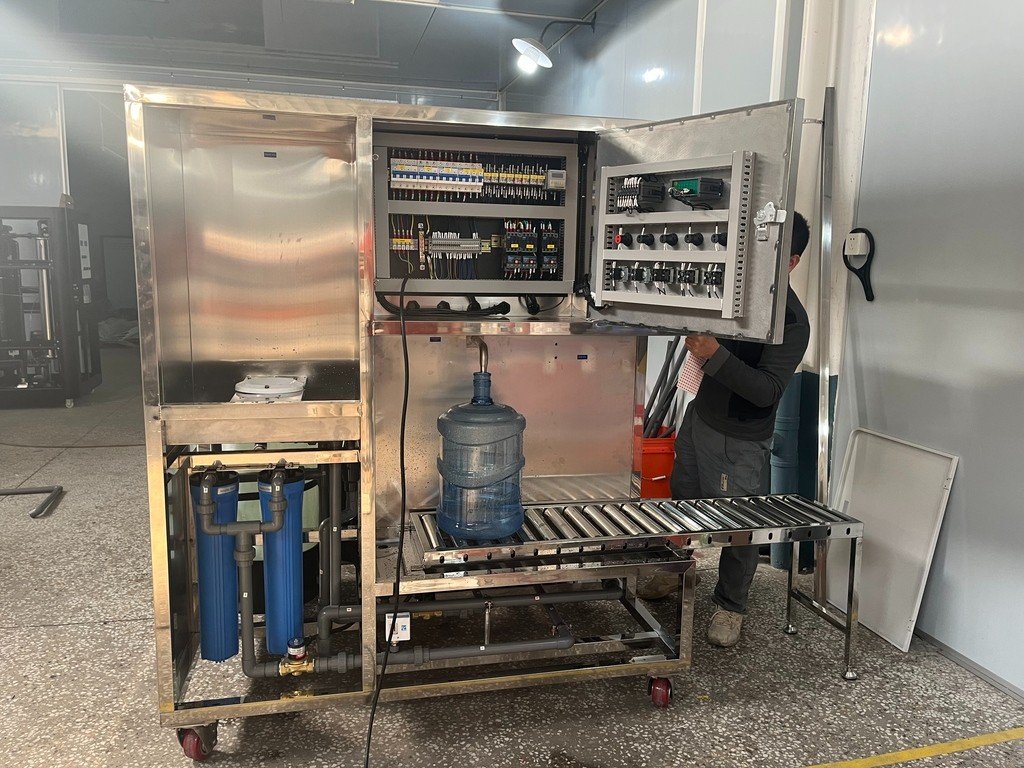
Rispetto alle apparecchiature tradizionali di tipo split, questo modello integra perfettamente il modulo di purificazione dell'acqua a osmosi inversa, il dispositivo di stoccaggio dell'acqua e il sistema di riempimento, eliminando la necessità di ulteriori e complesse tubazioni e strutture ausiliarie. Ciò riduce significativamente l'ingombro e il rischio di malfunzionamenti nei collegamenti delle apparecchiature, riducendo i costi di manutenzione successivi.
L'eccellente adattabilità dell'acqua grezza è uno dei punti di forza di questa macchina per l'osmosi inversa dell'acqua in bottiglia. L'impianto ottimizza il processo di pretrattamento per diverse fonti d'acqua, come l'acqua di rubinetto, l'acqua di falda e l'acqua di sorgente, grazie a una tripla unità di pretrattamento: filtrazione con sabbia di quarzo, adsorbimento con carbone attivo e filtrazione di precisione. La precisione di filtrazione può essere regolata dinamicamente in base alla qualità dell'acqua grezza, evitando efficacemente che la membrana dell'osmosi inversa subisca una riduzione della durata a causa dell'accumulo di impurità. La velocità di riempimento e l'efficienza di purificazione dell'acqua sono sincronizzate con precisione, consentendo una produzione continua di “filtrare e riempire immediatamente” senza la necessità di arresti intermedi.
Quali sono le precauzioni da prendere quando si utilizza una macchina per l'osmosi inversa dell'acqua in bottiglia?
Durante il funzionamento delle apparecchiature per l'acqua in bottiglia, è fondamentale concentrarsi sull'adattamento alle condizioni operative e sulla messa in funzione iniziale. Questi sono infatti i prerequisiti per garantire un funzionamento stabile a lungo termine. Prima della messa in funzione, è necessario eseguire un semplice test della qualità dell'acqua grezza. Per determinare indicatori chiave come la torbidità e la durezza, evitando fluttuazioni eccessive nella qualità dell'acqua grezza che potrebbero superare la capacità dell'unità di pretrattamento. Durante il funzionamento, la pressione di esercizio e la portata del permeato della membrana a osmosi inversa devono essere monitorate in tempo reale. Se si verificano aumenti anomali di pressione o cali improvvisi di flusso, il sistema deve essere immediatamente spento per la risoluzione dei problemi. Se la cartuccia del filtro di pretrattamento è intasata o se si sono formate incrostazioni sulla superficie della membrana a osmosi inversa. È necessario intervenire tempestivamente prima di riavviare l'apparecchiatura; è severamente vietato il funzionamento continuo con malfunzionamenti.
La manutenzione ordinaria deve seguire procedure standardizzate, con particolare attenzione alla gestione dello stato dei componenti principali.
- Si raccomanda di sostituire i materiali filtranti a sabbia quarzifera e il carbone attivo nell'unità di pretrattamento ogni 3-6 mesi. Il ciclo specifico deve essere regolato in base alla torbidità dell'acqua grezza e alla frequenza di utilizzo.
- Le cartucce filtranti di precisione devono essere ispezionate mensilmente e sostituite immediatamente. Se si intasano o si danneggiano, impediscono alle impurità di penetrare nella membrana dell'osmosi inversa.
- Essendo un componente fondamentale, la membrana RO deve essere pulita chimicamente con regolarità per rimuovere i contaminanti che aderiscono alla sua superficie. Il ciclo di pulizia è solitamente di 1-2 mesi. Dopo la pulizia, la qualità dell'acqua prodotta deve essere testata per garantire che sia conforme agli standard di produzione.
Riassumere
Le macchine ad osmosi inversa per acqua in bottiglia offrono una soluzione economica per la produzione di acqua in bottiglia di piccole e medie dimensioni. Grazie alla precisa corrispondenza della produzione di acqua, al design integrato e ai costi operativi controllabili. Consentono una produzione su larga scala e una maggiore efficienza, diventando così un'apparecchiatura di riferimento nel settore della produzione di acqua in bottiglia.