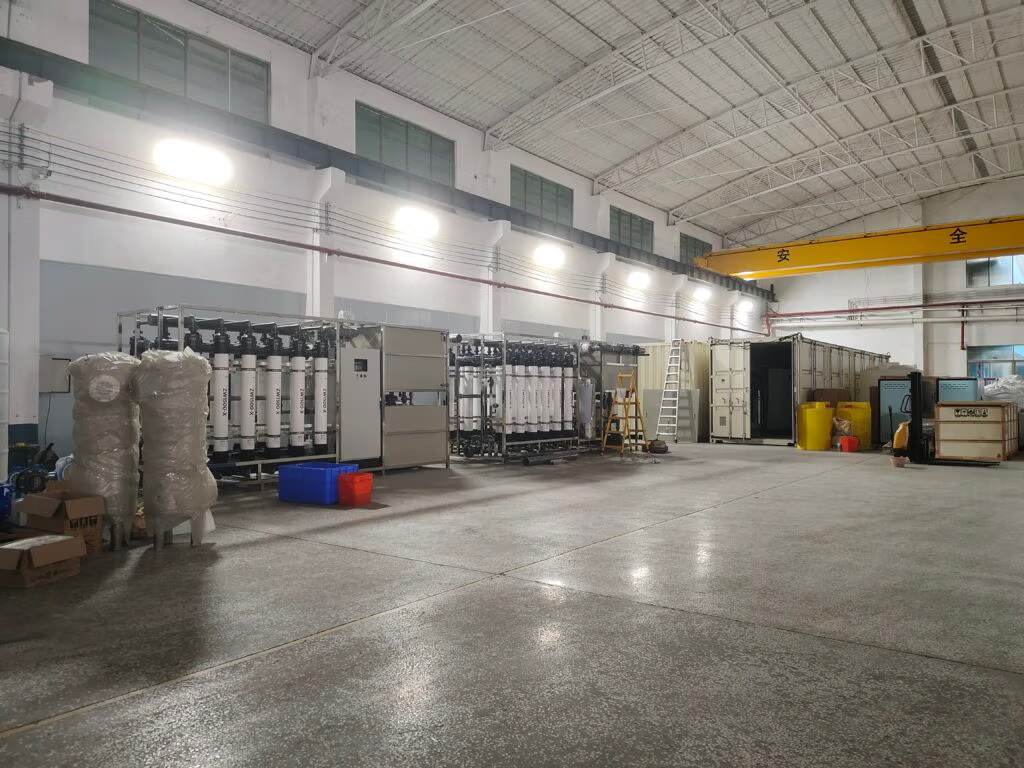
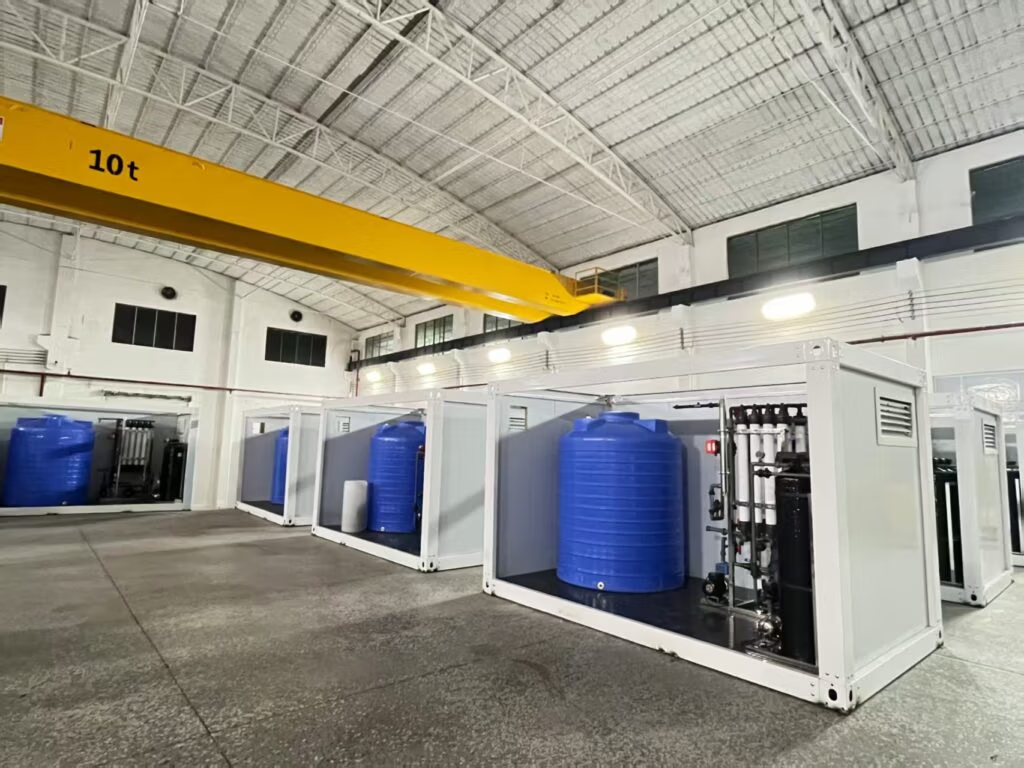
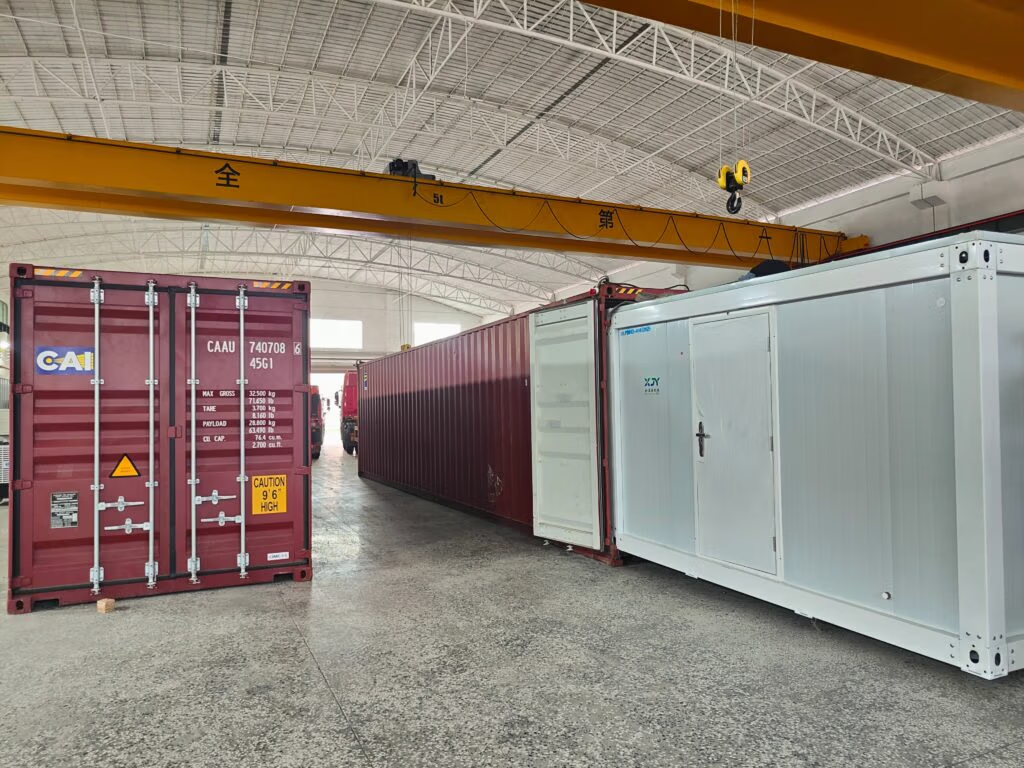
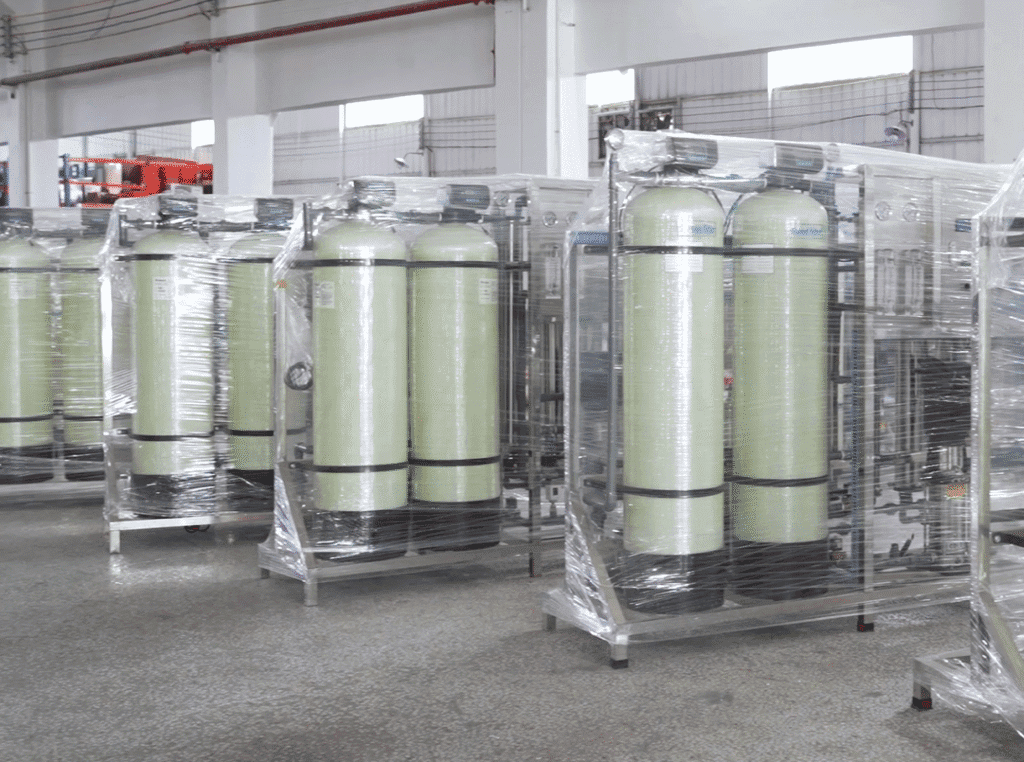
L'osmosi inversa con remineralizzazione risolve il conflitto intrinseco per cui i minerali benefici vengono rimossi quasi completamente. Questa tecnologia funge da fase cruciale di condizionamento successiva a Purificazione a osmosi inversa. Attraverso l'aggiunta selettiva di minerali conformi, la remineralizzazione consegue il duplice obiettivo di una "purificazione sicura" e di un "equilibrio della qualità dell'acqua", preservando i vantaggi in termini di purezza intrinseci all'osmosi inversa e, al contempo, reintegrando gli elementi minerali essenziali per una qualità dell'acqua ottimale. Di conseguenza, l'acqua trattata non solo soddisfa gli standard igienico-sanitari per l'acqua potabile a uso domestico, ma risulta anche idealmente idonea a soddisfare i requisiti di stabilità operativa a lungo termine delle applicazioni industriali.
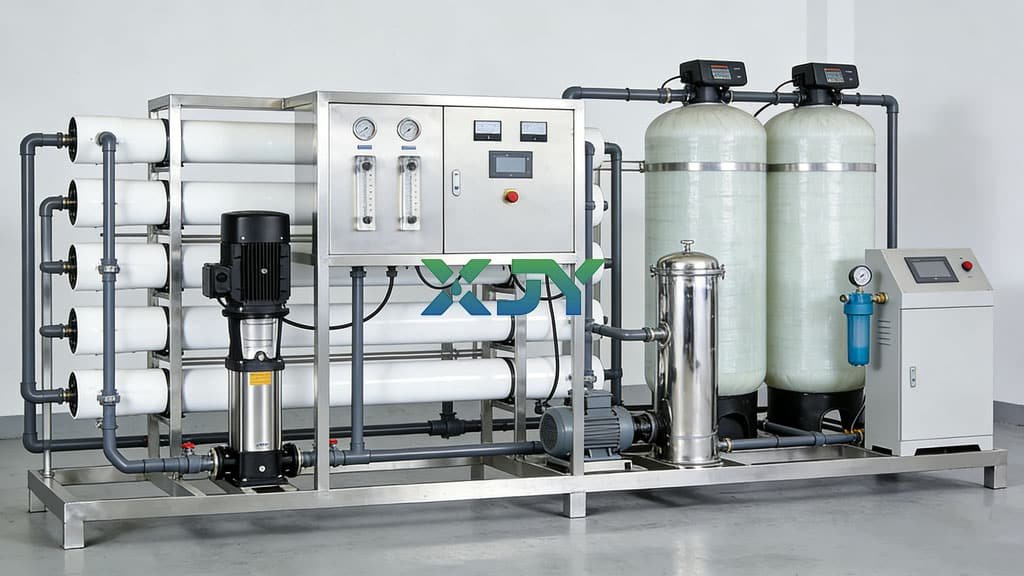
La logica tecnica dell'osmosi inversa con remineralizzazione
1. La logica sottostante della purificazione a osmosi inversa
Il principio fondamentale dell'osmosi inversa è la “separazione a membrana guidata dalla pressione”. Dopo che l'acqua grezza è stata sottoposta a un pretrattamento - che comprende la filtrazione multimediale, l'adsorbimento su carbone attivo e il trattamento con resina addolcente - per rimuovere i solidi sospesi e i colloidi, viene pressurizzata da una pompa ad alta pressione a 0,8-1,5 MPa. Ciò costringe le molecole d'acqua a passare attraverso la membrana RO, mentre i sali e le impurità vengono trattenuti.
2. Il meccanismo di equilibrio fondamentale della mineralizzazione
L'osmosi inversa con rimineralizzazione non è un semplice processo di aggiunta di minerali. Si tratta piuttosto di una procedura specializzata per la regolazione precisa dei parametri di qualità dell'acqua, finalizzata a mantenere le caratteristiche principali dell'acqua trattata entro un intervallo ottimale.
- Integrazione minerale: Mediante processi fisici o chimici, gli elementi minerali essenziali — quali calcio, magnesio, stronzio e acido metasilicico — richiesti dall'organismo umano e per gli usi idrici industriali vengono fatti precipitare selettivamente. Ciò garantisce il rispetto dei livelli di contenuto minerale raccomandati dall'OMS per l'acqua potabile. Contestualmente, tale approccio soddisfa i requisiti di stabilità della qualità dell'acqua tipici degli ambienti industriali, prevenendo così i problemi di corrosione delle apparecchiature che possono insorgere a causa di un'eccessiva purezza dell'acqua.
- Equilibrio acido-base: Regola il pH dell'acqua trattata a un intervallo debolmente alcalino di 6,5-8,5. Ciò è conforme allo standard ANSI/NSF 62. Unità di trattamento dell'acqua potabile - Effetti estetici e impedisce all'acqua acida di corrodere le reti di tubazioni e le apparecchiature metalliche. Questo aspetto è particolarmente critico negli scenari che prevedono la desalinizzazione dell'acqua di mare e il trattamento di acque di sorgente ad alta salinità, in cui l'indice di saturazione di Langelier (LSI) deve essere mantenuto entro un intervallo compreso tra -0,5 e +0,5.
- Ottimizzazione della durezza e dell'alcalinità: Controllare la durezza totale (espressa come CaCO₃) entro l'intervallo di 80–120 mg/L e mantenere l'alcalinità totale (espressa come CaCO₃) a circa 80 mg/L; questo approccio garantisce un gusto ottimale dell'acqua, prevenendo al contempo la formazione di incrostazioni nelle apparecchiature.
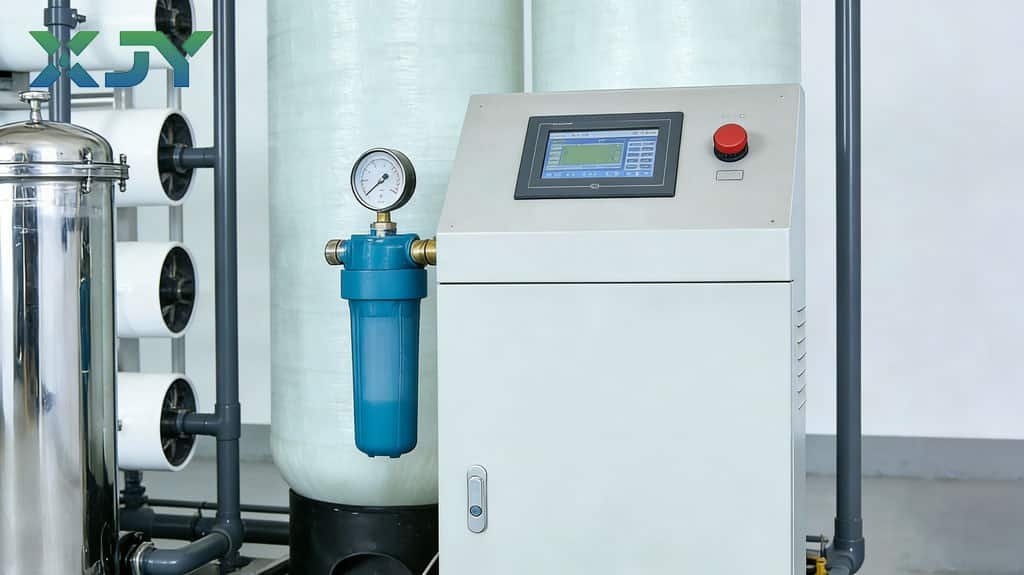
3. Punti chiave dei processi collaborativi di osmosi inversa con remineralizzazione
Il funzionamento sinergico dell'osmosi inversa con la remineralizzazione deve attenersi al principio fondamentale di "purificazione prima, mineralizzazione dopo", al fine di impedire che le impurità interferiscano con il processo di mineralizzazione. Durante la fase di pretrattamento, un rigoroso controllo della torbidità in ingresso e dei valori SDI risulta essenziale per garantire la stabilità operativa delle membrane a osmosi inversa. La fase di mineralizzazione, viceversa, richiede la selezione di metodi di mineralizzazione e parametri delle apparecchiature appropriati — calibrati in base alla qualità dell'acqua grezza e alle specifiche esigenze di utilizzo — per ottenere un preciso condizionamento dell'acqua.
Selezione delle apparecchiature per l'osmosi inversa con remineralizzazione
| Tipo di dispositivo | Funzionalità principali | Parametri di selezione | Scenari applicabili |
|---|---|---|---|
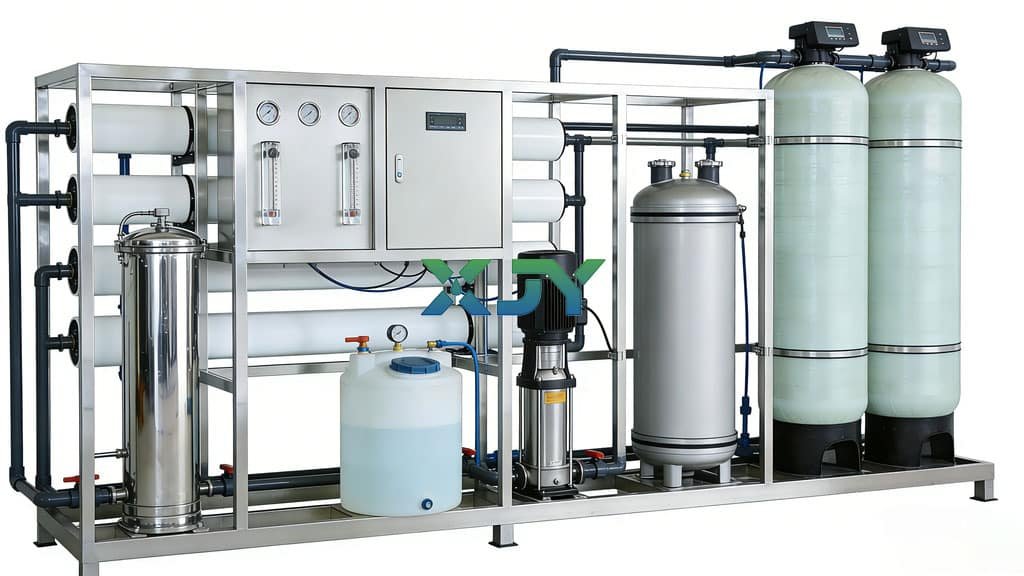
| Modulo a membrana RO anti-fouling | Trattiene efficacemente le impurità e garantisce una desalinazione stabile. | Tasso di reiezione del sale ≥ 97%, tolleranza al pH 2–11, flusso adattato all'acqua grezza. | Acque reflue industriali, acque grezze ad alta torbidità |
| Materiale filtrante mineralizzante ricco di stronzio | Integrazione mirata di stronzio e acido metasilicico per esaltare il sapore. | Rilascio stabile di stronzio ≥ 0,2 mg/L, conforme alle raccomandazioni dell'OMS per il contenuto minerale nell'acqua potabile; durata utile: oltre 1 anno. | Acqua potabile, acqua per alimenti e bevande |
| Pompa ad alta pressione a frequenza variabile | Trattiene efficacemente le impurità e garantisce una desalinazione stabile. | Pressione regolabile da 0,8 a 4,1 MPa, risparmio energetico superiore al 15% e conforme agli standard di qualità ISO 9001. | Scenari industriali completi, adattati per sistemi ad alto traffico. |
| Sistema di monitoraggio online | Monitoraggio in tempo reale di indicatori quali TDS, pH e durezza. | Accuratezza: ±0,1 mg/L, conforme agli standard di prova ISO. | Progetti su larga scala, scenari non presidiati |
1. Adeguamento alla qualità dell'acqua grezza: In base ai parametri dell'acqua grezza — quali TDS, durezza e torbidità — selezionare le membrane a osmosi inversa (RO) e le unità di mineralizzazione appropriate, con i relativi tassi di desalinizzazione. Ad esempio, utilizzare membrane RO per acqua di mare in presenza di acqua grezza ad alta salinità, e membrane RO per uso generale per acqua grezza con bassi livelli di mineralizzazione.
2. Bilanciamento tra capacità e consumo energetico: Per le applicazioni industriali che richiedono 20 ore di funzionamento continuo, date priorità alle apparecchiature realizzate in acciaio inossidabile 304 o 316L. Abbinate a tali sistemi pompe ad alta pressione a frequenza variabile, al fine di minimizzare i costi operativi e di manutenzione, garantendo al contempo che il volume di produzione dell'acqua soddisfi costantemente le esigenze produttive.
3. Dare priorità alla conformità: Tutte le apparecchiature e i processi devono conformarsi agli standard internazionali stabiliti, al fine di garantire che l'acqua trattata soddisfi tutti i parametri qualitativi richiesti.
4. Standard di qualità dell'acqua: L'acqua potabile destinata all'uso domestico deve essere rigorosamente conforme alle relative linee guida, mantenendo nello specifico i Solidi Totali Disciolti (TDS) a un livello ≤ 1000 mg/L e la Durezza Totale a ≤ 450 mg/L. I prodotti a base di acqua marina desalinizzata devono soddisfare gli standard ISO e CE, presentando un intervallo di Durezza Calcica compreso tra 50 e 450 mg/L e un Indice di Saturazione di Langelier (LSI) tra -0,5 e 0,5.
5. Conformità delle attrezzature: I materiali di consumo essenziali — quali i mezzi di mineralizzazione e le membrane a osmosi inversa — devono essere in possesso di certificazioni internazionali in materia di sicurezza e igiene per il contatto con l'acqua. Inoltre, i processi di produzione delle apparecchiature devono attenersi rigorosamente agli standard del sistema di gestione della qualità ISO 9001.
6. Requisiti ambientali: I progetti industriali devono integrare sistemi di trattamento della salamoia per prevenire lo scarico diretto di acque reflue ad elevata salinità. Tali sistemi dovrebbero raggiungere un tasso di recupero della salamoia pari o superiore all'85% e conformarsi agli standard del sistema di gestione ambientale ISO 14001, nonché alle normative ambientali locali applicabili.
Riassumere
L'osmosi inversa con tecnologia di remineralizzazione risolve in modo ottimale le carenze intrinseche dell'acqua trattata tramite osmosi inversa, grazie a una combinazione di "purificazione di precisione e condizionamento scientifico", rendendola ideale per soddisfare le diverse esigenze di svariate applicazioni, tra cui la desalinizzazione dell'acqua marina, la produzione di acqua potabile e il riutilizzo delle acque reflue.
Se siete interessati a questa soluzione per il trattamento dell'acqua, non esitate a contattarci XinJieYuan.