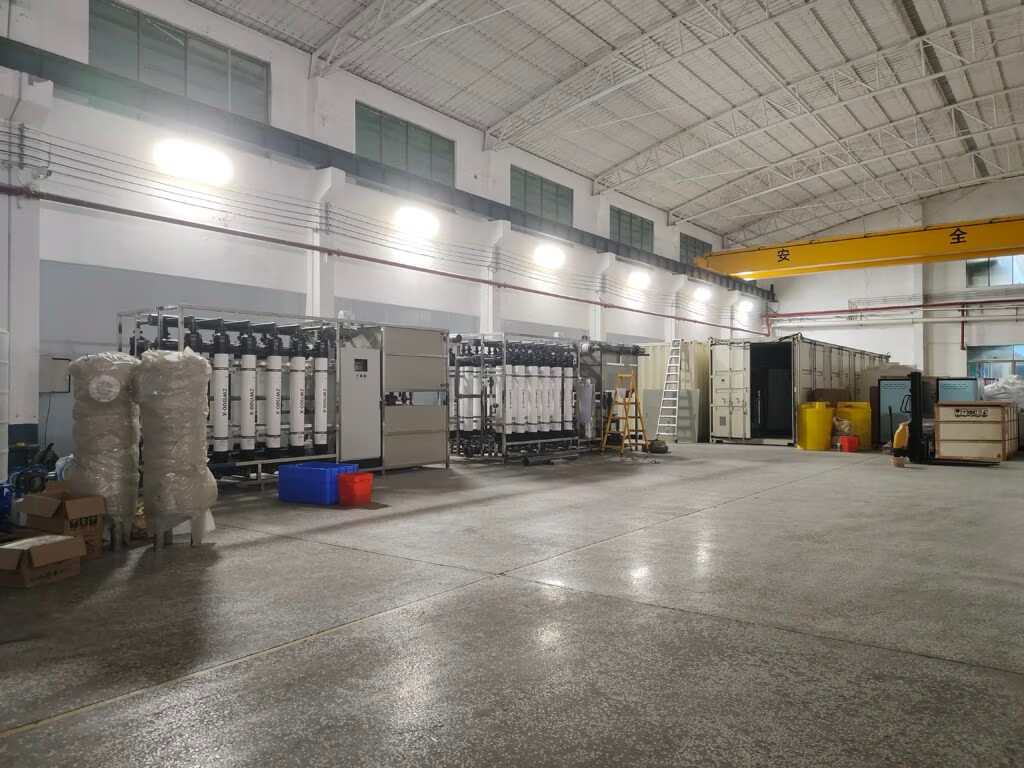
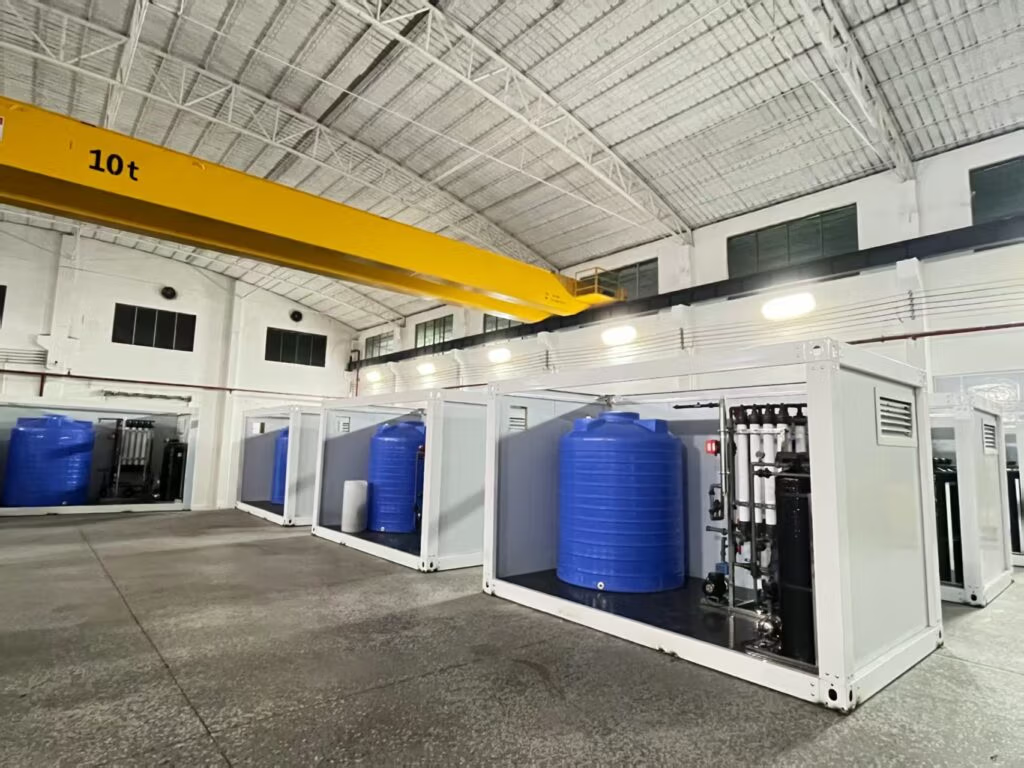
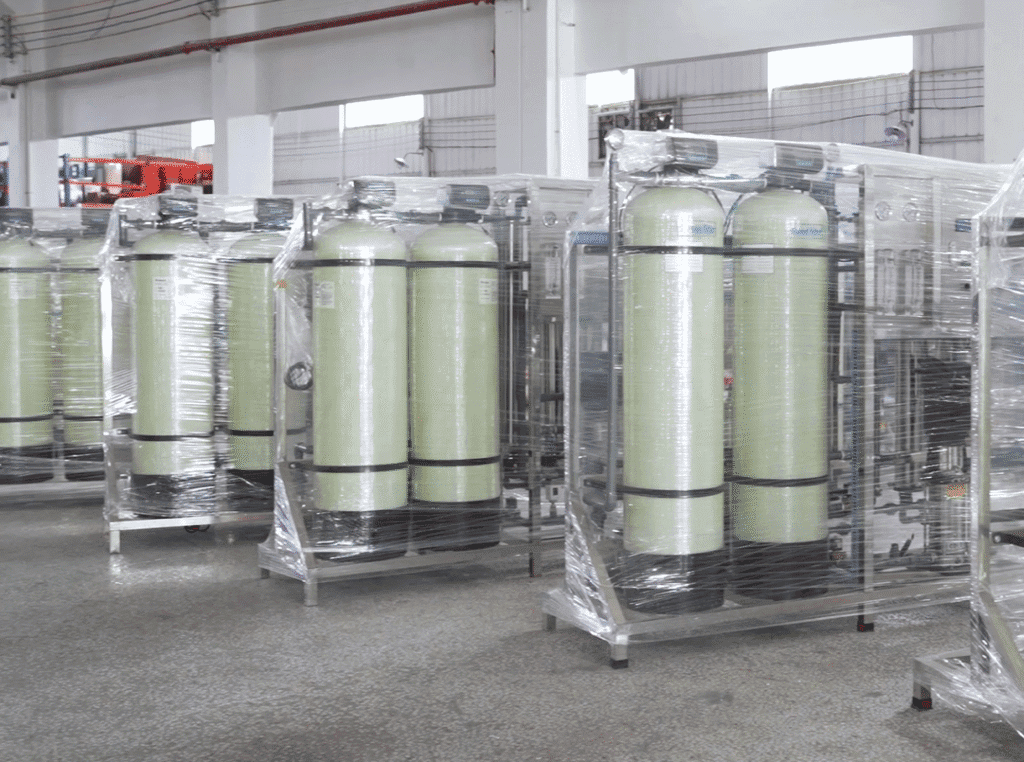
Tecnologia a osmosi inversa, Il sistema di depurazione dell'acqua, grazie al suo posizionamento come metodo di “purificazione profonda”, è diventato immensamente popolare nel mercato globale delle apparecchiature per l'acqua potabile. Ed è diventata la soluzione di purificazione dell'acqua preferita da molte famiglie e istituzioni. Cosa significa “purificazione profonda”? Si basa sulla pressione per spingere le molecole d'acqua attraverso una membrana semipermeabile, intrappolando varie impurità, e può rimuovere efficacemente metalli pesanti, batteri patogeni, tracce di inquinanti e altre sostanze nocive dall'acqua.
Tuttavia, nelle regioni di origine, l'Europa e gli Stati Uniti, la controversia sugli effetti dell'osmosi inversa sulla salute non si è mai placata. E sempre più ricerche si concentrano sui potenziali rischi per la salute derivanti da una “eccessiva depurazione”.”
Disaccordi sugli effetti della salute dell'osmosi inversa
Il vantaggio principale della tecnologia RO risiede nella sua efficienza di purificazione. I dati dimostrano che i sistemi RO di alta qualità possono raggiungere un tasso di rimozione di oltre il 99,9% per il particolato, i metalli pesanti, i virus e gli inquinanti organici in tracce presenti nell'acqua. Nelle aree in cui le fonti d'acqua sono contaminate dall'inquinamento industriale e dal deflusso delle acque reflue agricole. La tecnologia RO può prevenire direttamente l'ingresso di sostanze nocive nel corpo umano.
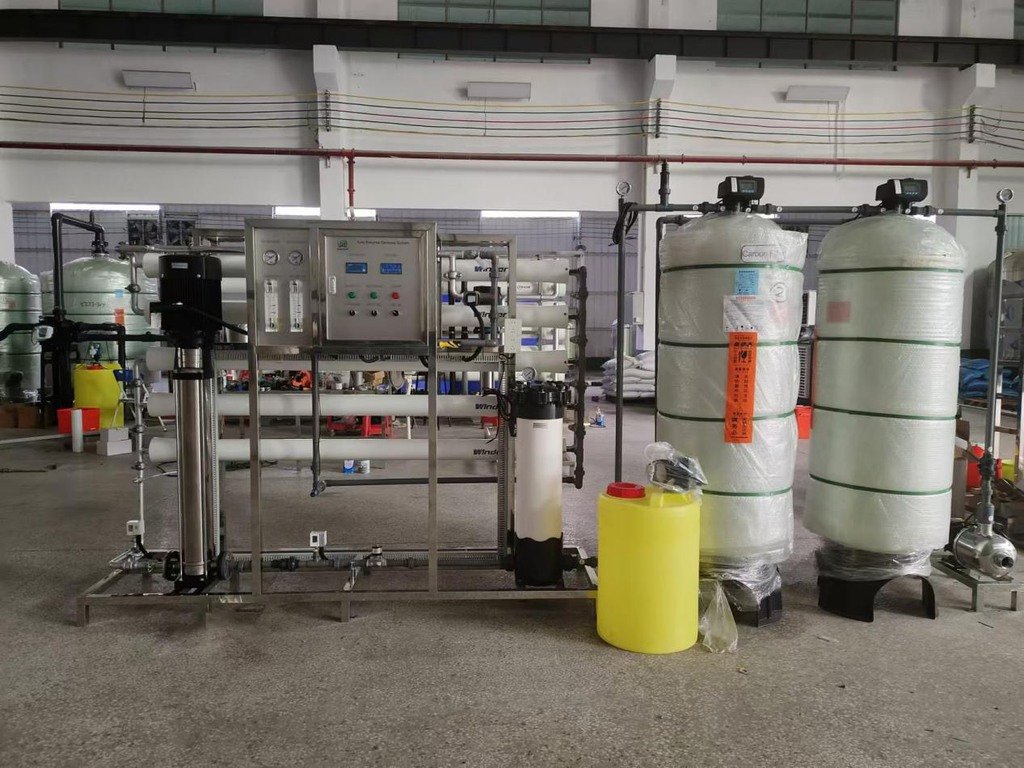
Una ricerca condotta dall'American Membrane Technology Association ha confermato che l'acqua trattata con osmosi inversa può ridurre efficacemente l'assunzione di sostanze cancerogene, quali piombo e arsenico, esercitando effetti protettivi positivi sullo sviluppo del sistema nervoso nei bambini e sulla salute cardiovascolare negli adulti.
Minerali nell'acqua RO
Tuttavia, le comunità accademiche europee e americane sono in forte disaccordo sugli effetti del consumo a lungo termine di acqua da osmosi inversa. Un gruppo di ricercatori della Libera Università di Berlino, in Germania, ha sottolineato che il calcio, il magnesio e gli altri minerali presenti nell'acqua potabile naturale, quando sono in forma ionica, hanno un tasso di assorbimento da 50% a 70% nel corpo umano, che è di gran lunga superiore all'efficienza dell'integrazione attraverso il cibo. La tecnologia RO, oltre a filtrare le impurità, rimuove anche questi minerali benefici. Pertanto, il consumo a lungo termine può portare a carenze di minerali, soprattutto nelle persone con una dieta limitata, aumentando significativamente il rischio di problemi come l'osteoporosi e la disfunzione neuromuscolare.
Caratteristiche del pH dell'acqua RO
Oltre al problema dell'apporto di minerali, anche le caratteristiche del pH dell'acqua RO hanno sollevato preoccupazioni. Diversi studi condotti in Europa e negli Stati Uniti hanno rilevato che l'acqua trattata con la tecnologia dell'osmosi inversa è spesso leggermente acida e il consumo a lungo termine può avere potenziali effetti sull'equilibrio acido-base dell'organismo. Uno studio di follow-up del National Institutes of Health statunitense ha dimostrato che il consumo a lungo termine di acqua trattata con osmosi inversa con un pH inferiore a 6,0 può aumentare leggermente il rischio di disturbi nelle persone con un sistema digestivo sensibile. L'impatto sulle persone di età superiore ai 70 anni e su quelle con un sistema immunitario indebolito richiede particolare attenzione. Tuttavia, questa opinione non ha ancora raggiunto un consenso. Alcuni studi suggeriscono che il sistema di regolazione acido-base dell'organismo può contrastare questo effetto, e la controversia è incentrata su scenari di consumo estremi e sulle differenze individuali.
Come possiamo affrontare i problemi di salute legati all'osmosi inversa?
Per conciliare l'efficacia della purificazione dell'acqua con la salute e la sicurezza, stiamo esplorando soluzioni migliorate per ovviare alle carenze dei tradizionali sistemi di osmosi inversa. Gli istituti di ricerca suggeriscono di integrare l'acqua trattata con osmosi inversa con minerali o di sostituire l'osmosi inversa tradizionale con la tecnologia di nanofiltrazione per preservare i minerali benefici.
Gli esperti della School of Public Health dell'Indiana University hanno usato una vivace analogia per spiegare questo problema: “Possiamo analizzare tutti i nutrienti di una mela, ma non possiamo replicare artificialmente una mela naturale”. Ciò evidenzia la complessità intrinseca dell'equilibrio dei nutrienti nelle fonti d'acqua naturali. Per i consumatori comuni che utilizzano apparecchiature di purificazione dell'acqua RO, si raccomanda di integrare i minerali attraverso una dieta equilibrata e di seguire rigorosamente le procedure di disinfezione dell'apparecchiatura, sostituendo regolarmente le cartucce filtranti per ridurre i rischi.

I vantaggi della tecnologia sanitaria dell'osmosi inversa dipendono fondamentalmente dalle modalità di utilizzo dell'apparecchiatura RO.
Nelle aree con grave inquinamento idrico, è un mezzo affidabile per garantire acqua potabile sicura. Tuttavia, in aree con fonti d'acqua di alta qualità, un'eccessiva dipendenza dalla tecnologia RO può essere controproducente.
In futuro, con il continuo progresso della tecnologia delle membrane e la continua evoluzione dei concetti di salute, le soluzioni di purificazione dell'acqua che bilanciano sicurezza, valore nutrizionale e sostenibilità diventeranno senza dubbio la tendenza principale nel settore dell'acqua potabile globale.