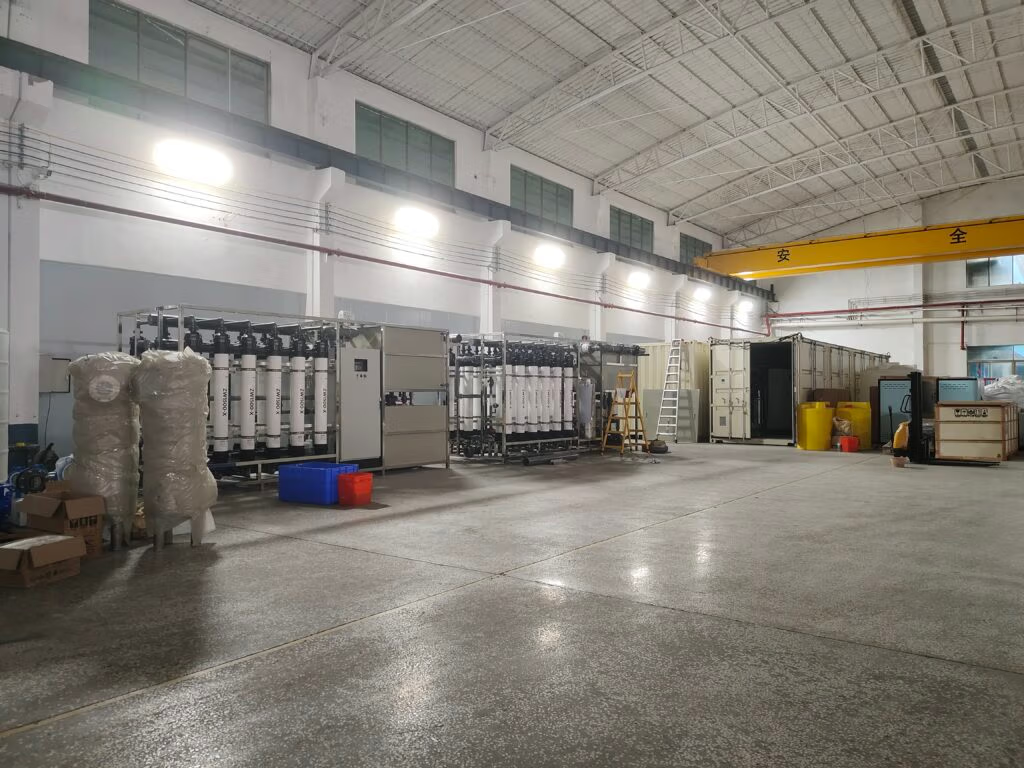
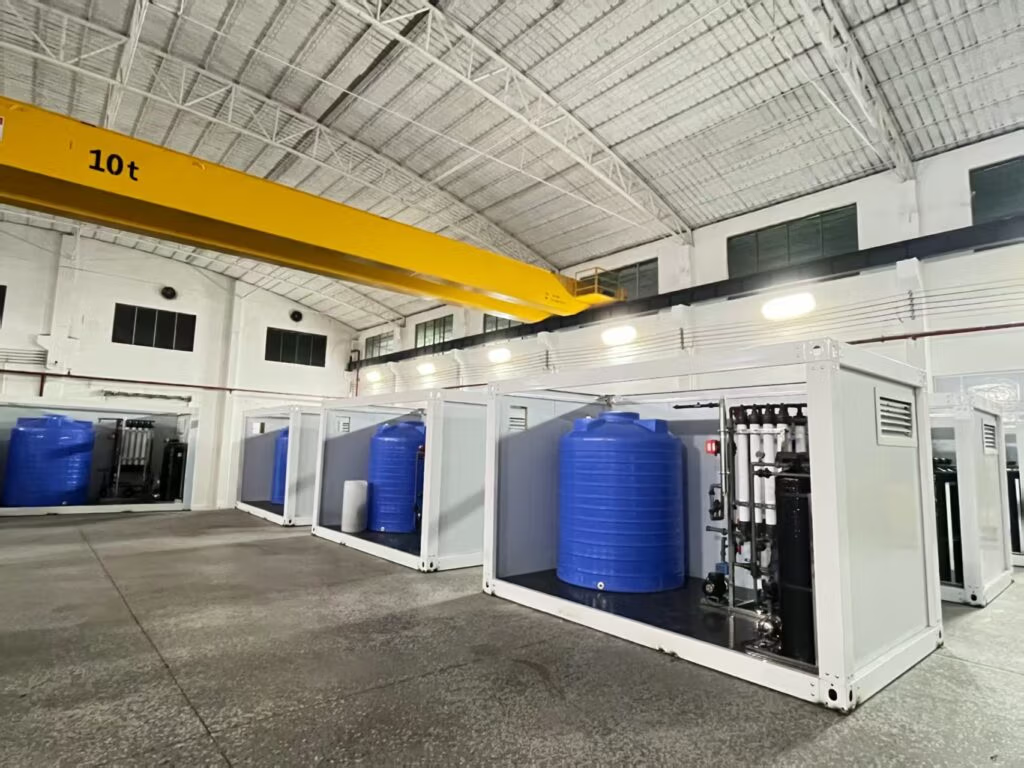
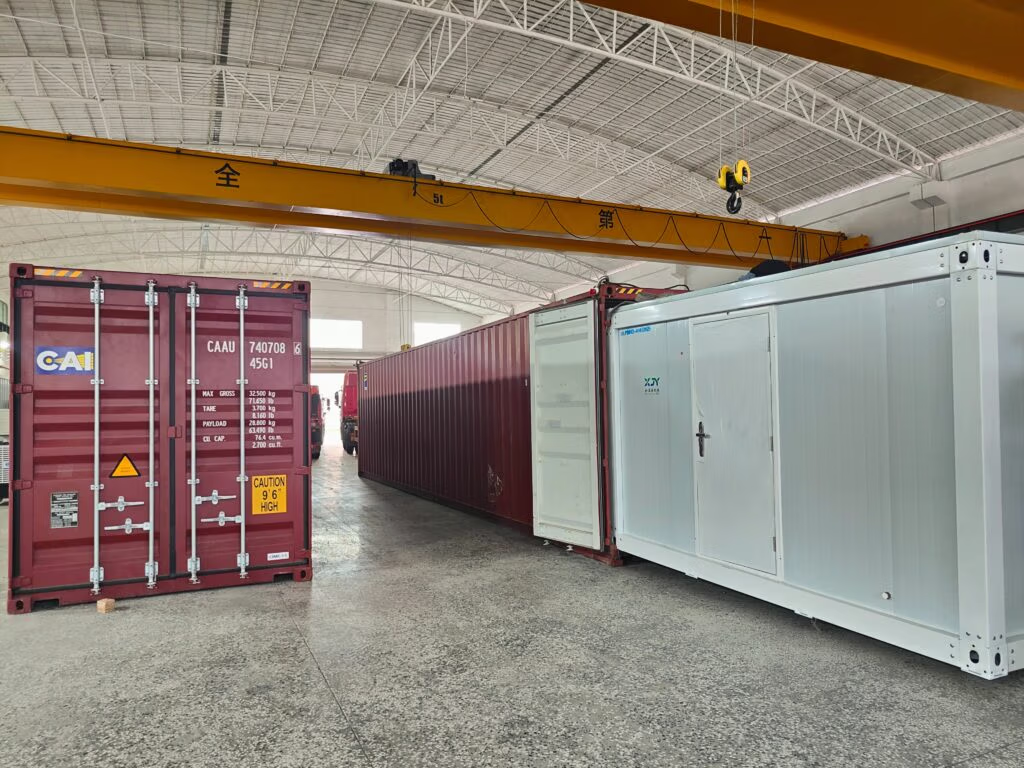
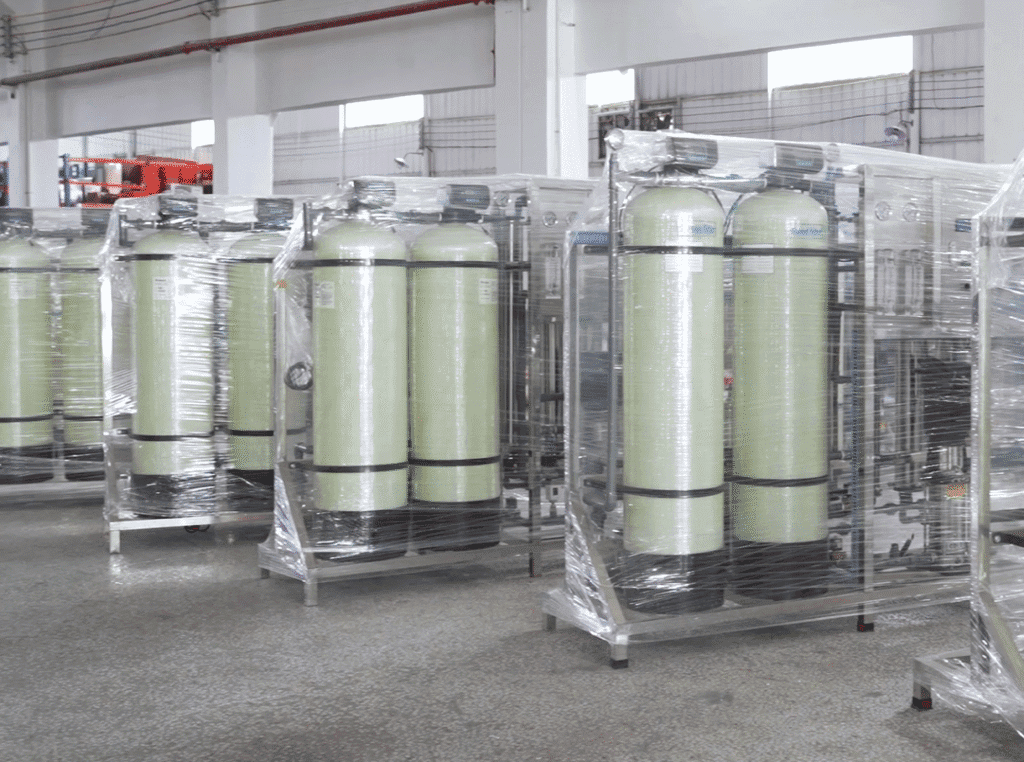
Nei sistemi di produzione, l'acqua ad elevata purezza è un prerequisito fondamentale per garantire la qualità del prodotto e prolungare la durata delle apparecchiature. Tecnologia a osmosi inversa, con le sue precise capacità di separazione a membrana, è diventata la soluzione principale per la produzione di acqua pura. Un servizio professionale di osmosi inversa è fondamentale per garantire il funzionamento continuo e stabile del sistema e massimizzarne l'efficienza, al servizio di un'ampia gamma di settori, tra cui quello chimico, elettronico, farmaceutico e della produzione di energia.
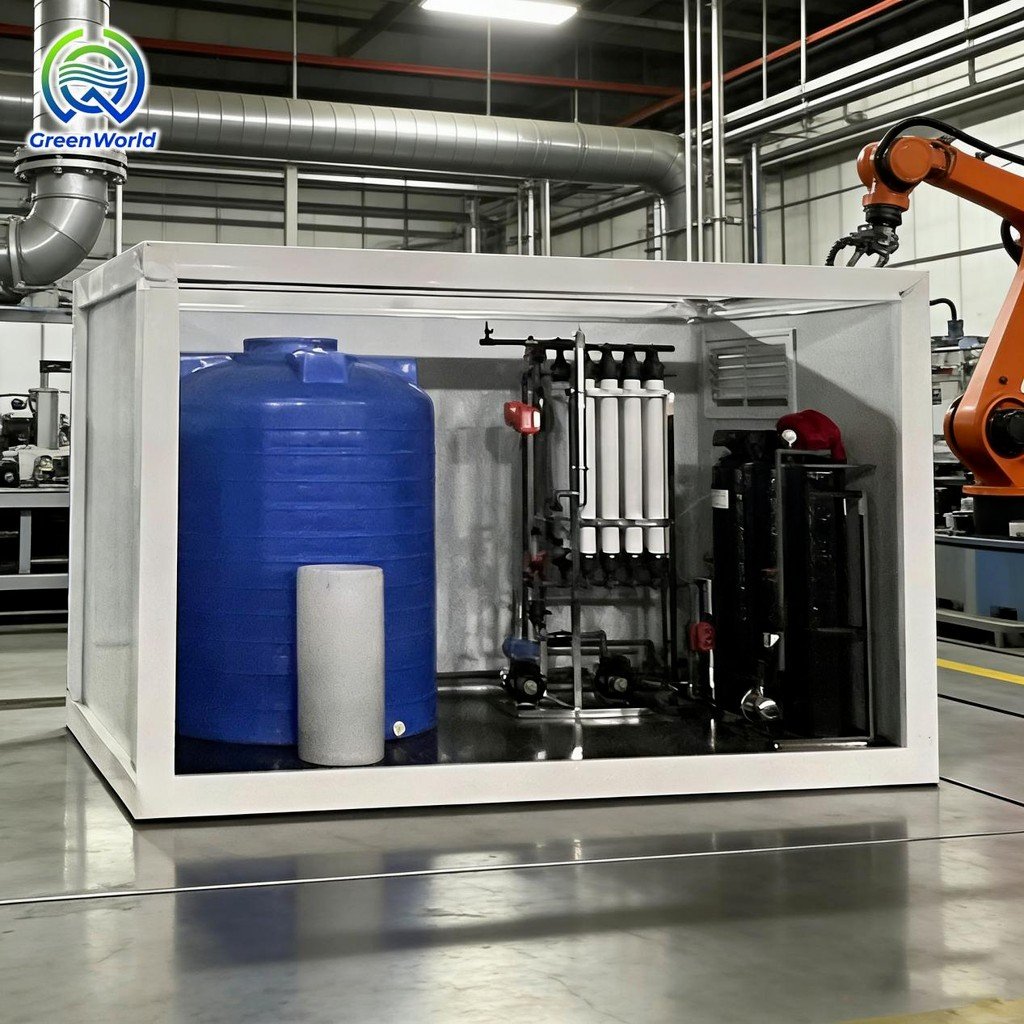
Il servizio di osmosi inversa si basa sulla tecnologia di separazione a membrana. Il principio di base è quello di utilizzare l'alta pressione per far passare le molecole d'acqua attraverso i micropori selettivi di una membrana semipermeabile, intrappolando contemporaneamente impurità come sali, colloidi, materia organica e microrganismi, ottenendo una separazione altamente efficiente di acqua e inquinanti. Questo tipo di servizio non è una semplice manutenzione delle apparecchiature, ma una soluzione completa che copre l'intero ciclo di vita. Costituisce un ciclo di assistenza completo, dalla diagnostica del sistema all'esecuzione in loco, dalla manutenzione ordinaria agli aggiornamenti tecnici.
Quali aspetti sono coperti dal servizio di osmosi inversa?
① La revisione del sistema e l'ottimizzazione personalizzata sono aspetti fondamentali dei servizi di osmosi inversa. Un team di assistenza professionale esegue una revisione completa dei sistemi di trattamento delle acque esistenti, analizzando dati fondamentali come la qualità dell'acqua in ingresso, i parametri operativi e gli indicatori dell'acqua prodotta per individuare con precisione i colli di bottiglia nelle prestazioni. Personalizzano i moduli di pretrattamento, tra cui filtrazione a cartuccia, adsorbimento a carbone attivo e addolcimento, in base alle condizioni operative delle diverse aziende. Nel frattempo, sfruttano le proprie tecnologie proprietarie per ottimizzare i piani operativi, ad esempio abilitando sistemi di monitoraggio remoto per monitorare lo stato delle apparecchiature in tempo reale, riducendo significativamente i tempi di fermo non pianificati.
2. I servizi specifici per gli elementi a membrana sono fondamentali per garantire l'efficienza del sistema. Essendo materiali di consumo fondamentali, gli elementi a membrana sono soggetti a degrado delle prestazioni a causa di incrostazioni e incrostazioni. Il team di assistenza sviluppa piani di pulizia mirati in base al tipo di incrostazione, ripristinando le prestazioni della membrana tramite agenti professionali e procedure standardizzate. Quando i test convenzionali non riescono a individuare il guasto, utilizzano la tecnologia di dissezione della membrana per analizzare le cause dell'incrostazione, ottimizzare il pretrattamento e i parametri operativi alla fonte e fornire anche raccomandazioni personalizzate per la sostituzione degli elementi a membrana, al fine di ridurre i costi dei materiali di consumo delle aziende.
3. I servizi di assistenza online e supporto remoto sono garanzie essenziali per il servizio di osmosi inversa. Il team di assistenza fornisce una risposta online 24 ore su 24, 7 giorni su 7, ad anomalie impreviste dei parametri e ad allarmi delle apparecchiature durante il funzionamento e la manutenzione aziendale. Possono collegare da remoto il sistema al back-end per visualizzare i dati operativi in tempo reale, individuare le cause principali dei guasti e fornire una guida operativa precisa tramite voce, testo e immagini. Per situazioni complesse che non possono essere gestite da remoto, il personale tecnico più vicino verrà inviato immediatamente sul posto, creando un doppio sistema di garanzia "assistenza online + supporto in loco" per proteggere in modo completo il funzionamento continuo e stabile del sistema.
Quali sono alcuni esempi di servizi di osmosi inversa?
Rispetto alla gestione e alla manutenzione interna, un servizio professionale di osmosi inversa offre vantaggi significativi in termini di controllo dei consumi energetici ed efficienza operativa. Numerosi progetti su larga scala ne hanno già dimostrato il valore.
Sistema di osmosi inversa DuPont
Il tradizionale sistema di osmosi inversa di ADM Group negli Stati Uniti era soggetto a frequenti arresti per la pulizia a causa della crescita microbica e dell'incrostazione delle membrane, con conseguente riduzione della durata delle stesse, elevati costi di manutenzione e consumi energetici. DuPont Water ha potenziato il suo sistema di osmosi inversa a circuito chiuso e, grazie a un'ottimizzazione personalizzata, alla protezione anti-incrostazione e al controllo intelligente, ha ridotto significativamente la frequenza di pulizia, quasi raddoppiato la durata delle membrane, ridotto il consumo energetico e migliorato significativamente i tempi di attività delle apparecchiature e la stabilità dell'acqua prodotta.
Impianto di dissalazione dell'acqua di mare IDE
L'impianto di dissalazione Soreco in Israele è dotato di un servizio di osmosi inversa completo fornito da IDE Technologies. Utilizza moduli a membrana di grande diametro da 16 pollici per realizzare un sistema di osmosi inversa a due stadi, abbinato a un pretrattamento automatizzato e a soluzioni intelligenti di gestione e manutenzione. Con poco più di 40 dipendenti, l'azienda raggiunge una capacità produttiva giornaliera di acqua dolce di 624.000 metri cubi con un tasso di rigetto salino superiore al 90% e controlla con precisione i costi di gestione e manutenzione del sistema a un livello tra i più bassi del settore.

Trattamento delle acque reflue
La fragilità delle membrane polimeriche e gli elevati costi di manutenzione hanno messo a dura prova un progetto di trattamento delle acque reflue su una nave italiana. Un team di professionisti ha sostituito le membrane con membrane ceramiche a foglio piano e ottimizzato il sistema di osmosi inversa. Senza modificare l'apparecchiatura originale, hanno solo aggiornato i componenti principali della membrana. Ciò ha ridotto i costi di sostituzione delle membrane di oltre il 50%, ridotto i requisiti di manutenzione a un quarto e garantito che la torbidità dell'effluente rimanesse costantemente al di sotto di 0,3 NTU, nel pieno rispetto degli standard sugli scarichi in mare.
Progetto di desalinizzazione saudita
Nel progetto di desalinizzazione dell'acqua di mare Rabigh Fase IV in Arabia Saudita, il team di assistenza ha innovato il processo di layout del modulo a membrana e ottimizzato il percorso di produzione dell'acqua aggiungendo tappi al tubo di produzione dell'acqua del guscio della membrana. Ciò ha ridotto il consumo energetico per tonnellata di acqua prodotta a 2,773 kWh, il più basso del settore, e ha anche prolungato la durata degli elementi della membrana, ottenendo una duplice ottimizzazione di efficienza e costi.
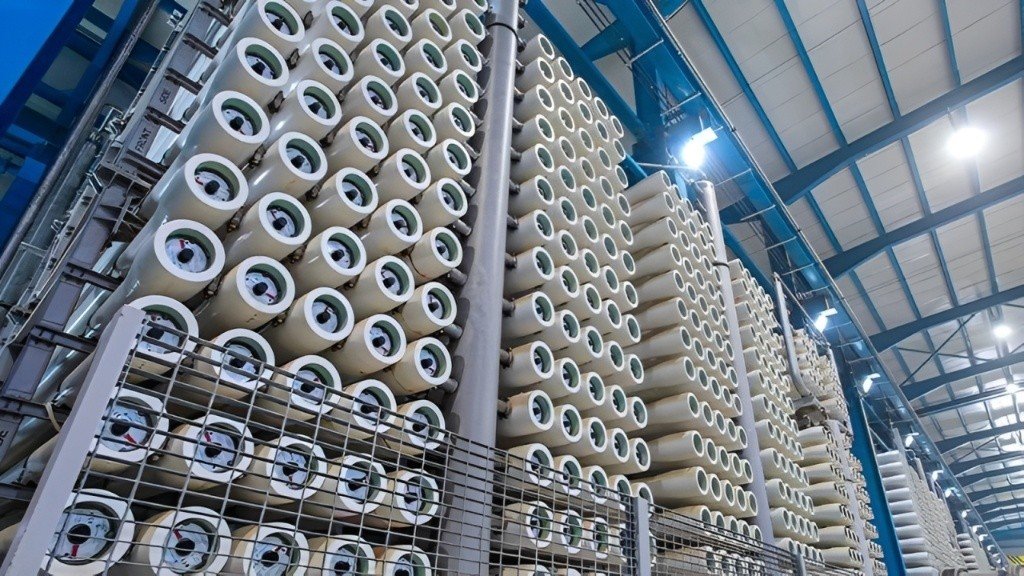
Questi casi intersettoriali dimostrano pienamente che il servizio professionale di osmosi inversa può adattarsi con precisione a diverse condizioni di lavoro e creare notevoli vantaggi economici e valore di produzione per le aziende.
Riassumere
Il servizio di osmosi inversa si sta evolvendo verso l'intelligenza e l'efficienza. L'applicazione di tecnologie come il monitoraggio remoto e il controllo intelligente rende il funzionamento e la manutenzione del sistema più precisi ed efficienti. Servizi a valore aggiunto come il recupero dei concentrati e gli interventi di ammodernamento per il risparmio energetico aiutano le aziende a riciclare le risorse idriche, a ridurre i costi e a migliorare l'efficienza.