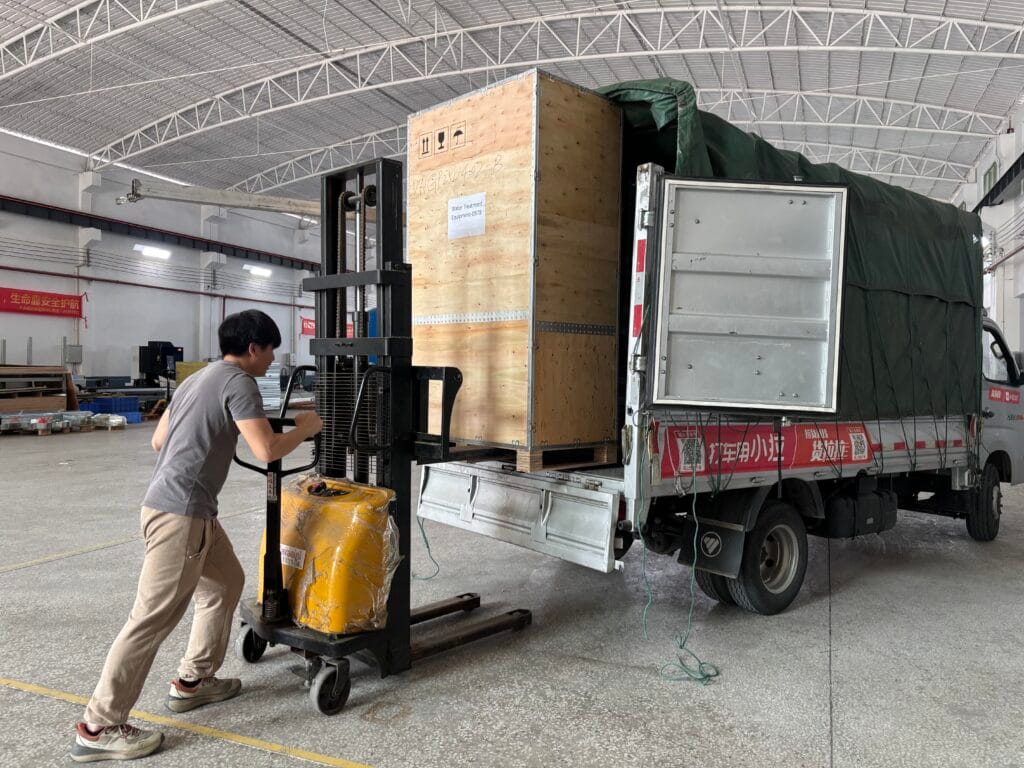
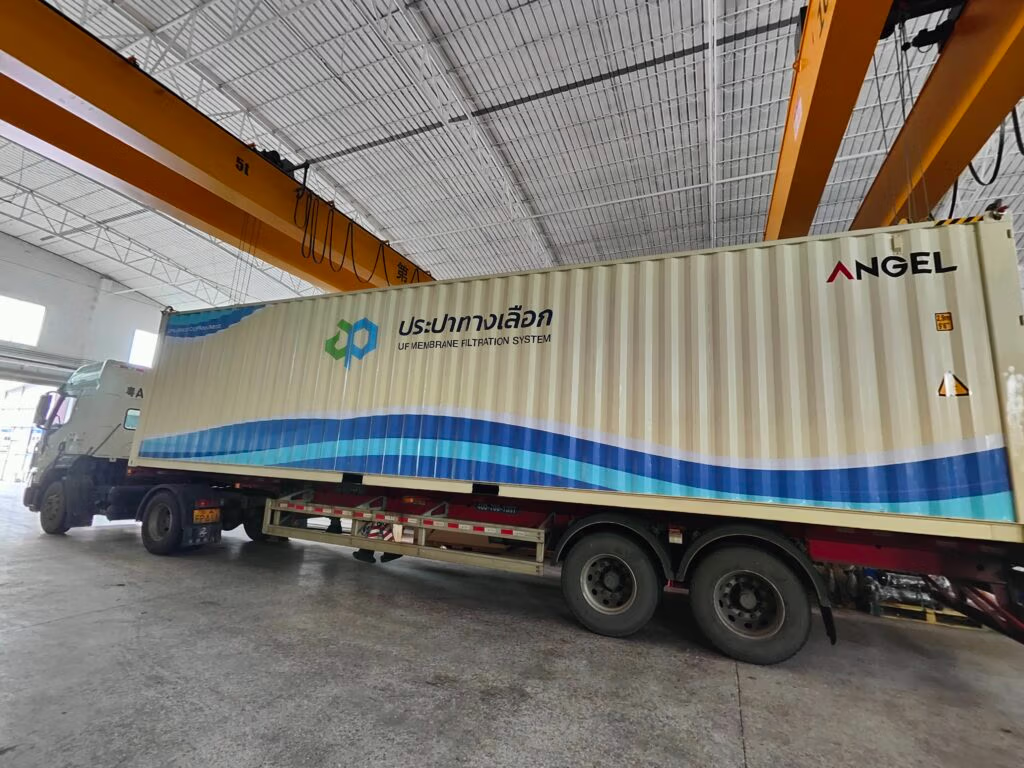
Il costo di un sistema di osmosi inversa non si limita al prezzo di acquisto dell'apparecchiatura. Si tratta infatti di un sistema di costi complessivo che comprende diverse dimensioni, tra cui l'investimento iniziale, il funzionamento e la manutenzione, nonché le spese occulte. Diversi fattori, tra cui le specifiche dell'apparecchiatura, la qualità dell'acqua e gli scenari di applicazione, influenzano questo costo, pertanto è necessario condurre un'analisi e una ripartizione complete.
Costo iniziale di investimento del sistema di osmosi inversa
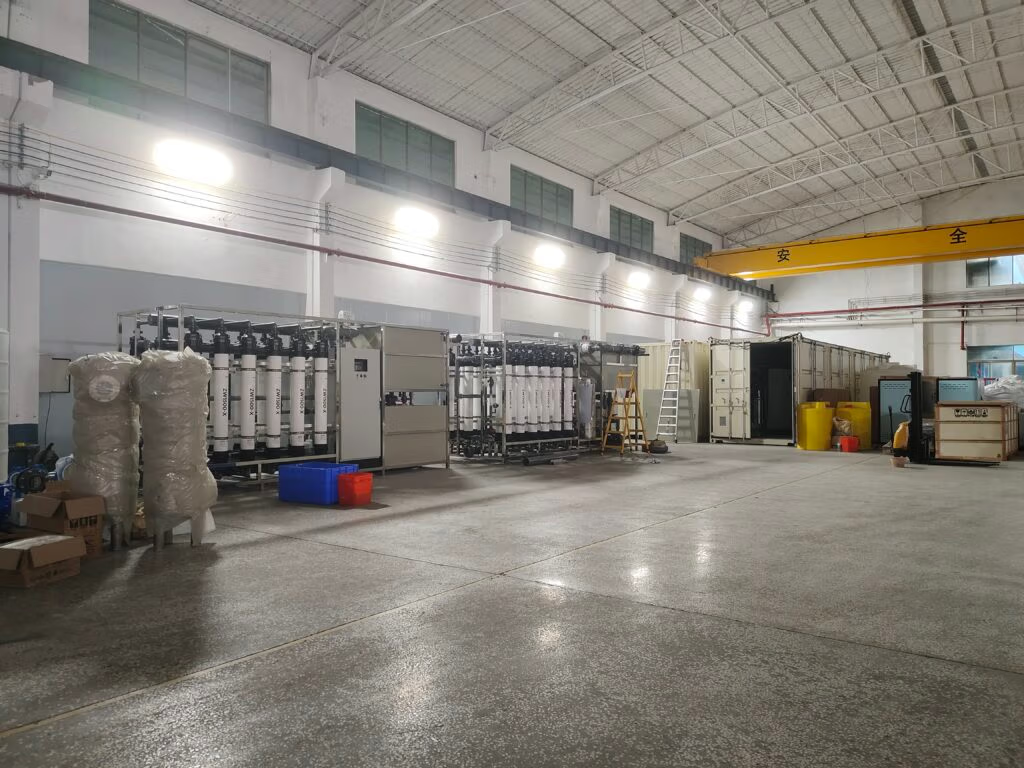
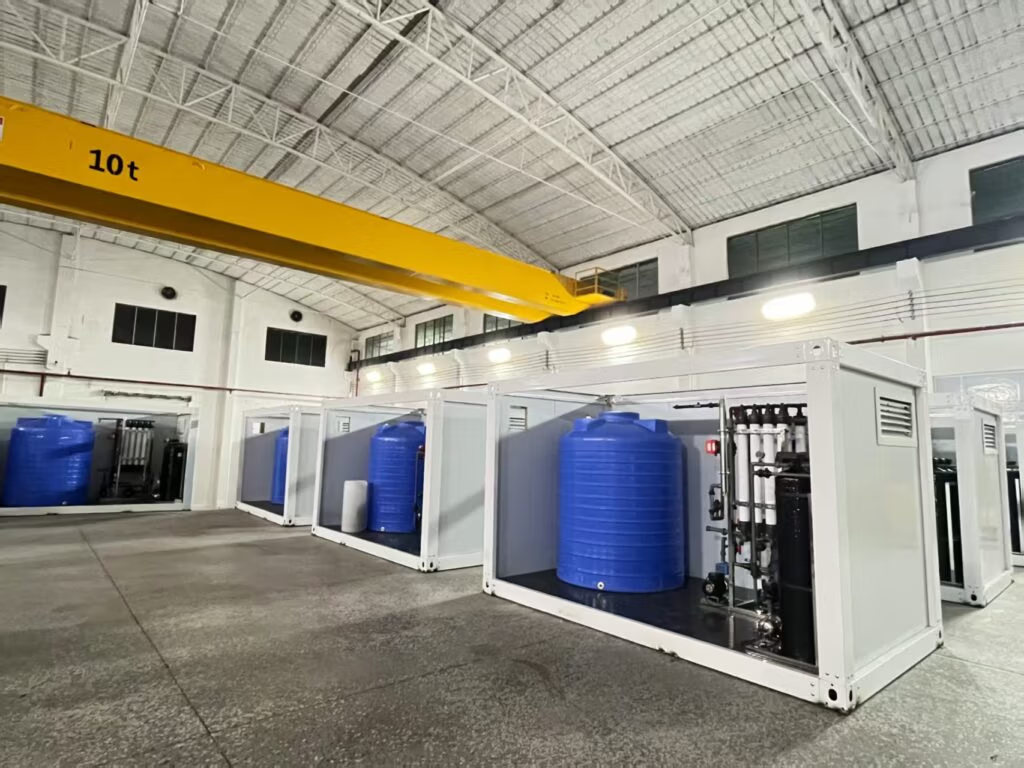
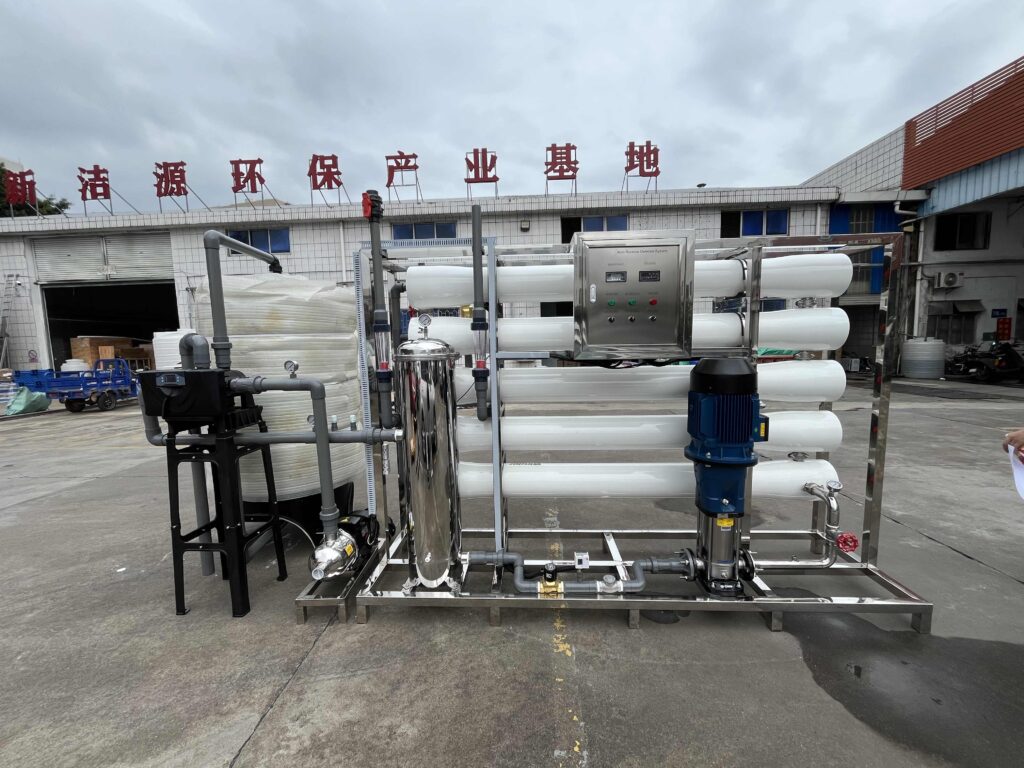
Equipment procurement constitutes the first major expense for a sistema ad osmosi inversa, and it typically links directly to the system’s processing capacity and configuration level. Core component prices vary significantly between specifications and brands. Therefore, we can describe it by three factors: processing capacity, brand and pre-treatment equipment cost.
1. Divided by processing power
The smaller the treatment volume, the lower the purchase cost of a single unit. For example, a 10m³/h system costs approximately $21,000-42,000 USD, while a 50m³/h medium-sized system costs $112,000-210,000 USD. If special water quality, such as high-salinity wastewater, is being treated, the price will increase.
2. Influence of core component brand
The reverse osmosis membrane is the most critical component of the system, and the brand choice significantly impacts cost. For example, industrial-grade reverse osmosis membranes from Dow, Hyde Energy, and Toray typically cost between $280 and $700 per unit. Meanwhile, Chinese-made Huitong and Times Vonton membranes are priced approximately 60% to 80% of these other brands.
3. Pretreatment equipment cost
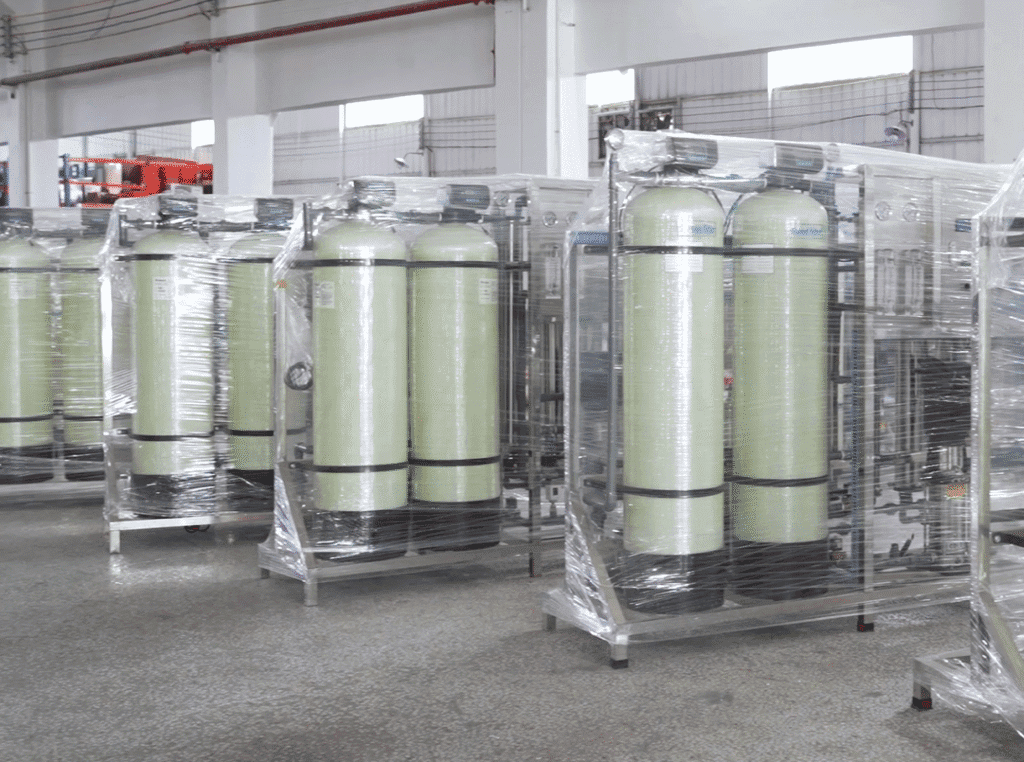
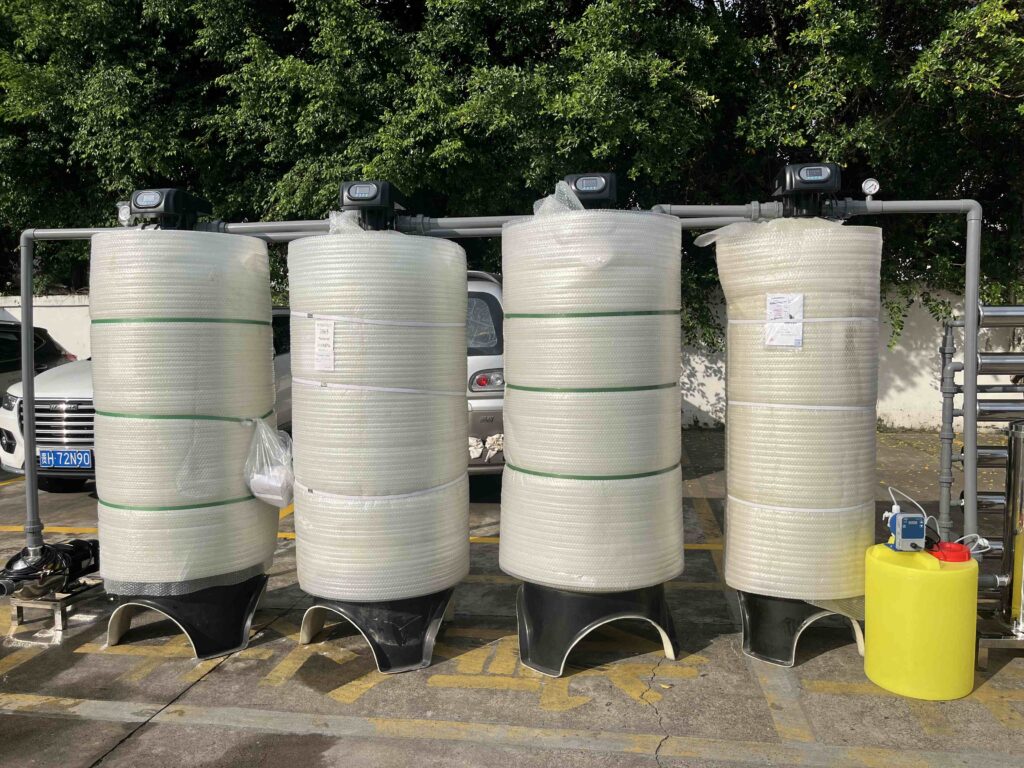
If the raw water quality is poor (e.g., containing large amounts of suspended solids, organic matter, and hardness ions), we will need to add a softener to remove calcium and magnesium ions. This will increase the equipment procurement cost by 10%-30%.
Costi di esercizio e manutenzione di un sistema di osmosi inversa
After the equipment is put into use, it actually needs long-term maintenance, which mainly includes four parts: energy consumption, chemicals, consumables replacement, labor and maintenance.
1. Main expenses of high-voltage operation
I sistemi ad osmosi inversa richiedono una pompa ad alta pressione per fornire una pressione sufficiente a forzare l'acqua grezza attraverso la membrana. I costi energetici vengono calcolati in base a tre fattori: la capacità del sistema, la pressione di esercizio e i prezzi locali dell'energia elettrica.
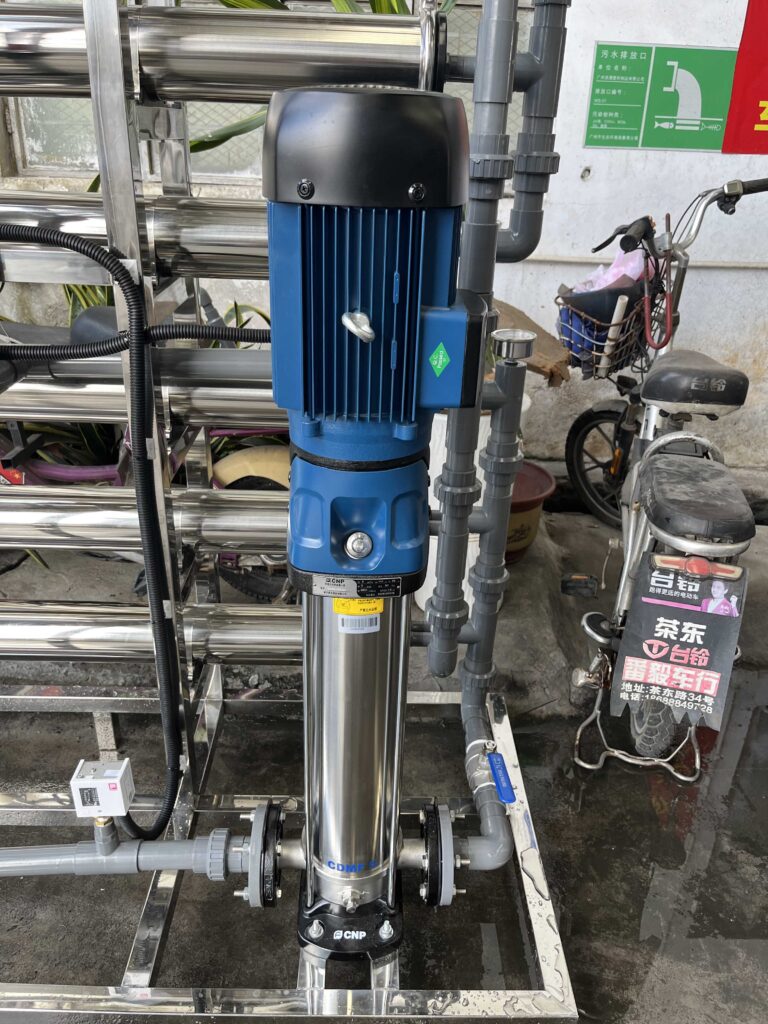
Processing capacity and operating pressure influence energy consumption. For example, a 50 m³/h system with a high-pressure pump power of 37-55 kW, operating 20 hours per day at an electricity price of $0.084 per kWh, results in a daily energy cost of $62.16-92.4. Treating wastewater with a salinity exceeding 5000 mg/L requires a high pressure of 2.5-4.0 MPa, increasing pump power to 75-110 kW, and increasing annual energy costs to $38,400-56,500.
2. Pharmaceutical cost
To prevent reverse osmosis membrane scaling and fouling and maintain stable system operation, we must regularly add various chemicals to the system. These include flocculants, biocides, and scale inhibitors during the pretreatment phase, as well as acid and alkaline wash chemicals during the cleaning phase.
For a 50 m³/h system, for example, a flocculant dosage of 2-5 mg/L costs $84-210 per month. A scale inhibitor dosage of 3-8 mg/L costs $1,900-$5,000 per month. A biocide dosage of 1-3 mg/L costs $315-945 per month. The combined annual cost is $27,500-$91,100.
3. Consumables replacement cost
The main equipment consumables include reverse osmosis membranes, filter elements, sealing rings, etc., and we need to replace them regularly to ensure the system’s performance.
Reverse Osmosis Membrane Replacement
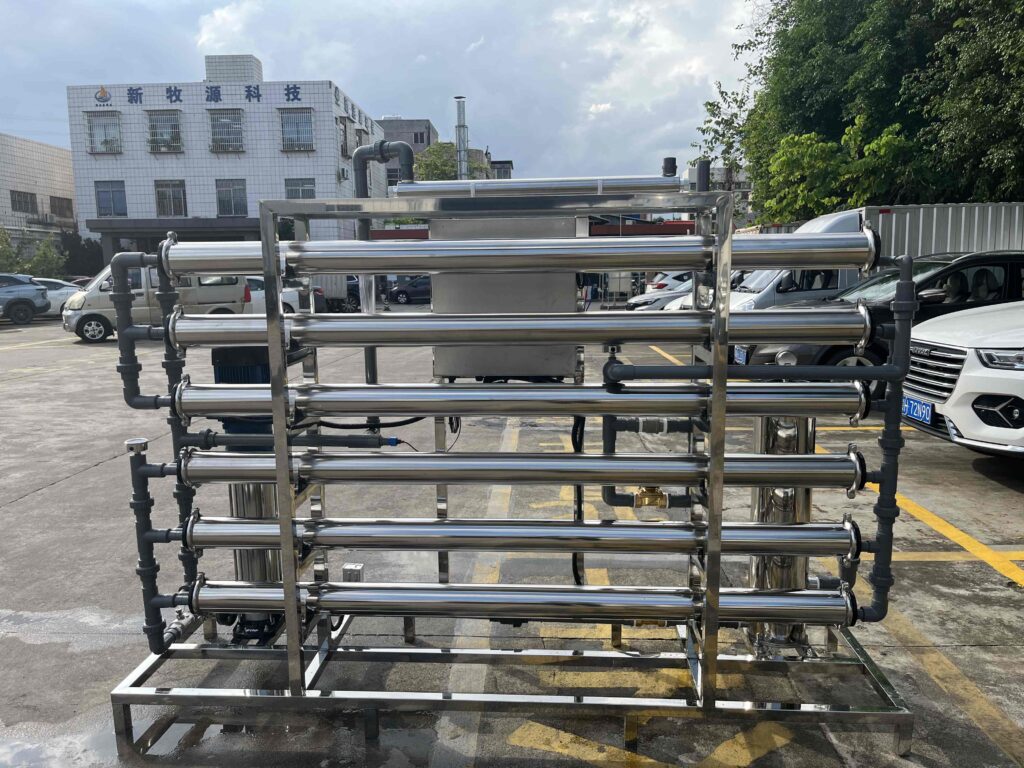
Reverse osmosis membranes typically have a lifespan of 2-5 years, depending on the raw water quality and cleaning frequency. A 50m³/h system requires 40-60 8-inch membranes, costing an average of US$2,800 to US$10,500 per year. Severe raw water contamination can reduce membrane lifespan to 1.5-2 years, increasing costs.
Filter and seal replacement
For a 50m³/h system, we should replace the precision filter element monthly, with a cost of $28–84 USD per replacement. We need to replace the activated carbon filters every three to six months, averaging $28–74.5 USD per month. We should replace the seals every one to two years, at a cost of $700–1400 USD per replacement. The average annual cost of consumable replacement (excluding membranes) is approximately $700-2100 USD.
Riassumere
Nella scelta di un sistema industriale di osmosi inversa, è necessario considerare la capacità di trattamento, la qualità dell'acqua grezza, il budget di spesa e le esigenze a lungo termine.
If you require a quote for this type of equipment, please feel free to contattateci.