La filtrazione dell'acqua ultrapura utilizza una serie di metodi fisici e chimici per rimuovere dall'acqua impurità quali particelle in sospensione, colloidi, ioni disciolti, materia organica e microrganismi, raggiungendo standard di purezza estremamente elevati. L'acqua pura che ne deriva soddisfa i requisiti della produzione di precisione, dell'ingegneria chimica di alto livello, della biomedicina e di altre applicazioni che richiedono livelli di impurità estremamente bassi.
Quale livello di filtrazione dell'acqua ultrapura è necessario?
Resistività:
L'acqua ultrapura richiede in genere una resistività di 18,2 MΩ-cm (25°C). A questa temperatura, la concentrazione di ioni nell'acqua è estremamente bassa. Pertanto, si avvicina al livello dell'acqua teoricamente pura.
Carbonio organico totale (TOC):
L'acqua ultrapura richiede generalmente un valore di TOC inferiore a 5 ppb (meno di 1 ppb in alcune applicazioni di semiconduttori).
Contenuto di particelle:
Dobbiamo controllare il numero di particelle ≥0,1 μm a meno di 10 per millilitro. Per evitare che le particelle più piccole aderiscano alle superfici dei componenti di precisione e compromettano le prestazioni.
Contenuto microbico:
L'acqua ultrapura deve essere sterile (conta totale delle colonie <1 CFU/mL).
Come funziona la filtrazione dell'acqua ultrapura?
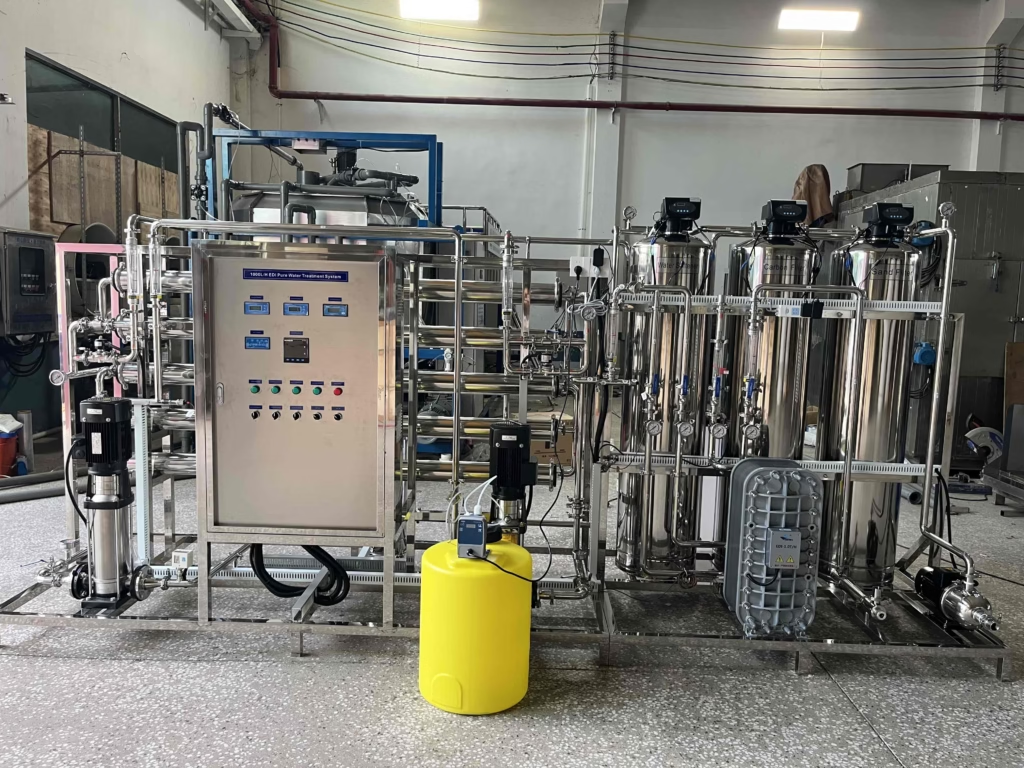
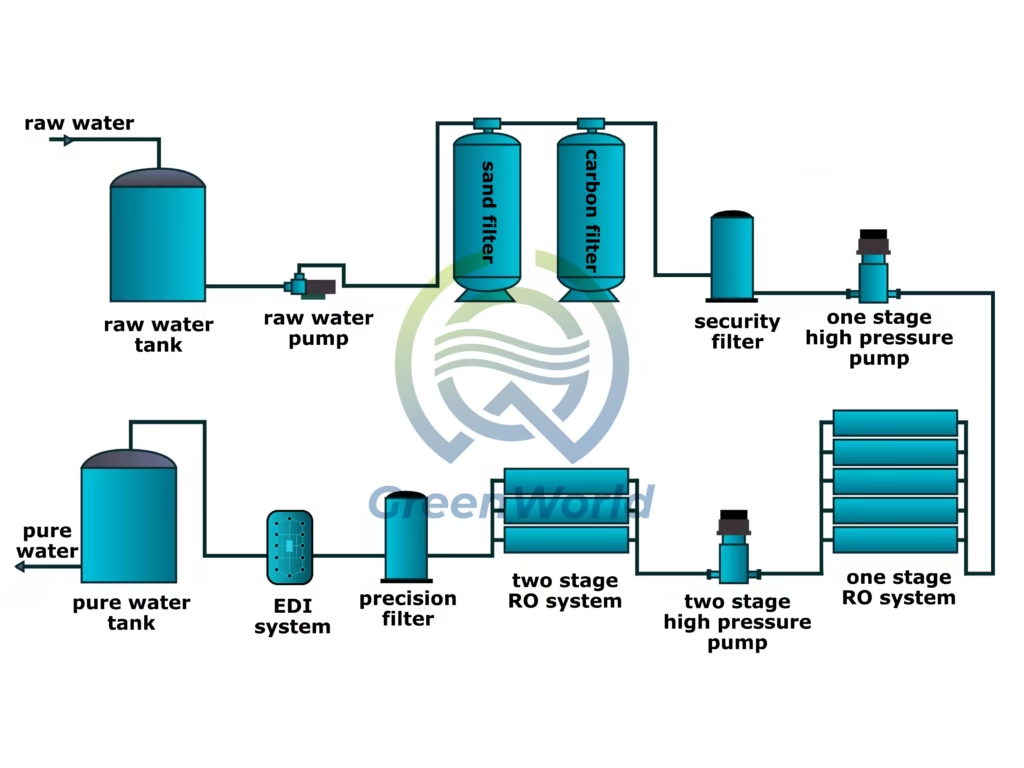
Possiamo dividere il processo di purificazione di Sistema EDI in cinque fasi. Comprendono il pretrattamento, il trattamento primario a osmosi inversa, il trattamento secondario a osmosi inversa, il trattamento EDI profondo e la garanzia di qualità delle acque terminali.
1. Fase di pre-elaborazione
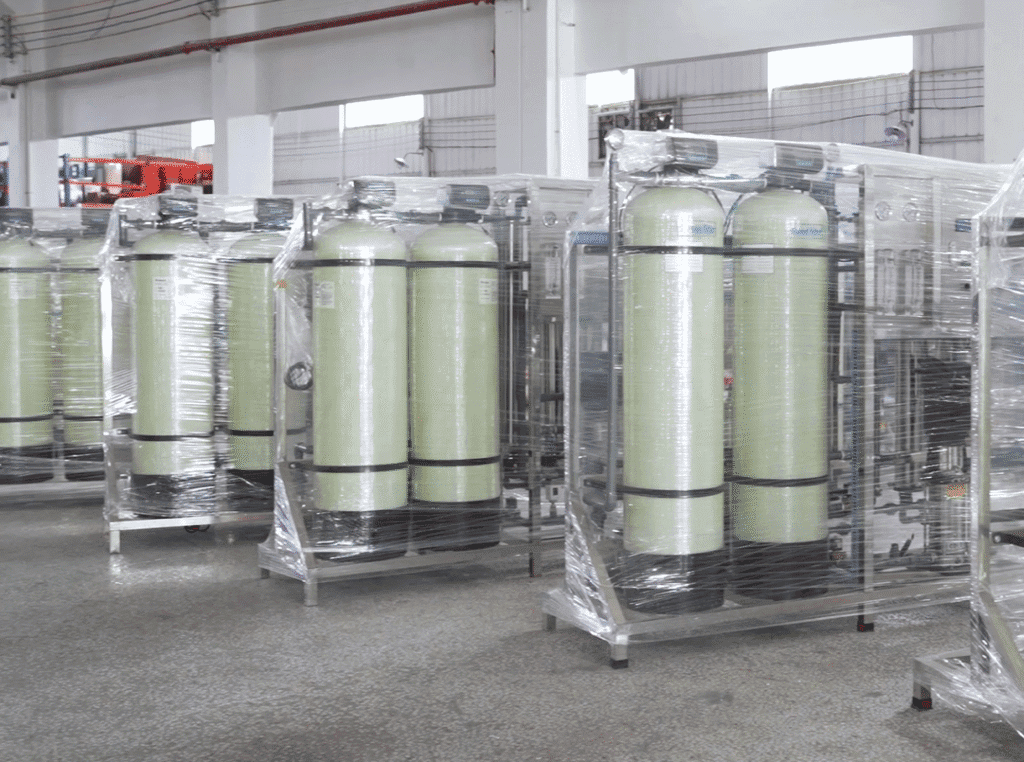
In primo luogo, l'acqua grezza viene trattata in sequenza attraverso un filtro multimediale, a carboni attivi e di sicurezza. Successivamente, viene aggiunto un inibitore di calcare (durezza 8,5) o troppo basso (<5,5), è necessario regolare il pH a 6,5-7,5 per adattarlo all'intervallo di pH operativo ottimale della membrana RO.
Questo processo rimuove i solidi sospesi, i colloidi, il cloro residuo, la durezza (Ca²⁺, Mg²⁺) e alcune sostanze organiche dall'acqua grezza. In questo modo si evitano incrostazioni, contaminazioni o danni da ossidazione alla membrana RO, garantendo un funzionamento stabile del sistema RO.
2. Stadio di trattamento primario a osmosi inversa
In secondo luogo, una pompa ad alta pressione pressurizza l'acqua pretrattata a 1,5-2,5 MPa. Utilizzando una membrana RO ad alta densità e resistente alle incrostazioni, la pressione costringe le molecole d'acqua ad attraversare la membrana per formare “l'acqua del prodotto”. Gli ioni disciolti e la materia organica vengono trattenuti come acqua concentrata (20%-30%, che può essere scaricata o riciclata).
L'acqua prodotta entra in un serbatoio tampone. Nel frattempo, è richiesto il monitoraggio online della resistività (100-500 kΩ・cm), della conducibilità e del tasso di desalinizzazione ≥97%. Gli indicatori anomali (come la riduzione del tasso di desalinizzazione a causa di incrostazioni della membrana) attivano un allarme.
Questo rimuove 97% gli ioni disciolti, le grandi molecole organiche e alcuni microrganismi dall'acqua pretrattata, riducendo in modo significativo il carico di impurità nell'acqua.
3. Stadio di trattamento secondario a osmosi inversa
In terzo luogo, perché la salinità dell'acqua del permeato primario è notevolmente diminuita. Una pompa secondaria ad alta pressione aumenta la pressione a 1,0-1,8 MPa (inferiore a quella di
l'acqua del permeato primario per evitare danni alla membrana). È possibile selezionare una membrana RO con un'efficienza di desalinizzazione più elevata (ad esempio, un tipo a bassa incrostazione). L'acqua permeata deve avere una resistività ≥150 kΩ・cm, TOC <50 ppb e silice <0,1 mg/L (per prevenire l'incrostazione EDI). Se il TOC supera i limiti specificati, possiamo aggiungere un'unità di ossidazione UV a 185 nm prima della RO secondaria.
Il concentrato secondario di RO (con una salinità superiore a quella dell'acqua permeata primaria, ma inferiore a quella dell'acqua grezza) può essere restituito all'alimentazione primaria di RO per un nuovo trattamento. Pertanto, si ottiene un tasso di recupero complessivo dell'acqua di 70%-80%.
Dopo questo trattamento, l'acqua trattata soddisfa pienamente i requisiti di qualità dell'acqua di alimentazione per EDI. Il tasso di rimozione totale degli ioni è ≥99,5% (rispetto all'acqua grezza) e la resistività dell'acqua permeata è 150-1000 kΩ・cm, con TOC <50 ppb.
4. Desalinizzazione profonda EDI
Dopo il trattamento secondario a osmosi inversa, l'acqua passa attraverso un modulo EDI (contenente una membrana che lega gli ioni, una resina e degli elettrodi) e viene attraversata da una corrente continua (1-5 A). Gli ioni migrano verso la camera di concentrazione per essere scaricati. Successivamente, si controlla la portata dell'acqua dolce (1-3 L/min per modulo) e si monitora la resistività dell'acqua prodotta.
Questo trattamento raggiunge le specifiche fondamentali per l'acqua ultrapura industriale. Come quelle richieste dall'industria dei semiconduttori e biofarmaceutica. Efficienza di rimozione degli ioni ≥99,9%, resistività dell'acqua prodotta 15-18 MΩ cm, TOC <10 ppb e contenuto di silice <0,01 mg/L.
5. Garantire la qualità dell'acqua del terminale
Al terminale, è necessario utilizzare una membrana di microfiltrazione da 0,02-0,1μm o una membrana di ultrafiltrazione per intercettare i frammenti di resina e i microrganismi che possono cadere dal modulo EDI.
Dobbiamo adattare la sterilizzazione a raggi ultravioletti (UV) all'applicazione. Ad esempio, nell'industria biofarmaceutica e alimentare, le lampade UV a 254 nm di lunghezza d'onda sono utilizzate per distruggere il DNA microbico. In alcune applicazioni, si possono aggiungere UV a 185 nm per ridurre il TOC a <5 ppb. I serbatoi di stoccaggio dell'acqua ultrapura nell'industria dei semiconduttori possono essere riempiti con azoto ad alta purezza con una purezza ≥99,999% per isolare l'aria.
Infine, facciamo circolare l'acqua ultrapura attraverso tubi in acciaio inox 316L. In questo modo si evita che l'acqua stagnante generi microrganismi e si riduce l'assorbimento delle impurità.
Questo trattamento soddisfa i requisiti estremi dell'acqua nelle applicazioni industriali di alto livello. L'acqua del prodotto finale ha una resistività di 18,2 MΩ・cm (25°C), TOC <5 ppb, un contenuto di particelle ≥0,1 μm <1 particella/mL ed è sterile.
Dove possiamo utilizzare la filtrazione dell'acqua ultrapura?
①Industria dei semiconduttori e dell'elettronica
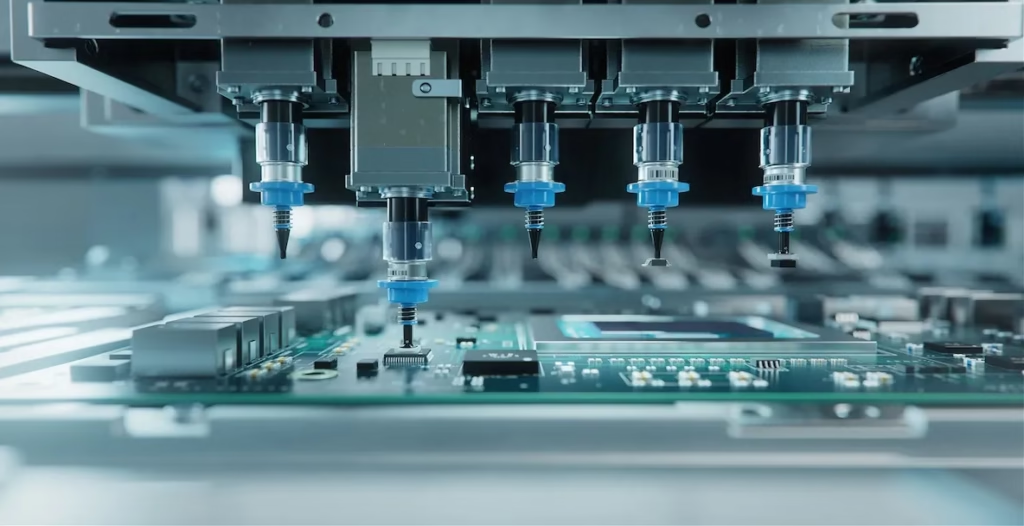
Durante i processi di produzione di chip di semiconduttori (come la pulizia dei wafer, la fotolitografia e l'incisione), gli ioni, le particelle e la materia organica presenti nell'acqua possono causare cortocircuiti nei circuiti dei chip e distorcere i modelli fotolitografici.
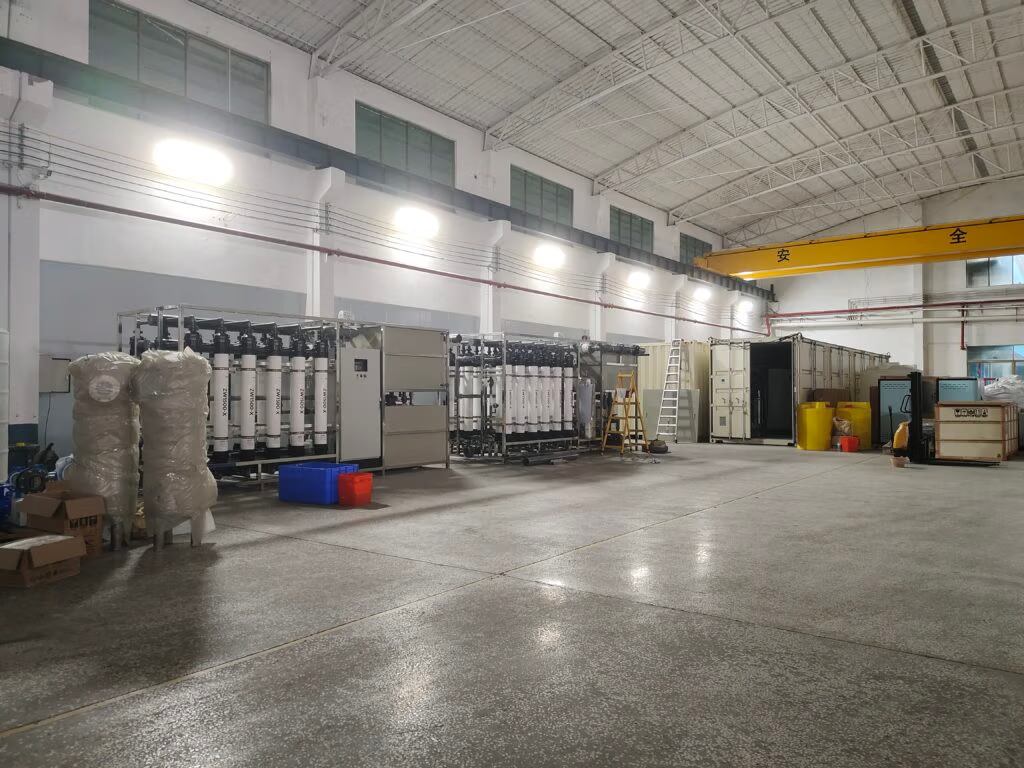
Il nostro sistema di filtrazione dell'acqua ultrapura utilizza un processo combinato “RO + EDI + UV + ultrafiltrazione terminale” per fornire acqua stabile e di elevata purezza per la produzione di chip.
②Industria biofarmaceutica
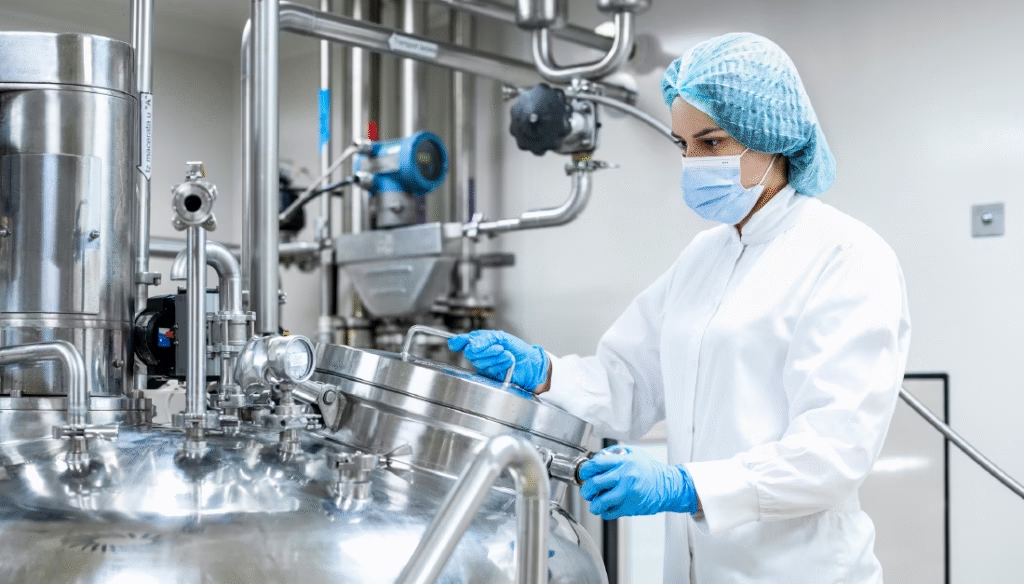
L'acqua ultrapura utilizzata nella produzione farmaceutica e nella pulizia dei dispositivi medici deve soddisfare i requisiti delle buone pratiche di fabbricazione (GMP): sterilità, assenza di pirogeni (endotossine < 0,25 EU/mL) e TOC < 5 ppb.
Il sistema di filtrazione utilizza un processo di “filtrazione UF + RO + EDI + sterilizzazione terminale” per rimuovere microrganismi e pirogeni, evitando la contaminazione farmaceutica.
③Industria energetica
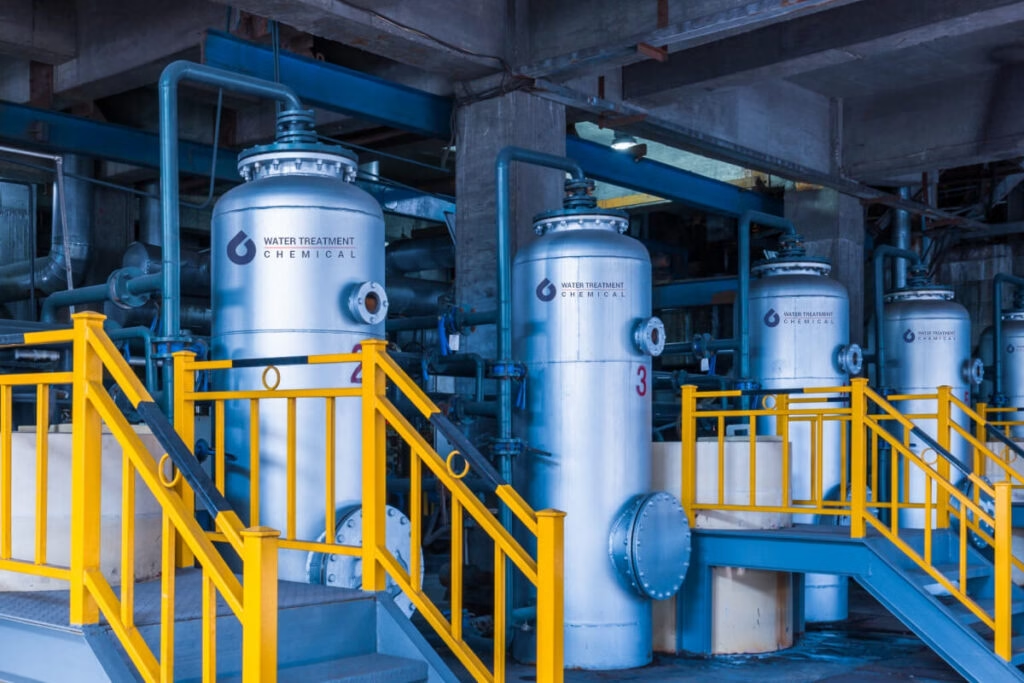
Le impurità ioniche presenti nell'acqua delle caldaie utilizzate nelle centrali termiche o nucleari possono causare la formazione di incrostazioni sulle pareti della caldaia, con conseguente riduzione dell'efficienza termica, corrosione dei tubi e persino esplosioni.
La filtrazione dell'acqua ultrapura utilizza un processo di “RO + scambio ionico” per ridurre la resistività dell'acqua di alimentazione della caldaia a 5-10 MΩ・cm e una durezza (misurata come CaCO₃) inferiore a 0,1 mg/L, riducendo la formazione di calcare e prolungando la vita delle apparecchiature.
④Nuova industria dell'energia
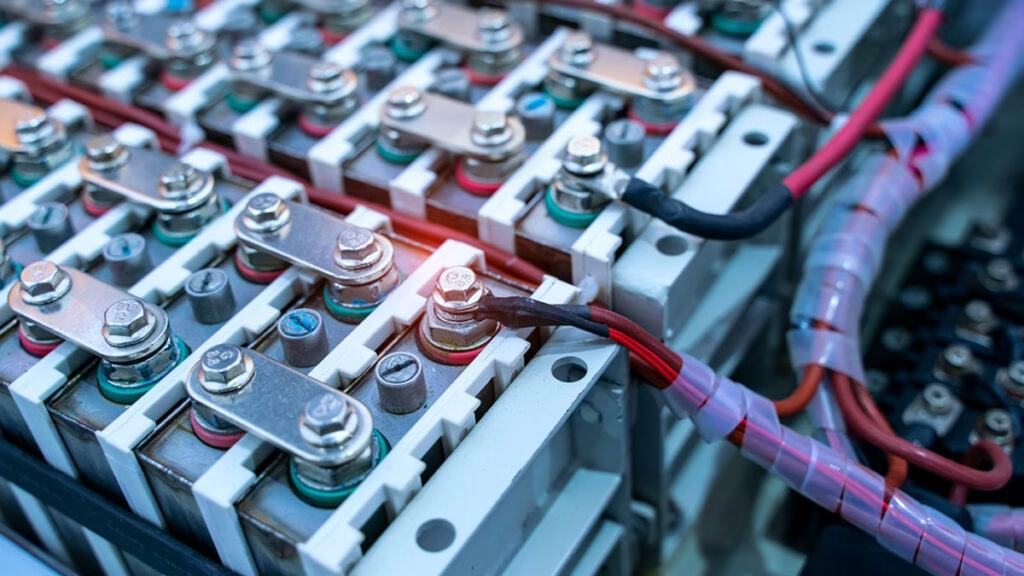
Nella produzione di materiali per catodi di batterie al litio e di wafer di silicio fotovoltaico, gli ioni metallici (come Na⁺ e K⁺) presenti nell'acqua possono influire sulla capacità delle batterie e sull'efficienza di conversione dei moduli fotovoltaici.
I sistemi di filtrazione dell'acqua ultrapura devono controllare il contenuto di ioni metallici a meno di 0,1 ppb. Utilizzando un processo “RO+EDI+resina chelante”, forniscono acqua a bassa purezza per la sintesi di nuovi materiali energetici.
Quali sono i problemi legati all'utilizzo di apparecchiature per l'acqua ultrapura?
Elevato consumo di energia
Le tecnologie principali, come l'osmosi inversa e l'EDI, consumano quantità significative di elettricità (ad esempio, l'osmosi inversa richiede una pressione operativa di 1-4 MPa). Alcuni processi tradizionali di scambio ionico richiedono l'uso frequente di agenti rigeneranti acidi e alcalini, con conseguenti costi operativi elevati e notevoli pressioni ambientali.
Scarsa adattabilità alla complessa qualità dell'acqua
Alcune acque grezze industriali (ad esempio, acque reflue ad alto contenuto di sale e acque reflue contenenti metalli pesanti) hanno una composizione complessa, che rende i sistemi di filtrazione suscettibili all'incrostazione delle membrane e all'avvelenamento delle resine, richiedendo la frequente sostituzione dei materiali di consumo.
Quali sono gli aggiornamenti della filtrazione dell'acqua ultrapura?
Aggiornamenti tecnologici per il risparmio energetico
Utilizzando membrane RO a basso consumo energetico e nuovi moduli EDI (che riducono il consumo energetico di oltre 30%), in combinazione con sistemi di recupero del calore residuo, riduciamo il consumo energetico.
Apparecchiature integrate
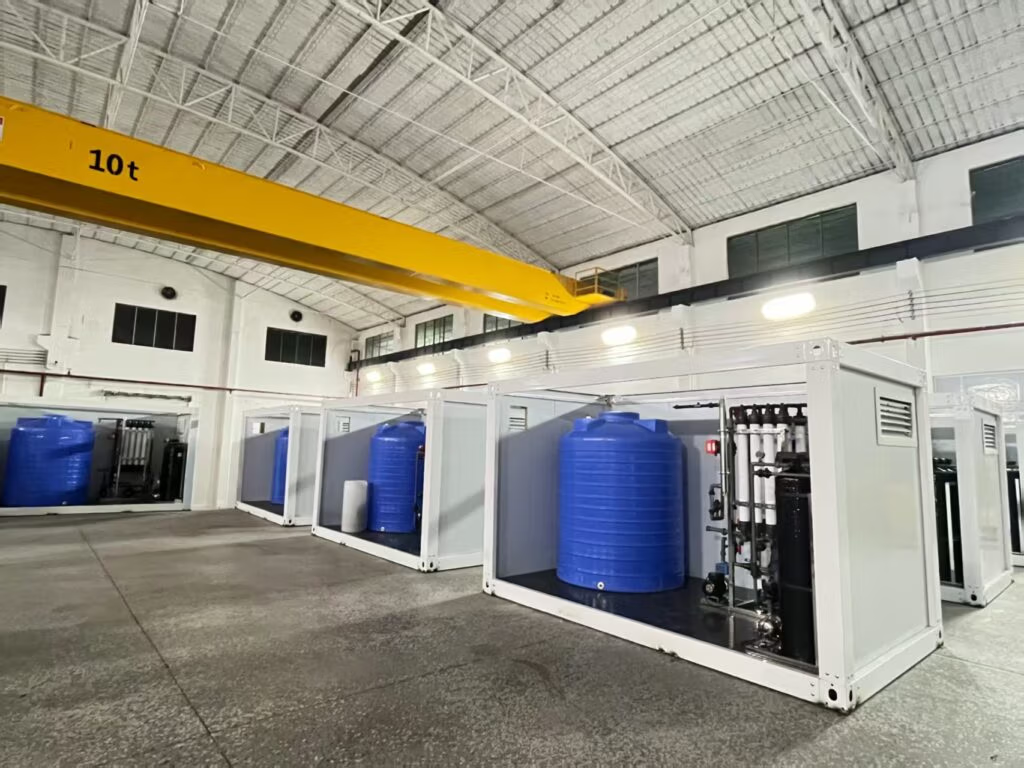
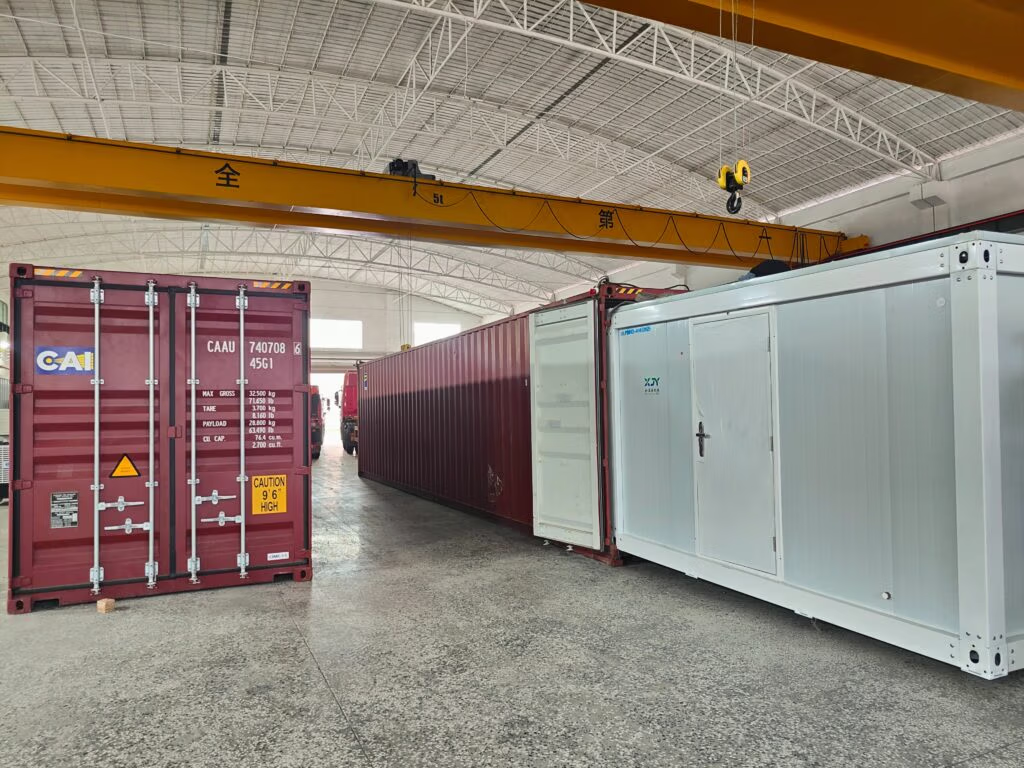
Per soddisfare le esigenze dei clienti di piccole e medie dimensioni, utilizziamo apparecchiature modulari per l'acqua ultrapura (come le unità integrate “pretrattamento + RO + EDI”) per abbreviare i cicli di installazione e ridurre la complessità operativa.
Conclusione
La filtrazione dell'acqua ultrapura utilizza un processo di purificazione a più livelli che combina l'osmosi inversa a due stadi e l'EDI per trasformare l'acqua grezza ordinaria in acqua ultrapura della massima purezza. Ciò fornisce una garanzia idrica fondamentale per lo sviluppo di alta qualità di industrie chiave come i semiconduttori, la biofarmaceutica e le nuove energie.
Attualmente, l'industria del trattamento delle acque si trova ad affrontare sfide quali l'elevato consumo energetico e la scarsa adattabilità a una qualità dell'acqua complessa. L'industria del trattamento delle acque si sta innovando e aggiornando con soluzioni più efficienti e rispettose dell'ambiente. Aiutare la transizione dell'industria manifatturiera globale verso una produzione di precisione e a basse emissioni di carbonio.
Se si dispone di altri Sistema idrico EDI domande, potete sempre consultarci.