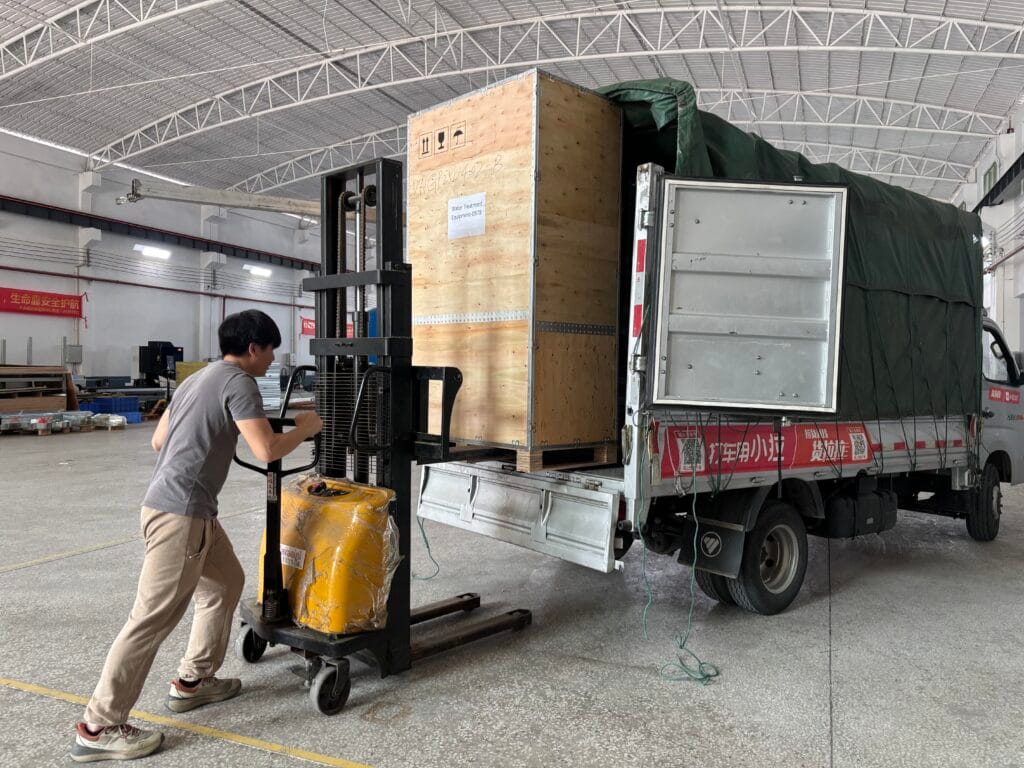
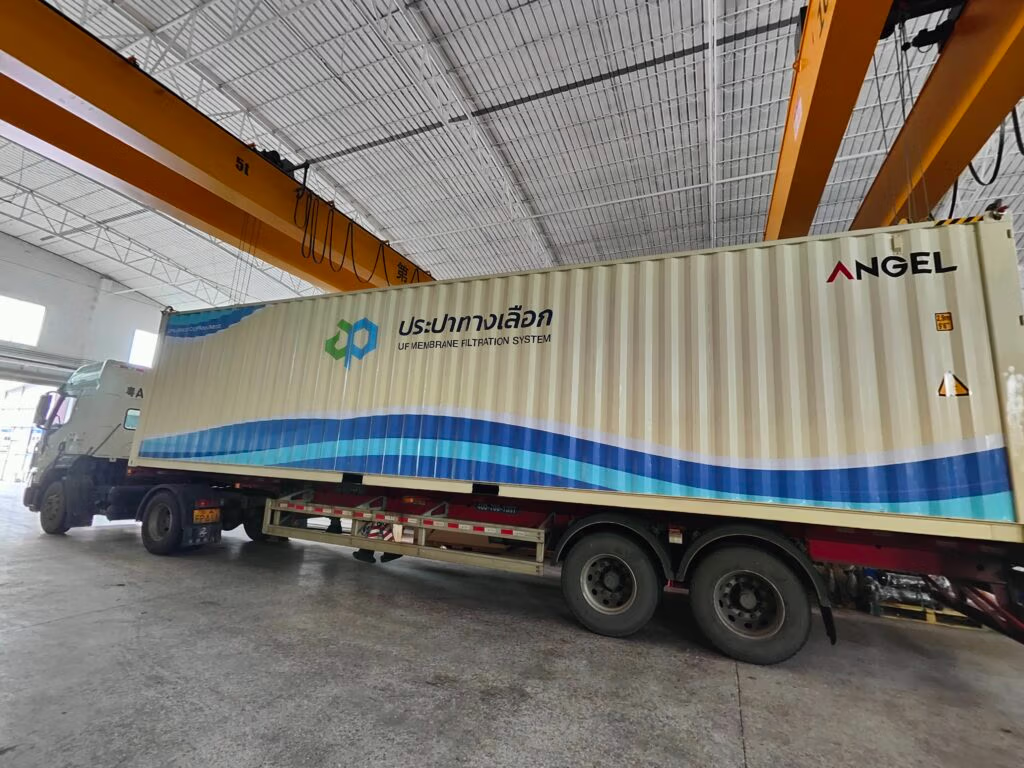
Faced with the uneven quality of “Best Reverse Osmosis Water Filter” systems currently available on the market, many customers fall into common purchasing pitfalls: focusing solely on price while neglecting compatibility, or prioritizing the main unit at the expense of the pre-treatment system. Ultimately, this leads to unstable equipment operation, substandard water quality, and skyrocketing maintenance and operational costs.
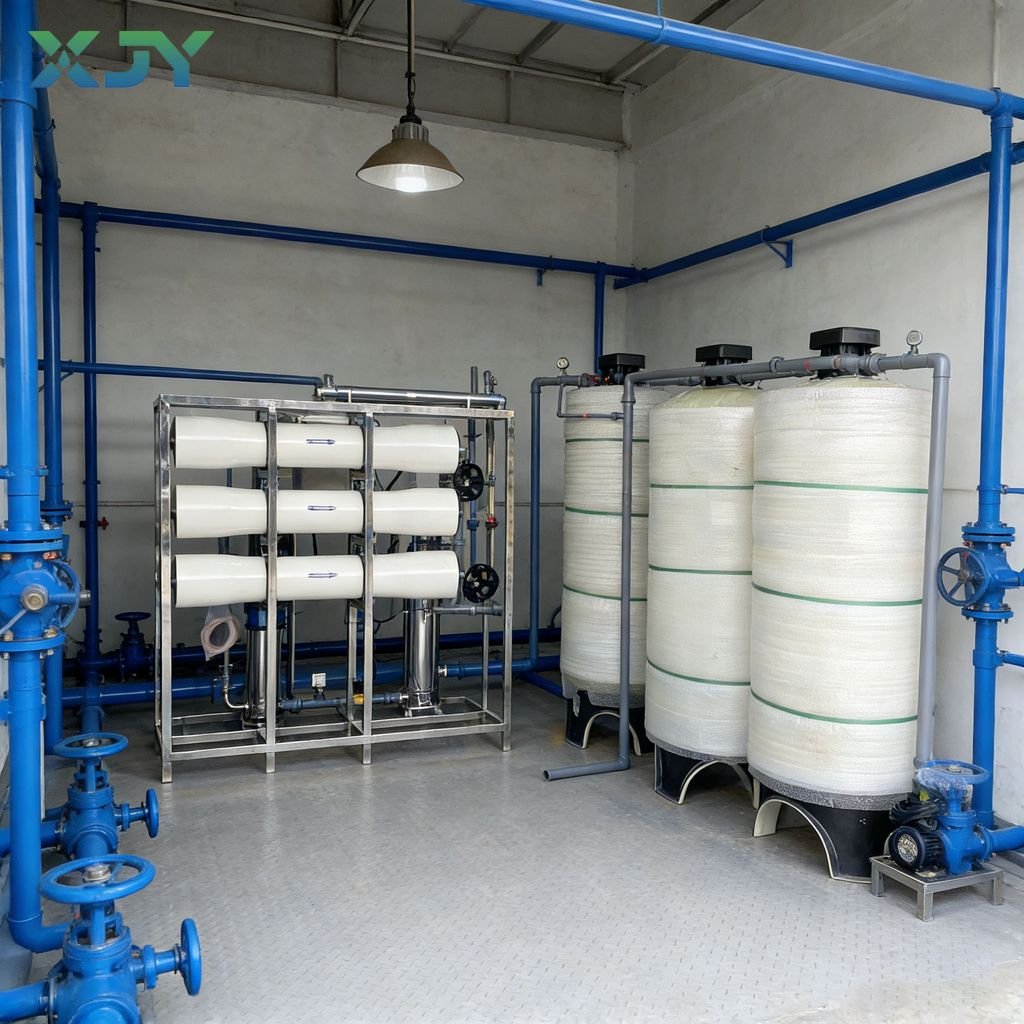
Drawing upon years of experience in R&D, manufacturing, and project implementation, we have compiled this professional purchasing guide. Our objective is to assist customers in precisely selecting the most suitable 逆浸透システム, thereby ensuring long-term stable operation and maximizing cost-effectiveness.
Choosing the Best Reverse Osmosis Water Filter Based on Raw Water Quality
The impurity levels and types of contaminants found in various water sources—such as groundwater, tap water, river water, reclaimed water, and brackish water—vary significantly. These factors directly determine the configuration, membrane element selection, and pretreatment processes required for a reverse osmosis water filtration system. Indeed, this constitutes the fundamental difference between residential and industrial reverse osmosis applications.
Customers are required to commission a professional agency in advance to analyze key parameters of the raw water, with particular attention paid to the following items: TDS (Total Dissolved Solids), Hardness (Calcium and Magnesium ions), Turbidity, SDI (Silt Density Index), Residual Chlorine, COD/Organic Matter, Iron and Manganese ions, and pH value. For instance, groundwater typically exhibits high hardness and contains iron and manganese, which can easily lead to scaling and fouling of membrane elements. Surface water, conversely, often contains high levels of suspended solids and organic matter, resulting in excessive turbidity. In the case of reclaimed water reuse, the contaminants are complex in nature, necessitating a reinforced anti-fouling design.
A sample water quality report template is provided below for reference:
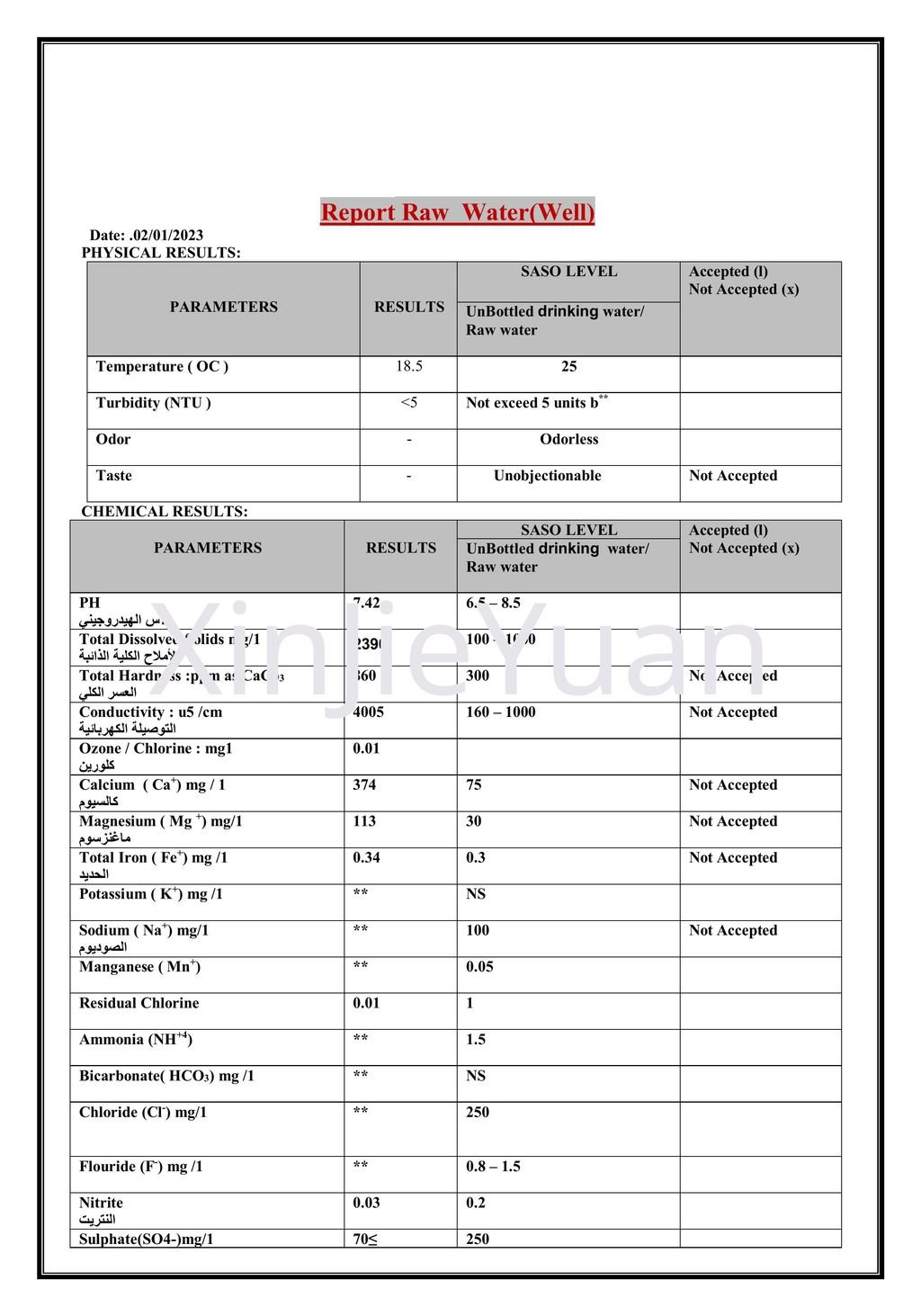
Critical Reminder: The SDI15 value must be maintained below 5—ideally below 3. This is a core metric for protecting the RO membrane and extending its service life. Residual chlorine directly oxidizes and damages RO membranes. Therefore, if the raw water contains residual chlorine, the reverse osmosis system must be equipped with an activated carbon filter or a reducing agent dosing unit. Subsequent equipment selection should only proceed after a comprehensive water quality analysis report has been obtained. This ensures that the chosen system is properly suited to the specific water conditions, thereby avoiding compatibility issues often associated with “generic models.”
Clarify the Output Requirements for the Reverse Osmosis System
Once the raw water quality has been thoroughly characterized, the second step is to precisely define your specific water requirements to avoid equipment mismatches that could hinder production. We need to finalize the relevant parameters by focusing on the following three key dimensions:
1. Water Production Volume
The rated capacity of the equipment should be determined based on the provided average daily water consumption and peak hourly demand. It is recommended to incorporate a 10–20% redundancy margin to accommodate scenarios such as production line expansion, water quality fluctuations, and equipment maintenance.
The capacity of industrial reverse osmosis system is typically categorized in cubic meters per hour (m³/h). Small-scale systems range from 0.25 to 2 m³/h (suitable for laboratories and small processing plants). Medium-scale systems range from 5 to 50 m³/h (suitable for food processing and pharmaceutical workshops). And large-scale systems exceed 100 m³/h (suitable for power plants, chemical industrial parks, and large-scale water treatment projects). Additionally, operational duration must be taken into account. For scenarios requiring 20 hours of continuous water supply, it is necessary to configure backup pumps and implement a dual-channel water supply design.
2. Produced Water Quality
The purity requirements for pure water vary drastically across different industries, directly determining the filtration stages and post-treatment configuration of the best reverse osmosis water filter.
- For general industrial cleaning and cooling makeup water, a single-stage reverse osmosis system is sufficient (conductivity < 10 μS/cm).
- For food and beverage and pharmaceutical purification water applications, a two-stage RO system is required (conductivity < 1 μS/cm).
- For electronic chips and photovoltaic applications, ultrapure water requires a process combining RO, EDI, and a polishing mixed-bed (resistivity ≥ 18 MΩ·cm).
- For boiler feedwater, the primary focus is on controlling silicon and hardness levels. Consequently, the desalination process requires targeted optimization.
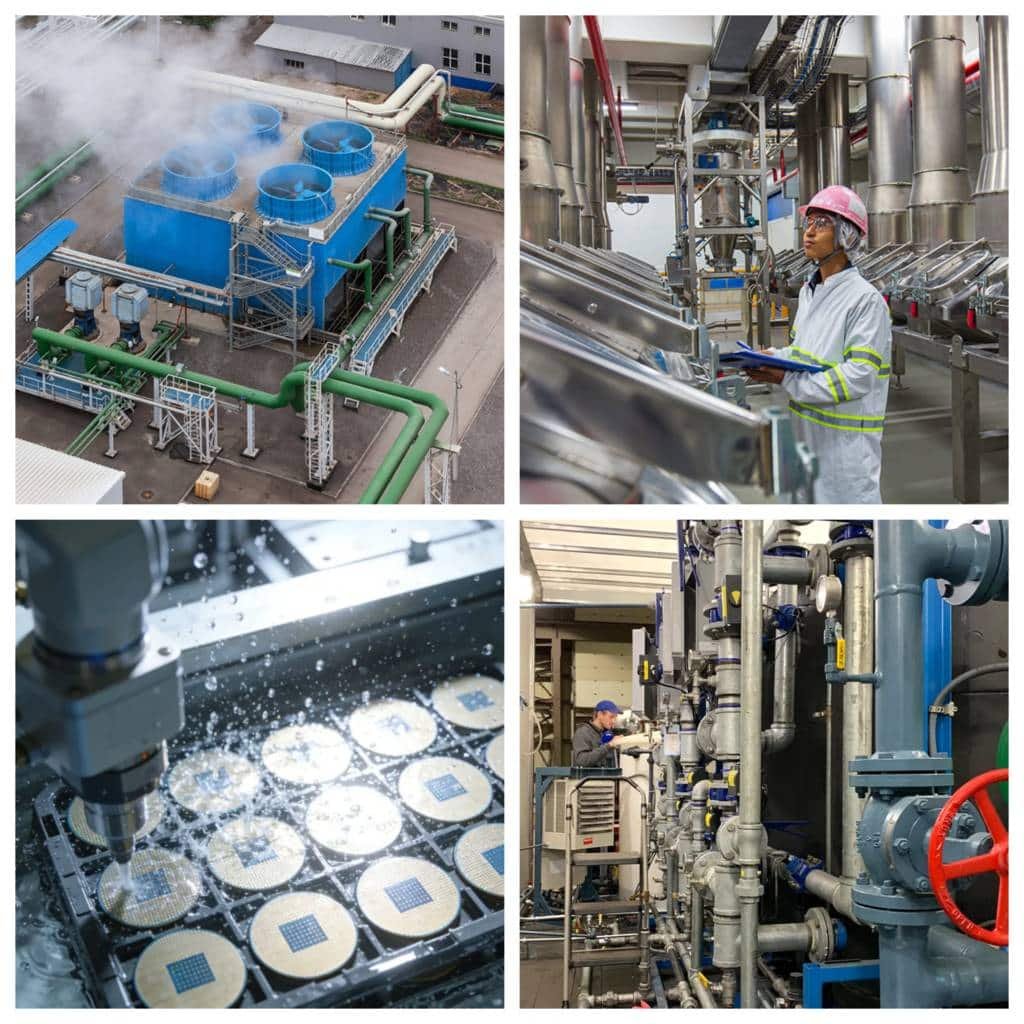
We must determine water quality requirements by benchmarking against industry standards (such as GMP, FDA, and electronic-grade pure water standards), and strictly avoid blindly pursuing excessive purity.
3. System Recovery Rate
Recovery rate is defined as the ratio of permeate water output to influent water input. For industrial reverse osmosis systems, the standard recovery rate typically ranges from 50% to 75%. In an effort to conserve water, many enterprises blindly pursue excessively high recovery rates. However, this practice often exacerbates membrane scaling and fouling, thereby shortening the membrane replacement cycle. It is recommended to adjust the recovery rate based on the raw water’s Total Dissolved Solids (TDS) level: for TDS levels below 1,000 mg/L, the recovery rate may be set between 75% and 80%. For brackish water with TDS levels exceeding 5,000 mg/L, the recovery rate should be controlled within the 50% to 60% range, thereby balancing water conservation objectives with equipment operational stability.
What components should you choose for the best reverse osmosis water filter?
The stability of an industrial reverse osmosis system depends 90% on the quality of its core components. Low-priced models often cut costs by downgrading these critical parts, resulting in subsequent maintenance and operational expenses that far exceed the initial price difference. As a professional manufacturer, we advise customers to prioritize the quality of these four key core components:
1. RO Membrane Element
Prioritize top-tier brands such as Dow, Hydranautics, Toray, and Saehan, which offer superior quality and more reliable after-sales support. Select the appropriate model based on water quality:
- For standard municipal water and groundwater applications, low-pressure brackish water membranes offer excellent cost-effectiveness.
- Fouling-resistant membranes designed for highly polluted, high-organic-content water—highly resistant to fouling and easy to clean.
- Seawater desalination membranes designed for seawater and highly saline brackish water feature strong pressure resistance and a higher desalination rate.
- For industrial applications, 8040-specification membrane elements are the mainstream choice, while 4040-specification elements may be selected for smaller systems.
2. High-Pressure Pump
The high-pressure pump is responsible for supplying sufficient pressure to the RO membranes. It must be appropriately matched to the flow rate and head requirements of the membrane stack. Priority should be given to brands such as Grundfos, Prominent, and Lingxiao, which offer smooth operation, low energy consumption, and a long service life. One should avoid selecting inferior cast-iron pumps, as these are prone to issues such as water leakage, pressure instability, and excessive energy consumption—problems that directly compromise water production efficiency.
3. Preprocessing System
If pretreatment is inadequate, even the highest-quality membranes will fail rapidly. A standard pretreatment configuration consists of a multi-media filter (to remove suspended solids and turbidity), an activated carbon filter (to adsorb residual chlorine and organic matter), and a 5μm precision security filter (to intercept fine particles). For water with high hardness, a water softener or an anti-scalant dosing system should be added. For water with high microbial content, a UV sterilization unit should be incorporated. Pretreatment must be customized according to the specific water quality; no component can be omitted.
4. Control System
For industrial applications, it is recommended to utilize a fully automated PLC control system paired with a touchscreen interface. This configuration enables automatic start-up and shutdown, automated flushing, fault alarms, and real-time water quality monitoring (including conductivity, flow rate, and pressure), thereby minimizing the need for manual intervention.
Best Reverse Osmosis Water Filters: A Guide to Avoiding Common Pitfalls
Misconception 1: Focusing solely on water output while neglecting water quality and recovery rate. Systems that yield high output but deliver poor water quality—or generate excessive wastewater—incur higher long-term operating costs.
Misconception 2: Blindly selecting seawater desalination membranes to treat freshwater. This approach not only entails higher initial investment but also results in wasted energy and suboptimal water recovery rates.
Misconception 3: Omitting or simplifying the pretreatment stage. While this may appear to save money in the short term, it leads to frequent clogging and replacement of membrane elements later on, effectively doubling overall costs.
Misconception 4: Disregarding the installation environment. Placing equipment in damp, high-temperature, or poorly ventilated spaces can significantly shorten the service life of both electrical components and membrane elements.
要約
When selecting the “Best Reverse Osmosis Water Filter,” the key principle is “suitability”—not simply choosing the most expensive option. From analyzing raw water quality and defining production output requirements to selecting core components, every step must be precisely aligned with the actual operating conditions of industrial production. If you require raw water testing or a customized solution, please feel free to contact the 新洁源 technical team to receive personalized product selection advice.