What is the process for reverse osmosis maintenance systems?

In the field of water treatment, reverse osmosis systems, with their efficient desalination and purification capabilities, have become core equipment for pure water production in industries such as electronics, chemicals, and power generation. However, the stable operation of the system directly impacts production continuity and water quality compliance.
Scientific maintenance and management are crucial for extending equipment lifespan and reducing operating costs. Conversely, improper reverse osmosis maintenance can easily lead to problems such as membrane fouling and decreased water production efficiency. This article will summarize the key maintenance points of ro systems, providing a reference for practical work.

1. Pretreatment is the first line of defense in reverse osmosis maintenance

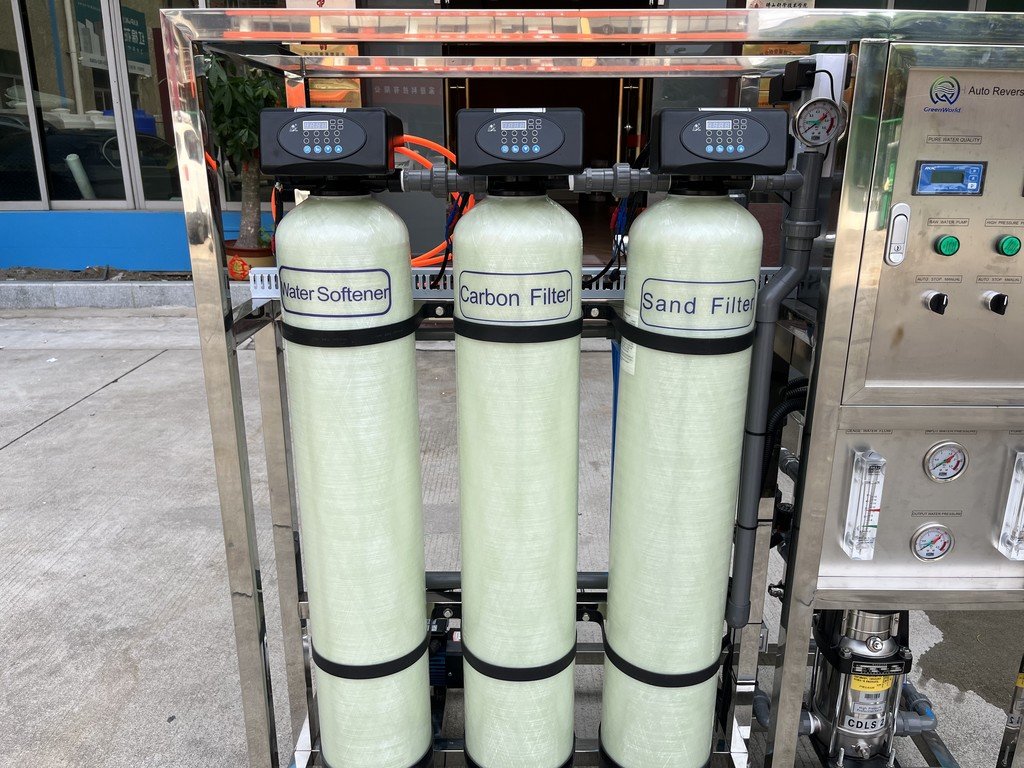
Pretreatment is the foundation for the stable operation of reverse osmosis systems. Its core function is to remove suspended solids, colloids, organic matter, residual chlorine, and other impurities from the raw water. Thus, prevent these substances from causing irreversible damage to the RO membrane. Given the complex nature of raw water quality, it is necessary to optimize the pretreatment process and strengthen maintenance accordingly.

pretreatment reverse osmosis maintenance

Quartz sand filters require regular backwashing and forward flushing, typically every 24-48 hours. Backwashing time should be controlled at 10-15 minutes. The filter media should be replaced promptly when the pressure difference between the inlet and outlet exceeds 0.1 MPa.
Activated carbon filters require close monitoring of residual chlorine removal effectiveness to ensure the residual chlorine content in the effluent is below 0.1 mg/L. After 6-12 months of use, the adsorption capacity of the filter media should be checked, and regeneration or replacement should be performed if necessary.
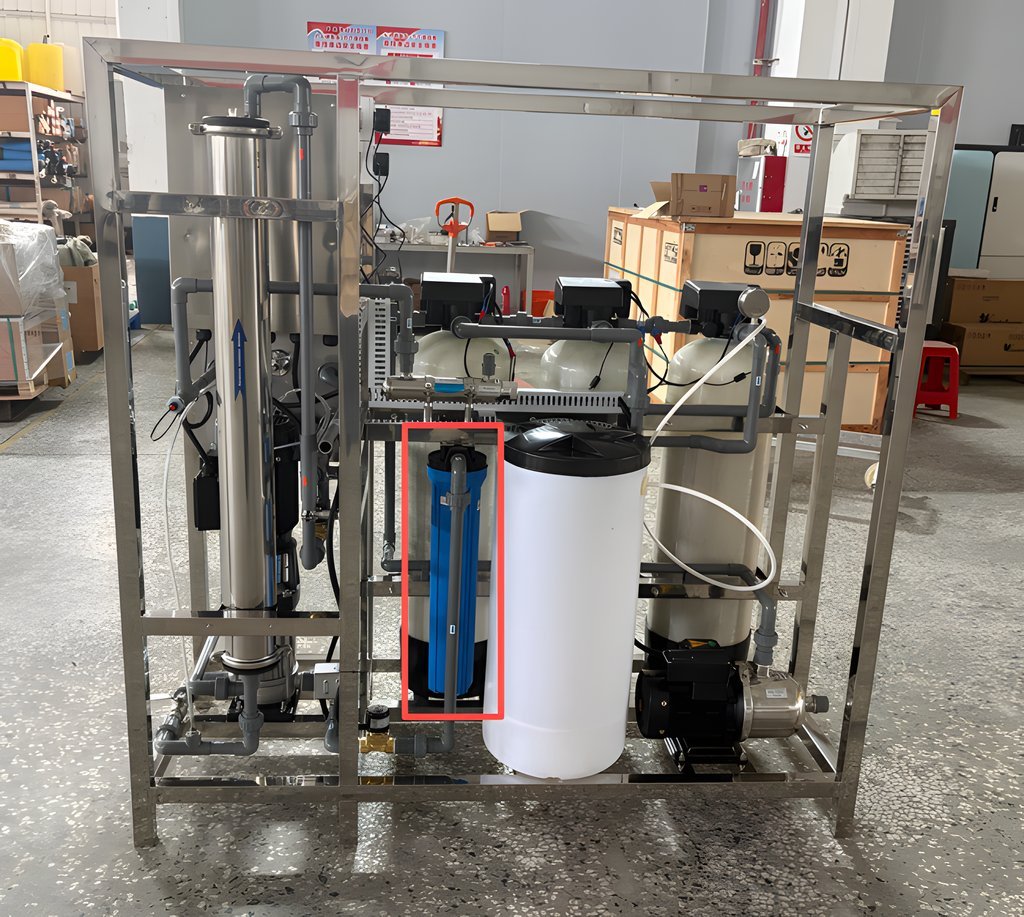
The security filter is the last barrier in the pretreatment process, and the filter element needs to be replaced regularly. Replacement is usually required immediately when the pressure difference reaches 0.2 MPa. Strict aseptic procedures must be followed during the replacement process to prevent secondary contamination.

security filter reverse osmosis maintenance

2. Precise maintenance of ro membrane elements extends their service life

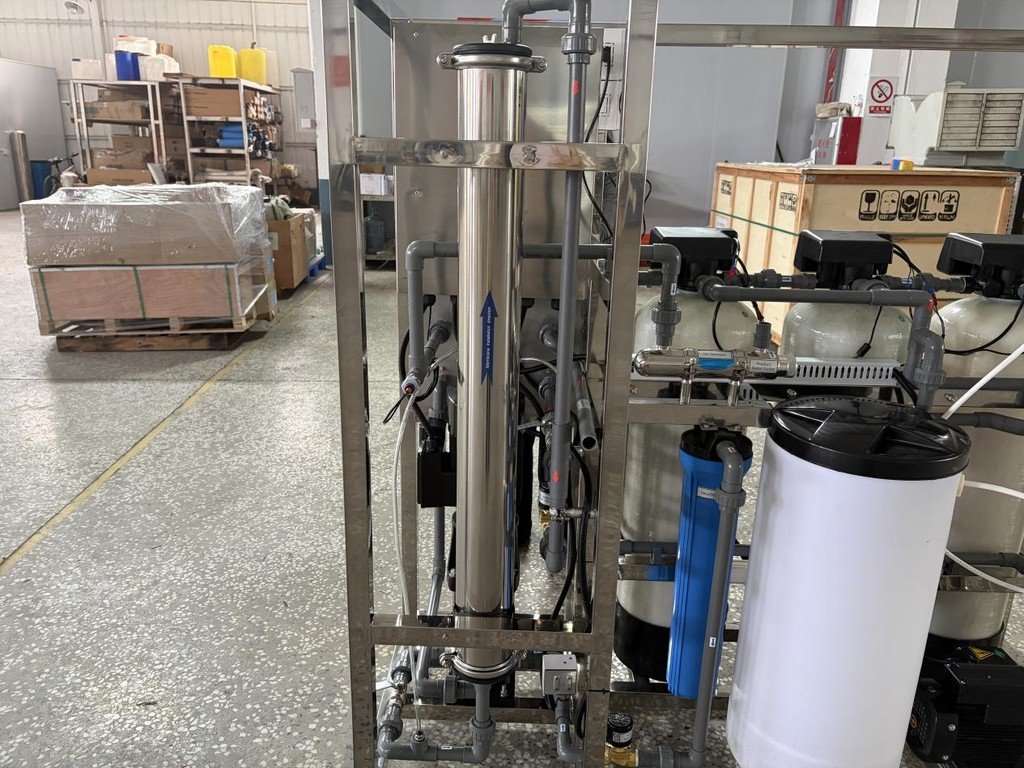
As a core consumable in water treatment systems, the performance degradation of RO membranes directly affects water quality and operational efficiency. Therefore, standardized maintenance work is necessary, focusing on operational control, shutdown protection, and contamination cleaning.

reverse osmosis membrane

1. Process control during operation

① The inlet water temperature needs to be strictly controlled and maintained within the range of 15-35℃. For every 1℃ increase in temperature, the membrane flux increases by approximately 2.5%-3%. Therefore, overheating should be avoided to prevent accelerated aging of the membrane elements.
② The inlet water pH should be controlled between 2 and 11 (during operation) to avoid corrosion of the membrane elements by extreme acidic or alkaline environments and ensure stable membrane separation performance.

2. Protection during shutdown

Based on the duration of downtime, differentiated protective measures are implemented to prevent drying and oxidative damage to the membrane elements.
① Short-term shutdown (≤72 hours): After shutdown, rinse the membrane elements with clean water to ensure they remain fully submerged. Regular circulation should be initiated during this period to prevent microbial growth in stagnant water.
② Long-term shutdown (>72 hours): Immerse the membrane elements in a 0.5%-1.0% sodium bisulfite solution to isolate them from air and prevent oxidation. The protective solution needs to be replaced monthly to maintain its effectiveness.
Regularly inspect the membrane element seals. If any leaks or signs of aging are found, replace them promptly to prevent mixing of concentrated water and permeate, which would affect the water quality.

3. Contamination assessment and cleaning procedures

During RO membrane operation, scale, microorganisms and organics tend to deposit on the membrane surface. Clean immediately if any of these occur: ≥10% drop in permeate flow rate, ≥5% reduction in salt rejection rate, or ≥15% rise in inlet-outlet pressure difference.

①Pre-cleaning prep: Identify contamination type via water quality testing and select matching cleaning agent. Blind cleaning (damaging to membrane elements) is strictly forbidden.

②Targeted cleaners:

  • Inorganic scale (e.g., calcium carbonate/sulfate): Acidic cleaners (citric acid, dilute hydrochloric acid)
  • Organic/microbial contamination: Alkaline cleaners (sodium hydroxide + surfactant)

③Cleaning parameters: Maintain temperature at 30–35℃, set flow rate to 1.5× normal operating level; duration: 30–90 minutes (adjust by contamination severity).

④Post-cleaning recovery: Rinse membrane elements thoroughly with clean water until permeate quality meets standards, then resume normal operation.

⑤Cleaning frequency: Clean every 3–6 months. Over-frequent cleaning damages the membrane’s dense layer and shortens its service life.

3. Establish a standardized reverse osmosis maintenance system

In addition to the above inspections, we also need to establish a comprehensive maintenance and management system and stock sufficient qualified spare parts (such as filter elements, seals, cleaning agents, and membrane elements) to avoid maintenance delays due to a shortage of spare parts.
Furthermore, maintain a clean and dry operating environment for the equipment, regularly check pipelines and valves for leaks and corrosion, and address potential problems promptly. Conduct regular comprehensive inspections of the system, including the pump operating status, electrical control system, and dosing equipment, and maintain a maintenance log to achieve full lifecycle management.

우리 공장
워크샵

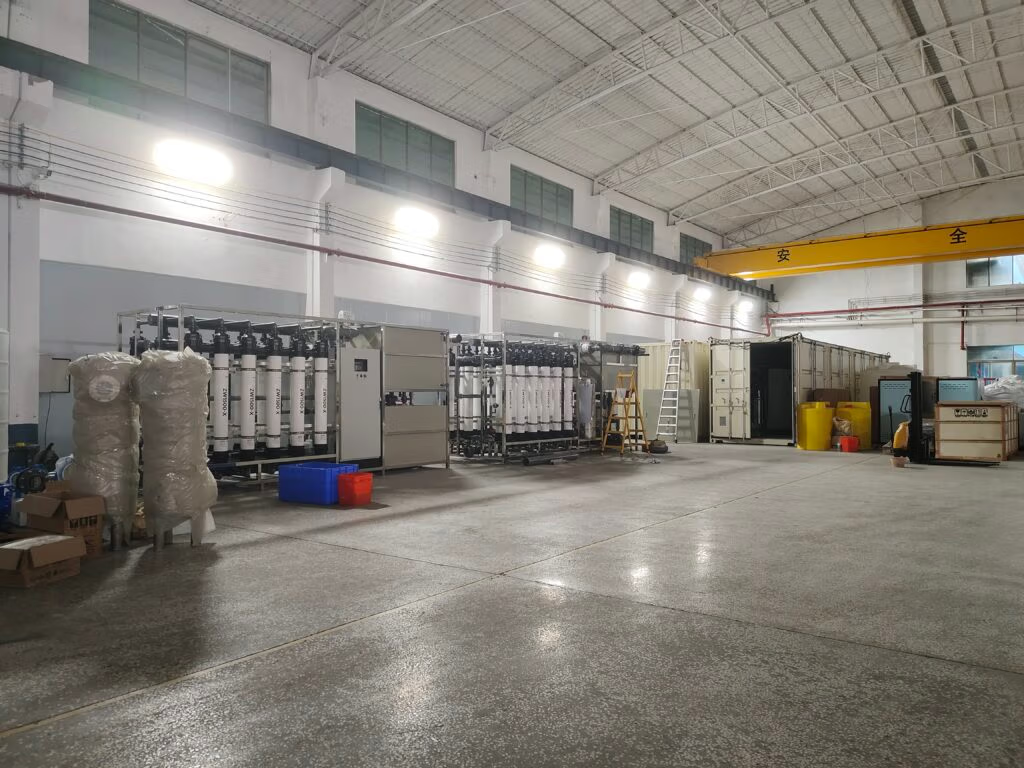
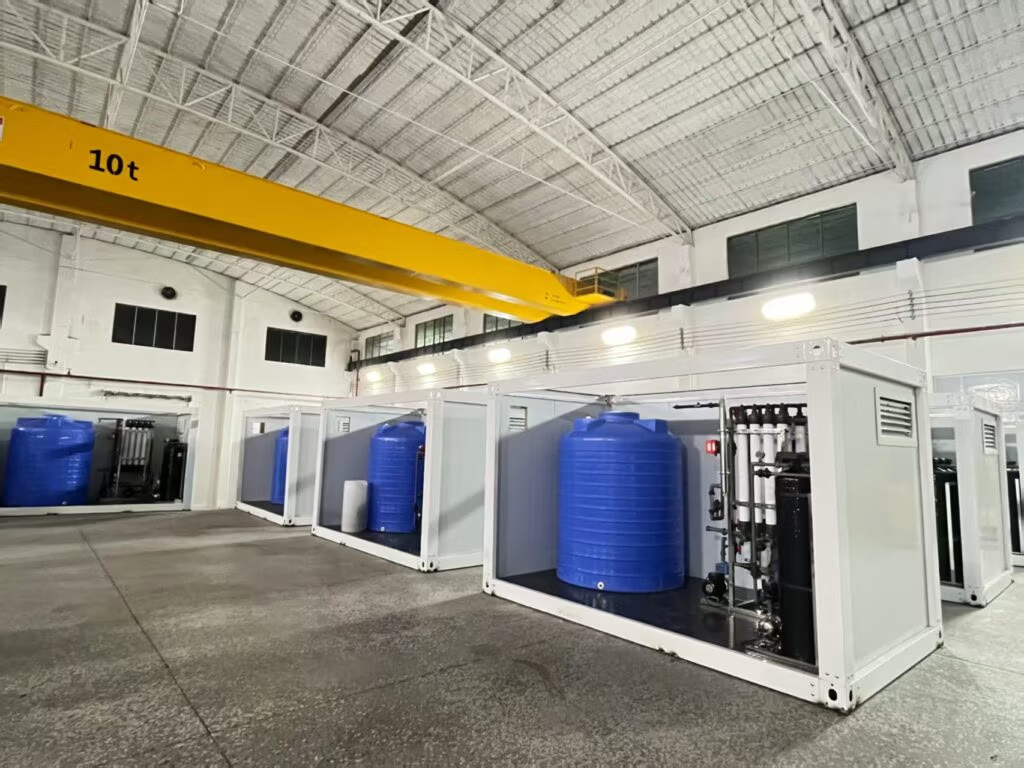
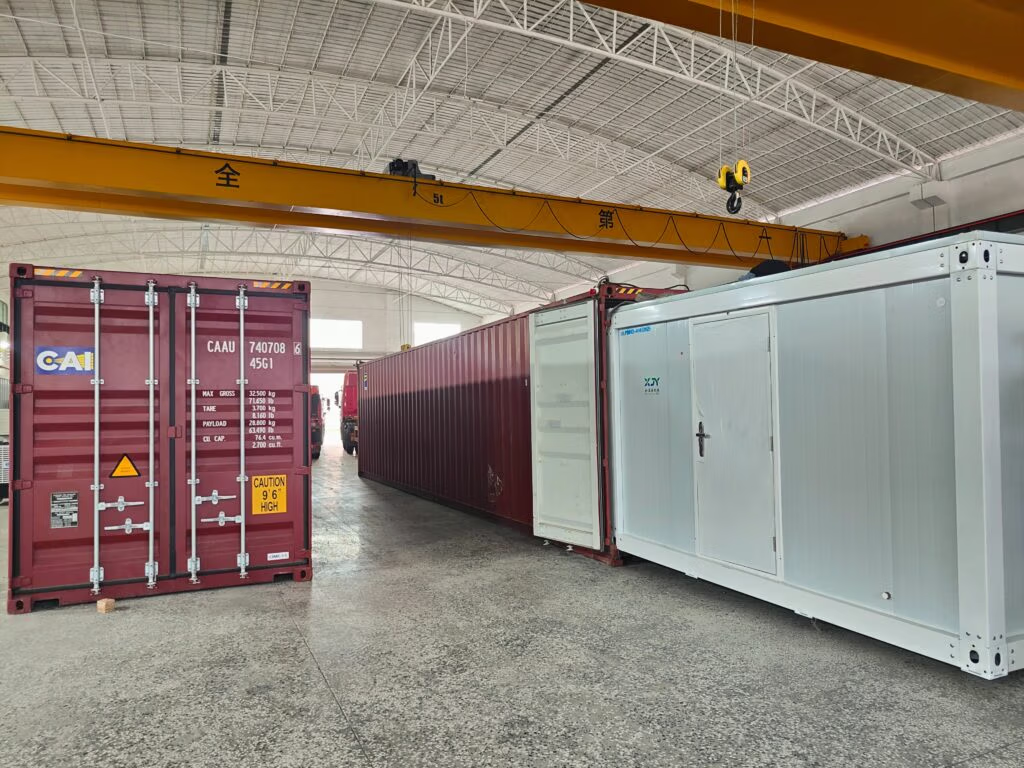
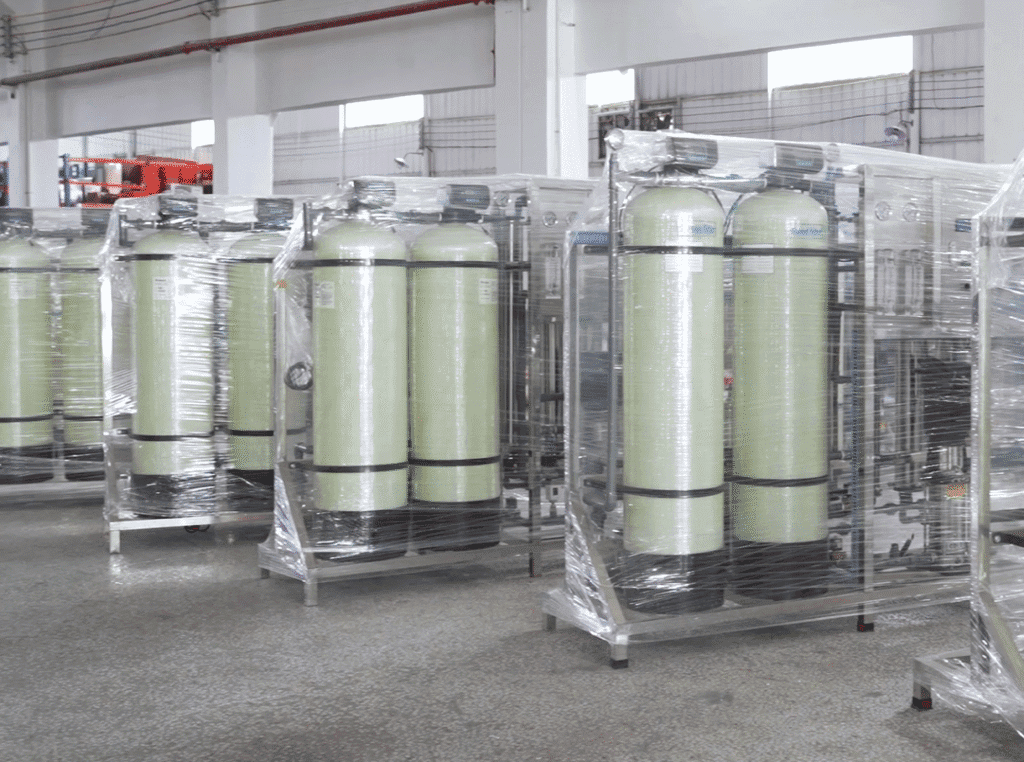
2018년에 설립된 광동신제원환경보호기술유한공사는 과학 연구, 생산, 판매를 전문으로 하는 통합 환경 기업으로, 20~99명으로 구성된 전문 팀과 중국 광저우 판위구에 약 1,800평방미터 규모의 최신 시설을 갖추고 있습니다. 주강 삼각주의 핵심에 전략적으로 위치한 이 회사는 주요 위치를 활용하여 효율적인 운영을 지원하고, 농업, 화학 공학, 의료 및 식품 가공 산업(환경 장비 R&D, 수질/슬러지 처리 및 생태 복원을 포함)으로 사업을 확장하며, 글로벌 고객을 위한 원활한 수출입 업무를 지원합니다.

수처리 장비 워크샵
수처리 장비 워크샵
수처리 장비 워크샵
수처리 장비 워크샵
수처리 장비 워크샵
수처리 장비 워크샵

자주 묻는 질문

수질, 전압, 공정 등 고객의 물 요구 사항에 따라 장비 매개변수와 처리 솔루션을 맞춤화하며, 모든 제품은 완전한 인증 문서와 함께 국제 범용 표준(ISO, CE 등)을 준수합니다. 장비 선택 및 설치 안내부터 판매 후 유지보수까지 전문 기술팀이 전주기 지원을 제공합니다. 글로벌 협력 물류 네트워크를 활용하여 24시간 이내로 빠른 배송을 보장하며, 해외 조달 및 사용 중 발생할 수 있는 모든 문제를 완벽하게 해결합니다.

-일반적으로 문의를 받은 후 24시간 이내에 견적을 제공합니다.
(주말 및 공휴일 제외).
-가격이 매우 급한 경우 전화로 문의해 주세요.
또는 다른 방법으로 문의하시면 견적을 제공해드릴 수 있습니다.
-필요한 기계의 주문 수량과 전압에 따라 다릅니다.
-일반적으로 소량의 경우 7~15일 이내에 배송이 가능합니다,
대량 구매의 경우 약 30일이 소요됩니다.
생산에 약 40일이 소요될 수 있는 특수 전압입니다.
-이 기계는 설치가 매우 쉽습니다. 받은 기계 
가 조립됩니다. 영어로 된 단계만 따르면 됩니다. 
교육 및 비디오. 대용량의 기계가 필요한 경우 
엔지니어가 설치를 도와드립니다.
-T/T, 웨스턴 유니온, 머니그램 및 L/C 즉시 지급. 이는 협상 가능합니다.
주문이 확인되면 계약 판매를 보내드리겠습니다. 
회사 은행 정보. 회사로 송금할 수 있습니다. 
은행 계좌로 입금하세요. 또는 온라인으로 주문할 수도 있습니다.
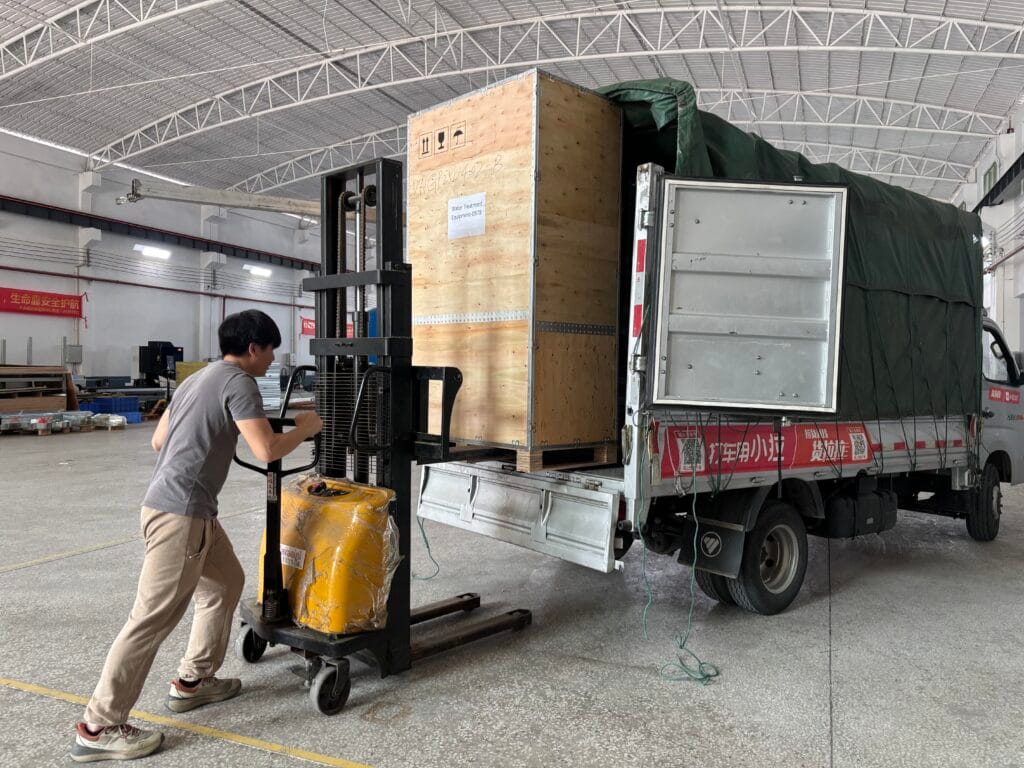
-기계는 표준 수출용 합판 케이스로 포장됩니다.
해상/항공/기차로 장시간 배송하는 경우에 적합합니다.
-해상, 항공, 기차로 배송할 수 있습니다.
주문하기 전에 당사에 확인하시기 바랍니다.
-1년 보증을 제공합니다. 이는 부품에 문제가 있는 경우 
1년 안에 고장나면 예비 부품을 무료로 보내드립니다.
-1. 고객에게 혜택을 제공하기 위해 좋은 품질과 경쟁력 있는 가격을 유지합니다.
-2. 우리는 모든 고객을 친구로 존중하며 성실하게 비즈니스를 수행합니다. 
어디서 왔든 그들과 친구가 될 수 있습니다.

가격 문의

이 필드는 필수 입력 사항입니다.
이 필드는 필수 입력 사항입니다.

주요 기사


위로 스크롤

정보를 입력해 주시면 24시간 이내에 답변해 드리겠습니다.

채팅하기