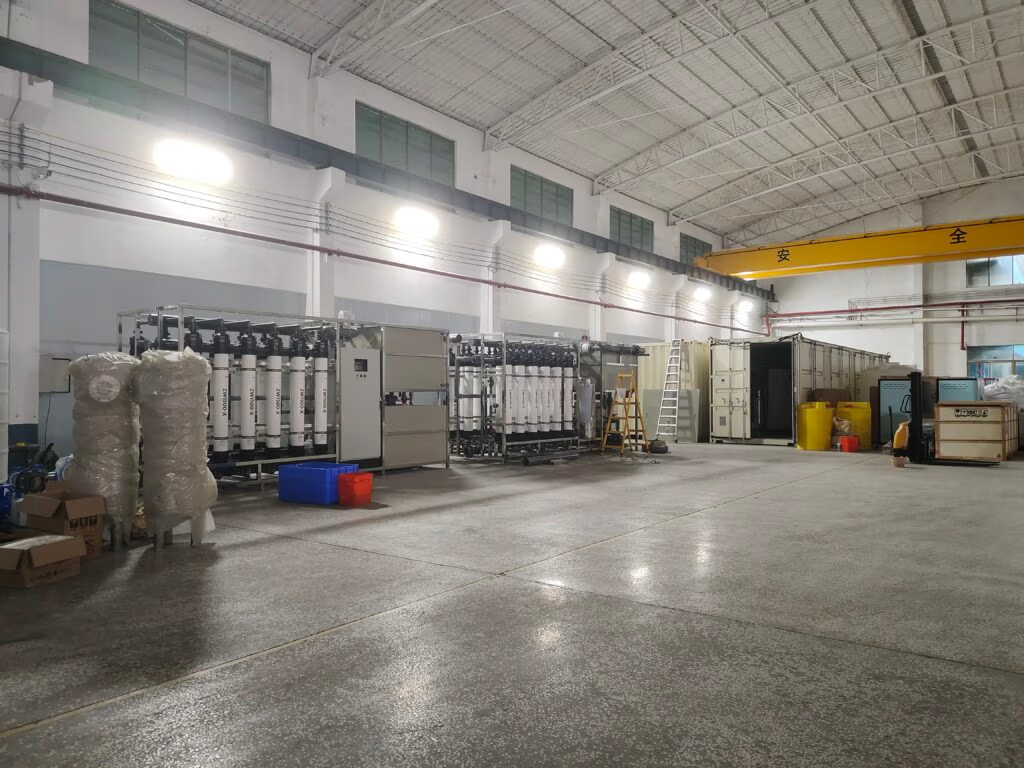
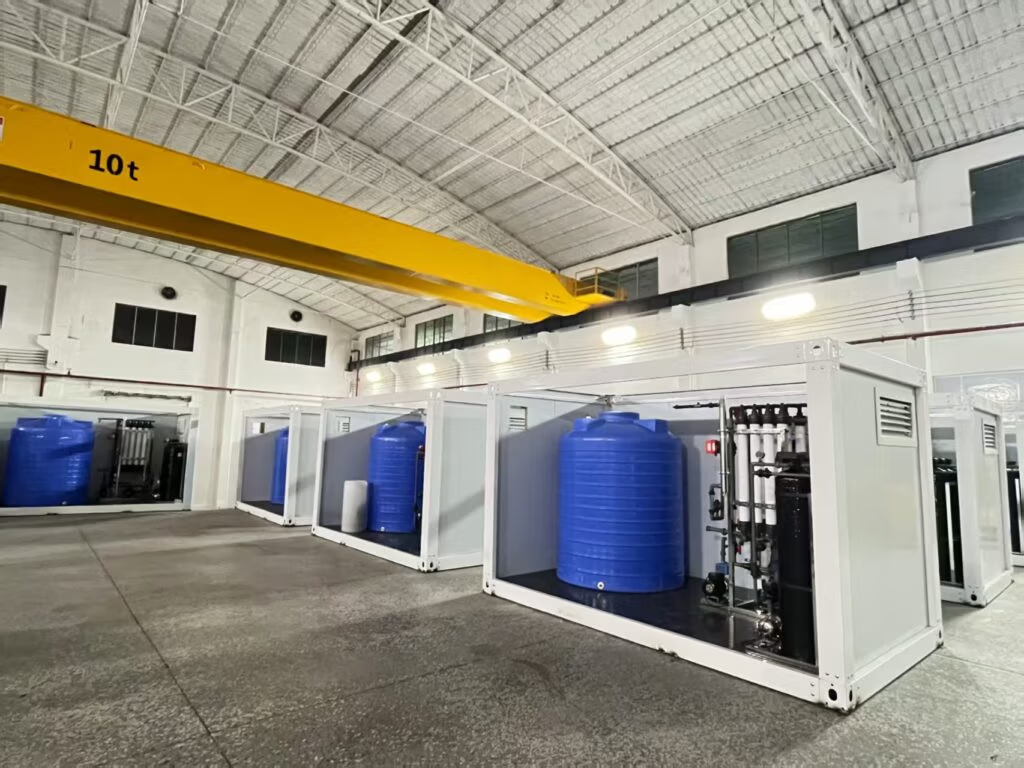
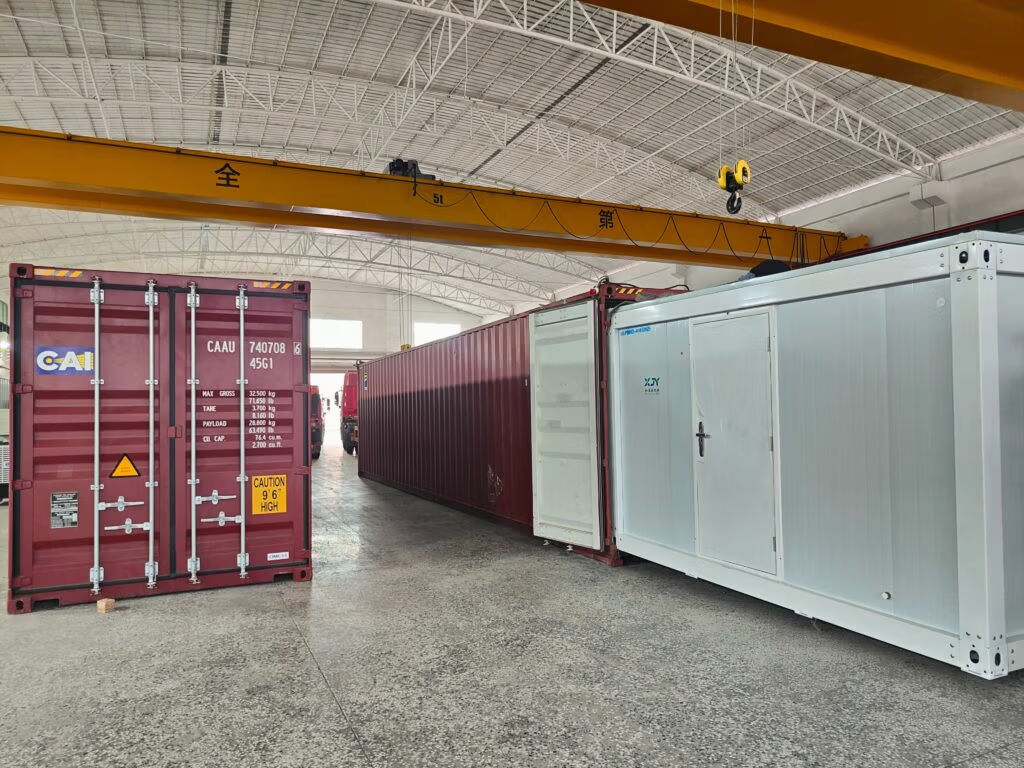
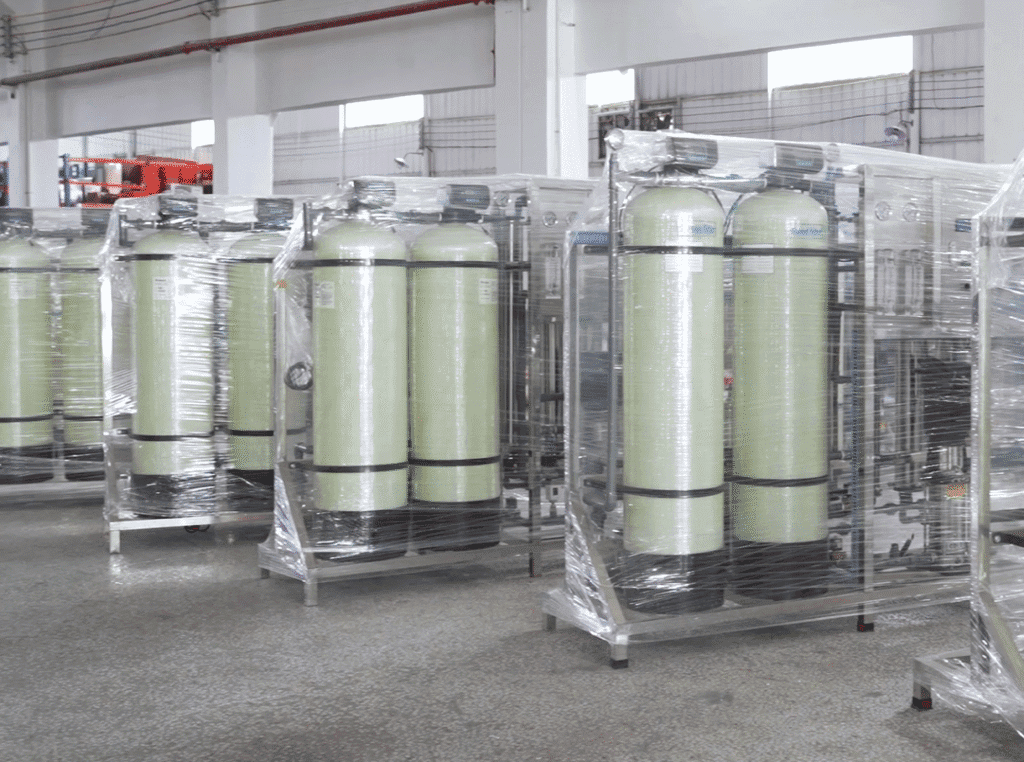
Industrial reverse osmosis equipment, as the core equipment for industrial pure water preparation and wastewater treatment, is widely used in various fields such as chemical, electronics, food, and pharmaceutical. Due to significant differences in water quality composition, climate conditions, and industrial policies in different regions, the design and configuration of the equipment must be closely aligned with regional characteristics and industry needs to achieve stable operation, compliant water production, and safe production.
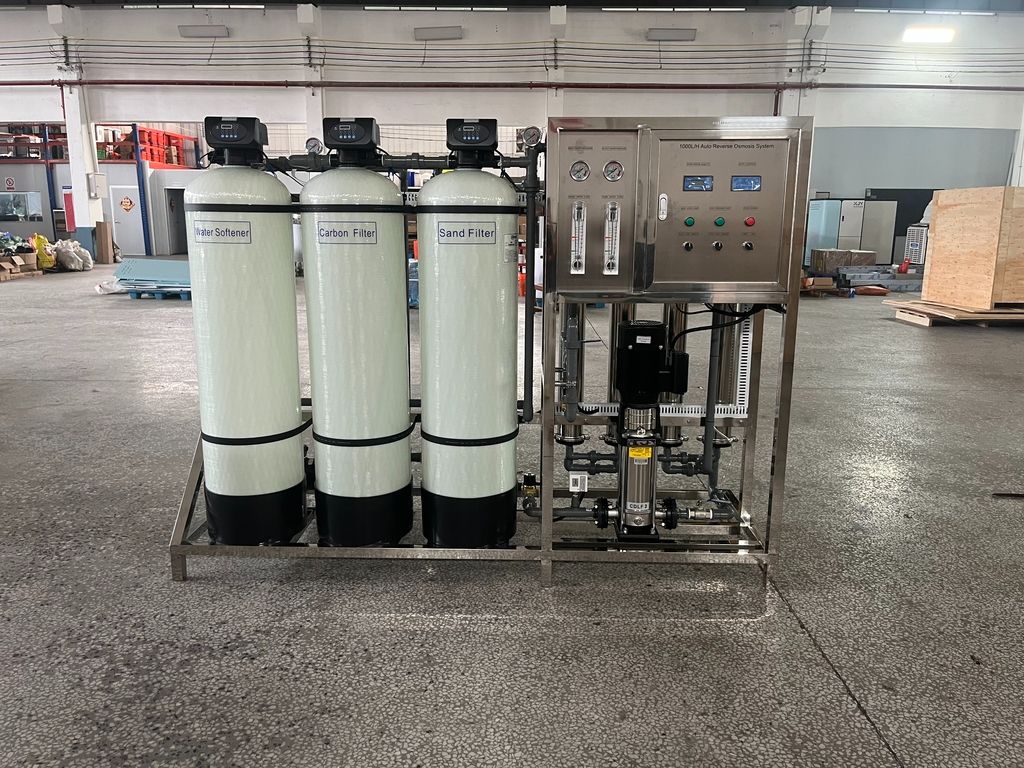
Therefore, for enterprises, choosing a highly adaptable reverse osmosis system can not only ensure the quality of production water, but also reduce operating energy consumption and maintenance costs.
1. Core Value of Industrial Reverse Osmosis Equipment
Industrial production demands highly diverse water quality requirements, ranging from high-purity water in the electronics industry to wastewater recycling in the chemical industry, from sanitary-grade water in the food industry to water used in special operating conditions at high altitudes. Each requires a tailored water treatment solution.
Industrial reverse osmosis equipment, with its highly efficient desalination and impurity removal capabilities, has become a core choice for meeting diverse water needs. High-quality equipment requires modular design, material optimization, and process upgrades to achieve flexible adaptation to multiple scenarios and regions.
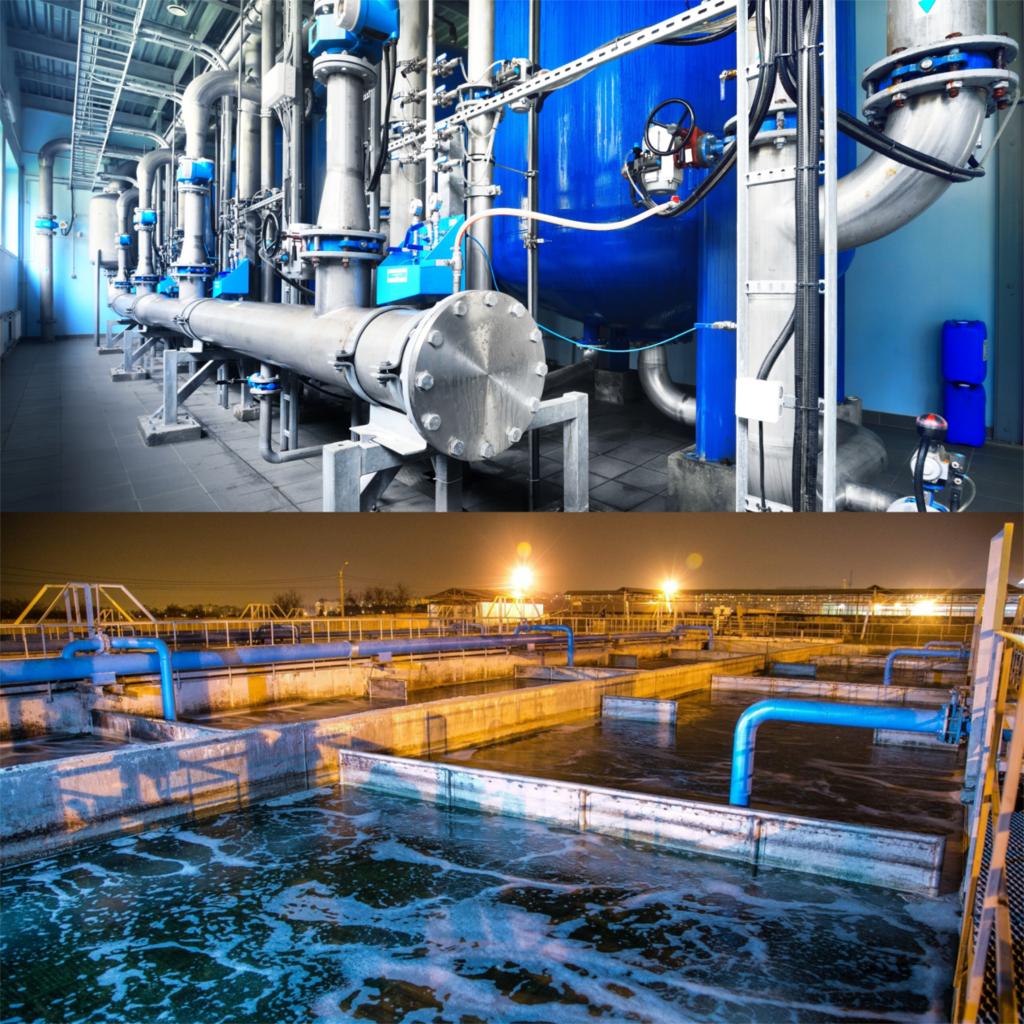
When purchasing reverse osmosis equipment, enterprises need to focus on two key dimensions. First, water quality adaptability: can the equipment accurately treat local water source characteristics (high salinity, high hardness, high pollution, etc.) to ensure stable and compliant product water quality? Second, scenario adaptability: can the equipment meet the production standards of the industry it operates in, balancing operational efficiency with compliance requirements.
2. Core Design Directions for Industrial Reverse Osmosis Equipment
The performance of industrial reverse osmosis equipment is closely related to regional characteristics. Differences in water quality composition, climate conditions, and industrial policies directly determine the core configuration and process design of the equipment. We will optimize the design scheme accordingly to address the water usage challenges in different regions and ensure the long-term stable operation of the equipment.
1. Water quality suitability
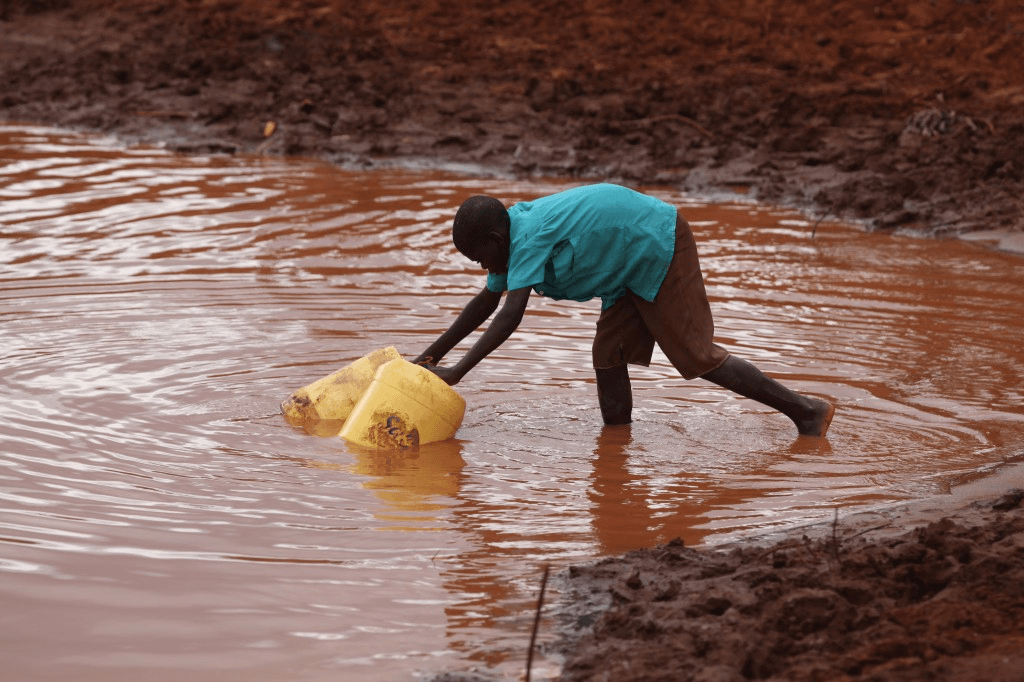
Water sources vary significantly in characteristics across different regions, so we precisely adapt equipment through material selection, module configuration, and process optimization.
- Arid regions of the Middle East: Addressing the high salinity and corrosiveness of seawater and brackish water, the equipment utilizes corrosion-resistant materials such as super duplex stainless steel, coupled with high-efficiency high-pressure pumps and energy recovery systems to enhance desalination rates and operational stability. For example, in a Saudi Arabian seawater desalination project, a single unit produces an average of 8,500 m³ of water per day, with energy consumption 12% lower than the industry average, making it suitable for long-term operation in harsh desert conditions.
- Humid regions: For water with high hardness—where calcium and magnesium ion concentrations are 15%-20% higher—we integrate a high-efficiency softening module and an enhanced pretreatment system into the equipment. These components effectively inhibit scaling, enabling the equipment to achieve 90 days of continuous operation without scaling. We also extend the filter replacement cycle by 40%, fully meeting the long-term operating needs of the brewing and chemical industries.
- High-altitude areas: In response to the characteristics of water quality such as low air pressure, low oxygen content, and high mineralization, the adaptability of the reverse osmosis membrane to low-pressure operation is optimized, and special treatment units for fluoride and arsenic removal are added to ensure that the water production rate of the equipment is stable at over 80% in areas with an altitude of over 3650 meters, meeting the water standards of the photovoltaic and food processing industries.
2. Scene adaptation
We design industrial reverse osmosis equipment in detail based on the water demand of each industry, enabling us to achieve “one solution for each industry” and ensure the produced water quality is highly compatible with the production process.
- Electronics Industry: Focusing on the high-purity water requirements for silicon wafer cleaning and component manufacturing, we have configured an EDI continuous electrostatic desalination module. This precisely controls resistivity fluctuations within the range of ≤±0.1MΩ·cm, effectively reducing product defect rates from over 5% to below 1.2%.
- Chemical Industry: We employ antifouling membrane modules and cross-flow filtration technology for treating highly polluted and concentrated wastewater. For example, in a Middle Eastern oil refinery project, the equipment treated brackish water to a purity of 99.9%, fully meeting the requirements for circulating water in the oil refining industry.
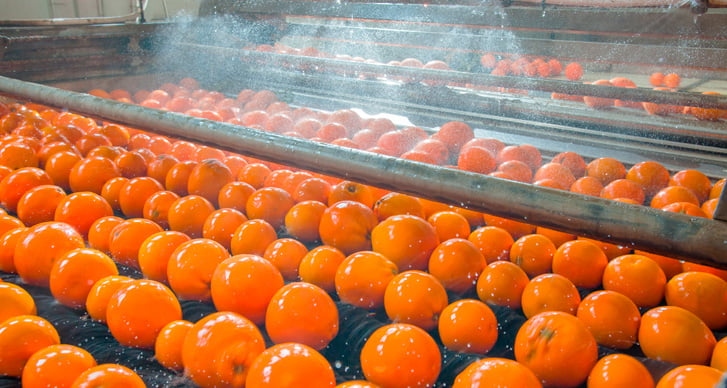
- Food Industry: We craft the equipment body from sanitary-grade materials and optimize it for low-temperature operation, ensuring it meets the stringent water quality stability requirements of industries like brewing and barley processing. This effectively prevents bacterial contamination and scaling that could compromise product quality.
3. Core Guarantee for Water Quality Compliance
As the “water management system” for water production, industrial reverse osmosis equipment directly impacts enterprise production efficiency, product quality, and environmental compliance through its adaptability, reliability, and compliance. Against the backdrop of global industrial green transformation, the equipment’s regional adaptability, application scope, and energy-saving performance are becoming increasingly important.
In the future, reverse osmosis equipment will be upgraded to be more efficient, intelligent, and adaptable, continuously providing core support for global water treatment.