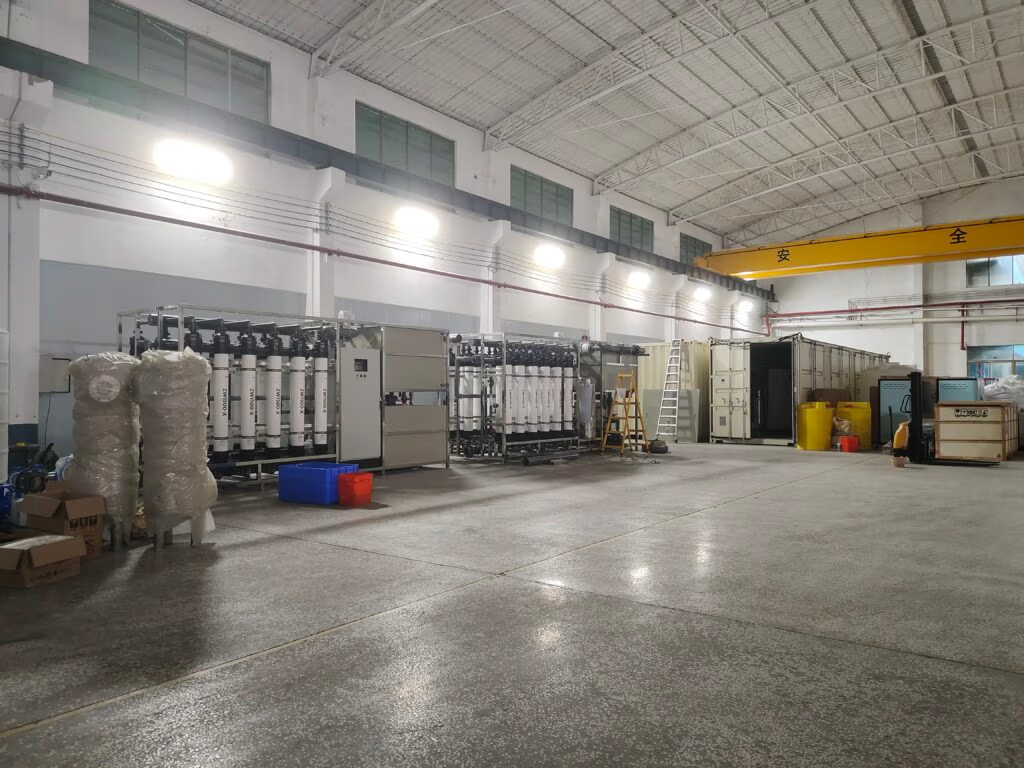
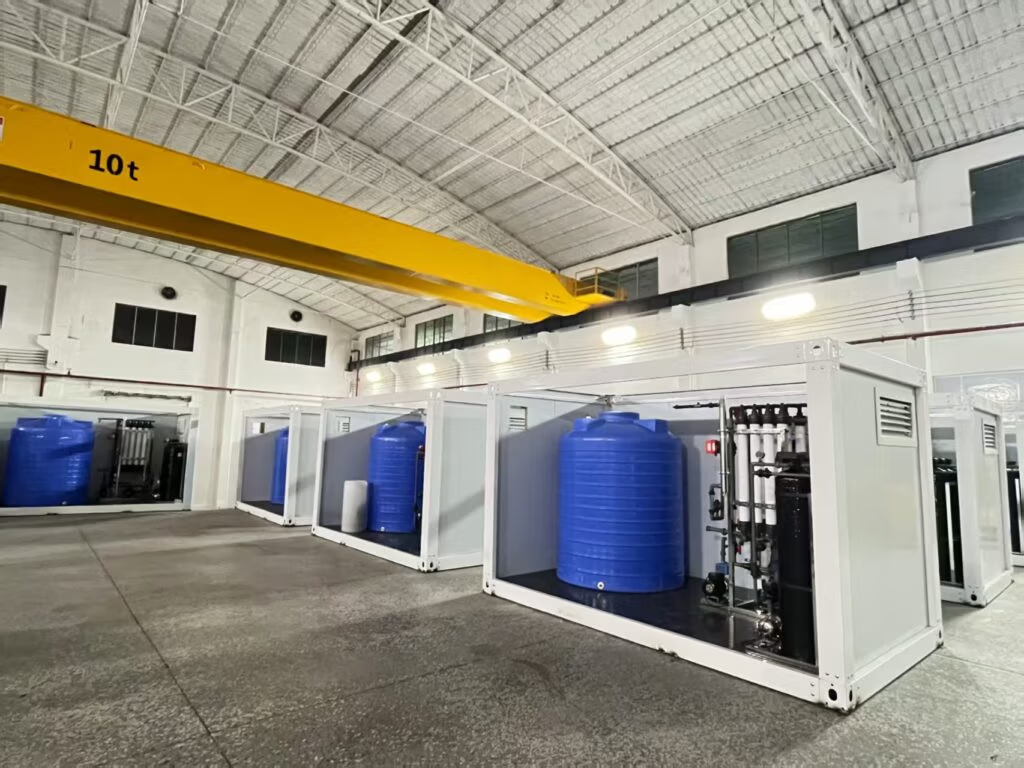
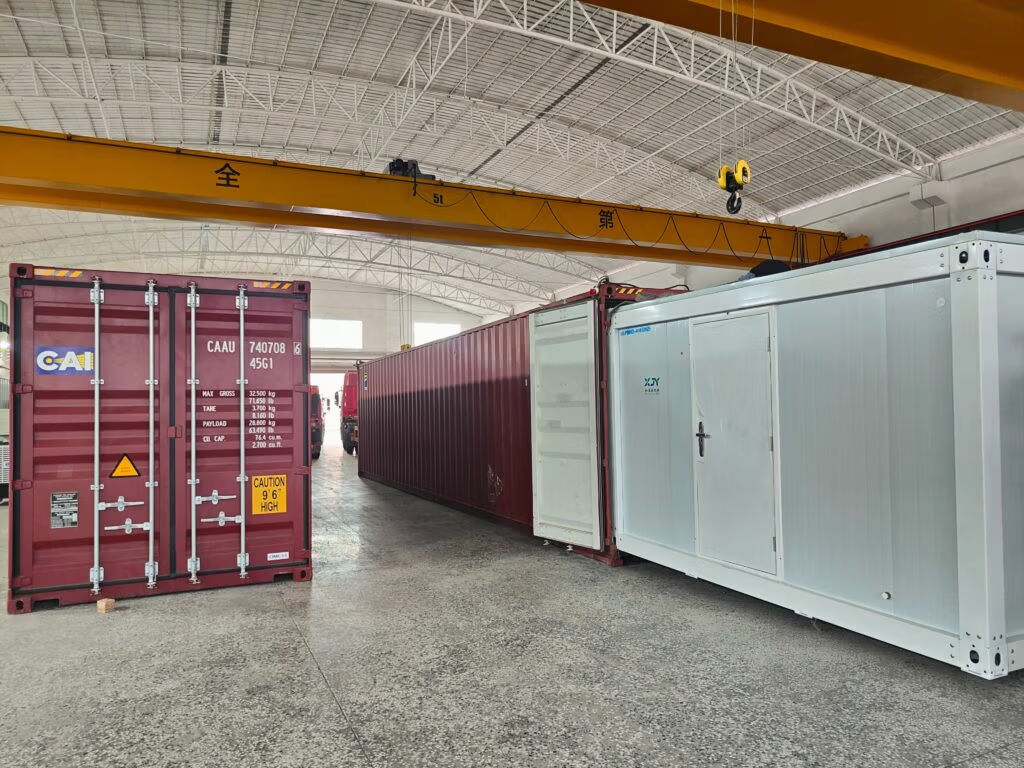
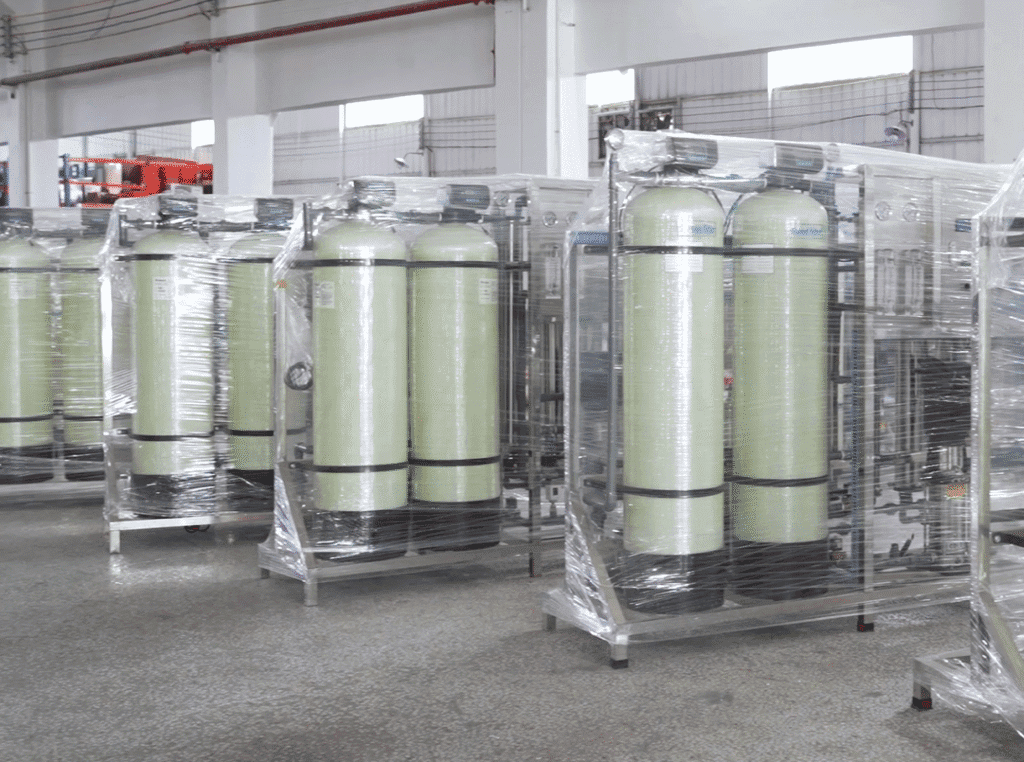
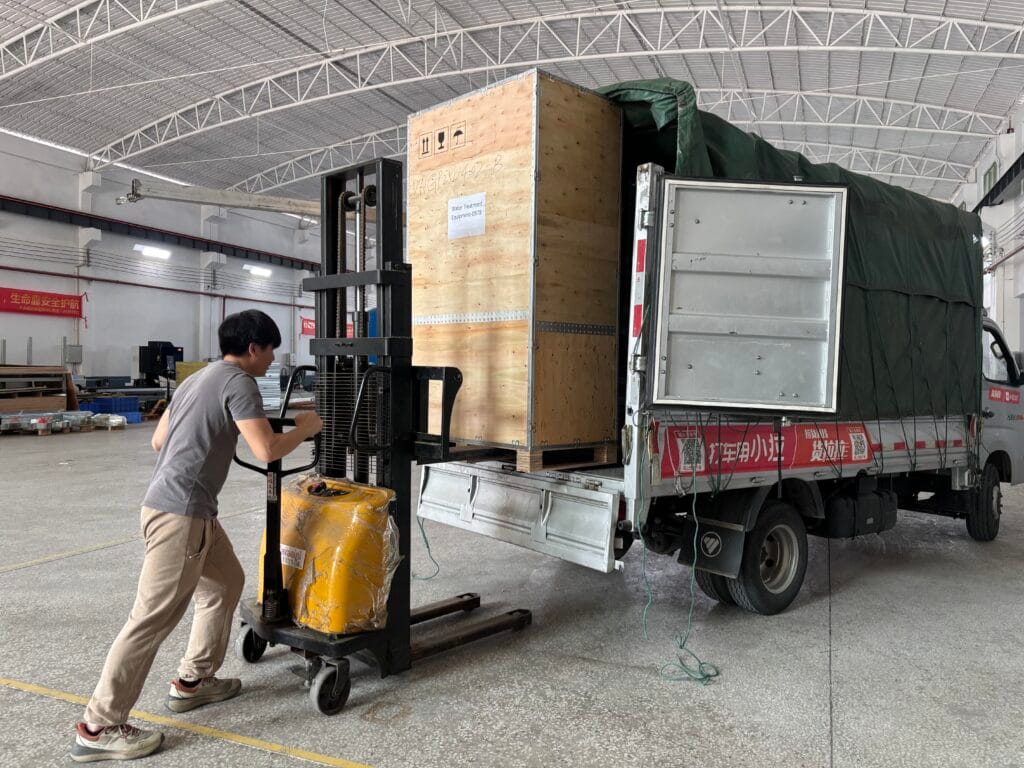
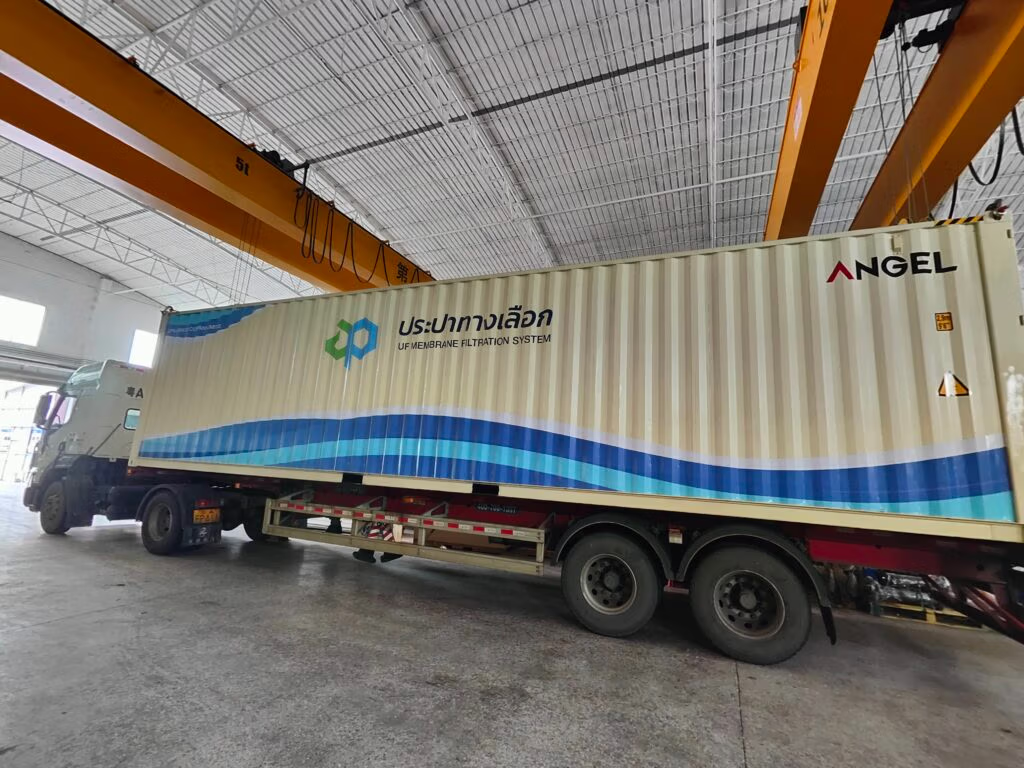
Com a escassez global de água e os problemas de poluição a tornarem-se cada vez mais proeminentes, a indústria sistema de água por osmose inversa devido ao seu excelente efeito de purificação e funcionamento estável, tornou-se um equipamento indispensável para o tratamento de água em diversas indústrias.
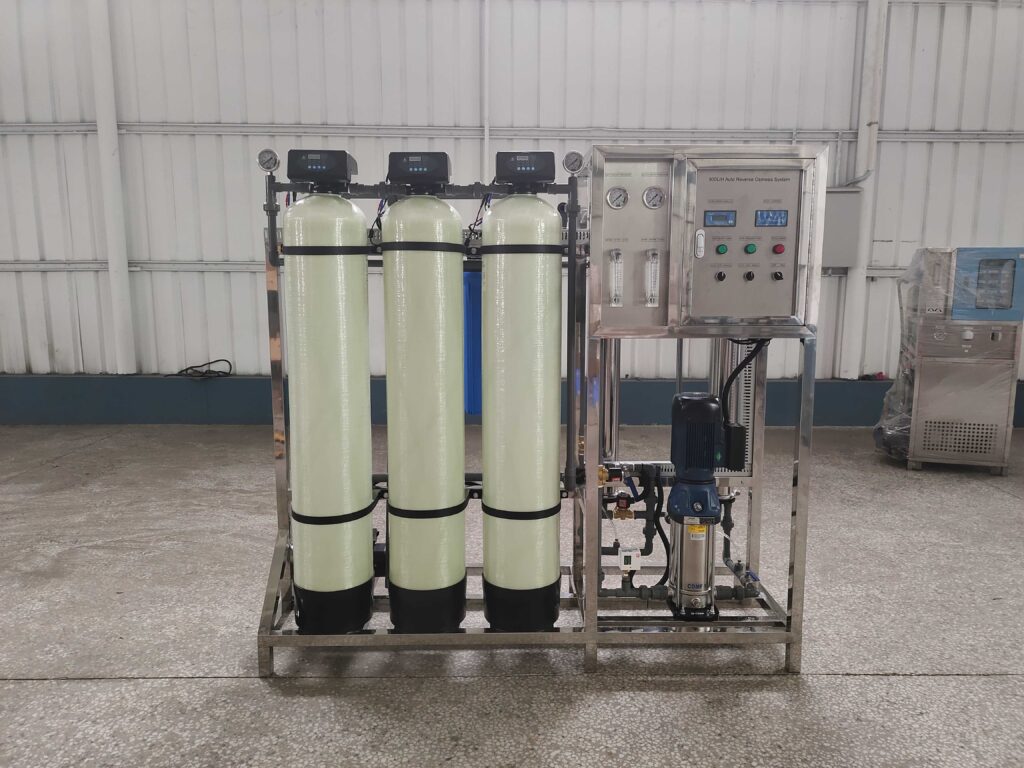
Este sistema ro pode bloquear eficazmente os iões de sal e as impurezas em suspensão na água sob pressão específica, separando as moléculas de água individualmente. A qualidade da água tratada satisfaz plenamente as normas rigorosas da produção industrial. Por isso, as suas aplicações há muito que se expandiram da energia e da eletrónica para muitos campos importantes, como o processamento de alimentos e o fabrico de produtos farmacêuticos.
O sistema industrial de água por osmose inversa é utilizado na indústria energética
A indústria da energia é uma área de aplicação chave para o sistema industrial de água por osmose inversa, especialmente no funcionamento diário das centrais térmicas e nucleares, onde a qualidade da água afecta diretamente a vida útil do equipamento e a segurança operacional.
Se a água da caldeira nas centrais térmicas contiver iões de cálcio e magnésio, forma facilmente incrustações duras nas superfícies de aquecimento. Isto não só reduz significativamente a eficiência da troca de calor, como também pode levar a acidentes graves, como rebentamentos de tubagens. O sistema de osmose inversa industrial, por outro lado, pode remover mais de 99% de sais da água bruta. A utilização desta água tratada de alta pureza como água de alimentação da caldeira evita a formação de incrustações na sua origem, reduz a corrosão do equipamento e diminui a quantidade de inibidores químicos de incrustações necessários, alcançando os benefícios duplos de conservação de energia, redução de emissões e proteção ambiental.
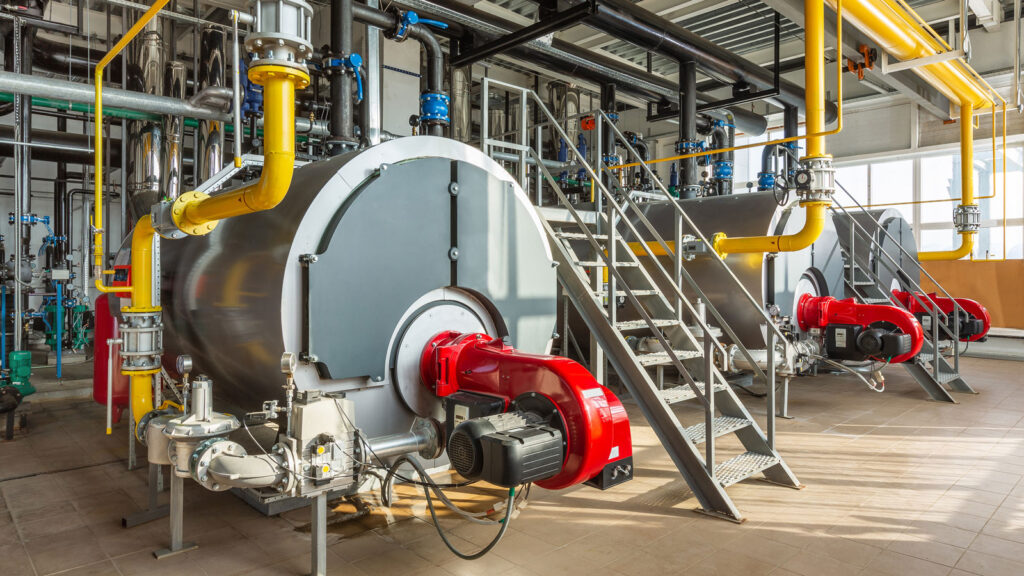
No que diz respeito às centrais nucleares, os requisitos de qualidade da água para os sistemas de arrefecimento e para a água de alimentação dos reactores são ainda mais rigorosos. Tecnologia de osmose inversa, A empresa, como elo central na produção de água pura, construiu uma linha de defesa da qualidade da água fundamental para o funcionamento seguro e estável das unidades de energia nuclear.
Utilizar um sistema industrial de água de osmose inversa na produção.
O rápido desenvolvimento da indústria eletrónica e da informação conduziu a normas cada vez mais rigorosas para a água ultrapura. Na produção de componentes electrónicos de precisão, tais como chips semicondutores e ecrãs LCD, mesmo quantidades vestigiais de iões, partículas em suspensão ou microorganismos na água podem provocar falhas nos componentes e reduzir significativamente o rendimento da produção.
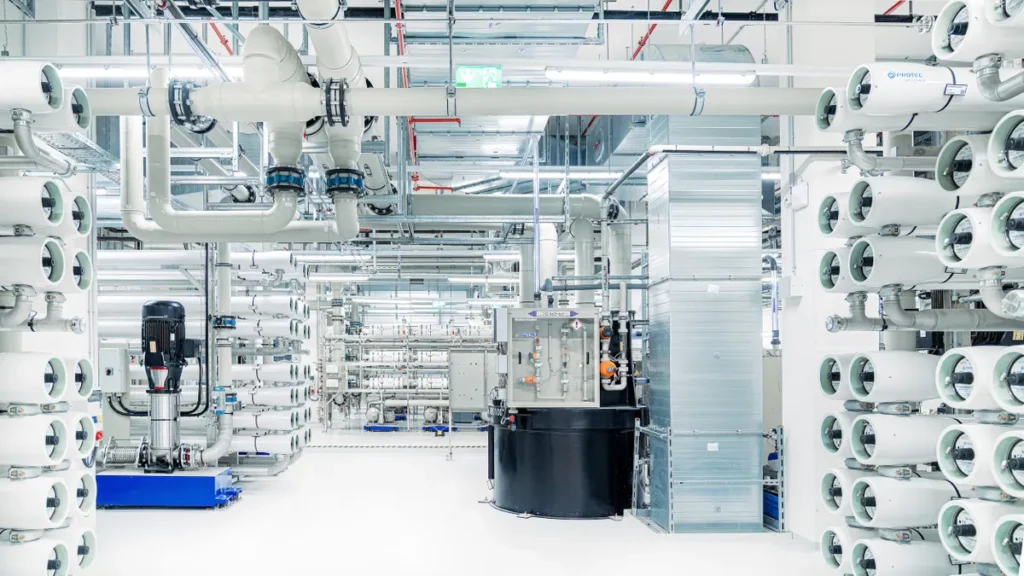
Tomemos como exemplo o fabrico de chips. Temos de limpar processos críticos, como a fotolitografia e a gravação, utilizando água ultrapura com uma resistividade de 18,2 MΩ-cm. Se a qualidade da água não cumprir a norma, aparecerão pequenos defeitos na superfície do chip, afectando diretamente o funcionamento normal do circuito. O sistema de osmose inversa industrial, combinado com a permuta iónica, EDI e outras tecnologias de tratamento avançadas, pode remover com precisão vários contaminantes da água bruta e produzir continuamente e de forma estável água ultrapura que cumpre as normas da indústria eletrónica.
O sistema industrial de osmose inversa é utilizado na indústria alimentar e de bebidas.
A indústria alimentar e de bebidas tem requisitos extremamente rigorosos para a segurança e estabilidade da sua água de produção. A aplicação do sistema de água de osmose inversa industrial tem um impacto direto na qualidade do produto e na saúde do consumidor.
Na produção de água potável, a tecnologia de osmose inversa filtra eficazmente componentes nocivos, tais como metais pesados, resíduos de pesticidas, agentes patogénicos e vírus da água bruta, ao mesmo tempo que retém quantidades adequadas de minerais benéficos, garantindo assim a segurança e o sabor.
No fabrico de cerveja e no processamento de sumos, a qualidade da água afecta diretamente os resultados da fermentação e o sabor do produto. A água pura tratada por osmose inversa mantém um ambiente de fabrico estável, evita a contaminação por outros microrganismos e assegura uma qualidade consistente do produto em cada lote.
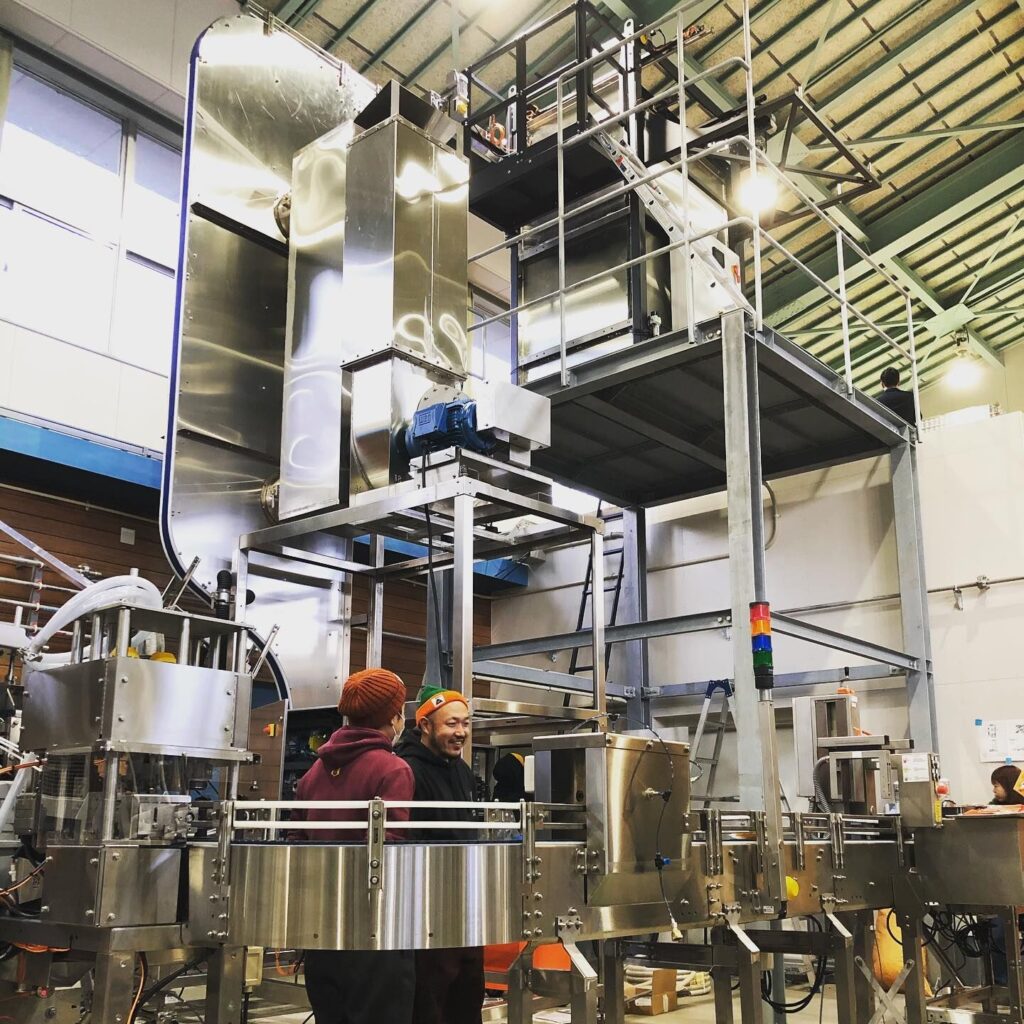
Além disso, no processamento de lacticínios, a água pura de produção pode evitar a desnaturação das proteínas devido a problemas de qualidade da água e prolongar o prazo de validade do produto, o que demonstra plenamente o valor prático do sistema ro.
O sistema industrial de osmose inversa é utilizado na indústria farmacêutica.
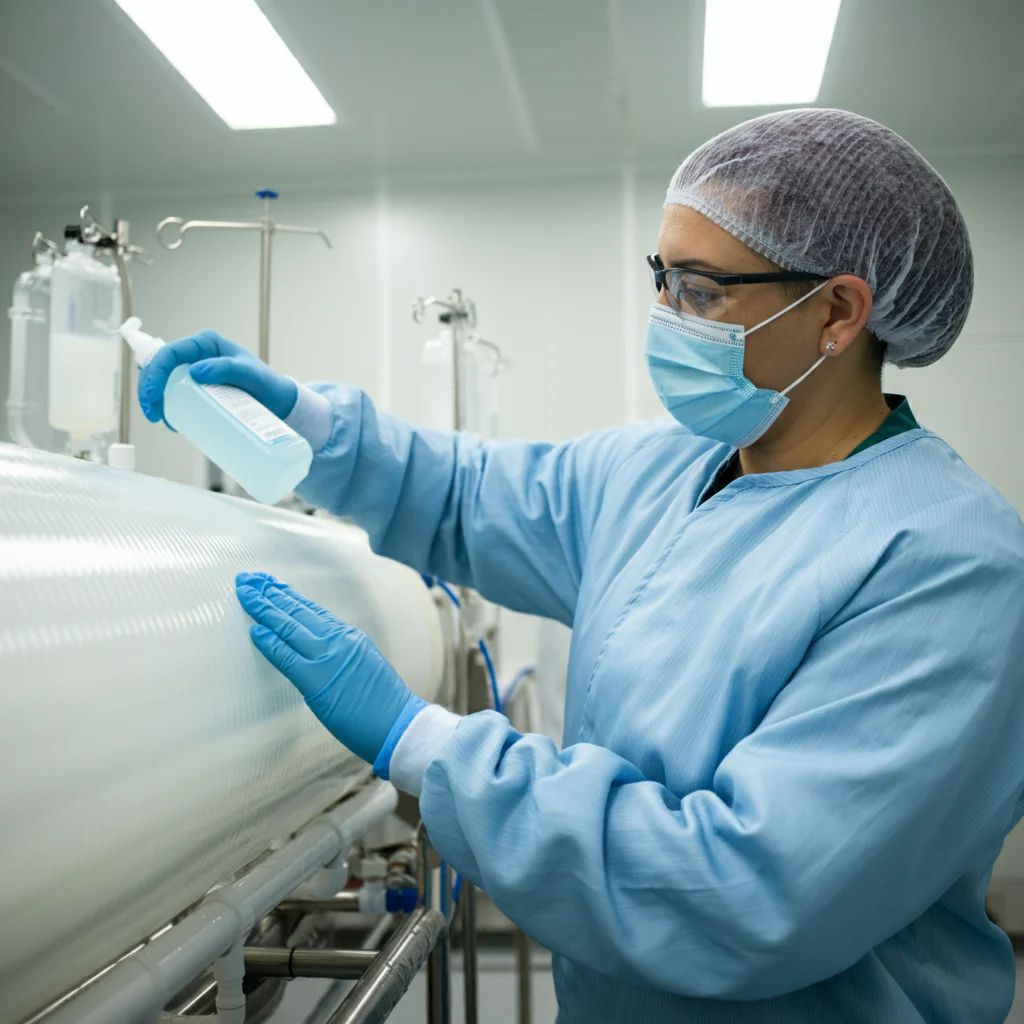
Os produtos da indústria farmacêutica estão diretamente relacionados com a vida e a saúde, pelo que os requisitos de pureza da água utilizada na produção são extremamente rigorosos. A tecnologia de osmose inversa pode remover eficazmente contaminantes como microrganismos, pirogénios e partículas coloidais da água bruta, e o seu funcionamento estável e fiável garante que a qualidade do efluente cumpre consistentemente os regulamentos rigorosos para a produção farmacêutica.
Devido à contaminação bacteriana e também para reduzir a dificuldade de purificação subsequente do medicamento, em fases críticas como a síntese de antibióticos e o desenvolvimento de vacinas, a água purificada tratada pelo sistema ro pode evitar interrupções na produção
Que outras indústrias utilizam sistemas RO?
Para além destes campos, o sistema industrial de água por osmose inversa também desempenha um papel crucial em indústrias como a engenharia química, a impressão e tinturaria e a dessalinização da água do mar.
- Na produção química, a utilização de água de alta pureza reduz os subprodutos das reacções químicas e melhora significativamente a pureza do produto.
- Na indústria de tingimento e impressão, a produção de água por osmose inversa resolve completamente o problema das impurezas na água bruta que interferem com o tingimento, resultando em tecidos com cores uniformes e vibrantes e cumprindo as normas de solidez da cor.
- Nas zonas costeiras, os sistemas de dessalinização da água do mar por osmose inversa podem converter a água do mar abundante em água industrial qualificada, aliviando efetivamente a escassez de água doce local.
Resumir
Com a popularização dos conceitos de conservação da água, a indústria está a atualizar o sistema industrial de osmose inversa para obter maior eficiência, poupança de energia e controlo inteligente. Estes sistemas de osmose inversa continuam a expandir o seu âmbito de aplicação, injectando um impulso mais forte na transformação verde industrial e na reciclagem de recursos hídricos.