The best reverse osmosis system is not simply a matter of piling up materials, but a professional solution that takes into account ‘high desalination stability’, ‘strong anti-fouling performance’, ‘highly efficient and energy-saving operation’, ‘long-term durability’, and ‘customization adaptability’, so as to withstand complex raw water quality and meet the requirements of continuous production.
The best reverse osmosis system has the highest desalination accuracy and stability
The core value of a sistema de osmose inversa is to consistently output pure water that meets standards over the long term. Desalination performance is the primary criterion for evaluation.
A best reverse osmosis system must use industrial-grade high-pressure reverse osmosis membranes (such as professional components from Dow, Hydranautics, and Sehan). Membranes with corresponding pressure resistance and desalination specifications must be matched to different raw water types, such as brackish water, high-salinity water, and seawater. Conventional brackish water systems should consistently achieve a desalination rate of over 99%, while seawater desalination systems should achieve a desalination rate of no less than 99.6%, with no significant degradation over long-term operation.
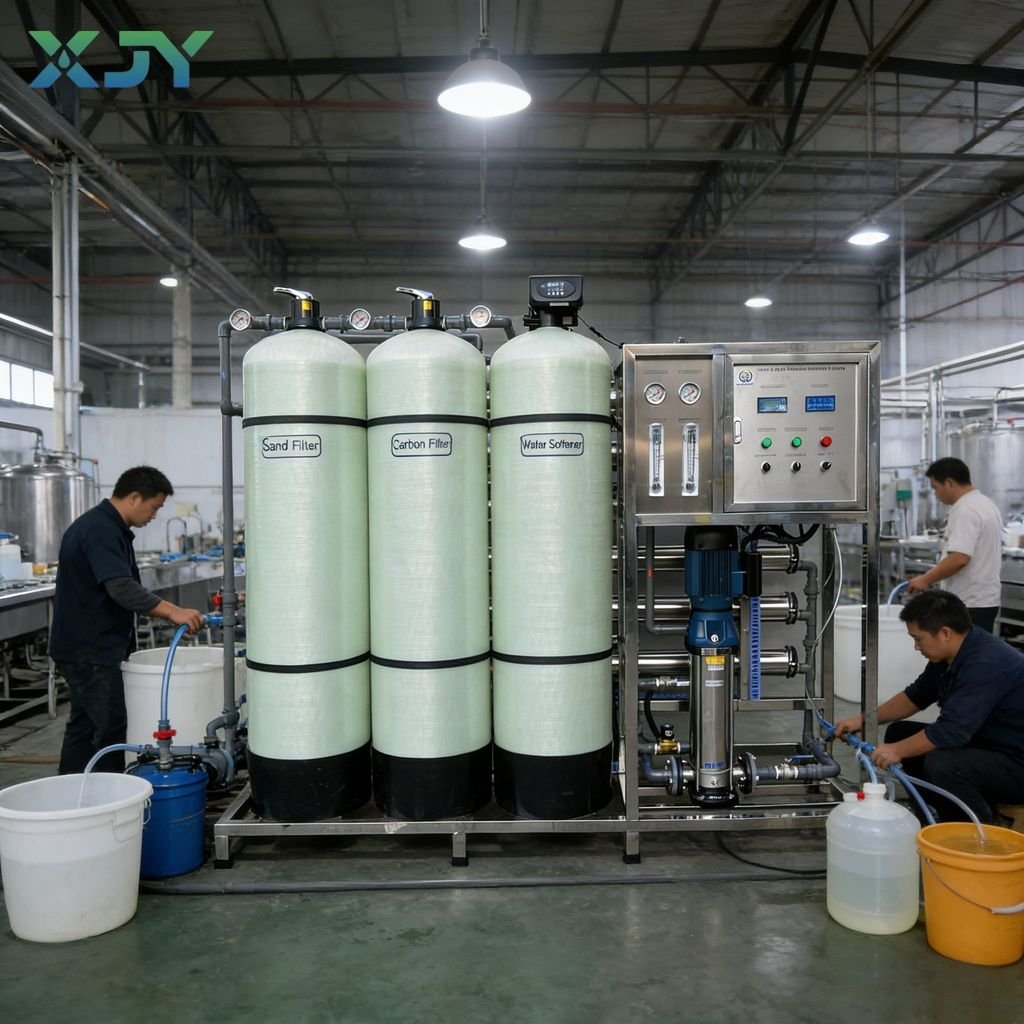
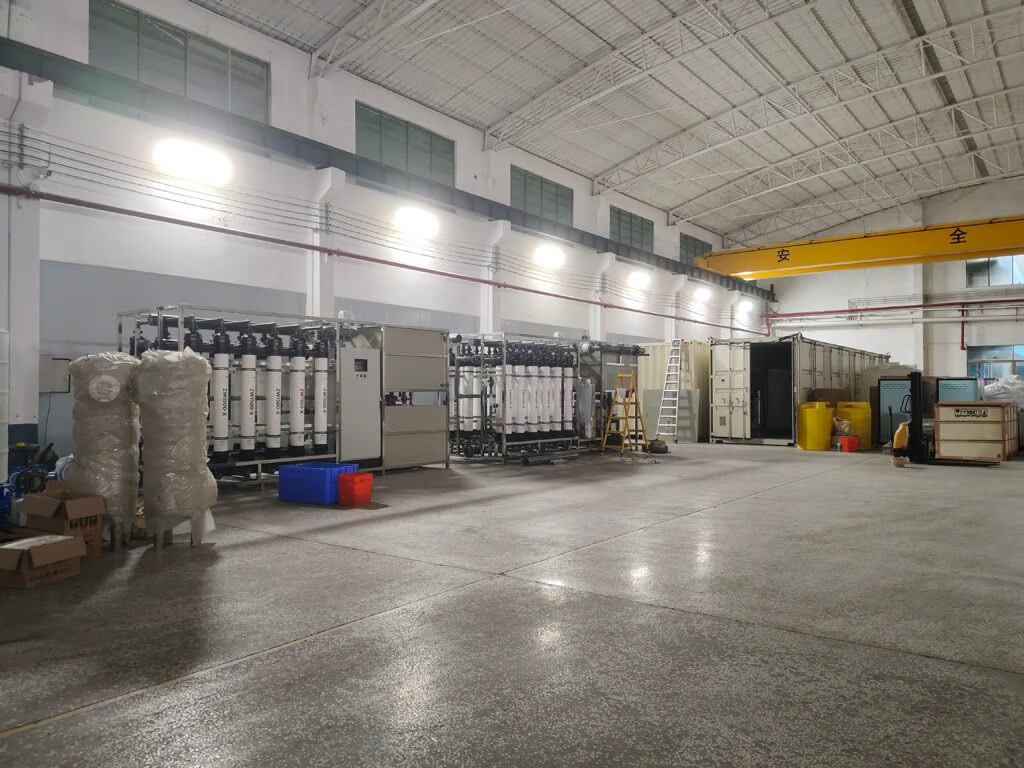
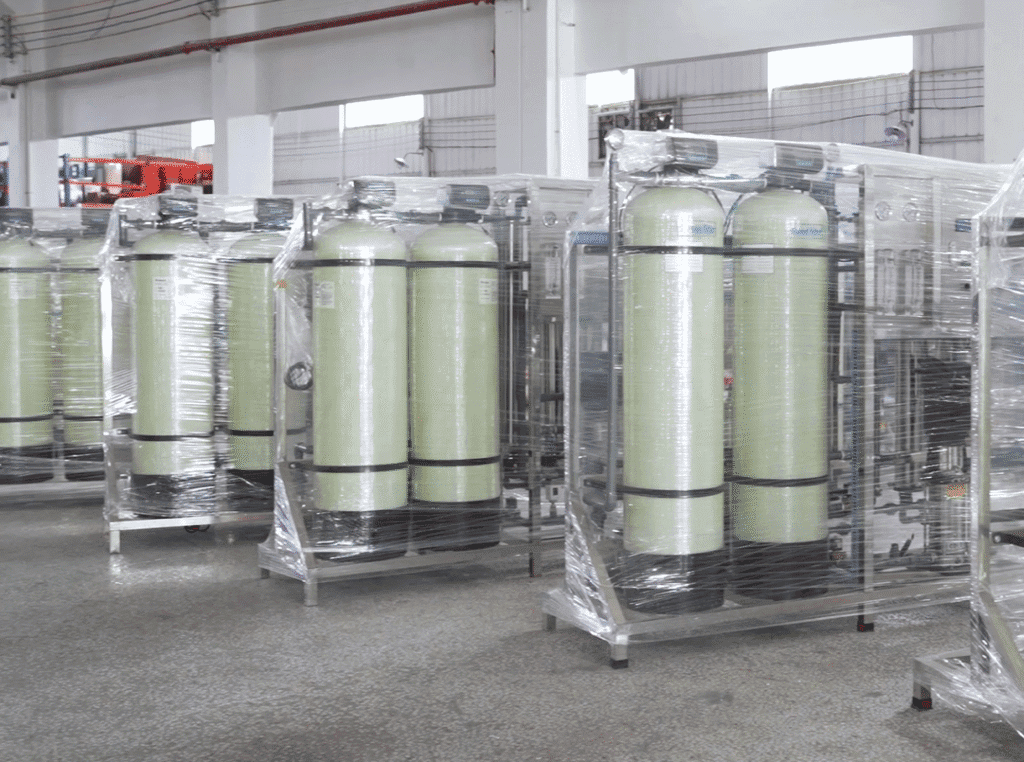
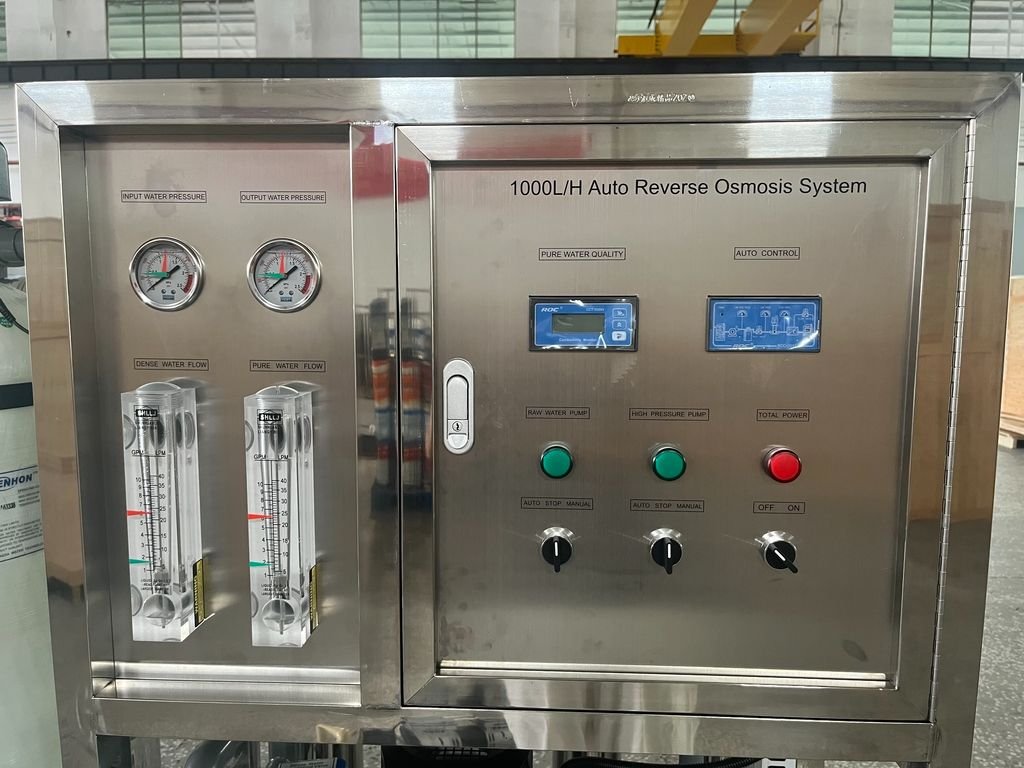
Unlike the simple filtration systems used in household RO systems, industrial RO systems require a comprehensive pretreatment system. Customized multi-stage pretreatment processes, including quartz sand filtration, activated carbon adsorption, softening, scale inhibition, and security filtration, are used based on the raw water quality (surface water, groundwater, reclaimed water, wastewater) to thoroughly remove suspended solids, residual chlorine, hardness ions, and colloidal impurities. This prevents membrane element clogging, oxidation, and scaling, ensuring the desalination unit operates continuously and efficiently. Simultaneously, the system needs precise online monitoring instruments to monitor the product water quality, pressure, flow rate, and conductivity in real time, ensuring water quality meets standards with minimal fluctuations.
The best reverse osmosis system has the best resistance to fouling
Industrial raw water is complex and variable in quality, and its contaminant content is far higher than that of household tap water. Therefore, fouling resistance is a core factor in evaluating the quality of industrial RO systems.
Best reverse osmosis system employs wide-channel, fouling-resistant membrane elements, coupled with a rational membrane housing arrangement and water flow design to reduce concentration polarization, thus lowering the risk of contaminant adhesion. Some high-end models are also equipped with online cleaning and chemical cleaning bypass systems, allowing for membrane element cleaning and maintenance without shutting down the system.
The best reverse osmosis system is highly efficient, energy-saving, and customizable
Best reverse osmosis system has high throughput and long operating times, and their energy and water consumption directly determines a company’s operating costs. Top-tier models are designed with energy conservation and cost reduction in mind. Therefore, we can choose water treatment equipment equipped with high-efficiency, energy-saving high-pressure pumps or with energy recovery devices (especially for seawater desalination models). Using this type of equipment, the RO recovery rate of conventional brackish water can be increased to over 75%, and high-recovery-rate models can reach 85%, significantly reducing concentrate discharge.
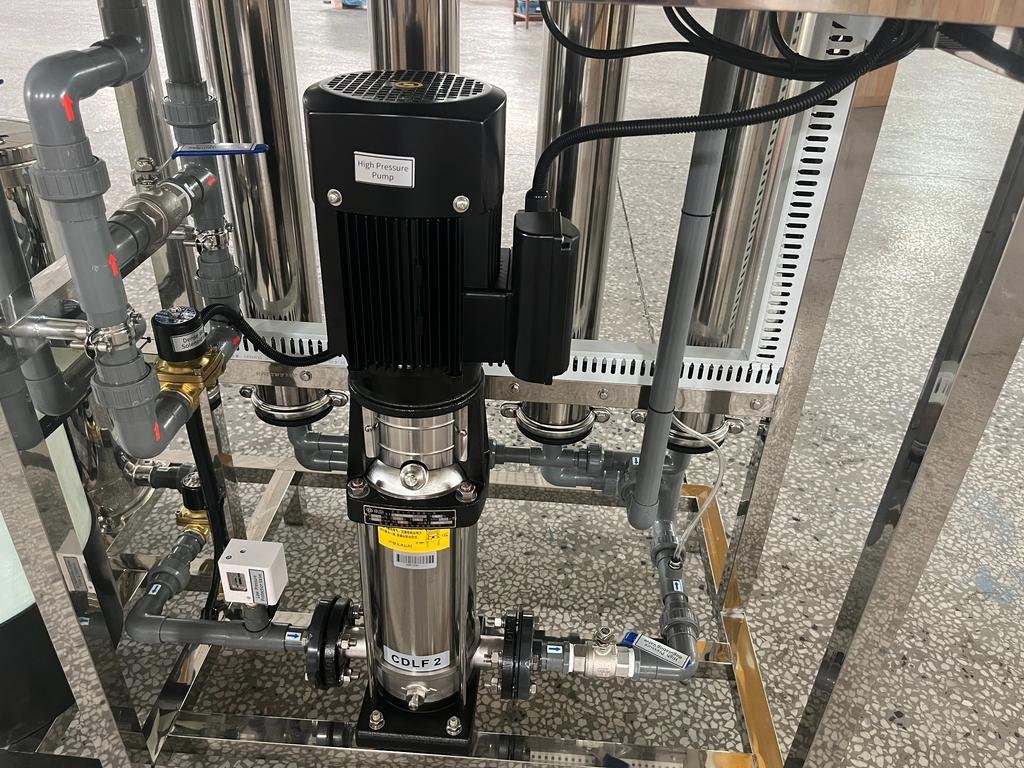
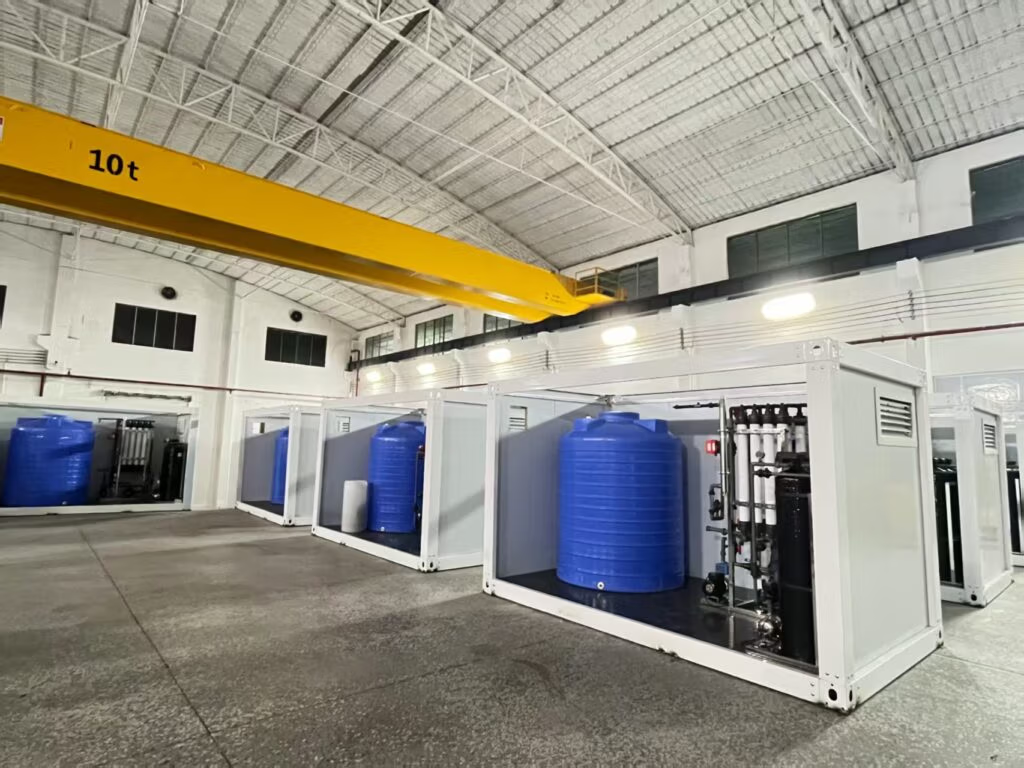
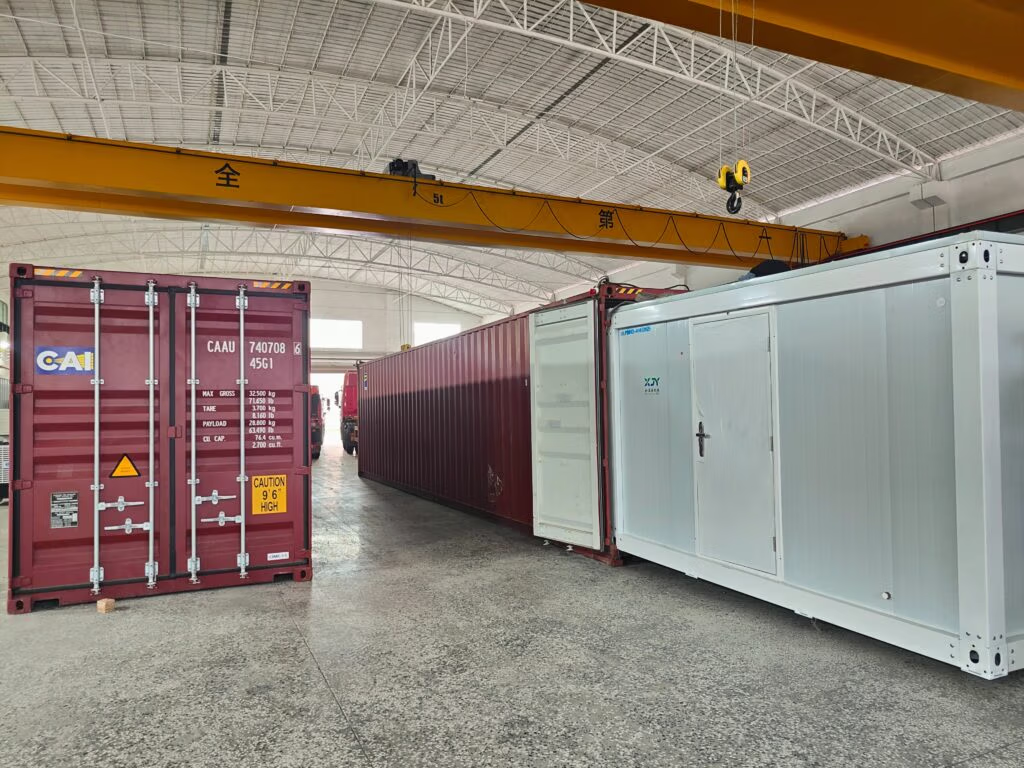
Furthermore, best reverse osmosis system is not standardized products, but rather customized solutions. Professional manufacturers will tailor the design based on the user’s raw water quality report, product water volume, product water quality requirements, installation site, and industry standards (such as electronic-grade ultrapure water and pharmaceutical purified water), adapting to different operating conditions’ expansion needs and linkage automation requirements, and achieving seamless integration with the entire water treatment production line.
Resumir
Judging the quality of industrial RO systems requires more than just considering the initial purchase price. The total lifespan cost must also be calculated. High-quality membrane elements and core components have longer lifespans, with membrane modules typically lasting 3-5 years. The overall system has a low failure rate and requires less frequent parts replacement.
In short, the best reverse osmosis system is a specialized piece of equipment that is tailored to your specific production scenario, stable and reliable, energy-efficient, easy to maintain, and customizable. When purchasing, focus on four key aspects: desalination stability, fouling resistance, system recovery rate, and after-sales support. Avoid models with inflated specifications or underwhelming features to ensure you select reliable, cost-effective industrial RO systems that offers long-term peace of mind.
If you need to know more, please feel free to contact XinJieYuan.