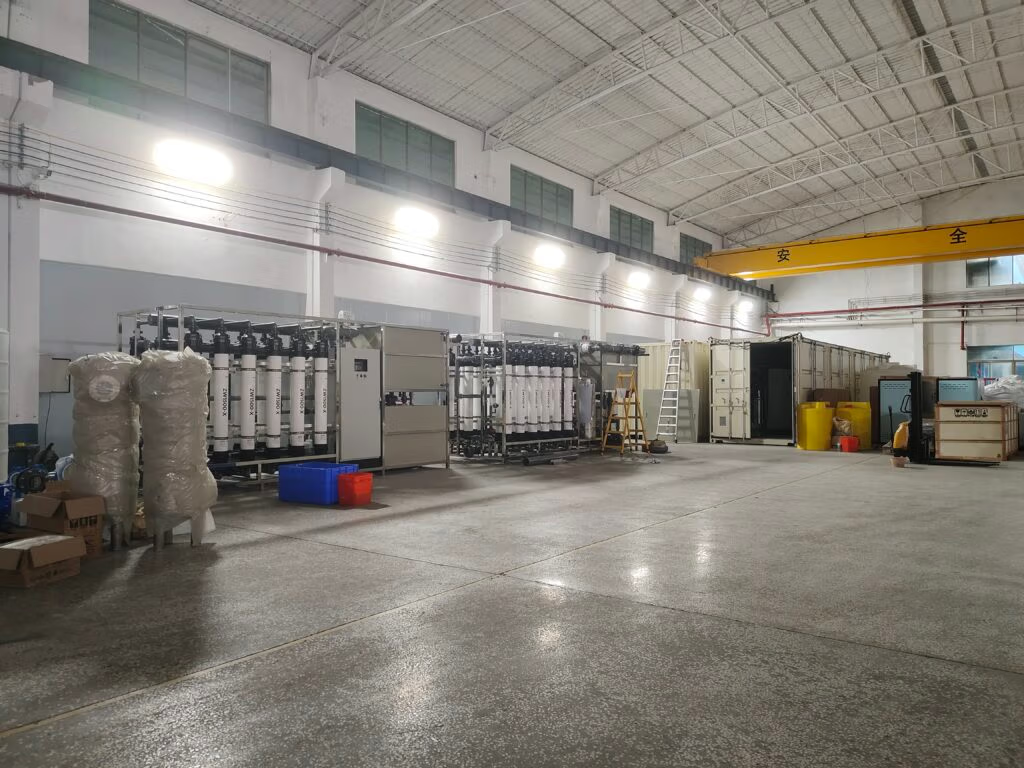
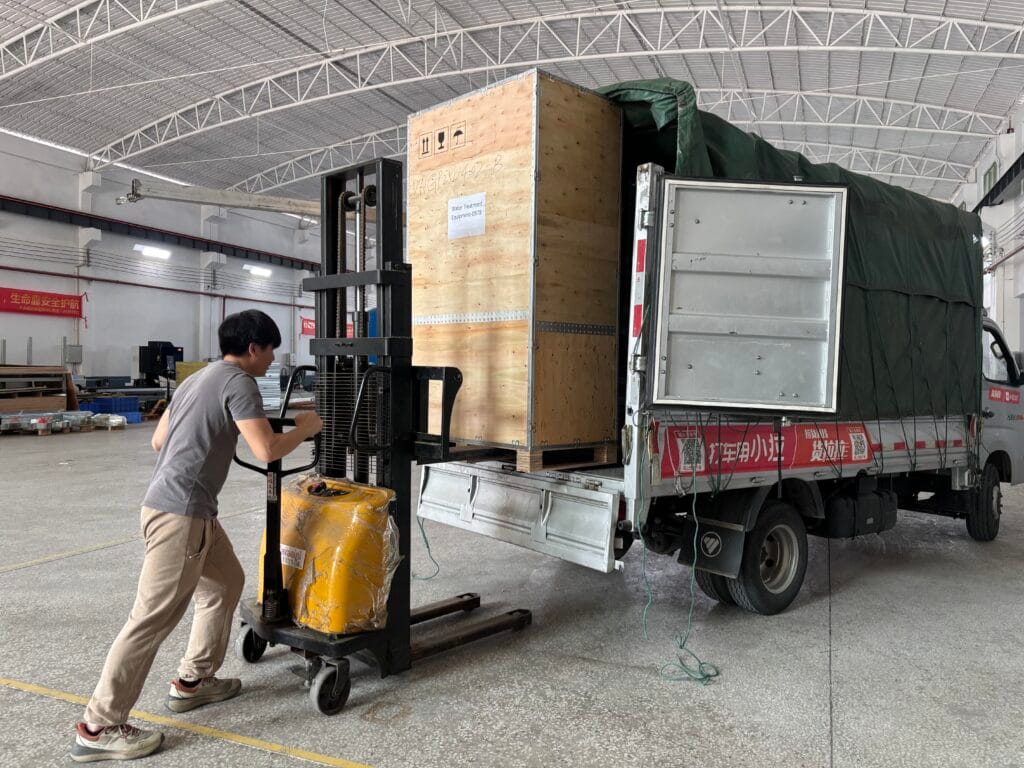
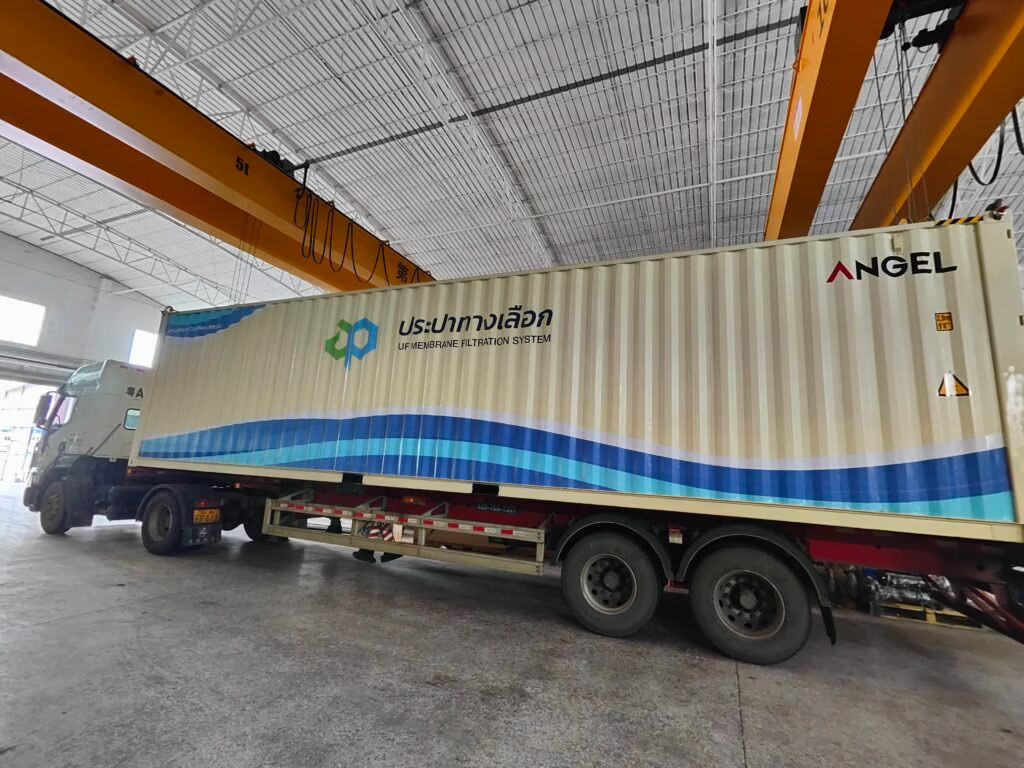
When sourcing an industrial reverse osmosis system, buyers across Southeast Asia, the Middle East, and Africa quWhen sourcing an industrial reverse osmosis system, buyers across Southeast Asia, the Middle East, and Africa quickly discover that the reverse osmosis system price is not a fixed number. It is a dynamic figure shaped by geography, local water chemistry, energy costs, and required output capacity. For manufacturing plants, food processors, power stations, and municipal facilities, understanding how these regional variables interact with equipment pricing is the first step toward a smart, cost-effective procurement decision.
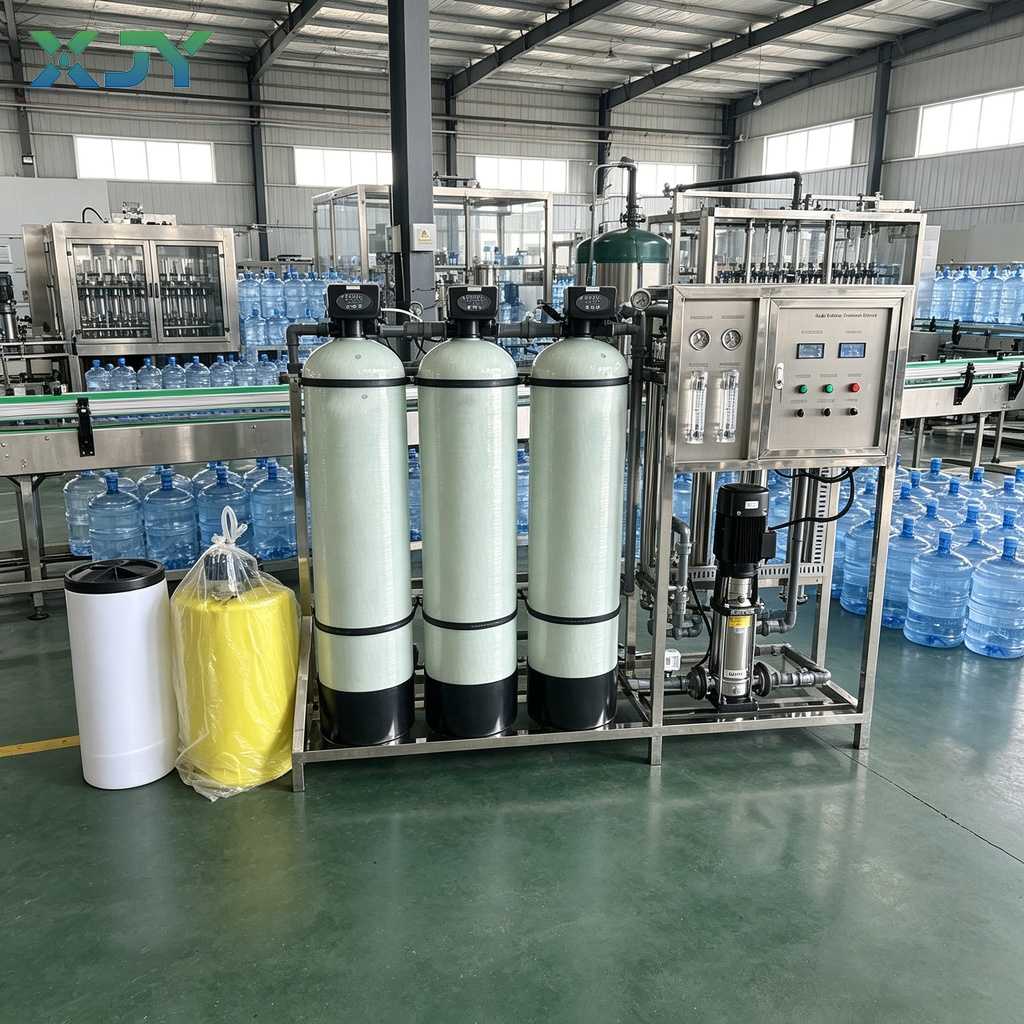
This guide breaks down the key drivers behind industrial RO system pricing across major global markets, helping procurement managers and plant engineers budget accurately and avoid costly surprises.
Why the Reverse Osmosis System Price Varies by Region
An industrial RO unit that costs a certain amount in China will carry a different price tag once it arrives in Nigeria, Brazil, or Saudi Arabia. Several factors create this price divergence.
Import Duties and Local Tariff Structures
Countries with high import duties on capital goods, common in parts of South Asia and West Africa, add a meaningful premium to the landed cost of reverse osmosis equipment. Buyers in these markets often find that the final reverse osmosis system price is 15–30% higher than the ex-factory price quoted by the manufacturer. Working with suppliers who offer CIF (Cost, Insurance, and Freight) pricing and have experience with local customs documentation can help buyers anticipate these charges before signing a purchase agreement.
Feed Water Quality and Pre-Treatment Needs
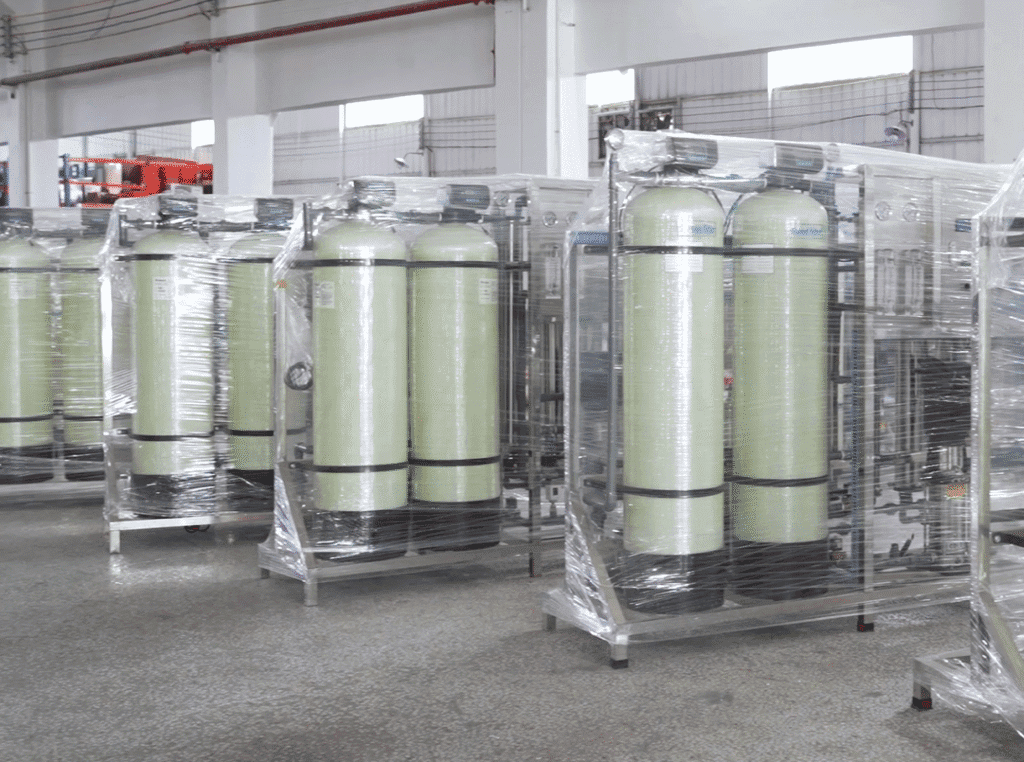
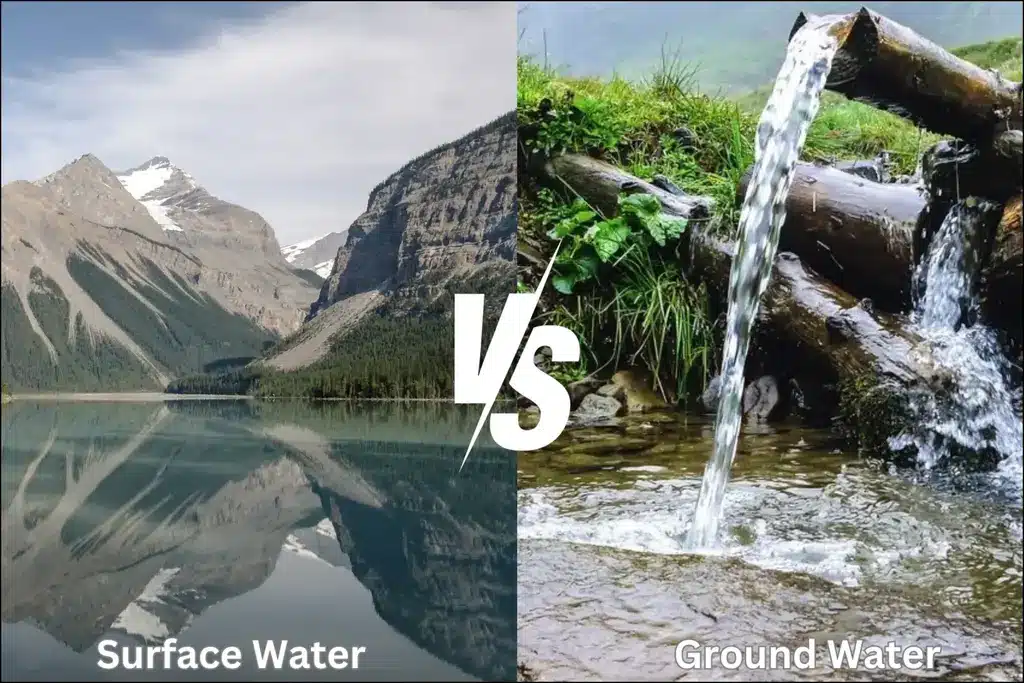
Regions with high salinity groundwater such as coastal areas of the Arabian Peninsula or brackish inland basins in Central Asia, require additional pre-treatment stages before the RO membranes. This can include multimedia filtration, antiscalant dosing systems, and pH adjustment units. Each pre-treatment component increases the overall industrial RO system price, sometimes substantially. By contrast, facilities drawing from clean surface water sources face lower pre-treatment costs and a more predictable budget.
Key Markets and Their Reverse Osmosis System Price Ranges
Understanding geo-specific pricing benchmarks empowers industrial buyers to conduct informed vendor comparisons and negotiate effectively.
Southeast Asia: Competitive Pricing Meets Rising Demand
Markets such as Vietnam, Indonesia, and the Philippines are experiencing rapid industrial growth, and the demand for water treatment equipment has expanded accordingly. Buyers in this region benefit from proximity to Chinese and Taiwanese manufacturers, which keeps shipping costs reasonable. A mid-capacity industrial RO system (5–20 m³/h) in Southeast Asia typically lands at a competitive price point, though local installation and commissioning services add to the total investment. Infrastructure limitations in some areas may also require buyers to include on-site power backup systems in their planning.
Middle East: High Salinity Raises the Reverse Osmosis System Price
The Gulf Cooperation Council countries face some of the most challenging source water conditions in the world. High total dissolved solids (TDS) levels in groundwater and seawater sources mean that reverse osmosis systems must be engineered with high-rejection membranes, robust high-pressure pumps, and energy recovery devices. These components drive the reverse osmosis system price upward compared to lower-salinity environments. That said, large-scale government and industrial projects in Saudi Arabia, UAE, and Kuwait often benefit from bulk purchasing leverage and subsidized energy, partially offsetting equipment costs.
Africa: Infrastructure Gaps and the Total Cost of Ownership
Across sub-Saharan Africa, the reverse osmosis system price must be evaluated within the broader context of total cost of ownership. Unreliable grid power requires diesel generators or solar hybrid systems, adding capital expenditure. Spare parts availability is limited in many regions, making after-sales service agreements and local stocking of consumables, especially RO membranes and filters, an essential part of the budget. Buyers who factor in these operational realities from the outset avoid unpleasant post-installation surprises.
For a detailed overview of how different industrial water treatment technologies compare, the water technology buyers guide offers an extensive reference covering membranes, filtration systems, and desalination equipment from global suppliers.
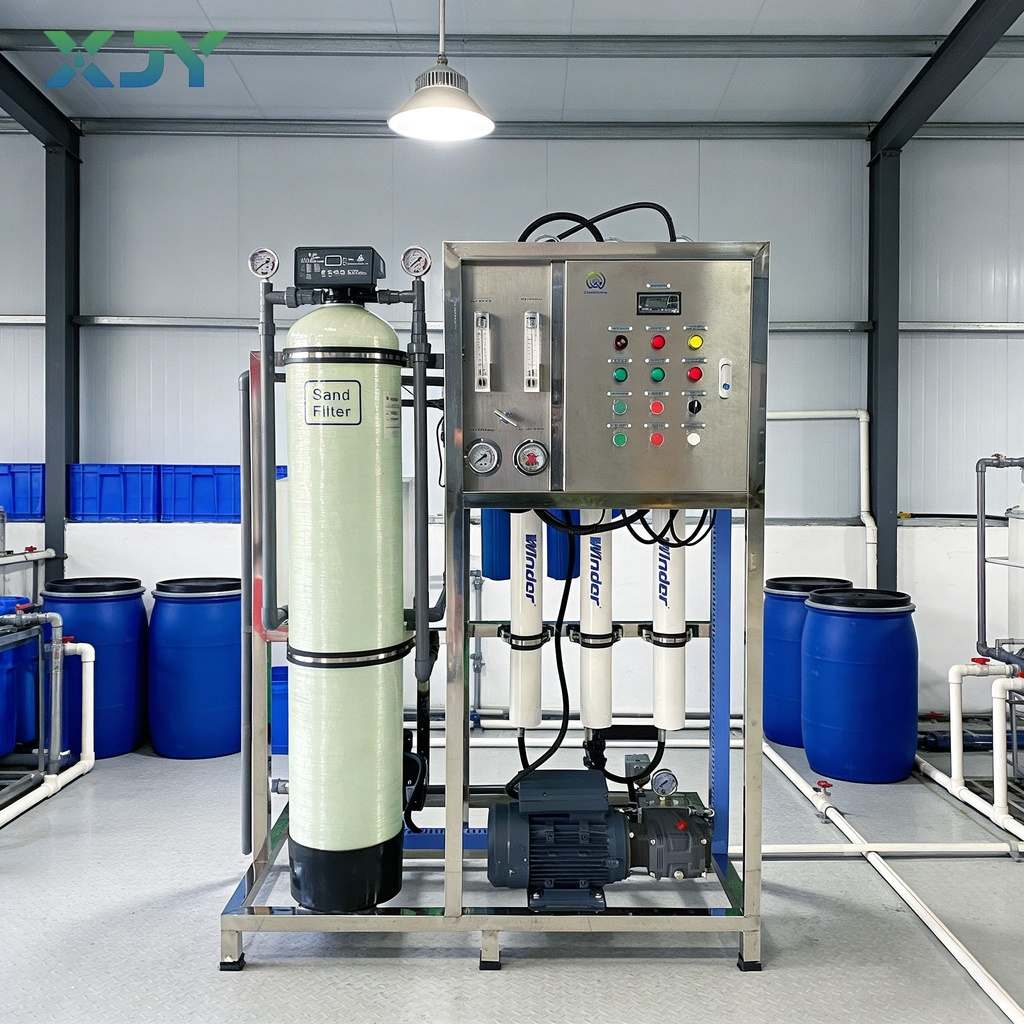
5 Critical Factors That Determine Your Industrial RO System Price
Regardless of region, five core variables consistently shape the final reverse osmosis system price for industrial applications.
1. System Capacity and Flow Rate
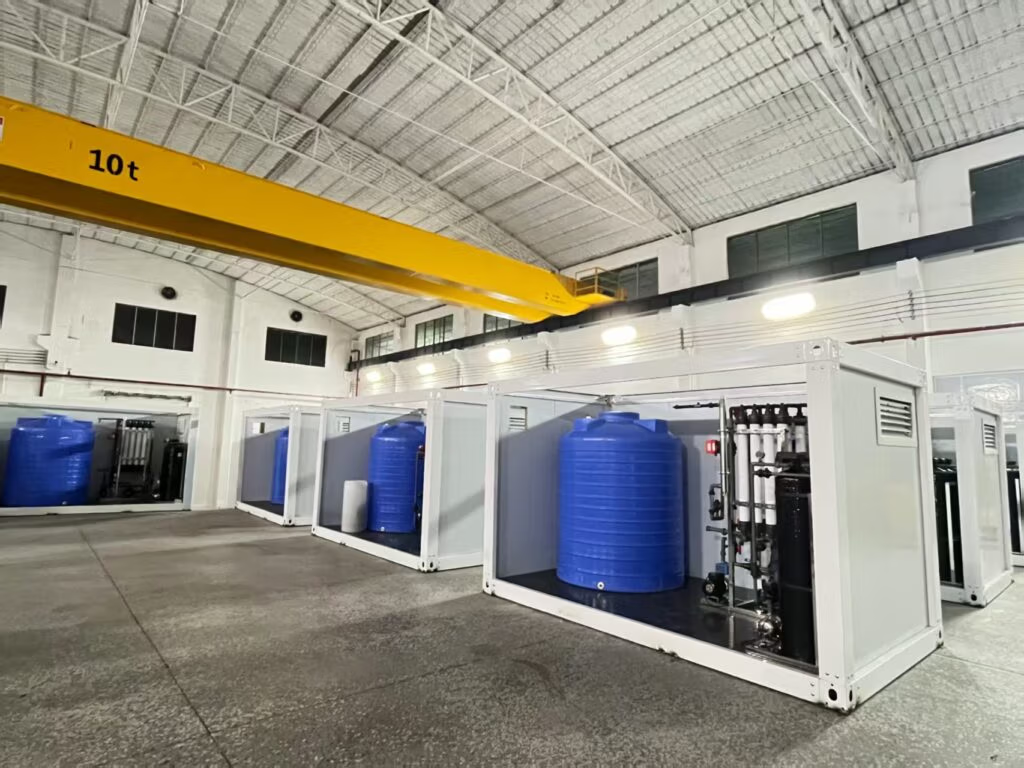
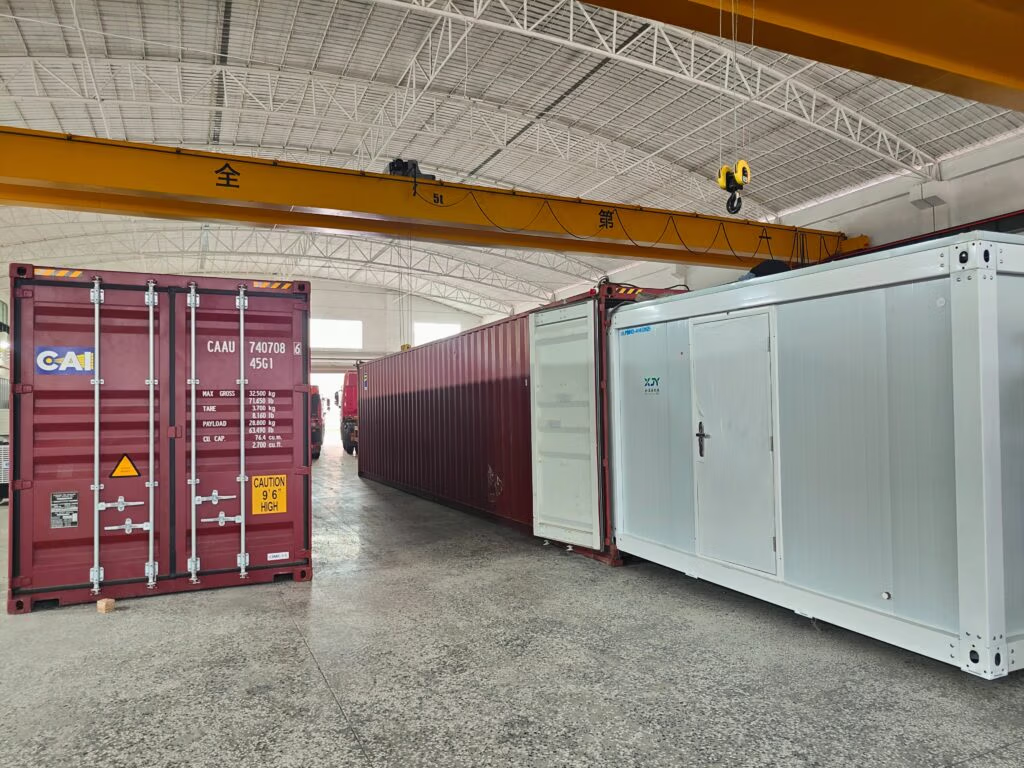
Larger systems produce more treated water per hour but require proportionally greater capital investment. Industrial RO units are commonly sized in cubic meters per hour (m³/h), ranging from small skid-mounted systems at 1–5 m³/h to large containerized arrays exceeding 500 m³/h. Buyers should conduct a precise demand analysis before specifying capacity to avoid overpaying for unused throughput.
2. Membrane Type and Recovery Rate
High-efficiency membranes with superior salt rejection and longer service life generally carry a higher upfront cost, but deliver lower operating expenses over time. Recovery rate, the percentage of feed water converted to permeate, directly affects both membrane sizing and energy consumption. Optimizing this parameter at the design stage can meaningfully reduce the long-term reverse osmosis system price on a per-cubic-meter basis.
3. Energy Consumption and Local Electricity Tariffs
High-pressure pumping is the dominant energy consumer in any industrial RO system. In markets where electricity is expensive, investing in energy recovery devices and variable-frequency drives (VFDs) pays back the added capital cost relatively quickly. Facilities in regions with low electricity tariffs may find that standard pump configurations offer better overall value.
4. Automation and Control Systems
Modern industrial RO plants equipped with PLC/SCADA automation, remote monitoring, and automated cleaning cycles offer superior operational reliability and lower labor requirements. These features add to the initial investment but reduce the risk of costly unplanned downtime, a consideration that is especially relevant in remote or high-value production environments.
5. After-Sales Support and Warranty Terms
The total value of a water treatment equipment purchase extends well beyond the invoice price. Warranty coverage, remote diagnostics capabilities, response time commitments, and the availability of spare parts in-country all affect long-term operational costs. Selecting a supplier with a proven track record in your specific geographic region provides meaningful risk reduction.
The international desalination association publishes technical resources on RO membrane performance standards and global desalination benchmarks, offering valuable independent guidance for industrial procurement teams.
How to Get an Accurate Reverse Osmosis System Price Quote
Generic price lists rarely reflect real-world project costs. To receive a meaningful, project-specific reverse osmosis system price, buyers should prepare the following information before approaching suppliers:
- Source water analysis report (TDS, hardness, iron, silica, SDI, and other contaminants)
- Required daily or hourly output volume in m³
- Desired permeate water quality standards (conductivity, TDS target)
- Site location and available utilities (power voltage, pressure)
- Installation environment (indoor/outdoor, temperature range)
- Applicable local standards and certifications
Providing comprehensive source data allows the engineering team to size the system correctly, select appropriate membranes and pre-treatment equipment, and deliver a precise cost proposal rather than a broad estimate. To learn more about our industrial RO systems and request a customized quote for your facility, visit our reverse osmosis system product page.
Conclusion: Making the Right Investment in Industrial Water Treatment Equipment
The reverse osmosis system price is not simply a commodity figure — it is the intersection of engineering specifications, geographic realities, operational requirements, and long-term total cost of ownership. Industrial buyers who approach procurement with a clear understanding of regional pricing drivers, technical requirements, and vendor evaluation criteria are consistently better positioned to make high-value investments.
Whether your facility is in Southeast Asia, the Middle East, Africa, or beyond, selecting the right industrial RO system starts with working with a manufacturer that combines technical depth with global project experience. For additional guidance on selecting the right configuration for your industry sector, explore our brackish water reverse osmosis solutions page, where application-specific configurations and pricing frameworks are outlined in detail.