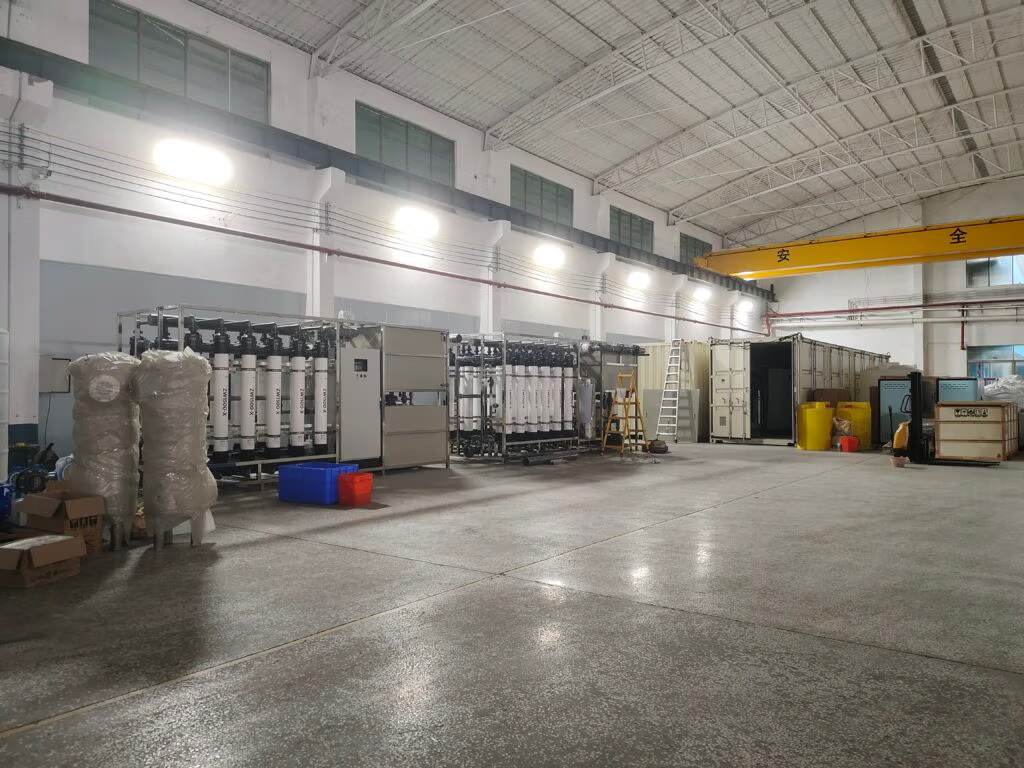
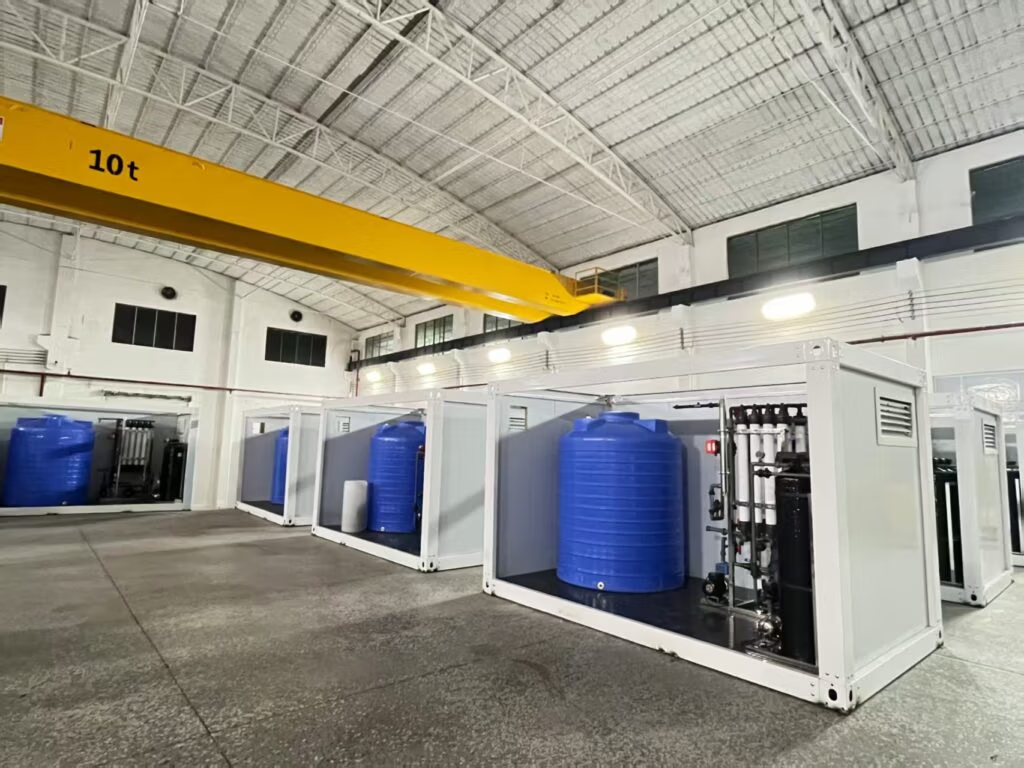
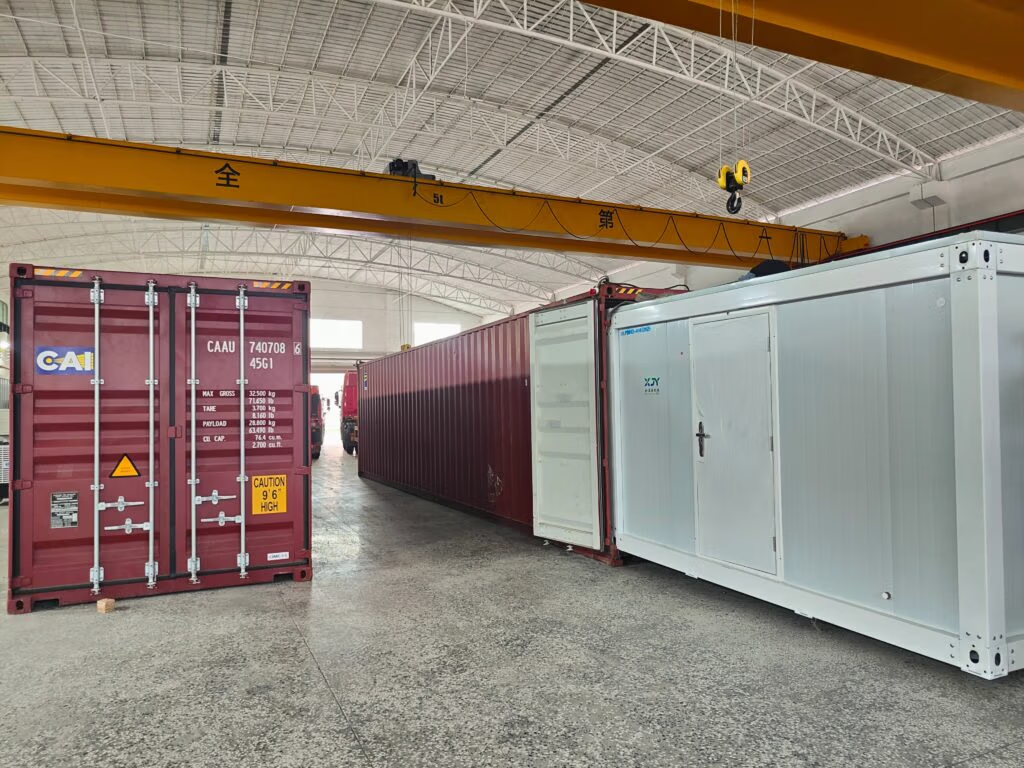
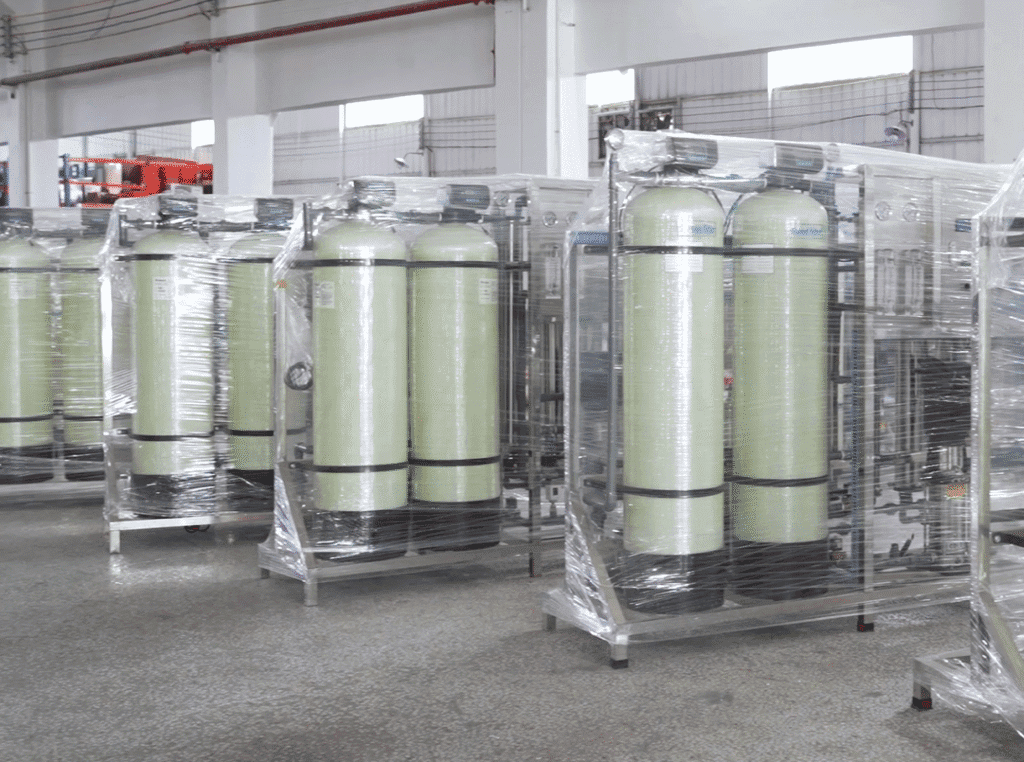
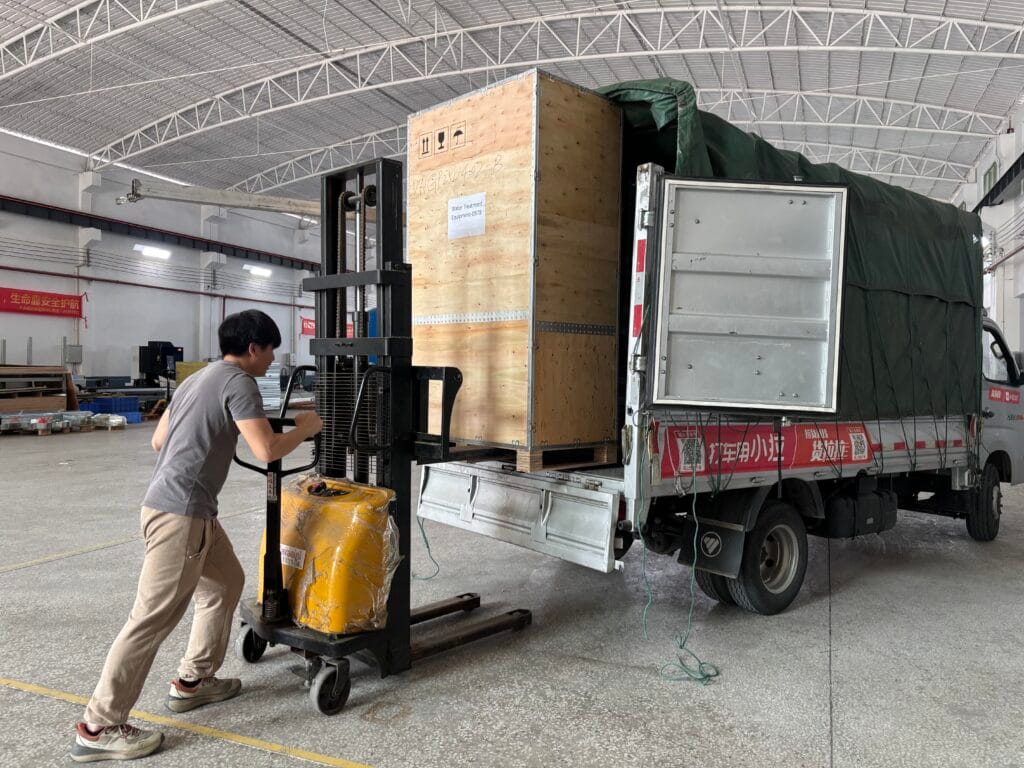
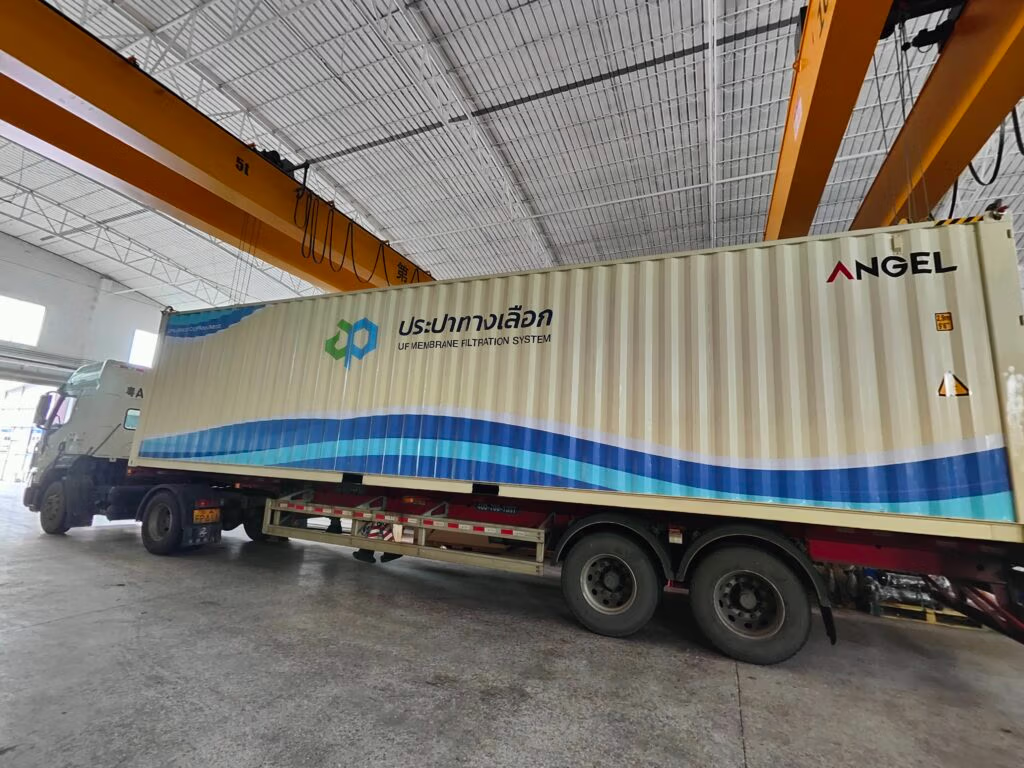
More than one billion people worldwide are suffering from a severe freshwater shortage. This problem is particularly acute in regions such as the heart of the Middle Eastern deserts, scattered islands in Southeast Asia, and the narrow coast of Africa. Desalination equipment, with its core capability to transform “bitter seawater” into “sweet freshwater,” has become a highly sought-after and essential product in overseas markets.
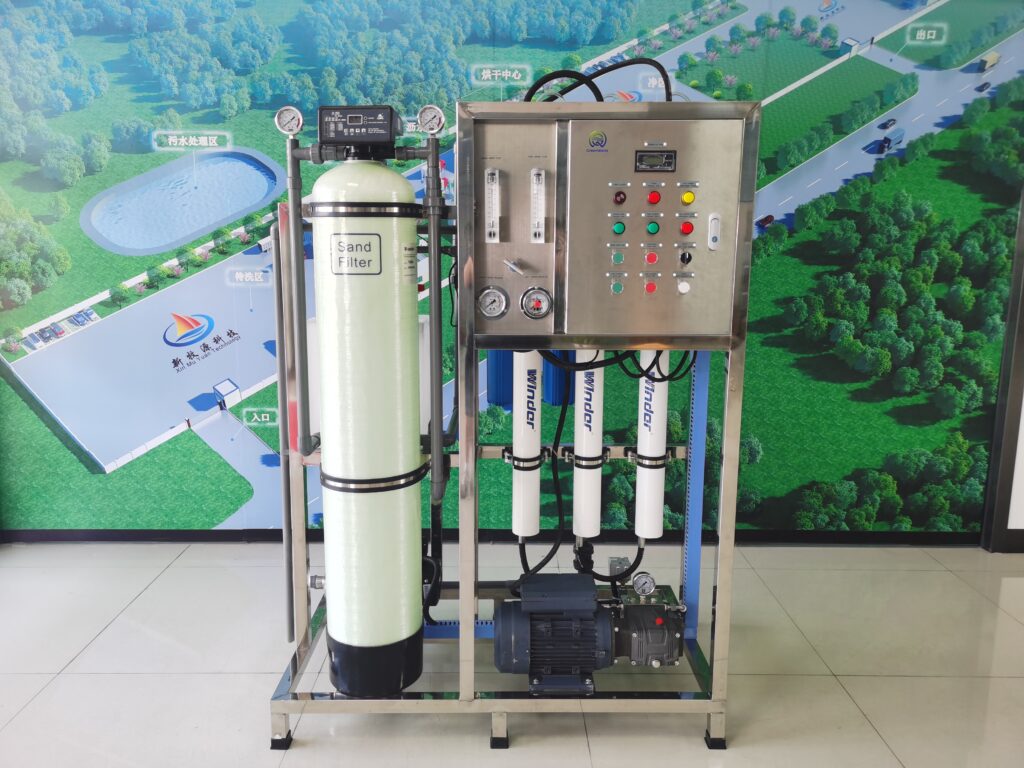
How does desalination equipment convert seawater into fresh water?
The seawater desalination equipment uses reverse osmosis technology to transform bitter seawater into fresh water through “molecular-level screening.” Under the pressure of 40 to 80 kilograms applied by a high-pressure pump, seawater successfully penetrates the reverse osmosis membrane wall. The membrane firmly intercepts impurities such as sodium chloride, heavy metal ions, and harmful microorganisms.
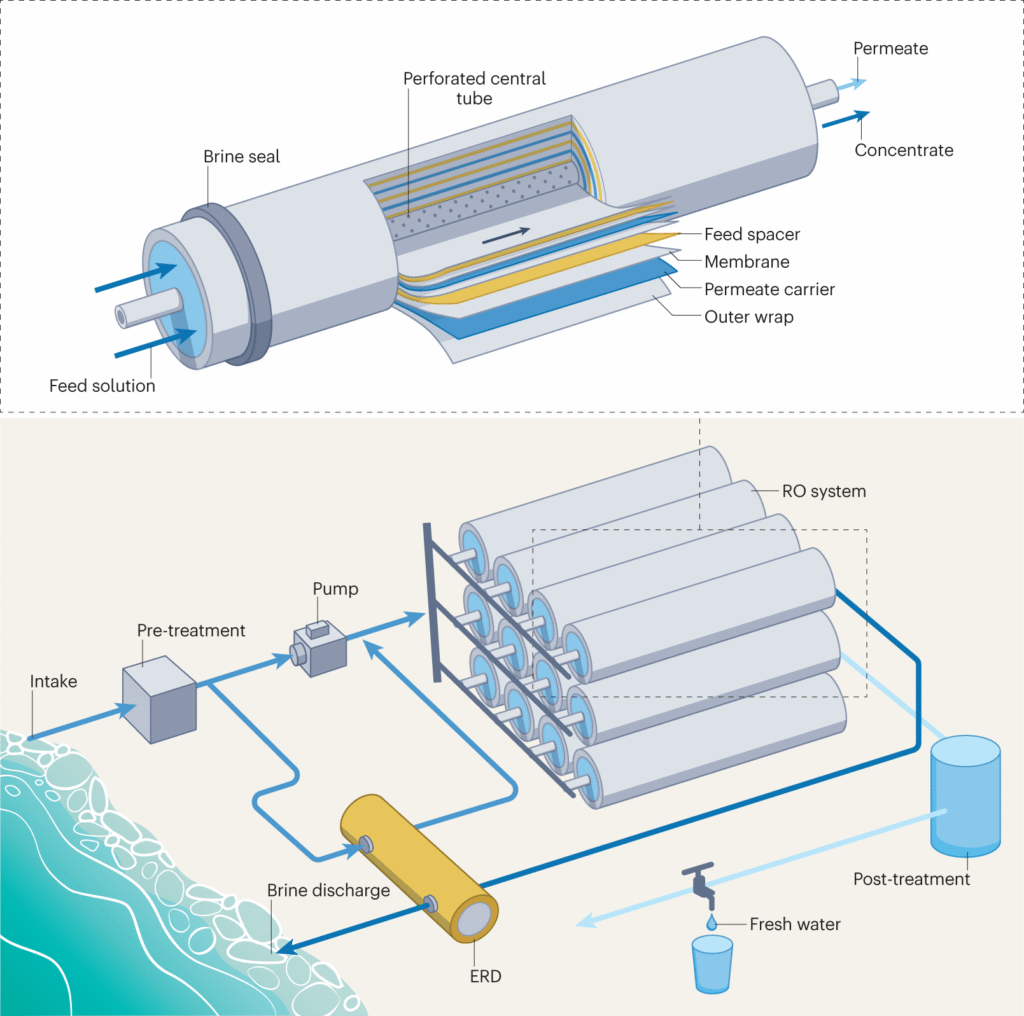
The entire process requires no chemical additives, relying solely on physical filtration. This eliminates the risk of secondary water pollution and reduces subsequent treatment costs. Simultaneously, the desalination rate remains consistently above 99.6%, producing freshwater that is directly drinkable and fully complies with the World Health Organization (WHO) drinking water safety standards.
What are the characteristics of RO desalination equipment?
Compared to traditional distillation equipment, its energy consumption is only one-third that of distillation. This means that the cost of producing each ton of fresh water can be controlled within the range of $0.5 to $1. Thus it is extremely attractive to overseas regions where energy costs are high.
At the same time, the equipment is available in a variety of flexible specifications, ranging from small, portable truck-mounted units producing 50 liters of water per day to large industrial-grade systems producing tens of thousands of tons per day. We can precisely match our RO desalination equipment to various usage scenarios such as overseas households, resort hotels, and oilfield camps. For example, in a desert resort in Dubai, UAE, Chinese-made reverse osmosis equipment provides a stable supply of drinking water for thousands of tourists and staff. Furthermore, on remote islands in Indonesia, small-scale equipment has completely ended the local villagers’ reliance on rainwater for drinking water.
What is the market like for desalination equipment?
The demand for reverse osmosis equipment in overseas markets has long since transcended the single dimension of basic water supply.
In overseas agriculture, desalinated water, after being scientifically formulated with minerals, can be used for irrigation of coastal saline-alkali lands. For example, countries like Egypt and Saudi Arabia are cultivating high-value-added cash crops.

In the field of ocean shipping, ship-specific ro desalination equipment can achieve “on-site conversion of seawater,” significantly reducing the freshwater replenishment costs for ocean-going fleets.
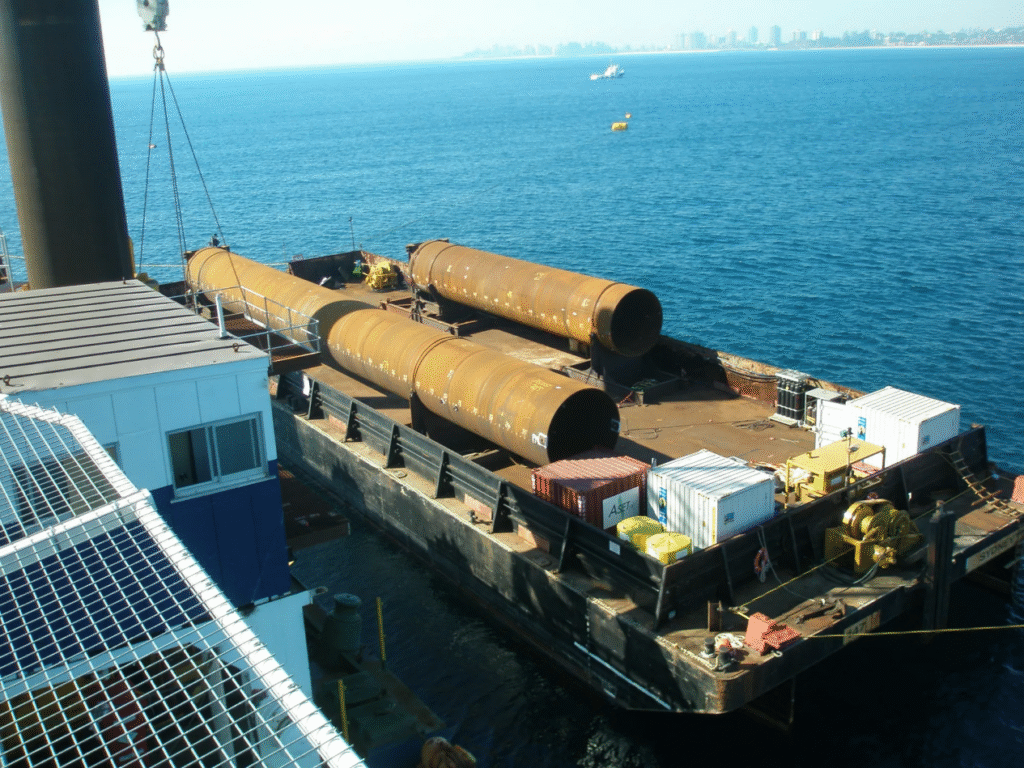
In emergency rescue scenarios, following the earthquake in Turkey, mobile reverse osmosis equipment donated by China quickly set up temporary water supply points within 72 hours, becoming “lifelines” for disaster relief.
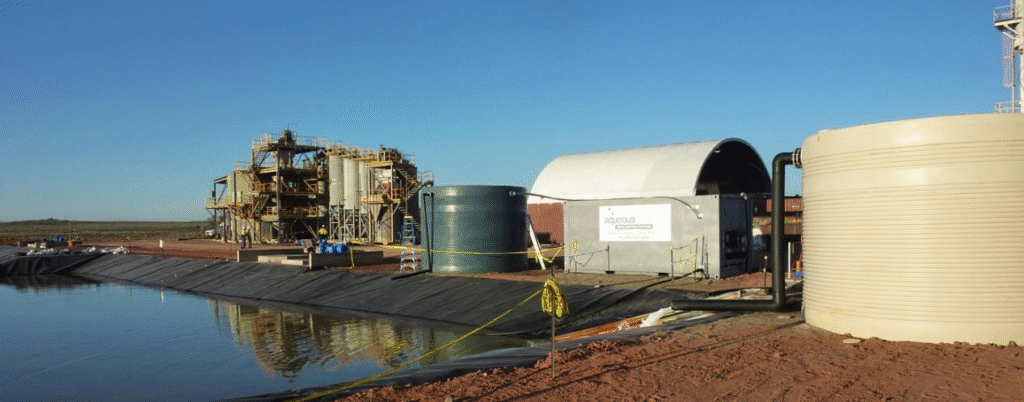
What adjustments has China made?
To address the specific characteristics of different overseas markets, Chinese ro desalination equipment has undergone multi-dimensional adaptation and upgrades.
① To cope with the high turbidity of seawater in the Middle East, a pre-filtration ultrafiltration system has been specifically added to the equipment.
② To match the voltage standards of Europe and the United States, we have launched customized models adapted to 110V/60Hz voltage.
③ Some leading companies have also developed intelligent remote control systems, allowing overseas customers to monitor equipment operation status in real time and schedule maintenance services with a single click via a mobile app.
Summarize
Currently, the global seawater desalination market has successfully exceeded $200 billion, with reverse osmosis (RO) equipment accounting for over 70% of the market share. With the global adoption of the carbon neutrality concept, photovoltaic-driven RO equipment is becoming a new market trend. This “light-for-water” model can significantly reduce energy costs, and the influence of RO desalination will continue to expand.
If you need to learn more about this type of equipment, please feel free to contact us.