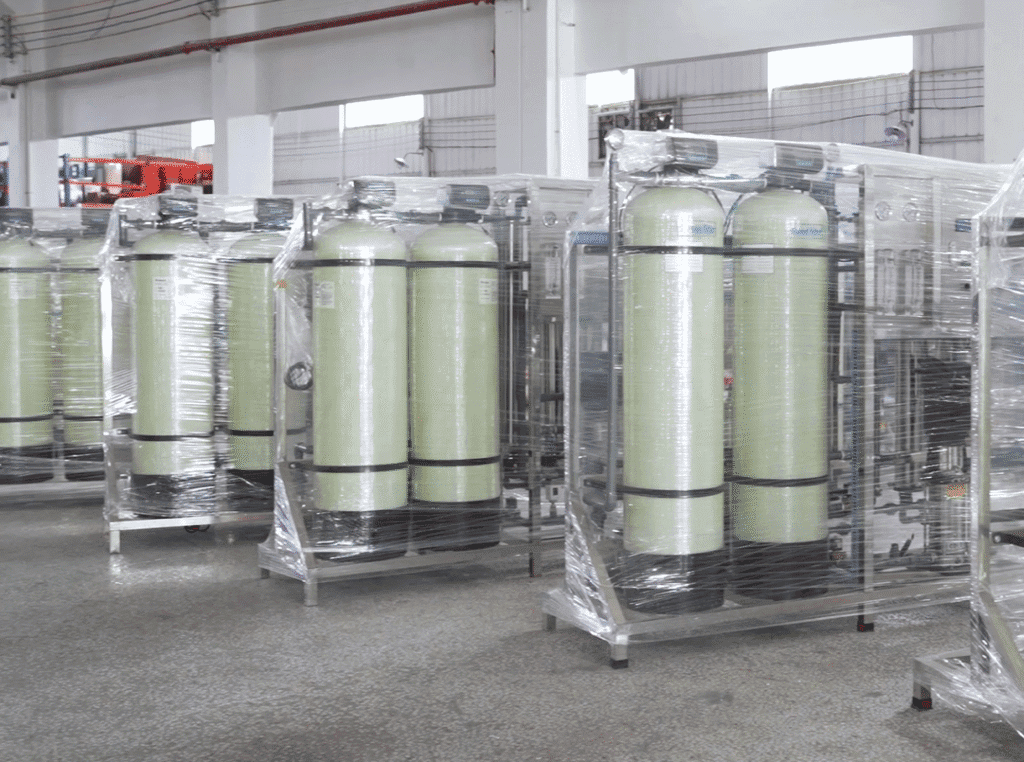
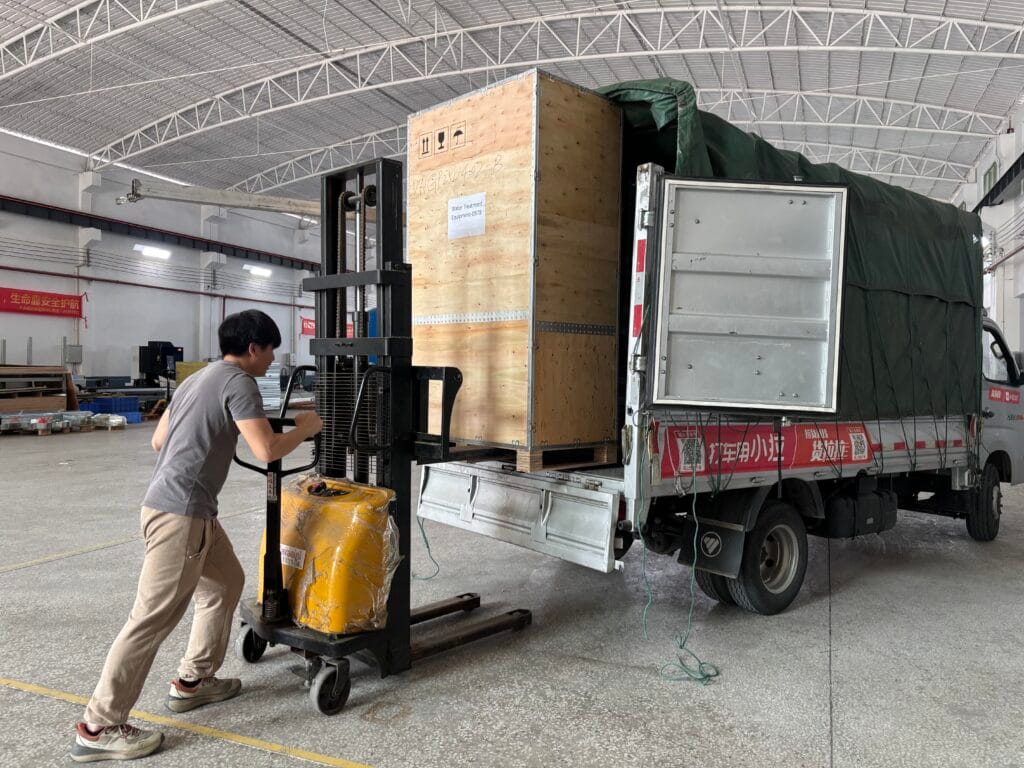
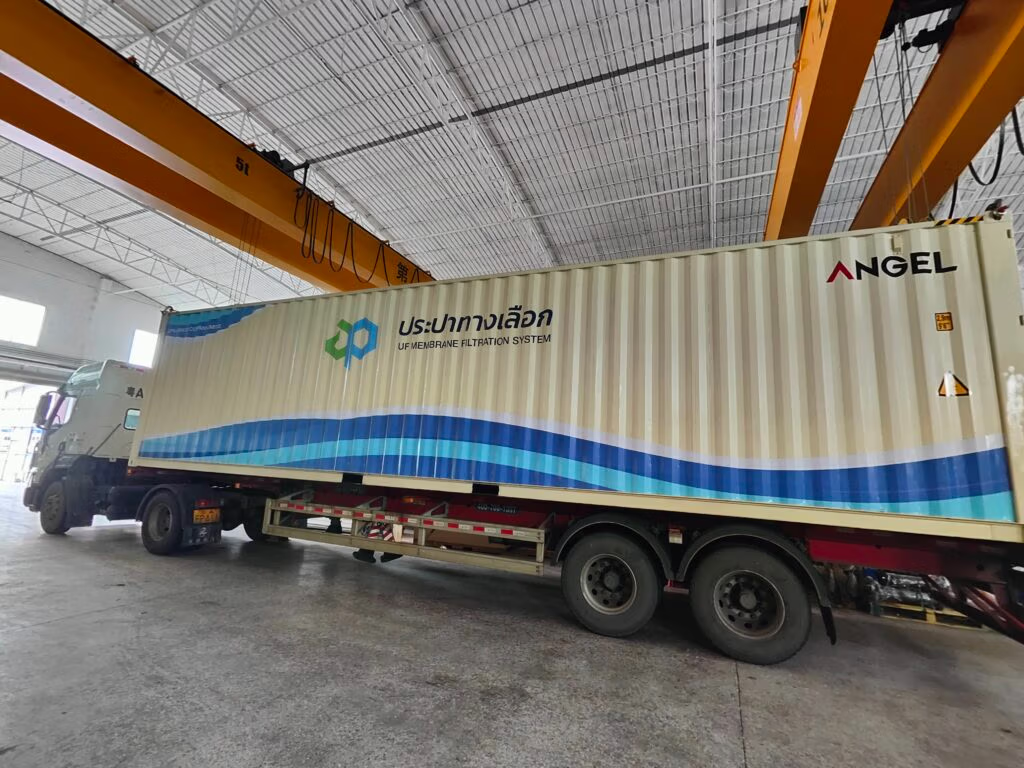
An ultrafiltration device is one of the most reliable membrane separation technologies available for industrial water treatment today. As industries worldwide face stricter water quality standards and rising operational costs, the demand for high-performance ultrafiltration solutions continues to grow rapidly. Understanding how these systems work and where they excel is essential for facility managers, engineers, and procurement teams making infrastructure decisions in 2026 and beyond.
What Is an Ultrafiltration Device and How Does It Work?
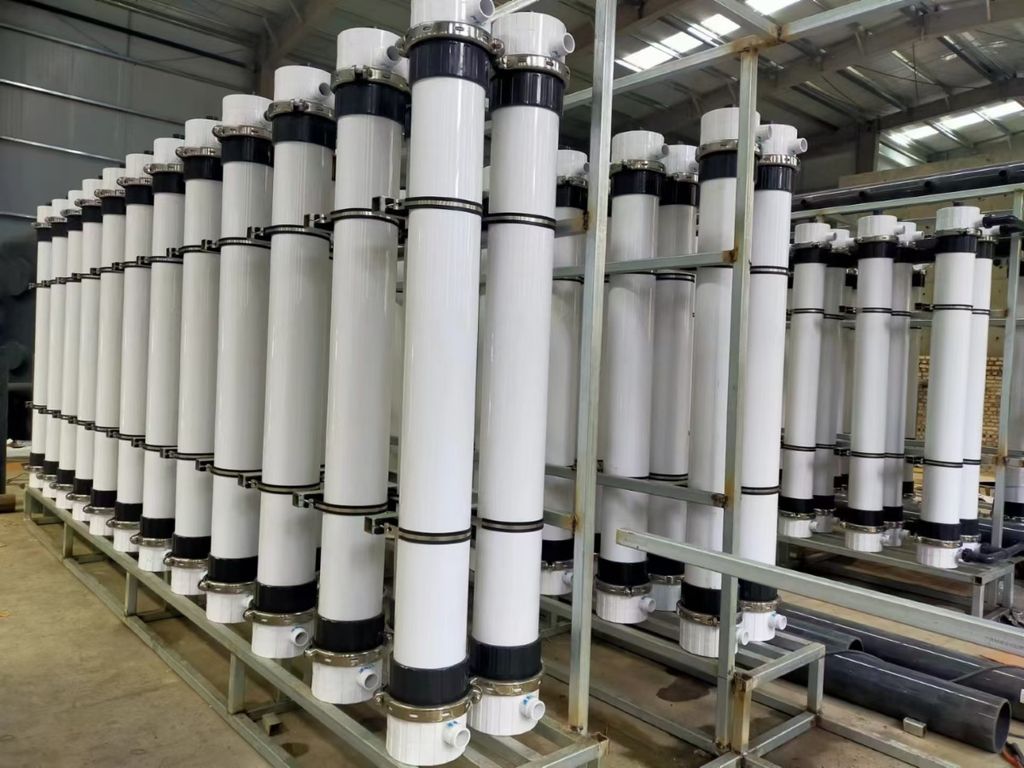
An ultrafiltration device operates by forcing water through semi-permeable hollow fiber membranes with pore sizes typically ranging from 0.01 to 0.1 microns. This physical barrier effectively removes suspended solids, bacteria, colloids, and macromolecular organic compounds from the water stream.
Unlike conventional filtration or chemical treatment methods, ultrafiltration relies entirely on mechanical separation. No coagulants or disinfectants are required at the primary filtration stage, which significantly reduces chemical consumption and operational complexity.
According to the World Health Organization’s guidelines on drinking water quality, membrane filtration technologies like ultrafiltration provide consistent pathogen removal performance that chemical treatments alone cannot guarantee.
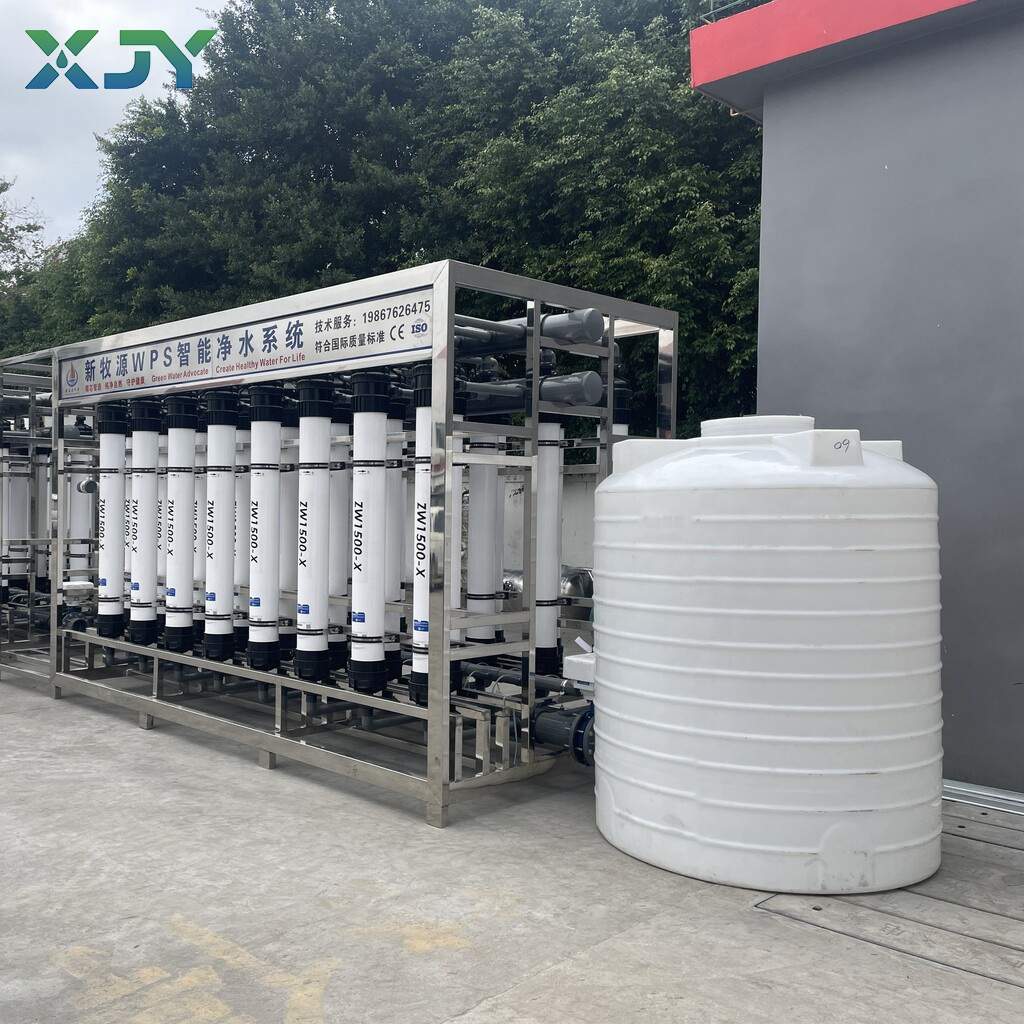
Key Industrial Applications of the Ultrafiltration Device
Industrial ultrafiltration devices are deployed across a wide range of sectors. Each application leverages the technology’s ability to produce consistent, high-quality effluent under demanding operational conditions.
Pre-Treatment for Reverse Osmosis Systems
One of the most common uses of an ultrafiltration device is as a pre-treatment stage upstream of reverse osmosis systems. By removing turbidity, bacteria, and organic matter before the RO membranes, ultrafiltration extends RO membrane lifespan and reduces fouling significantly.
Industrial plants that adopt UF pre-treatment typically report a 30–50% reduction in RO membrane replacement costs over a five-year operational period. This makes the upfront investment in an ultrafiltration device highly cost-effective in large-scale applications.
Municipal and Industrial Wastewater Reuse
Ultrafiltration devices play a central role in wastewater reclamation projects. Treated effluent from manufacturing processes — including food processing, textile production, and chemical manufacturing can be reliably reclaimed and reused after passing through a properly designed UF system.
This supports circular water management strategies, helping industrial facilities meet environmental compliance targets and reduce freshwater intake from municipal or natural sources.
Ultrafiltration Device in Power Generation Plants
Thermal and nuclear power stations require ultra-pure water for cooling and steam generation cycles. An ultrafiltration device is routinely installed as part of the multi-stage water purification train in these facilities, ensuring that downstream ion exchange or EDI units receive consistently clean feedwater.
5 Proven Advantages of Industrial Ultrafiltration Devices
When evaluating membrane technologies for industrial deployment, ultrafiltration devices offer a compelling combination of performance, reliability, and cost efficiency. Here are five key advantages backed by operational experience:
1. Consistent Effluent Quality: Membrane separation provides absolute physical removal of particles above the rated pore size, regardless of fluctuations in feed water quality.
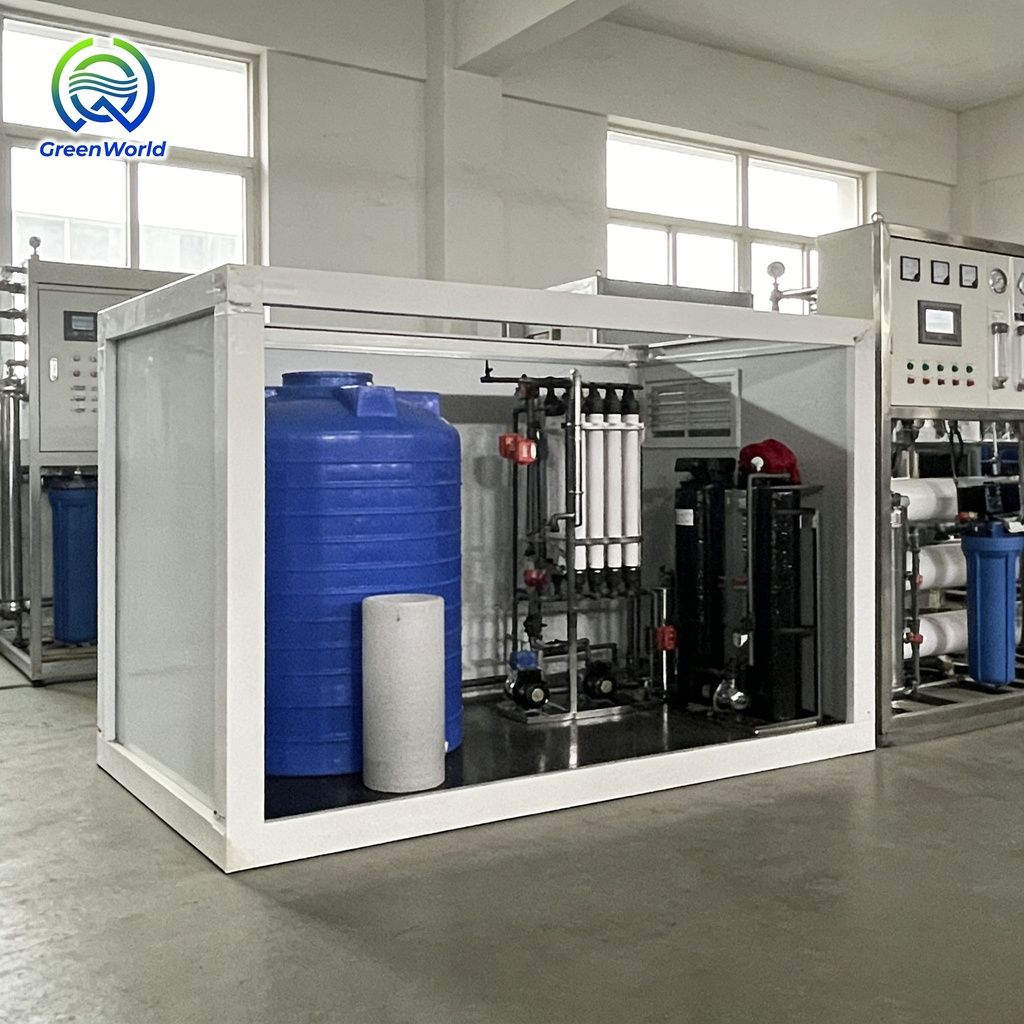
2. Compact Footprint: Modern hollow fiber ultrafiltration modules achieve high membrane surface area in a compact housing, making them suitable for retrofitting into existing treatment facilities.
3. Low Chemical Consumption: Compared to coagulation-flocculation processes, ultrafiltration devices require minimal chemical inputs, lowering both operating costs and environmental impact.
4. Automated Operation: Industrial ultrafiltration systems are designed for automated backwash and chemical enhanced backwash (CEB) cycles, minimizing labor requirements and ensuring membrane longevity.
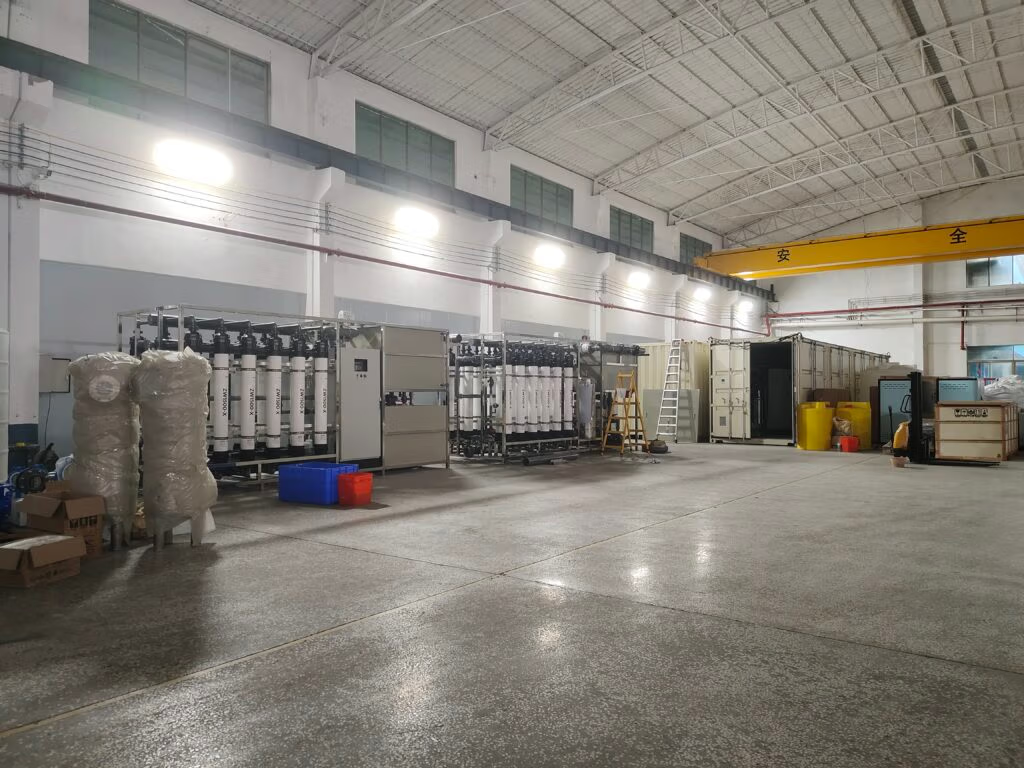
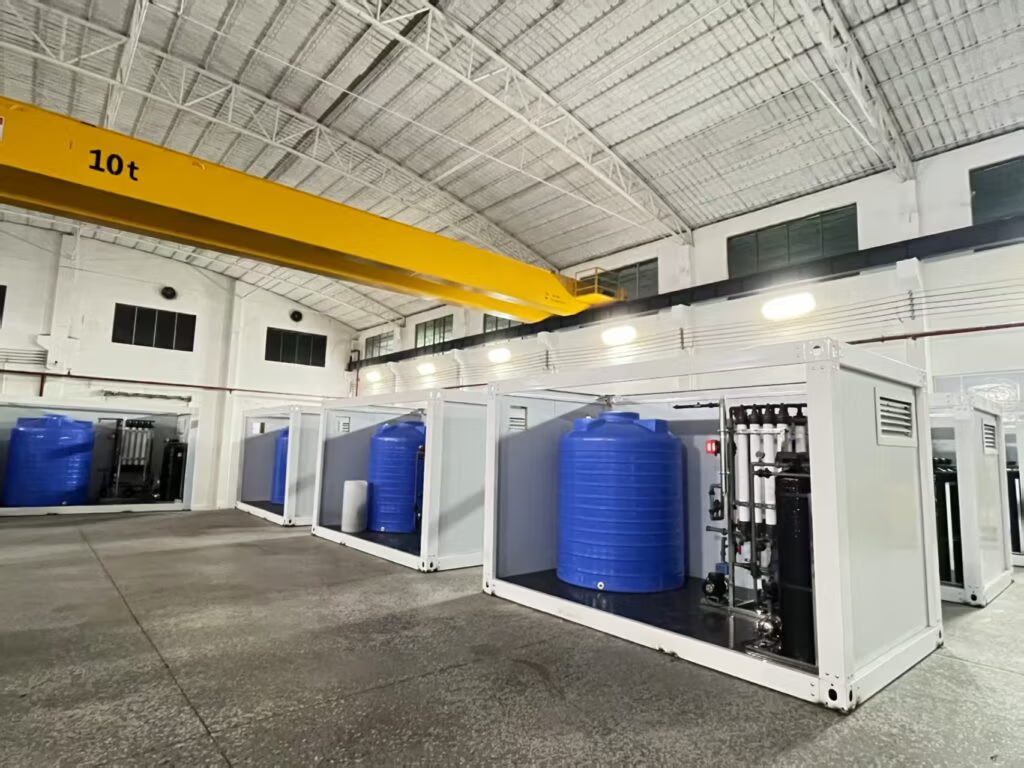
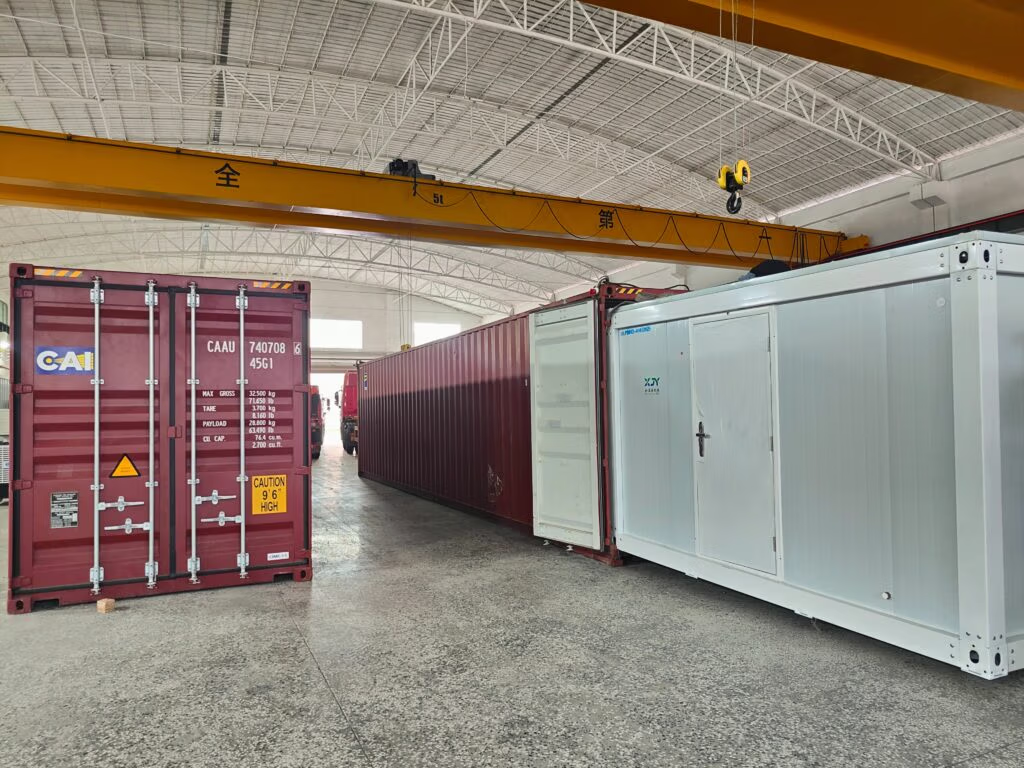
5. Scalable Capacity: From small pilot units to large-scale containerized ultrafiltration plants treating thousands of cubic meters per day, the technology scales flexibly to match production demands.
Selecting the Right Ultrafiltration Device for Your Facility
Choosing the appropriate ultrafiltration device requires careful analysis of feed water characteristics, required output quality, available footprint, and long-term operational goals. Key selection parameters include membrane material (PVDF is widely preferred for industrial applications due to its chemical resistance), operating pressure range, module configuration (inside-out vs. outside-in flow), and compatibility with downstream processes.
For facilities already operating reverse osmosis systems, integrating a UF pre-treatment stage is a straightforward upgrade. You can learn more about how ultrafiltration complements RO technology in our detailed guide on industrial ultrafiltration vs reverse osmosis technologies.
Understanding the full scope of what a UF system can do in your specific context is also helped by reviewing the functions of an industrial ultrafiltration unit across different process environments.
GEO Perspective: Global Demand for Ultrafiltration Devices
From a geographic standpoint, demand for industrial ultrafiltration devices is expanding rapidly across Asia-Pacific, the Middle East, and sub-Saharan Africa regions where industrial growth is outpacing traditional water infrastructure capacity. China, India, and the Gulf Cooperation Council (GCC) countries have all significantly increased investments in membrane water treatment over the past decade.
In Southeast Asia and South America, stricter environmental discharge regulations are driving industrial operators to adopt ultrafiltration devices as a standard component of wastewater management infrastructure. The United Nations’ water and industry resource page highlights this trend as a global priority for sustainable industrial development.
European and North American markets, while more mature, continue to drive innovation in ultrafiltration device design — particularly in energy efficiency, smart monitoring, and membrane lifespan optimization. These advances are gradually adopted in emerging markets, accelerating global deployment.
Maintenance and Longevity of Ultrafiltration Devices
Proper maintenance is critical to sustaining the performance of any ultrafiltration device. Routine backwashing — typically automated every 20 to 60 minutes — removes accumulated solids from the membrane surface. Periodic chemical enhanced backwash (CEB) with dilute acid or alkali solutions addresses biofouling and mineral scaling.
With correct maintenance protocols in place, hollow fiber UF membranes commonly achieve operational lifespans of 5 to 10 years in industrial environments. This long service life, combined with the device’s consistent performance, makes it one of the most cost-effective water treatment investments available to industrial operators today.