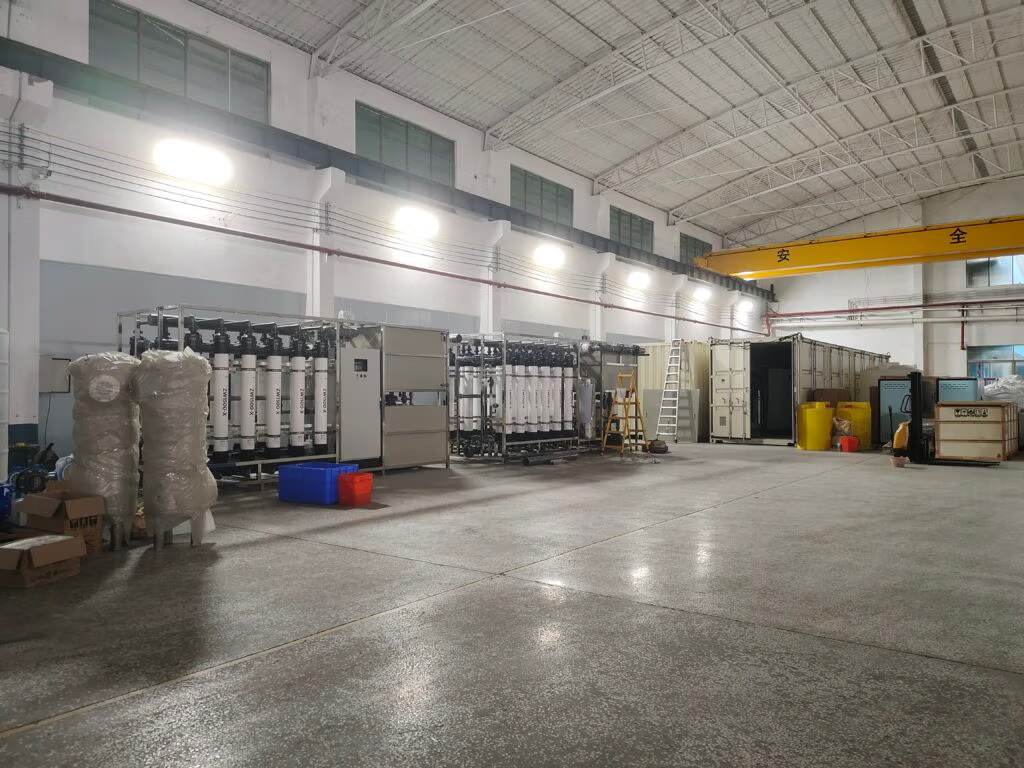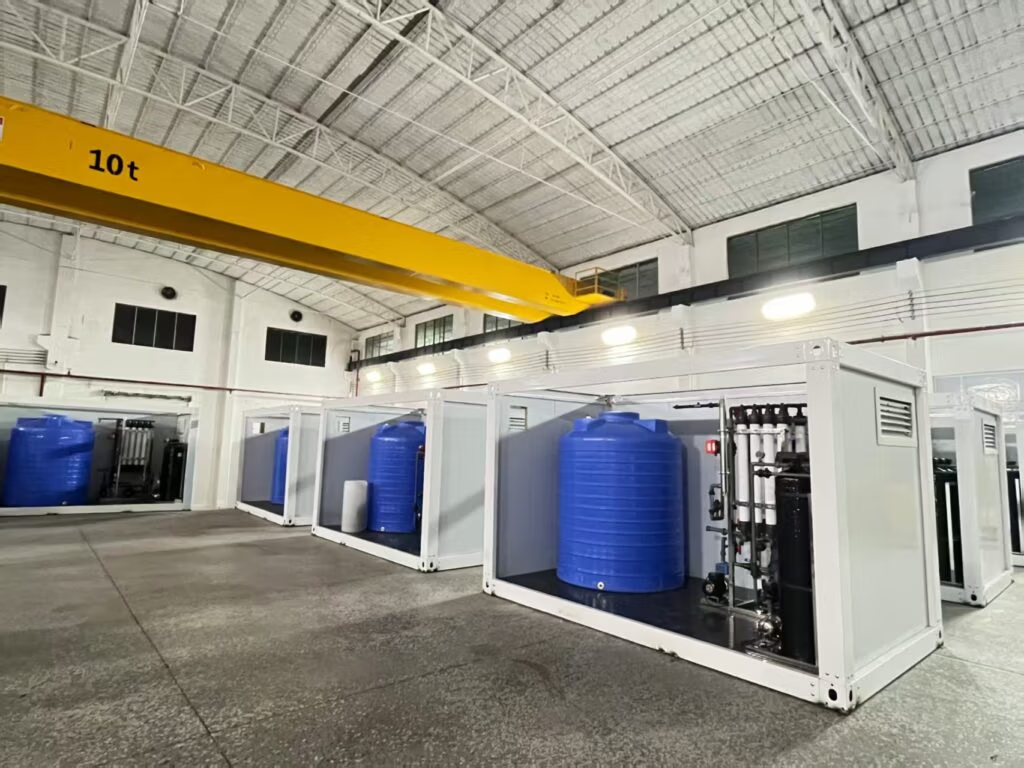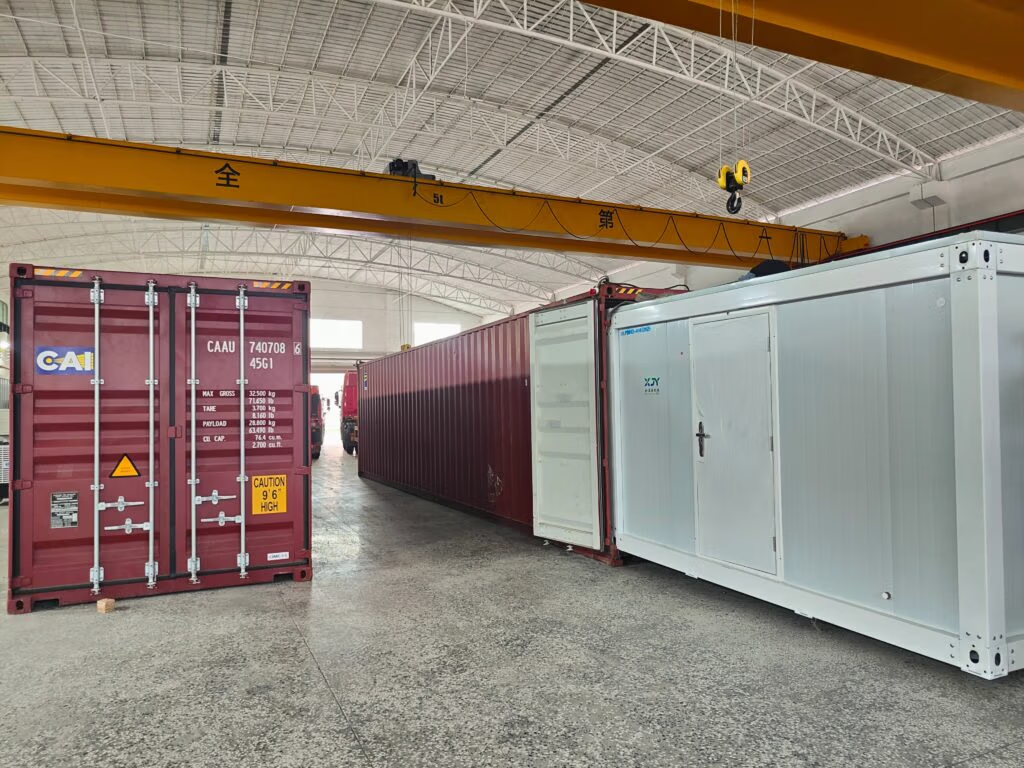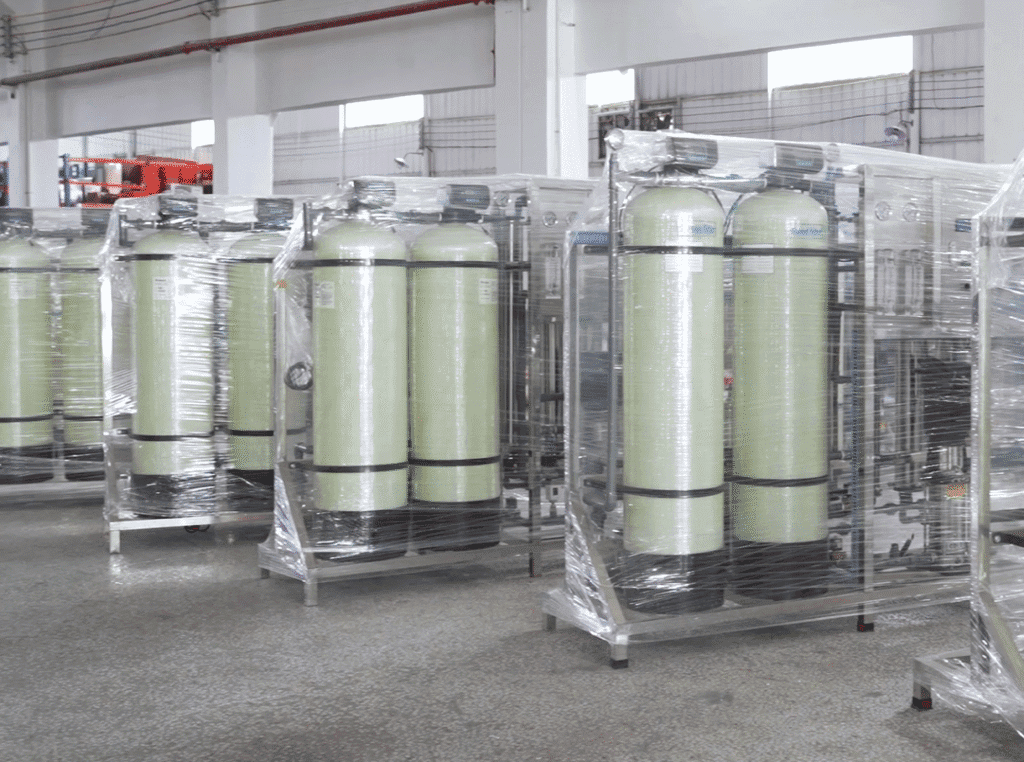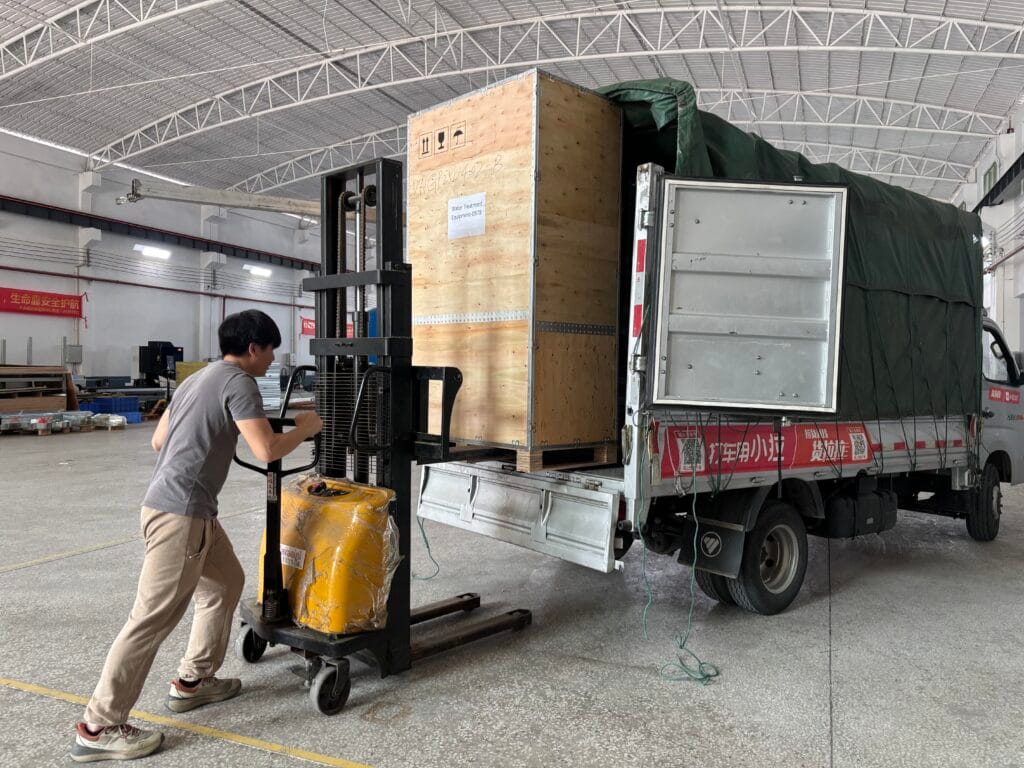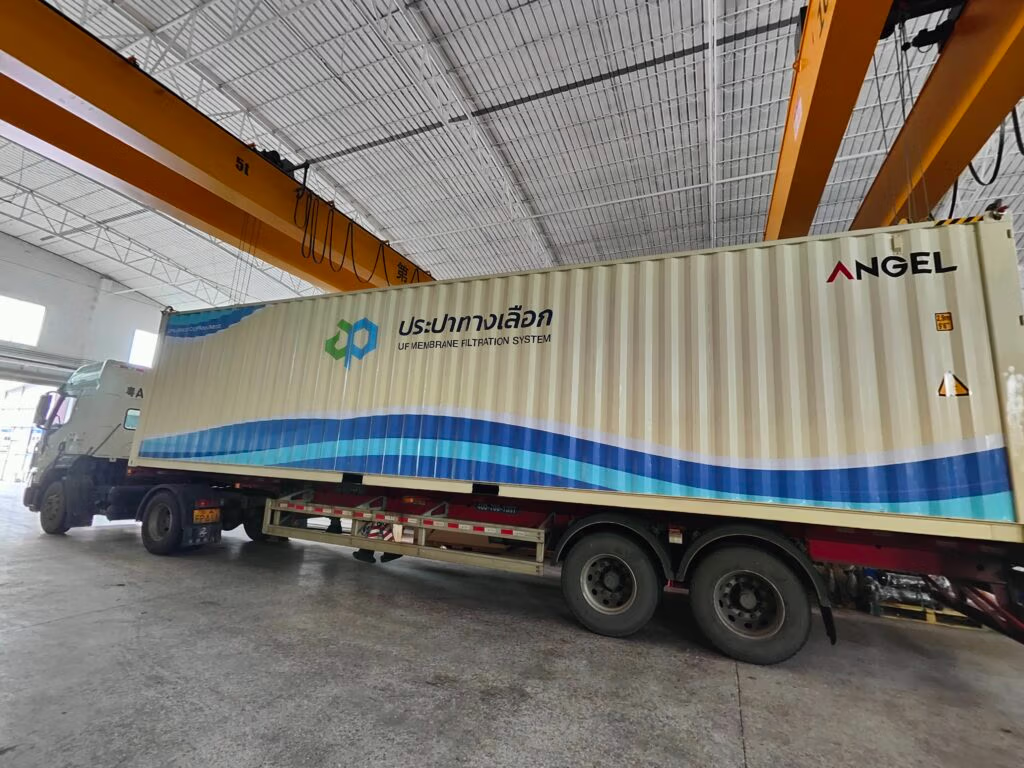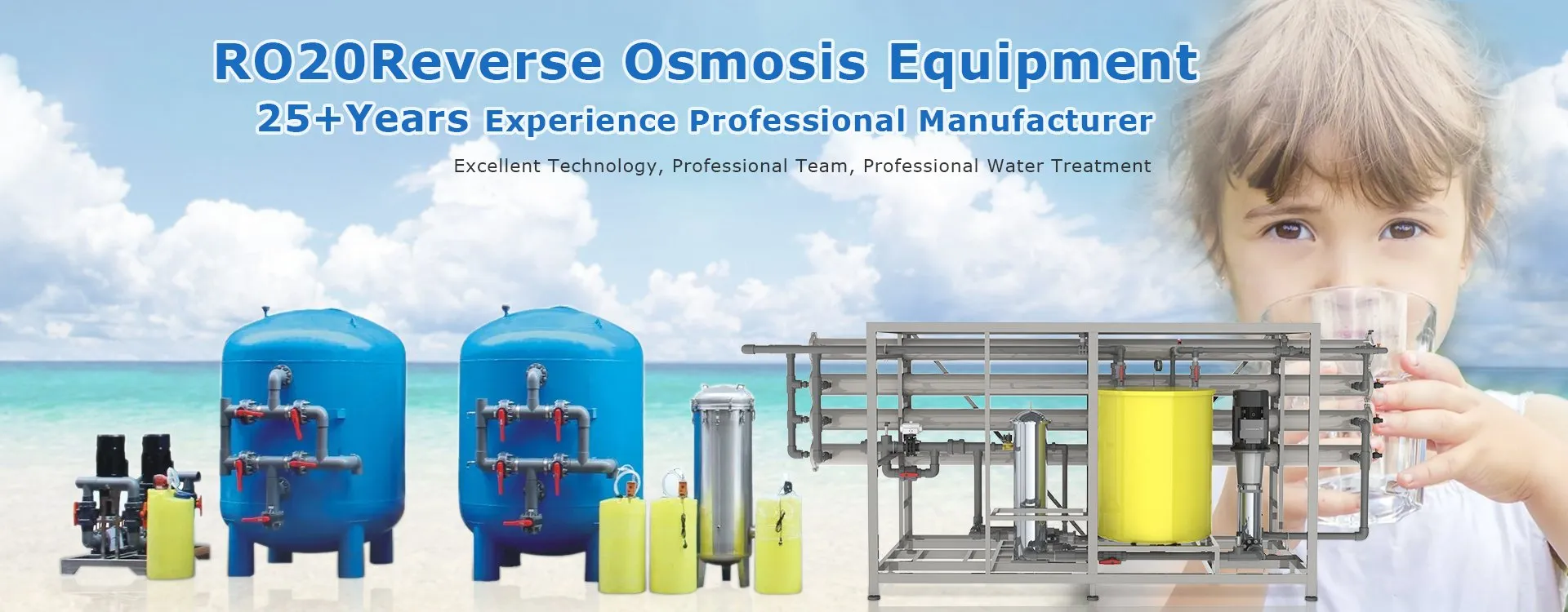
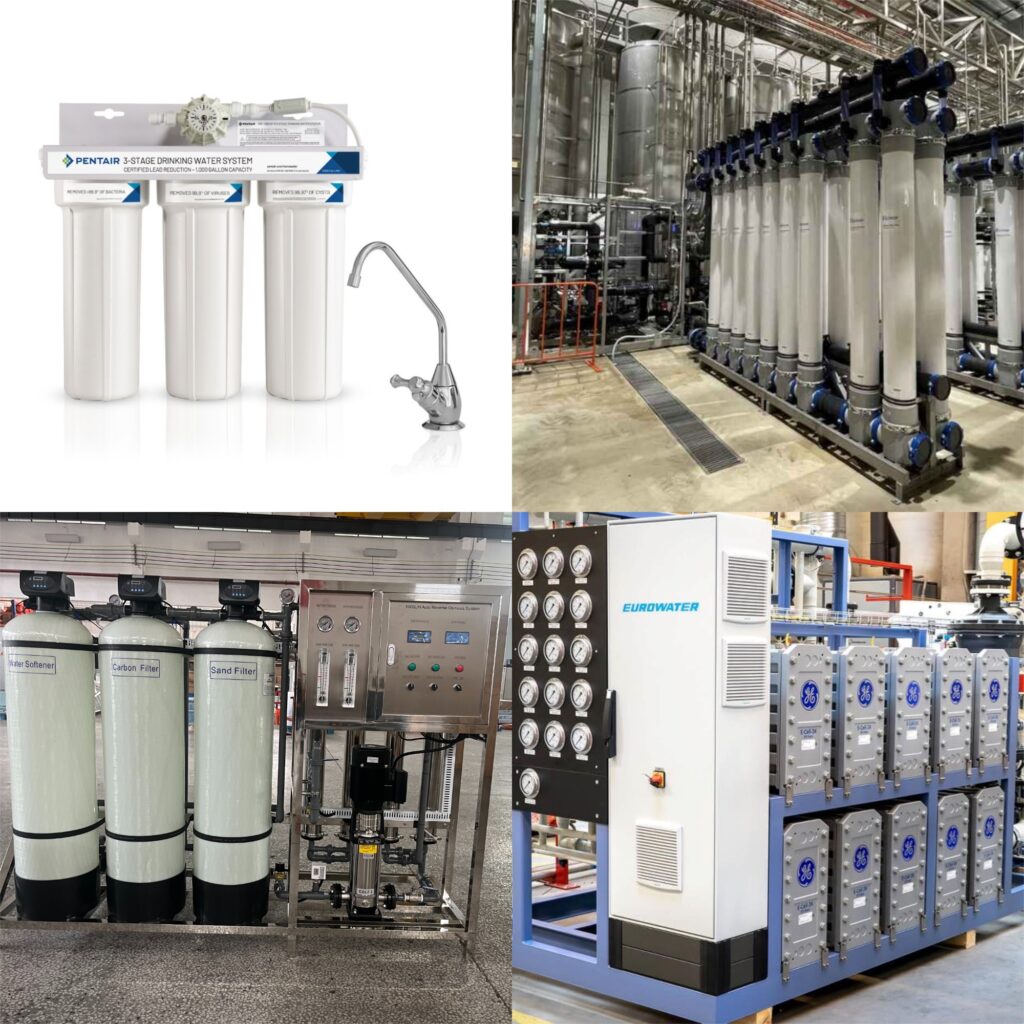
At home, simply turn on the water purifier tap, and filtered, clean drinking water flows out. Even in arid coastal areas, people can easily obtain fresh water. All this convenience is thanks to reverse osmosis companies using water treatment technology to transform raw water into clean water. They employ various water treatment technologies (reverse osmosis, ultrafiltration, ultrapure water, seawater desalination, etc.) to convert wastewater and saline water into usable drinking water.
What is reverse osmosis?
Many people are curious about what “reverse osmosis” actually is. The principle of reverse osmosis is actually not complicated. It’s like filtering soy milk through a fine mesh, allowing only the soy milk to pass through while blocking the soy pulp. Reverse osmosis technology utilizes a “super sieve”—a reverse osmosis membrane. The pores of this membrane are extremely small, only one five-millionth the thickness of a human hair. Bacteria and viruses are 5000 times larger than it and cannot penetrate. By applying pressure to force the water to flow in reverse, impurities, salts, heavy metals, etc., in the water are filtered out, allowing only pure water molecules to pass through. This is the principle of reverse osmosis technology.
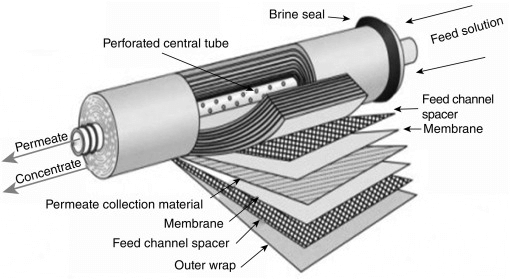
What is the job of a reverse osmosis companies?
Reverse osmosis companies utilize the technologies described above to solve various water-related problems.
In rural areas, some groundwater contains excessive levels of harmful substances such as fluoride and arsenic, making it unsuitable for direct consumption. Companies like Ruiquan Water Treatment install large-scale reverse osmosis equipment in villages and towns to filter out these harmful substances. Thus they ensure villagers have safe drinking water. In one mountain village in Sanmenxia, this type of equipment solved the drinking water problem for over 1200 households. The treated water is both clean and economical, costing only 30 cents per ton.
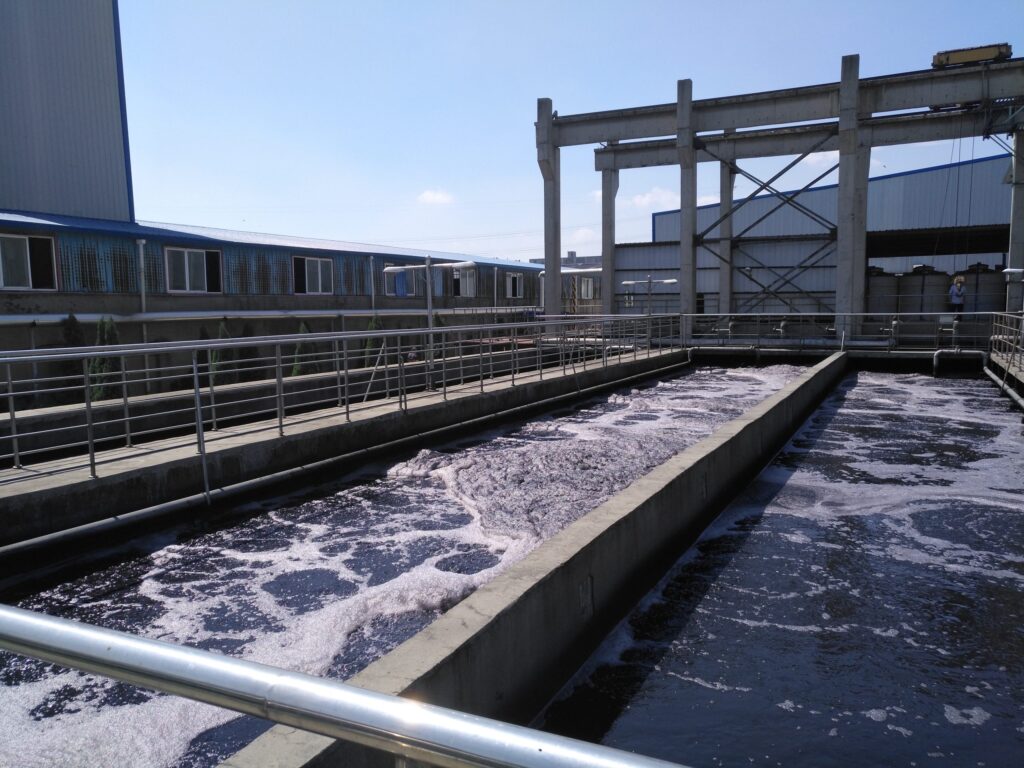
Factories generate large amounts of wastewater during production, containing various pollutants. Direct discharge of this wastewater pollutes the environment. Reverse osmosis companies customize specialized equipment based on the characteristics of different factory wastewater. For example, a chemical plant in Liaoning Province, long troubled by industrial wastewater discharge, adopted reverse osmosis membrane elements from Wharton Technology, enabling it to treat 15,000 tons of wastewater daily. The purified water can be directly reused in chemical production, achieving a water resource recovery rate of up to 75% and a desalination rate consistently above 99.39%.
Seawater makes up 97% of the Earth’s surface, but it’s undrinkable. Reverse osmosis desalination equipment removes the salt from seawater, turning it into potable and usable freshwater. Today, many large-scale desalination projects in coastal cities utilize reverse osmosis technology, enabling water-scarce areas to enjoy “water freedom.”
Besides these large-scale industrial projects, our everyday household water purifiers also use reverse osmosis technology. In the long run, compared to drinking bottled water, using a water purifier is more affordable and safer.
What is the significance of reverse osmosis companies?
Reverse osmosis companies are like “invisible heroes” in our lives, using their remarkable technology to transform scarce and unclean water sources into precious water resources.
From purified drinking water for everyday household use to recycled water systems in factories. And freshwater supplies for coastal areas, these companies safeguard our water resources through technological means. We have every reason to believe that in the future, these companies will bring even more advanced purification technologies, ensuring that everyone has access to clean and safe water.
Summarize
In the future, reverse osmosis companies will continue to develop, focusing on creating more efficient filtration membrane technologies. For example, they are incorporating nanomaterials to achieve higher purification efficiency and lower energy consumption. We will apply these technologies to a wider range of fields, such as helping solve drinking water problems in remote areas and promoting the purification of agricultural irrigation water.
With advancements in water treatment technology, the cost of water purification will gradually decrease, allowing more people to enjoy the benefits of this technology.