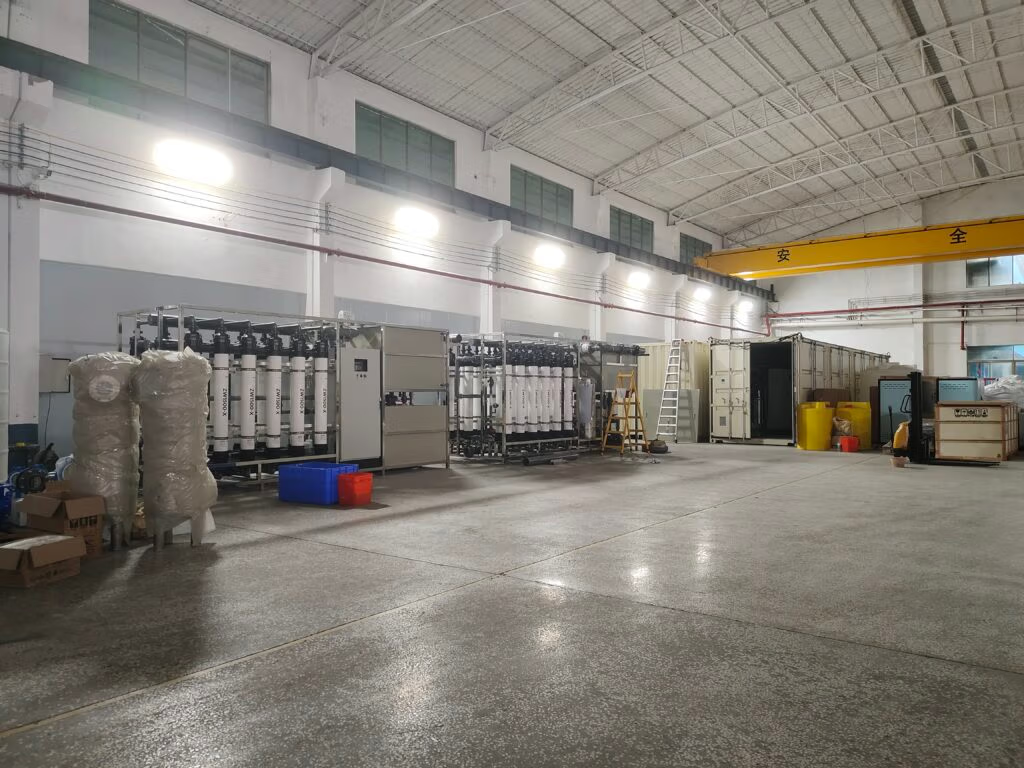
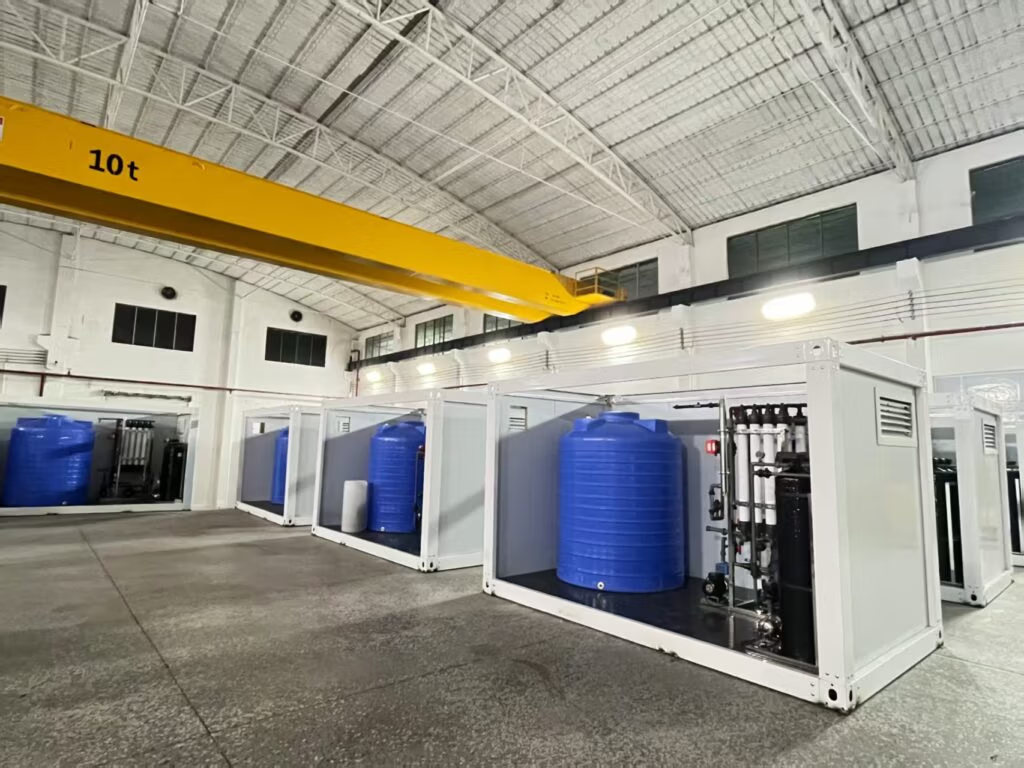
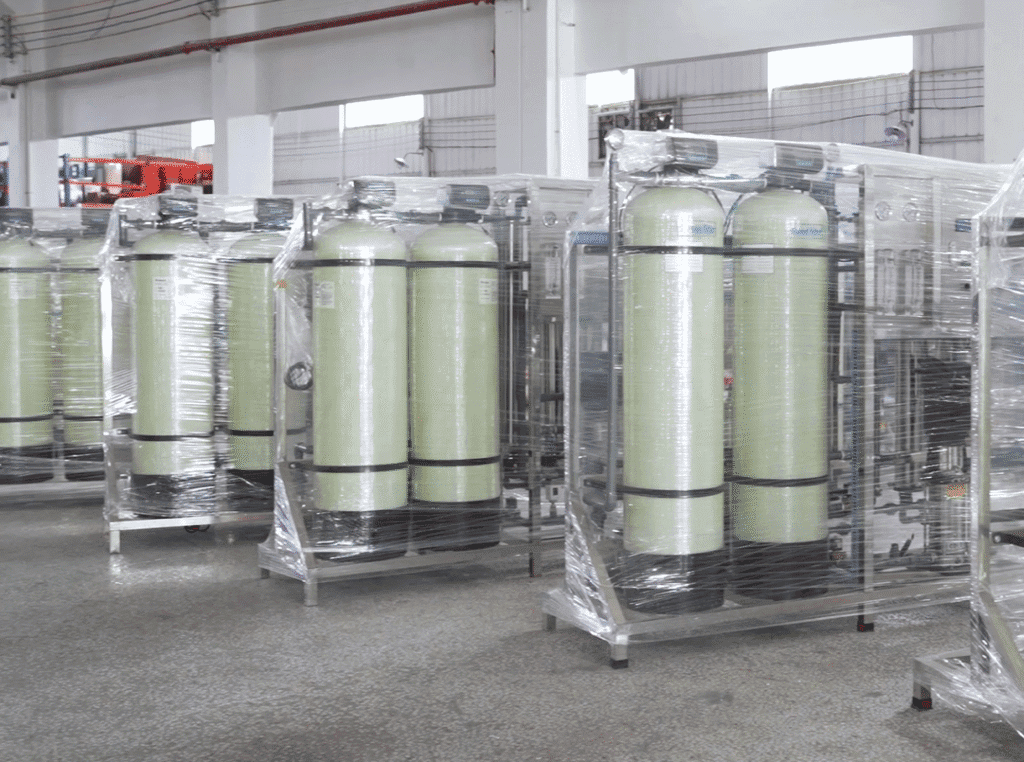
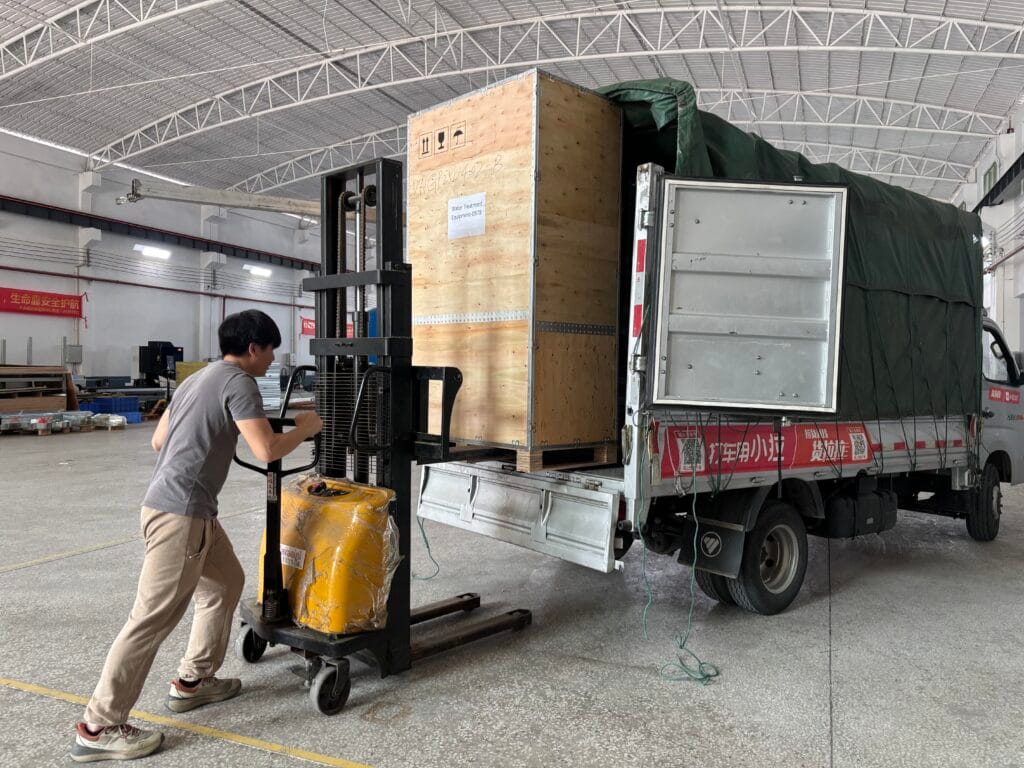
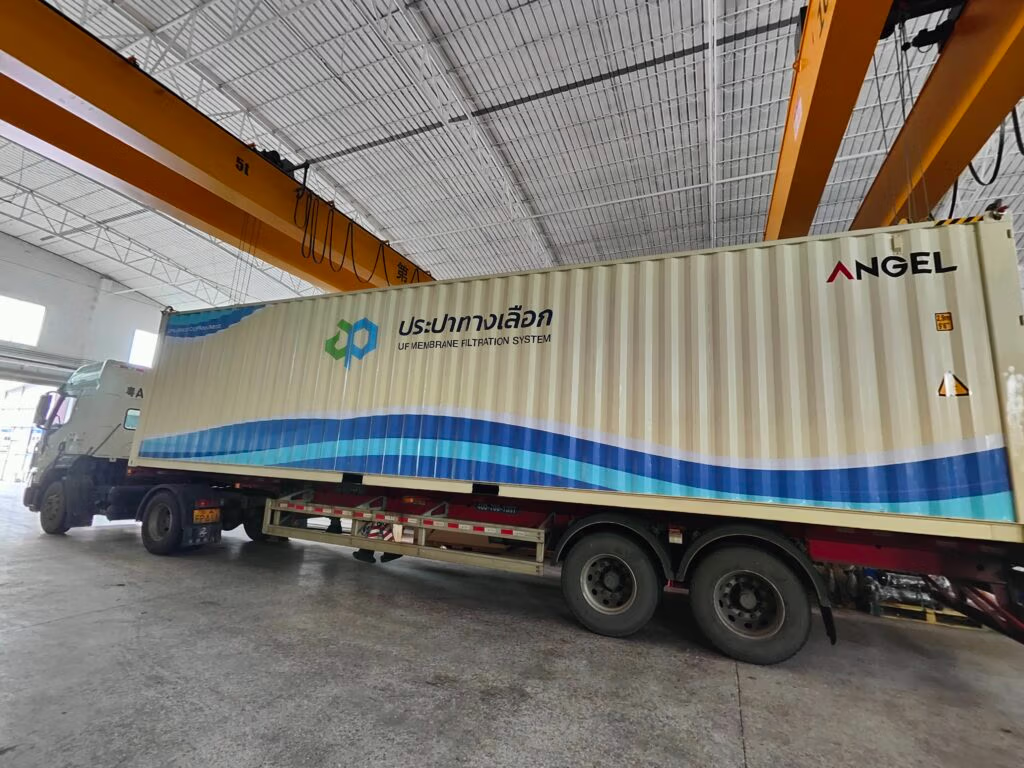
Next to a plantation in Israel, a 1,000-liter-per-hour reverse osmosis machine is operating continuously, transforming brackish water and aquaculture wastewater from the southern Jordan River into high-quality irrigation water, nourishing hundreds of hectares of surrounding fruit and vegetable plantations.
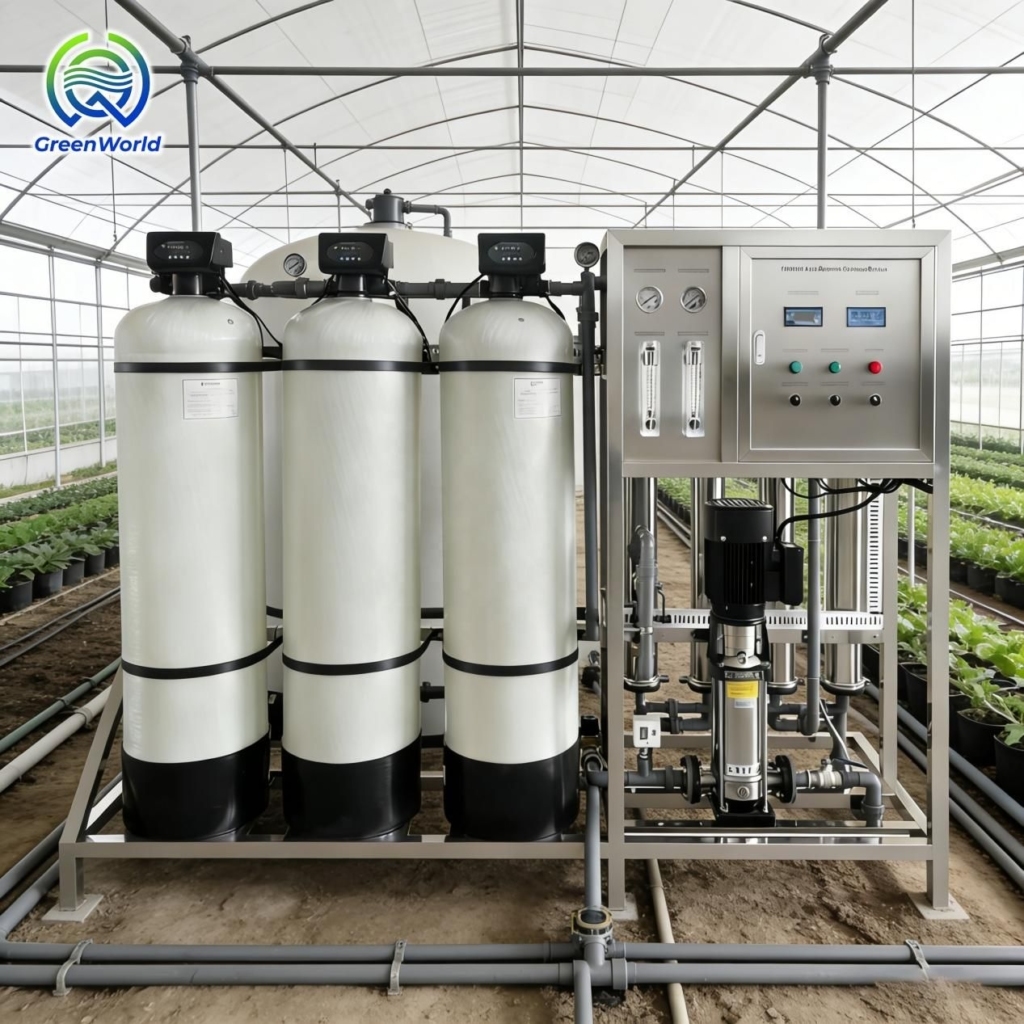
Today, from citrus orchards in California to olive groves in Spain, this type of reverse osmosis machine has become a core tool for small and medium-sized plantations around the world to solve water quality problems, safeguarding the “invisible lifeline” of crop growth.
What problems exist with the water quality in the plantation?
Irrigation water in the Middle East is generally high in salinity, while groundwater along the Mediterranean coast is often contaminated with pesticide residues and organic matter. In contrast, groundwater in the Great Plains of the western United States is severely brackish, and silt and algae easily clog drip irrigation systems.
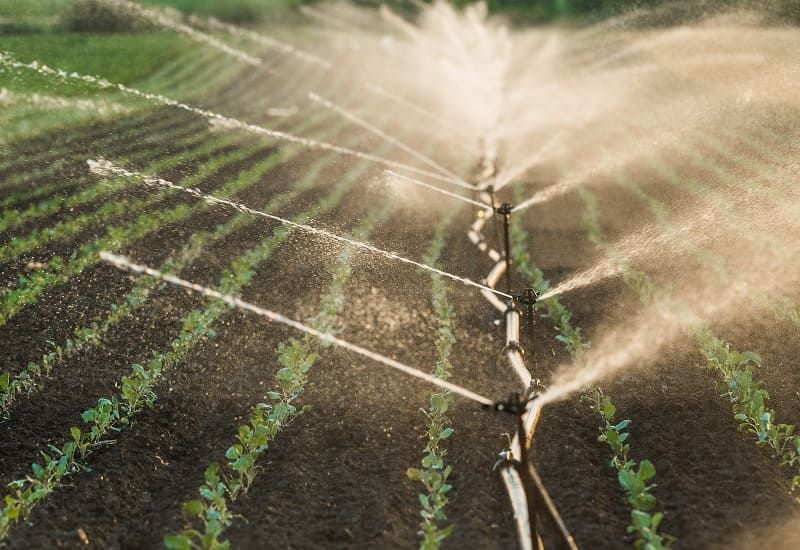
Excessive total dissolved solids (TDS) is a common problem that disrupts soil osmotic pressure, making it difficult for crop roots to absorb water. Long-term use can also lead to soil salinization. This is especially true for cash crops such as cherry tomatoes from Israel and olives from Spain, which are extremely sensitive to water quality. Saline water can cause fruit deformities and a loss of flavor, directly impacting their export value.
Why is reverse osmosis machine suitable for plantation settings?
The core advantage of reverse osmosis equipment lies in its precise purification of complex water qualities. Taking this 1000 liters/hour unit as an example, it is equipped with four dedicated reverse osmosis membrane modules with a pore size of only 0.0001 micrometers. Through physical sieving and charge repulsion, it can remove over 95% of salt and heavy metal ions, and achieves nearly 100% removal of pesticide residues, while also eliminating algae and organic matter from the water. These functions are crucial in Mediterranean climates where algae blooms occur in summer. We consistently maintain the final purified water hardness below 50 mg/L, ensuring perfect compatibility with integrated fertigation drip irrigation systems.
What are the key benefits of reverse osmosis machine?
In practical applications, the value of a 1000 liters/hour reverse osmosis system lies in the dual improvement of output and resource efficiency.
- After introducing this type of equipment, medium-sized citrus orchards in California’s Central Valley saw their fruit sweetness increase by 2-3 percentage points, the pass rate for export to the European Union jump from 78% to 99%, and the yield per acre increase by 30%.
- Olive groves in Doni Benito, Spain, use their treated wastewater for irrigation, which not only solves the water shortage problem but also increases the polyphenol content of olive oil by 12% and reduces the incidence of pests and diseases by 65%.
In terms of water conservation, this type of equipment can achieve a recovery rate of up to 75%, saving more than 60% of water compared to traditional flood irrigation. We consistently maintain the final purified water hardness below 50 mg/L, ensuring perfect compatibility with integrated fertigation drip irrigation systems.
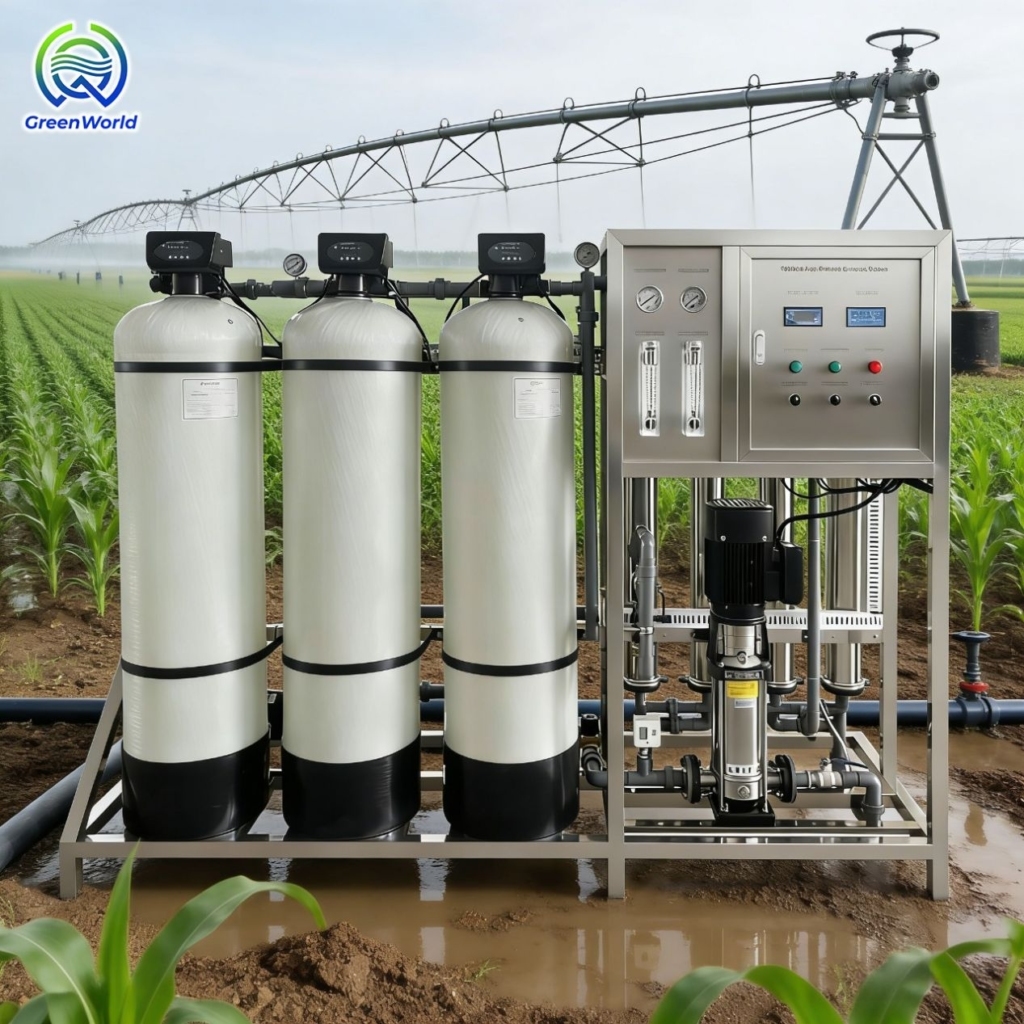
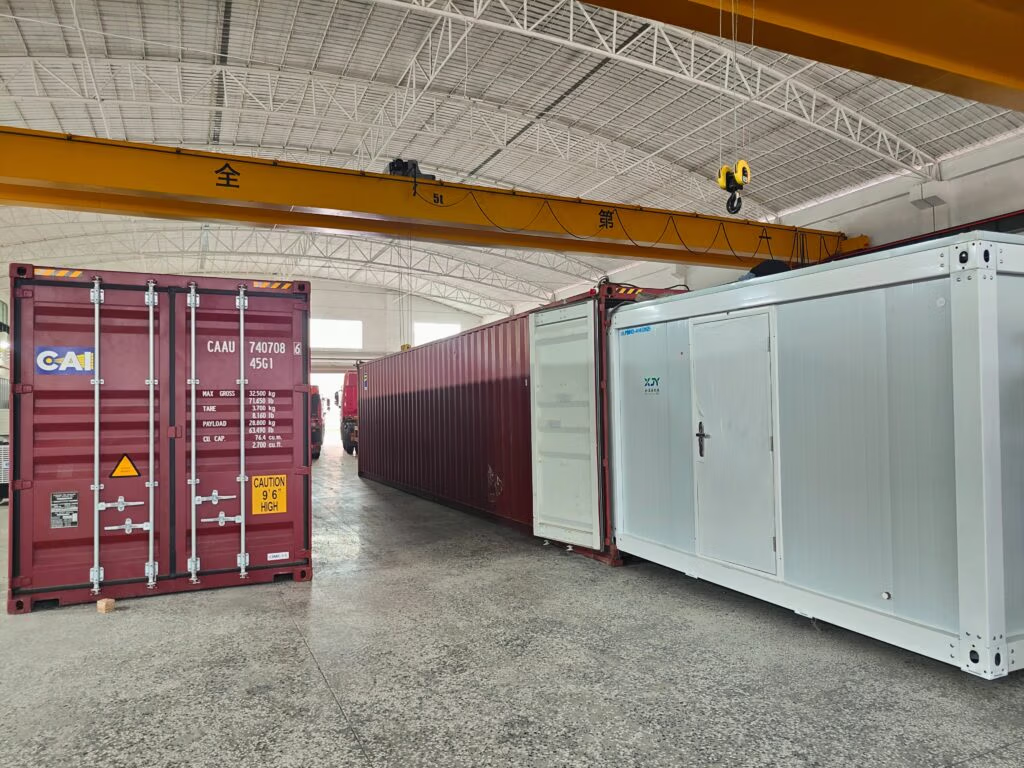
The system covers a wide range of configurations, from single 1000 liters/hour units in small Spanish olive groves to large-scale reverse osmosis machine composed of multiple units in large Israeli agricultural areas. Its intelligent control system uses a PLC module to monitor TDS and pH levels in real time, automatically adjusting operating parameters and maintaining stability even in California’s extreme temperature variations. With the widespread adoption of the technology, equipment costs have decreased by 50% compared to ten years ago; the current price of this entry-level 1000 liters/hour system has dropped to $2000-$3000, making it affordable for more small and medium-sized plantations.
Summarize
When purified water seeps into the soil of arid regions, it nourishes not only crops but also the sustainable future of global agriculture. Reverse osmosis system uses technology to transform brackish water and wastewater into irrigation resources, ensuring the quality of agricultural products while achieving efficient use of water resources.