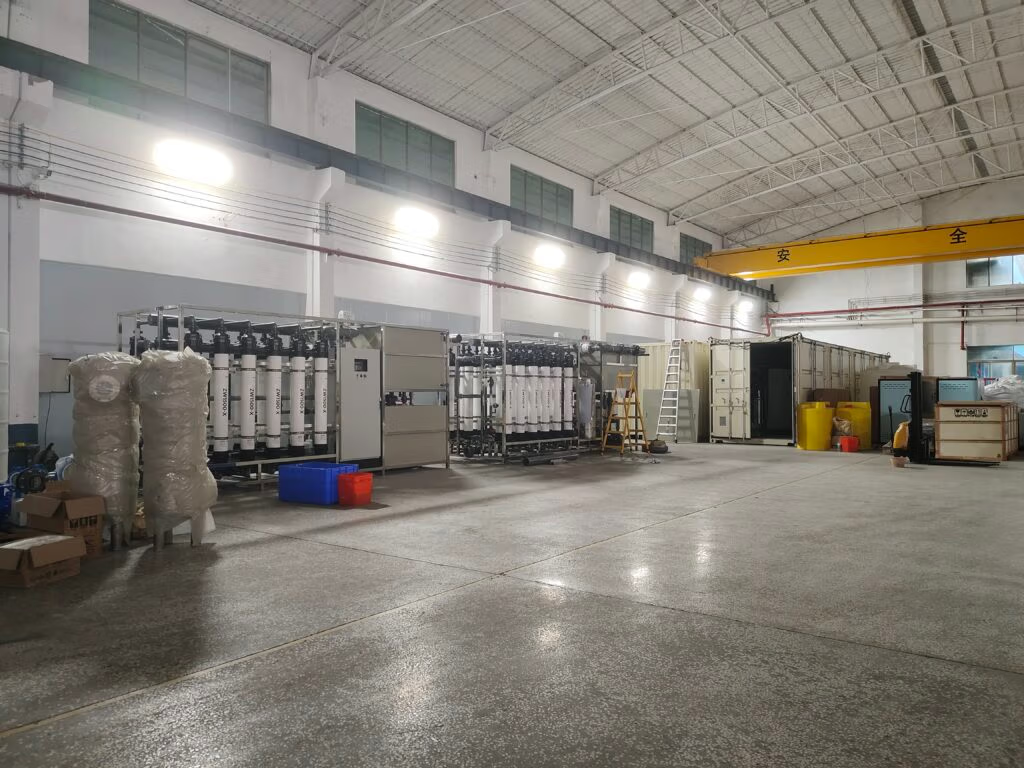
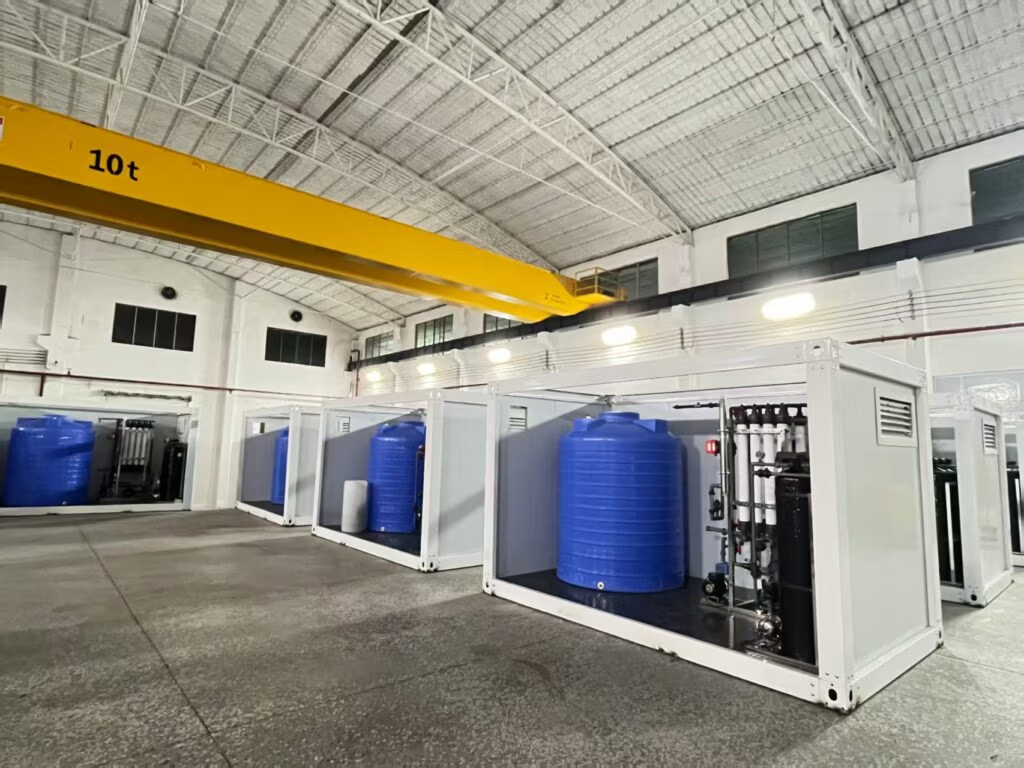
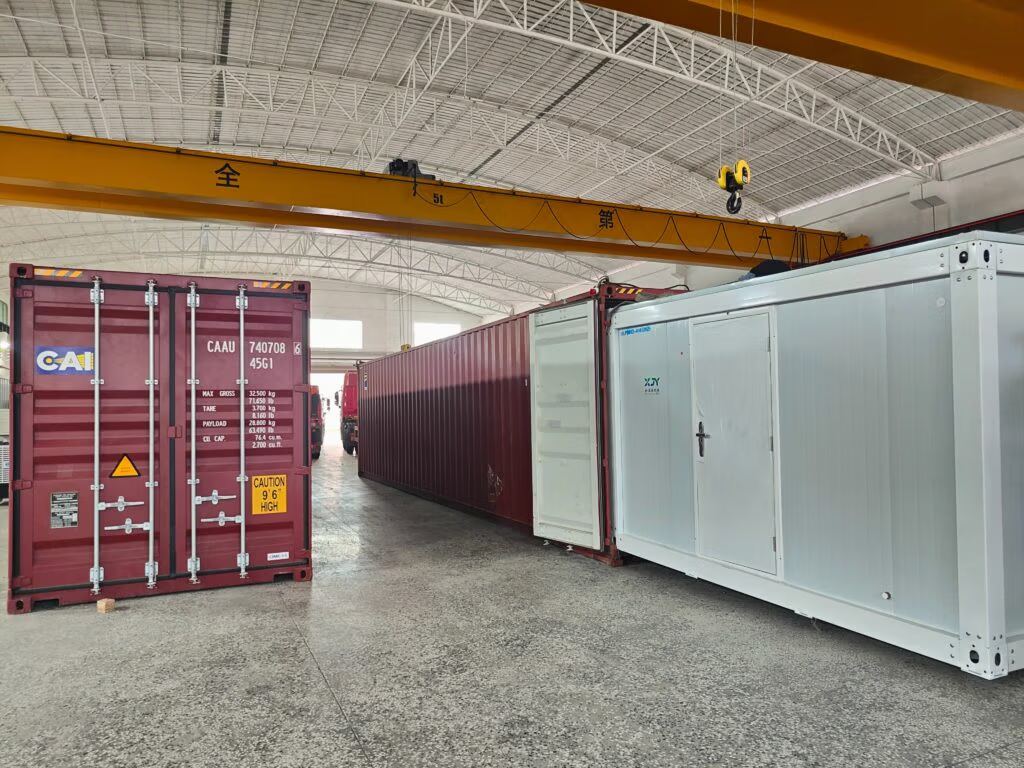
Constrained by both water scarcity and water pollution, the demand for high-quality water is rising. Industrial reverse osmosis machine, with its superior water purification efficiency, has become a key pillar of water treatment across various industries.
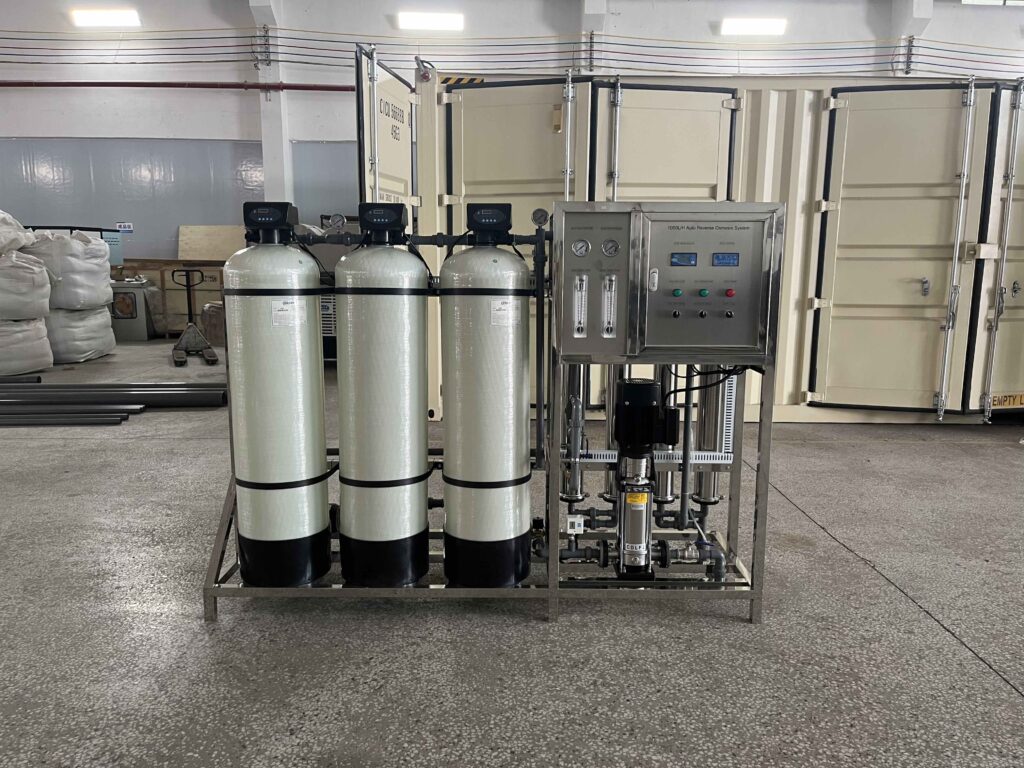
These devices, based on reverse osmosis technology, precisely intercept various impurities in water, providing a stable source of pure water for industrial production. They have also been widely adopted in multiple industries, including chemical, electronics, food processing, and power generation.
What are the components of an industrial reverse osmosis machine?
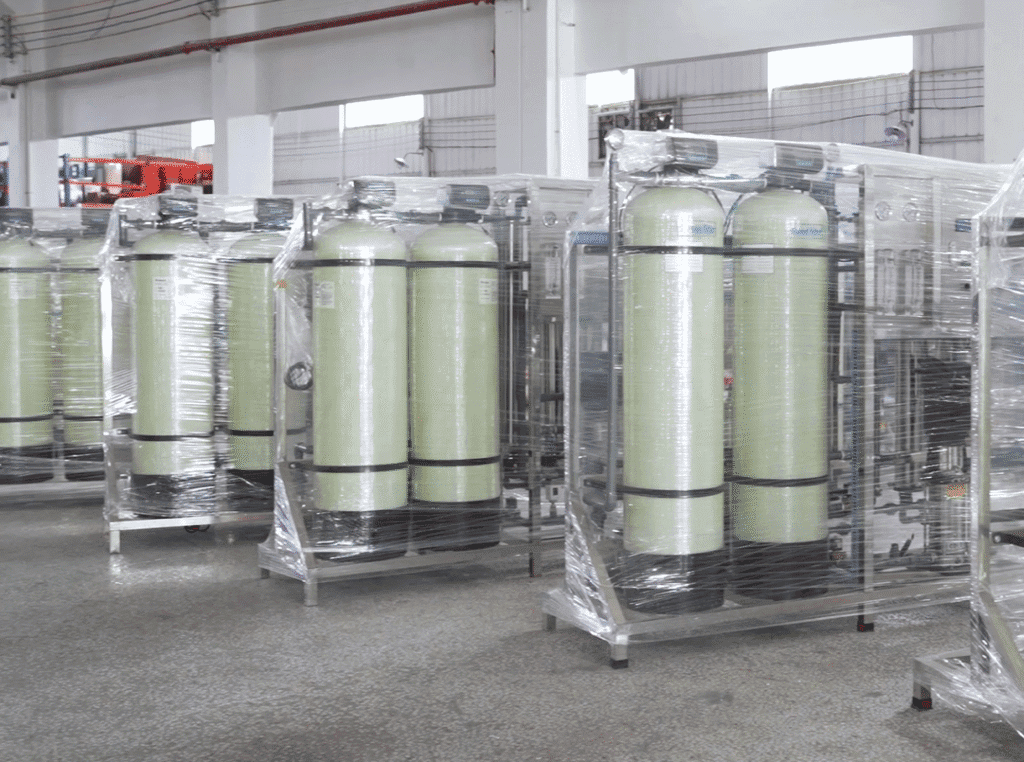
A fully functional industrial reverse osmosis machine is not the result of a single component operating independently. Rather, it integrates multiple subsystems that work in concert as an integrated system.
① The pretreatment system, through core components such as quartz sand filters and activated carbon adsorption devices, effectively removes harmful substances such as sediment, colloids, and residual chlorine from the raw water. Therefore, it prevents these impurities from clogging or oxidizing the reverse osmosis membrane at the source.

② The high-pressure pump provides stable and sufficient pressure for the reverse osmosis process of water molecules, and its performance directly affects the water production efficiency and operational stability of the equipment.

③ The intelligent control system monitors key data such as water quality, pressure, and flow rate in real time through various sensors, realizing fully automatic operation and fault early warning of the equipment, and greatly reducing the cost and complexity of manual maintenance.
What role do industrial reverse osmosis machine play?
In diverse industrial settings, reverse osmosis equipment demonstrates strong adaptability and practical value.
- In the electronics industry, precision manufacturing processes such as chip lithography have extremely high requirements for water quality; even trace impurities in the water can cause a sharp drop in product yield. Reverse osmosis machine increases the resistivity of water to over 18 megohms, precisely meeting the needs for ultrapure water.

- In the food and beverage industry, it can effectively remove harmful microorganisms and heavy metals from raw water, ensuring the safety, quality, and flavor consistency of beverages.
- In the chemical industry, it can not only provide qualified process water for production, but also perform advanced treatment and recycling of production wastewater.
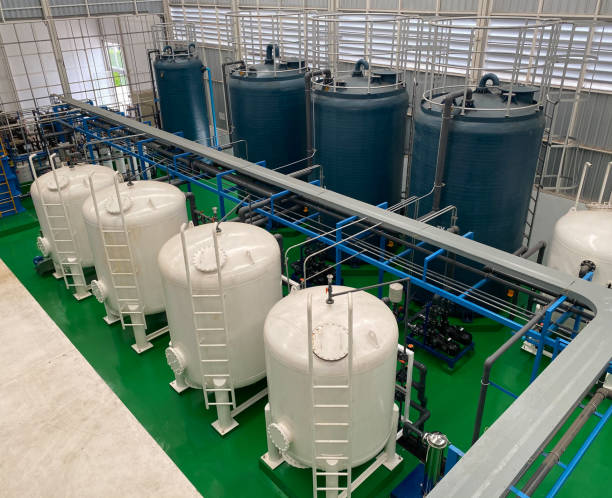
- In the power industry, boiler water containing salt is prone to scale formation, which affects heat exchange efficiency. Reverse osmosis machine can fundamentally solve this problem and help extend the service life of boilers.
How should it be maintained in practical applications?
It is important to emphasize that the continuous and stable operation of industrial reverse osmosis machine relies heavily on meticulous and scientific operation and maintenance.
Core Consumables Maintenance: Focus on the reverse osmosis membrane, requiring regular chemical cleaning to remove contaminants adhering to its surface.
Pretreatment System Inspection: Regularly check the filter media wear of pretreatment components such as the quartz sand filter and activated carbon adsorption unit. Replace aged or ineffective filter media promptly to prevent impurities from clogging and oxidizing the reverse osmosis membrane.
Power Component Monitoring: Monitor the high-pressure pump’s operating status, regularly checking operating noise and pressure data to ensure it provides stable pressure for the reverse osmosis process, maintaining the equipment’s water production efficiency and operational stability.
Energy Saving and Recycling Maintenance: Regularly optimize the high-pressure pump’s energy consumption configuration and the concentrate recovery system to ensure the effective implementation of energy-saving technologies.
Summarize
Industrial reverse osmosis machine not only establishes a robust water quality assurance system but also incorporates numerous energy-saving technologies. By optimizing the energy consumption configuration of high-pressure pumps and concentrate recovery technology, it improves purification efficiency while further reducing operating costs, achieving a dual improvement in environmental protection and economic benefits.