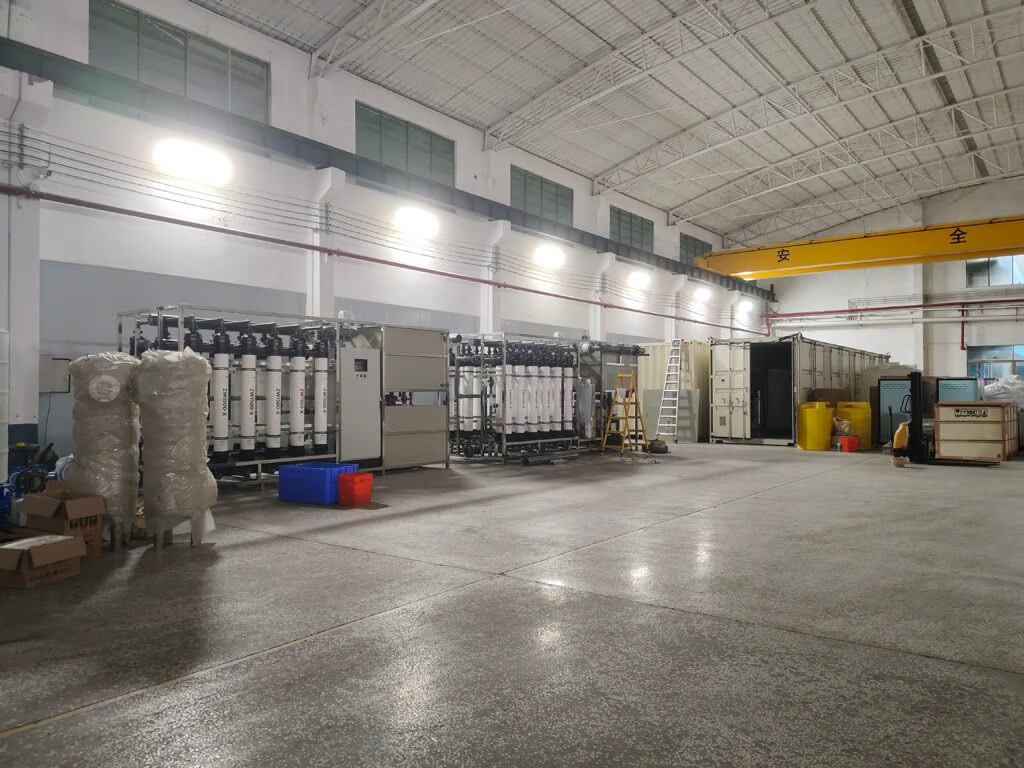
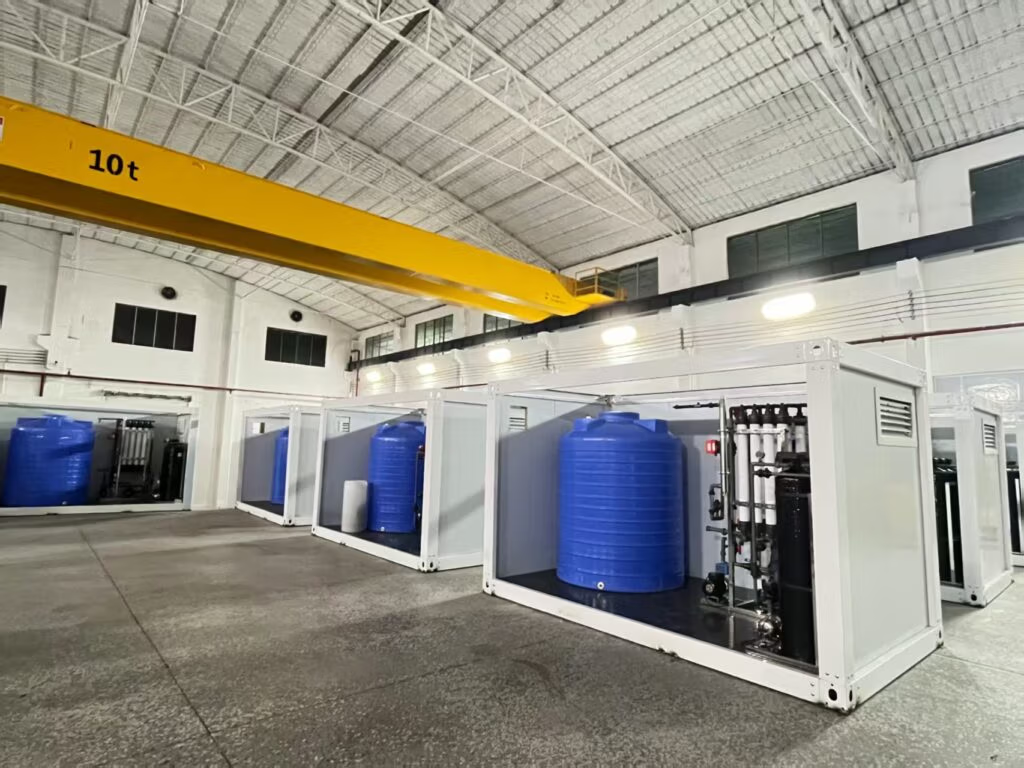
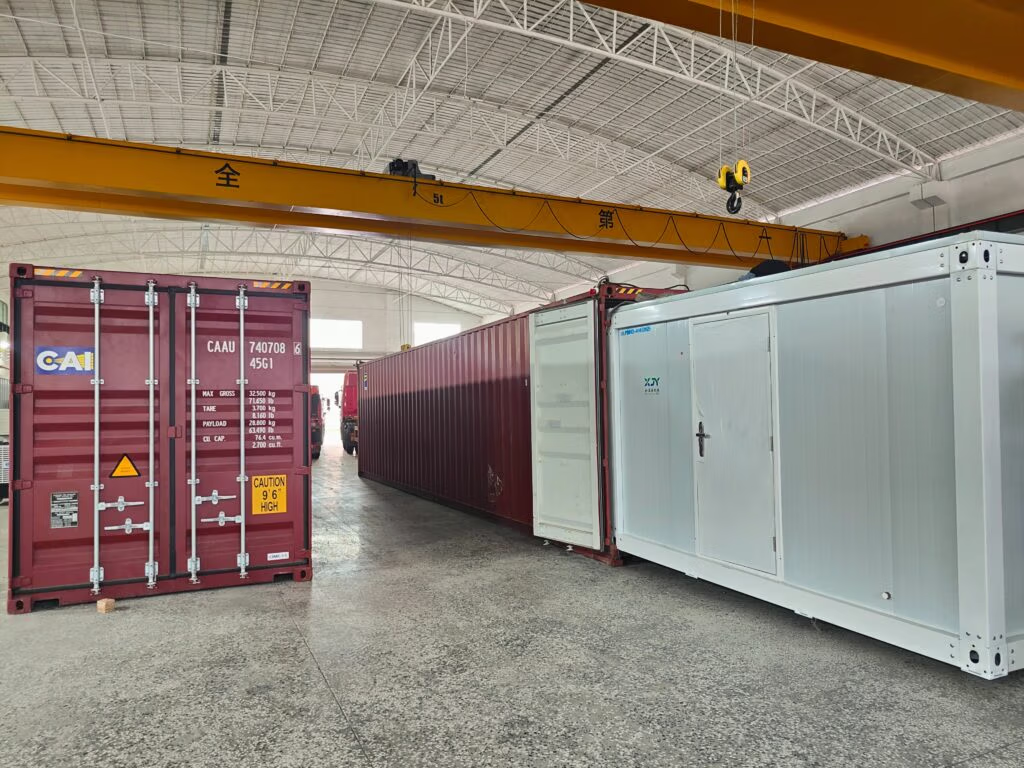
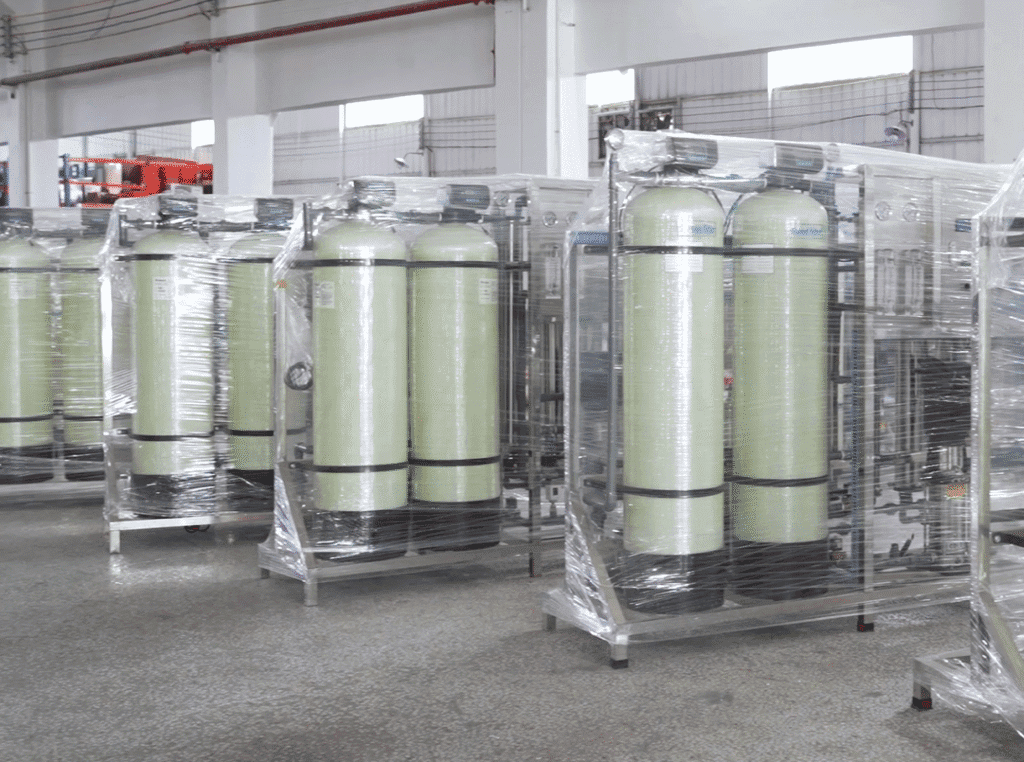
Choosing the right drinking water system reverse osmosis for an industrial facility is not simply a matter of picking the largest unit on the market. Feed water chemistry, production flow requirements, pre-treatment design, and long-term operating costs all shape whether a system performs reliably or becomes an expensive maintenance burden. This guide walks through the decisions that matter most.
How a Drinking Water System Reverse Osmosis Actually Works
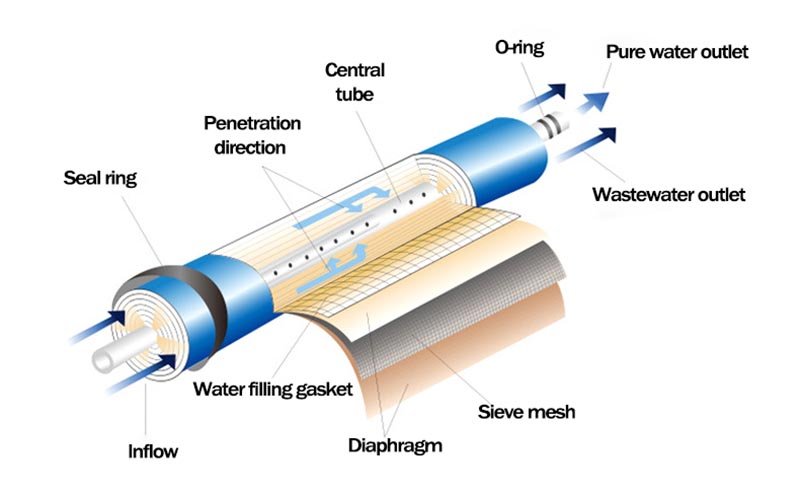
Reverse osmosis pushes feed water through a semi-permeable membrane at high pressure. The membrane allows water molecules to pass while blocking dissolved salts, heavy metals, bacteria, and organic compounds. What exits the membrane is called permeate, purified water suitable for industrial and potable use. The remaining concentrated stream, called reject or brine, is discharged or recycled.
The rejection capability of a modern polyamide membrane reaches 95–99.5% for most dissolved solids. This makes a drinking water system reverse osmosis far more effective than conventional softening or carbon filtration alone, which cannot remove dissolved ionic contaminants at this level.
1.Sizing an Industrial RO Water Treatment System Correctly
Undersized systems create production bottlenecks. Oversized systems waste capital and run at inefficient recovery rates. Accurate sizing requires four inputs: daily water demand, peak hourly demand, feed water total dissolved solids (TDS), and the target permeate quality.
A useful starting point is to calculate average daily production need, then multiply by 1.2–1.3 to build in a capacity buffer for demand spikes and future expansion. Feed water TDS matters because higher TDS requires higher operating pressure and larger membrane surface area to achieve the same permeate flow rate.
Temperature also affects membrane output significantly. At 15°C, a membrane may produce 15–20% less permeate than at 25°C. Facilities in cold climates need to account for seasonal flux reduction in their sizing calculations.
Pre-Treatment: The Foundation of Long Membrane Life
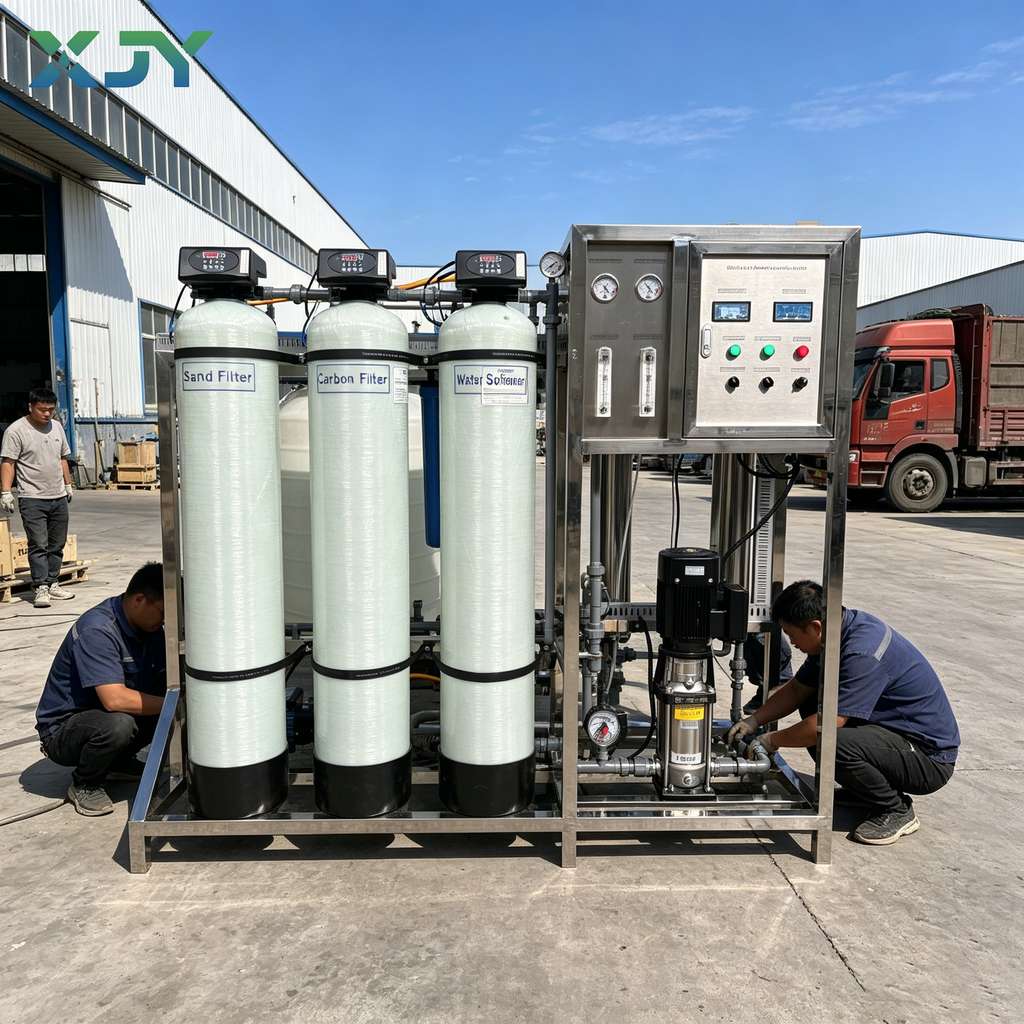
Most premature membrane failures trace back to inadequate pre-treatment rather than membrane defects. Feed water must be conditioned in stages before it contacts the RO membranes.
Suspended Solids Removal
Multimedia filtration removes particulate matter and turbidity. The target is a Silt Density Index (SDI) below 5 at the RO feed inlet — ideally below 3. High SDI accelerates biofouling and particulate fouling on the membrane surface, reducing permeate flow and increasing differential pressure.
Chlorine Neutralization
Municipal water typically contains 0.5–1.0 mg/L of free chlorine for disinfection. Polyamide RO membranes degrade rapidly with chlorine exposure. Activated carbon filtration or sodium metabisulfite (SMBS) dosing neutralizes chlorine before the feed reaches the membranes. Residual chlorine above 0.1 mg/L at the membrane inlet is considered damaging over time.
Scale Prevention
As water concentrates on the reject side of the membrane, sparingly soluble salts — primarily calcium carbonate, calcium sulfate, and silica — can exceed their solubility limits and precipitate as scale. Antiscalant chemical dosing or ion exchange softening prevents this. The selection between the two depends on the hardness level, recovery rate target, and whether the facility can manage chemical dosing safely.
2.Single-Pass vs. Double-Pass Reverse Osmosis Water Purification Systems
A single-pass reverse osmosis water purification system is adequate for most industrial process water, boiler makeup, and cooling tower supply. Permeate TDS typically falls in the range of 10–50 mg/L from municipal feed water, which satisfies the majority of industrial purity specifications.
When the application demands conductivity below 1–5 µS/cm — as required in semiconductor fabrication, high-pressure boiler feed, or injectable pharmaceutical water — a second RO pass or a subsequent electrodeionization (EDI) stage is added. Second-pass permeate can reach TDS values below 2 mg/L, approaching the purity of laboratory-grade deionized water.
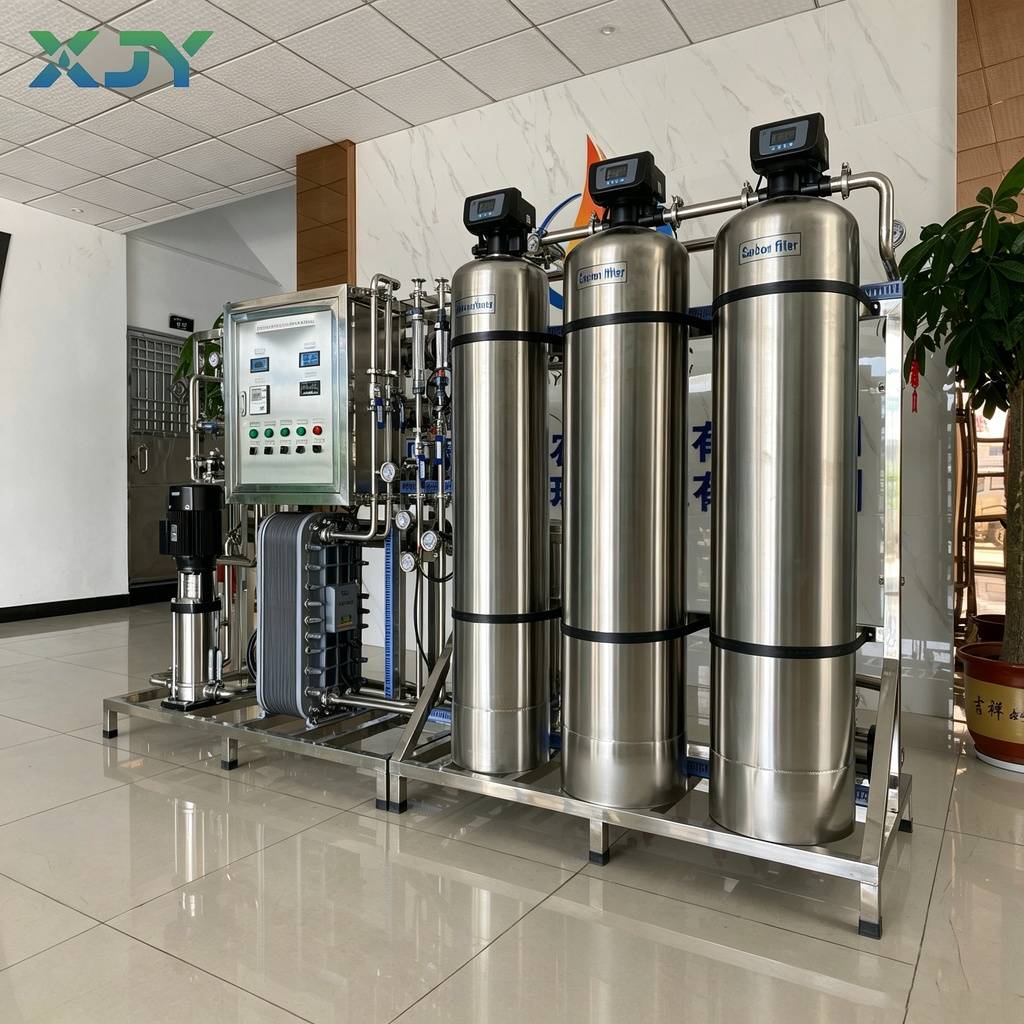
The tradeoff is cost: double-pass systems require more membrane area, additional high-pressure pumping, and greater energy consumption. Specifying beyond what the application actually demands increases capital expenditure without operational benefit.
3.Operating Cost Drivers in Industrial RO Water Treatment
Energy and membrane replacement account for the bulk of ongoing costs in any industrial RO water treatment installation. Understanding both helps operators make smarter procurement and operating decisions.
Energy consumption is largely determined by operating pressure, which in turn depends on feed water salinity. Brackish water systems typically operate at 10–20 bar; seawater desalination systems require 55–80 bar. Variable frequency drives (VFD) on high-pressure pumps reduce energy draw during periods of lower demand and can cut annual electricity costs by 15–25% compared to fixed-speed pump configurations.
Membrane replacement intervals vary widely depending on pre-treatment quality and cleaning discipline. Well-managed systems with consistent chemical cleaning (CIP) every three to six months can sustain membrane life of four to six years. Systems that skip or delay cleaning often require replacement within two years. For a detailed breakdown of what a structured maintenance program looks like in practice, see our guide on industrial reverse osmosis system maintenance.
4.Performance Monitoring That Prevents Costly Downtime
An industrial drinking water system reverse osmosis that is not monitored consistently will degrade slowly and fail without warning. The most useful monitoring approach tracks normalized permeate flow, salt rejection rate, and differential pressure across the membrane array on a daily or continuous basis.
Normalized permeate flow corrects for temperature variations, making it possible to compare performance data across seasons. A decline of more than 10% from the baseline commissioning value signals fouling that warrants a cleaning cycle. A drop in salt rejection below 95% — reflected by rising permeate conductivity — points to membrane damage or O-ring failure rather than fouling.
Rising differential pressure across individual vessel banks identifies where fouling is concentrated, allowing targeted cleaning rather than system-wide shutdown. Operators who log these three parameters daily can predict maintenance needs weeks in advance. For common fault patterns and their corrective actions, our article on solving faults in inline reverse osmosis filters provides practical troubleshooting guidance.
5.What Purity Standards Apply to Industrial Drinking Water Systems?
Purity requirements vary by application sector. Potable water applications follow national and international standards. The WHO Guidelines for Drinking Water Quality set TDS limits and contaminant thresholds widely referenced by municipal water treatment projects worldwide. Industrial process water standards are often more stringent than potable standards and are set by equipment manufacturers — for example, boiler OEMs specify maximum silica, hardness, and conductivity levels that the feed water must meet.
The US EPA National Primary Drinking Water Regulations provide another widely adopted reference for contaminant maximum levels, useful for facilities supplying water that may enter the potable supply chain.
Understanding which standard governs your application before specifying a system prevents both underperformance and unnecessary overengineering.
6.How to Evaluate an Industrial RO System Supplier
The system design is only as good as the supplier’s willingness to work from your actual water data. A credible supplier will request a full water analysis before proposing a configuration, specify which membrane elements are used and why, and provide a projected membrane life based on your feed conditions.
Control system quality is another indicator of supplier seriousness. PLC-based automation with remote monitoring capability, automatic flush cycles, and alarm logging reduces operator burden and creates the data record needed for long-term performance analysis.
After-sales support — including commissioning assistance, operator training, and access to technical engineers for troubleshooting — matters more than upfront price in a system expected to run continuously for a decade or more.
Conclusion
A drinking water system reverse osmosis built on accurate sizing, proper pre-treatment, and consistent monitoring delivers industrial-grade purity at a predictable operating cost. The technology is proven across pharmaceutical, food processing, electronics, and municipal sectors. Where it underperforms, the root cause is almost always inadequate pre-treatment or deferred maintenance — both of which are preventable.
For facilities evaluating an industrial RO water treatment system, starting with a detailed water analysis and a capacity study provides the foundation for a system that will run reliably for years. A reverse osmosis water purification system specified correctly from the outset is not just a treatment solution — it is a long-term operational asset.