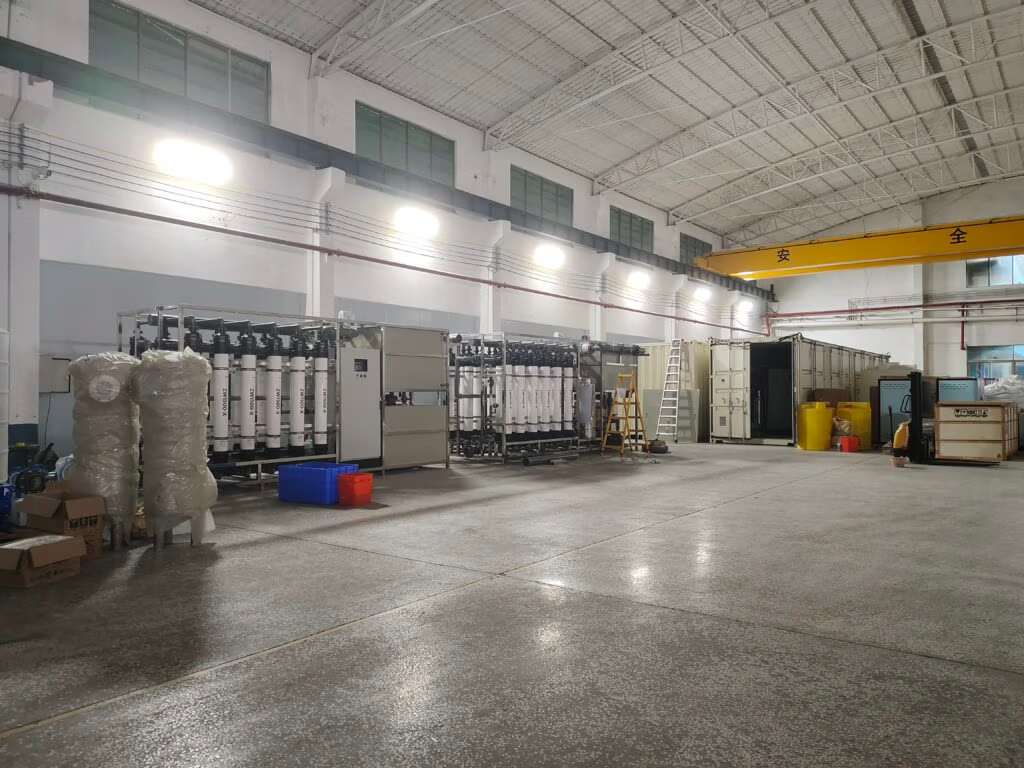
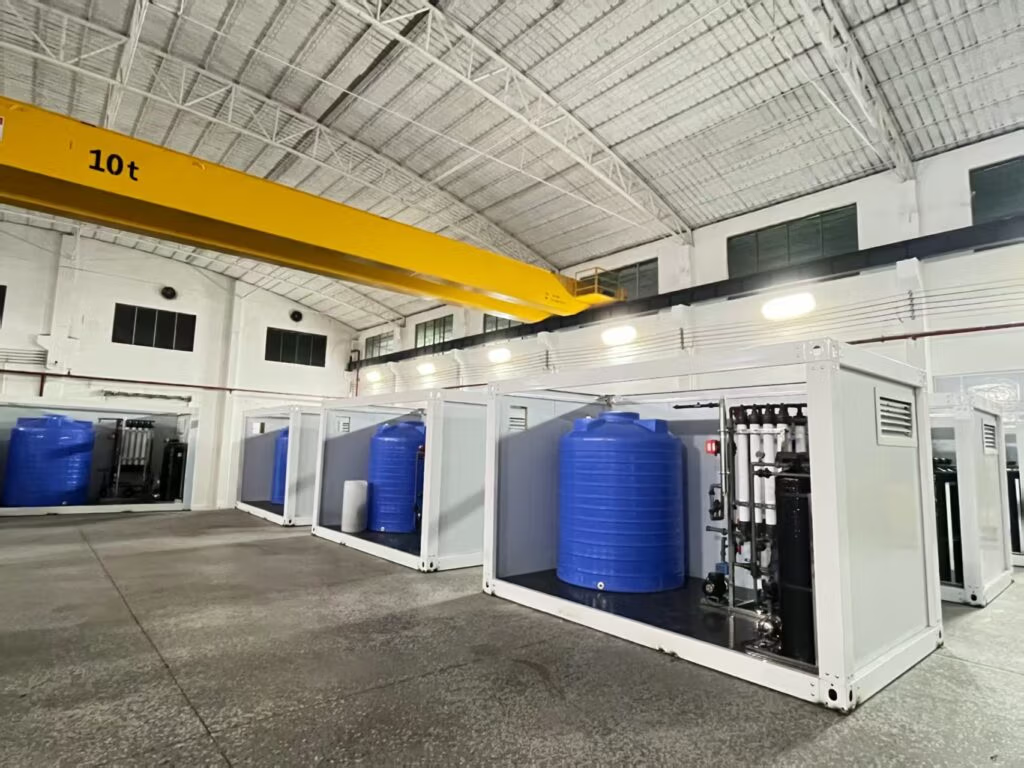
When industrial facilities invest in an industrial reverse osmosis system, the biggest challenge they face is not the initial installation. It is keeping the system running at peak efficiency over years of continuous operation. Membrane fouling, scaling, and unexpected downtime are the top pain points reported by plant managers and engineers worldwide. Understanding how to maintain your industrial reverse osmosis system correctly can dramatically reduce operating costs, extend membrane life, and protect your production quality.
What Are the Most Common Causes of Industrial Reverse Osmosis System Failure?
Before diving into solutions, it helps to know what causes most RO system problems. Research shows that approximately 60% of industrial reverse osmosis system failures trace back to improper operation or inadequate maintenance schedules.
The three primary culprits are membrane fouling, biological contamination, and scaling from mineral deposits. Each of these issues degrades membrane performance gradually, leading to reduced permeate flow, increased energy consumption, and eventually costly membrane replacement.
Membrane Fouling in Industrial RO Systems
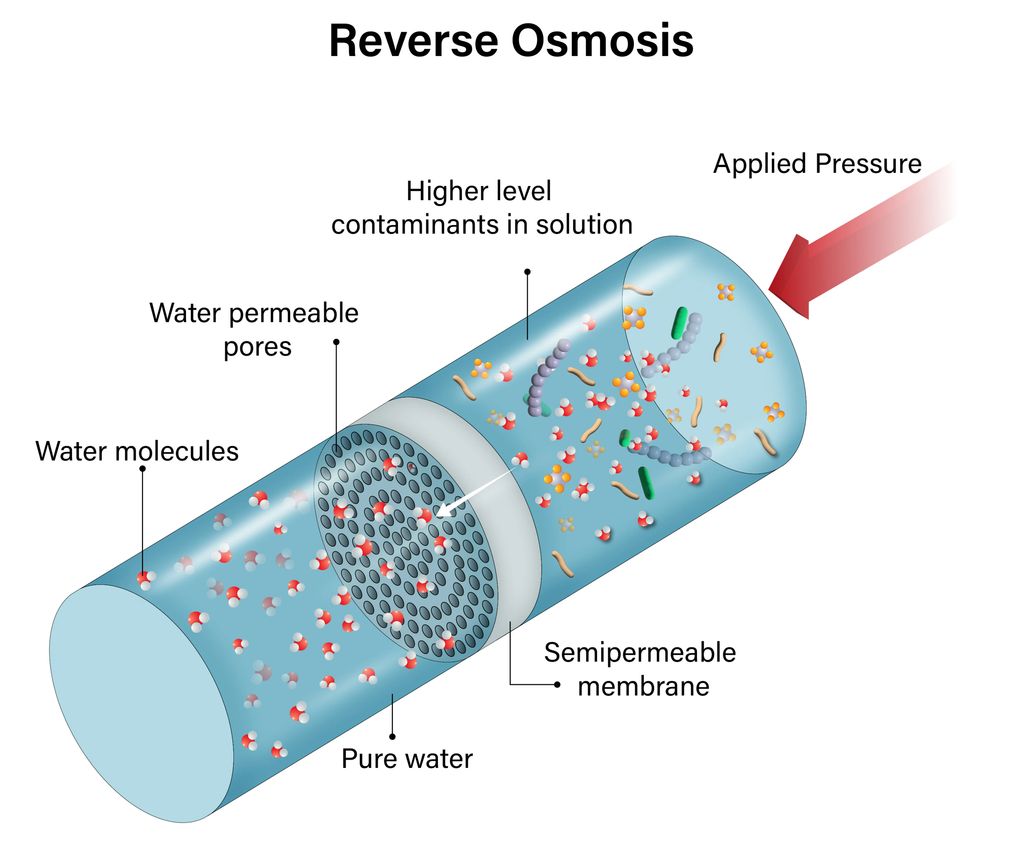
Fouling occurs when suspended particles, colloidal matter, or organic compounds accumulate on the membrane surface. Without proper pretreatment, even moderate concentrations of particulate matter can significantly shorten membrane life. Industrial facilities in manufacturing, food processing, and pharmaceuticals are especially vulnerable due to the complex composition of their source water.
Scaling: A Silent Performance Killer
Scaling happens when sparingly soluble salts, such as calcium carbonate, calcium sulfate, and silica, precipitate on the membrane surface. As the industrial reverse osmosis system concentrates these minerals in the reject stream, scaling risk increases dramatically without proper antiscalant dosing and monitoring.
How to Maintain an Industrial Reverse Osmosis System: A 5-Step Proven Strategy
Implementing a structured maintenance protocol is the most effective way to protect your investment and keep your industrial reverse osmosis system performing at its best.
Step 1 — Optimize Your Pretreatment Process
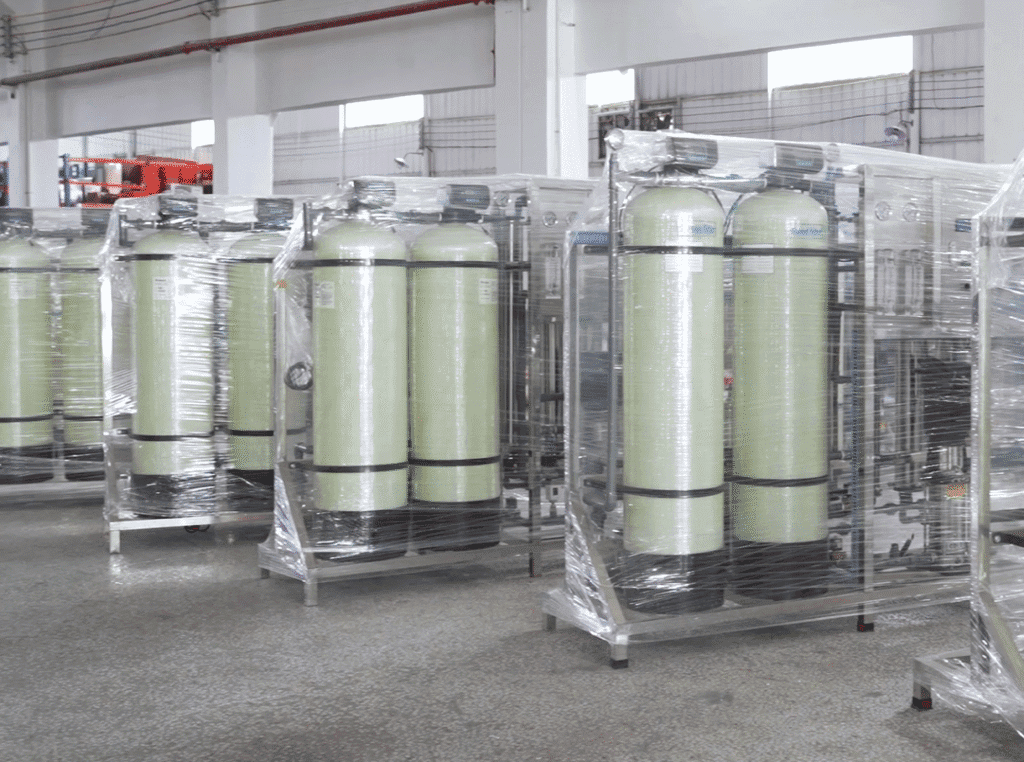
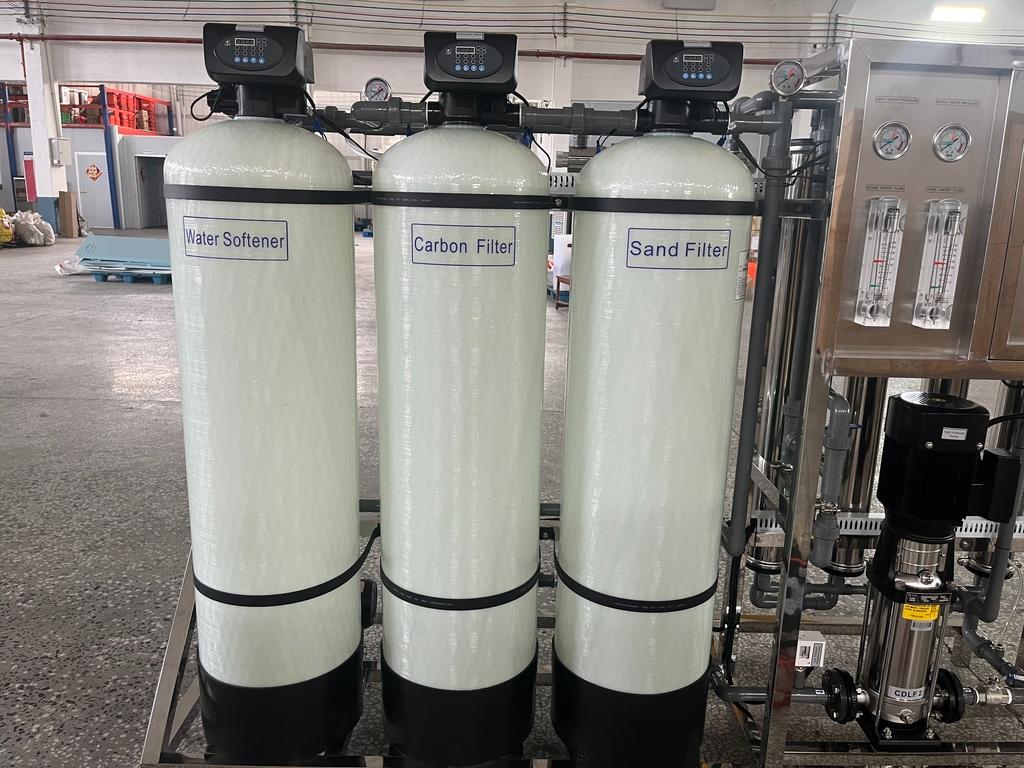
Pretreatment is the foundation of any reliable industrial reverse osmosis system. Multimedia filters, softeners, and properly dosed antiscalants remove the contaminants that damage membranes before the water ever reaches them.
Regularly inspect and replace prefilter cartridges. If source water quality fluctuates seasonally, which is common in industrial environments, adjust pretreatment protocols accordingly. Skipping this step is one of the fastest ways to void membrane warranties and trigger expensive repairs.
Step 2 — Monitor Key Operating Parameters Daily
Consistent parameter monitoring is what separates well-run industrial RO operations from those that suffer constant breakdowns. Track the following metrics every day:
- Feed pressure and differential pressure across membrane elements
- Permeate flow rate and salt rejection percentage
- Conductivity of both permeate and concentrate streams
- pH and temperature of feed water
- SDI (Silt Density Index) of the feed water
Any significant deviation from baseline readings is an early warning sign. Catching problems at this stage costs a fraction of what a full membrane replacement would run. For troubleshooting guidance on specific performance deviations, refer to our detailed resource on how to solve common reverse osmosis filter faults.
Step 3 — Follow a Rigorous Chemical Cleaning Schedule
Even with excellent pretreatment, membranes in an industrial reverse osmosis system will eventually require chemical cleaning (CIP — Clean-In-Place). Industry best practice recommends initiating a cleaning cycle when any of the following thresholds are crossed:
- Normalized permeate flow drops by 10–15% from baseline
- Normalized differential pressure increases by 10–15%
- Normalized salt passage increases by 5–10%
Use low-pH cleaners (citric acid-based) to address scaling and high-pH cleaners (caustic with surfactants) for organic fouling and biofouling. Always follow the membrane manufacturer’s recommendations to avoid damaging the membrane polymer.
Step 4 — Implement Preventive Membrane Replacement Planning
RO membranes in industrial reverse osmosis systems typically have a design life of 3 to 5 years under optimal conditions. However, poor water quality or inadequate maintenance can shorten this to as little as 12 to 18 months.
Do not wait for membranes to fail completely before replacing them. Establish a proactive replacement schedule based on normalized performance data, and budget for membrane replacement as a fixed operational cost. This approach prevents unplanned production shutdowns that cost far more than the membranes themselves.
Understanding total system costs upfront helps you budget more accurately. For a thorough breakdown of what to expect financially, read our guide on industrial reverse osmosis system pricing.
Step 5 — Leverage Digital Monitoring and Automation Tools
Modern industrial reverse osmosis systems increasingly support integration with SCADA platforms, IoT sensors, and digital monitoring dashboards. Plants that adopt these technologies report significant reductions in unplanned downtime, in some documented cases, fault response times dropped from 2 hours to under 15 minutes after implementing digital management tools.
Automatic alarms for pressure anomalies, conductivity spikes, and flow deviations allow maintenance teams to respond before small issues become major failures. Variable frequency drives (VFDs) on high-pressure pumps can also reduce energy consumption during periods of lower demand.
How Often Should an Industrial Reverse Osmosis System Be Serviced?
This is one of the most frequently asked questions by plant operators. The answer depends on source water quality and system load, but the following schedule provides a solid baseline for most industrial facilities.
| Frequency | Maintenance Task |
|---|---|
| Daily | Log operating parameters, inspect feed pressure, check for visible leaks |
| Weekly | Check prefilter differential pressure, inspect chemical dosing systems |
| Monthly | Calculate normalized performance values, inspect O-rings and pressure vessels |
| Quarterly | Full chemical cleaning if thresholds are approached, SDI testing |
| Annually | Comprehensive system inspection, valve testing, pump overhaul |
What Is the True Cost of Neglecting Industrial RO System Maintenance?
Skipping routine maintenance on an industrial reverse osmosis system is never a money-saving decision. The annual cost of maintaining a properly serviced industrial RO system typically ranges from $3,700 to $6,900, a figure that sounds significant until you compare it to emergency membrane replacement, production halts, and the cost of off-spec product that failed quality checks due to degraded water purity.
With proper care, industrial reverse osmosis systems can deliver reliable service for up to 15 years. That long-term reliability is the real return on a disciplined maintenance investment.
Expert Resources for Industrial RO System Operators
For operators seeking deeper technical guidance, the following resources provide proven operational frameworks from industry specialists:
AXEON Water’s Best Practices for Operating and Maintaining Reverse Osmosis Systems offers a comprehensive overview of membrane care, pressure vessel management, and performance optimization strategies used by water treatment professionals.
Complete Water Solutions provides a practical step-by-step maintenance guide for industrial reverse osmosis systems covering filter replacement schedules, cleaning procedures, and system inspection checklists.
Conclusion: Protect Your Industrial Reverse Osmosis System Investment
An industrial reverse osmosis system is a critical asset for any facility that depends on consistent, high-purity water. The difference between a system that lasts 5 years and one that delivers 15 years of reliable service almost always comes down to how well it is maintained.
By combining proactive pretreatment, daily parameter monitoring, scheduled chemical cleaning, planned membrane replacement, and smart digital monitoring, industrial operators can minimize downtime, reduce total cost of ownership, and ensure water quality standards are met consistently, regardless of source water variability or production demands.