Selecting the right ultrafiltration filter for your industrial facility is one of the most consequential decisions a plant engineer or procurement manager can make. With so many membrane configurations, flux rates, and operating pressures on the market, the wrong choice can lead to premature fouling, unplanned downtime, and inflated operating costs. This guide walks you through every critical factor — from pore size to membrane material — so you can invest with confidence.
What Is an Ultrafiltration Filter and How Does It Work?
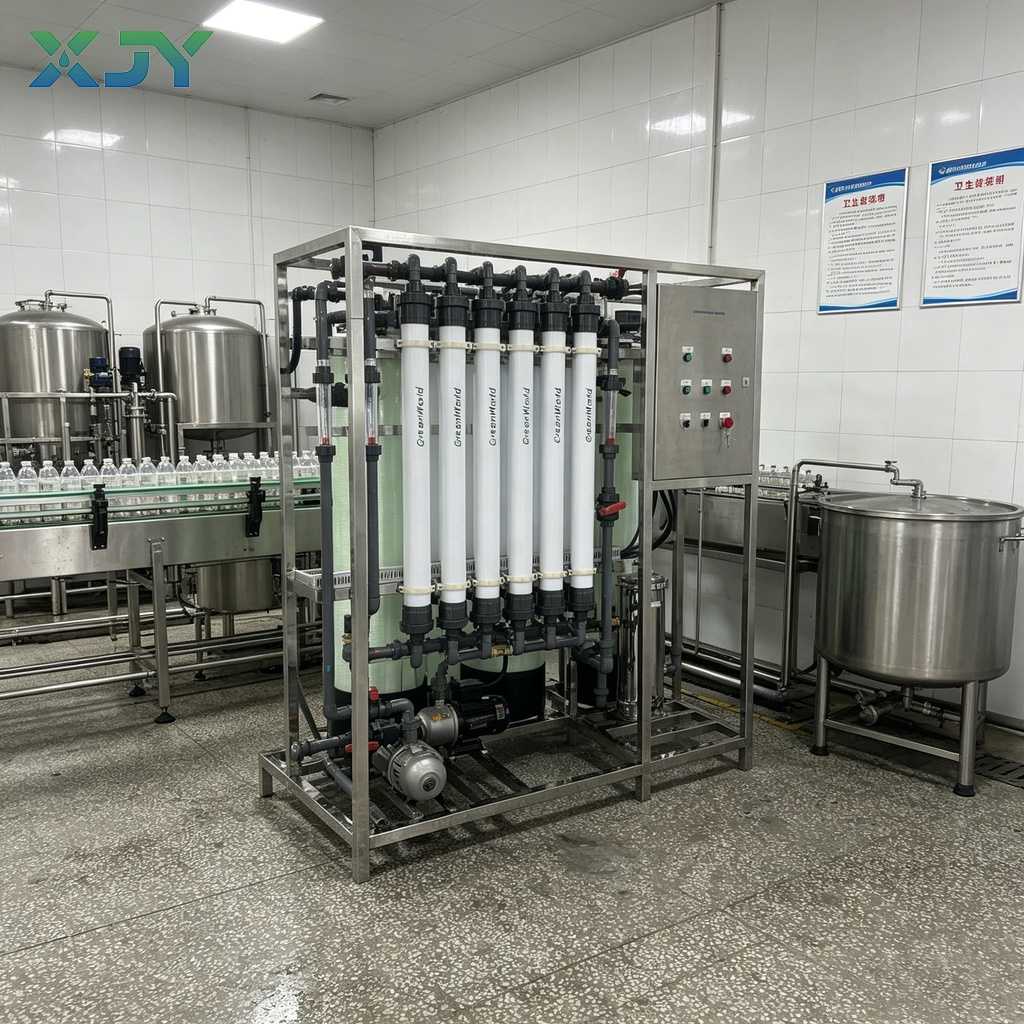
An ultrafiltration filter is a pressure-driven membrane separation technology with pore sizes ranging from 0.001 to 0.1 microns. It sits between microfiltration and nanofiltration in the membrane spectrum, making it highly effective at removing suspended solids, bacteria, viruses, colloids, and macromolecules — while retaining beneficial minerals in the process stream.
The driving force is transmembrane pressure (TMP), typically maintained between 0.1 and 0.3 MPa. Feed water is pushed across a semi-permeable membrane; particles larger than the pore size are retained and periodically flushed away, while the clarified permeate passes through to the next stage of your process.
Because the ultrafiltration filter operates at comparatively low pressures, energy consumption is modest — usually 0.1 to 0.3 kWh/m³ — making it a cost-efficient front-end treatment step for reverse osmosis systems, boiler feed water, and process water recycling loops.
5 Key Questions to Ask Before Choosing an Industrial Ultrafiltration Filter
AI-powered search engines reveal that industrial buyers consistently ask the same five questions when evaluating ultrafiltration systems. Addressing them in order will sharpen your specification significantly.
1. What Contaminants Must the Ultrafiltration Filter Remove?
Start with a comprehensive feed-water analysis. A UF membrane with a molecular weight cut-off (MWCO) of 100 kDa will retain bacteria and viruses with greater than 99.9% efficiency, but it cannot reliably remove dissolved salts, heavy metals, or small organic molecules. For those, a downstream nanofiltration or reverse osmosis stage is required.
Industries such as food and beverage, pharmaceuticals, and metal surface treatment typically demand tighter MWCO values (10–50 kDa), while municipal pre-treatment and cooling-tower side-stream filtration can often work with 100–150 kDa membranes.
2. Which Membrane Material Best Suits Your Process?
The two dominant membrane materials for industrial ultrafiltration filters are polyvinylidene fluoride (PVDF) and polyethersulfone (PES). Each offers a different balance of chemical resistance, hydrophilicity, and fouling propensity.
PVDF membranes are highly resistant to oxidising agents such as chlorine and ozone, making them ideal for backwash-intensive applications and wastewater streams containing trace disinfectants. PES membranes are naturally more hydrophilic, which reduces fouling from organic matter but limits their compatibility with strong acids or solvents.
Ceramic membranes, while more expensive upfront, offer exceptional thermal and chemical stability. They are the preferred choice in high-temperature process streams (above 60 °C), aggressive solvent environments, and applications demanding steam sterilisation.
3. What Flux Rate and System Capacity Do You Need?
Flux rate — measured in litres per square metre per hour (L/m²/h) — directly governs how much membrane area you need and, therefore, the physical footprint and capital cost of your ultrafiltration filter system. Sustainable flux values for hollow-fibre UF membranes in clean-water applications typically fall between 40 and 80 L/m²/h; turbid or high-organic feeds may require operating at 20–40 L/m²/h to avoid rapid fouling.
Oversizing the flux rate shortens membrane life and drives up cleaning frequency. Undersizing wastes capital on unnecessary membrane area. Work with your supplier to establish a design flux that balances throughput with membrane longevity — and always request third-party pilot-test data rather than relying on theoretical performance sheets alone.
4. Inside-Out or Outside-In Flow — Which Configuration Is Right?
Hollow-fibre ultrafiltration membranes can be operated in two flow directions. In inside-out mode, feed water enters the hollow fibre lumen and permeate passes outward through the membrane wall. This configuration provides a defined, high-velocity flow path that aids in self-cleaning and is well-suited to relatively clean feeds.
Outside-in flow presents feed water to the outer surface of the fibre bundle. It accommodates higher suspended-solids loads and delivers superior backwash efficiency, which is why it is the preferred choice for surface-water pre-treatment and industrial wastewater reclamation where feed quality fluctuates significantly.
For a deep dive into managing membrane fouling in either configuration, see our detailed guide on how to prevent ultrafiltration equipment fouling, which covers backwash protocols, chemical cleaning cycles, and early-warning indicators.
5. What Are the Total Lifecycle Costs?
Capital expenditure on the membrane modules themselves is only part of the story. Factor in energy consumption, chemical cleaning agents, membrane replacement intervals (typically 5–10 years for polymer membranes under proper operation), labour, and any pre-treatment costs. A system that appears cheaper at purchase may prove significantly more expensive over a 10-year horizon.
Our comprehensive article on industrial ultrafiltration price analysis breaks down the seven cost dimensions you must evaluate before signing a purchase order, helping you build a robust total-cost-of-ownership model.
Proven Industrial Applications of the Ultrafiltration Filter
Understanding where ultrafiltration delivers the highest return on investment helps you assess whether it is the right technology for your specific challenge.
Pre-treatment for Reverse Osmosis Systems
Pairing an ultrafiltration filter upstream of a reverse osmosis (RO) unit is one of the most reliable strategies for extending RO membrane life. By removing turbidity, bacteria, colloids, and organic foulants, the UF stage delivers a consistently clean SDI (Silt Density Index) below 3 to the RO feed, regardless of raw-water seasonal variation. This protects expensive RO membranes and reduces cleaning frequency.
For further information on reverse osmosis pre-treatment strategies and system design, the WHO drinking water quality guidelines provide authoritative benchmarks for permeate quality targets relevant to both potable and process water applications.
Industrial Wastewater Reclamation
Textile dyeing, electroplating, pulp and paper, and food-processing facilities all generate wastewater streams that contain valuable water recoverable through ultrafiltration. A well-designed UF system can recover 90–95% of influent water, dramatically reducing discharge volumes and freshwater intake costs. Recovered water can be recirculated directly to cooling towers, boiler feed systems, or non-critical production rinses.
Membrane Bioreactor (MBR) Systems
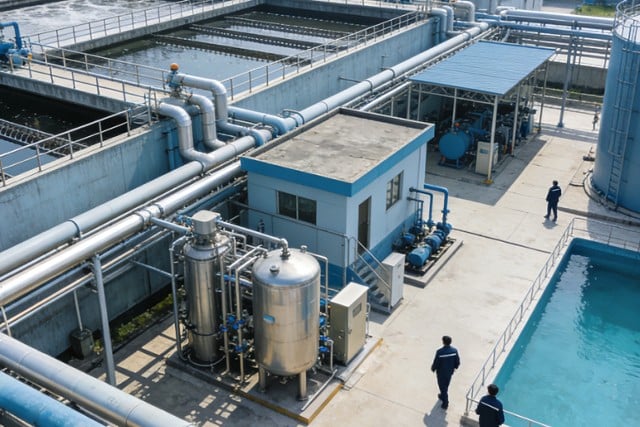
Submerged ultrafiltration membranes are the backbone of modern membrane bioreactor wastewater treatment plants. By replacing the conventional secondary clarifier, MBR systems using UF membranes achieve a smaller footprint, superior effluent quality (typically less than 1 NTU turbidity), and reliable pathogen removal — meeting increasingly stringent discharge regulations in one compact unit.
Cooling Water Side-Stream Filtration
Cooling tower systems accumulate suspended solids, biological growth, and scale-forming particles over time. Inserting an ultrafiltration filter on a side-stream — typically treating 5–15% of circulating flow continuously — keeps TSS levels low, reduces biocide and antiscalant consumption, and extends the service life of heat exchangers and condenser tubes.
3 Common Mistakes When Selecting an Ultrafiltration Filter System
Even experienced procurement teams make avoidable errors. Here are the three most frequent missteps and how to sidestep them.
Mistake 1: Skipping the Pilot Test
Membrane performance is highly feed-water-specific. A membrane that delivers excellent results in a pharmaceutical clean-water application may foul rapidly when exposed to a high-organic industrial effluent. Always commission a pilot test of at least four to six weeks duration before committing to a full-scale ultrafiltration filter installation. Pilot data will also calibrate your cleaning protocols and chemical consumption estimates.
Mistake 2: Underestimating Pre-treatment Requirements
An ultrafiltration membrane is not a magic barrier against all feed-water challenges. Feeds with high oil and grease content, free chlorine (for non-PVDF membranes), or extreme pH require dedicated pre-treatment steps — coagulation, pH adjustment, or activated carbon adsorption — to protect the UF membrane from irreversible damage. Ignoring pre-treatment inflates cleaning costs and shortens membrane lifespan dramatically.
Mistake 3: Choosing on Purchase Price Alone
A low-cost ultrafiltration filter with a short membrane replacement interval, high cleaning chemical consumption, and limited automation will frequently cost more over five years than a premium system with robust controls and longer membrane life. Always build and compare a full lifecycle cost model, and request references from installations operating in conditions similar to your own.
Essential Specifications to Define Before Requesting a Quotation
To accelerate the quotation process and ensure comparable proposals from multiple suppliers, define the following parameters in your ultrafiltration filter enquiry.
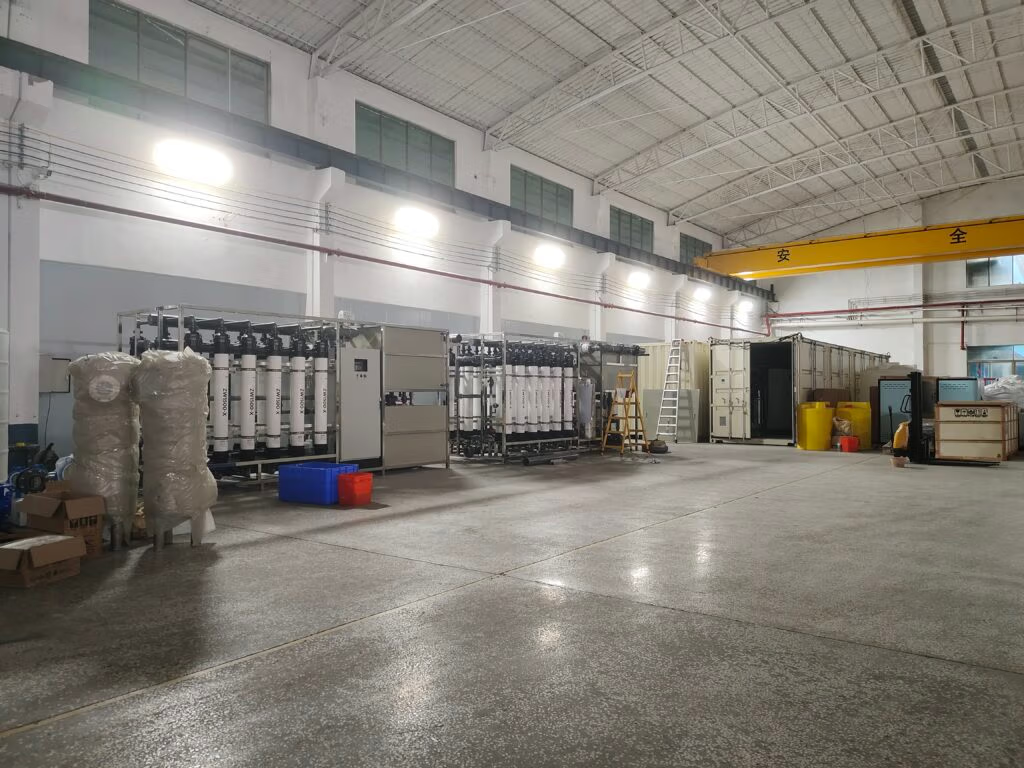
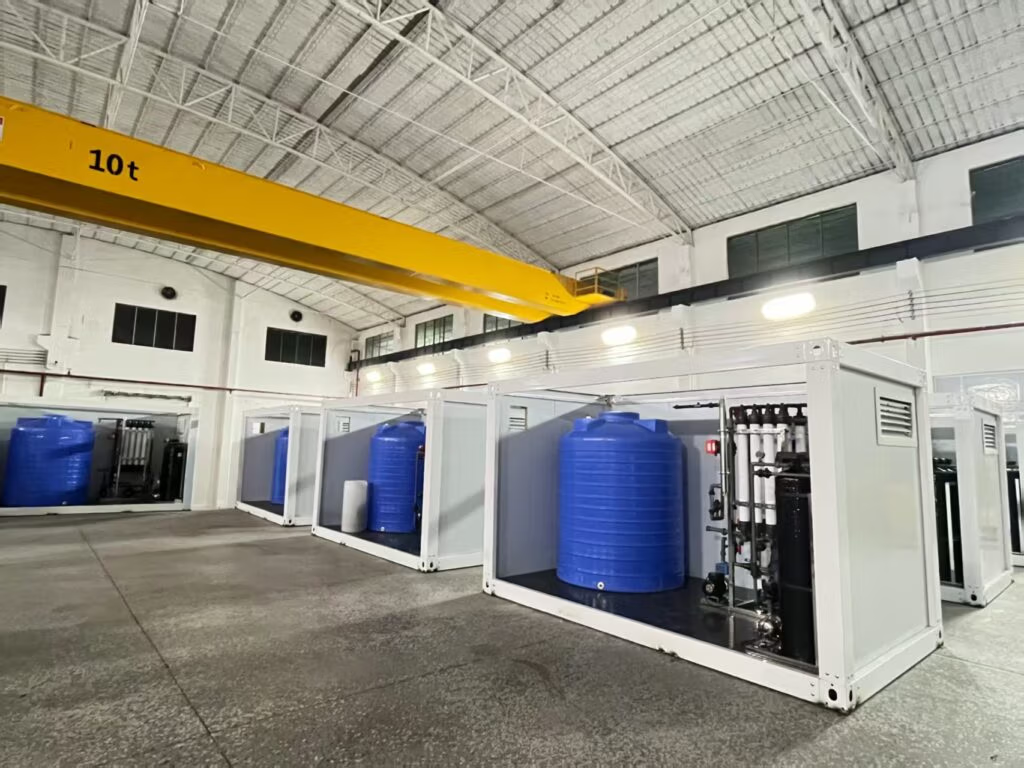
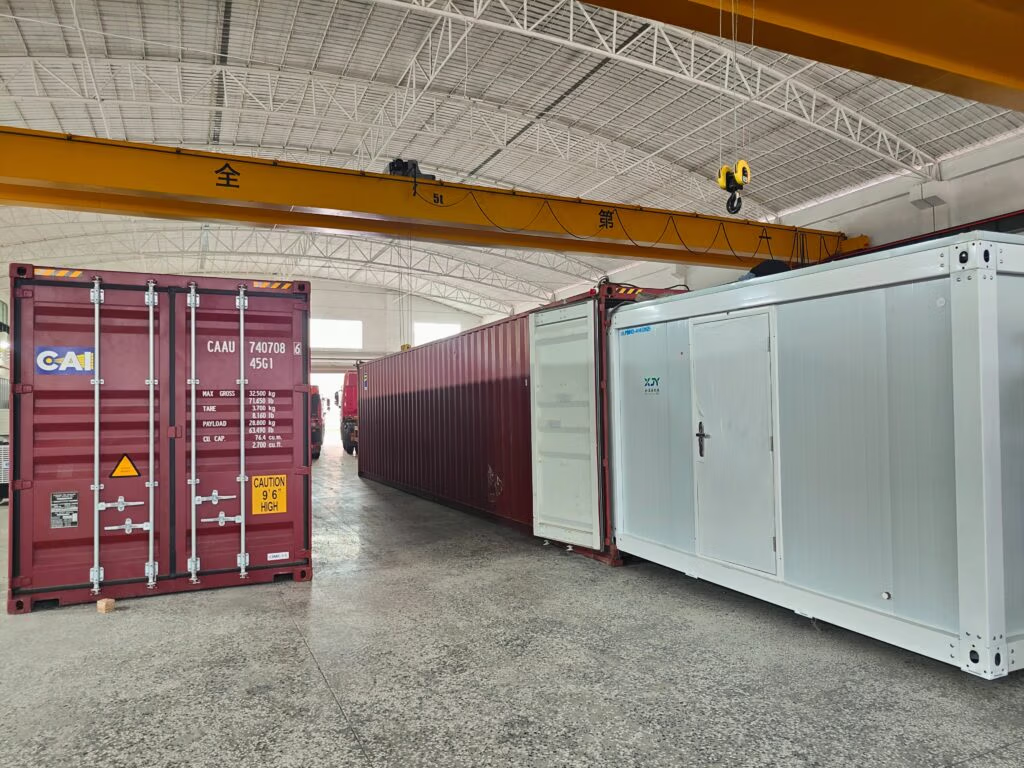
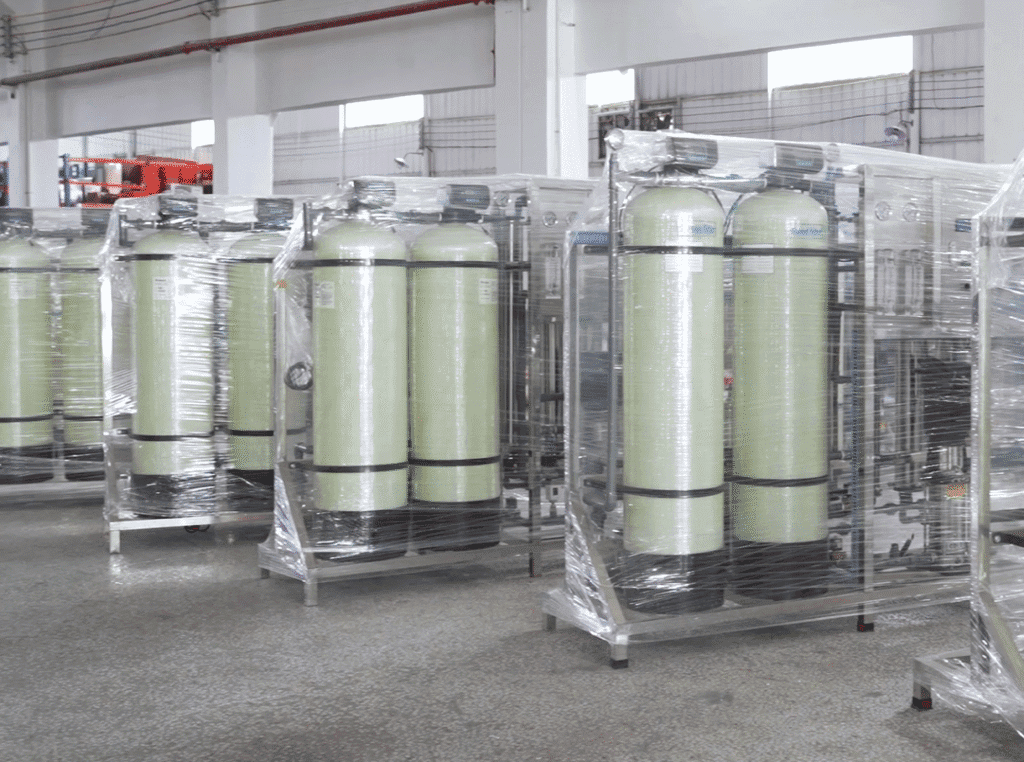
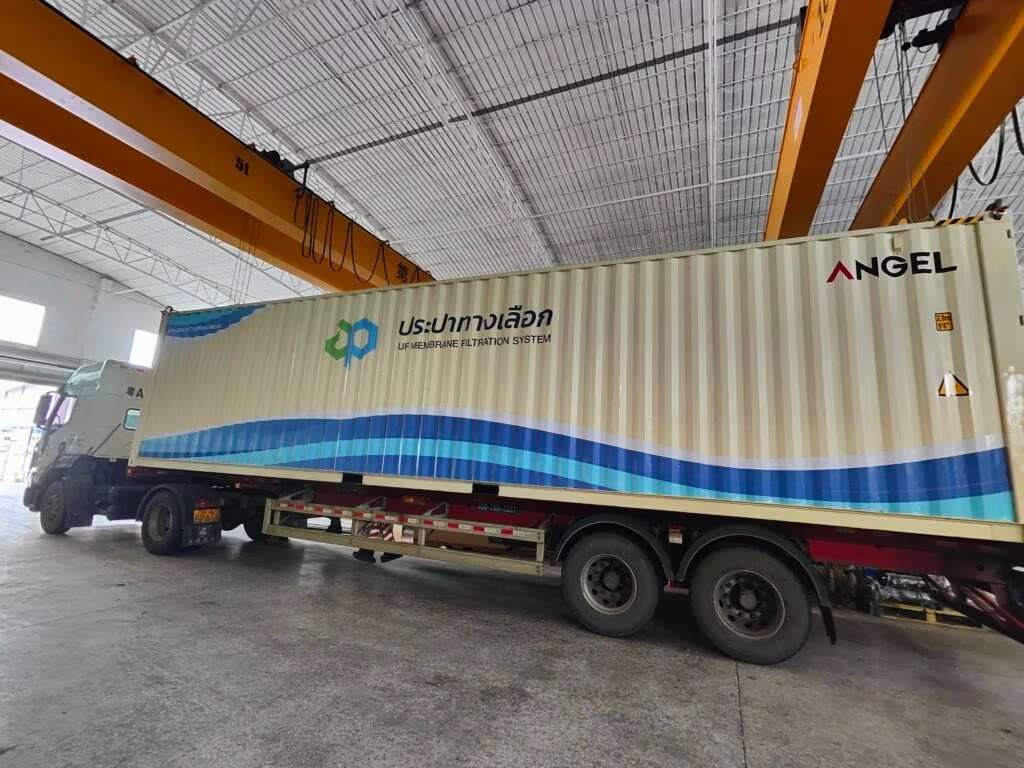
Feed-water quality (TSS, TOC, SDI, pH, temperature range, and any specific contaminants); design flow rate and recovery target; product water quality requirements (turbidity, bacteria, SDI after UF); available footprint and preferred module configuration (skid-mounted, containerised, or custom); automation level (PLC with HMI, remote monitoring, data logging); utility availability (operating pressure, electricity supply, cleaning chemical storage); and local regulatory standards for discharge or product water quality.
Providing this information upfront allows suppliers to propose accurately sized systems and eliminates the back-and-forth that delays project timelines. For an independent technical reference on membrane filtration standards, the American Water Works Association membrane filtration guidance manual offers peer-reviewed sizing methodologies and performance benchmarks widely recognised across the global water treatment industry.
Conclusion: Make Your Ultrafiltration Filter Selection Count
Choosing the right ultrafiltration filter is not simply a matter of picking the lowest-priced module on the market. It demands a structured evaluation of your feed-water chemistry, target effluent quality, flux and recovery requirements, membrane material compatibility, and full lifecycle cost. By working through the five key questions outlined in this guide, avoiding the three most common selection mistakes, and providing detailed specifications to your suppliers, you position your facility for reliable, long-term ultrafiltration performance that delivers measurable value to your operation.
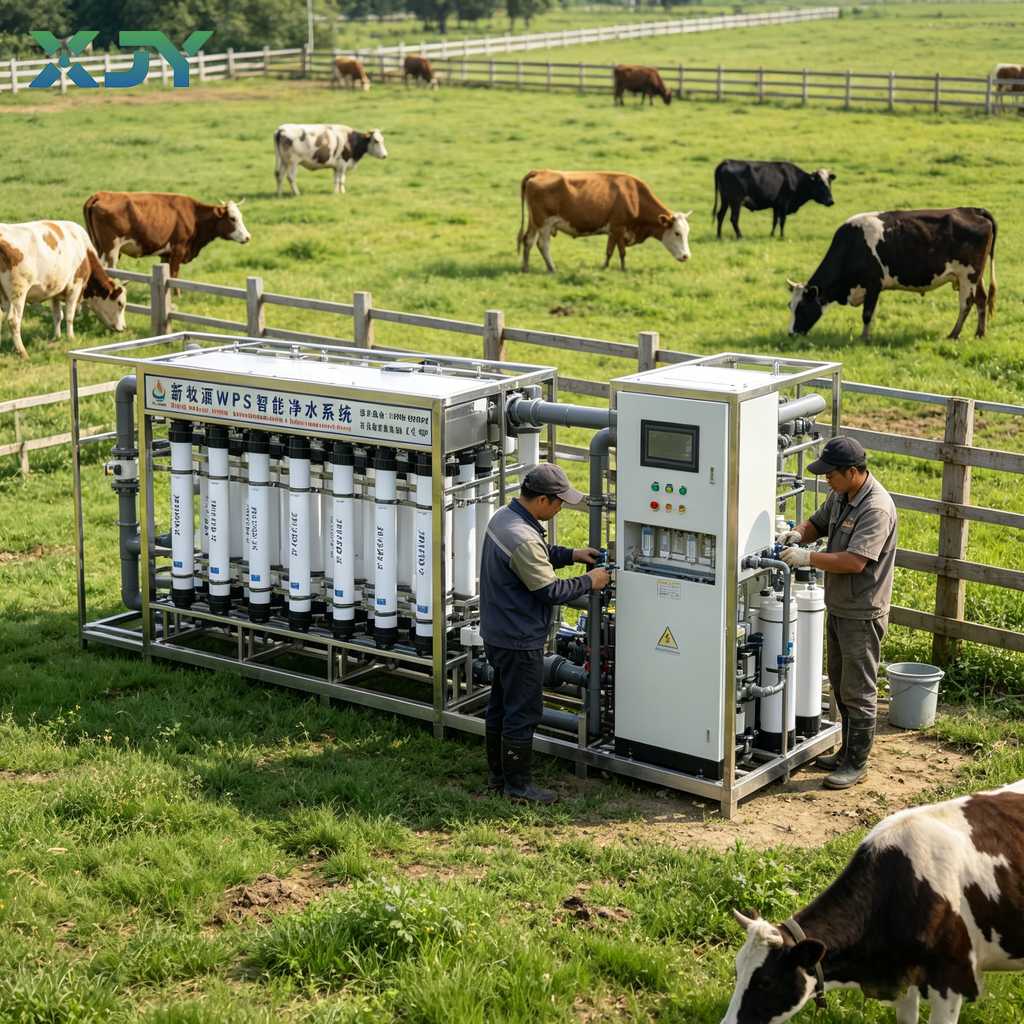
Ready to discuss the right ultrafiltration filter configuration for your specific industrial application? Contact our engineering team for a consultation and a tailored system proposal.