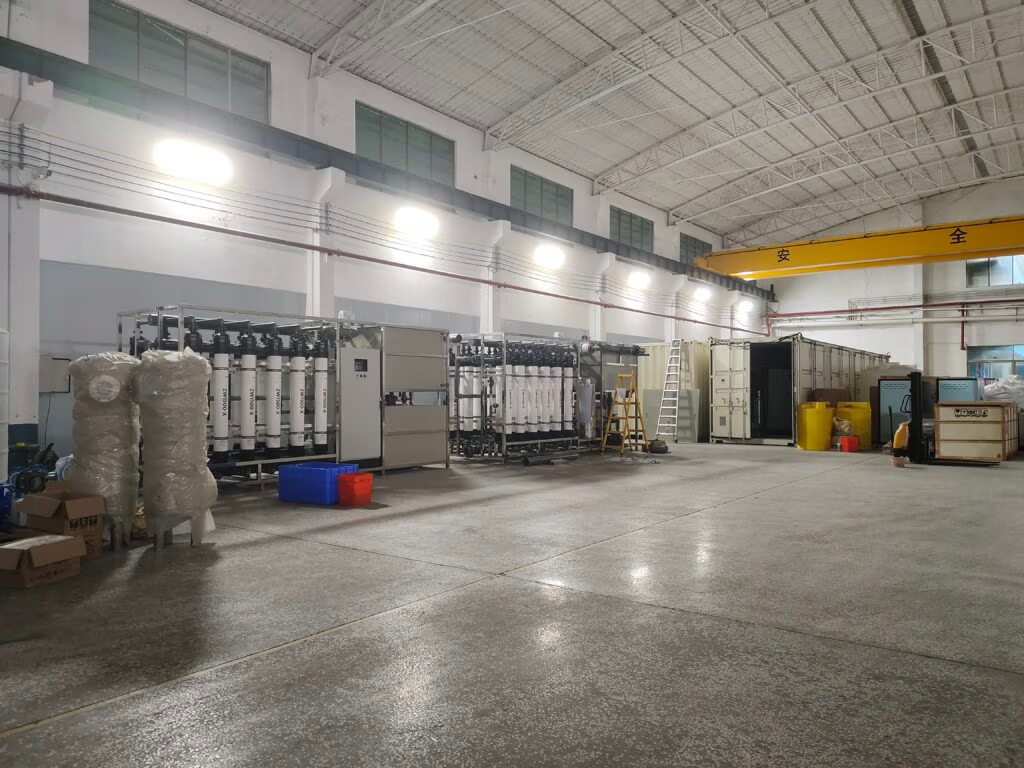
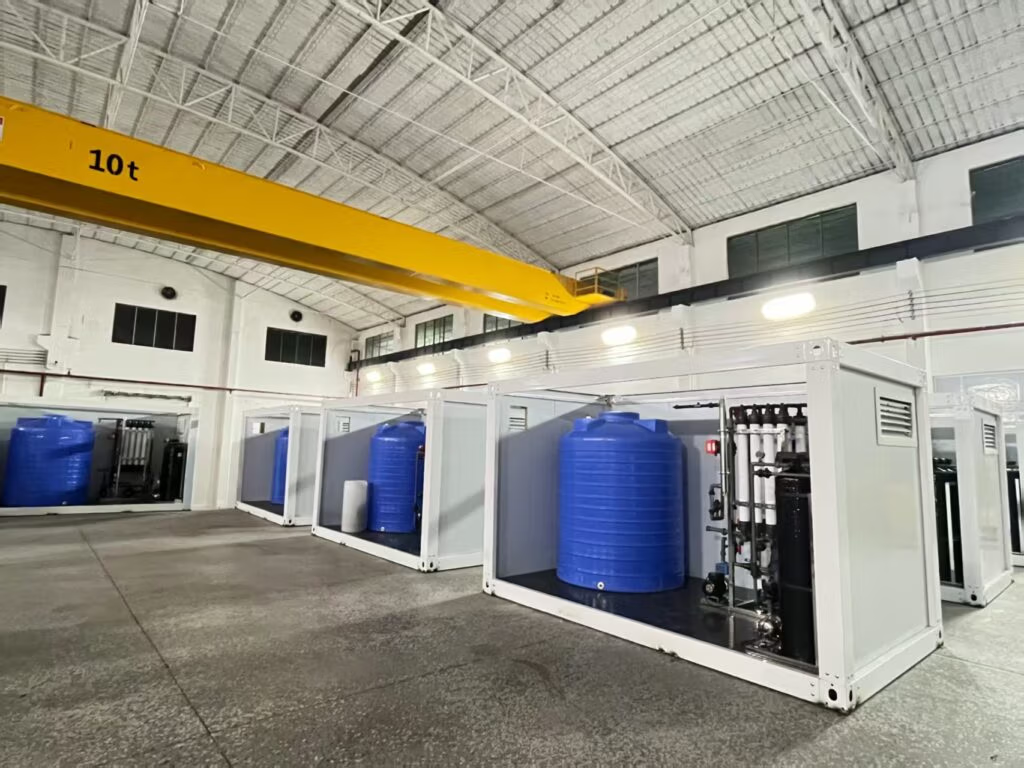
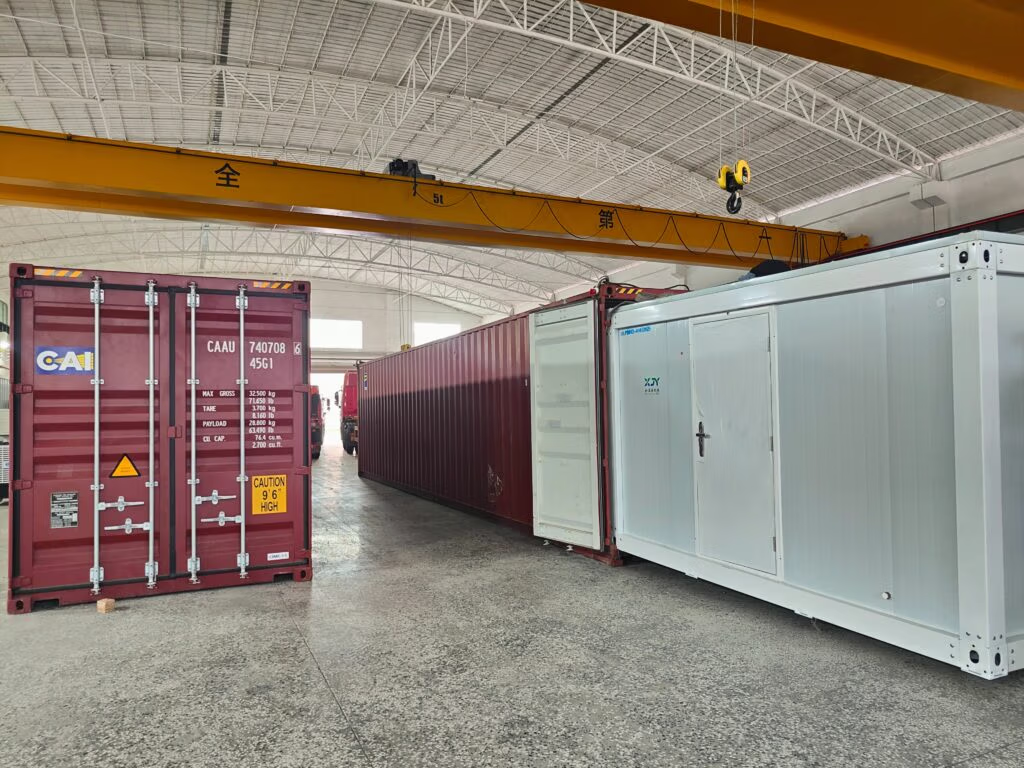
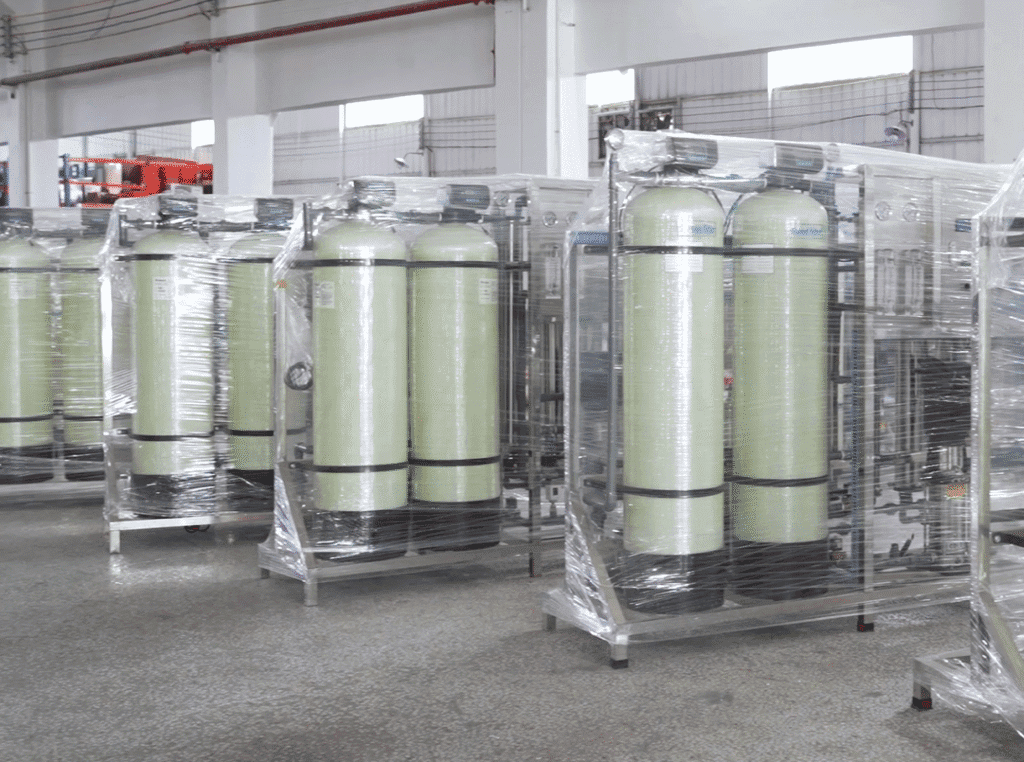
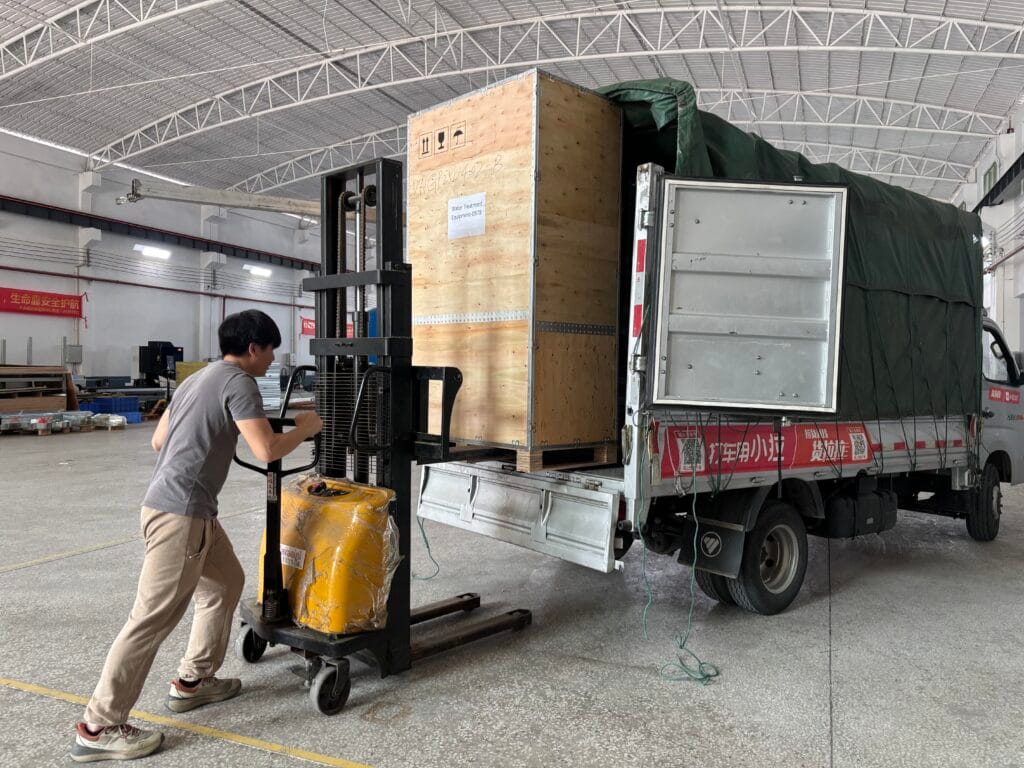
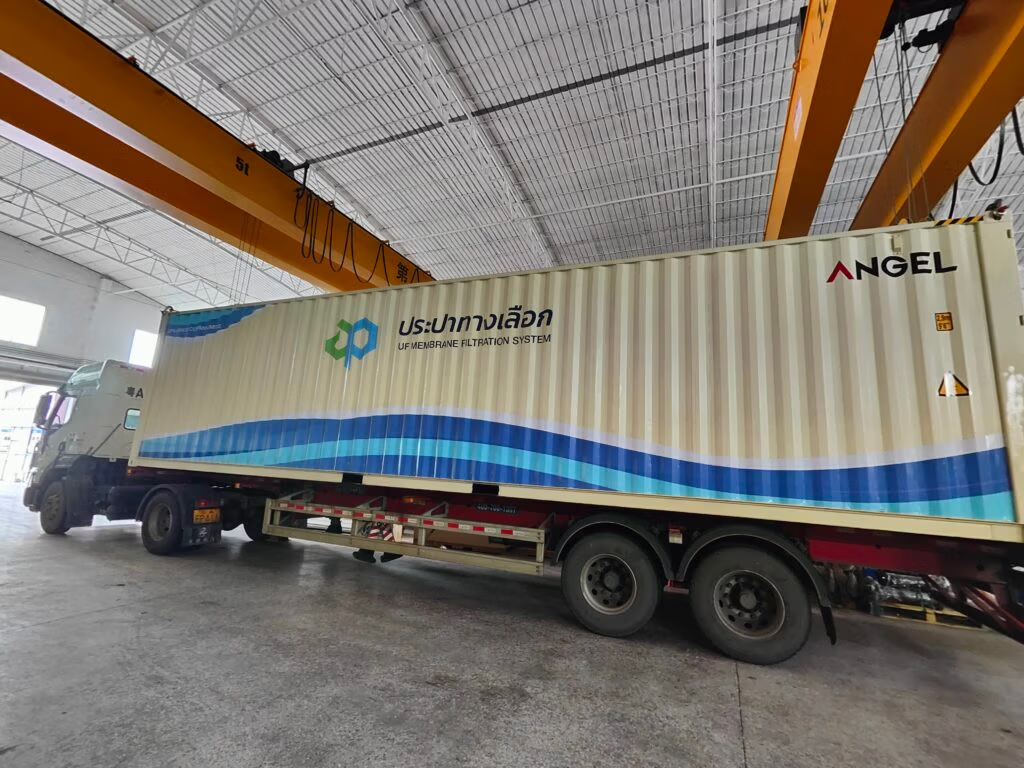
L'acqua salmastra, una fonte di acqua con salinità compresa tra l'acqua dolce e l'acqua di mare, è attualmente una fonte idrica alternativa molto promettente. Apparecchiature per la desalinizzazione del salmastro, grazie all'innovazione tecnologica e all'adattamento a vari scenari, sta gradualmente alleviando lo squilibrio globale tra domanda e offerta di acqua.

Questo tipo di apparecchiatura è progettata specificamente per le fonti di acqua a bassa salinità, come le acque sotterranee e le acque di infiltrazione degli estuari. Grazie a diversi mezzi tecnologici, raggiunge un'efficiente desalinizzazione e può rispondere efficacemente a diverse esigenze di approvvigionamento idrico in regioni aride, all'approvvigionamento idrico industriale e ad altri scenari.
Tendenze di sviluppo della tecnologia di desalinizzazione salmastra
Aggiornamento del sistema di recupero energetico
La tecnologia di desalinizzazione dell'acqua salmastra sta migliorando costantemente verso una maggiore efficienza energetica e modularità. La tecnologia tradizionale dell'osmosi inversa rimane il mainstream, con progressi chiave che si concentrano sull'ottimizzazione dei moduli a membrana e sul potenziamento dei sistemi di recupero energetico.
Il dispositivo di recupero energetico iSave™ sviluppato dall'azienda australiana SAE è in grado di recuperare 95% dell'energia rimanente dalla salamoia concentrata, richiedendo solo 1,7 kilowattora di elettricità per trattare una tonnellata di acqua salmastra. Il costo operativo è di circa $0,36 per tonnellata, con un risparmio energetico di 60% rispetto alle apparecchiature tradizionali.
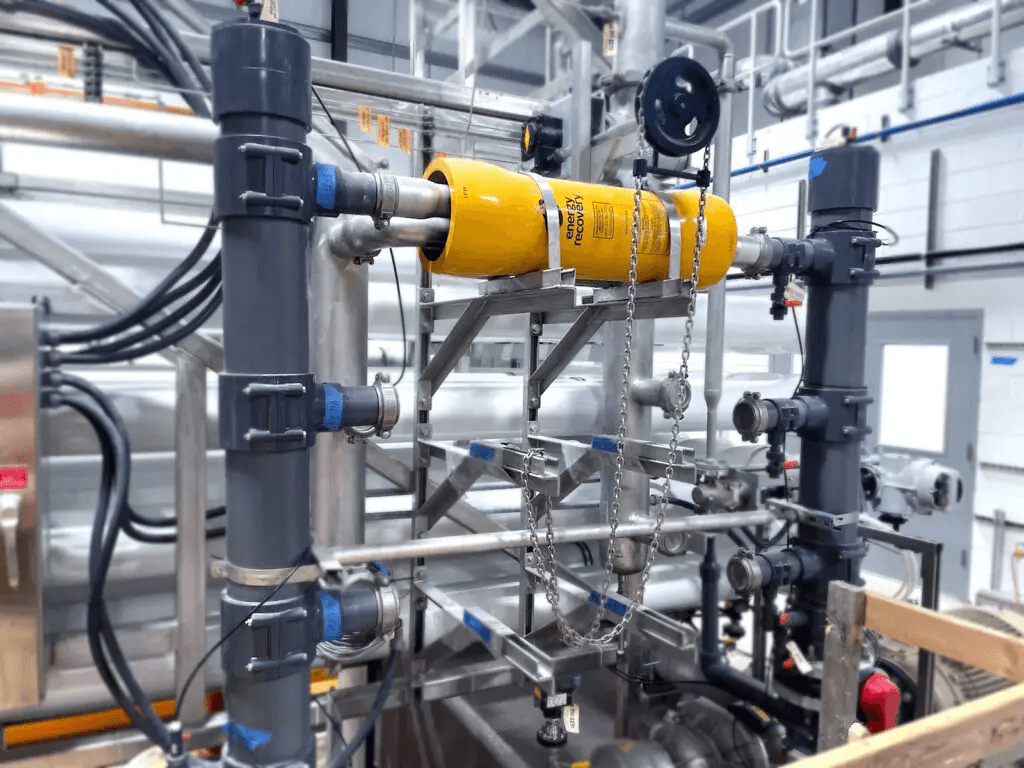
Questa tecnologia è stata ampiamente utilizzata in Africa, nelle isole dell'Oceania e nelle regioni aride. Quattro impianti di desalinizzazione costruiti in Sudafrica, ciascuno in grado di trattare 5.000 tonnellate di acqua al giorno, utilizzano questa tecnologia e hanno risolto con successo i problemi di approvvigionamento idrico dei residenti locali.
Ampliamento del campo di applicazione
Diverse tecnologie innovative ampliano continuamente il campo di applicazione delle apparecchiature per la desalinizzazione dell'acqua salmastra.
Il team del professor Yat Li, negli Stati Uniti, ha combinato la tecnologia di stampa 3D con la deionizzazione capacitiva (CDI) per creare una nuova generazione di apparecchiature per la desalinizzazione dell'acqua salmastra. Questo dispositivo non si basa sulle tradizionali strutture a membrana, ma utilizza elettrodi positivi e negativi per assorbire gli ioni salini dall'acqua. Nel trattamento dell'acqua a bassa salinità, è molto più efficiente dal punto di vista energetico rispetto ai metodi tradizionali e la salamoia concentrata che ne risulta ha un impatto ambientale minimo. I ricercatori hanno sviluppato un materiale di carbonio conduttivo poroso con un'area superficiale di 3.000 metri quadrati per grammo e, combinandolo con una struttura tridimensionale di elettrodi interpenetrati, hanno potenziato notevolmente l'effetto di desalinizzazione e fornito un nuovo approccio per la desalinizzazione delle acque sotterranee nelle zone costiere.
La tecnologia di desalinizzazione salmastra è in costante sviluppo
Anche gli investimenti delle grandi aziende nella tecnologia di desalinizzazione dell'acqua salmastra stanno guidando il continuo sviluppo di questo settore. Aziende come Dow Chemical e Hydranautics producono membrane a osmosi inversa che offrono eccellenti prestazioni di desalinizzazione e lunga durata, rendendole altamente competitive sul mercato globale. I loro moduli a membrana antivegetativa sviluppati possono gestire composizioni complesse di acqua salmastra, riducendo la frequenza di manutenzione delle apparecchiature.
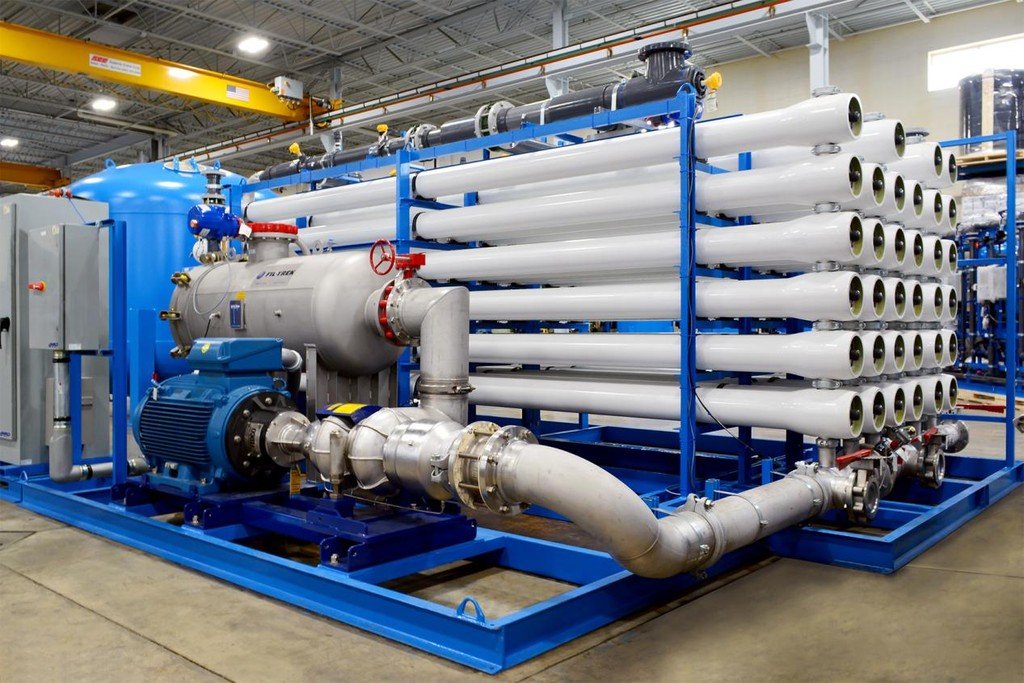
L'azienda tedesca Meinert si concentra su servizi personalizzati, progettando sistemi a doppia membrana che combinano microfiltrazione e osmosi inversa per applicazioni industriali. Hanno ottenuto risultati eccezionali nel riciclaggio delle acque reflue e nella desalinizzazione in settori quali l'elettronica e la chimica.
Quali sono le caratteristiche delle apparecchiature di desalinizzazione personalizzate?
Il Medio Oriente ha una particolare necessità di apparecchiature per la desalinizzazione dell'acqua salmastra. Le apparecchiature utilizzate sono per lo più resistenti alla corrosione, hanno un'elevata capacità di produzione e sono in grado di sopportare l'ambiente difficile delle alte temperature e dell'elevata salinità.
Le regioni europee e americane, invece, pongono maggiore enfasi sulla protezione dell'ambiente, cercando di combinare gli impianti di desalinizzazione con fonti di energia pulita come l'energia solare ed eolica, realizzando un modello di “produzione di acqua pulita con elettricità verde”.”
Flocean, una startup norvegese, ha sviluppato un modulo sottomarino per la desalinizzazione dell'acqua salmastra che sfrutta la pressione naturale delle profondità marine per guidare la desalinizzazione, con un risparmio di energia elettrica compreso tra 30% e 50% rispetto alle apparecchiature terrestri e un notevole risparmio di spazio. Il modulo dovrebbe essere disponibile in commercio nel 2026 e sarà in grado di soddisfare il fabbisogno idrico in diversi scenari.
Riassumere
Dalla tecnologia a osmosi inversa ad alta efficienza energetica alle innovative soluzioni di desalinizzazione senza membrana, dalle regioni aride alle zone costiere, questi dispositivi per la desalinizzazione dell'acqua salmastra svolgono un ruolo cruciale in diversi settori. In futuro, con l'ulteriore integrazione delle tecnologie dell'energia pulita e dei nuovi materiali, l'industria continuerà a migliorare le apparecchiature per la desalinizzazione dell'acqua salmastra, riducendo i costi, aumentando l'efficienza e contribuendo in modo molto più significativo all'uso sostenibile delle risorse idriche globali.