工業用限外ろ過と逆浸透技術の比較

In the field of water treatment, ultrafiltration vs reverse osmosis are two key membrane separation processes, widely used in pure water preparation, wastewater recycling, and material concentration and purification. Although both use pressure as the driving force to separate substances, their application range and treatment effectiveness differ significantly due to fundamental differences in membrane structure and separation precision.

ultrafiltration machine vs reverse osmosis machine

This article will analyze the differences and adaptation logic between the two from three dimensions: technical principles, core characteristics, and applications, providing a practical reference for process selection.

Ultrafiltration vs reverse osmosis : different technical principles

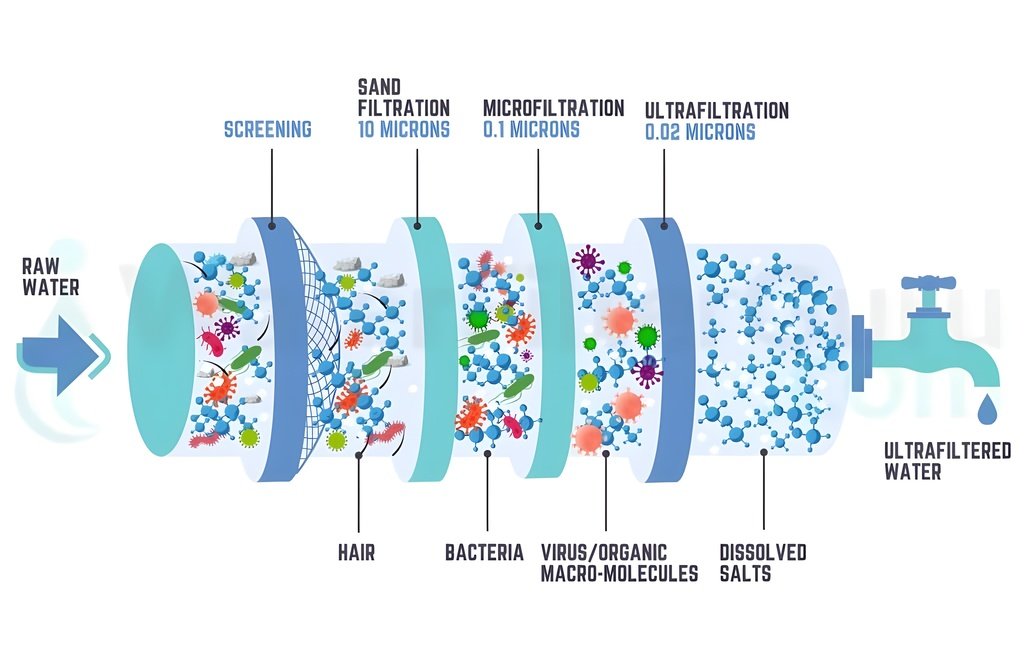
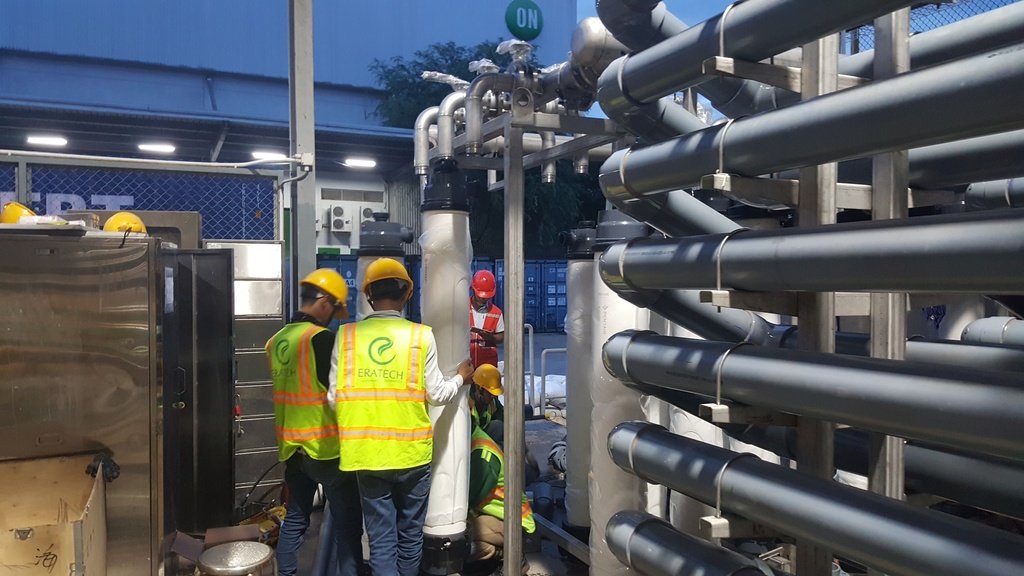
Ultrafiltration technology uses porous membrane elements as its core, with pore sizes typically controlled between 0.01 and 0.1 micrometers, and operating pressures maintained at a low level (0.1-0.5 MPa). Its separation mechanism relies on physical sieving, retaining only suspended solids, colloidal particles, bacteria, and large organic molecules in the water, while water molecules, small salt molecules, and dissolved organic matter can easily permeate the membrane. In practical applications, ultrafiltration membranes often employ hollow fiber or tubular structures, offering advantages such as high flux and strong antifouling performance, enabling deep purification and pretreatment of raw water.

ultrafiltration membrane

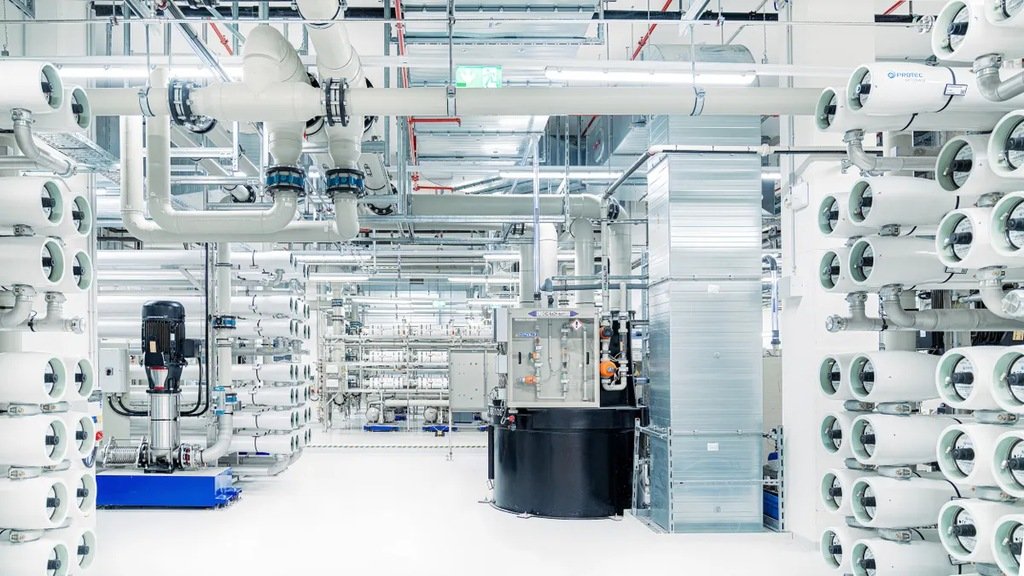
Reverse osmosis technology uses dense semi-permeable membrane materials with a pore size of only 0.0001 micrometers, requiring higher operating pressures (1-10 MPa). Its separation principle is based on the reverse process of osmosis. Engineers apply external pressure that exceeds the solution’s osmotic pressure to force water molecules to permeate through the membrane layer individually, and effectively retain nearly all salts, organic matter, microorganisms, and other impurities in the water. The desalination rate can reach over 99%, making it a core technology for the production of high-purity water.

reverse osmosis membrane

Ultrafiltration vs reverse osmosis : different core features

Energy efficiency

Ultrafiltration technology can efficiently remove colloids and microorganisms, control the turbidity of treated water to below 0.1 NTU, and achieve a 99.9% bacterial removal rate. However, it has no effect on removing dissolved salts, and the resistivity of the treated water is usually only tens to hundreds of kilohm-cm, which cannot meet the requirements of high-purity water production. In contrast, reverse osmosis technology can achieve deep desalination and comprehensive impurity removal, with an effluent resistivity of 1-18 megohm-cm, and can directly produce pure water or ultrapure water that meets production standards.

Operation and maintenance

Because ultrafiltration operates at low pressure and has a slow membrane fouling rate, its energy consumption is only 1/3 to 1/5 of that of reverse osmosis systems, and its cleaning cycle is longer (usually once every 1-3 months), resulting in relatively lower maintenance costs. Reverse osmosis systems, on the other hand, require high-pressure operation, leading to significantly higher energy consumption. Furthermore, their membrane elements have stringent requirements for feed water quality (turbidity must be controlled at <0.1 NTU, SDI <5), making them susceptible to fouling and increasing the frequency of cleaning, resulting in relatively higher subsequent maintenance costs. In addition, the lifespan of ultrafiltration membranes is generally 3-5 years, while that of reverse osmosis membranes is 2-3 years, leading to a significant difference in membrane element replacement costs.

Different application levels

Ultrafiltration technology is often used as a pretreatment process to ensure the stable operation of subsequent reverse osmosis systems. In pure water preparation processes in industries such as electronics, chemicals, and pharmaceuticals, ultrafiltration can efficiently remove colloids, suspended solids, and microorganisms from raw water, preventing fouling and clogging of the reverse osmosis membrane, extending the lifespan of membrane elements, and improving the overall system’s operational stability.

Simultaneously, engineers can also apply ultrafiltration directly to the pretreatment stage of wastewater reuse—for example, clarifying dyeing and printing wastewater and papermaking wastewater, and conducting side-stream filtration purification for circulating cooling water.

ultrafiltration machine vs reverse osmosis

Reverse osmosis technology focuses on advanced water treatment and high-purity water production. In applications with extremely high water quality requirements, such as boiler feedwater in the power industry, chip manufacturing water in the electronics industry, and injection water in the pharmaceutical industry, reverse osmosis can effectively remove salts and organic matter from water, meeting stringent standards for water quality in production processes.

Furthermore, engineers widely apply reverse osmosis technology to seawater desalination, brackish water desalination, and industrial wastewater recycling projects—for instance, to recover and reuse heavy metals and salts from electroplating wastewater.

ultrafiltration vs reverse osmosis machine

In practical water treatment projects, engineers often combine ultrafiltration and reverse osmosis to form an integrated “UF+RO” process. Ultrafiltration is responsible for pretreatment, while reverse osmosis is responsible for deep desalination and purification. The two work together to effectively reduce the operation and maintenance costs of the reverse osmosis system and ensure the stability of the effluent quality. This is currently the mainstream technical solution for high-purity water preparation and wastewater resource utilization.

Selection Recommendations

When selecting a treatment process, we need to comprehensively consider factors such as effluent quality standards, treatment scale, and operating cost budget.

If the only requirement is to remove colloids and microorganisms from the water to achieve wastewater clarification or pretreatment, ultrafiltration technology is the preferred choice.

If a project requires deep desalination, high-purity water production, or salt resource recovery, engineers should use reverse osmosis technology.

For scenarios with stringent water quality requirements, a combined UF+RO process is recommended, ensuring both treatment effectiveness and system economy.

工場
ワークショップ

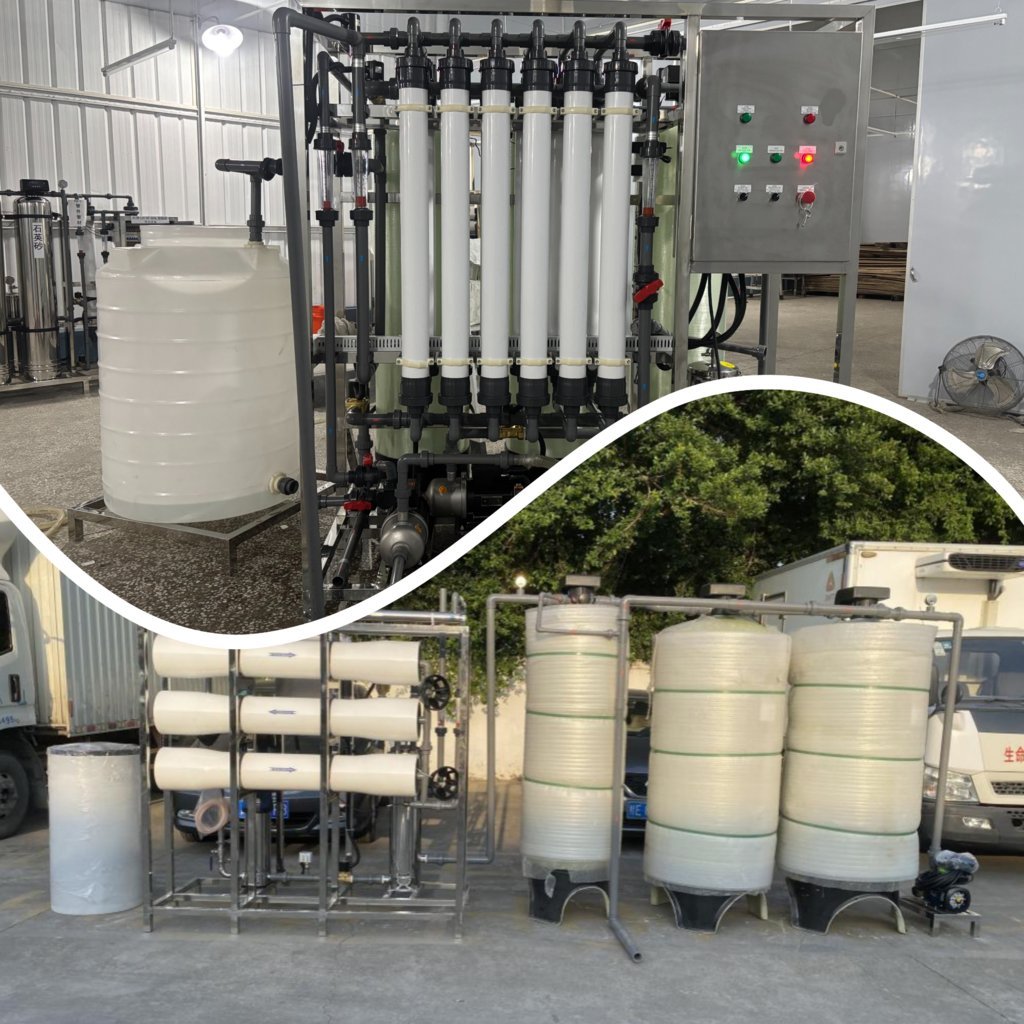
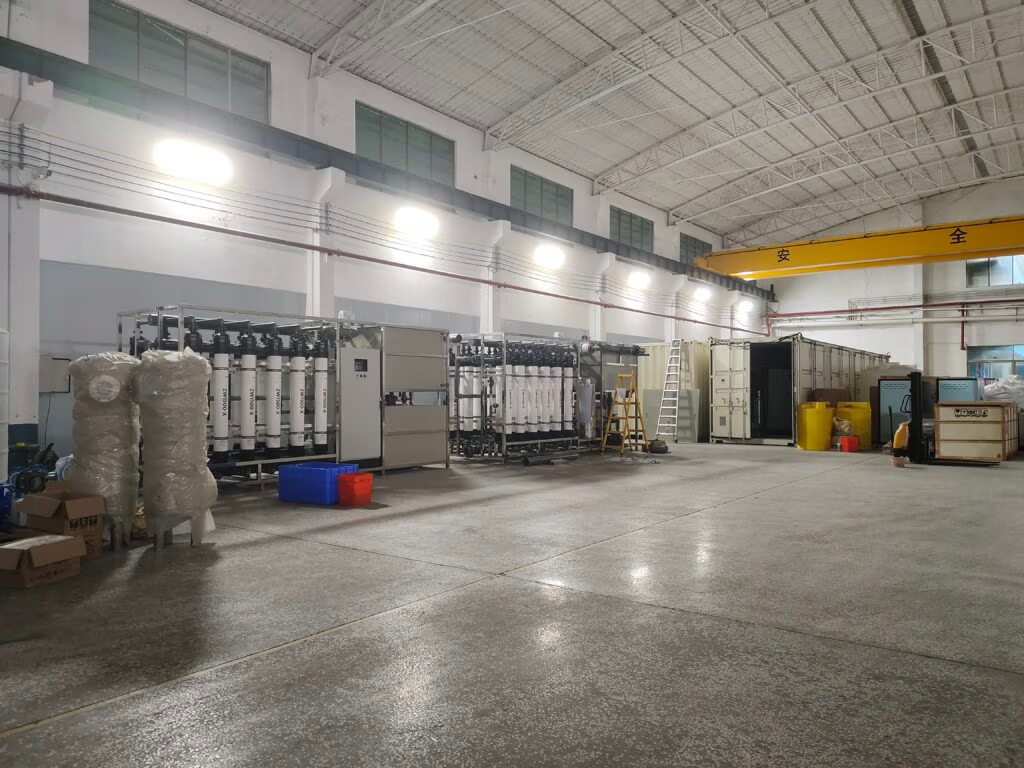
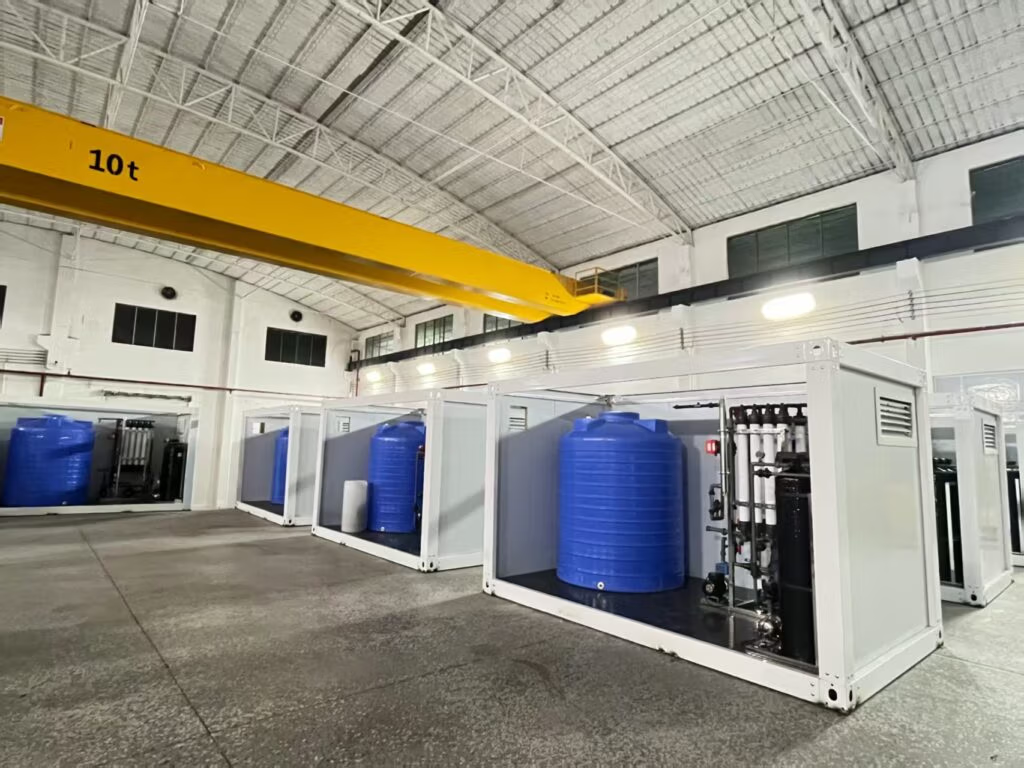
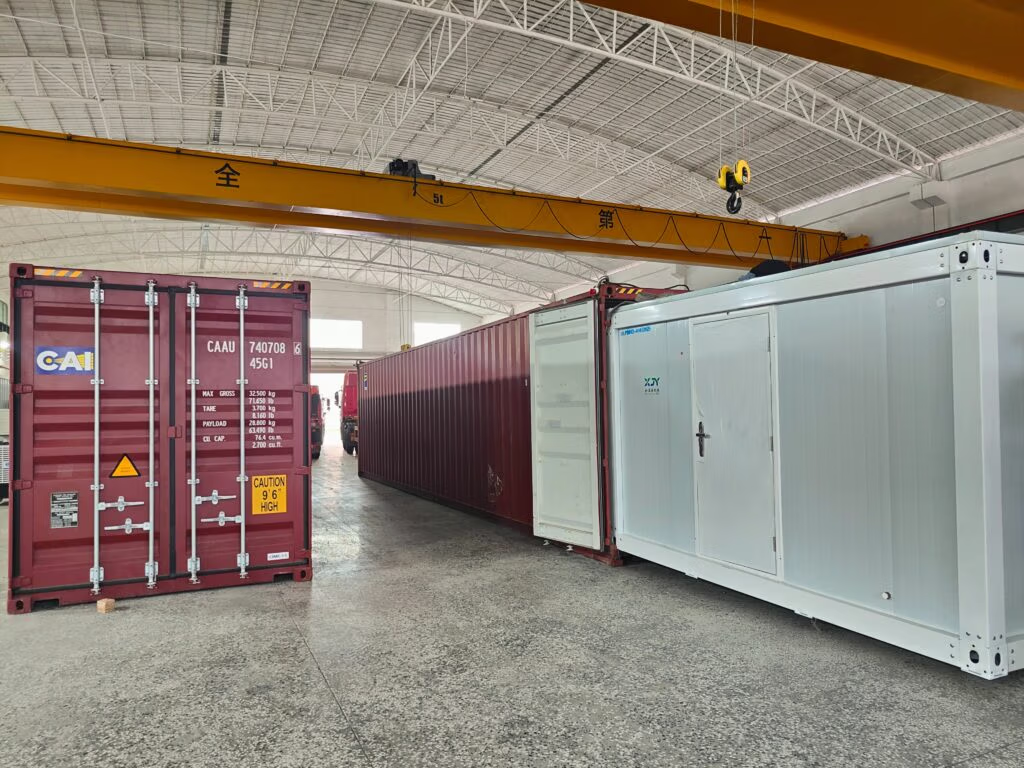
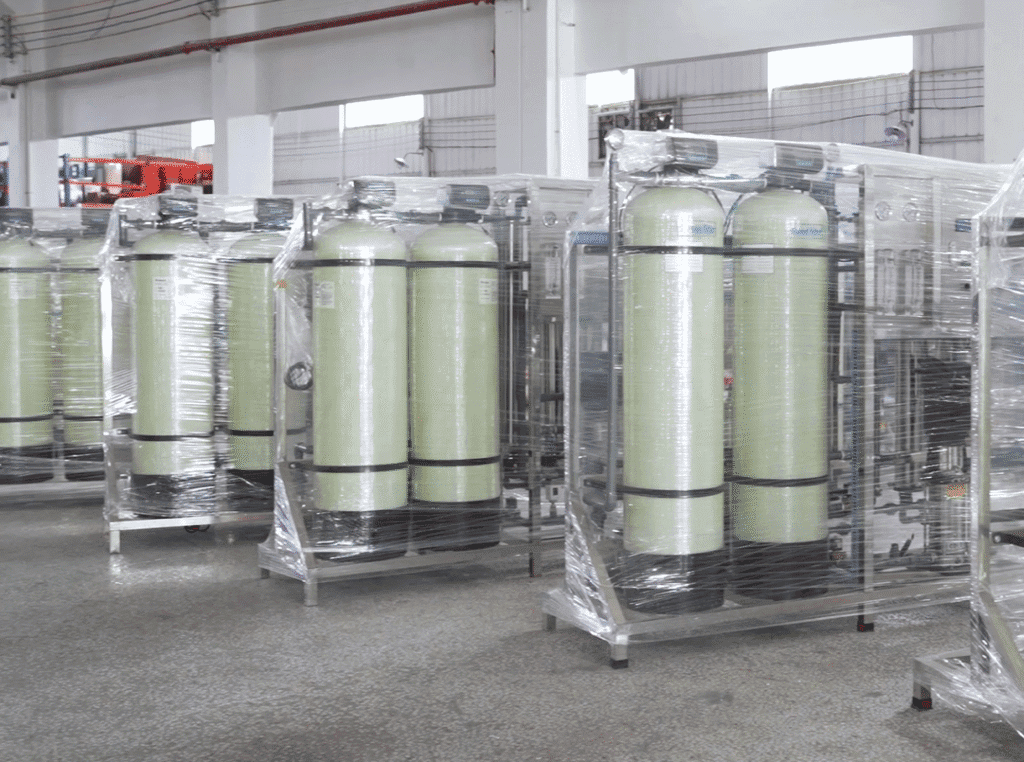
2018年に設立された広東新傑源環境保護技術有限公司は、科学研究、生産、販売を専門とする総合環境企業であり、20~99人の専門チームと中国広州市番禺区の約1,800平方メートルに及ぶ設備の整った施設を誇っている。珠江デルタの中心に位置する戦略的な立地を活かし、効率的な運営をサポートし、農業、化学工学、医療、食品加工産業(環境機器の研究開発、水・汚泥処理、生態系の回復を含む)においてビジネスを拡大し、グローバルな顧客に対してシームレスな輸出入業務を促進している。.

水処理装置ワークショップ
水処理装置ワークショップ
水処理装置ワークショップ
水処理装置ワークショップ
水処理装置ワークショップ
水処理装置ワークショップ

よくあるご質問

私達はあなたの水必要性(水質、電圧、プロセス、等)に基づいて装置の変数および処置解決をカスタマイズし、すべてのプロダクトは完全な証明文書が付いている国際的な普遍的な標準(ISO、セリウム、等を含む)に従います。機器の選定、設置指導から販売後のメンテナンスまで、当社の専門技術チームがフルサイクルのサポートを提供します。グローバルな協力物流ネットワークを活用し、24時間以内のアフターセールス対応で迅速な配送を保証し、海外調達や使用中のあらゆる懸念を完全に解決します。.

-私達は通常私達があなたの照会を得た 24 時間以内に引用します
(土日祝日を除く).
-お急ぎの場合は、お電話にてお問い合わせください。
またはその他の方法でお問い合わせください。.
-それはあなたが必要とするマシンの注文数量と電圧に依存します。.
-通常、少量の場合は7-15日以内に発送いたします、,
大量の場合は約30日。.
特別な電圧の場合、生産に40日ほどかかることがあります。.
-このマシンは設置が非常に簡単です。あなたが受け取ったマシン 
が組み立てられます。あなたは私たちの英語のステップに従うだけでよい。 
インストラクションとビデオ。マシンの容量が大きい場合、我々は手配することができます 
エンジニアがインストールをサポートする。.
-T/T、Western Union、MoneyGram、L/C at sight.これは交渉可能です。.
注文確認後、契約書をお送りします。 
会社の銀行情報当社への送金が可能です。 
T/Tで銀行口座。または、オンラインで注文することもできます。.
-機械は標準的な輸出合板の場合によって詰まる。.
船便/航空便/鉄道便での長時間輸送に適している。.
-船便、航空便、列車便での輸送が可能だ。.
ご注文前にご確認ください。.
-私達は1年の保証を提供する。それは部品があるときを意味します 
1年以内に故障した場合、スペアパーツを無料でお送りします。.
-1.私たちは、お客様との長期ビジネスを確立されています。私達のプロダクトの何れかのモデルに興味がある場合は、お問い合わせは、自由にしてくださいを参照してください。
-2.私たちは、お客様を友人として尊重し、誠意をもって対応させていただきます。 
そして、彼らがどこの出身であろうと、彼らと友だちになるのだ。.

お問い合わせ価格

このフィールドは必須です。.
このフィールドは必須です。.

注目記事


上部へスクロール

24時間以内にご返信いたします。.

おしゃべりしよう