What is Ultrapure Water Filtration?

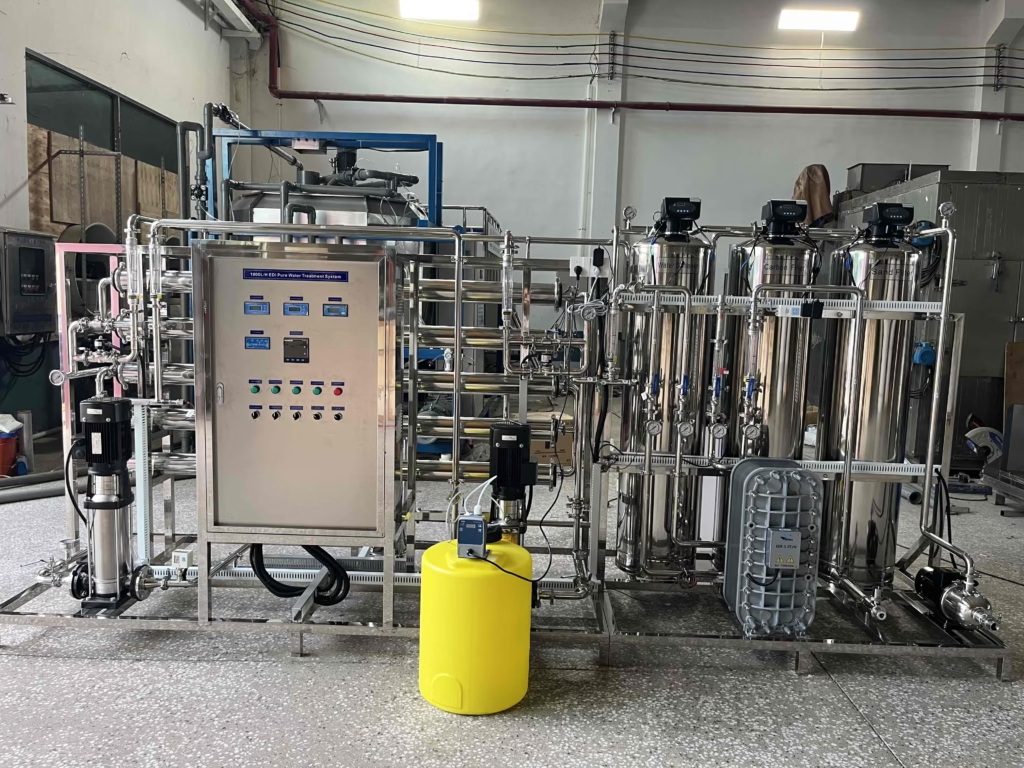
Ultrapure water filtration uses a series of physical and chemical methods to remove impurities such as suspended particles, colloids, dissolved ions, organic matter, and microorganisms from water, achieving extremely high purity standards. The resulting pure water meets the requirements of precision manufacturing, high-end chemical engineering, biomedicine, and other applications requiring extremely low impurity levels.

ultrapure water filtration

What level of ultrapure water filtration is required?

Resistivity:

Ultrapure water typically requires a resistivity of 18.2 MΩ·cm (25°C). At this temperature, the ion concentration in the water is extremely low. Thus, approach the level of theoretically pure water.
Total Organic Carbon (TOC):

Ultrapure water generally requires a TOC value below 5 ppb (less than 1 ppb in some semiconductor applications).
Particle Content:

We must control the number of particles ≥0.1 μm to less than 10 per milliliter. In order to prevent tiny particles from adhering to the surfaces of precision components and affecting performance.
Microbial Content:

Ultrapure water must be sterile (total colony count <1 CFU/mL).

How does ultrapure water filtration work?

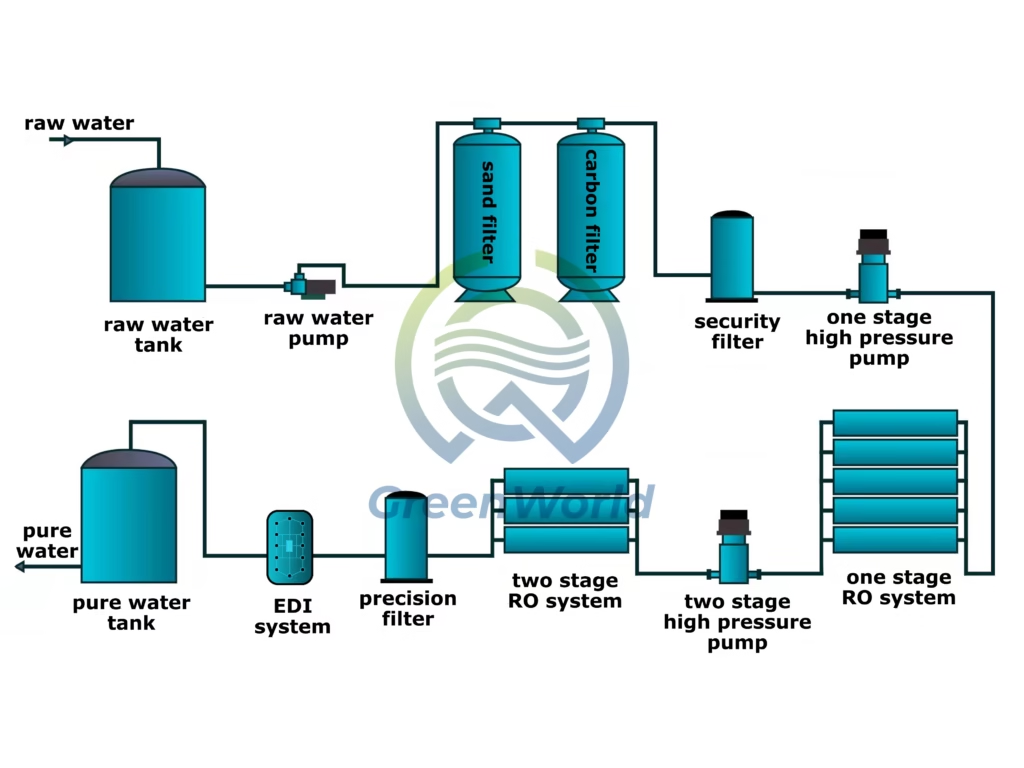
We can divide the purification process of EDI system into five stages. Include pretreatment, primary reverse osmosis treatment, secondary reverse osmosis treatment, deep EDI treatment and terminal water quality assurance.

1. Preprocessing stage

Firstly, the raw water is treated sequentially through a multi-media, activated carbon, and safety filter. Next, a scale inhibitor (hardness <1 mg/L) is added to inhibit scale formation on the RO membrane surface. If the raw water pH is too high (>8.5) or too low (<5.5), we need to adjust the pH to 6.5-7.5 to match the optimal operating pH range of the RO membrane.

This process removes suspended solids, colloids, residual chlorine, hardness (Ca²⁺, Mg²⁺), and some organic matter from the raw water. This prevents subsequent scaling, contamination, or oxidation damage to the RO membrane, ensuring stable operation of the RO system.

2. Primary reverse osmosis treatment stage

Secondly, a high-pressure pump pressurizes the pretreated water to 1.5-2.5 MPa. Using a high-density, fouling-resistant RO membrane, the pressure forces water molecules through the membrane to form “product water.” Dissolved ions and organic matter are retained as concentrated water (20%-30%, which can be discharged or recycled).

The product water enters a buffer tank. Meanwhile, online monitoring of resistivity (100-500 kΩ・cm), conductivity, and a ≥97% desalination rate is required. Abnormal indicators (such as reduced desalination rate due to membrane fouling) trigger an alarm.

This removes 97% of dissolved ions, large organic molecules, and some microorganisms from the pretreated water, significantly reducing the impurity load in the water.

3. Secondary reverse osmosis treatment stage

Thirdly, because the salinity of the primary permeate water has significantly decreased. A secondary high-pressure pump increases the pressure to 1.0-1.8 MPa (lower than

the primary permeate water to prevent membrane damage). We can select a RO membrane with higher desalination efficiency (such as a low-fouling type). The permeate water must have a resistivity of ≥150 kΩ・cm, TOC <50 ppb, and silica <0.1 mg/L (to prevent EDI scaling). If TOC exceeds the specified limits, we can add an 185nm UV oxidation unit before the secondary RO.

The secondary RO concentrate (with a higher salinity than the primary permeate water but lower than the raw water) can be returned to the primary RO feed for re-treatment. Therefore, achieve an overall water recovery rate of 70%-80%.

After this treatment, the treated water fully meets the feed water quality requirements for EDI. The total ion removal rate is ≥99.5% (compared to the raw water), and the permeate water resistivity is 150-1000 kΩ・cm, with TOC <50 ppb.

4. Deep EDI desalination

After secondary reverse osmosis treatment, water passes through an EDI module (containing an ion-binding membrane, resin, and electrodes), and we pass a DC current (1-5 A) through it. Ions migrate to the concentrate chamber for discharge. Next, the freshwater flow rate is controlled (1-3 L/min per module) and the resistivity of the product water is monitored.

This treatment achieves the core specifications for industrial ultrapure water. Such as those required by the semiconductor and biopharmaceutical industries. Ion removal efficiency ≥99.9%, product water resistivity 15-18 MΩ cm, TOC <10 ppb, and silica content <0.01 mg/L.

5. Ensure terminal water quality

At the terminal, we need to use a 0.02-0.1μm microfiltration membrane or ultrafiltration membrane to intercept resin fragments and microorganisms that may fall off the EDI module.

We need to tailor ultraviolet (UV) sterilization to the application. For example, in the biopharmaceutical and food industries, 254nm wavelength UV lamps are used to destroy microbial DNA. In some applications, 185nm UV can be added to reduce TOC to <5 ppb. Ultrapure water storage tanks in the semiconductor industry can be filled with high-purity nitrogen with a purity of ≥99.999% to isolate the air.

Finally, we circulate the ultrapure water through 316L stainless steel pipes. So as to prevent stagnant water from breeding microorganisms and reduce impurity adsorption.

This treatment meets the extreme water requirements of high-end industrial applications. The terminal product water has a resistivity of 18.2 MΩ・cm (25°C), TOC <5 ppb, a particle content of ≥0.1 μm <1 particle/mL, and is sterile.

ultrapure water filtration process

Where can we use ultrapure water filtration?

①Semiconductor and electronics industry

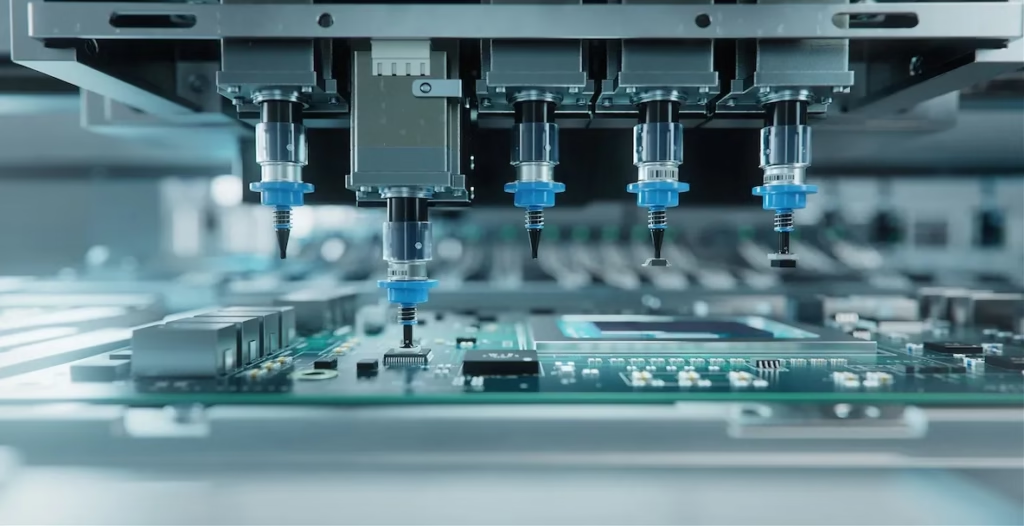
During semiconductor chip manufacturing processes (such as wafer cleaning, photolithography, and etching), ions, particles, and organic matter in the water can cause chip circuit shorts and distort photolithographic patterns.

Our ultrapure water filtration system uses a combined “RO + EDI + UV + terminal ultrafiltration” process to provide stable, high-purity water for chip production.

Semiconductor and electronics industry

②Biopharmaceutical Industry

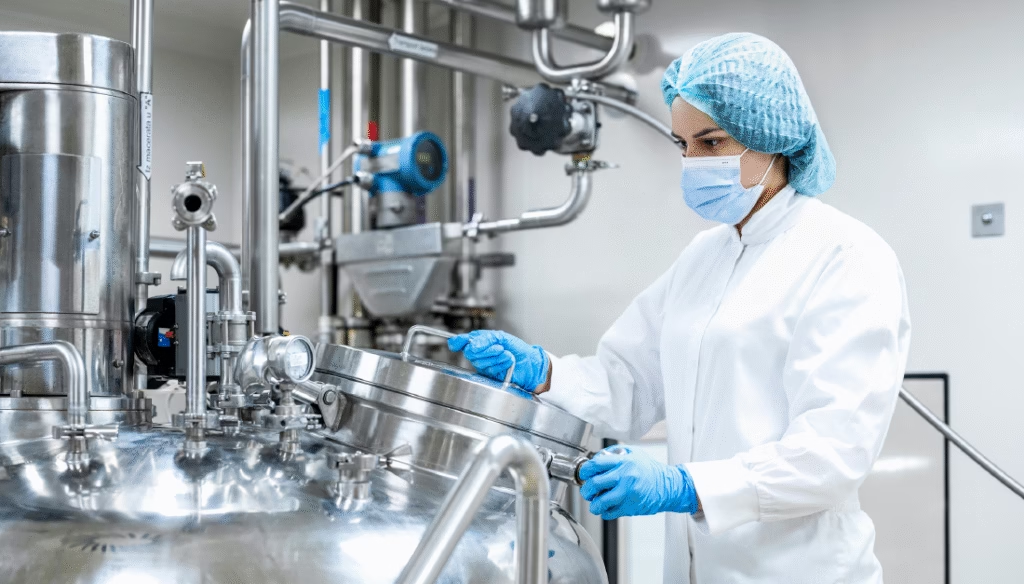
Ultrapure water used in pharmaceutical production and medical device cleaning must meet Good Manufacturing Practice (GMP) requirements: sterility, pyrogen-free (endotoxins < 0.25 EU/mL), and TOC < 5 ppb.

The filtration system utilizes a “UF + RO + EDI + terminal sterilizing filtration” process to remove microorganisms and pyrogens, preventing pharmaceutical contamination.

Ultrapure water filtration in Biopharmaceutical Industry

③Power Industry

Ionic impurities in boiler water used in thermal or nuclear power plants can cause scale to form on the boiler walls, leading to reduced thermal efficiency, pipe corrosion, and even explosions.
Ultrapure water filtration uses an “RO + ion exchange” process to reduce the resistivity of boiler feed water to 5-10 MΩ・cm and a hardness (measured as CaCO₃) of less than 0.1 mg/L, reducing scale formation and extending equipment life.

ultrapure water filtration in boiler water

④New Energy Industry

In the production of lithium battery cathode materials and photovoltaic silicon wafers, metal ions (such as Na⁺ and K⁺) in water can affect battery capacity and photovoltaic module conversion efficiency.

Ultrapure water filtration systems must control metal ion content to less than 0.1 ppb. Using a “RO+EDI+chelating resin” process, they provide low-impurity water for the synthesis of new energy materials.

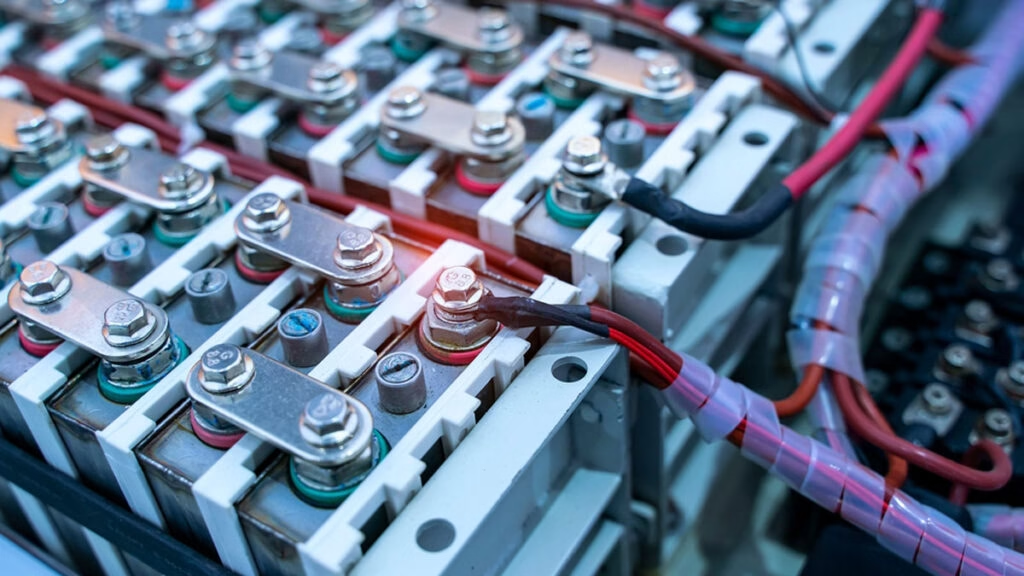
lithium battery

What are the problems with using ultrapure water equipment?

High Energy Consumption
Core technologies such as reverse osmosis and EDI consume significant amounts of electricity (e.g., RO requires an operating pressure of 1-4 MPa). Some traditional ion exchange processes require frequent use of acid and alkali regeneration agents, resulting in high operating costs and significant environmental pressures.

Poor Adaptability to Complex Water Quality
Some industrial raw water (e.g., high-salt wastewater and wastewater containing heavy metals) has complex composition, making filtration systems susceptible to membrane fouling and resin poisoning, requiring frequent replacement of consumables.

What upgrades are there in ultrapure water filtration?

Energy-saving technology upgrades
Using low-energy RO membranes and new EDI modules (reducing energy consumption by over 30%), combined with waste heat recovery systems, we reduce energy consumption.
Integrated equipment
Targeting the needs of small and medium-sized customers, we use modular ultrapure water equipment (such as “pretreatment + RO + EDI” integrated units) to shorten installation cycles and reduce operational complexity.

Conclusion

Ultrapure water filtration utilizes a tiered purification process combining two-stage reverse osmosis and EDI to transform ordinary raw water into ultrapure water of the highest purity. This provides a core water guarantee for the high-quality development of key industries such as semiconductors, biopharmaceuticals, and new energy.

Currently, faced with challenges such as high energy consumption and poor adaptability to complex water quality. The water treatment industry is innovating and upgrading to more efficient and environmentally friendly solutions. Help the global manufacturing industry transition towards precision and low-carbon production.

If you have other EDI 물 시스템 questions, you can always consult us.

contact XinJieYuan

우리 공장
워크샵

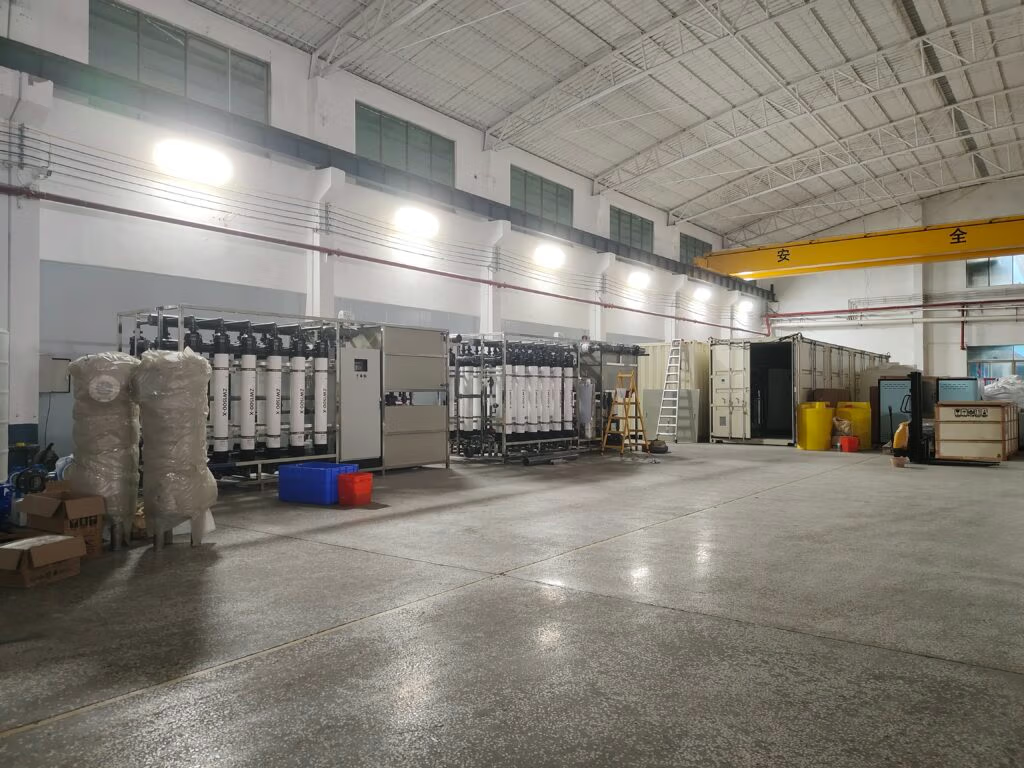
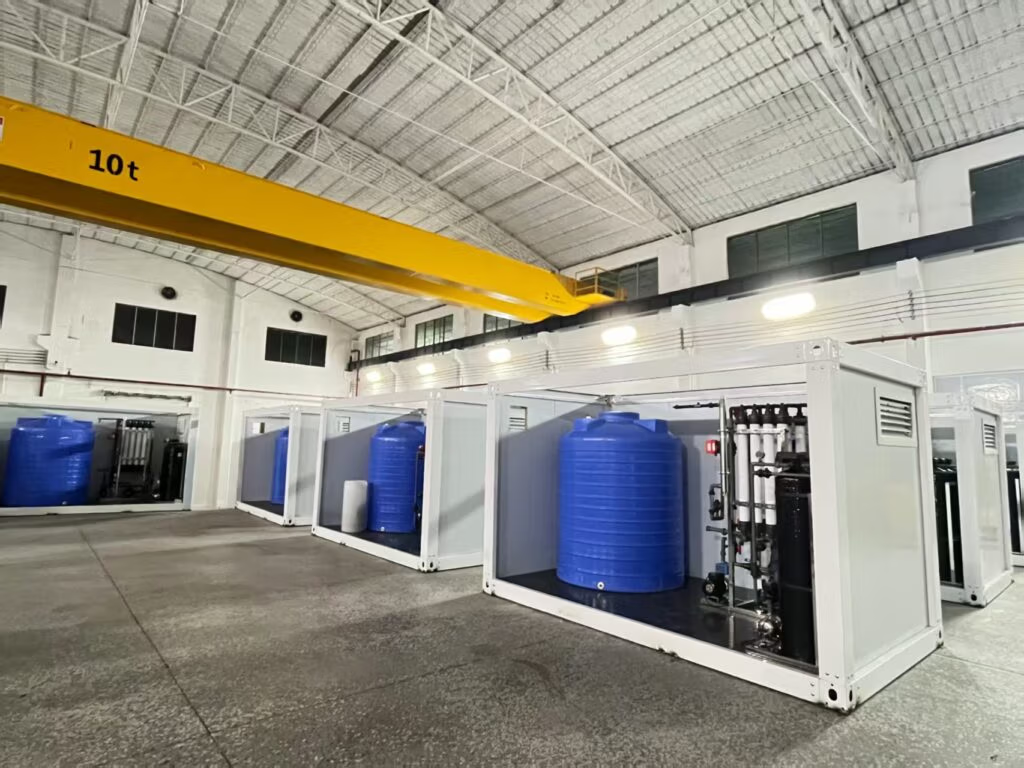
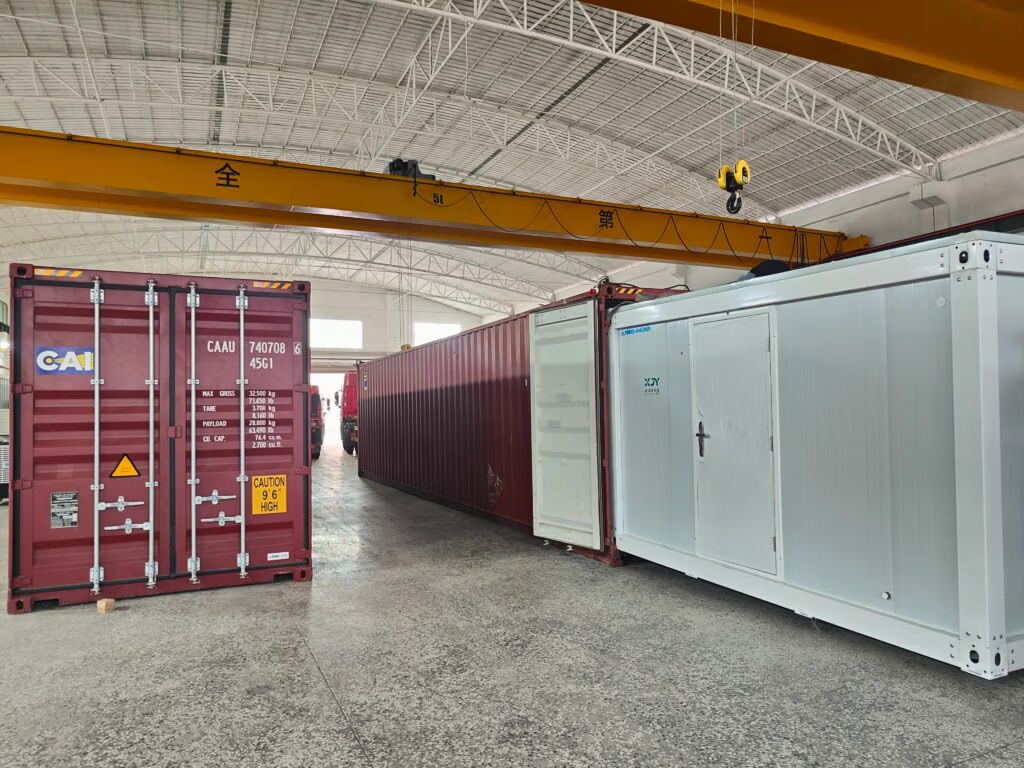
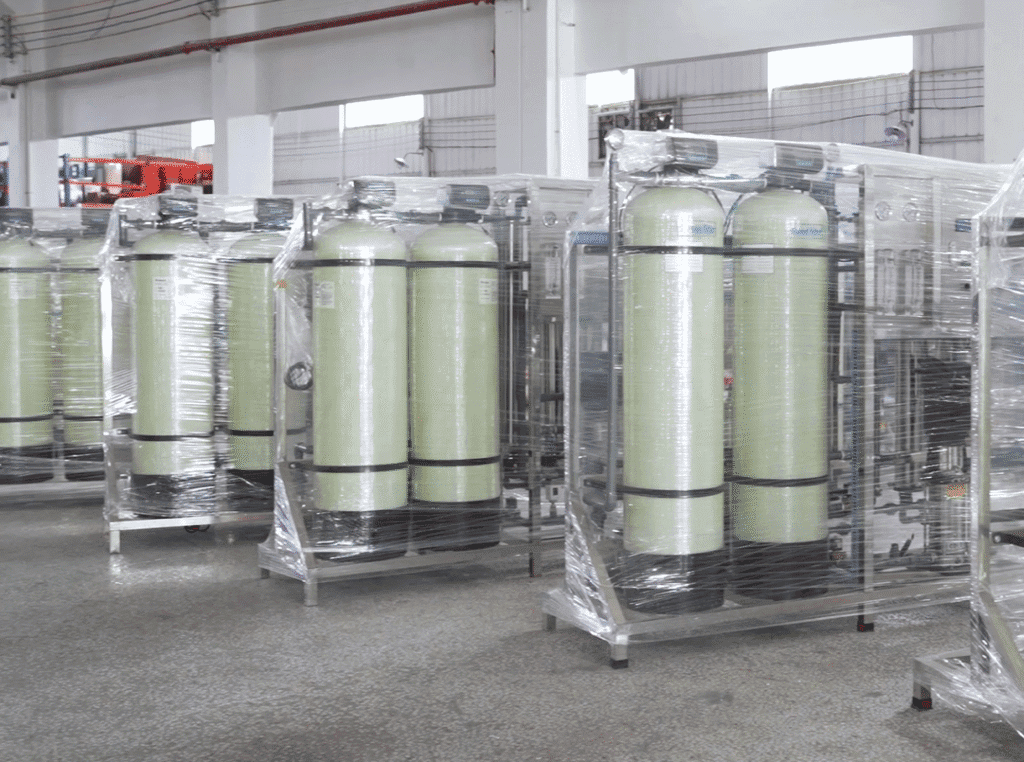
2018년에 설립된 광동신제원환경보호기술유한공사는 과학 연구, 생산, 판매를 전문으로 하는 통합 환경 기업으로, 20~99명으로 구성된 전문 팀과 중국 광저우 판위구에 약 1,800평방미터 규모의 최신 시설을 갖추고 있습니다. 주강 삼각주의 핵심에 전략적으로 위치한 이 회사는 주요 위치를 활용하여 효율적인 운영을 지원하고, 농업, 화학 공학, 의료 및 식품 가공 산업(환경 장비 R&D, 수질/슬러지 처리 및 생태 복원을 포함)으로 사업을 확장하며, 글로벌 고객을 위한 원활한 수출입 업무를 지원합니다.

수처리 장비 워크샵
수처리 장비 워크샵
수처리 장비 워크샵
수처리 장비 워크샵
수처리 장비 워크샵
수처리 장비 워크샵

자주 묻는 질문

수질, 전압, 공정 등 고객의 물 요구 사항에 따라 장비 매개변수와 처리 솔루션을 맞춤화하며, 모든 제품은 완전한 인증 문서와 함께 국제 범용 표준(ISO, CE 등)을 준수합니다. 장비 선택 및 설치 안내부터 판매 후 유지보수까지 전문 기술팀이 전주기 지원을 제공합니다. 글로벌 협력 물류 네트워크를 활용하여 24시간 이내로 빠른 배송을 보장하며, 해외 조달 및 사용 중 발생할 수 있는 모든 문제를 완벽하게 해결합니다.

-일반적으로 문의를 받은 후 24시간 이내에 견적을 제공합니다.
(주말 및 공휴일 제외).
-가격이 매우 급한 경우 전화로 문의해 주세요.
또는 다른 방법으로 문의하시면 견적을 제공해드릴 수 있습니다.
-필요한 기계의 주문 수량과 전압에 따라 다릅니다.
-일반적으로 소량의 경우 7~15일 이내에 배송이 가능합니다,
대량 구매의 경우 약 30일이 소요됩니다.
생산에 약 40일이 소요될 수 있는 특수 전압입니다.
-이 기계는 설치가 매우 쉽습니다. 받은 기계 
가 조립됩니다. 영어로 된 단계만 따르면 됩니다. 
교육 및 비디오. 대용량의 기계가 필요한 경우 
엔지니어가 설치를 도와드립니다.
-T/T, 웨스턴 유니온, 머니그램 및 L/C 즉시 지급. 이는 협상 가능합니다.
주문이 확인되면 계약 판매를 보내드리겠습니다. 
회사 은행 정보. 회사로 송금할 수 있습니다. 
은행 계좌로 입금하세요. 또는 온라인으로 주문할 수도 있습니다.
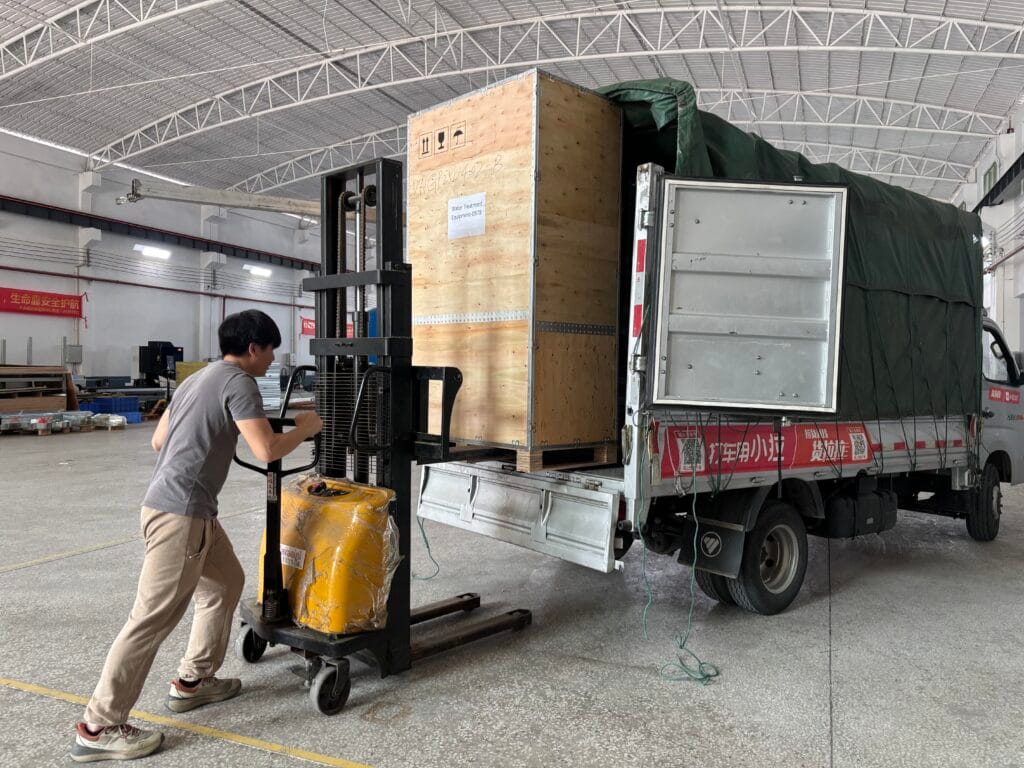
-기계는 표준 수출용 합판 케이스로 포장됩니다.
해상/항공/기차로 장시간 배송하는 경우에 적합합니다.
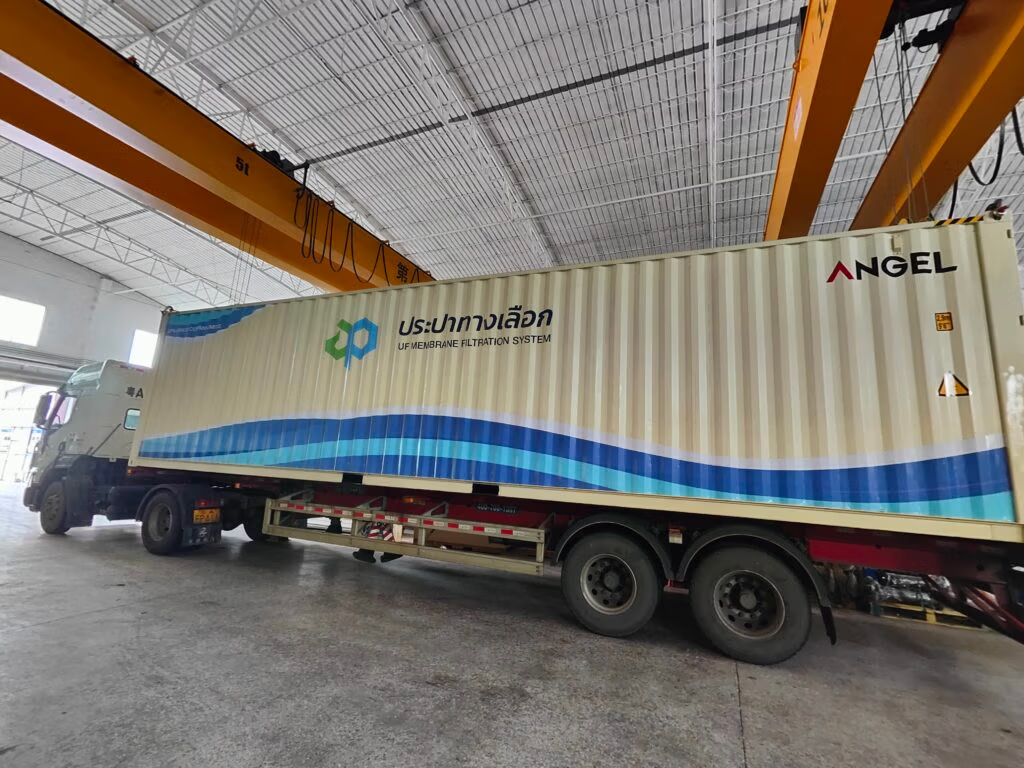
-해상, 항공, 기차로 배송할 수 있습니다.
주문하기 전에 당사에 확인하시기 바랍니다.
-1년 보증을 제공합니다. 이는 부품에 문제가 있는 경우 
1년 안에 고장나면 예비 부품을 무료로 보내드립니다.
-1. 고객에게 혜택을 제공하기 위해 좋은 품질과 경쟁력 있는 가격을 유지합니다.
-2. 우리는 모든 고객을 친구로 존중하며 성실하게 비즈니스를 수행합니다. 
어디서 왔든 그들과 친구가 될 수 있습니다.

가격 문의

이 필드는 필수 입력 사항입니다.
이 필드는 필수 입력 사항입니다.

주요 기사


위로 스크롤

정보를 입력해 주시면 24시간 이내에 답변해 드리겠습니다.

채팅하기