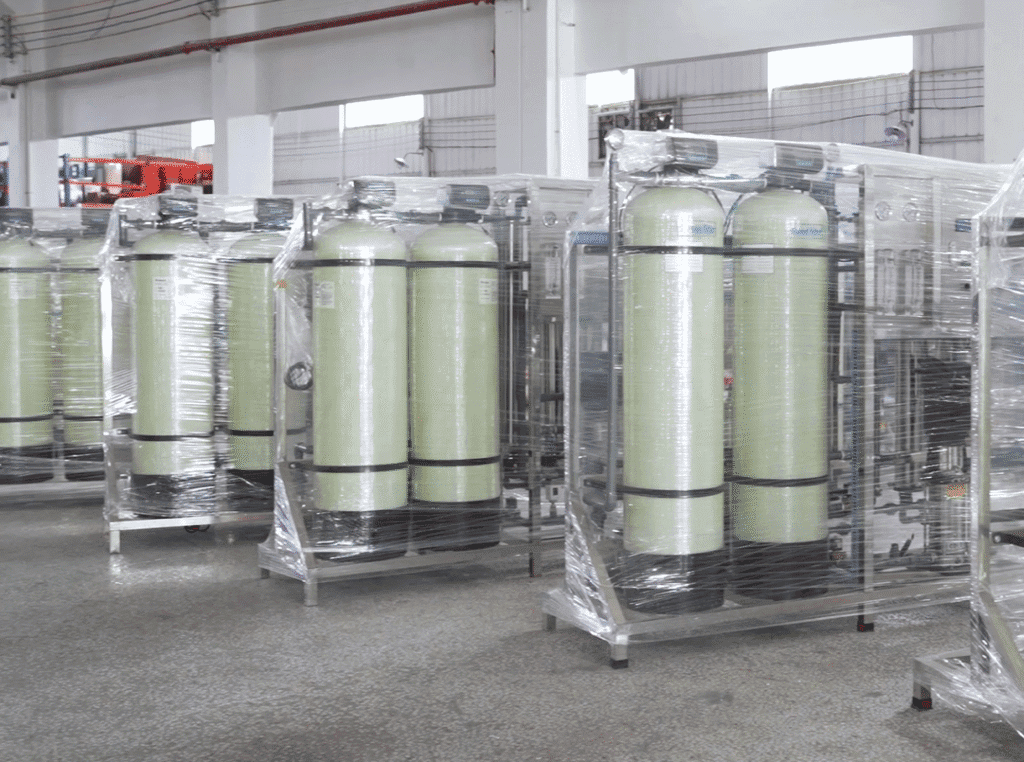
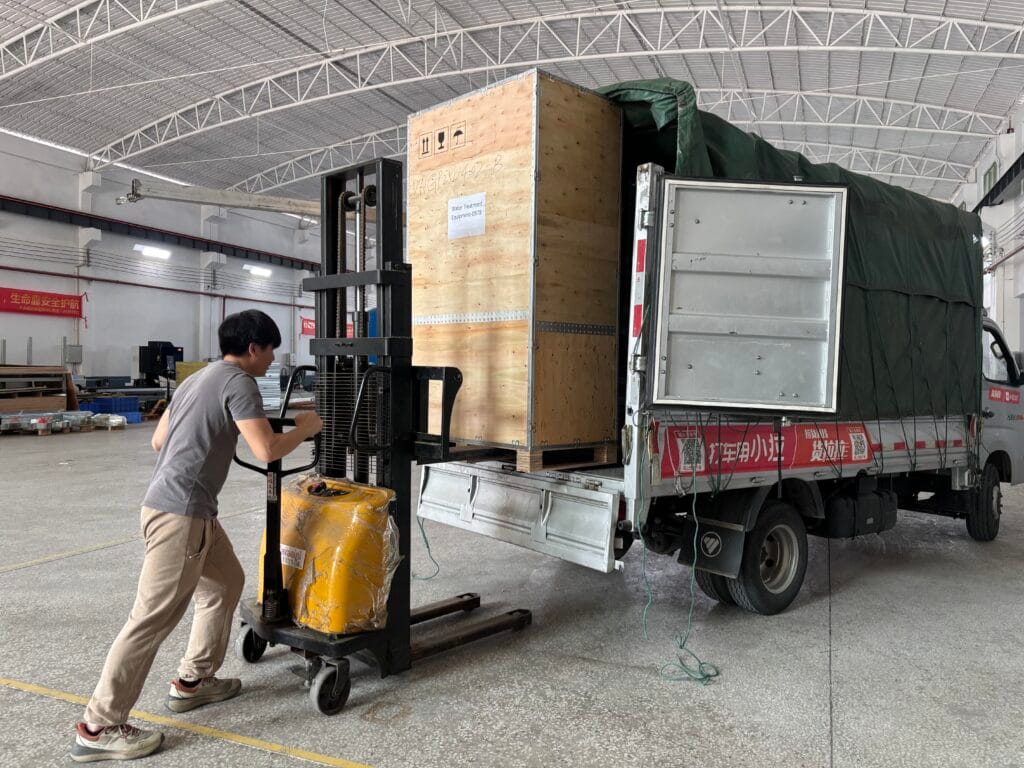
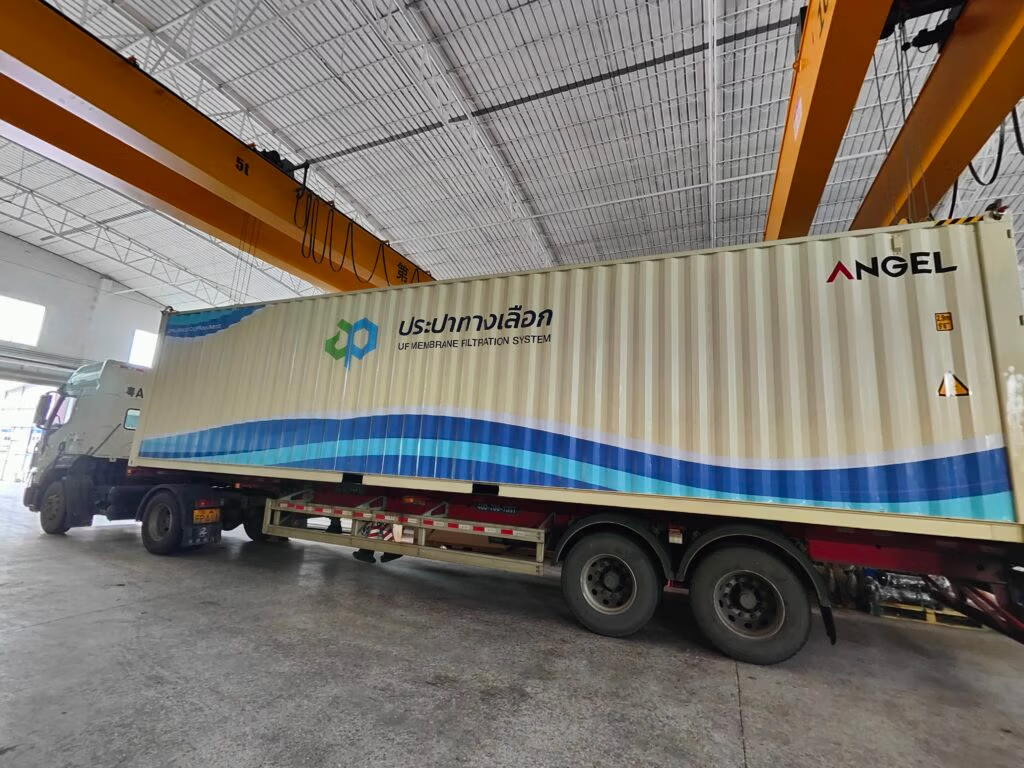
De acordo com dados da ONU, mais de um terço da população mundial enfrenta escassez de água. Este número é confirmado pelo Relatório global da UN Water sobre a escassez de água, que destaca a dessalinização costeira como uma solução fundamental para regiões com escassez de água. Por conseguinte, a escassez global de recursos de água doce tem um impacto grave no desenvolvimento da sociedade humana. Neste contexto, a necessidade urgente de água doce entre os residentes de zonas costeiras áridas e com escassez de água impulsionou o rápido desenvolvimento da tecnologia de dessalinização da água do mar. Através do sistema de dessalinização RO, a água salgada pode ser transformada em água doce utilizável.
Quais são os componentes de um sistema de dessalinização por osmose inversa?
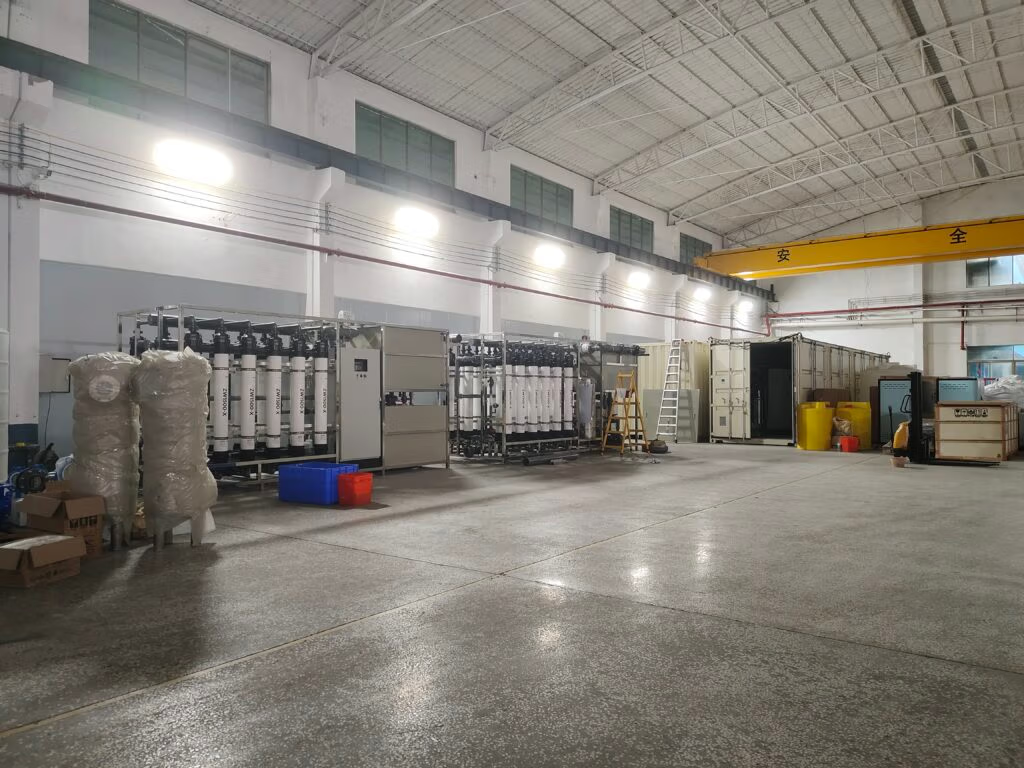
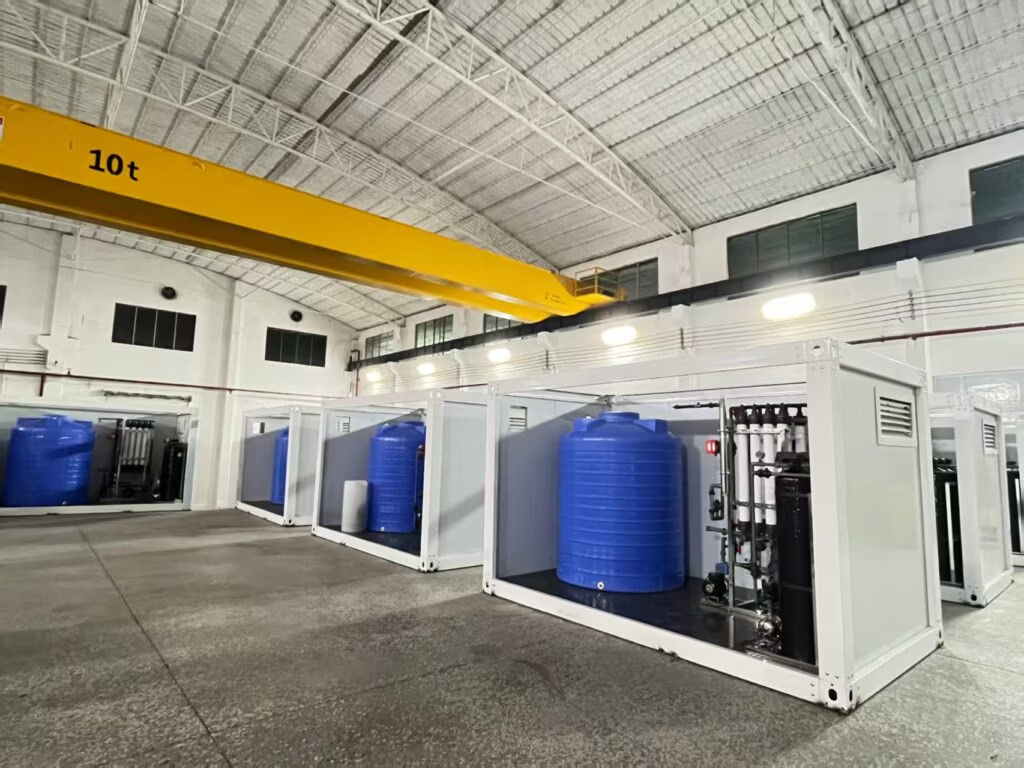
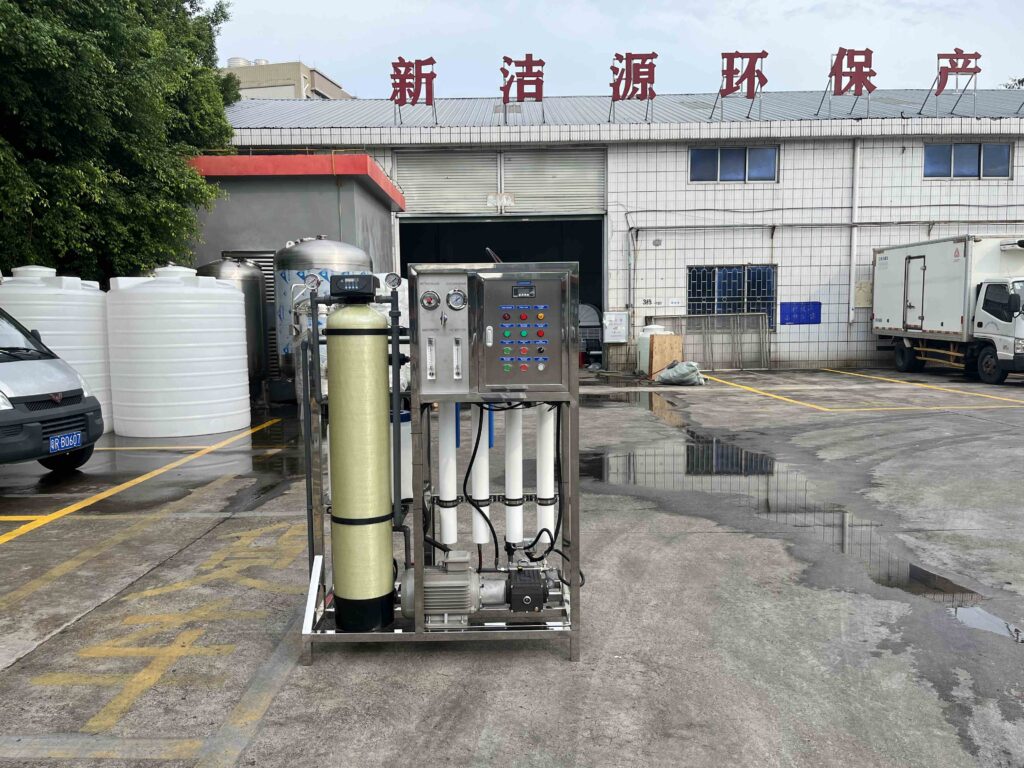
Um sistema de dessalinização por osmose inversa totalmente funcional consiste principalmente em três partes principais: pré-tratamento, unidade de osmose inversa e pós-tratamento. Cada etapa desempenha um papel insubstituível.
① A etapa de pré-tratamento utiliza tecnologias consolidadas, como a filtração em areia de quartzo e a adsorção em carvão ativado, para remover partículas de lamas, substâncias coloidais e poluentes orgânicos da água do mar, prevenindo a incrustação ou o entupimento dos módulos de membrana subsequentes.
② A unidade de osmose inversa é a “zona central de energia” do sistema. As bombas de alta pressão aumentam a pressão da água do mar para 6 a 8 MPa, fornecendo a energia necessária para o processo de osmose inversa. Os módulos de membrana separam as moléculas de água das impurezas.
③ A etapa de pós-tratamento otimiza o sabor da água, ajustando o valor do pH e adicionando os minerais adequados, garantindo que o efluente final cumpre as normas de água potável.

Em comparação com a destilação, quais são as diferenças entre um sistema de dessalinização por osmose inversa?
Em primeiro lugar, a osmose inversa e a destilação tradicional diferem significativamente nas suas principais forças motrizes e procedimentos de processamento para a dessalinização da água do mar.
Sistema de dessalinização por osmose inversa: Alimentado por pressão (pressurizado a 6-8 MPa por uma bomba de alta pressão), utiliza uma membrana semipermeável com poros de 0,1 nm para reter iões de sal e contaminantes, permitindo apenas a passagem de moléculas de água, obtendo-se assim a separação. Processo: Pré-tratamento (remoção de impurezas por areia de quartzo/carvão activado) → Pressurização por bomba de alta pressão → Separação por membrana (penetração de moléculas de água, retenção de impurezas) → Pós-tratamento (ajuste do pH/reposição de minerais).
Destilação: Impulsionada pelo calor, aquece a água do mar até ao seu ponto de ebulição, vaporizando-a, e utiliza a diferença entre os pontos de ebulição da água e dos sais para realizar a separação. Processo: Pré-aquecimento da água do mar → Aquecimento até ao ponto de ebulição → Condensação do vapor em água doce líquida → Recolha.
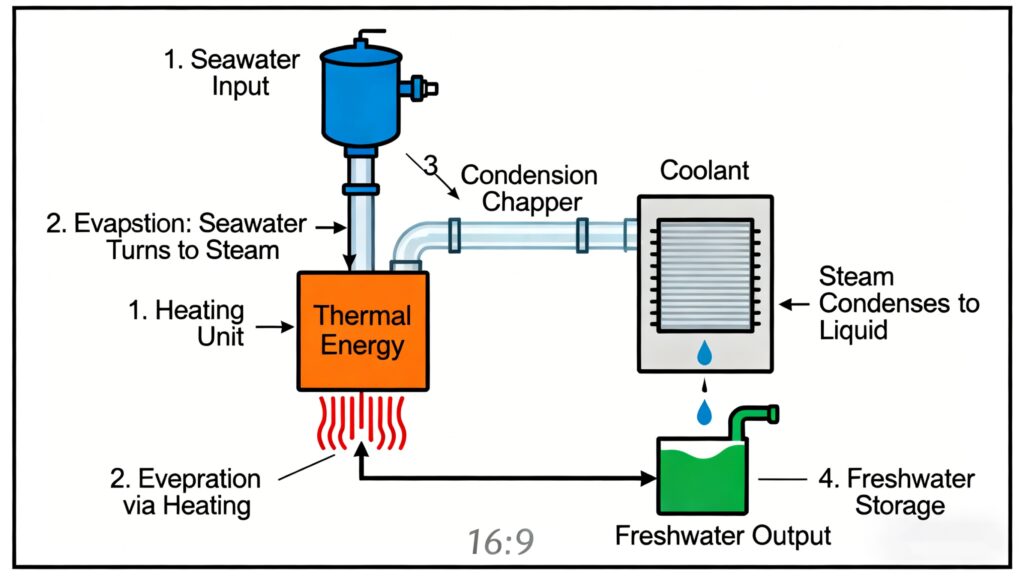
Em segundo lugar, em comparação com a tecnologia tradicional de dessalinização da água do mar baseada na destilação, tecnologia de osmose inversa oferece uma poupança de energia significativa.
A destilação requer o aquecimento da água do mar até ao ponto de ebulição, resultando em custos energéticos extremamente elevados. A osmose inversa, por outro lado, utiliza apenas a pressão para impulsionar o processo de separação, consumindo menos de um quarto da energia da destilação.
As membranas de osmose inversa não só possuem propriedades anti-incrustantes mais fortes, como também têm uma vida útil que passou de 2 a 3 anos para mais de 5 anos, reduzindo significativamente os custos de manutenção do sistema.
Atualmente, a maior central de dessalinização por osmose inversa do mundo — a Central de Dessalinização de Jubail, na Arábia Saudita — pode produzir 1,4 milhões de metros cúbicos de água doce por dia, garantindo uma sólida capacidade de produção e abastecimento de água para consumo doméstico de milhões de pessoas.
Quais as desvantagens do sistema de dessalinização por osmose inversa?
Apesar das suas vantagens significativas, o sistema de dessalinização por osmose inversa enfrenta ainda diversos desafios urgentes.
Por exemplo, a eliminação direta do concentrado de elevada salinidade gerado durante a dessalinização pode afetar negativamente o ecossistema marinho costeiro. Atualmente, a indústria tem mitigado este problema até certo ponto através de métodos como a diluição e eliminação do concentrado, bem como a reciclagem em conjunto com a indústria química do sal.
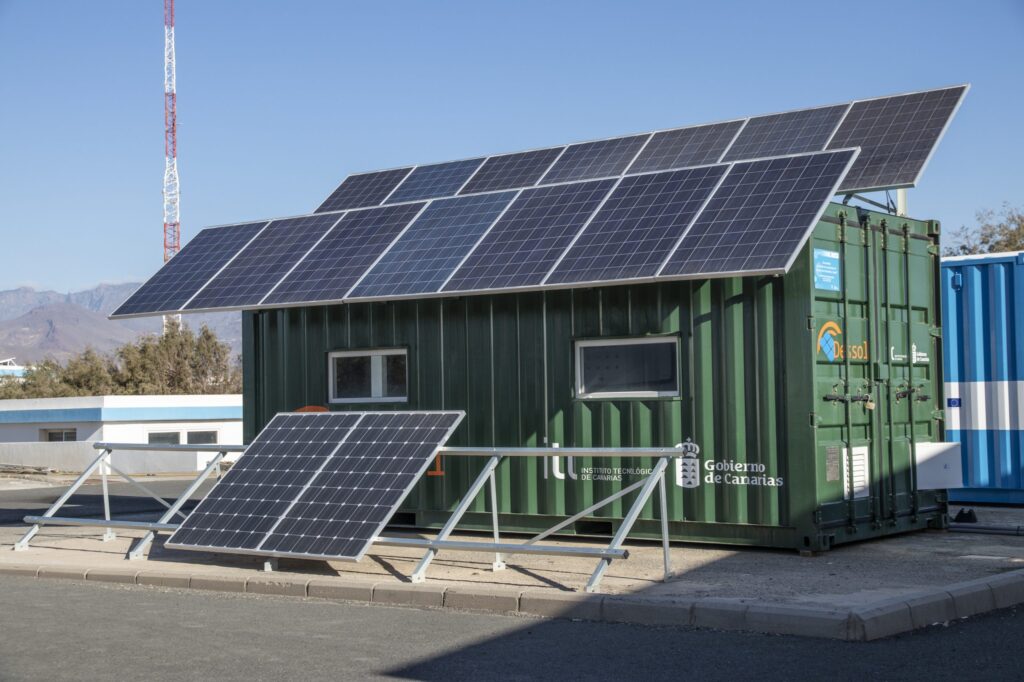
Além disso, nas regiões onde os combustíveis fósseis são a principal fonte de eletricidade, o funcionamento do sistema gera emissões de carbono indiretamente. Por conseguinte, as instituições de investigação nacionais e internacionais estão a promover ativamente a integração da energia fotovoltaica com a dessalinização da água do mar, utilizando energia solar limpa para alimentar o sistema e alcançando sinergia verde entre o desenvolvimento dos recursos hídricos e a utilização de energia.
Resumir
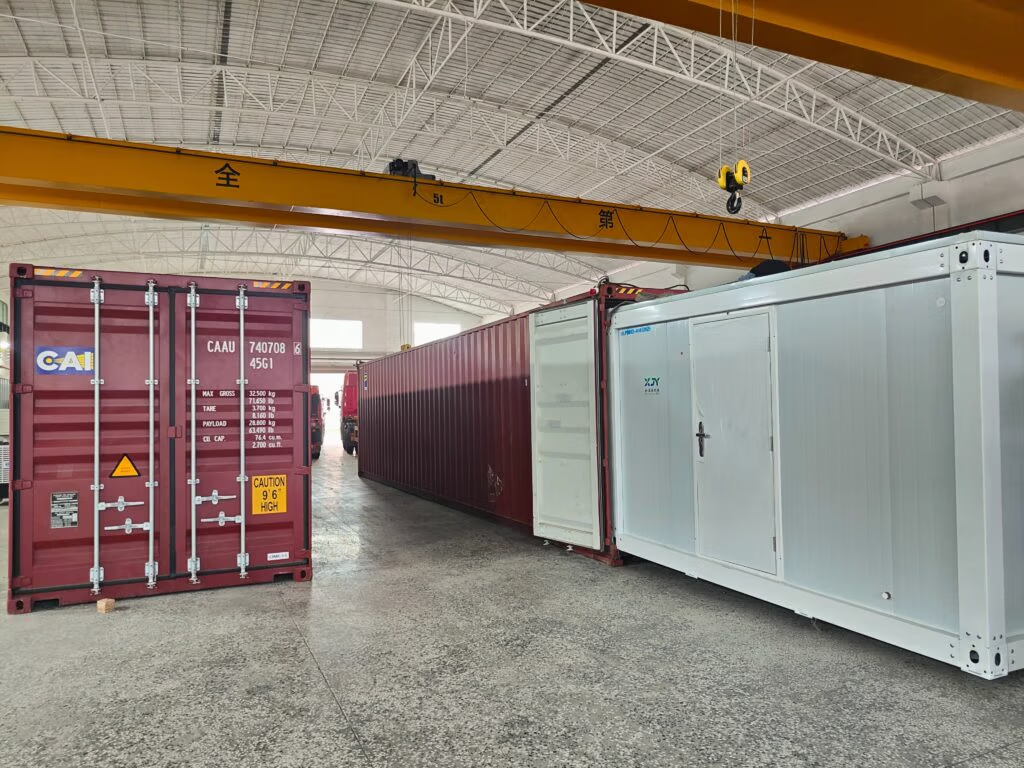
O sistema de dessalinização por osmose inversa tem sido amplamente utilizado em muitos países, incluindo os Estados Unidos, Canadá e Peru, tanto a nível nacional como internacional. Com a inovação contínua da tecnologia de materiais de membrana, este sistema não só desempenhará um papel ainda maior na segurança do abastecimento de água, como também fornecerá serviços de abastecimento de água doce estáveis e fiáveis para cenários especiais, como ilhas remotas e embarcações oceânicas, utilizando equipamentos móveis em contentores.