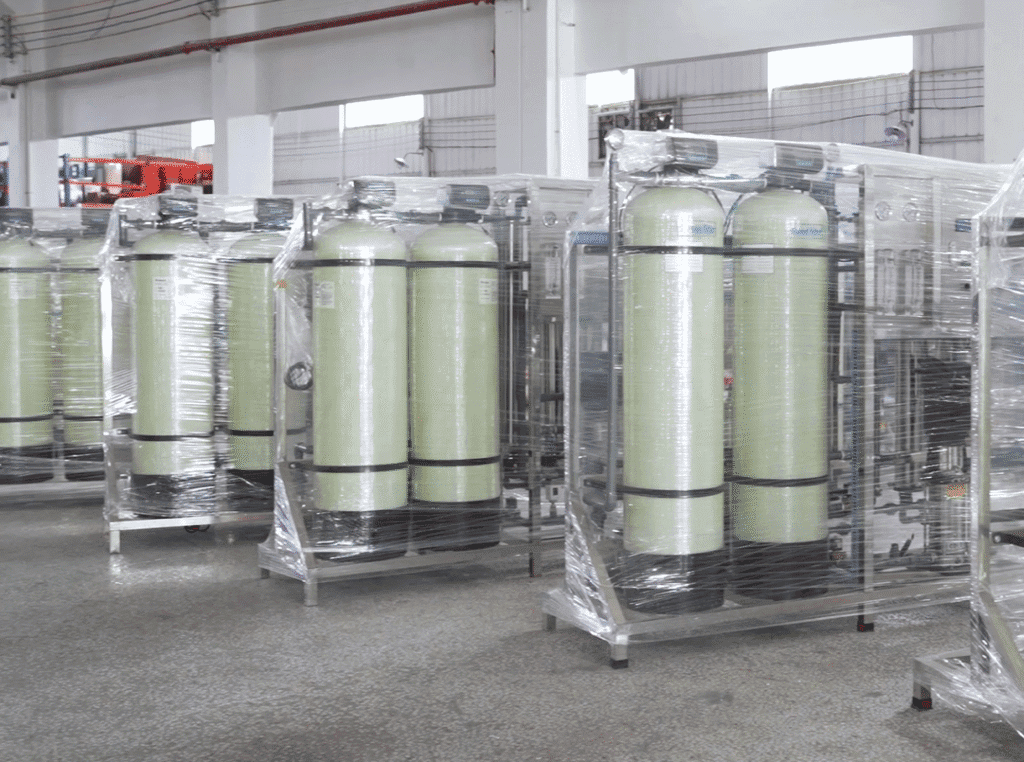
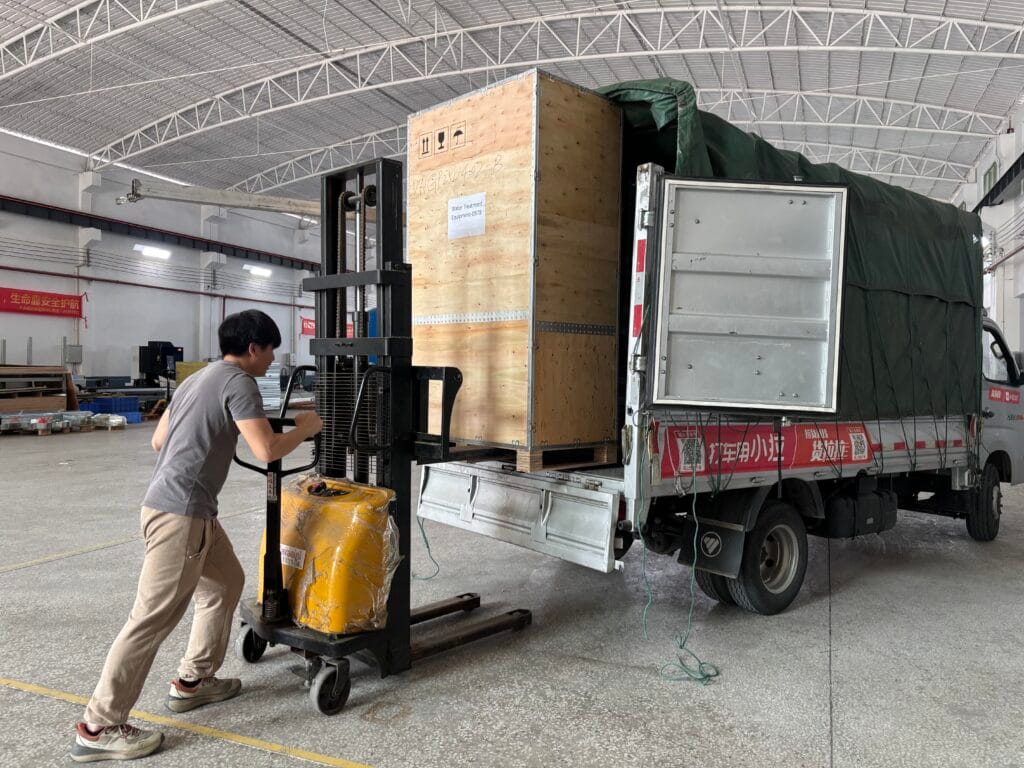
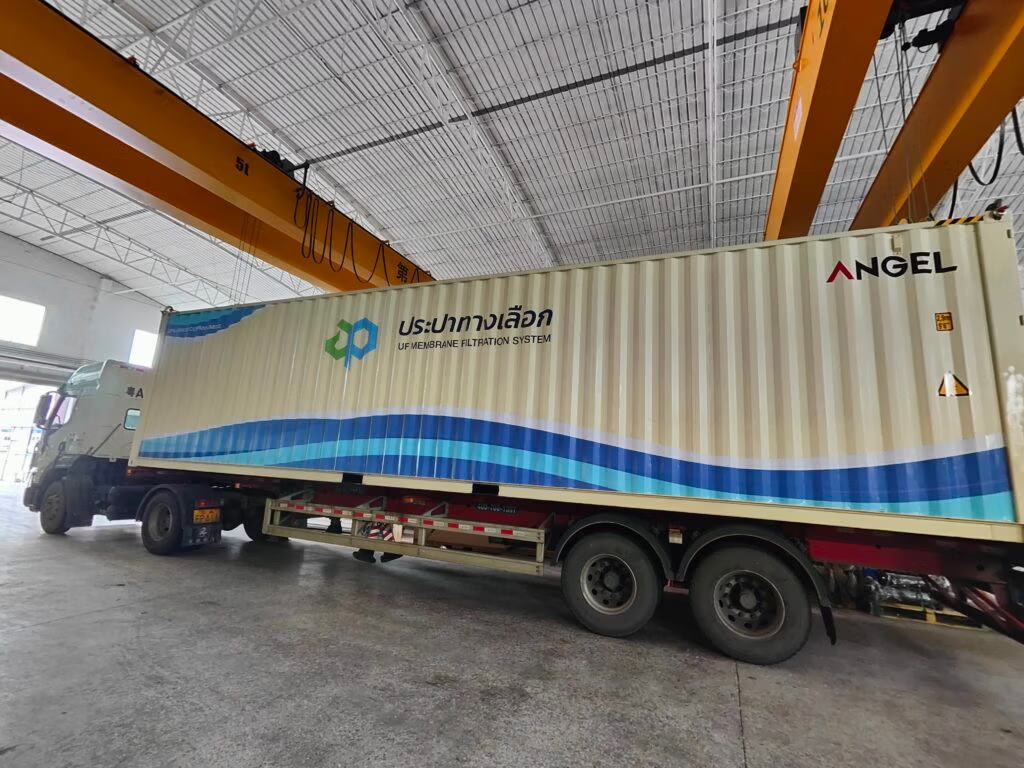
When industrial facilities face the challenge of removing suspended solids, bacteria, and colloidal particles from process water, an ultrafiltration water filter stands out as one of the most reliable and cost-effective membrane separation technologies available today. Unlike conventional filtration methods, ultrafiltration operates at low pressure while delivering consistent, high-quality effluent making it a preferred solution across manufacturing, food processing, pharmaceutical, and municipal water treatment sectors.
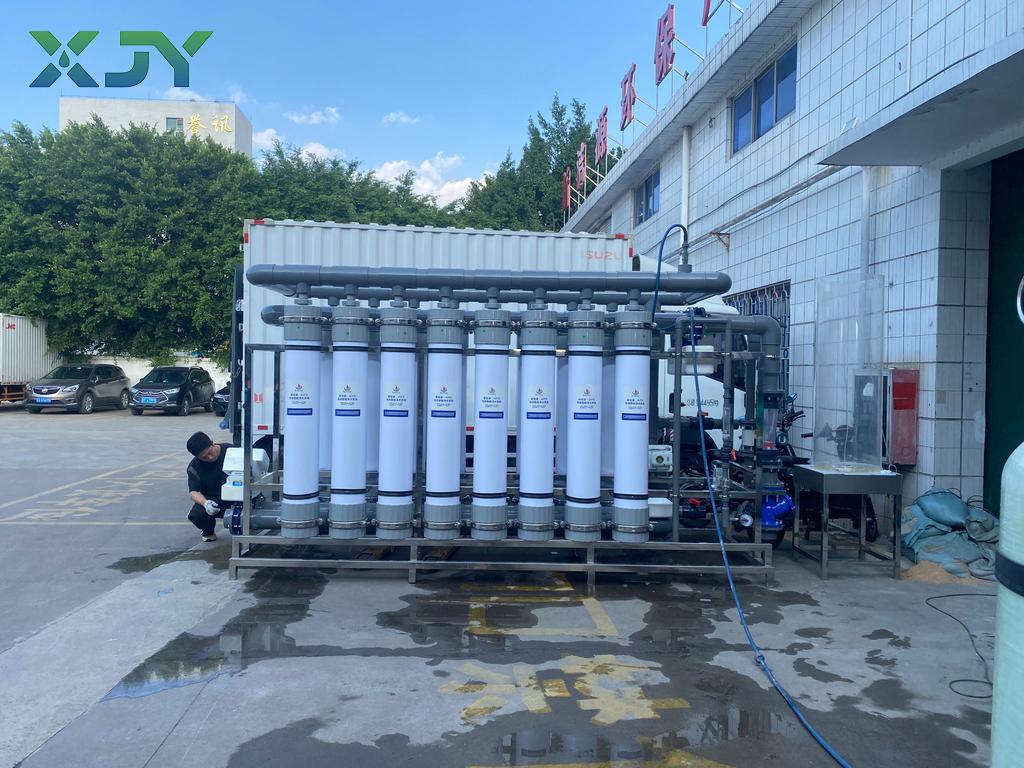
What Is an Ultrafiltration Water Filter and How Does It Work?
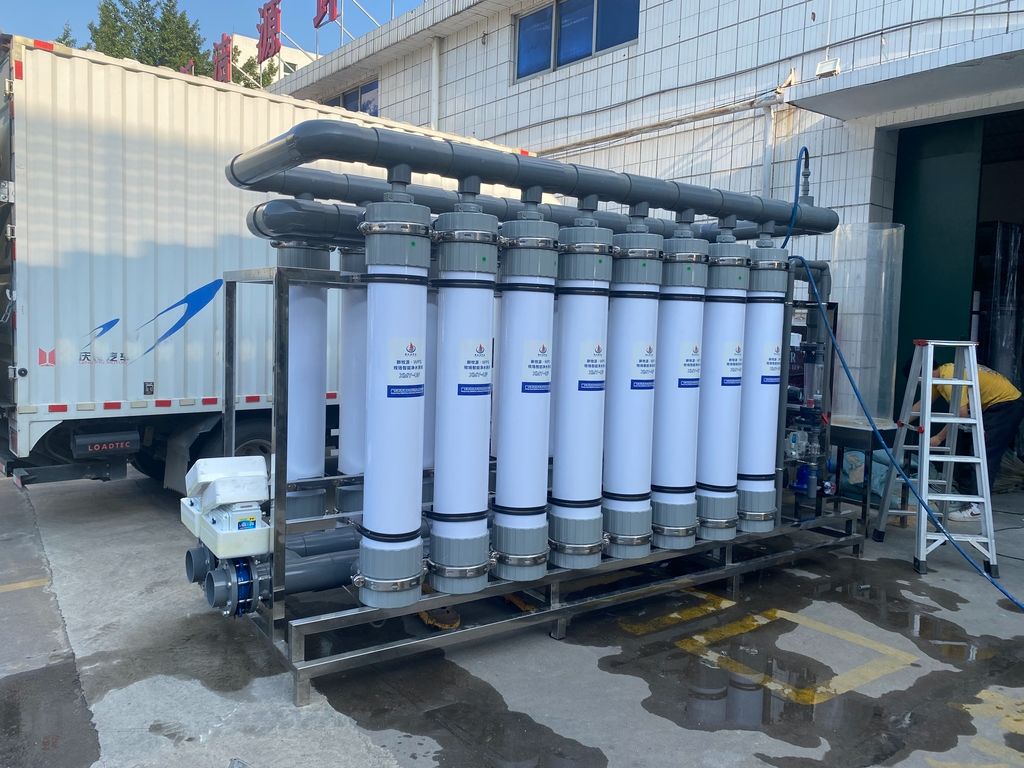
An ultrafiltration water filter is a pressure-driven membrane process that separates particles in the size range of 0.01 to 0.1 microns. The semi-permeable hollow fiber membranes act as a physical barrier, allowing water and dissolved salts to pass through while retaining suspended solids, colloids, proteins, bacteria, and even some viruses.
The operating pressure is typically between 1 and 5 bar, which is significantly lower than nanofiltration or reverse osmosis systems. This lower energy demand makes ultrafiltration an attractive pre-treatment stage for downstream RO systems or a standalone purification step in many industrial processes.
Water enters the membrane module through the feed side. Clean permeate passes through the membrane wall, while concentrated reject carrying the retained contaminants exits separately. Periodic backwashing and chemical cleaning cycles keep the membranes operating at peak flux rates over extended service life.
5 Key Industrial Applications of Ultrafiltration Water Filters
1. Pre-Treatment for Reverse Osmosis Systems
One of the most widespread uses of an ultrafiltration water filter in industrial settings is as a pre-treatment stage upstream of reverse osmosis units. By removing turbidity, suspended matter, and biological contaminants, UF dramatically extends RO membrane life and reduces chemical cleaning frequency. Facilities that integrate UF pre-treatment typically report a 30–50% improvement in RO membrane longevity.
If your plant relies on reverse osmosis for process water or boiler feed, pairing it with an ultrafiltration stage is a proven strategy to protect your downstream investment. Learn more about how ultrafiltration devices deliver proven industrial benefits in integrated water treatment systems.
2. Municipal and Industrial Wastewater Reuse
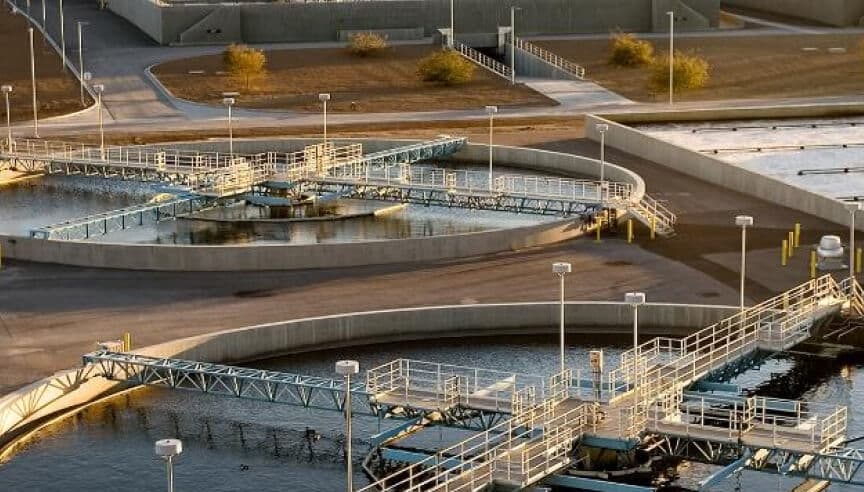
Water scarcity pressures are driving more facilities to implement closed-loop water reuse programs. An ultrafiltration water filter system plays a central role in tertiary treatment, producing reclaimed water that meets strict reuse standards for cooling towers, process rinsing, and landscape irrigation. The compact footprint and automated operation of modern UF skids make retrofitting into existing treatment trains straightforward.
3. Food and Beverage Processing
In food and beverage plants, product quality and microbiological safety are non-negotiable. Ultrafiltration water filters remove bacteria, yeast, mold spores, and particulates from process water without the use of chemicals, preserving water quality while meeting food-grade standards. Dairy processing, brewing, and juice clarification are sectors that frequently deploy UF membrane technology.
4. Pharmaceutical and Electronics Manufacturing
Ultra-pure water requirements in pharmaceutical production and semiconductor fabrication demand multiple purification steps. The ultrafiltration water filter serves as a critical barrier against pyrogens, endotoxins, and fine particulates. When integrated with EDI and RO, UF contributes to the production of water meeting USP purified water and ASTM Type I standards.
5. Cooling Water and Boiler Feed Pre-Treatment
Cooling towers and boilers are particularly vulnerable to biological fouling and scale caused by suspended matter in feed water. Deploying an ultrafiltration water filter as a pre-treatment step significantly reduces biological load, turbidity, and scaling potential, leading to lower chemical consumption, fewer shutdowns, and extended equipment service intervals.
How to Select the Right Ultrafiltration Water Filter for Your Facility
Choosing the correct ultrafiltration water filter requires a systematic evaluation of several process parameters. Rushing this selection process often leads to undersized systems, premature membrane fouling, or unnecessary capital expenditure.
Feed Water Quality Analysis
Before specifying any ultrafiltration system, conduct a comprehensive feed water analysis. Key parameters include turbidity (NTU), total suspended solids (TSS), biological oxygen demand (BOD), chemical oxygen demand (COD), pH, temperature, and microbial counts. These figures directly influence membrane material selection, flux design, and cleaning protocol requirements.
According to the World Health Organization guidelines on water quality, understanding source water characteristics is foundational to designing any effective treatment process, a principle that applies equally to industrial ultrafiltration deployments.
Membrane Material and Configuration
Ultrafiltration membranes are available in several configurations: hollow fiber, tubular, spiral wound, and flat sheet. Hollow fiber modules dominate industrial applications due to their high surface area-to-volume ratio and suitability for inside-out or outside-in flow patterns. Membrane materials include PVDF (polyvinylidene fluoride), PES (polyethersulfone), and PAN (polyacrylonitrile), each offering different chemical resistance and hydrophilicity profiles.
PVDF membranes are particularly popular for industrial ultrafiltration water filter applications due to their robust chemical resistance, tolerance to aggressive cleaning agents, and long operational lifespan often exceeding five years under proper operating conditions.
System Capacity and Automation Level
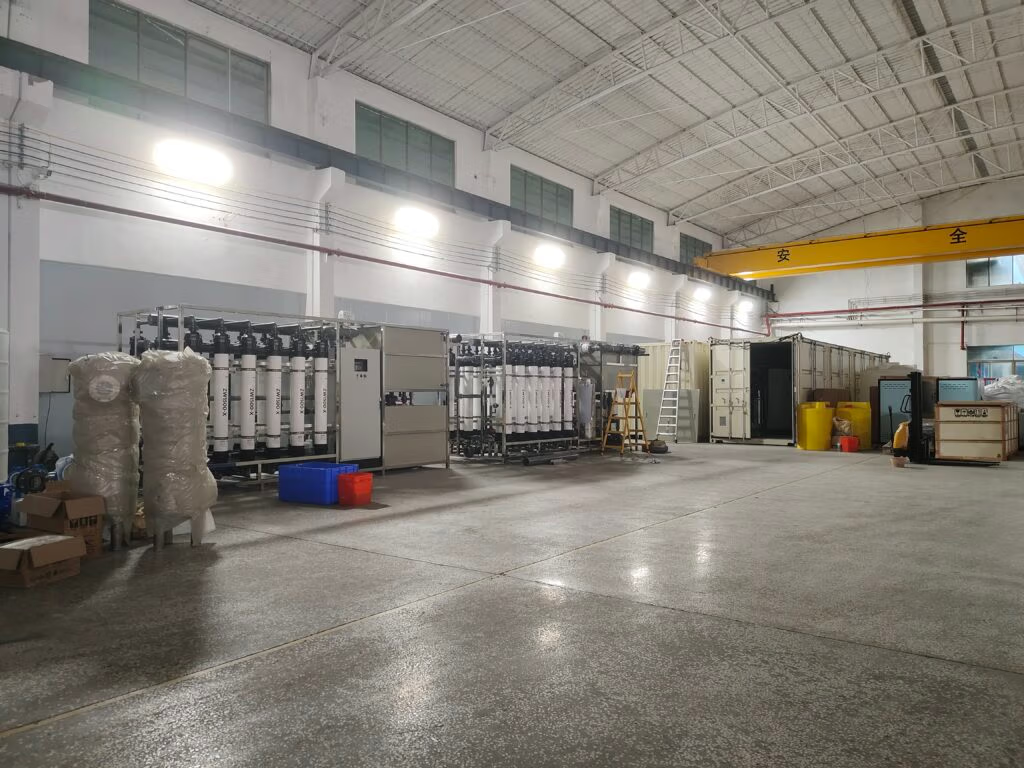
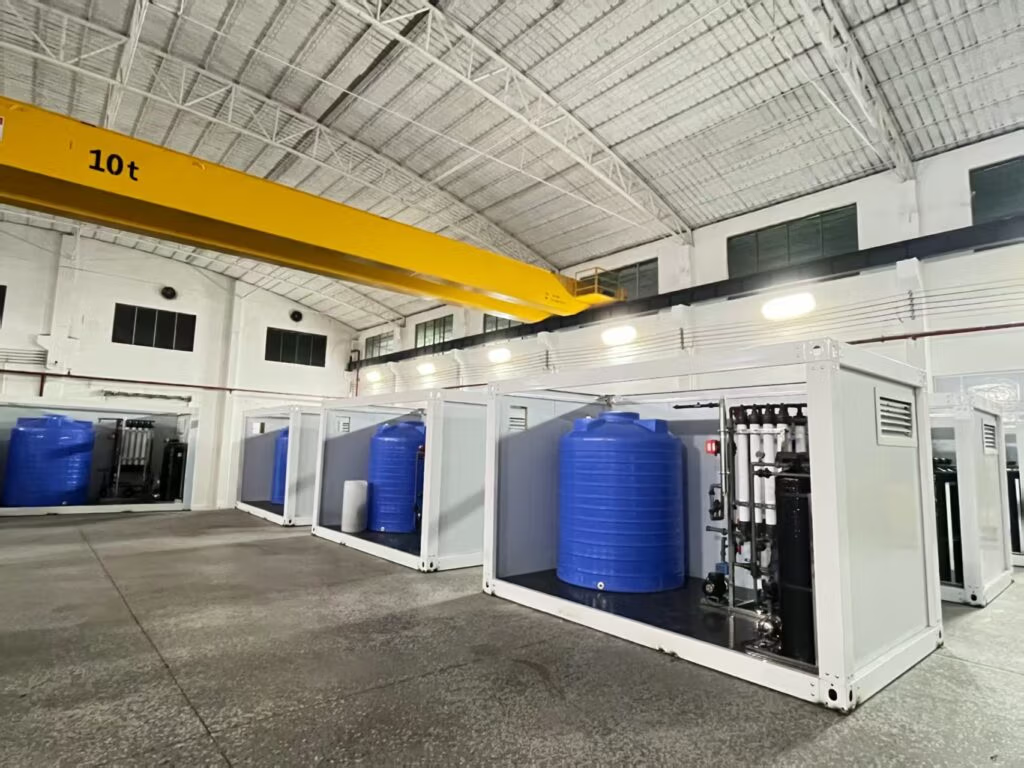
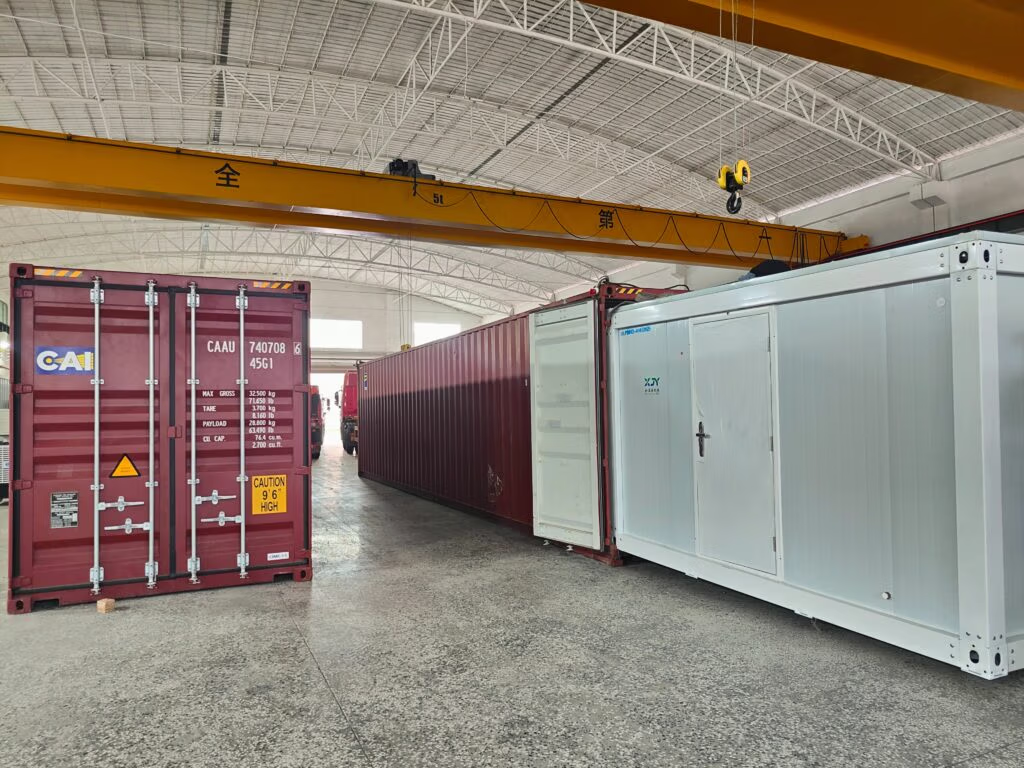
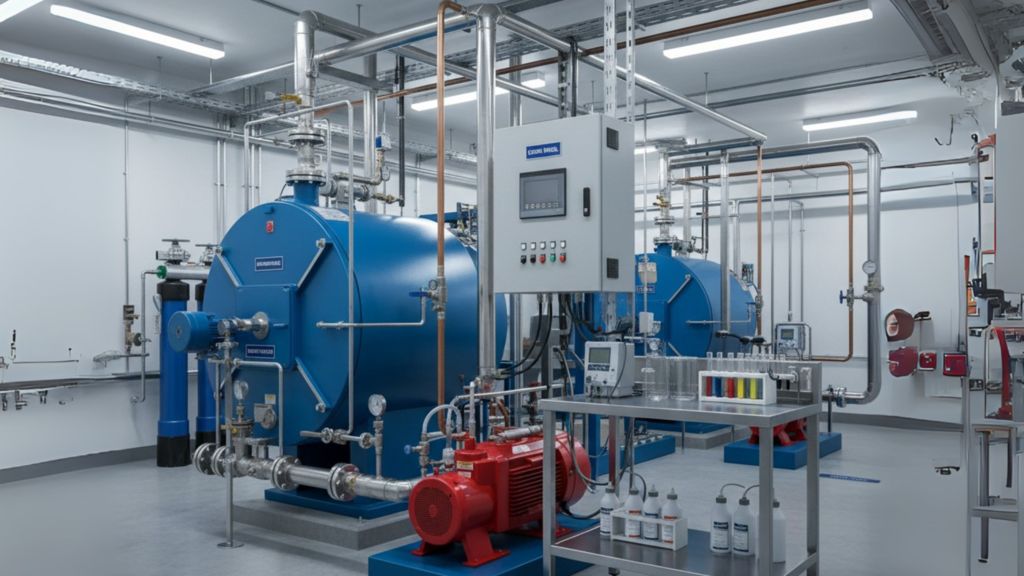
Industrial ultrafiltration water filter systems range from small skid-mounted units processing a few cubic meters per hour to large modular installations capable of handling thousands of cubic meters daily. Modern systems incorporate PLC-based automatic backwash, chemical enhanced backwash (CEB), and clean-in-place (CIP) routines, minimizing operator intervention and ensuring consistent performance around the clock.
Reviewing the 2026 industrial ultrafiltration price analysis can help procurement teams benchmark system costs and understand the factors influencing capital and operational expenditure for different capacity ranges.
Ultrafiltration Water Filter vs. Other Filtration Technologies
Understanding where ultrafiltration fits within the broader filtration spectrum is essential for making informed decisions. Compared to microfiltration, UF offers a tighter pore size that captures viruses and macromolecules that MF membranes would pass through. Compared to nanofiltration and reverse osmosis, UF requires less energy and does not remove dissolved salts, making it appropriate when demineralization is not required.
For facilities that need to remove hardness ions, heavy metals, or dissolved organic compounds, combining an ultrafiltration water filter with downstream nanofiltration or RO creates a multi-barrier system that addresses the full spectrum of contaminants. According to the U.S. Environmental Protection Agency’s treatment technology resources, membrane filtration including ultrafiltration is recognized as a Best Available Technology (BAT) for pathogen removal in drinking and process water applications.
Maintenance Best Practices for Industrial Ultrafiltration Systems
Proper maintenance is the single most important factor in sustaining ultrafiltration water filter performance and extending membrane service life. A well-maintained system can operate reliably for five to ten years before membrane replacement becomes necessary.
Routine hydraulic backwashing typically every 20 to 60 minutes depending on feed water quality — dislodges accumulated particles from the membrane surface. When backwashing alone is insufficient to restore flux, chemical enhanced backwash using sodium hypochlorite or citric acid addresses biological and mineral fouling respectively.
Periodic integrity testing using pressure decay or air diffusion methods verifies that membranes remain intact and that no bypass pathways have developed. Logging and trending transmembrane pressure (TMP) over time provides early warning of developing fouling trends before they become critical.
Why Choose an Industrial-Grade Ultrafiltration Water Filter System?
Industrial-grade ultrafiltration water filter equipment is designed and built to a fundamentally different standard than commercial or residential units. Robust skid construction, industrial-rated instrumentation, redundant membrane trains, and process-compatible materials of construction ensure reliable continuous operation in demanding environments where downtime directly impacts production.
When evaluating suppliers, consider factors such as membrane origin and warranty, availability of local service and spare parts, experience with your specific industry application, and the supplier’s capacity to provide engineering support throughout the project lifecycle — from water analysis and system design through commissioning and operator training.
An ultrafiltration water filter is not merely a piece of equipment, it is a long-term investment in process reliability, product quality, and regulatory compliance. Selecting the right system from a qualified industrial supplier ensures that the investment delivers its intended value across the full operational lifespan of the plant.