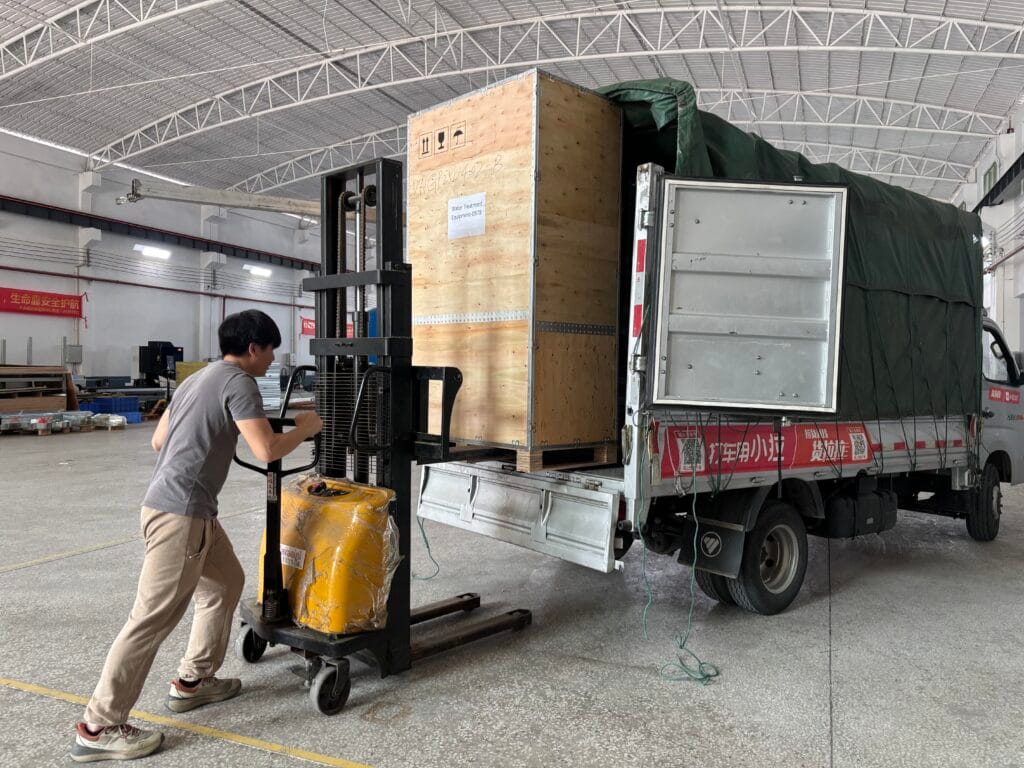
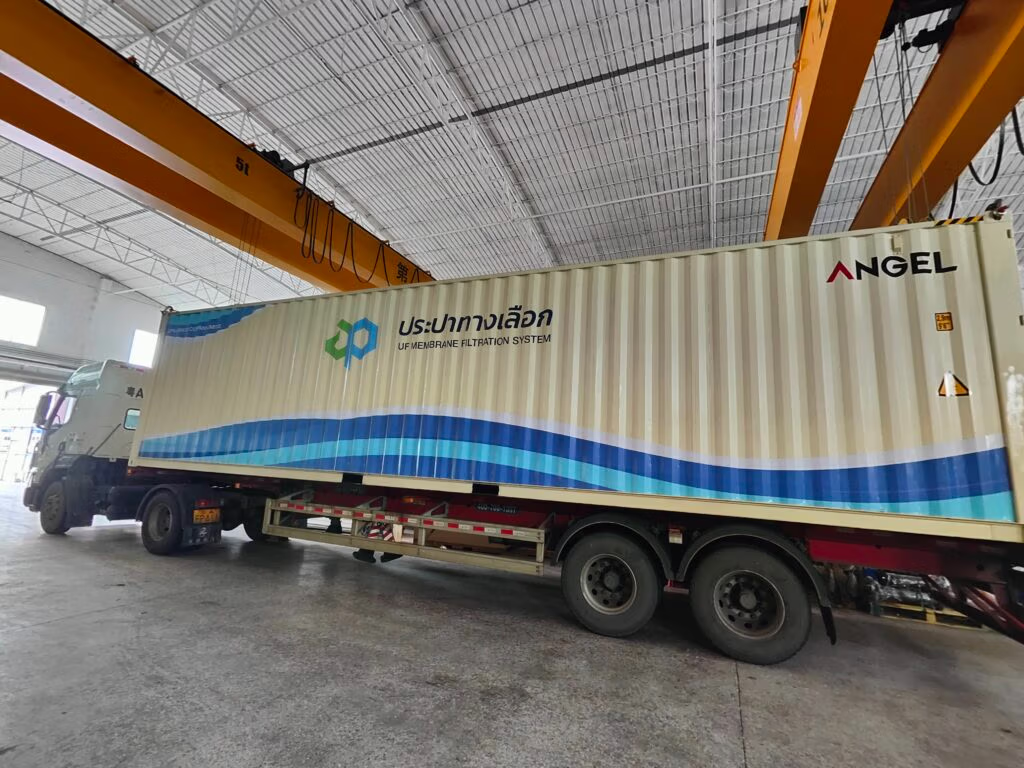
Todos hemos oído hablar de la escasez de agua y la pobreza en África. Al menos hemos leído titulares sobre sequías regionales e incluso hemos donado a una organización de ayuda internacional dedicada a proporcionar agua potable a comunidades empobrecidas. Entonces, ¿existe una planta desalinizadora en África? La respuesta es sí. De hecho, varios países africanos han construido o están construyendo plantas desalinizadoras para satisfacer la creciente demanda de agua.
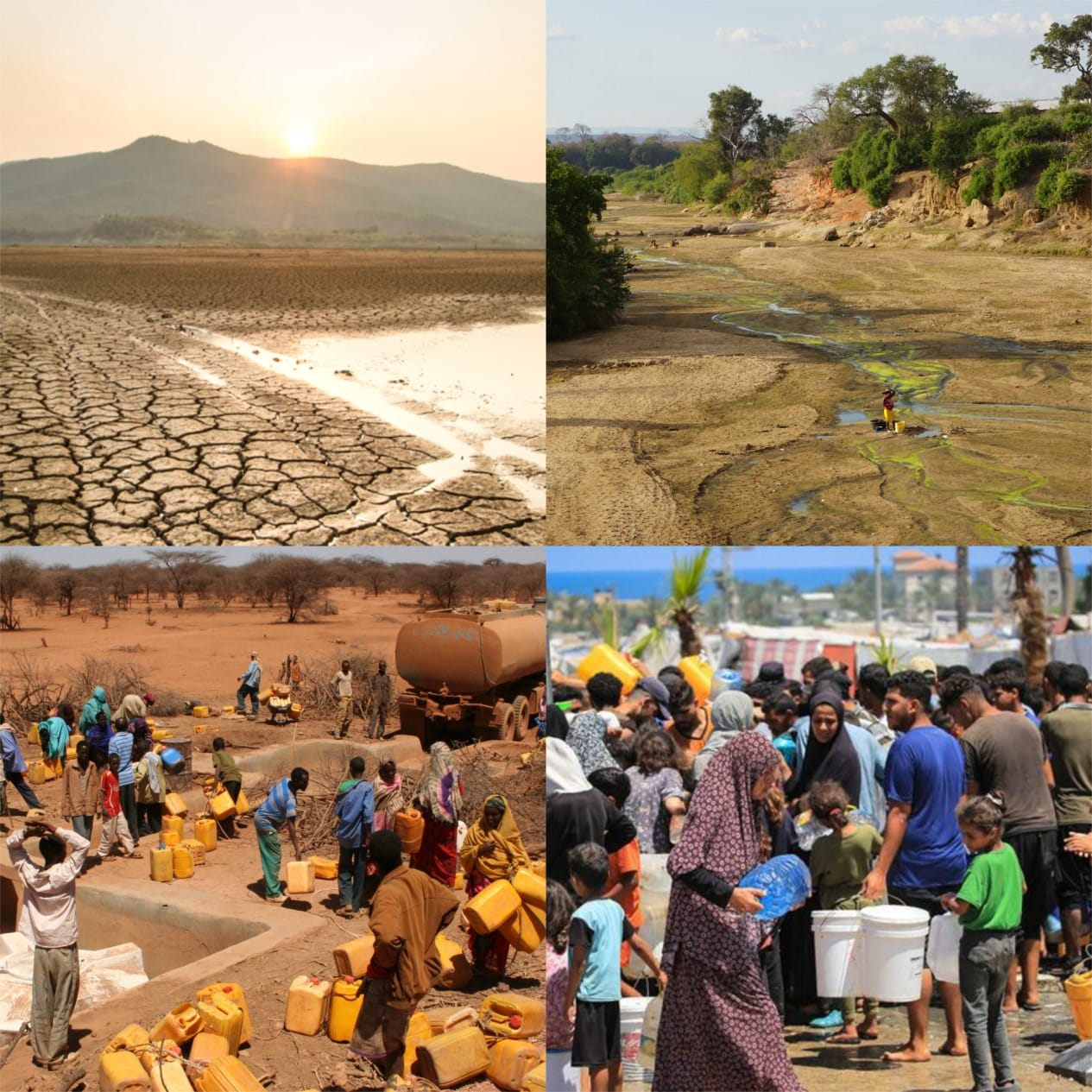
What causes water shortages?
Africa is the second driest continent in the world after Australia. Such an arid climate naturally leads to water shortages, as rainfall only occurs during certain seasons and much of the continent relies on surface rainwater for its water supply year-round. This has made maintaining a reliable water source a difficult reality for African communities for centuries.
But as in other parts of the world, climate change is making matters worse. Climate change is causing temperatures to rise and rainfall to decrease across the continent. As a result, we are seeing increased desertification, reduced river flows, and droughts becoming the norm in many sub-Saharan countries.
What existing desalination plant is there in Africa?
Marruecos está construyendo actualmente la planta desalinizadora más grande del continente cerca de Casablanca. Tendrá una capacidad de producción anual de 300 millones de metros cúbicos de agua potable. La planta abastecerá de agua a unos 7,5 millones de personas y también podrá utilizarse para riego agrícola. El proceso de desalinización utilizará tecnología de ósmosis inversa, y el parque eólico Bir Anzarane, de 360 megavatios, la abastecerá íntegramente. Además, utilizará el 47 % de su electricidad para abastecer la planta desalinizadora.
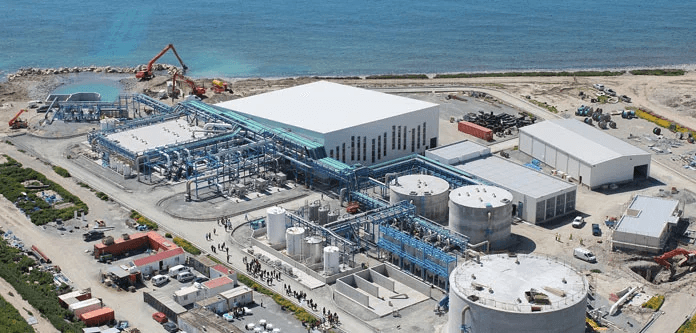
Otro importante proyecto marroquí se ubica cerca de Rabat, y las autoridades anunciaron que comenzaría en 2024. La empresa francesa Veolia, experta en agua, ganó la licitación para construir la planta. Una vez operativa, producirá 822 millones de litros de agua potable al día, lo que la convierte en la planta desalinizadora más grande de África y la segunda más grande del mundo. Abastecerá de agua a unos 9 millones de habitantes de Rabat, Kenitra y Fez.
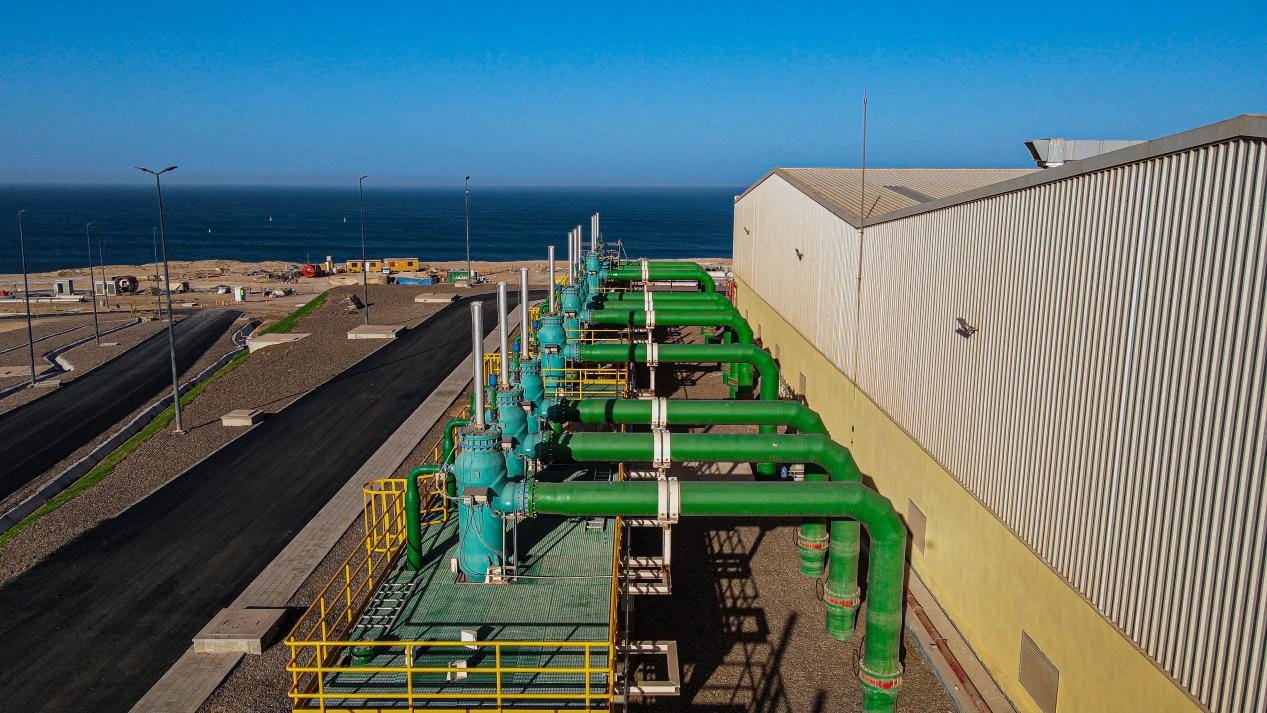
Algeria is a country in northwestern Africa with a tropical desert climate, low annual rainfall and prominent freshwater shortages. The 300,000-ton seawater desalination project in Oran, in which China National Chemical Corporation participated in the construction, is Sinochem’s first large-scale seawater desalination project in North Africa. It is also the largest international seawater desalination project independently designed by a Chinese company and provided with a core process package. After it is fully put into production, it will significantly alleviate the local water shortage problem.
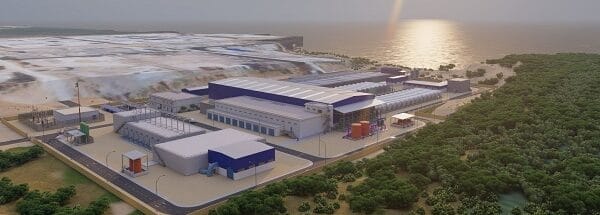
Why can desalination plant promote development?
Many people believe that lack of clean water is the cause of high poverty rates in Africa. Considering the actual situation in Africa, people need desalination technology to provide safe and reliable drinking water. Investing in desalination not only provides stable water, but also creates jobs for African communities.
For example, the first desalination plant in Ghana and even in West Africa was completed in 2015. The plant not only provides sufficient water for 500,000 residents in Accra, but also creates 400 jobs. Desalination technology can solve the problem of water shortage and give rise to a new industry dedicated to meeting local and regional water needs.
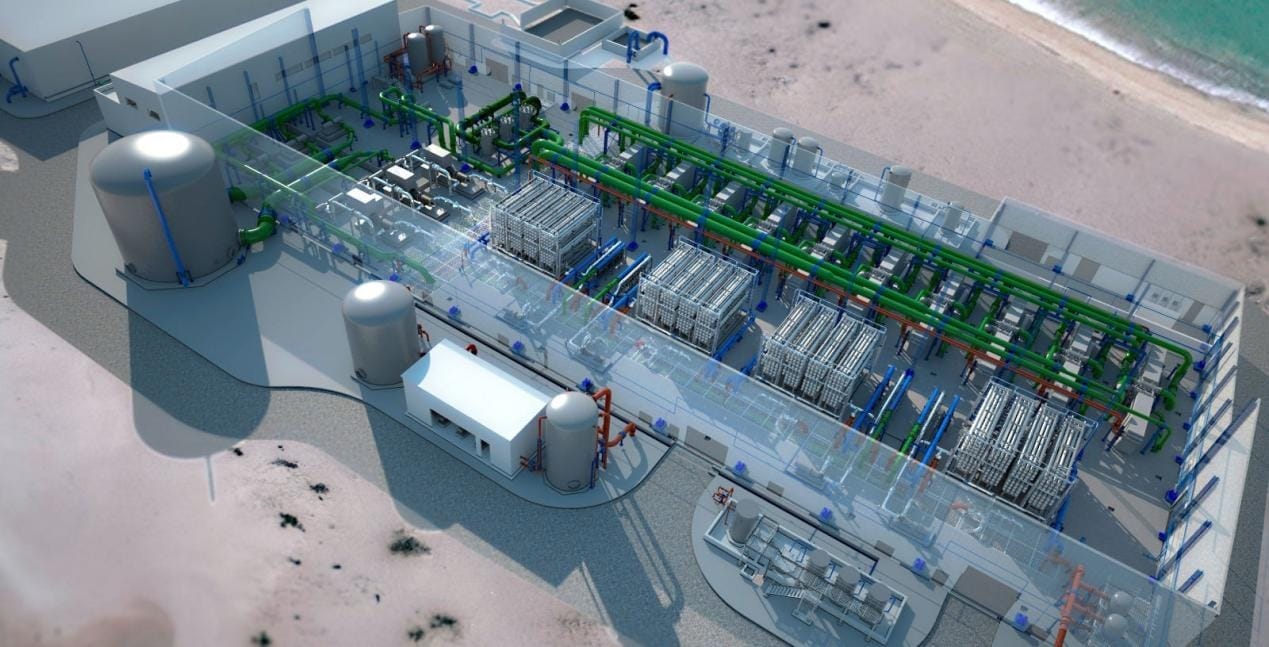
Today, the reduction of drinking water supply in Africa, coupled with the increase in water demand caused by population growth, makes desalination solutions more urgent than ever. Desalination technology has the unique potential to meet the water needs of African communities, create jobs, and meet domestic and industrial water needs.
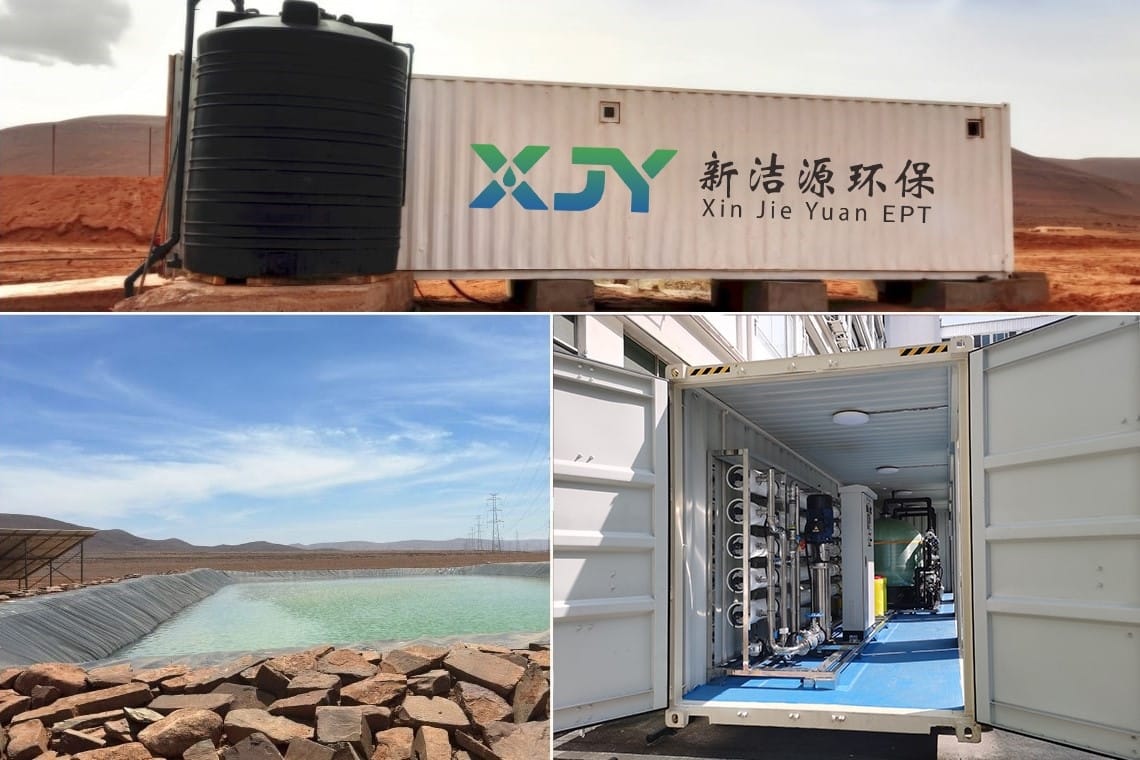
If your organization or municipality is ready to build a desalination system, contact “XinJieYuan” today.